Skip to content
wp.archivoaereo.com

wp.archivoaereo.com

  • Military Aviation
    • World War I
      • WWI Attack Aircraft
      • WWI Bombers
      • WWI Fighters
      • WWI Flying Boats
      • WWI Reconnaissance
    • World War II
      • WWII Attack Aircraft
      • WWII Bombers
      • WWII Fighters
      • WWII Flying Boats
      • WWII Military Transport
      • WWII Reconnaissance
    • Cold War
      • Cold War Fighters
    • Modern
      • Modern Fighters
      • Modern Maritime Patrol
      • Modern Military Transport
  • Civil & Commercial Aviation
    • Classic Airliners
    • Modern Airliners
    • Classic Regional Airliners
    • Modern Regional Airliners
    • Pioneer Light Aircraft
    • Classic Light Aircraft
    • Modern Light Aircraft
    • Agricultural Aircraft
    • Racing Aircraft
  • Helicopters
    • Cargo & Heavy Helicopters
    • Light & Observation Helicopters
    • Pioneer Helicopters
    • SAR Helicopters (Rescue)
    • Utility Helicopters
  • Technology
    • Weapons & Technology
    • Drones & UAVs
    • Experimental Aircraft
  • History
    • History & Battles
  • Toggle search form

CANT 21

Posted on May 26, 2026 By

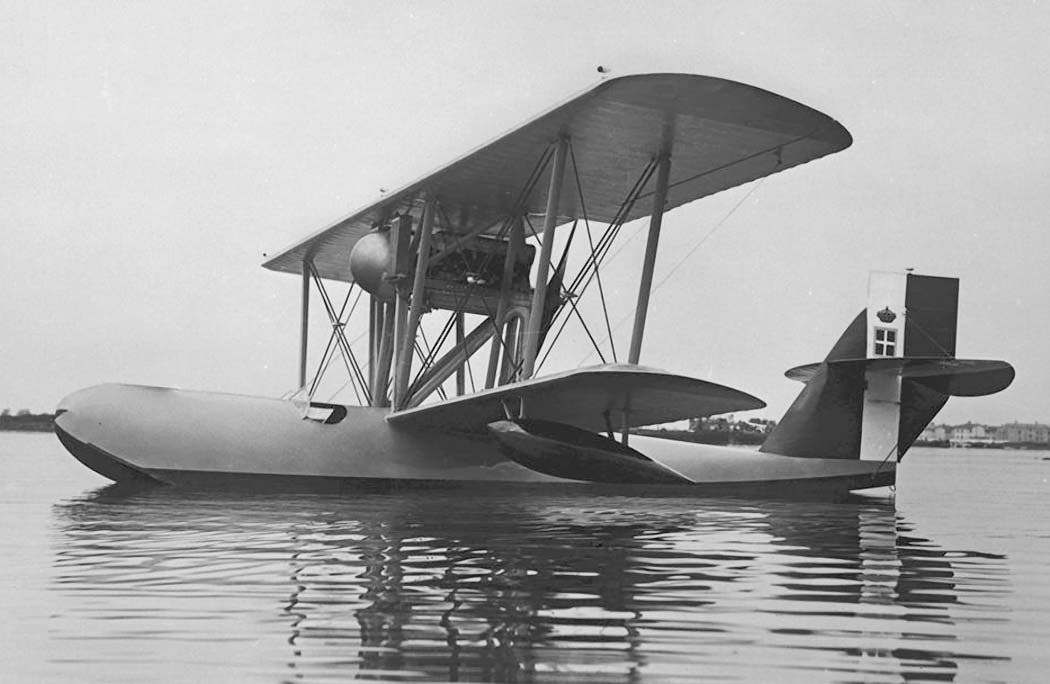
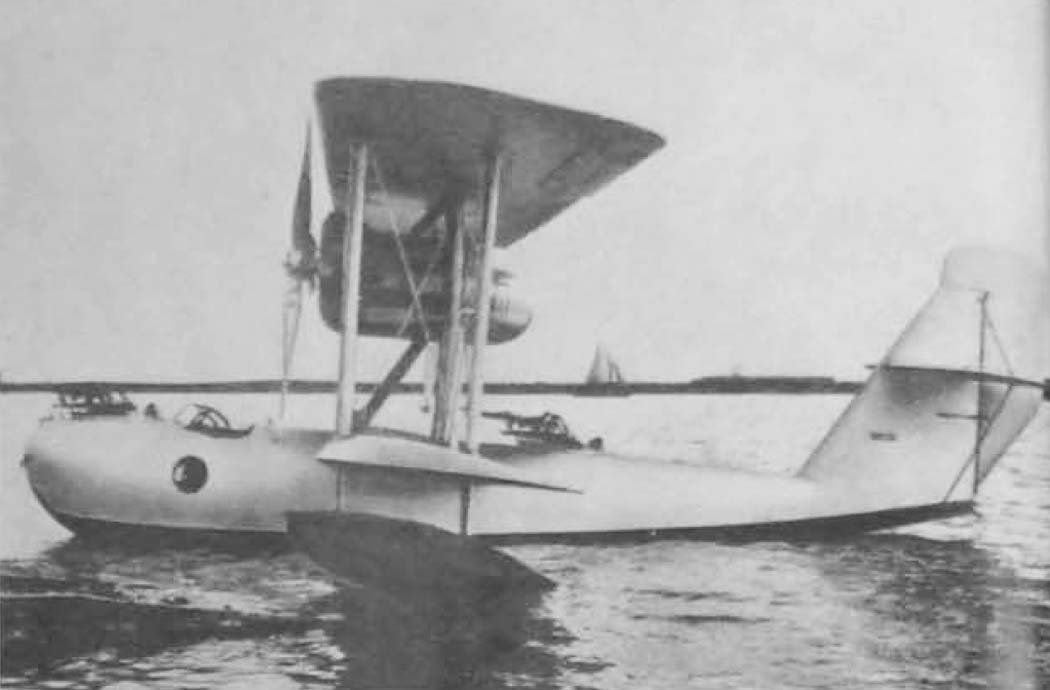
In 1926, the Italian Ministry of Aeronautics announced specifications for a military flying boat capable of long-range reconnaissance flights and bombing attacks against enemy ships and submarines. The company Cantieri Navali Triestini (CNT) participated in the tender for this specification, with engineer Raffaele Conflenti entrusted with its development.

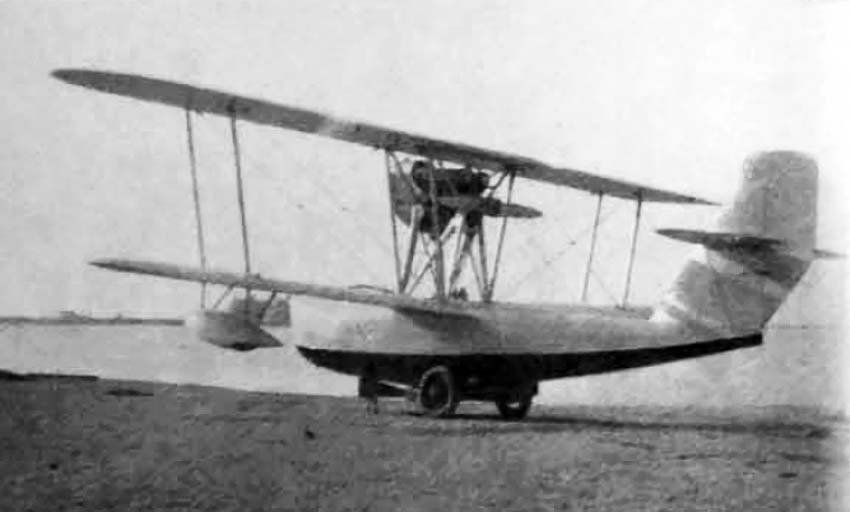
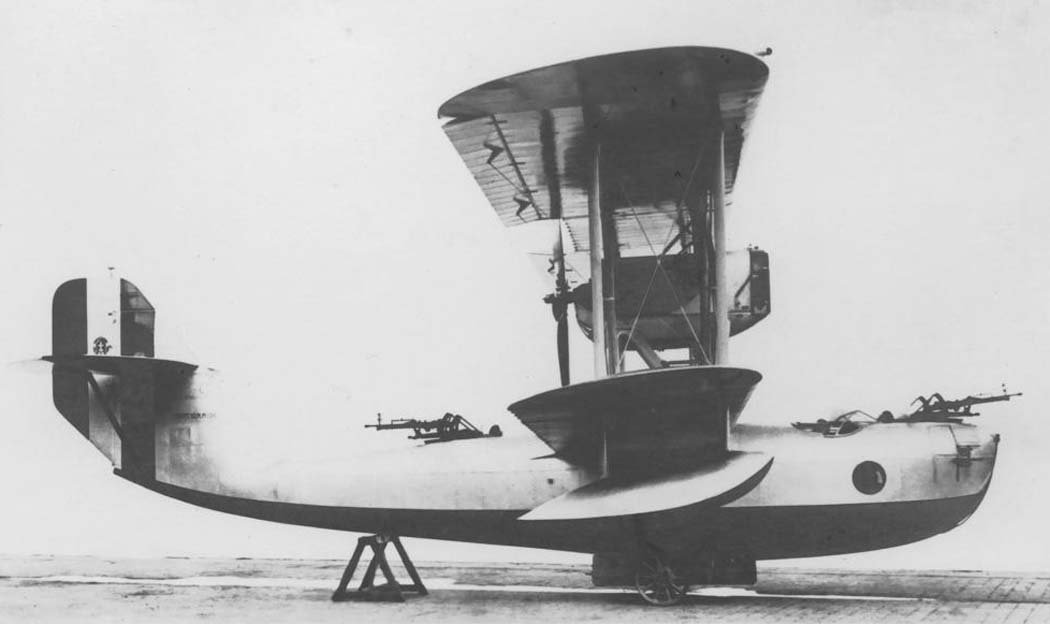
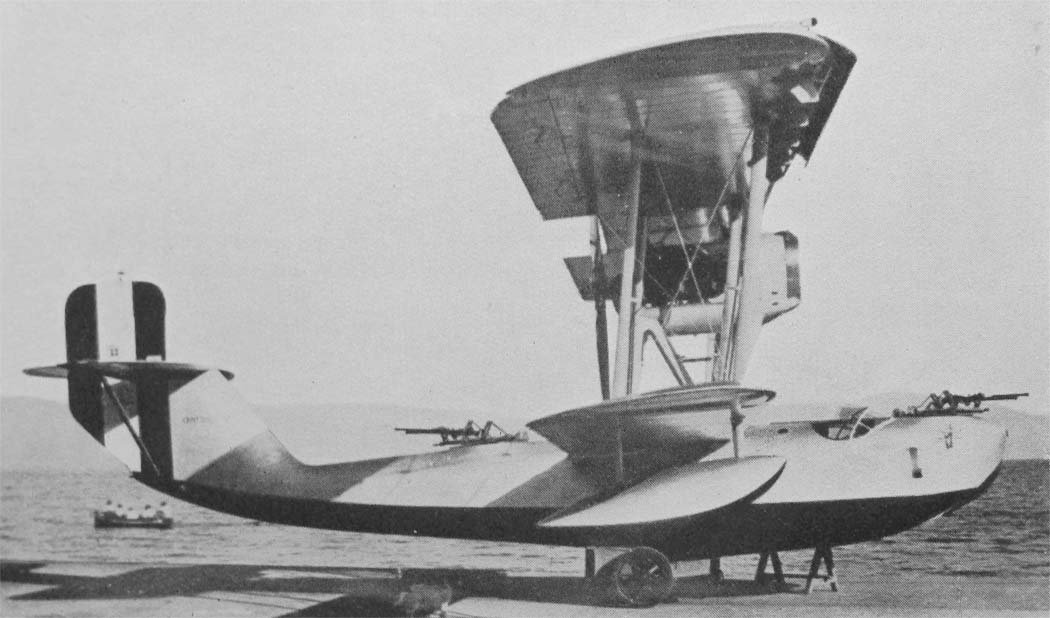
In early 1927, the prototype of the CNT 21 flying boat took to the air. This aircraft, a further development of the CNT 10 and CNT 13 designs, was a two-seater, single-strut biplane, powered by a 510 hp (375 kW) twelve-cylinder V-engine, the Isotta Fraschini Asso 500. Its armament consisted of two 7.7 mm machine guns and light bombs weighing up to 100 kilograms.

Table of Contents

Toggle
    • Trials and Export Opportunities
    • The CNT 21bis and Modernizations
    • Legacy and Nomenclature
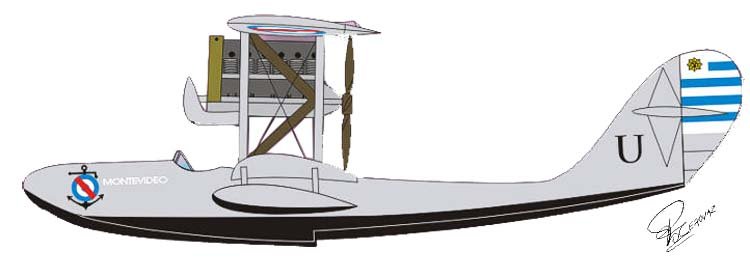
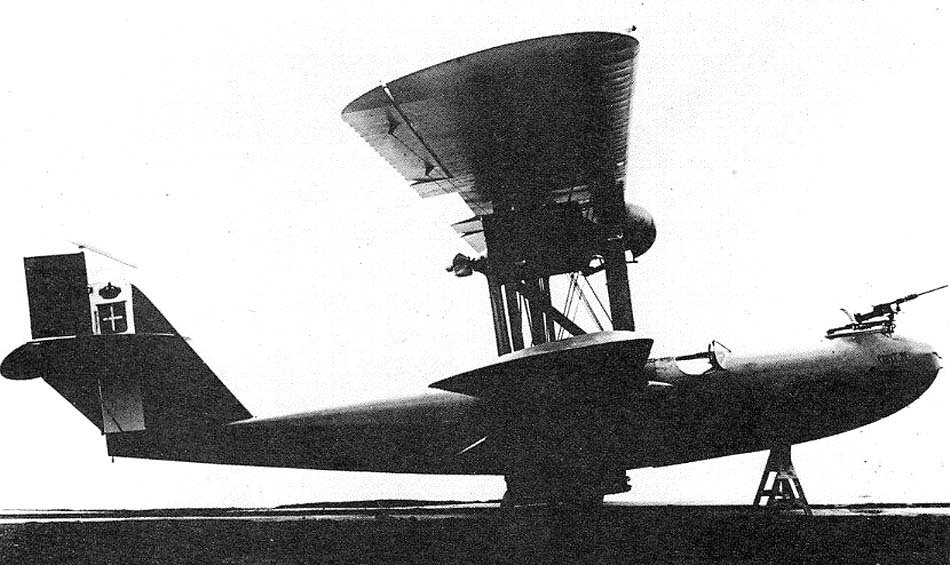
  • Image and diagram gallery of the CANT 21

Trials and Export Opportunities

The prototype was delivered to the Italian Navy base at Vigna di Valle for comparative trials alongside the Savoia-Marchetti S.62. Although the S.62 was declared the winner of the competition, CNT was permitted to sell the flying boat abroad, opening avenues for international sales.

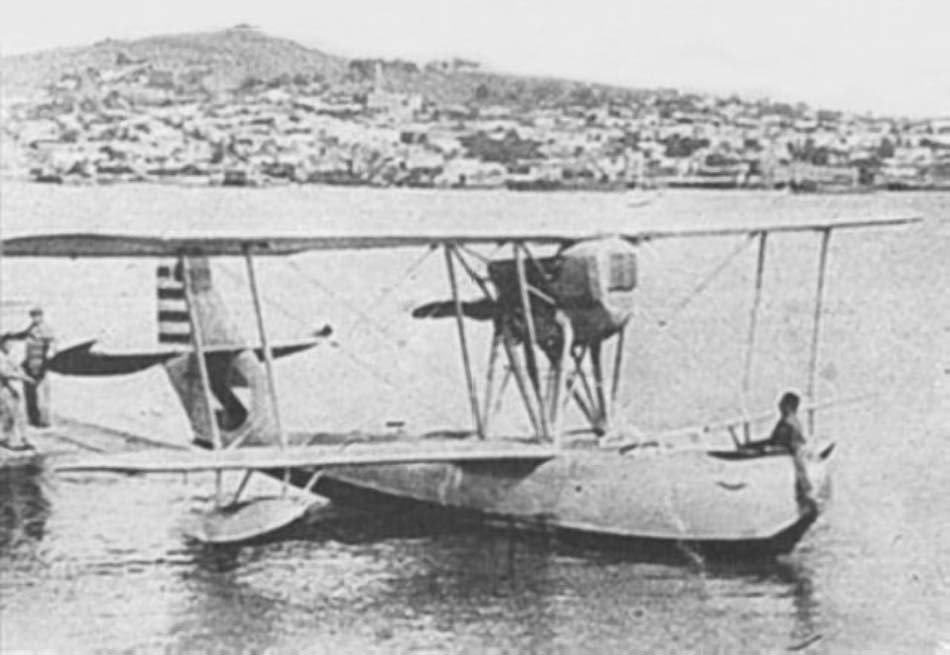
At the 1928 Paris Air Show, Cantieri Navali Triestini offered the CNT 21 to delegations from Argentina, Portugal, and Turkey. However, only the Argentinians managed to sign a contract, ordering three such flying boats. After the construction of two aircraft, I-AALN and I-AAPW, the Argentine Navy command decided to reduce the order to a single unit. The second aircraft was “placed” with the Uruguayan Navy, which had already ordered two CNT 18bis trainers.

The CNT 21bis and Modernizations

In 1930, the Italian Ministry of Aeronautics announced a new competition to replace the outdated Savoia-Marchetti S.59 flying boats. For this competition, Raffaele Conflenti significantly redesigned the CNT 21. The new aircraft, designated CNT 21bis, became a three-seater, featuring a new, improved fuselage, an Isotta-Fraschini Asso 500Ri geared engine, and a metal propeller. A Marconi R.A.6 radio receiver was also installed.

During the comparative trials conducted by the military at the Vigna di Valle base in 1931, the S.62 was once again declared the winner. The CNT 21bis was further modernized: its engine was enclosed in a streamlined nacelle, and new wings with Handley Page slats were installed. All these changes led to significant performance improvements, but by this time, the competition had been discontinued.

The sole CNT 21bis built was acquired by the Italian Navy but never entered any combat units. It remained at the Vigna di Valle base until April 1940, serving a limited role.

Legacy and Nomenclature

In 1930, after the company’s name change to Cantieri Aeronautici e Navali Triestini (CANT), the designation CNT 21 officially became CANT 21. This renaming marked a new era for the aircraft, even if its operational history remained somewhat limited.

Image and diagram gallery of the CANT 21
How to cite this article:

APA: CANT 21 (). CANT 21. wp.archivoaereo.com. https://wp.archivoaereo.com/en/cant-21-3/
VANCOUVER: CANT 21 [online]. wp.archivoaereo.com; [cited 2026-05-26]. Available at: https://wp.archivoaereo.com/en/cant-21-3/
Developed by Agatha Press
Spread the love
WWI Flying Boats Tags:Italy

Post navigation

Previous Post: Ca.311
  • Español
  • Agricultural Aircraft
  • Attack Aircraft
  • Aviation Biographies
  • Cargo & Heavy Helicopters
  • Classic Airliners
  • Classic Light Aircraft
  • Classic Regional Airliners
  • Cold War Fighters
  • Drones & UAVs
  • Experimental Aircraft
  • History & Battles
  • Interwar Reconnaissance
  • Light & Observation Helicopters
  • Maritime Patrol
  • Military Trainer Aircraft
  • Military Transport
  • Modern Airliners
  • Modern Cargo Aircraft
  • Modern Fighters
  • Modern Light Aircraft
  • Modern Maritime Patrol
  • Modern Military Transport
  • Modern Regional Airliners
  • Other Aircraft
  • Pioneer Air Transport
  • Pioneer Helicopters
  • Pioneer Light Aircraft
  • Racing Aircraft
  • SAR Helicopters (Rescue)
  • Sin categoría
  • Utility Helicopters
  • Weapons & Technology
  • WWI Attack Aircraft
  • WWI Bombers
  • WWI Fighters
  • WWI Flying Boats
  • WWI Reconnaissance
  • WWII Attack Aircraft
  • WWII Bombers
  • WWII Fighters
  • WWII Flying Boats
  • WWII Military Transport
  • WWII Reconnaissance
Clive "Killer" CaldwellClive "Killer" CaldwellAdmin
Monoplano Castellani-BernasconiMonoplano Castellani-BernasconiAdmin
Hatz CB-1Hatz CB-1Admin

Legal

  • About ArchivoAereo
  • Terms and Conditions
  • Contact Us
  • Privacy Policy

Copyright © 2026 wp.archivoaereo.com.

Powered by PressBook WordPress theme