
Following the success of the Ca.100, the Caproni firm decided to develop a more advanced training aircraft. The project, designated Ca.164, envisioned the simultaneous development of two planes: a two-seater trainer, powered by a six-cylinder Alfa Romeo 115 I bis engine delivering 185 hp, and a single-seater acrobatic aircraft, designated Ca.163.
The Ca.163 was equipped with an Alfa Romeo 110 engine producing 120 hp, or alternatively a Walter Minor engine of 110 hp. The sole prototype of this aircraft was constructed at the Caproni-Taliedo factory in 1938.
Limited Military Appeal
The narrow specialization of the Ca.163 did not generate interest from the military. Furthermore, armed forces had already received a much more versatile machine in the form of the Ca.164, which better met their diverse operational requirements.
Preservation and Legacy
Despite its limited operational career, the Ca.163 successfully survived the Second World War. After the conflict, this unique aircraft was transferred to the Giovanni Caproni Museum in Trento, where it remains a testament to early Italian aviation design.
Technical Specifications
| Modification | Ca.163 |
| Wingspan, m | 9.4 5 |
| Length, m | 7.20 |
| Height, m | 3. 00 |
| Wing area, m2 | 22.40 |
| Empty weight | 580 |
| Maximum takeoff weight | 840 |
| Engine type | 1 Piston engine Alfa Romeo 110 |
| Power, hp | 1 x 1 20 |
| Maximum speed, km/h | 205 |
| Cruising speed, km/h | 185 |
| Service ceiling, m | 5000 |
| Crew | 1 |
Image and diagram gallery of the Ca.163
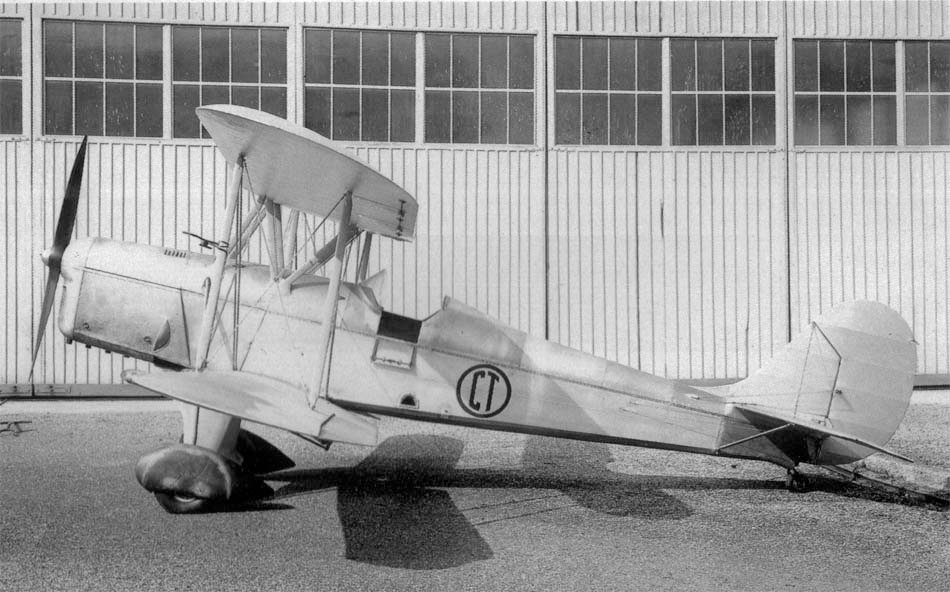 Ca.163 |
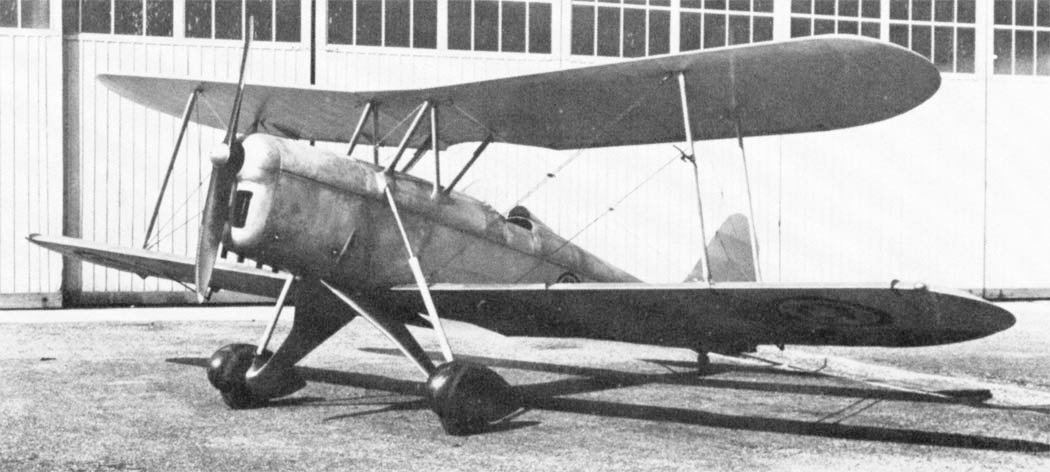 Ca.163 |
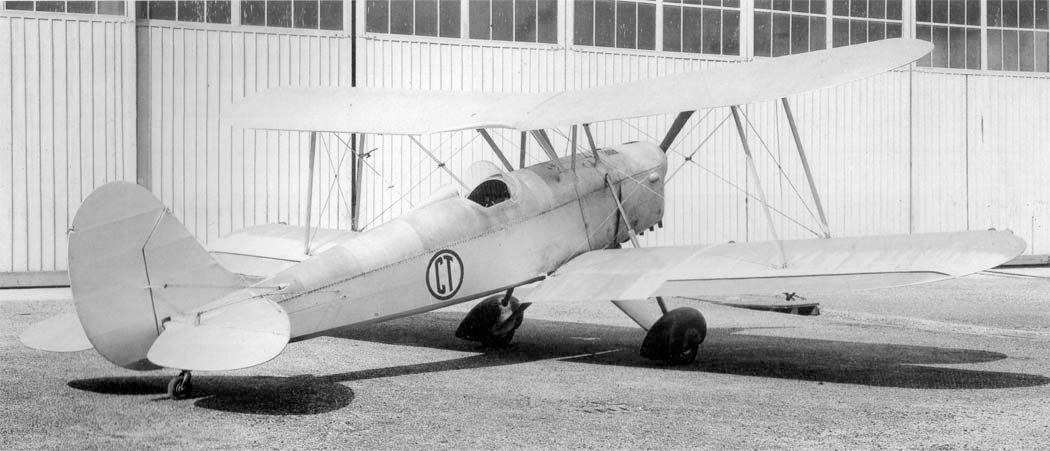 Ca.163 |