
The Ca.164 was a trainer aircraft developed by the Italian firm Caproni. Following the success of the Ca.100, Caproni decided to create a more advanced trainer. The project, designated Ca.164, envisioned the development of two aircraft: a two-seat trainer (powered by a 185 hp Alfa Romeo 115 I bis six-cylinder engine) and a single-seat aerobatic variant (designated Ca.163, with a 120 hp Alfa Romeo 110 engine). The prototype’s first flight took place on November 17, 1938, at Forlì airfield.
Development and Initial Orders
Along with the Ba.25, the aircraft underwent competitive trials at a military center. Despite some remarks, an initial batch of 50 aircraft was ordered in January 1939. There were also plans to begin producing the Ca.164 as a light ambulance aircraft.
Wartime Operations and Legacy
In addition to the Italian Air Force, the Ca.164 was supplied to France. During World War II, the aircraft was equipped with a single 7.7-mm machine gun and was used as a light auxiliary and anti-partisan aircraft on the Western and Eastern fronts, as well as in North Africa.
Some of these aircraft were also requisitioned by the Luftwaffe. A total of 281 examples were built, with approximately half surviving until the end of the war.
Technical Specifications
| Modification | Ca.164 |
| Wingspan, m | 9.45 |
| Length, m | 7.74 |
| Height, m | 3.00 |
| Wing area, m2 | 22.40 |
| Empty weight | 780 |
| Maximum takeoff weight | 1040 |
| Engine type | 1 Piston engine Alfa Romeo 115 I bis |
| Power, hp | 1 x 185 |
| Maximum speed, km/h | 217 |
| Cruising speed, km/h | 184 |
| Practical range, km | 550 |
| Service ceiling, m | 4250 |
| Crew | 2 |
Image and diagram gallery of the Ca.164
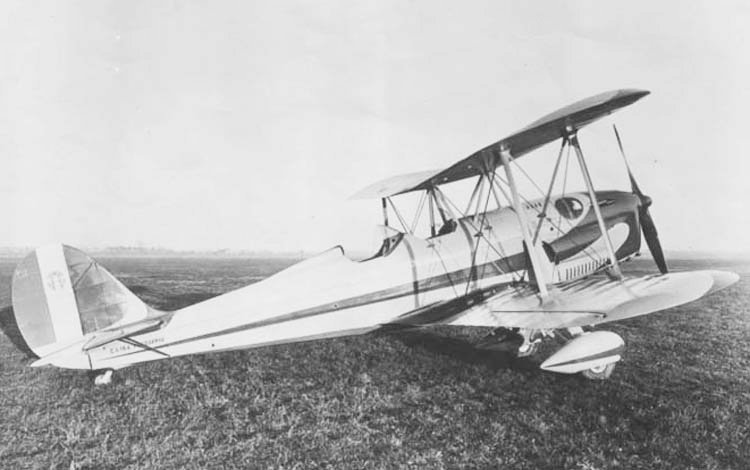 Ca.164 |
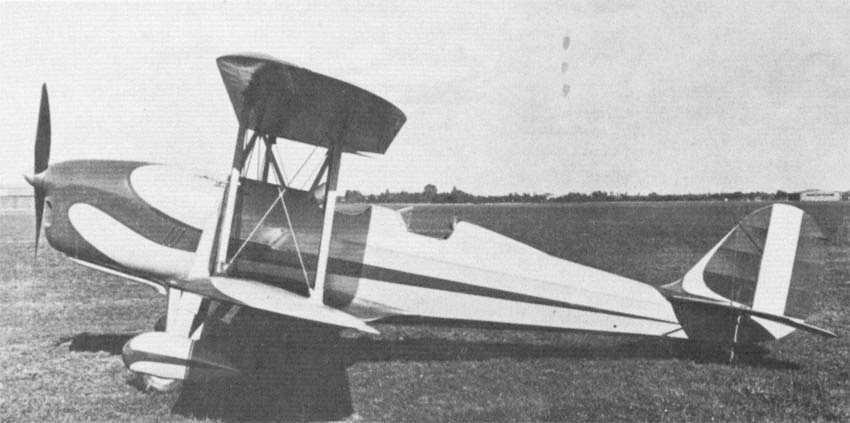 Ca.164 |
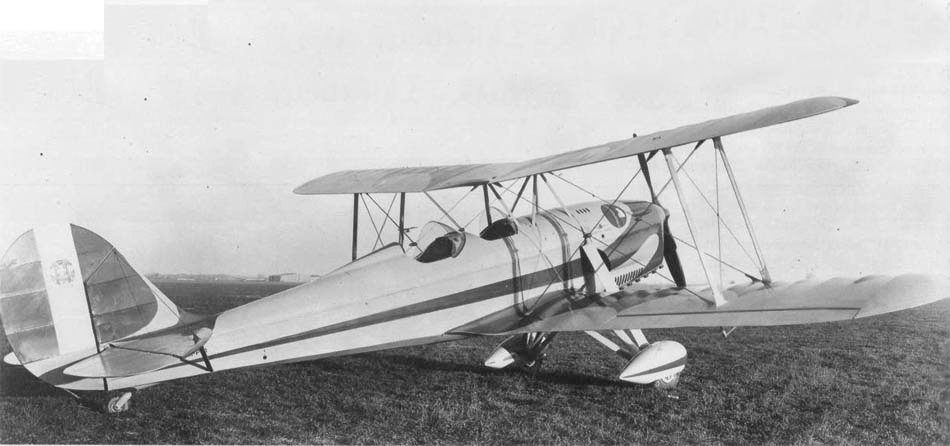 Ca.164 |
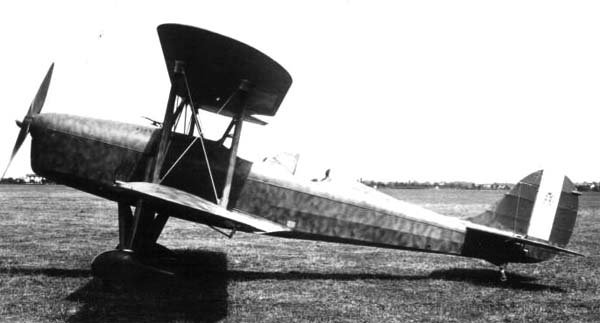 Ca.164 |
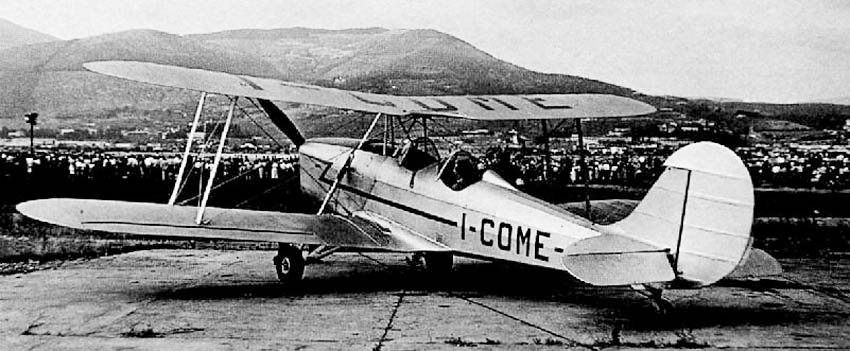 Ca.164 |
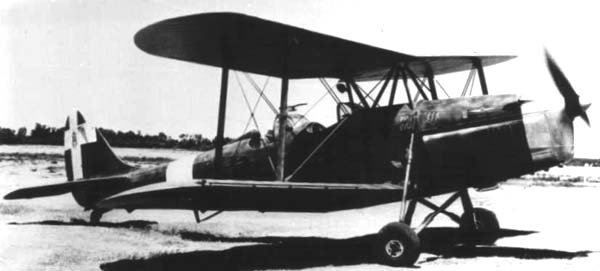 Ca.164 |
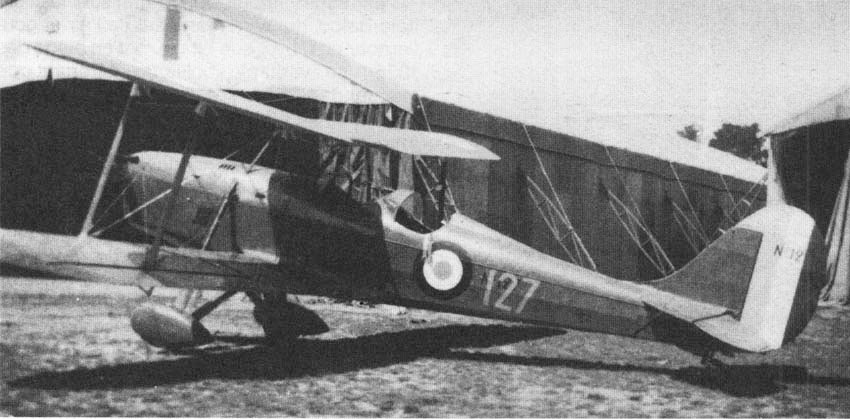 Ca.164 |
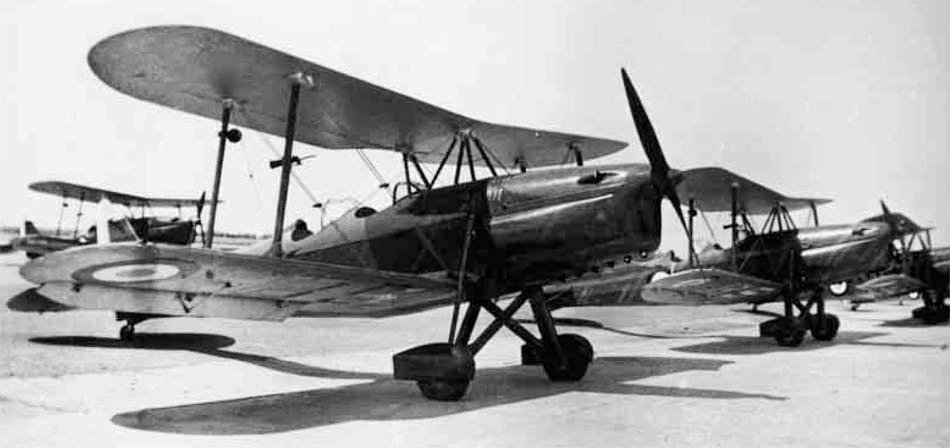 Ca.164 |
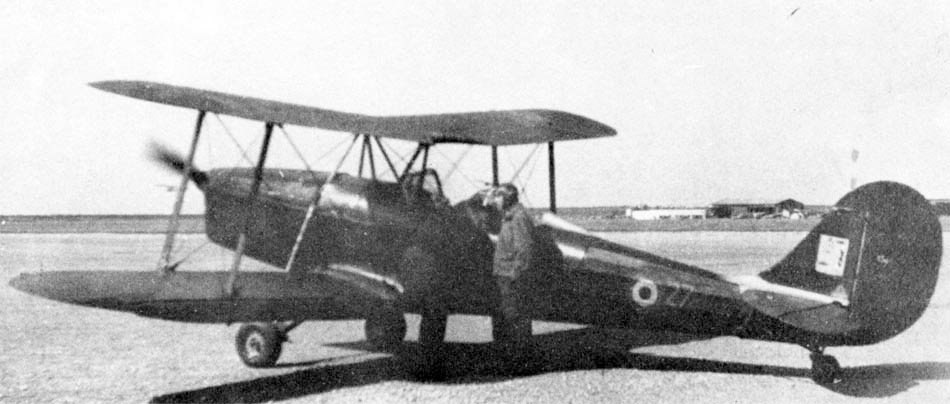 Ca.164 |
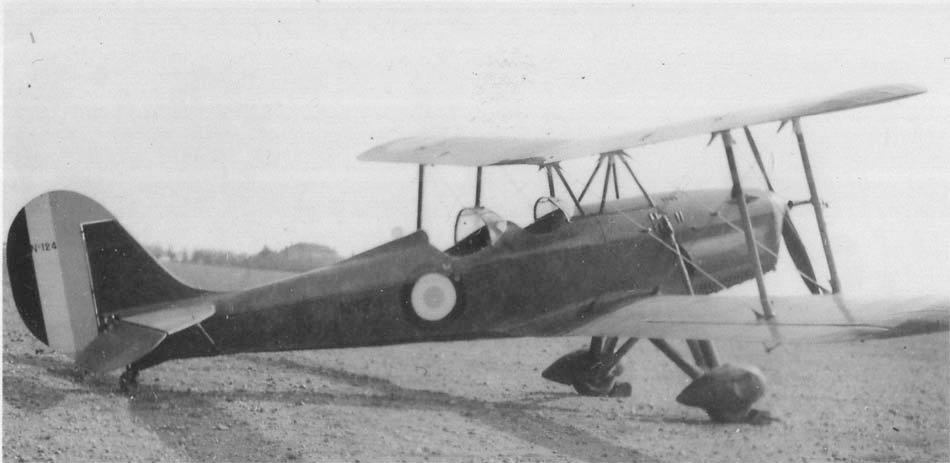 Ca.164 |
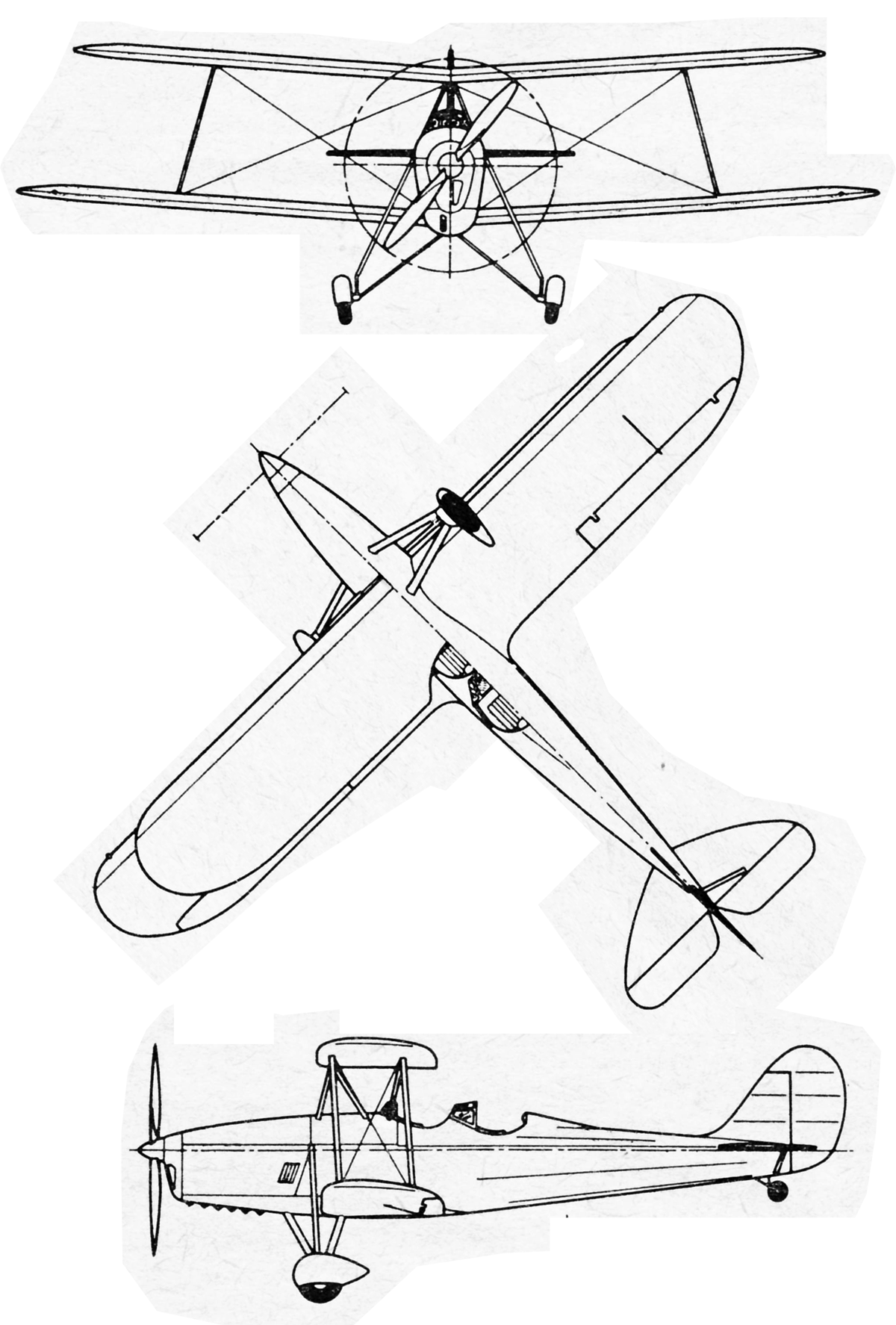 Ca.164 |
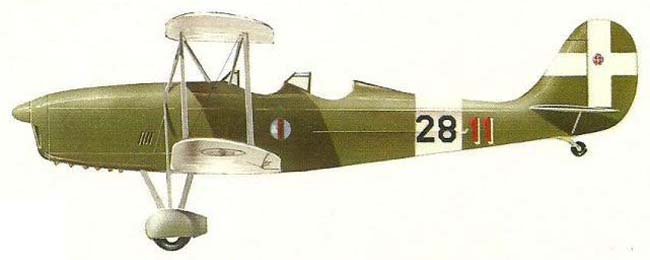 Ca.164 |
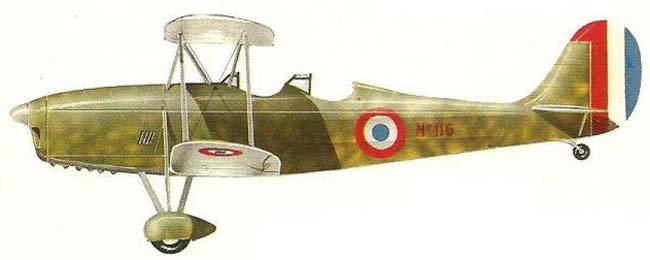 Ca.164 |