
In 1930, the Regia Aeronautica issued requirements for reconnaissance flying boats to serve on its Trento and Zara-class heavy cruisers. Engineer Raffaele Conflenti developed two projects to meet these requirements: the CANT 35 and the CANT 37. The main difference between the two flying boats lay in their wings; the CANT 35 featured folding wings, while the CANT 37‘s wings were fully removable.
Design and Specifications
The CANT 35 was a three-seater, single-strut biplane, powered by a twelve-cylinder Isotta Fraschini Asso Caccia engine, delivering 440 hp. Its armament comprised one forward 7.7mm machine gun and another identical one mounted on a movable turret in the rear cockpit. Additionally, the CANT 35 was capable of carrying light bombs or photographic equipment, enhancing its reconnaissance capabilities.
Development and Fate
The first prototype (MM.154) took to the skies on May 18, 1932. This initial aircraft was equipped with a more powerful Isotta Fraschini Asso 500 engine, rated at 510 hp, instead of the original Asso Caccia. Following trials, the CANT 35 was acquired by the military, though the project did not receive further significant development.
Tragically, the sole flying boat built was destroyed in an accident on June 23, 1938. Despite its promising start, the CANT 35 never saw extended service or mass production, remaining a unique footnote in Italian naval aviation history.
Technical Specifications
| Modification | CANT 35 |
| Wingspan, m | 14.29 |
| Length, m | 10. 39 |
| Height, m | 3.83 |
| Empty weight | 1825 |
| Maximum takeoff weight | 2690 |
| Engine type | 1 Piston engine Isotta Fraschini Asso 500 |
| Power, hp | 1 x 510 |
| Maximum speed, km/h | 208 |
| Cruising speed, km/h | 185 |
| Practical range, km | 1500 |
| Practical ceiling, m | 4100 |
| Crew | 3 |
| Armament | two 7.7-mm machine guns, possible suspension of light bombs |
Image and diagram gallery of the CANT 35
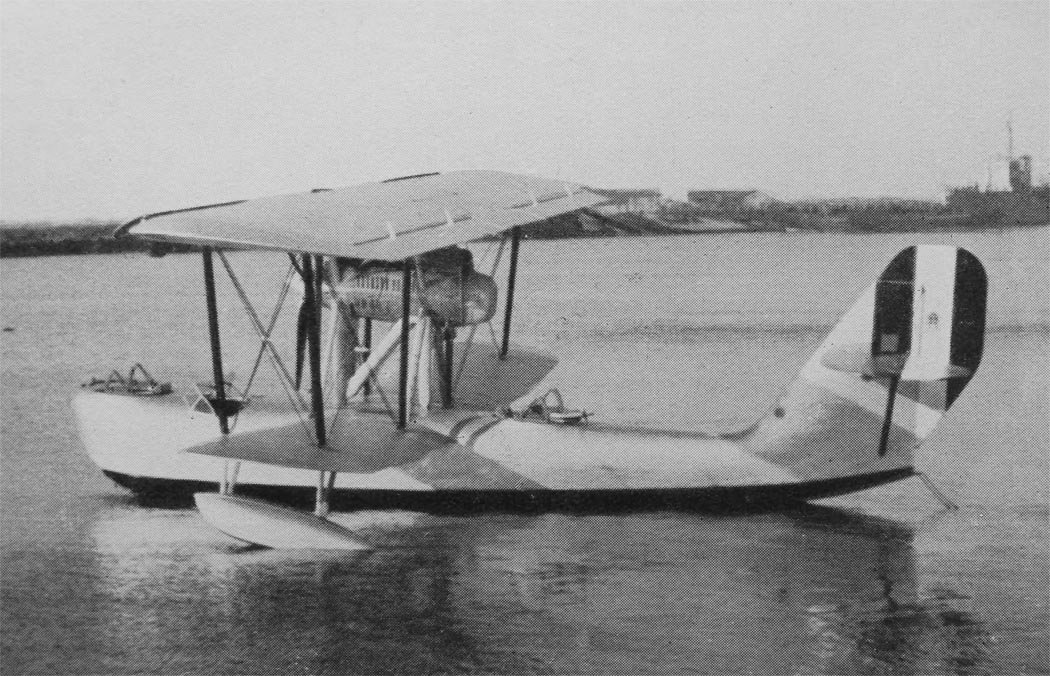 CANT 35 |
 CANT 35 |
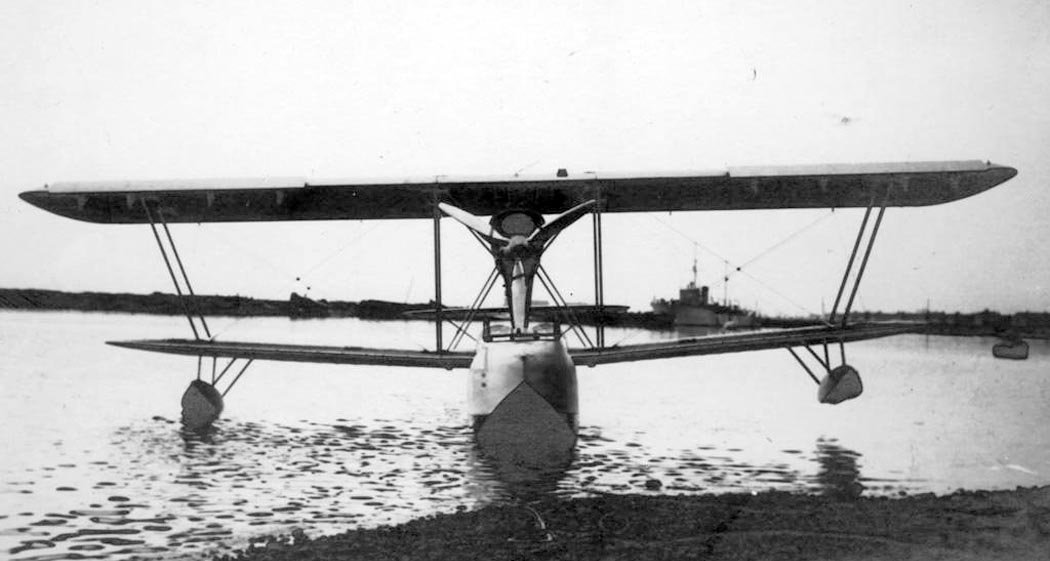 CANT 35 |