
The BH-19 aircraft made its maiden flight in 1924, the same year “Avia” became part of “Milos Bondy a Spol”. This entity, in turn, joined the “Skoda” concern in 1926, after which the “Avia” brand was re-established.
Innovative Design and Initial Challenges
The aircraft was designed by engineers Pavel Beneš and Miroslav Hajn, who believed that a monoplane fighter was preferable to a biplane. The projected characteristics of the BH-19 were highly promising, and prototype tests fully confirmed these expectations. However, problems with the aircraft’s handling and a tendency for aileron flutter were also identified.
Military Assessment and Program Cancellation
The Czech military showed significant interest in the new aircraft, informing “Avia” that they would place an order if all detected shortcomings were fully addressed. Although the first prototype crashed during a high-speed taxi run, the company proceeded with the construction of a second prototype. Tests of this second unit again revealed unsatisfactory handling.
Consequently, the Czechoslovak Ministry of War strongly recommended halting all work on monoplane fighters, leading to the cancellation of the Avia BH-19 program.
Technical Specifications
| Modification | BH-19 |
| Wingspan, m | 10.80 |
| Length, m | 7.34 |
| Height, m | 2.45 |
| Wing area, m2 | 18.30 |
| Empty weight | 792 |
| Normal takeoff weight | 1155 |
| Engine type | 1 Piston engine Skoda HS 8Fb |
| Power, hp | 1 x 310 |
| Maximum speed, km/h | 245 |
| Cruising speed, km/h | 215 |
| Practical range, km | 520 |
| Rate of climb, m/min | 333 |
| Service ceiling, m | 8000 |
| Crew | 1 |
| Armament | 2 forward 7.7-mm machine guns |
Image and diagram gallery of the Avia BH-19
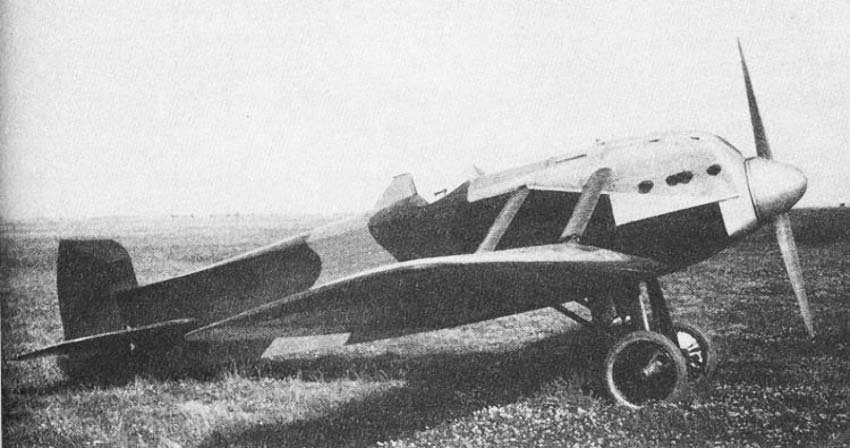 VN-19 |
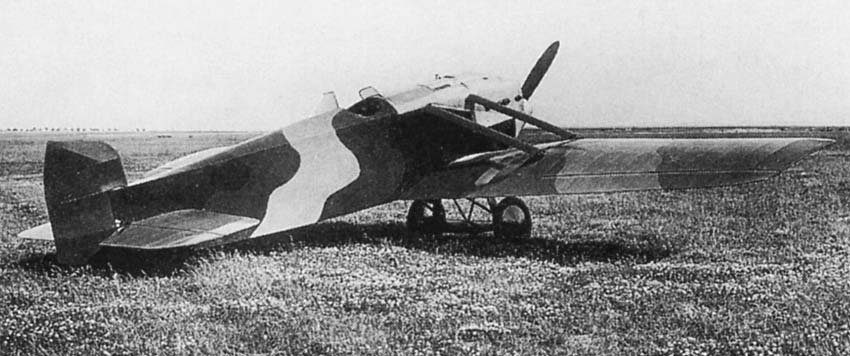 VN-19 |
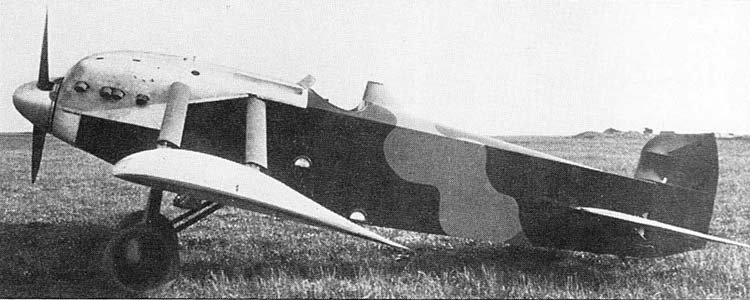 VN-19 |
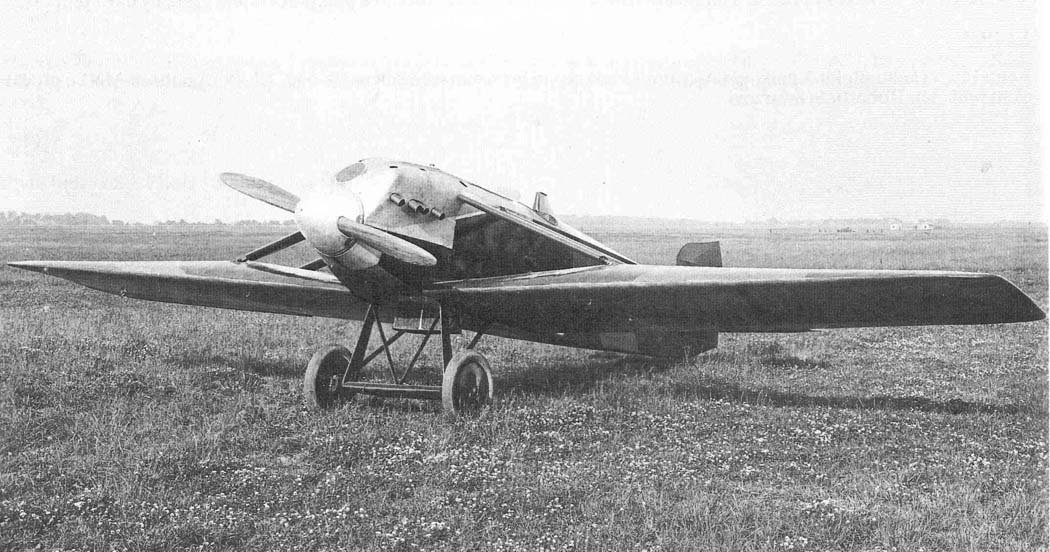 VN-19 |