
Development and Early Improvements
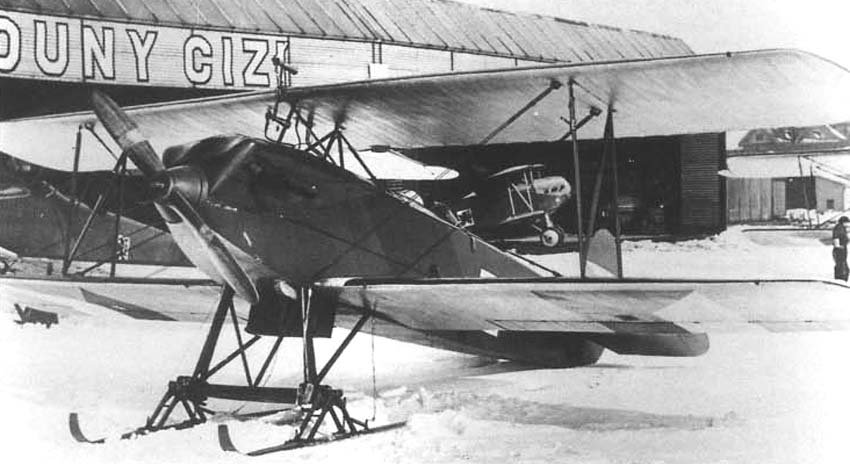
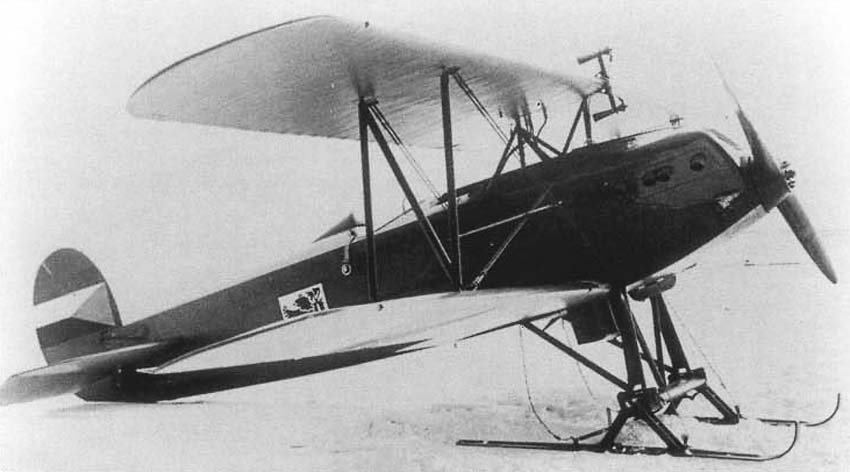
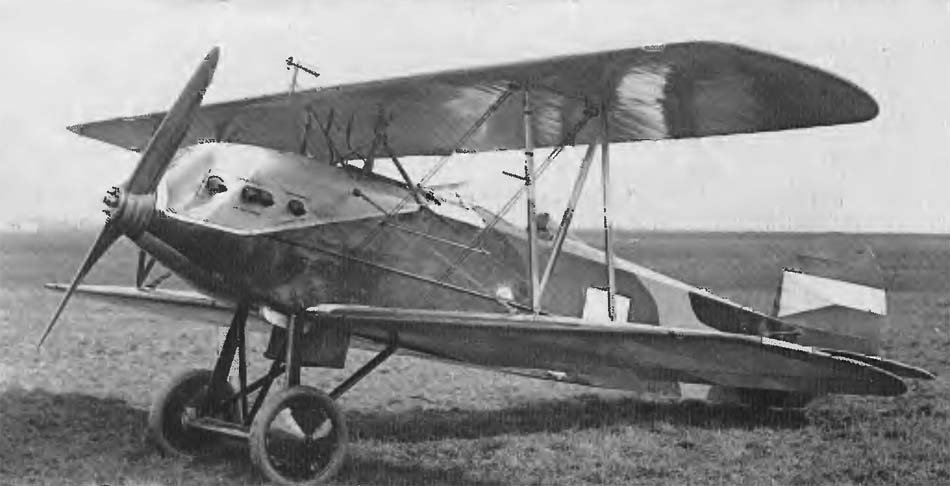
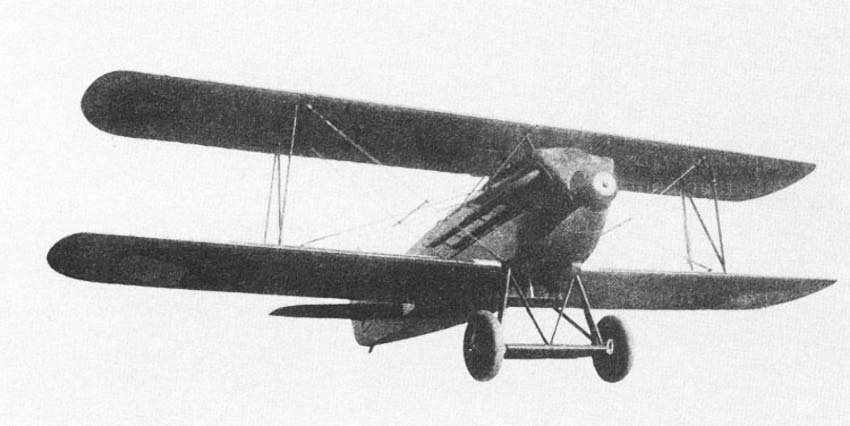
The Avia BH-21 aircraft was refined by Benes and Hain to overcome operational issues encountered with the earlier BH-17 single-seat fighter. Testing took place in January 1925. Key modifications included replacing the twin radiators of the Hispano-Suiza 8Fb engine with a single under-fuselage radiator, enhancing efficiency.
Another problem with the BH-17 was the pilot’s limited visibility, caused by a pyramid structure between the fuselage and the upper wing. This was replaced by conventional cabane struts, significantly improving the pilot’s field of view. Additionally, the BH-17’s I-shaped struts were upgraded to single-section N-struts, simplifying the design and improving aerodynamics.
Service and Acclaim
Accepted into service by the Czech Air Force under the designation B.21, the new fighters exhibited excellent flight characteristics. A total of 137 aircraft were acquired, quickly establishing the BH-21 as a reliable machine with superior performance capabilities.
The B.21 was widely utilized in Czechoslovak fighter squadrons until the first half of the 1930s, when it was succeeded by the Avia BH-33. This aircraft frequently demonstrated its outstanding aerobatic qualities at various airshows, captivating audiences with its maneuverability.
Variants and Racing Success
The Avia BH-21 proved successful in competitions held by Belgian authorities in June 1925. This led to the purchase of one Czech-built aircraft and the licensed production of 44 additional units by foreign companies, highlighting its international appeal and design excellence.
Its remarkable ability to vary flight speed and exceptional aerobatic performance led to the creation of several specialized versions. Among these was the BH-21J, a standard BH-21 equipped with a Bristol Jupiter radial engine, which served as the basis for the BH-33 design.
Another notable variant was the BH-21R, a clipped-wing sports version of the BH-21, which first flew in early 1925. Powered by an enhanced 400 hp Hispano-Suiza 8Fb engine driving a specially designed Reed-Levavasseur propeller, and with a reduced wing area of 8.20 sq.m., this aircraft won the Czech national air race in September 1925, covering 200 km at an average speed of 300.59 km/h.
Technical Specifications
| Modification | BH-21 |
| Wingspan, m | 8.90 |
| Length, m | 6.87 |
| Height, m | 2.74 |
| Wing area, m2 | 21.96 |
| Empty weight | 720 |
| Normal takeoff weight | 1084 |
| Engine type | 1 Piston engine Skoda (Hispano-Suiza) 8 Fb |
| Power, hp | 1 x 310 |
| Maximum speed, km/h | 245 |
| Cruising speed, km/h | 210 |
| Practical range, km | 550 |
| Rate of climb, m/min | 385 |
| Practical ceiling, m | 5500 |
| Crew, crew members | 1 |
| Armament | 2 forward 7.7-mm Vickers machine guns |
Image and diagram gallery of the Avia BH-21
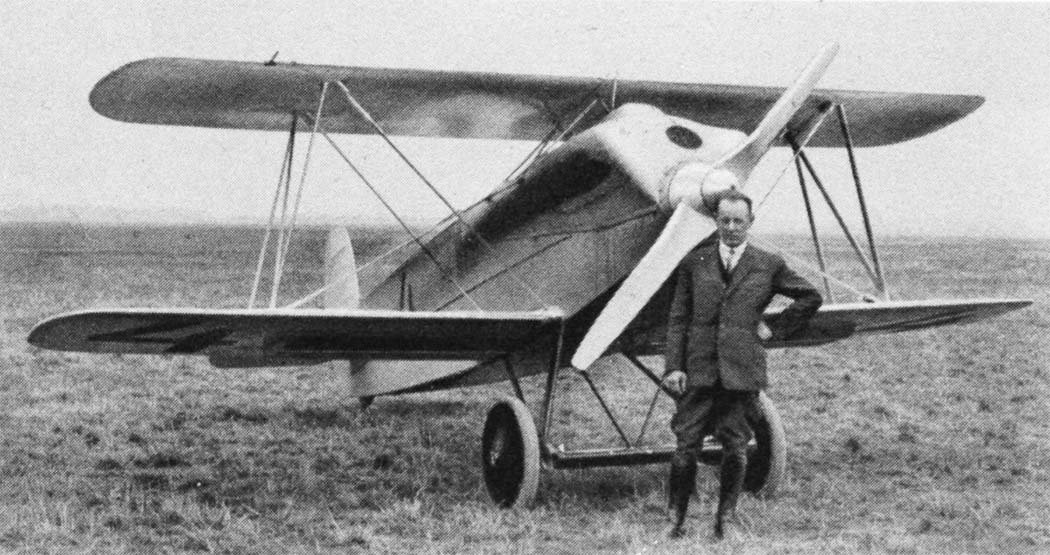 BH-21 |
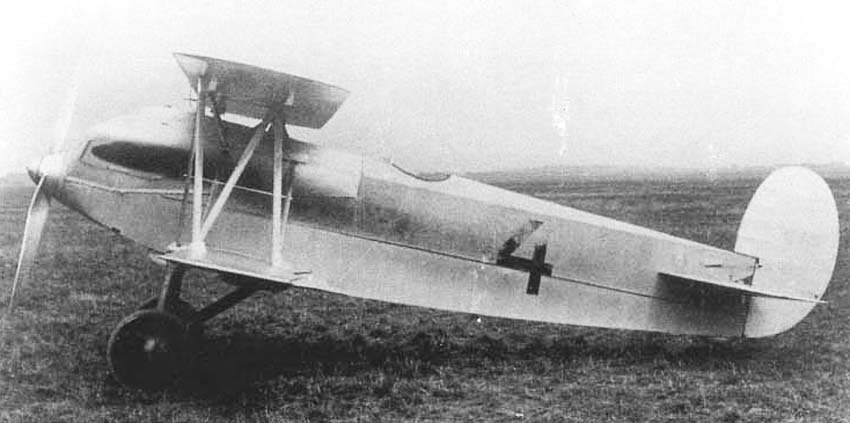 BH-21 |
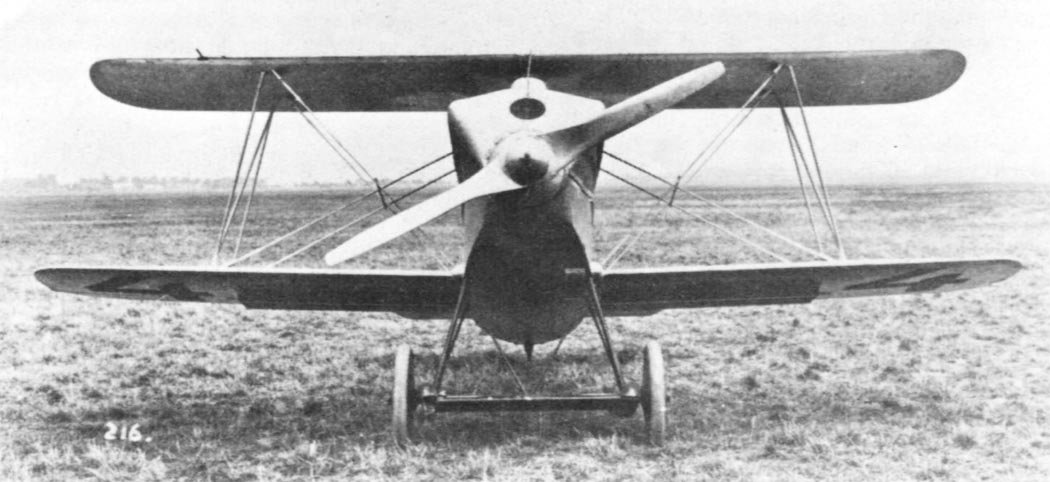 BH-21 |
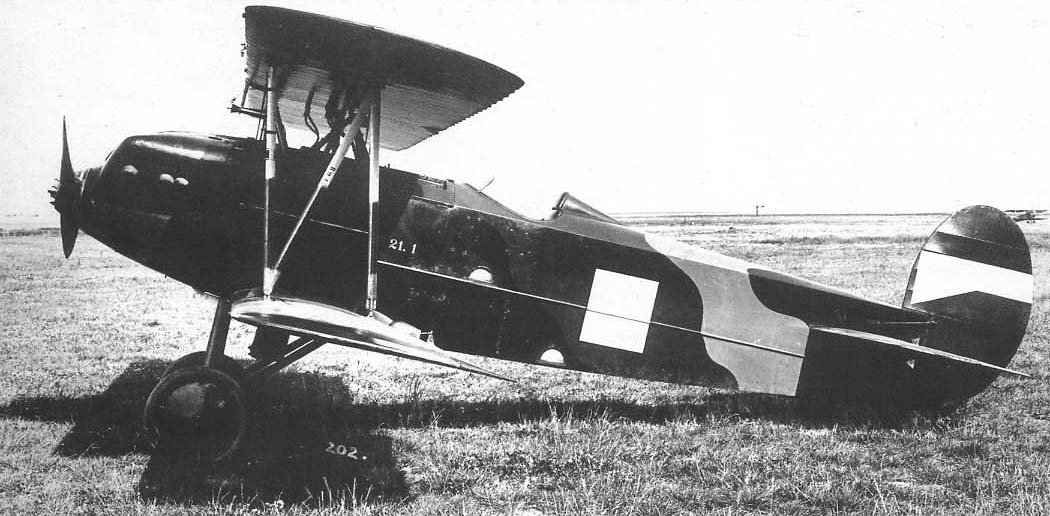 BH-21 |
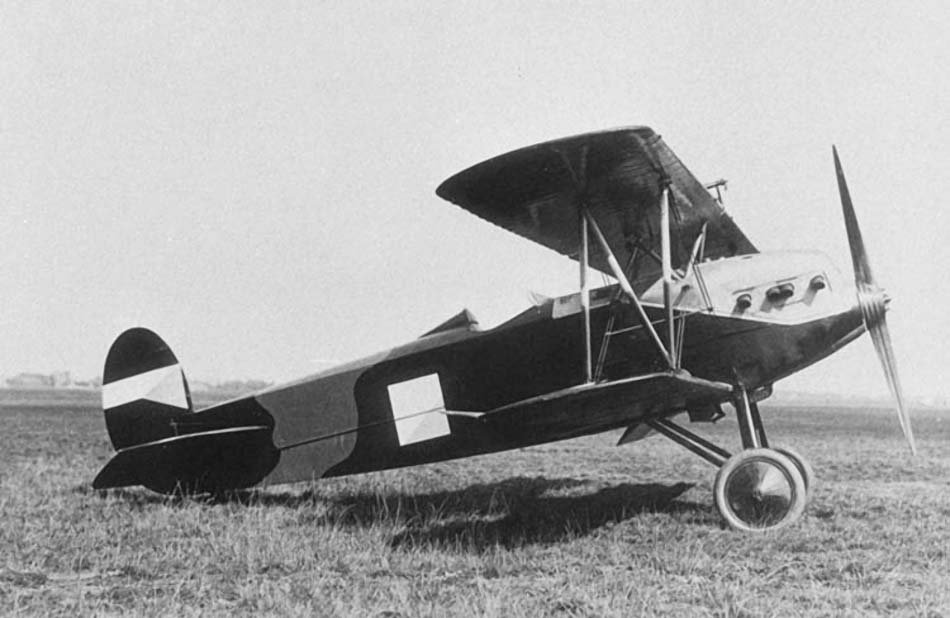 BH-21 |
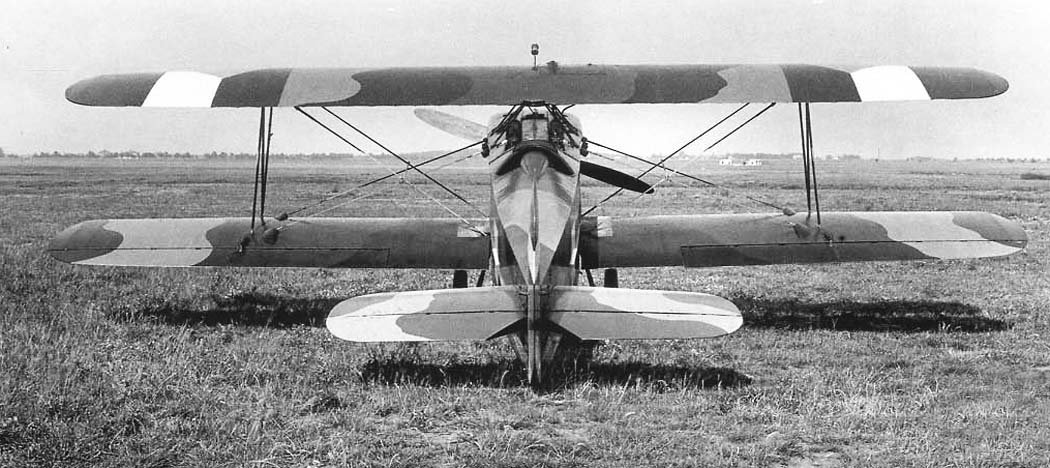 BH-21 |
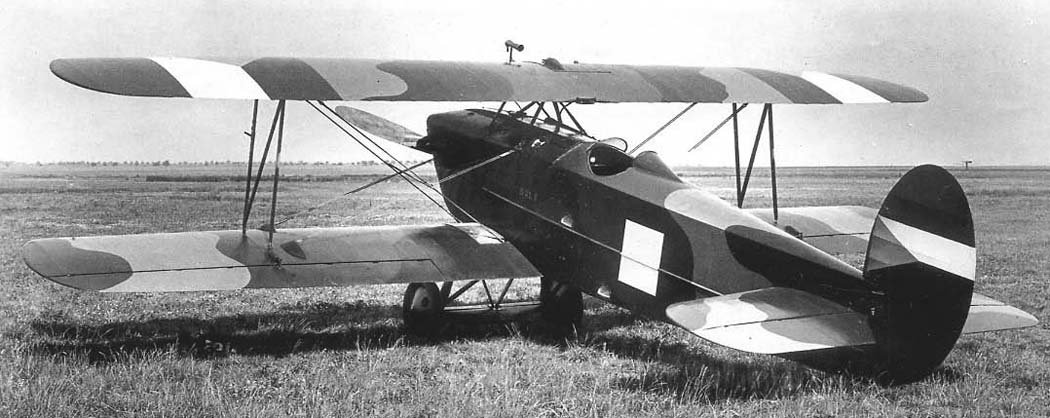 BH-21 |
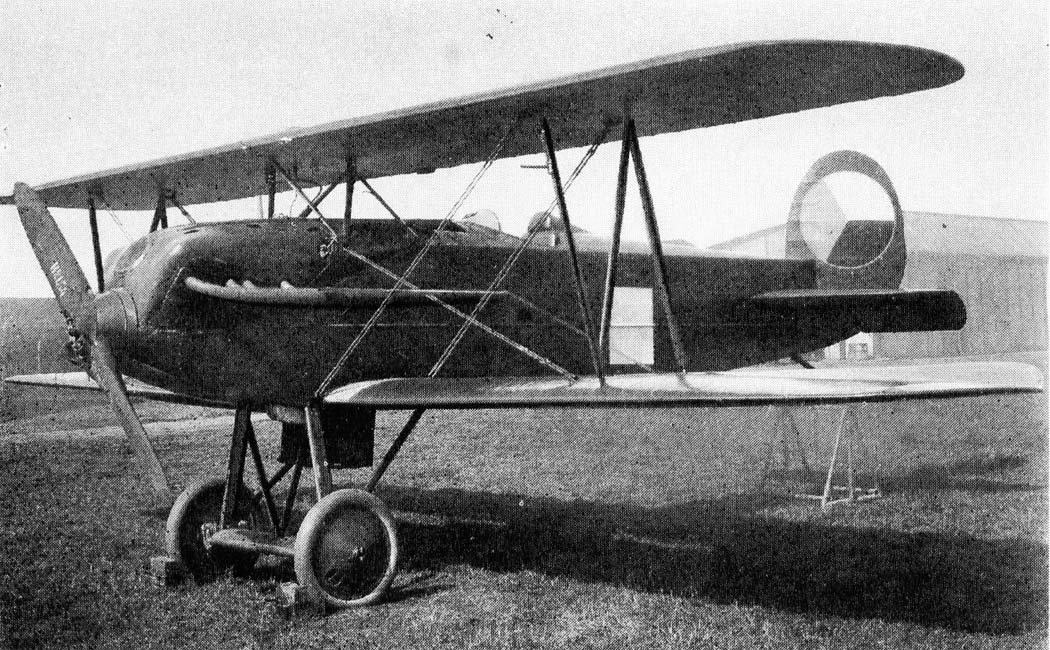 BH-21 |
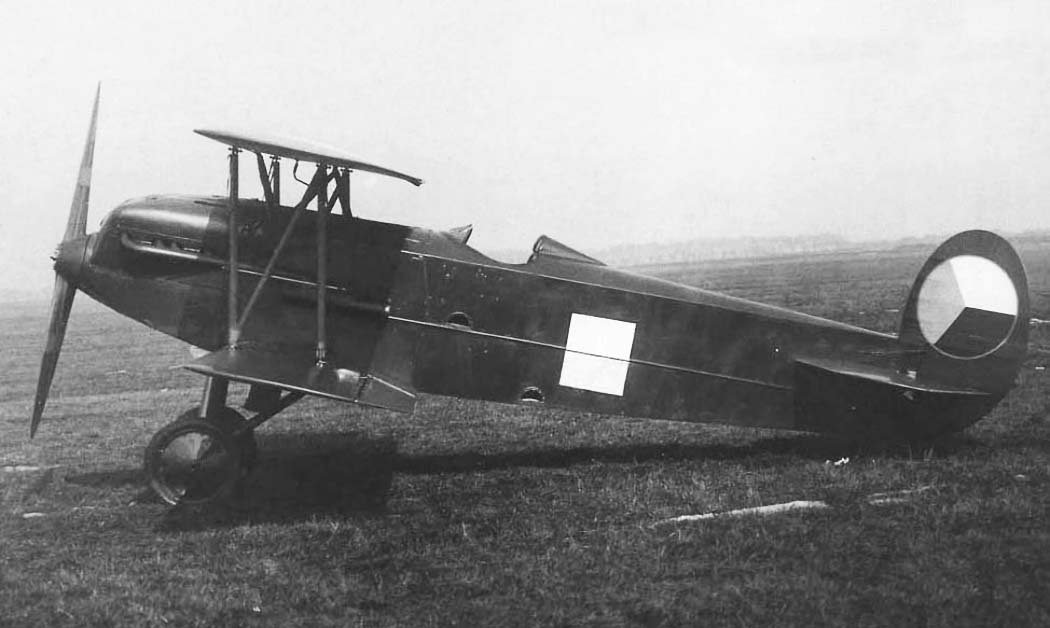 BH-21 |
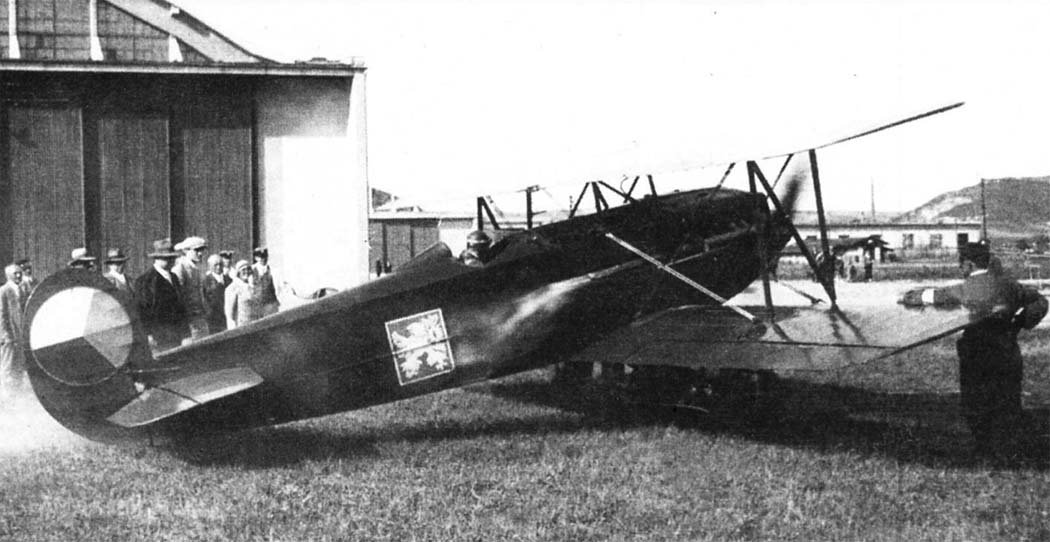 BH-21 |
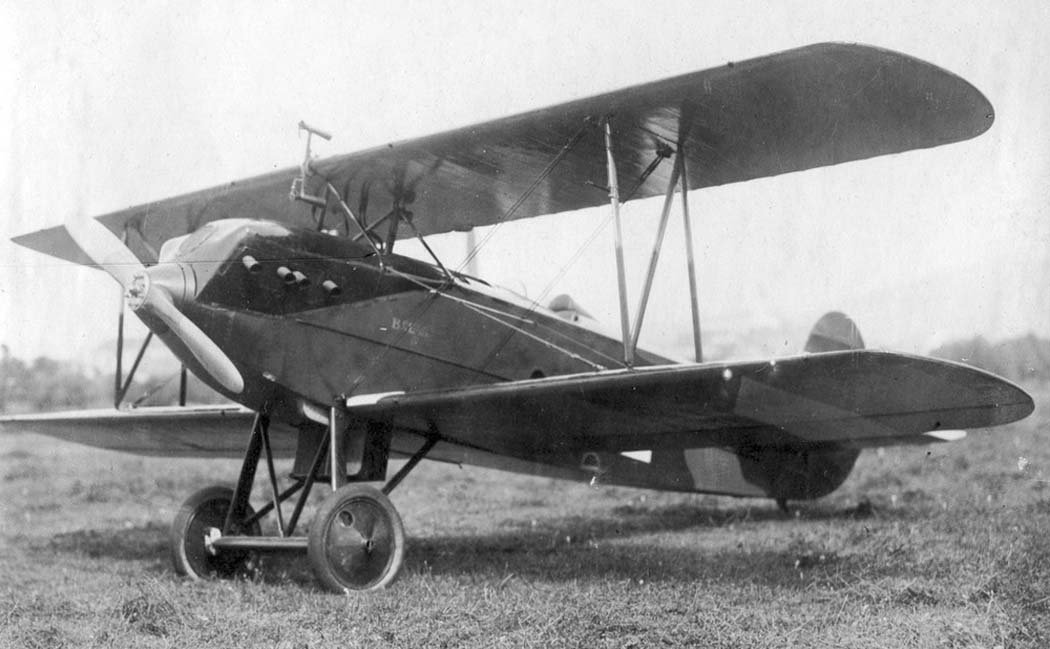 BH-21 |
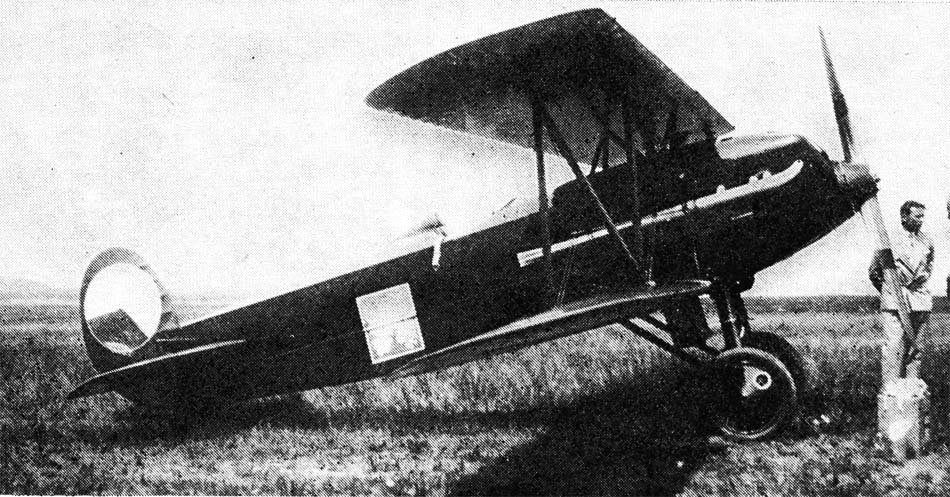 BH-21 |
 BH-21 |
 BH-21 |
 BH-21 |
 BH-21 |
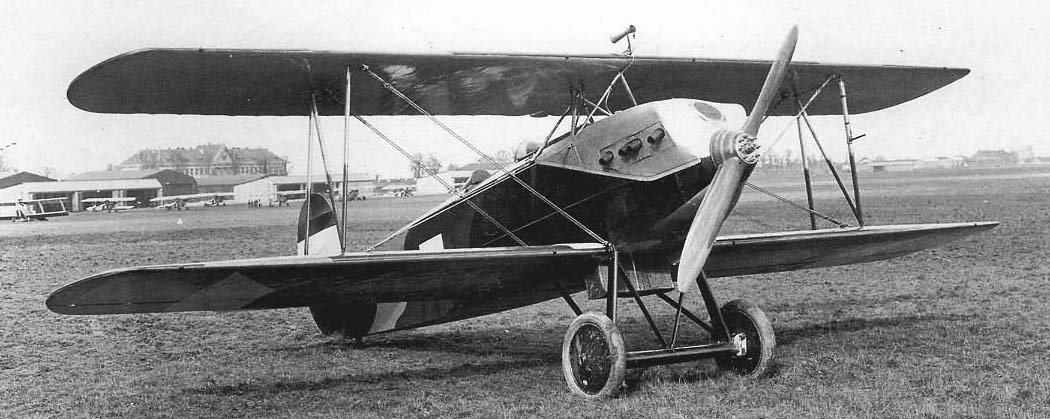 BH-21 |
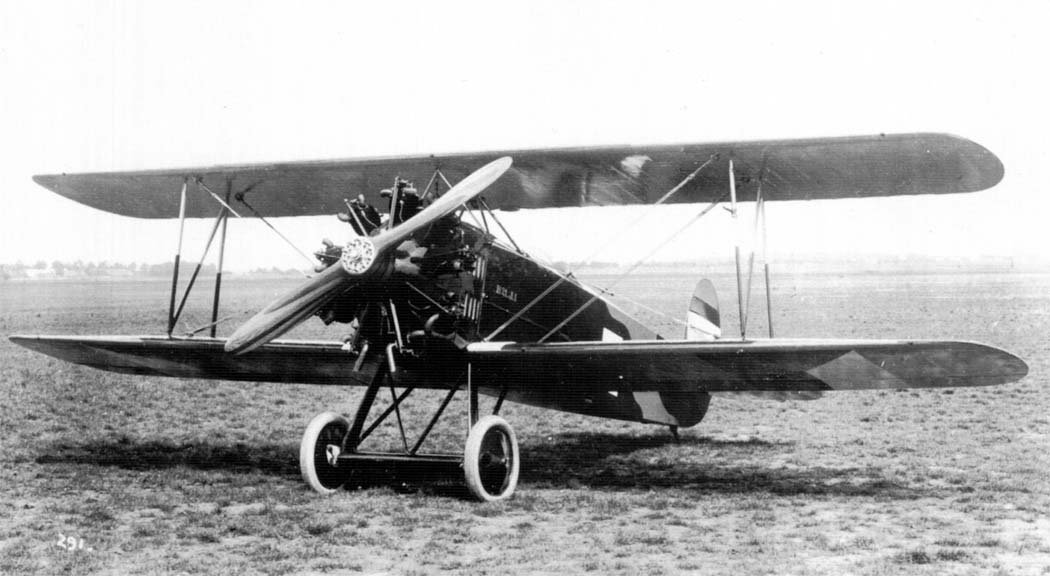 BH-21 |
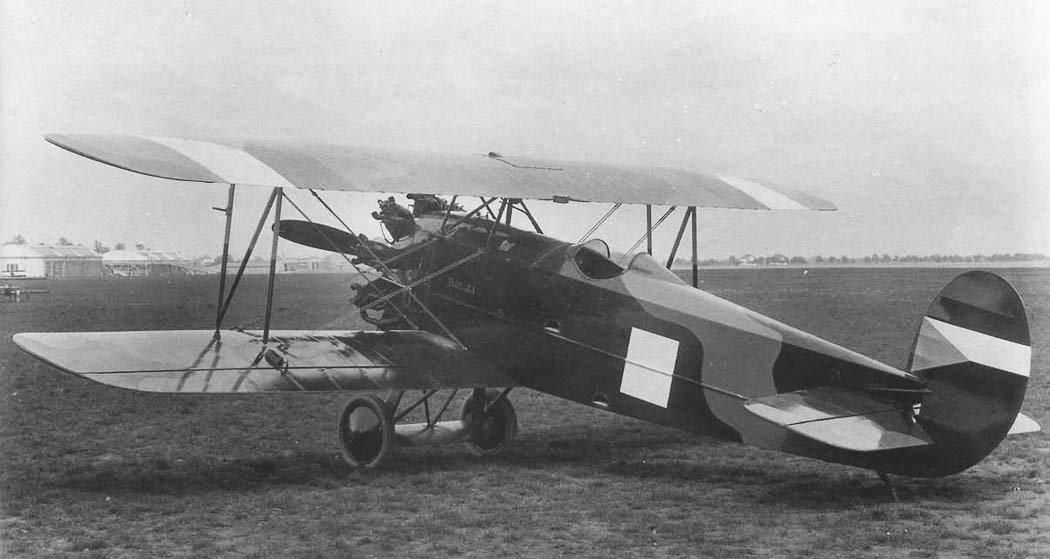 BH-21 |
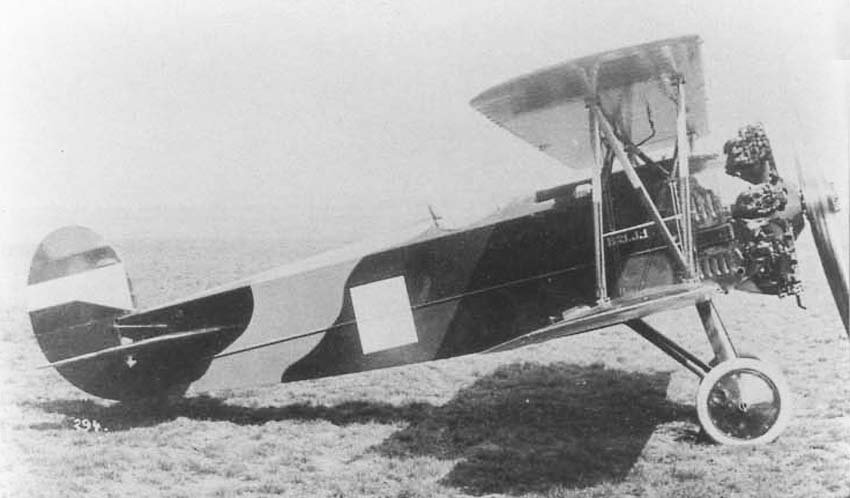 BH-21 |
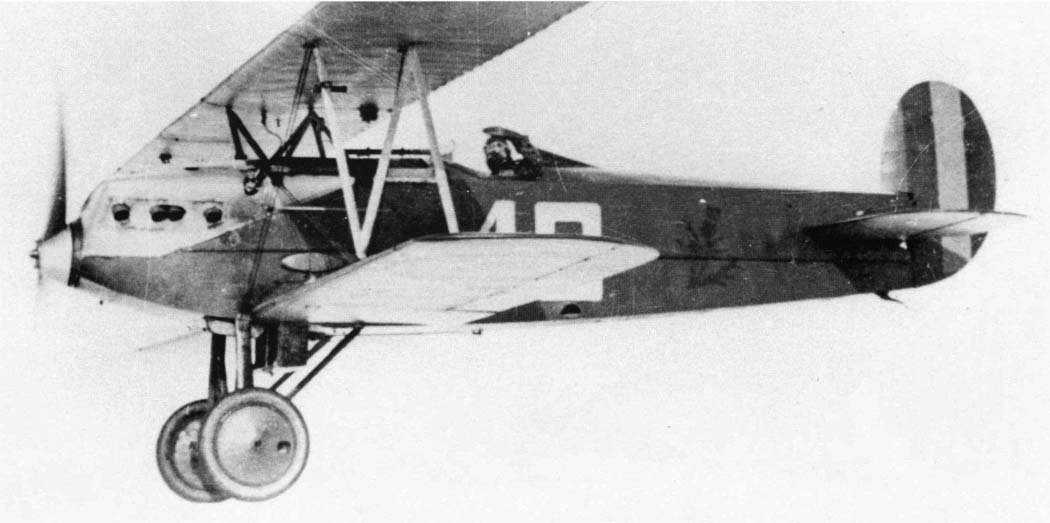 BH-21 |
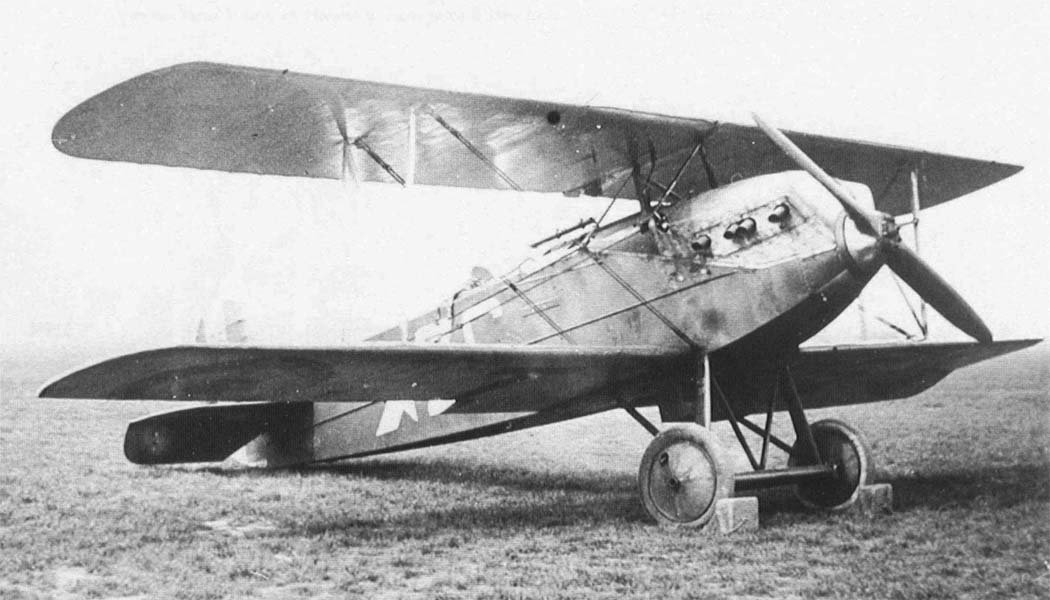 BH-21 |
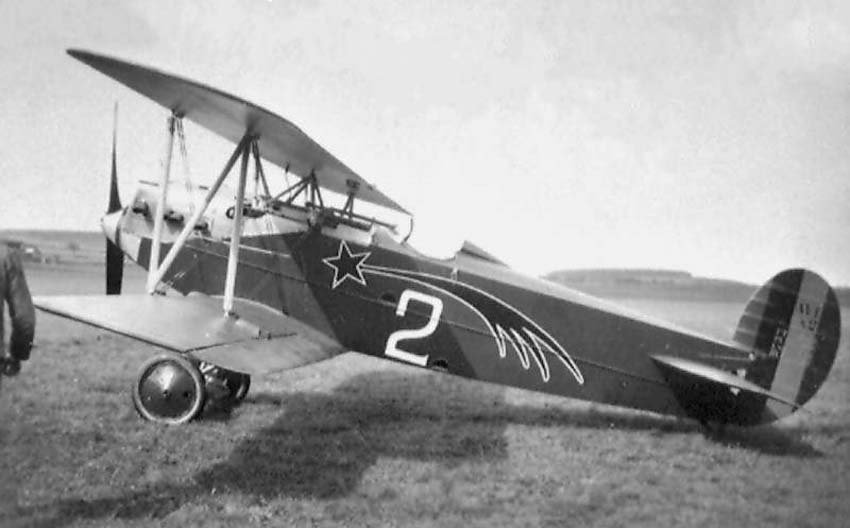 BH-21 |
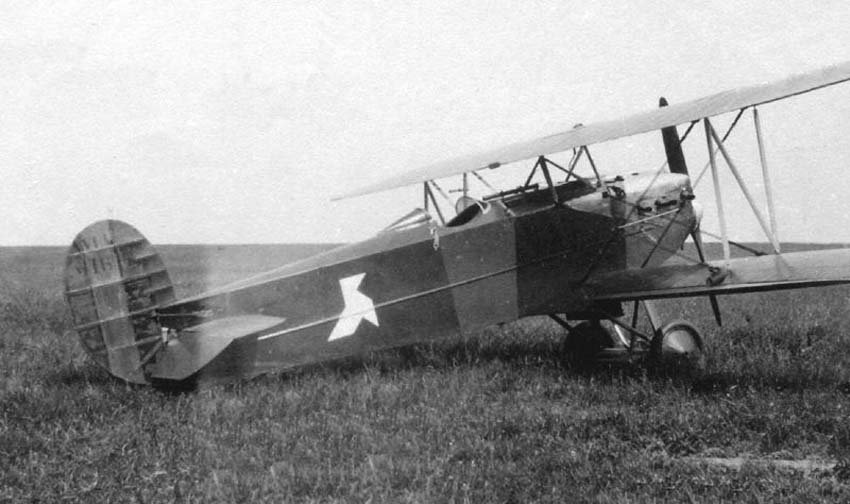 BH-21 |
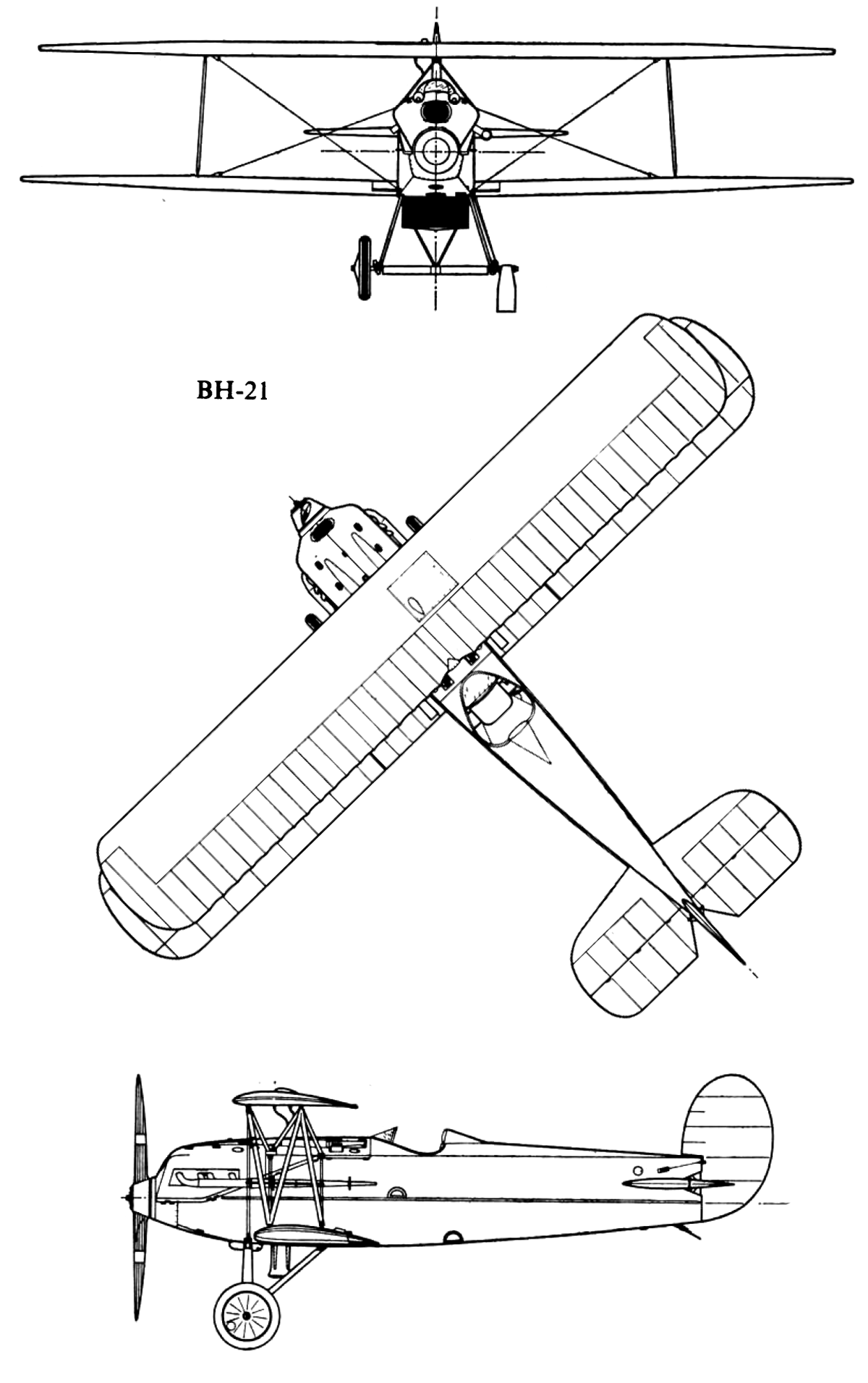 BH-21 |
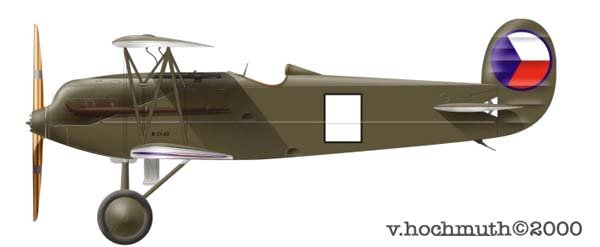 BH-21 |
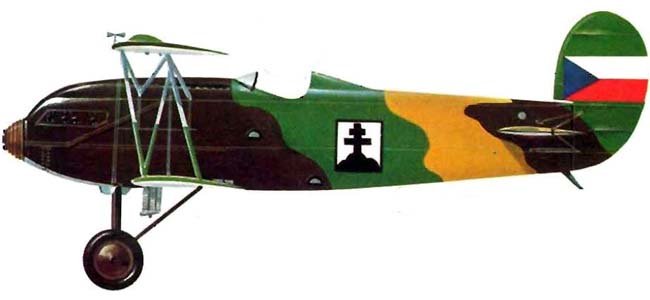 BH-21 |
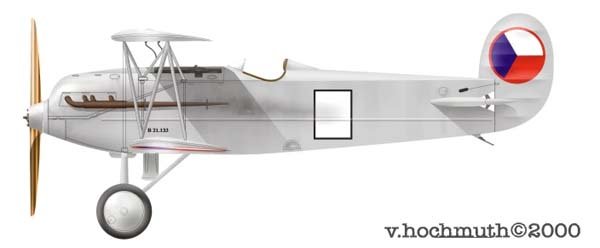 BH-21 |
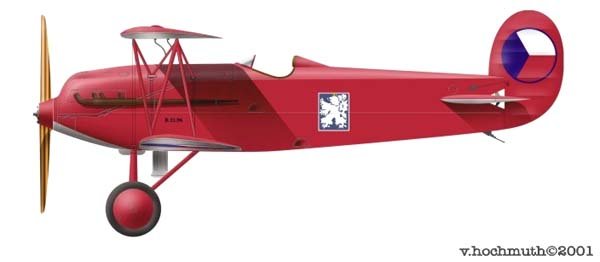 BH-21 |
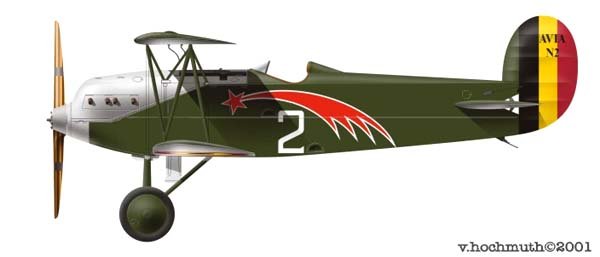 BH-21 |