
Initial Development and Specifications
In the summer of 1927, the Avia company, on its own initiative, developed a trainer aircraft for the Czechoslovak Air Force. The new aircraft, designated BH-29, was a two-seater wooden single-strut biplane, equipped with an 85 hp (63 kW) Walter NZ-85 seven-cylinder air-cooled radial engine.
Prototypes and Testing Challenges
The aircraft’s prototype (registration number L-BONN, later OK-ONN) took to the air on August 29, 1927. During testing, it became clear that the thick-profile wing complicated piloting and prevented the aircraft from achieving its projected performance.
As a result, a second prototype (registration number L-BONQ, later OK-LIR) was built with classic wings and a more powerful Walter NZ-120 engine (120 hp). However, even the modernized version failed to attract the interest of the Czech military.
Unsuccessful Military Adoption and European Tour
An ambitious European promotional tour, advertising the BH-29 across eighteen countries, also proved unsuccessful.
Technical Specifications
| Modification | BH-29 |
| Wingspan, m | 9. 80 |
| Length, m | 7.40 |
| Wing area, m2 | 25.00 |
| Empty weight | 830 |
| Normal takeoff weight | 1090 |
| Engine type | 1 Piston engine Walter NZ-85 |
| Power, hp | 1 х 85 |
| Maximum speed, km/h | 145 |
| Cruising speed, km/h | 105 |
| Practical range, km | 600 |
| Rate of climb, m/min | 150 |
| Practical ceiling, m | 4000 |
| Crew | 2 |
Image and diagram gallery of the Avia BH-29
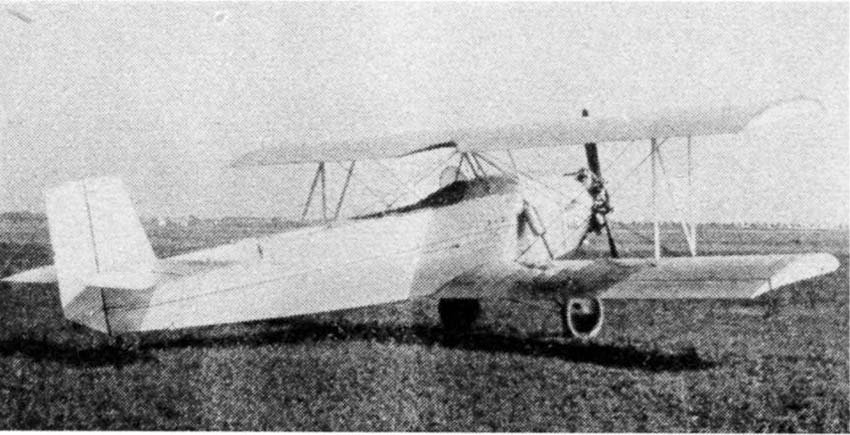 BH-29 |
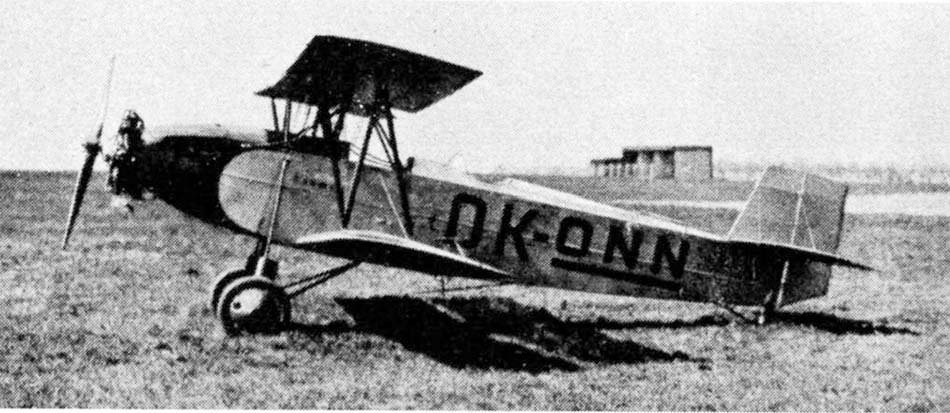 BH-29 |
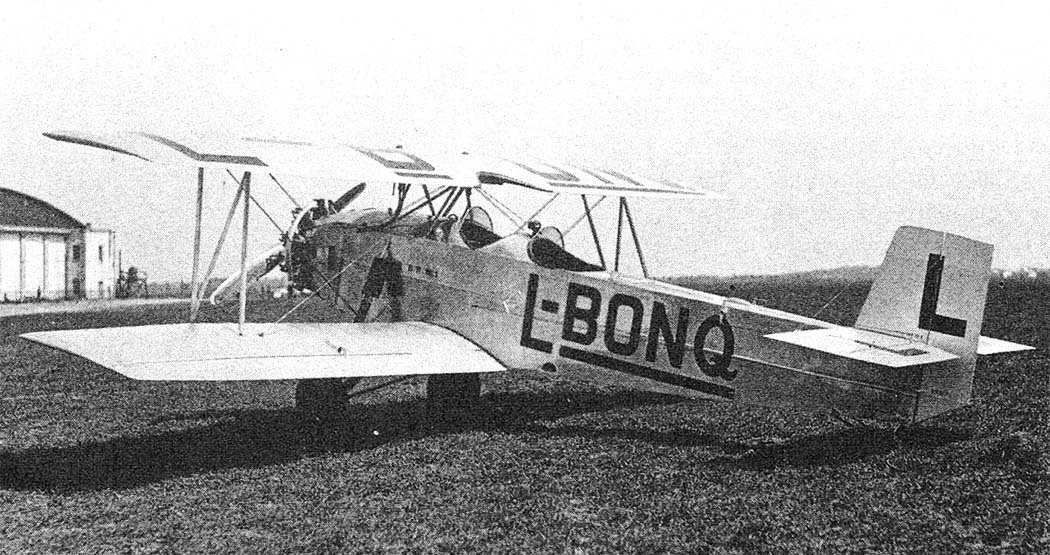 BH-29 |
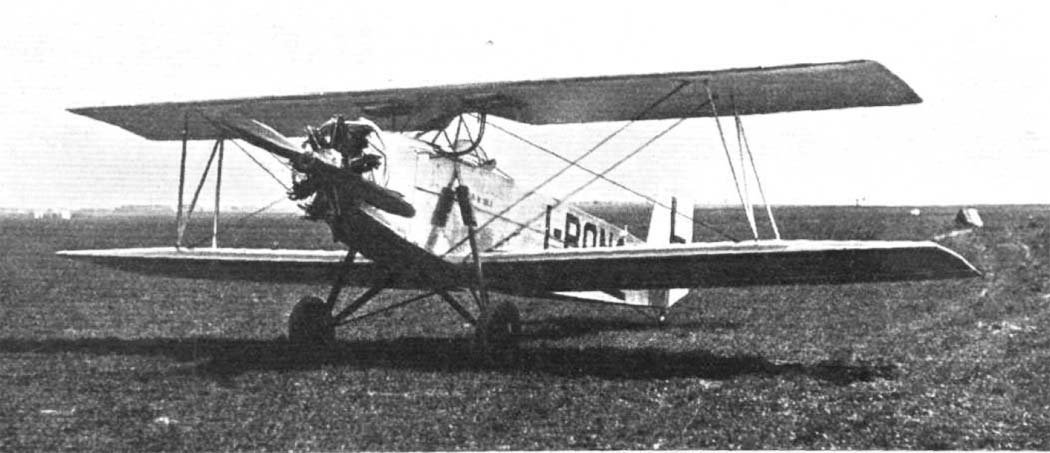 BH-29 |