
Origins and Transatlantic Design
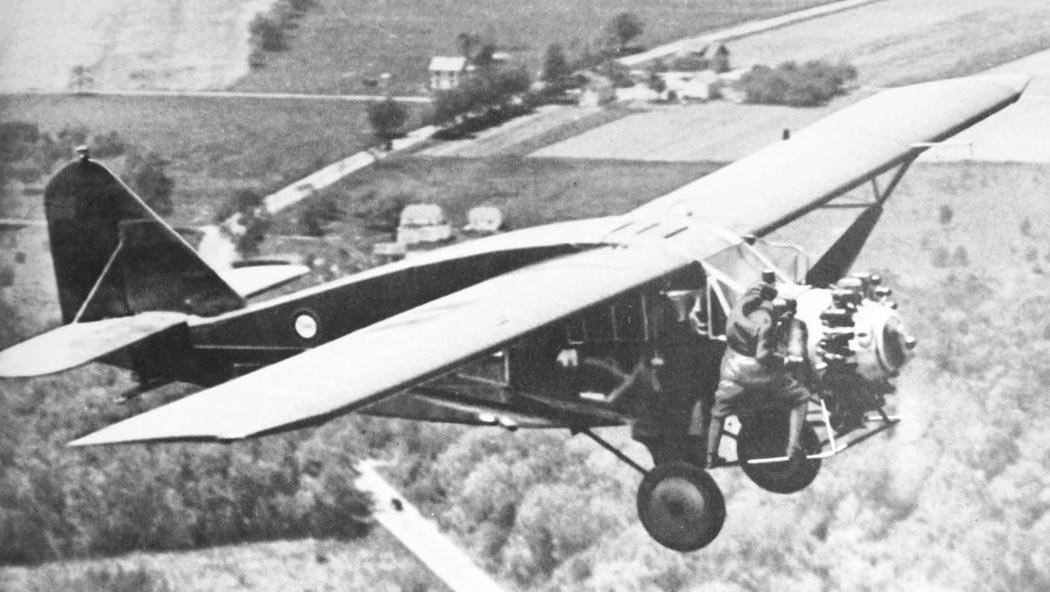
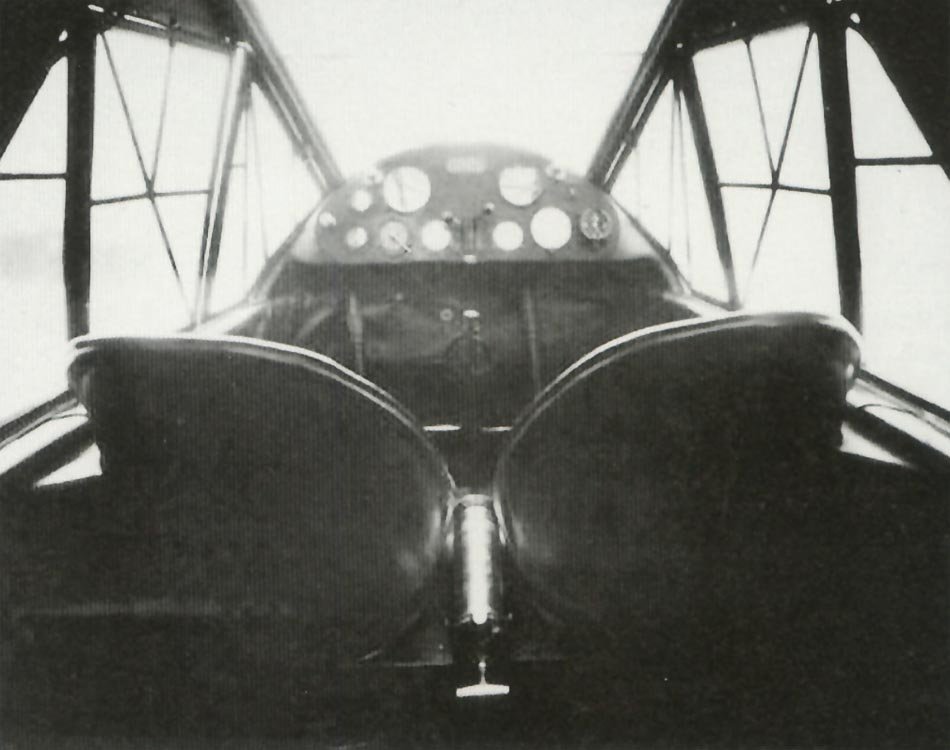
In 1927, the Bellanca Aircraft Corporation built a six-seater aircraft, designated as the Bellanca J. The following summer, it was modified for a transatlantic flight from America to Spain. This involved installing a large 644-gallon (2438-liter) tank in the passenger cabin, crucial for the long journey.
Pioneering Attempts
The first flight attempt with the “Green Flash” (NX5315) in 1928 ended unsuccessfully. The landing gear was damaged during takeoff, preventing the ambitious transatlantic journey from continuing. This incident highlighted the early challenges faced in long-distance aviation.
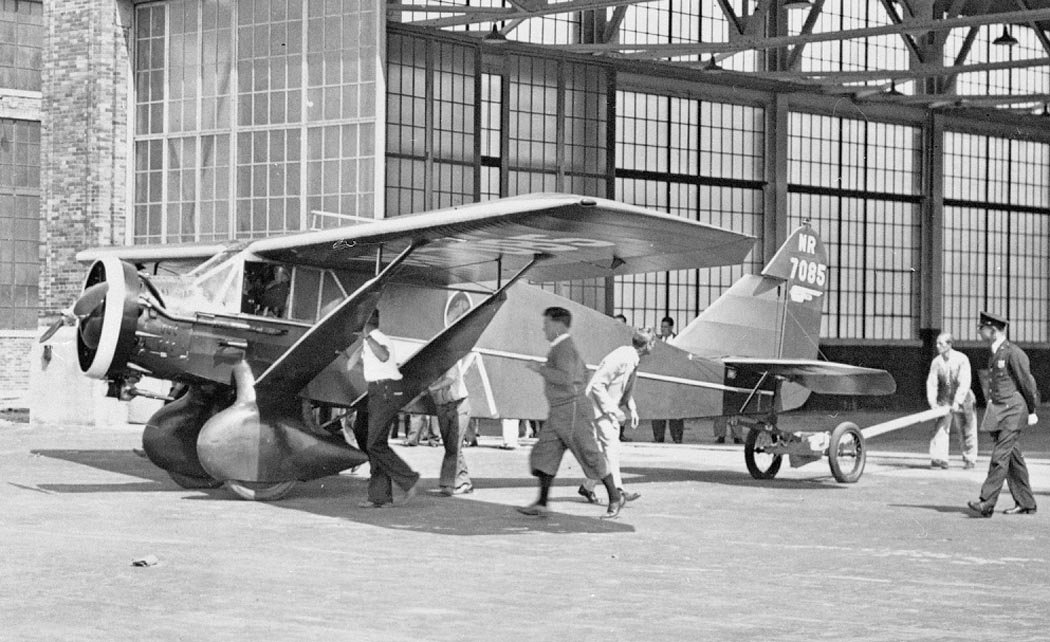
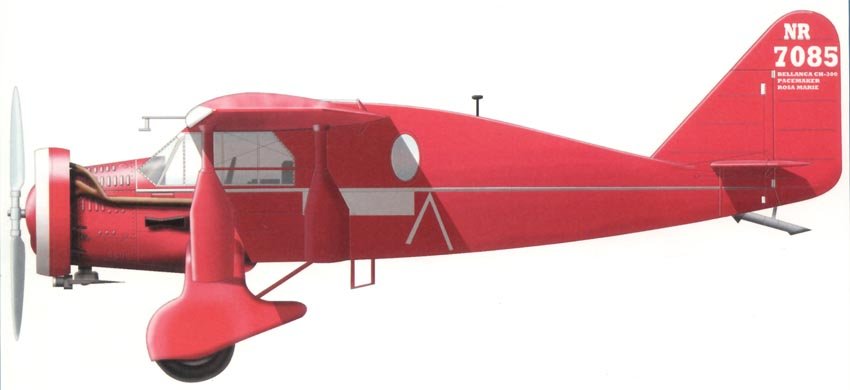
In 1932, Stanisław Hausner purchased the “Santa Rosa Maria” (NR7085) with the goal of flying it from the USA to Poland. During his second attempt, a fuel leak forced Stanisław to ditch the aircraft. Remarkably, he survived for six days on this “floating island” until rescuers arrived.
Historic Flights
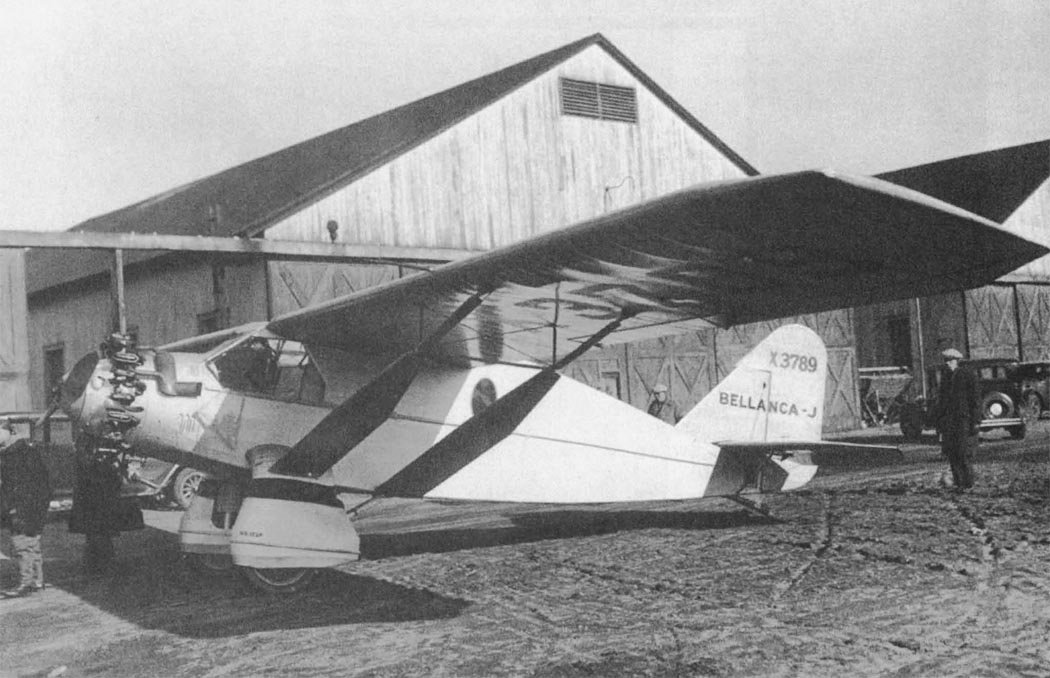
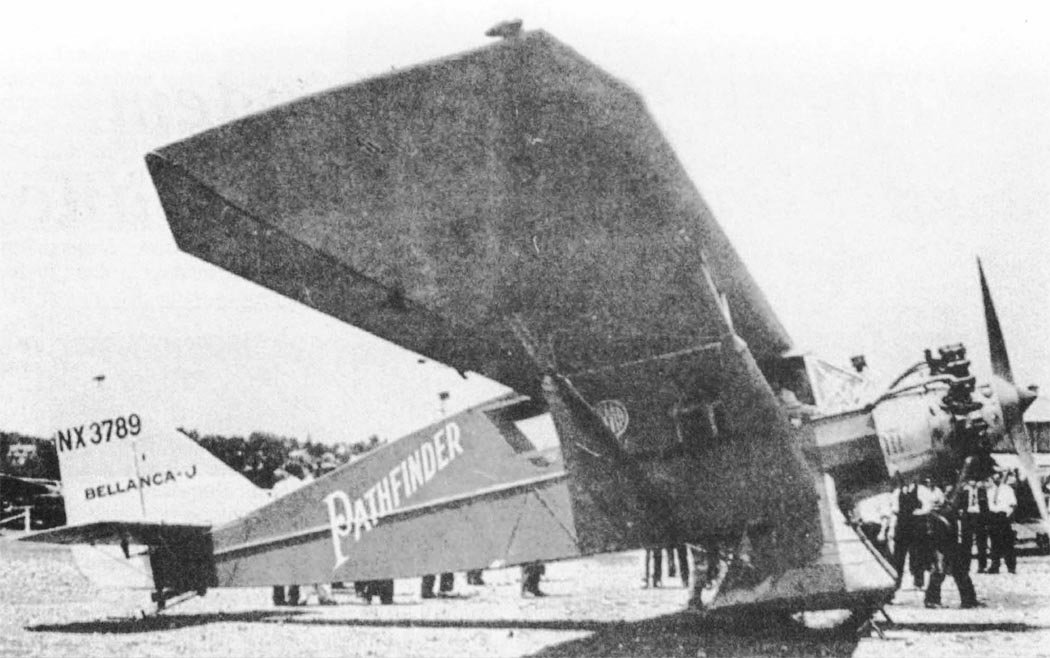
In July 1929, a third aircraft (NX3789), named “Pathfinder,” successfully completed its flight to Spain. Piloted by Roger Williams and Lewis A. Yancey, the journey lasted 30 hours and 30 minutes, marking a significant achievement for the Bellanca J model.
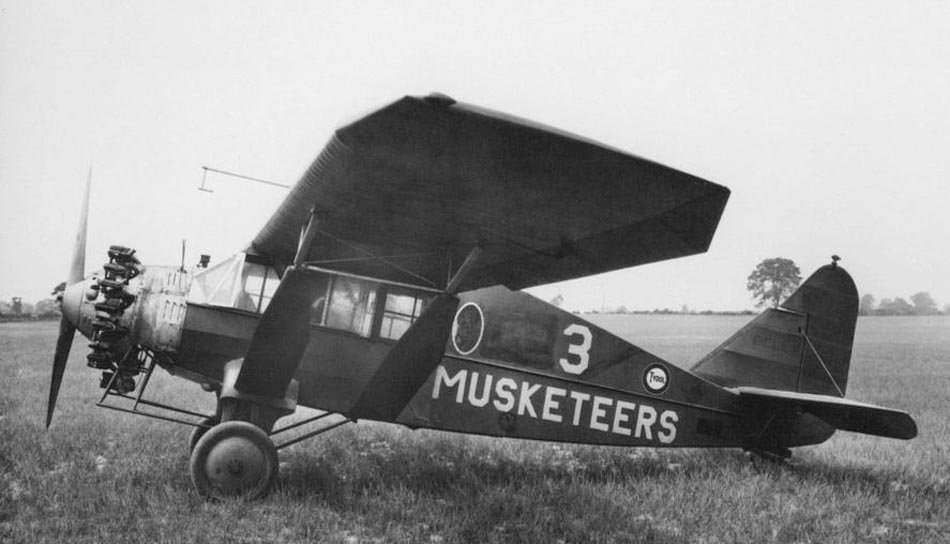
However, the fourth aircraft, the “3 Musketeers” (NX4483), suffered an accident in May 1929, ending its attempt at another long-distance flight. The Bellanca J’s history is filled with daring endeavors, contributing greatly to the development of transoceanic aviation.
Technical Specifications
| Modification | Bellanca J |
| Wingspan, m | 14. 83 |
| Length, m | 8.52 |
| Engine type | 1 Piston engine Wright J-5 |
| Power, hp | 1 х 200 |
| Crew, crew | 2 |
Image and diagram gallery of the Bellanca J
 Bellanca J |
 Bellanca J |
 Bellanca J |
 Bellanca J |
 Bellanca J |
 Bellanca J |
 Bellanca J |
 Bellanca J |
 Bellanca J |