
The BK-6 “Neringa” was a single-seat record and training glider, conceptualized by B. Karvyalis and built in 1959. It was serially produced by the Simferopol Glider Workshops, playing a crucial role in Soviet glider pilot training and record attempts.
Ingenious Design and Construction
This glider featured an all-wood construction, designed as a cantilever mid-wing monoplane. It boasted a trapezoidal wing with a high aspect ratio and a streamlined fuselage of almost circular cross-section. The contours of the large pilot’s cockpit canopy seamlessly blended into the forward part of the fuselage, optimizing aerodynamics.
The BK-6 also incorporated a cantilever horizontal empennage, strategically located on the upper surface of the fuselage, positioned just in front of the glider’s vertical fin. This distinctive arrangement contributed to its overall stability and performance characteristics.
Legacy and Distribution
A total of approximately 60 BK-6 gliders were produced, with all units designated for flight use within the Baltic Soviet Socialist Republics. This distribution highlighted their importance in regional aviation sports. Notably, two “Neringa” gliders were generously gifted to Cuban glider pilots, extending its reach beyond Soviet borders.
Technical Specifications
| Modification | BK-6 |
| Wingspan, m | 15.00 |
| Length, m | 7.35 |
| Aspect ratio | 18.30 |
| Height, m | 1.38 |
| Wing area, m2 | 12.30 |
| Empty weight | 262 |
| Max. aerodynamic quality | 28 |
| Minimum sink rate, m/s | 0.70 |
| Crew | 1 |
Image and diagram gallery of the BK-6 "Neringa"
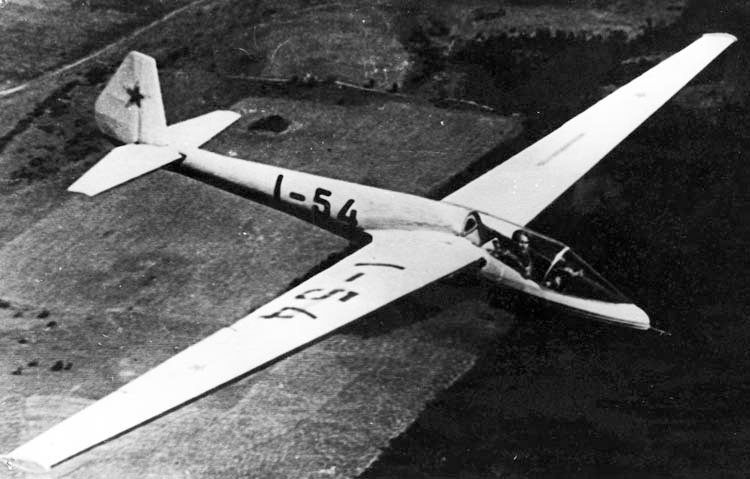 BK-6 "Neringa" |
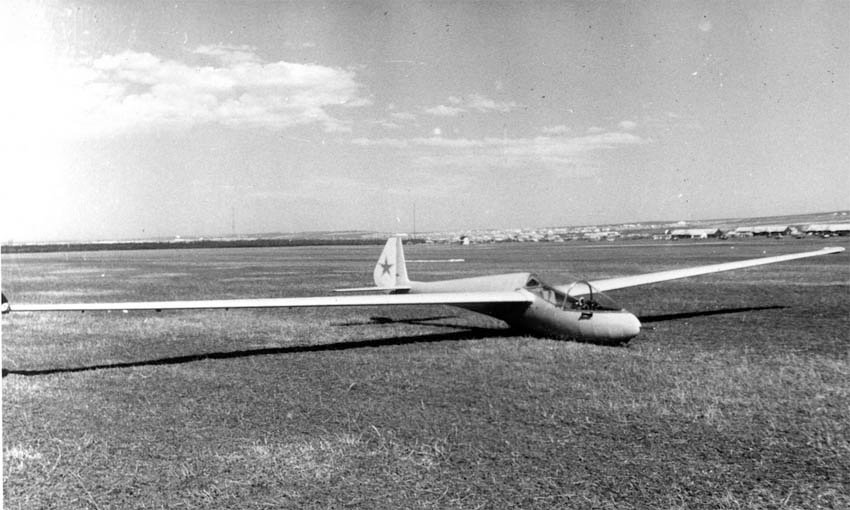 BK-6 "Neringa" |
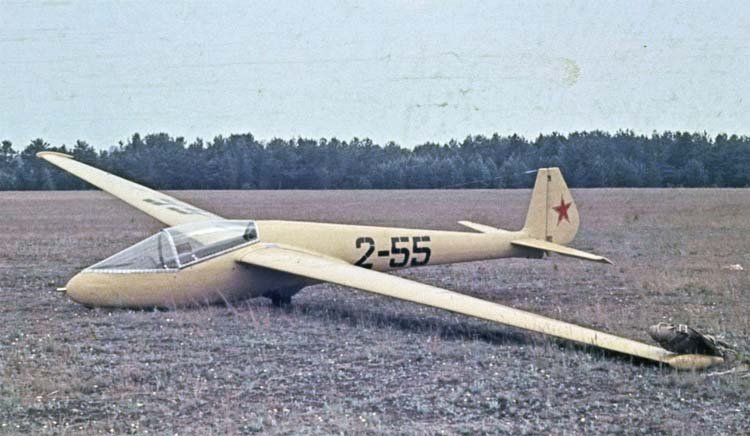 BK-6 "Neringa" |
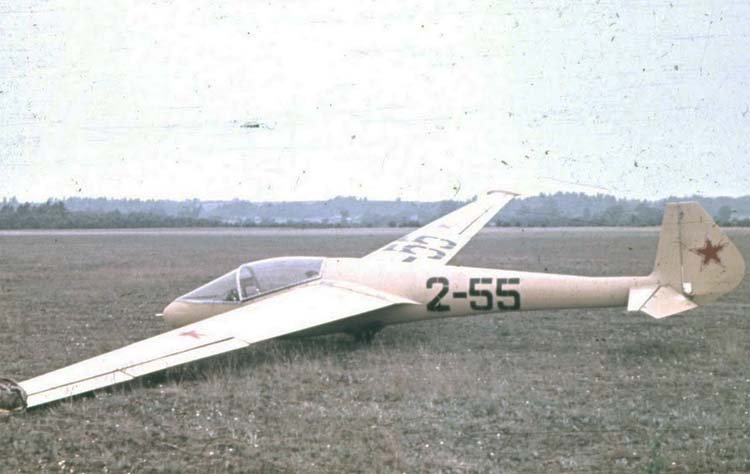 BK-6 "Neringa" |
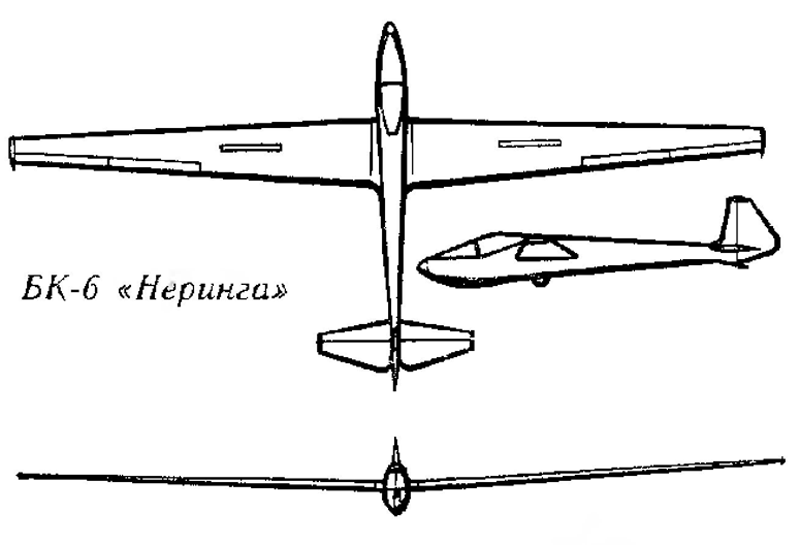 BK-6 "Neringa" |