Skip to content
wp.archivoaereo.com

wp.archivoaereo.com

  • Military Aviation
    • World War I
      • WWI Attack Aircraft
      • WWI Bombers
      • WWI Fighters
      • WWI Flying Boats
      • WWI Reconnaissance
    • World War II
      • WWII Attack Aircraft
      • WWII Bombers
      • WWII Fighters
      • WWII Flying Boats
      • WWII Military Transport
      • WWII Reconnaissance
    • Cold War
      • Cold War Fighters
    • Modern
      • Modern Fighters
      • Modern Maritime Patrol
      • Modern Military Transport
  • Civil & Commercial Aviation
    • Classic Airliners
    • Modern Airliners
    • Classic Regional Airliners
    • Modern Regional Airliners
    • Pioneer Light Aircraft
    • Classic Light Aircraft
    • Modern Light Aircraft
    • Agricultural Aircraft
    • Racing Aircraft
  • Helicopters
    • Cargo & Heavy Helicopters
    • Light & Observation Helicopters
    • Pioneer Helicopters
    • SAR Helicopters (Rescue)
    • Utility Helicopters
  • Technology
    • Weapons & Technology
    • Drones & UAVs
    • Experimental Aircraft
  • History
    • History & Battles
  • Toggle search form

Boeing Model 50 (PB-1)

Posted on September 15, 2026 By

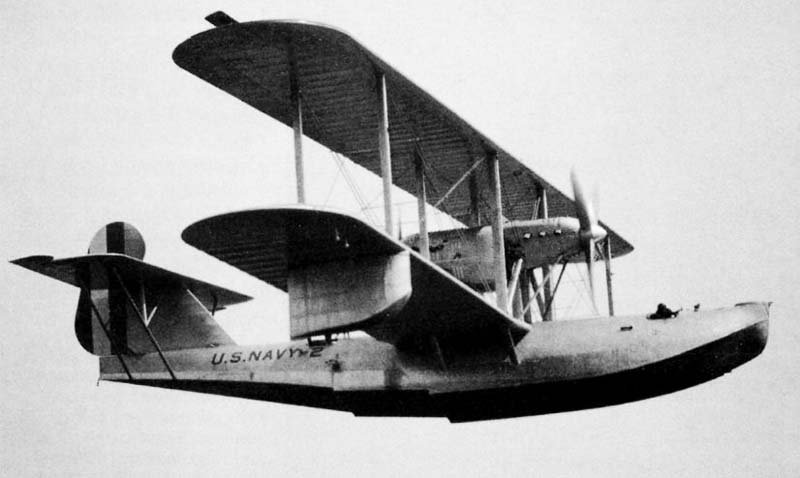
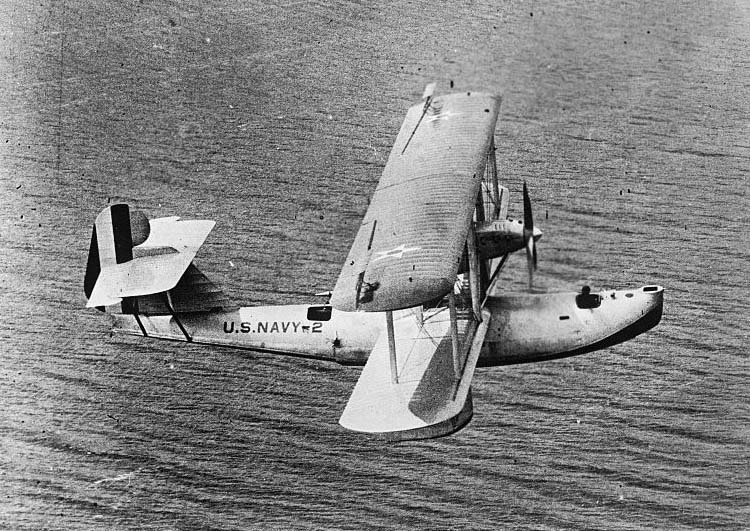
In September 1925, the U.S. Navy issued requirements for a flying boat designed for reconnaissance and bombing, with a range of 3860 km. This impressive range would allow for non-stop flights from San Francisco to the Hawaiian Islands. The flying boat project was initially developed at the Navy’s aircraft factory and subsequently handed over to the “Boeing” company for implementation.

Table of Contents

Toggle
    • Innovative Design and Features
    • Early Flights and Evolution
    • Technical Specifications
  • Image and diagram gallery of the Boeing Model 50 (PB-1)
    • How to cite this article:

Innovative Design and Features

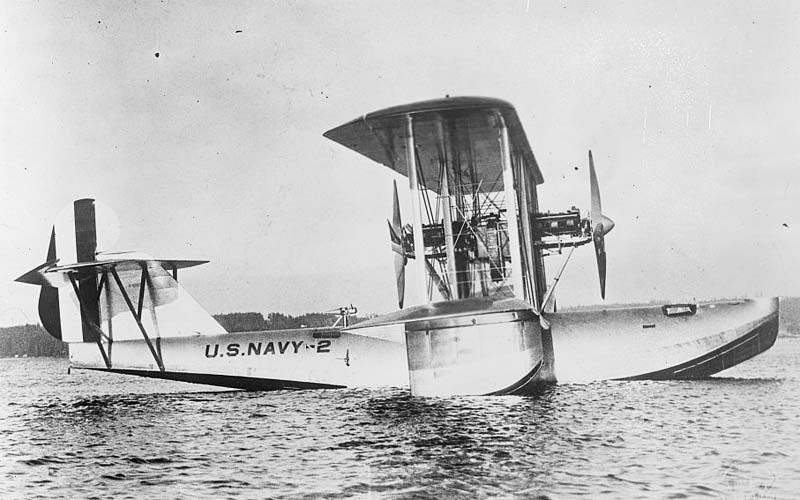
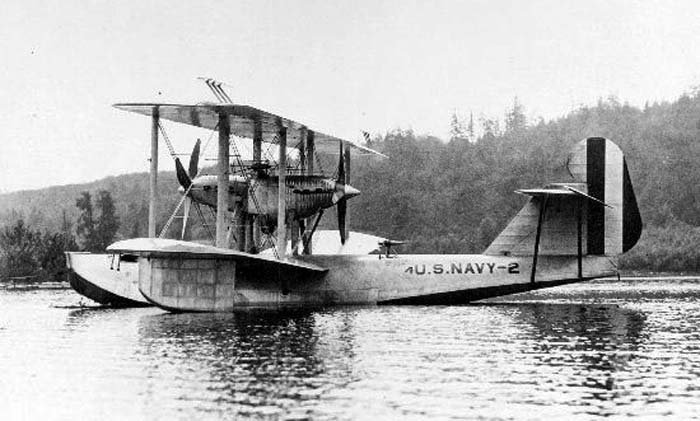
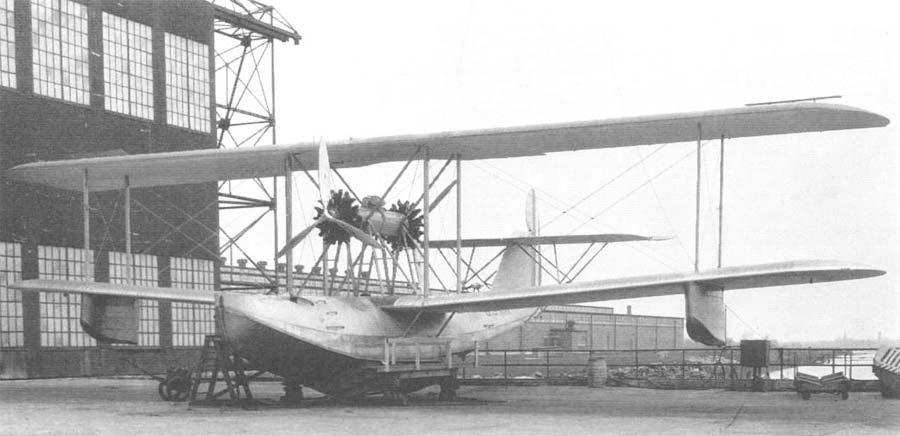
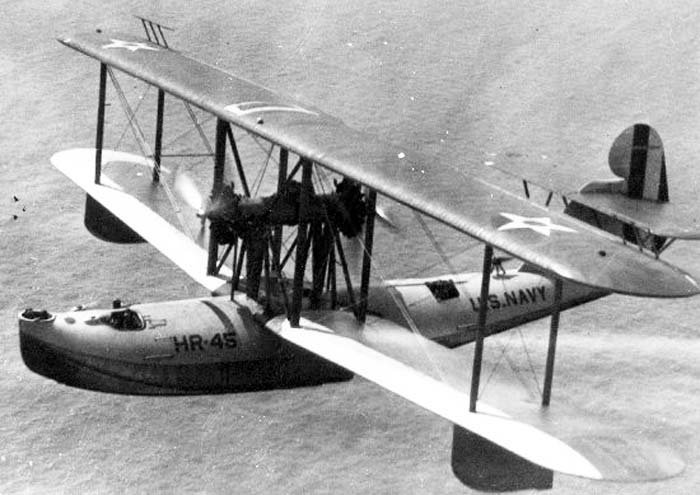
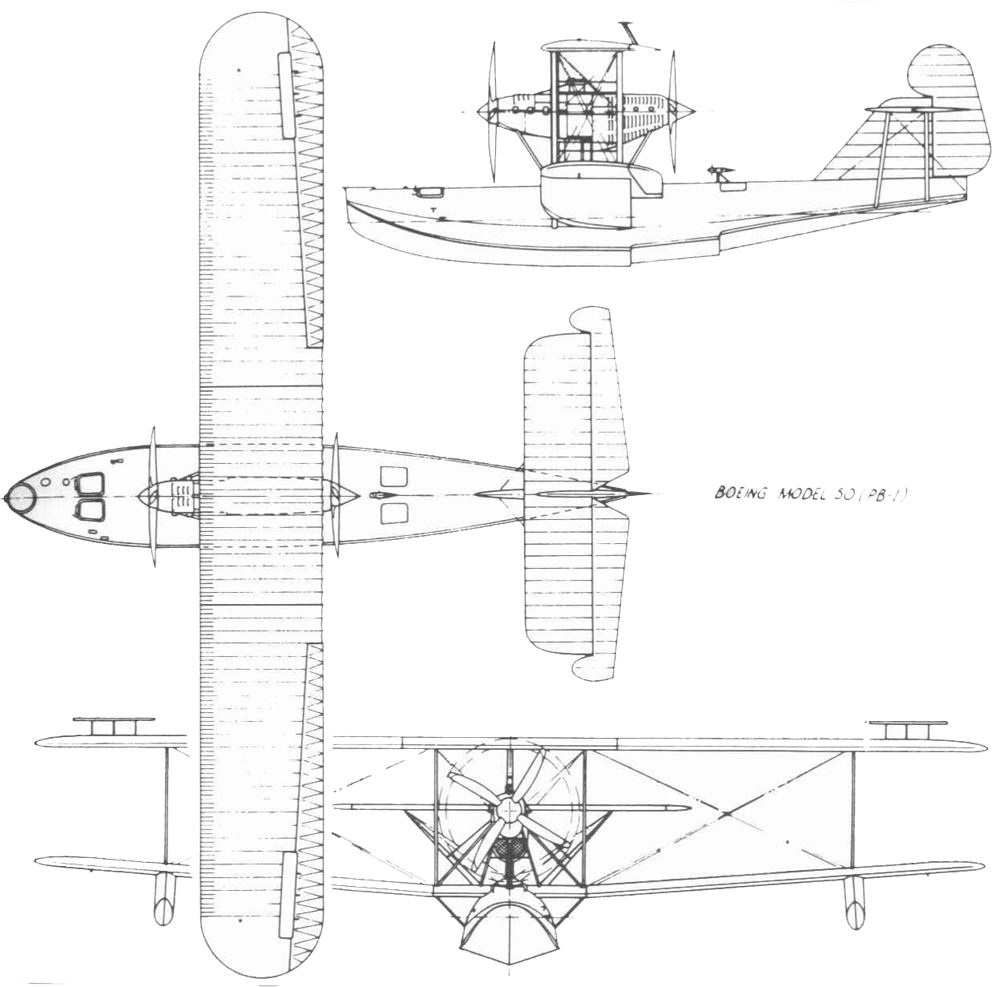
The new flying boat, designated Boeing Model 50, featured a traditional layout for aircraft of its type. A notable exception was its power plant, consisting of two liquid-cooled engines installed in tandem, equipped with both a pulling and a pushing propeller. The hull design was innovative and significantly influenced subsequent Boeing products.

The lower part of the hull was constructed from metal, while the upper part was made of wood. The hull had two steps (redans), and the wings had an identical span. This blend of materials and a distinct hull shape marked a considerable advance for the era.

Early Flights and Evolution

By the time of its final assembly, the flying boat received the military designation PB-1. It completed its first flight from California to Hawaii in September 1925, accompanied by a PN-9 aircraft. Subsequently, the PB-1 was utilized for conducting various experiments.

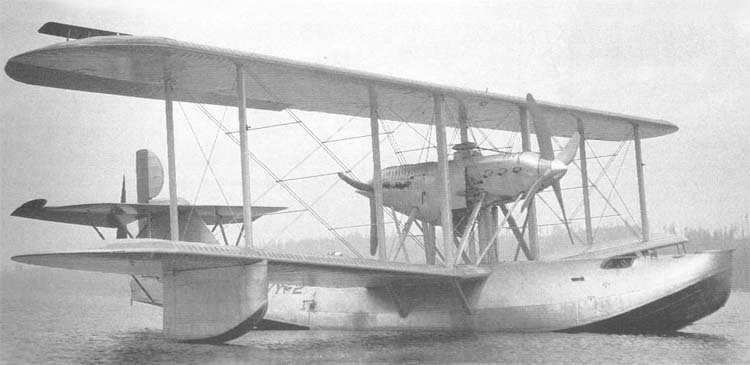
In 1928, it was converted into the XPB-2, replacing its liquid-cooled engines with air-cooled Pratt & Whitney R-1860 Hornet engines, each producing 800 hp. This evolution enhanced its performance and versatility for continued testing.

Technical Specifications

Modification PB-1
Wingspan, m 26. 67
Length, m 18. 10
Height, m 6. 36
Wing area, m2 167. 31
Empty weight 5240
Maximum takeoff weight 12194
Engine type 2 Piston engines Packard 2A-2500
Power, hp 2 x 800
Maximum speed, km/h 1 80
Cruising speed, km/h 151
Practical range, km 805
Service ceiling, m 2745
Crew, crew members 5
Armament: four 7.62-mm Browning machine guns in turrets and up to 180 kg of bombs on external hardpoints under the lower wing

Image and diagram gallery of the Boeing Model 50 (PB-1)

Boeing Model 50 (PB-1)

How to cite this article:

APA: Boeing Model 50 (PB-1) (). Boeing Model 50 (PB-1). wp.archivoaereo.com. https://wp.archivoaereo.com/en/boeing-model-50-pb-1-3/
VANCOUVER: Boeing Model 50 (PB-1) [online]. wp.archivoaereo.com; [cited 2026-09-15]. Available at: https://wp.archivoaereo.com/en/boeing-model-50-pb-1-3/
Developed by Agatha Press
WWI Flying Boats Tags:Boeing, United States

Post navigation

Previous Post: Blake Bluetit
  • Español
  • Attack Aircraft
  • Aviation Biographies
  • Cargo & Heavy Helicopters
  • Classic Airliners
  • Classic Light Aircraft
  • Classic Regional Airliners
  • Cold War Fighters
  • Drones & UAVs
  • Experimental Aircraft
  • History & Battles
  • Interwar Reconnaissance
  • Light & Observation Helicopters
  • Maritime Patrol
  • Military Transport
  • Modern Airliners
  • Modern Cargo Aircraft
  • Modern Fighters
  • Modern Light Aircraft
  • Modern Military Transport
  • Modern Regional Airliners
  • Other Aircraft
  • Pioneer Air Transport
  • Pioneer Light Aircraft
  • Racing Aircraft
  • SAR Helicopters (Rescue)
  • Sin categoría
  • Utility Helicopters
  • Weapons & Technology
  • WWI Attack Aircraft
  • WWI Bombers
  • WWI Fighters
  • WWI Flying Boats
  • WWI Reconnaissance
  • WWII Attack Aircraft
  • WWII Bombers
  • WWII Fighters
  • WWII Flying Boats
  • WWII Military Transport
Caproni Ca 316Caproni Ca 316Admin
Cessna Citation XCessna Citation XAdmin
Chudzik CC-02 RafaleChudzik CC-02 RafaleAdmin

Legal

  • About ArchivoAereo
  • Terms and Conditions
  • Contact Us
  • Privacy Policy

Copyright © 2026 wp.archivoaereo.com.

Powered by PressBook WordPress theme