
Douglas Aircraft, a long-standing supplier of military transport aircraft for the U.S. Air Force (USAF), received two contracts in the early 1950s for the development of a heavy turboprop military transport aircraft. These contracts aimed to meet the requirements of the USAF Logistic Carrier Support System SS402L. A larger variant, the C-132, was considered but rejected in 1956 during the mockup construction stage.
The customer deemed the smaller C-133 Cargomaster more acceptable. Full-scale design work for the Cargomaster, intended to replace the C-124 Globemaster II, began in February 1953. No prototypes were built; the USAF immediately contracted for 12 aircraft.
Design and Operational Capabilities
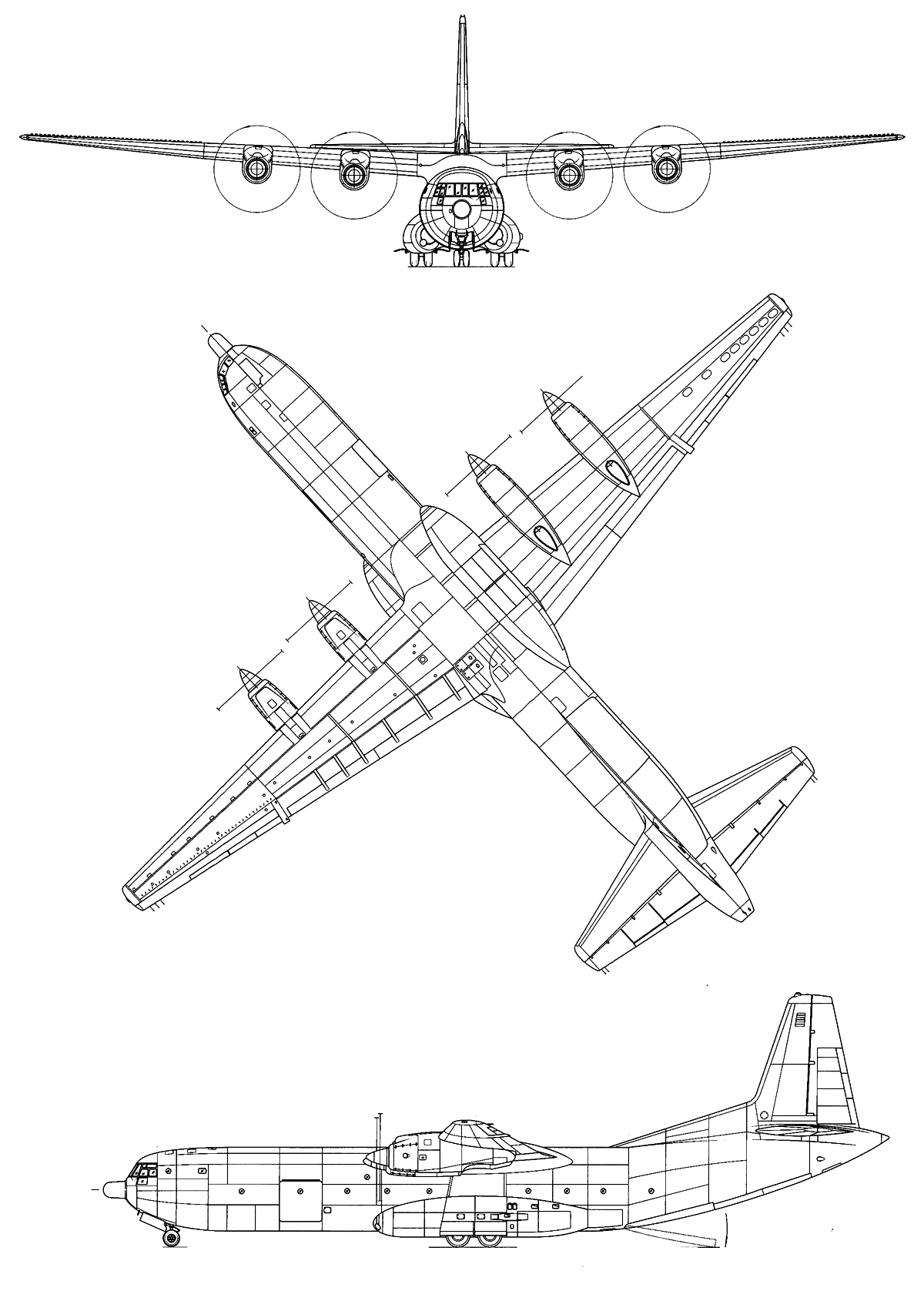
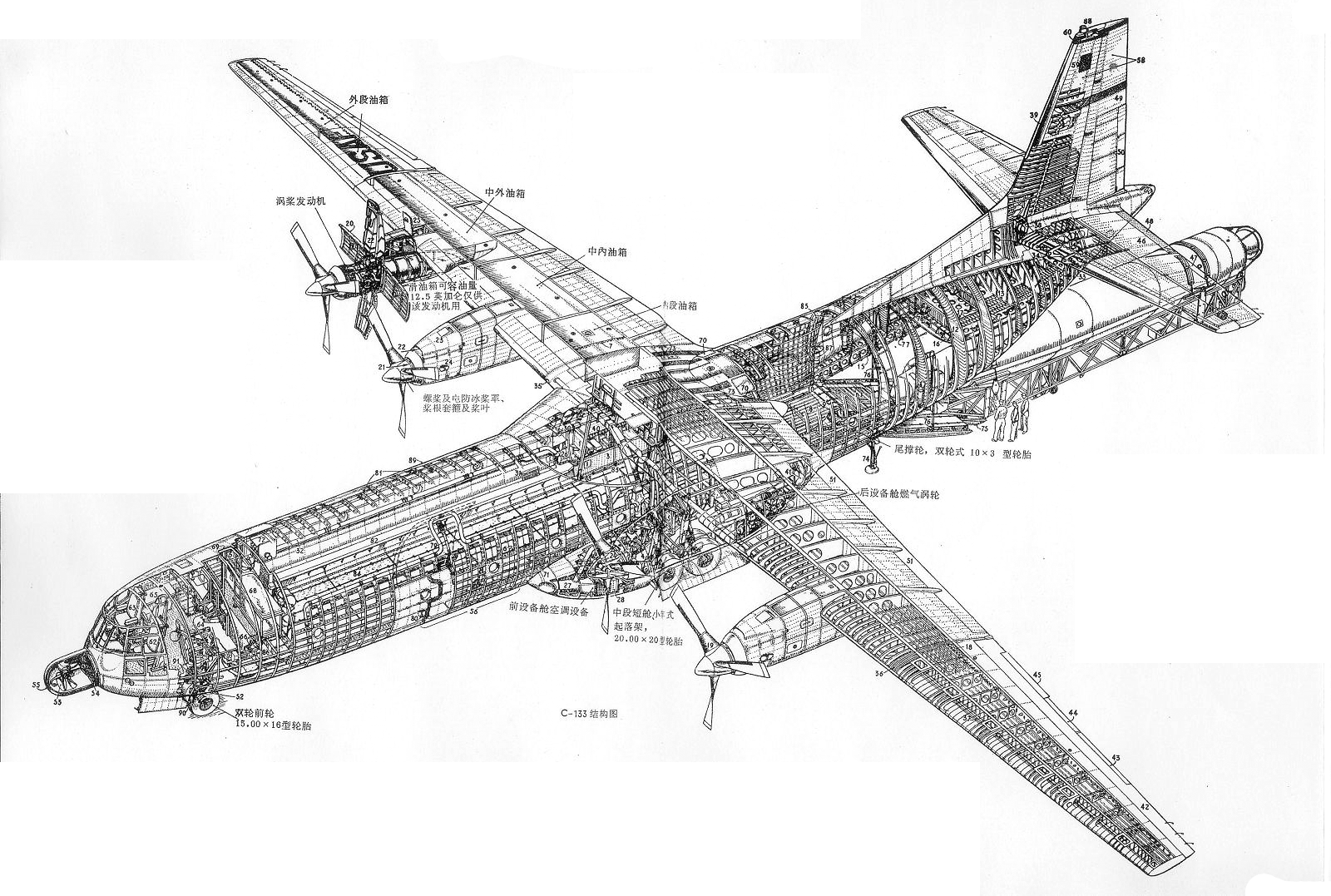
The first aircraft rolled out of the Douglas plant in Long Beach just three years later. This very large monoplane featured a high-mounted, high-aspect-ratio wing, fitted with four Pratt & Whitney T34-P-3 engines, each rated at 5700 hp. Its circular-section fuselage could accommodate 96% of the U.S. Army’s standard vehicle fleet.
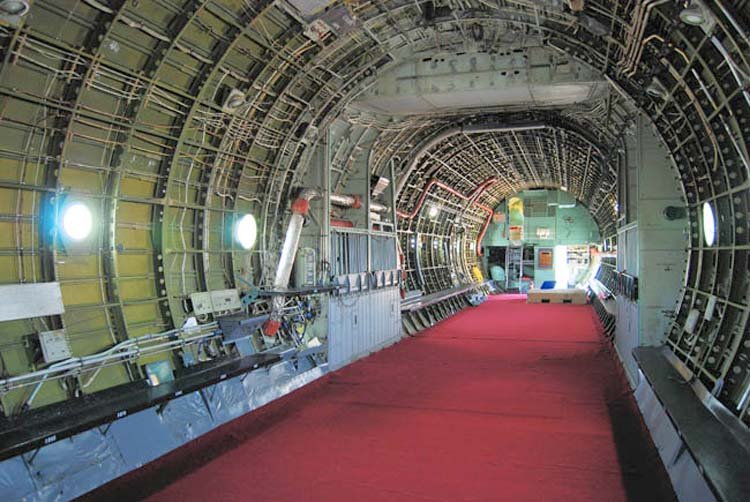
Loading and unloading were carried out through a two-section rear door, the lower part of which served as a loading ramp, or through a side cargo door on the left side of the forward fuselage, which opened upwards. This allowed vehicles up to 3.66 meters (12 feet) tall to drive directly into the cargo bay. The aircraft’s capacity was impressive: 45,359 kg (100,000 lbs) of cargo or up to 200 soldiers/paratroopers.
The first aircraft (No. 53-145) made its maiden flight on April 23, 1956, under the command of J. Armstrong. During flight tests, certain deficiencies were identified, and the size of the fore-keel had to be increased to improve controllability.
The Military Air Transport Service received the first aircraft in August 1957. The 39th (Dover Air Force Base, Delaware) and 84th (McChord Air Force Base, Washington) Air Transport Squadrons were the first to operate them. The following year, the new aircraft began active global operations, setting transatlantic speed records for transport aircraft during their initial flights to Europe. On December 16, 1958, a C-133A set a record by lifting a 53,478 kg (117,900 lbs) load to an altitude of 4,536 meters (14,882 feet).
Evolution and Operational Challenges
A total of 35 C-133A aircraft were built, with continuous design modifications. From the eighth aircraft onwards, a shorter tail section without a cone was introduced; from the 33rd aircraft, a new two-part rear cargo door was incorporated. This latter design feature was retained on the 15 C-133B aircraft, whose main difference was the T34-P-9W engines, each rated at 7500 hp.
C-133B production ran from October 1959 to April 1961. They featured increased payload capacity, able to carry 23,587 kg (52,000 lbs) over a range of at least 6,437 km (4,000 miles), compared to the C-133A’s 19,051 kg (42,000 lbs). Plans for a third modification with 7500 hp Allison T54 engines existed but were never realized.
For many years, the C-133 was the only USAF aircraft capable of transporting very large and very heavy loads. Despite the capabilities of the C-124 Globemaster II, there were many cargo items it could not carry due to its cargo deck being 4 meters (13 feet) off the ground and its significantly weaker engines. The C-133 featured large rear and side cargo hatches and a spacious cargo bay.
On the C-133B, the rear hatch was modified so that the doors could open sideways, creating an opening so large that it allowed the transport of Atlas, Titan, and Minuteman ballistic missiles more cheaply, quickly, and safely than by road. Several hundred Minuteman and other ICBMs were delivered to their bases by C-133 aircraft. NASA also used them for its purposes, transporting Atlas, Saturn, and Titan rockets to Cape Canaveral for use as launch vehicles for the Gemini, Mercury, and Apollo space programs.
Furthermore, after Apollo command modules splashed down, they were also ferried by C-133 aircraft from Naval Station Norfolk, Virginia, or Hickam AFB, Hawaii, to Ellington AFB, Texas, or to California.
A Troubled Service and its Legacy
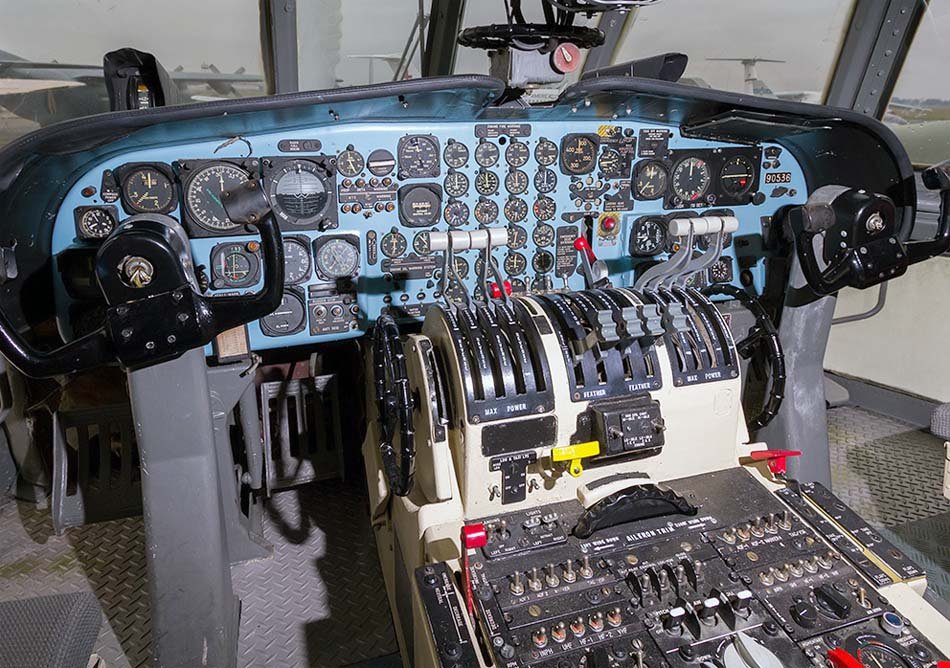
The Cargomaster’s main problem was its insufficiently reliable power plant, which contributed to its relatively short career. Additionally, serious issues with airframe structural fatigue arose. The C-133 was quite a problematic aircraft: 10 aircraft were lost in crashes and incidents, meaning one in five built. The lack of stall warning and the necessity to fly at altitudes close to the limits, coupled with the difficulty or even impossibility of recovering a loaded aircraft from a stall, are believed to have caused the loss of several aircraft. Its turboprop engines were highly unreliable, complicating the regularity of cargo transport.
For these reasons, it was never used for troop transport. The aircraft was not well-liked and even feared by those who worked with it. After only 14 years of service, the aircraft were withdrawn in 1971. The last months of the aircraft’s service were spent in continuous cargo transport from the USA to South Vietnam, and then most machines ended their lives at the storage site for decommissioned aircraft at Davis-Monthan Air Force Base.
However, in 1973, the non-profit “Foundation for Airborne Relief” (FAR) acquired four C-133A aircraft for conversion into flying hospitals for use in large-scale disasters or natural calamities. The plan was to install operating rooms, intensive care units, and even accommodate a light medical evacuation helicopter on board. However, the U.S. Federal Aviation Administration (FAA) deemed it impossible to “return to the sky” aircraft retired due to structural strength problems and which had been in storage for several years. The project was closed.
One of the aircraft purchased by FAR (N136AR/54-136) is notable because from 1966-1969, it was operated by NASA (bearing tail number “928” and belonging to the Johnson Space Center), supporting the U.S. space program.
The “space program” for the C-133 did not end there. NASA, while funding John Conroy’s idea to convert old Boeing 377 Stratocruisers into transports for Saturn rocket program parts, also approached the Military Air Transport Service (MATS), a department that combined USAF and US Navy transport aviation, requesting assistance in developing an aircraft capable of carrying oversized cargo. MATS was also interested in creating such an aircraft, and on its own behalf, approached Douglas in 1961 with a task to develop a project for such a machine.
Since the program budget was limited, the option of developing a new aircraft was not considered. Douglas engineers decided to modify their existing C-133 Cargomaster transport aircraft for oversized cargo transport. After some research and wind tunnel testing of simple models, the most optimal option in terms of cost-effectiveness was recognized as the project of transporting rocket parts in a specially designed container placed on the aircraft’s back. As a backup project, the creation of a special glider that would use the C-133 as a tug was considered.
Initially, two types of transport capsules were envisioned: small and large. The small capsule was intended for transporting spacecraft like Apollo or Dyna-Soar, or individual parts of large rocket stages. This capsule required minimal aircraft modification: a capsule attachment was placed on the back, and two small additional fins, which could even be called winglets, were installed on the tips of the vertical stabilizers. All these additions were easily detachable, turning the aircraft back into an ordinary transport.
The large capsule could accommodate the entire set of stages and launch boosters for the Saturn program. In the initial variant, as with the small option, only the installation of capsule mounts was envisaged, retaining the possibility of re-converting the aircraft.
However, wind tunnel testing of such a variant showed that this placement of the capsule seriously affected aerodynamics, creating dangerous low-pressure zones. The aircraft’s weight distribution was also troubling, with the nose becoming tail-heavy. The solution to both problems would be to shift the capsule backward, but this required aircraft redesign, especially of the tail. Unfortunately, Douglas could not offer other solutions, so a C-133 project with a split H-tail vertical stabilizer was prepared. Thanks to this, the capsule was shifted backward to restore the aircraft’s weight distribution, and the massive fins compensated for aerodynamic problems. It was planned to convert up to two C-133s under this project, which would be sufficient for the needs of NASA and MATS.
In mid-1962, Douglas’s proposal was submitted to NASA for review and was quickly rejected due to cost. It turned out that purchasing and disassembling several old Boeing 377s in a repair workshop to create the “Pregnant Guppy” was significantly cheaper than the services of a full-fledged aircraft manufacturing firm. Moreover, despite all skepticism, John Conroy’s project was doing well, and NASA decided to bet on it. MATS, for its part, was not going to finance the Douglas project alone and also refused to proceed with its further development.
The last operational use of the Cargomaster occurred in 1976 when the cargo airline “Northern Air Cargo” received permission to use one C-133B for transporting equipment for the Alaska pipeline construction program.
Technical Specifications
| Modification | С-133В |
| Wingspan, m | 54.8 |
| Aircraft length, m | 48.0 |
| Aircraft height, m | 14.7 |
| Wing area, m2 | 248.3 |
| Empty weight | 54600 |
| Normal takeoff weight | 129700 |
| Maximum takeoff weight | 136000 |
| Engine type | 4 Piston engines Pratt Whitney T-34-P-9W |
| Power, hp | 4 x 7500 |
| Maximum speed, km/h | 575 |
| Cruising speed, km/h | 500 |
| Practical range, km | 7000 |
| Operational range, km | 3600 |
| Practical ceiling, m | 6125 |
| Crew, crew members | 4 |
| Payload: | 200 soldiers or 45300 kg of cargo |
Image and diagram gallery of the C-133 Cargomaster
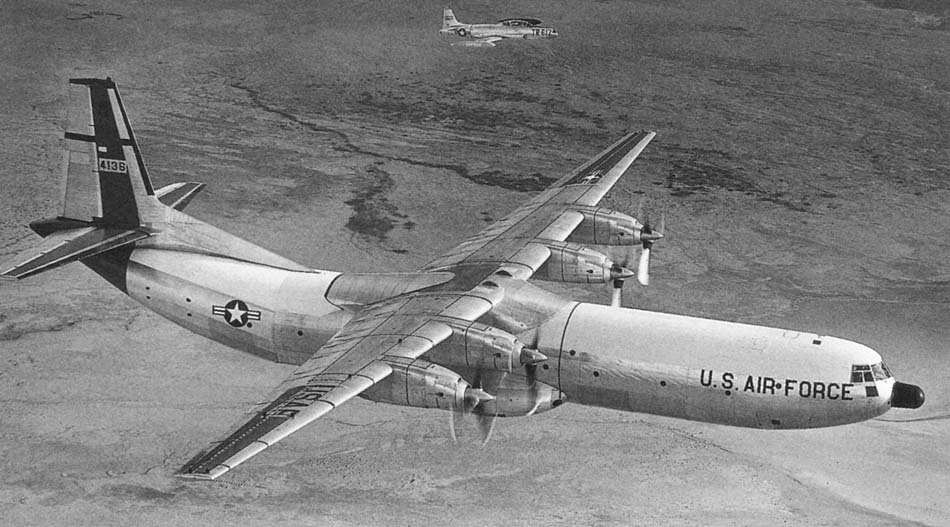 C-133 Cargomaster |
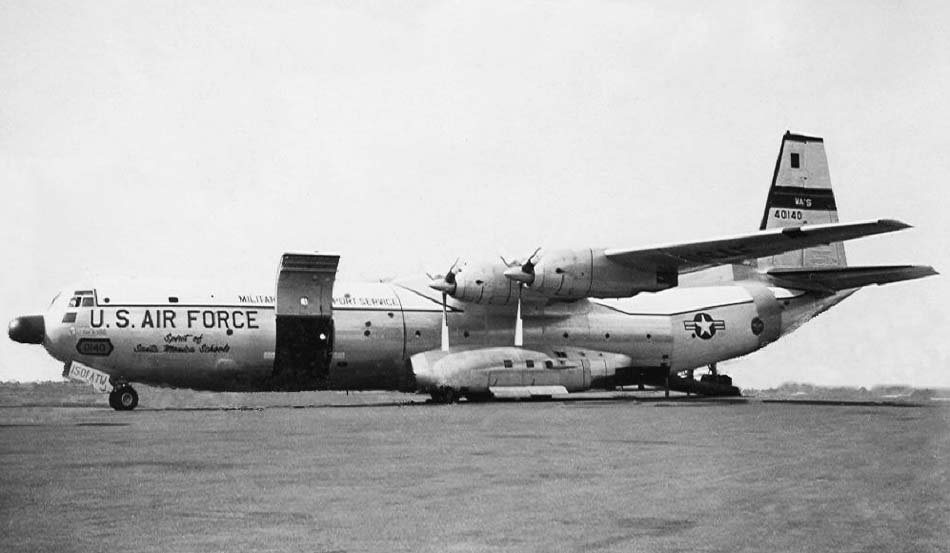 C-133 Cargomaster |
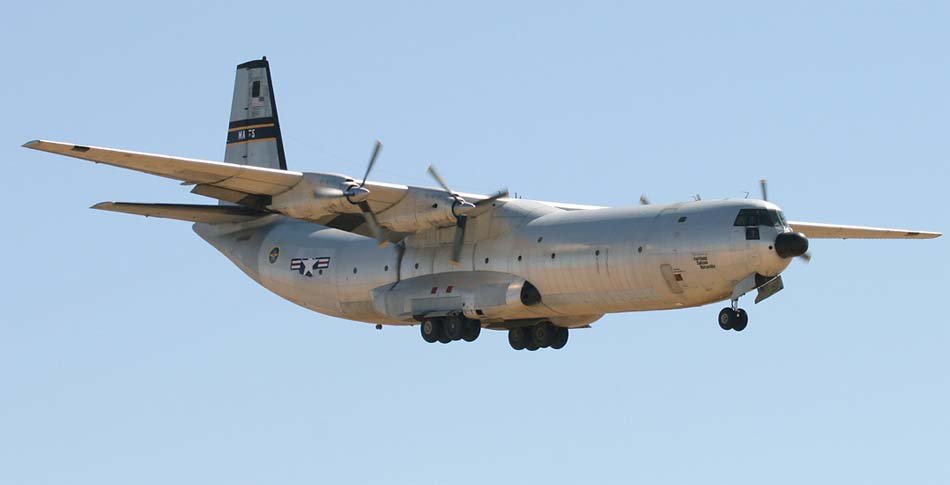 C-133 Cargomaster |
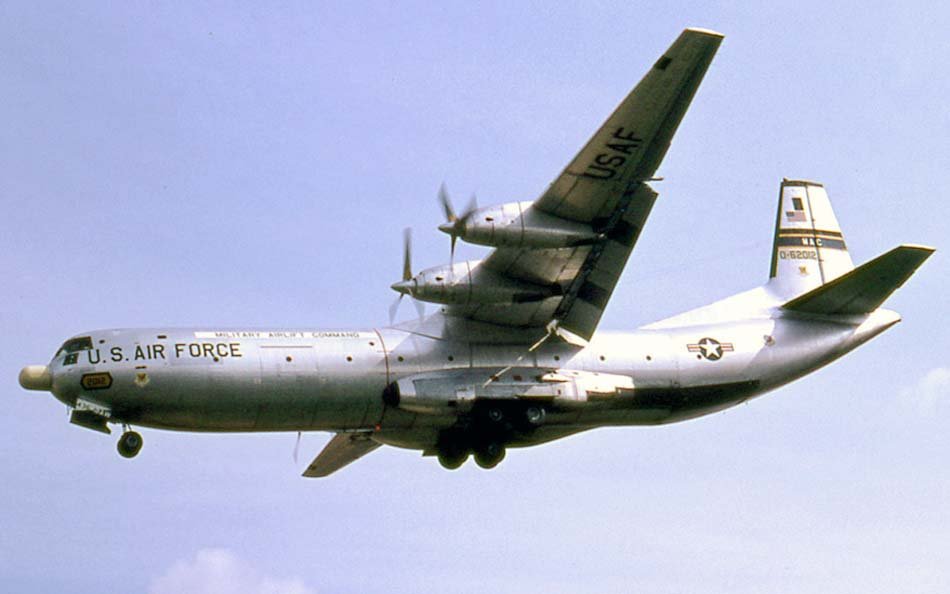 C-133 Cargomaster |
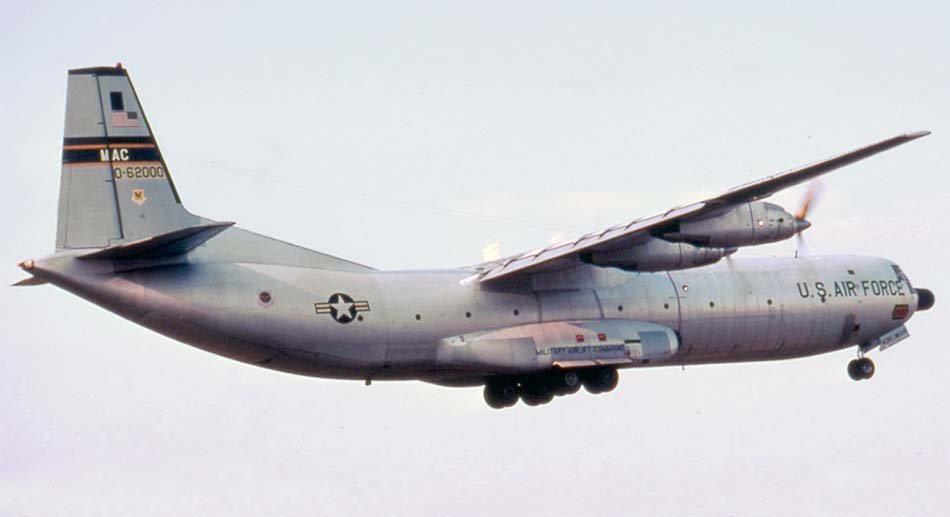 C-133 Cargomaster |
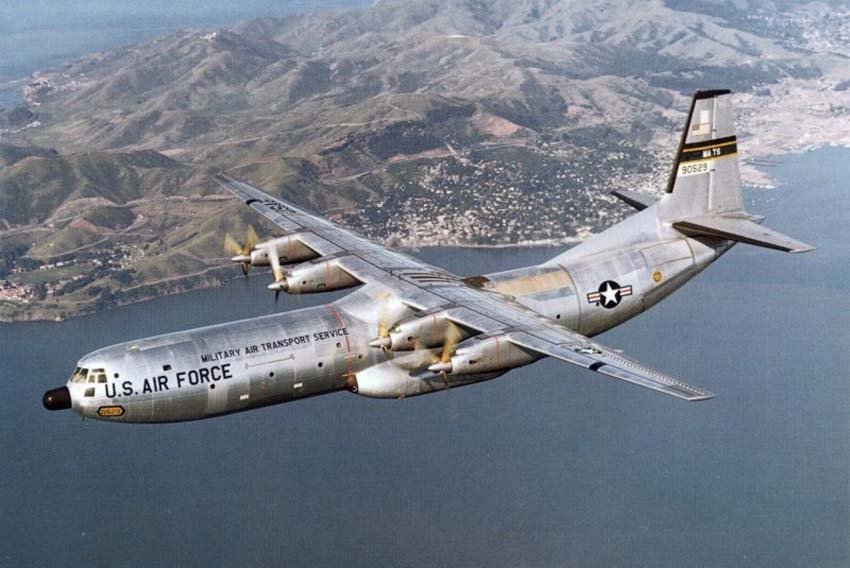 C-133 Cargomaster |
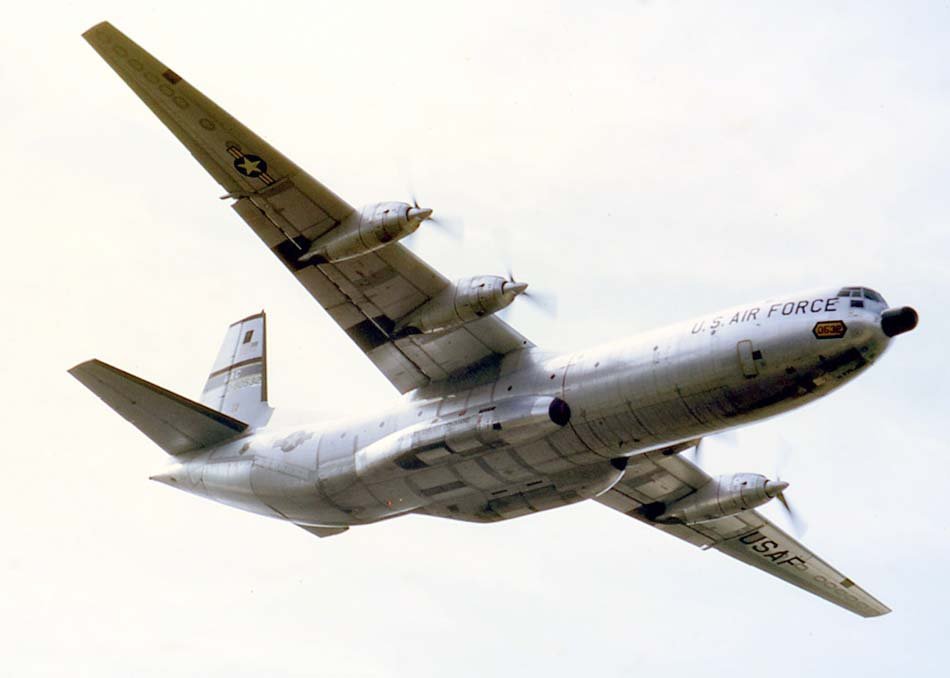 C-133 Cargomaster |
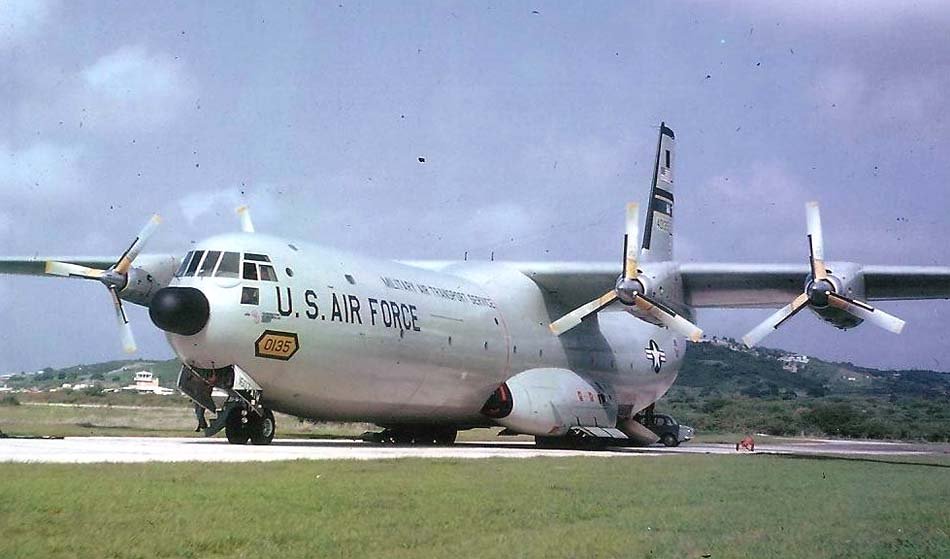 C-133 Cargomaster |
 C-133 Cargomaster |
 C-133 Cargomaster |
 C-133 Cargomaster |
 C-133 Cargomaster |
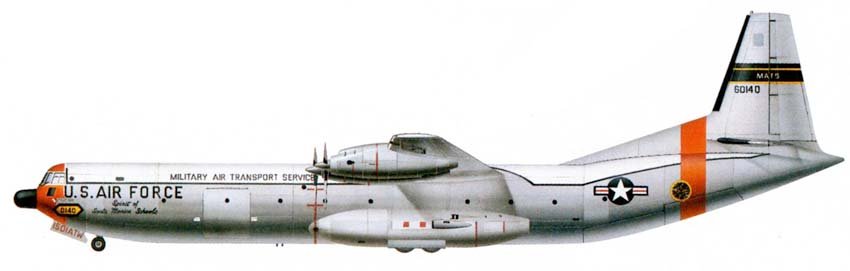 C-133 Cargomaster |
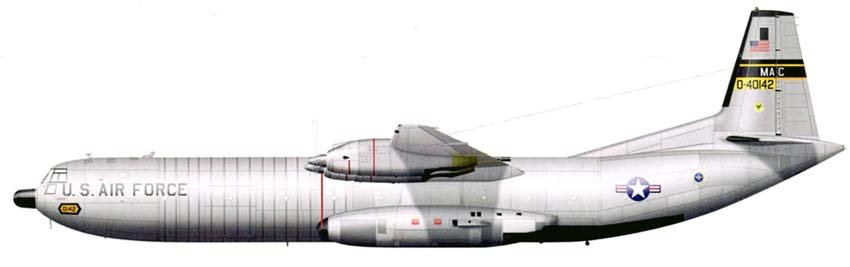 C-133 Cargomaster |