
Design and Early Flights
The multipurpose flying boat CNT 10 was developed by Cantieri Navali Triestini (CNT) based on a 1924 specification from the airline Società Italiana Servizi Aerei (SISA), which planned to use the aircraft for passenger transport on commercial routes. Engineer Raffaele Conflenti was responsible for the flying boat’s design.
The first CNT 10 prototype took off in the spring of 1925. It was a five-seater, single-bay biplane, equipped with a single 300 hp (221 kW) Fiat A.12bis six-cylinder air-cooled engine. After successful trials, several units of the flying boat were produced.
Commercial Success and Variants
In late 1925, a new, enlarged version of the aircraft appeared – the CNT 10ter, equipped with a 400 hp (294 kW) Lorraine-Dietrich 12 Db engine. Passenger capacity was increased to five people.
On April 1, 1926, SISA announced the start of commercial operation for this flying boat (I-OLTC) on the Trieste – Venice – Pavia – Turin airline route. In the first two weeks alone, the CNT 10ter flying boats transported 85 passengers, 386 kg of cargo, and 163 mail parcels.
A total of 18 CNT 10 units were built. In addition to those mentioned above, two further variants of the flying boat were released: the eight-seater CNT 10 ter2 with a duralumin hull and a 500 hp (368 kW) Isotta Fraschini Asso 500 engine, and a variant for the Navy – the sole CNT 10M (CNT 10 M.R.I).
International Service and Renaming
Besides Italy, CNT 10 flying boats were also used in Argentina (two CNT 10ter by Taxi Aerei) and Paraguay (two CNT 10ter in naval aviation). The latter actively participated in combat operations against Bolivia as ambulance aircraft.
In 1930, after the company changed its name to Cantieri Aeronautici e Navali Triestini (CANT), the designation CNT 10 was changed to CANT 10.
Image and diagram gallery of the CANT 10
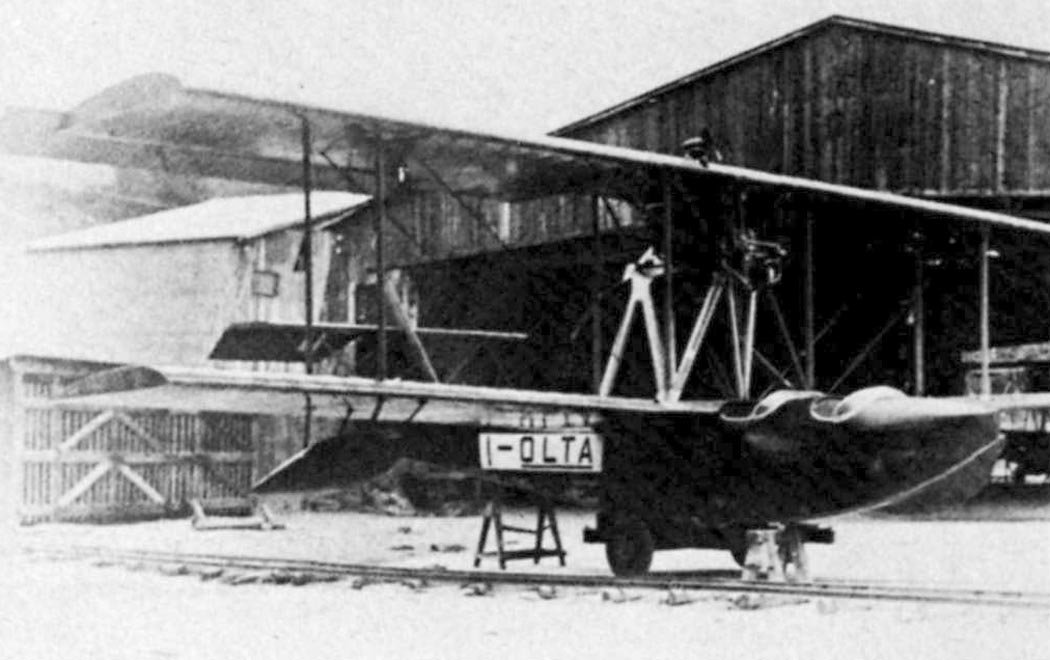 CANT 10 |
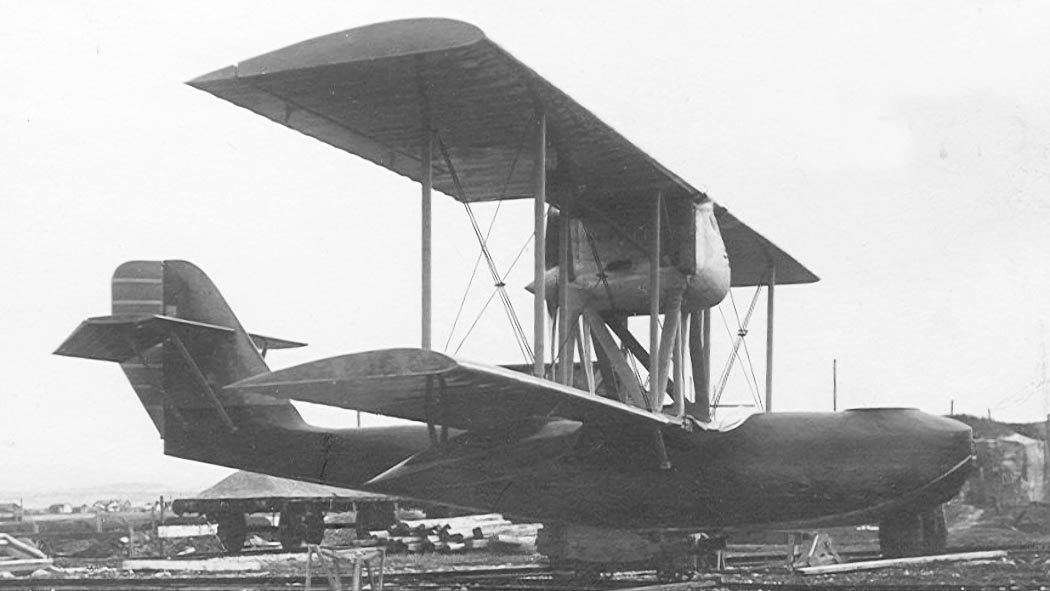 CANT 10 |
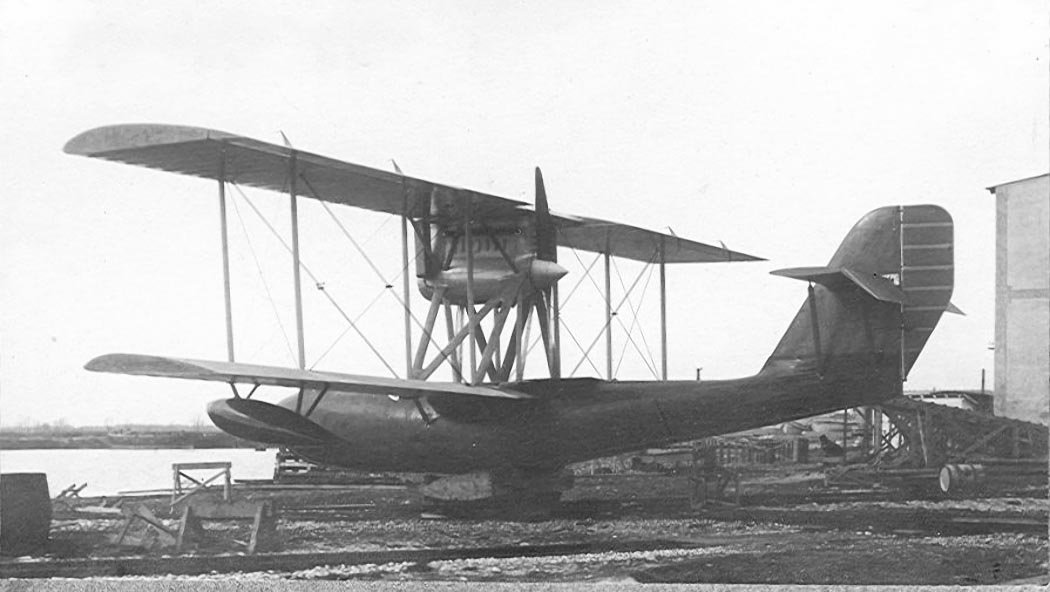 CANT 10 |
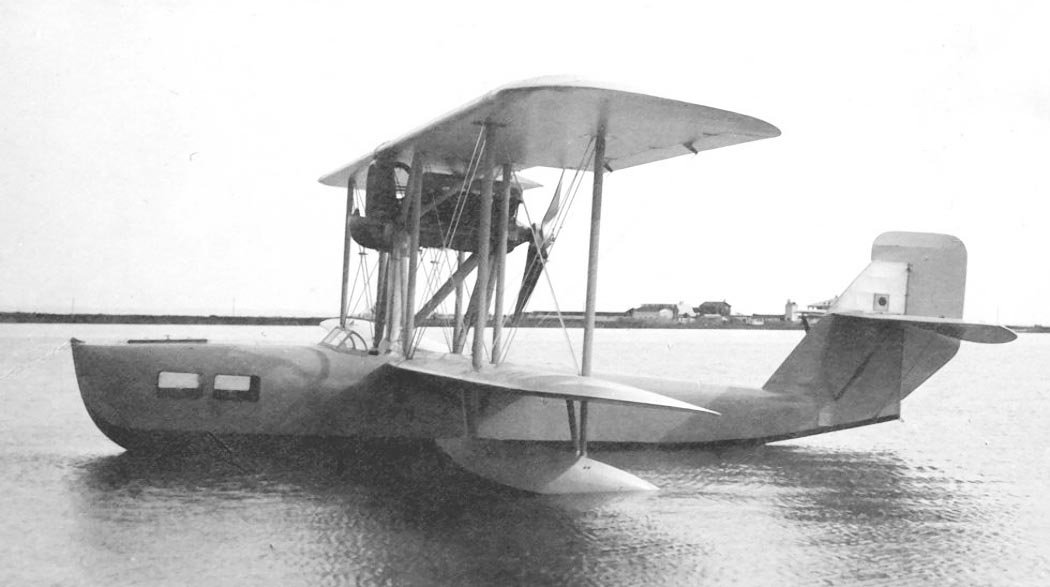 CANT 10 |
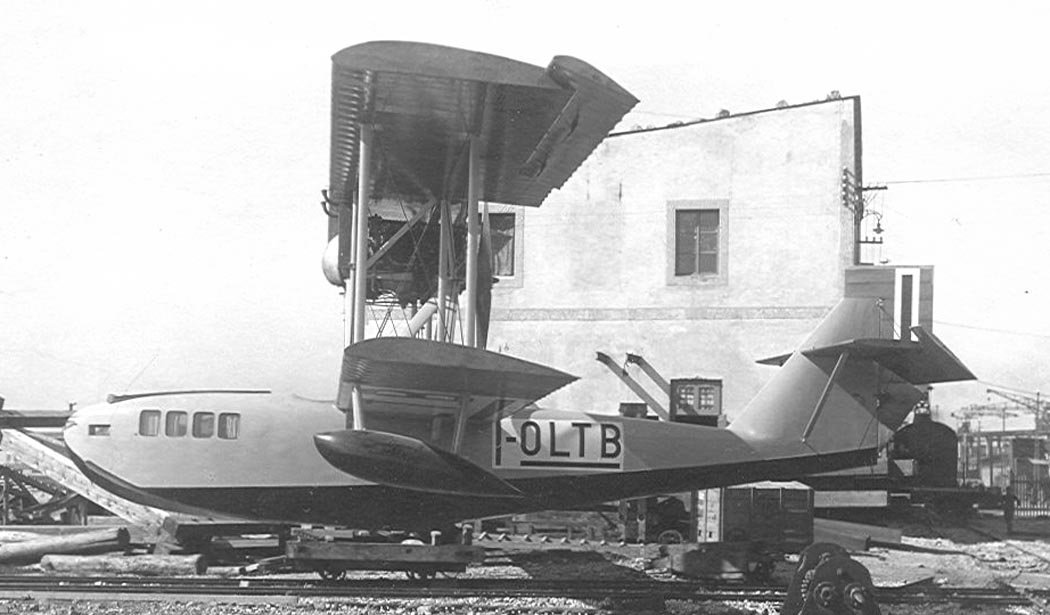 CANT 10 |
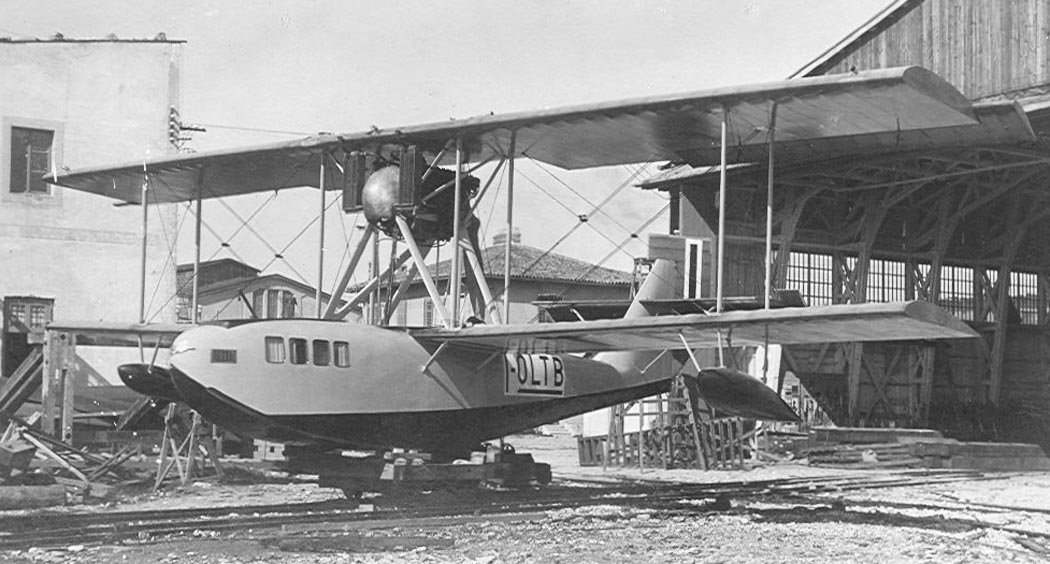 CANT 10 |
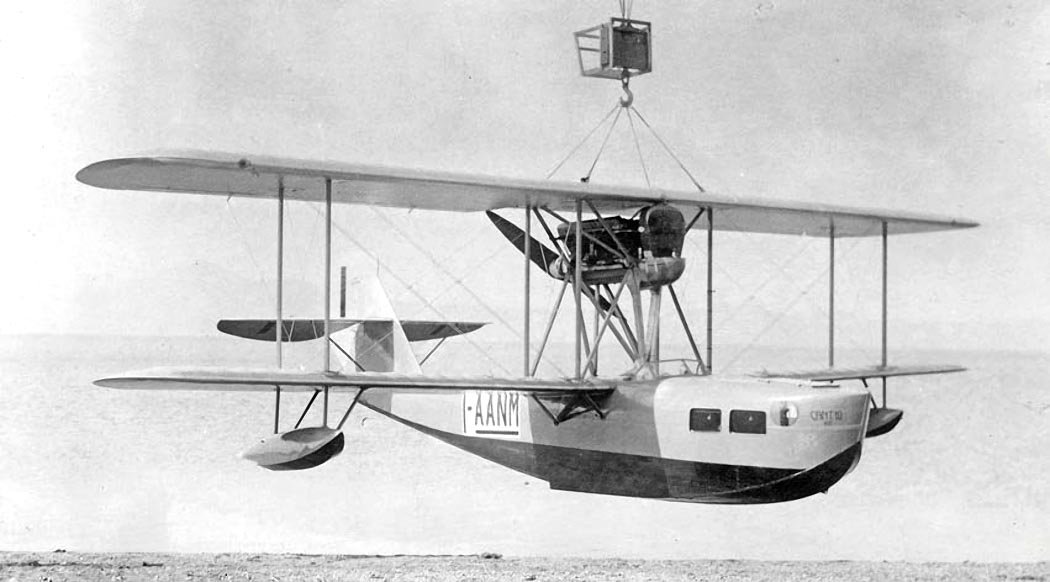 CANT 10 |
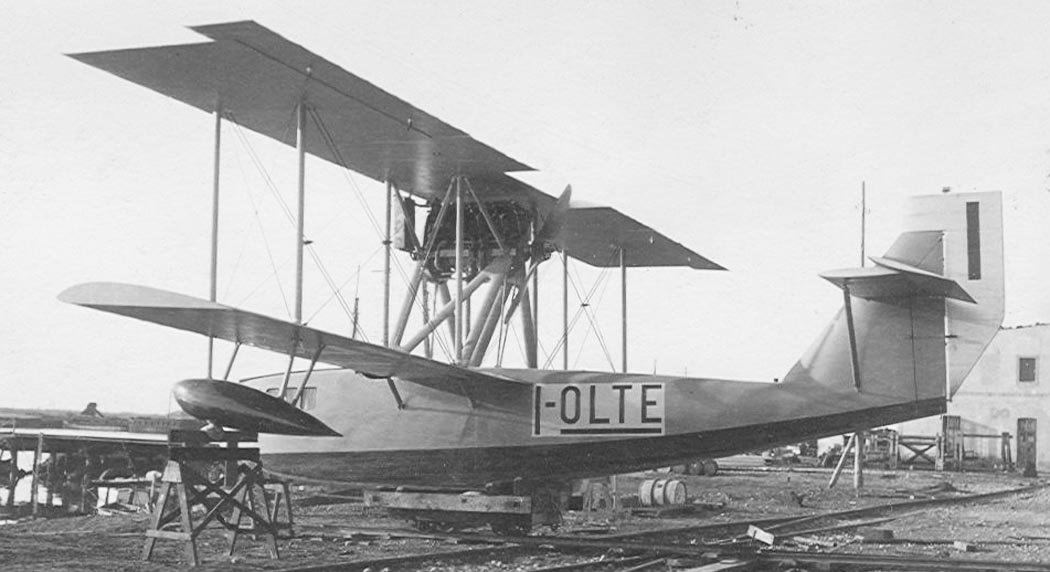 CANT 10 |
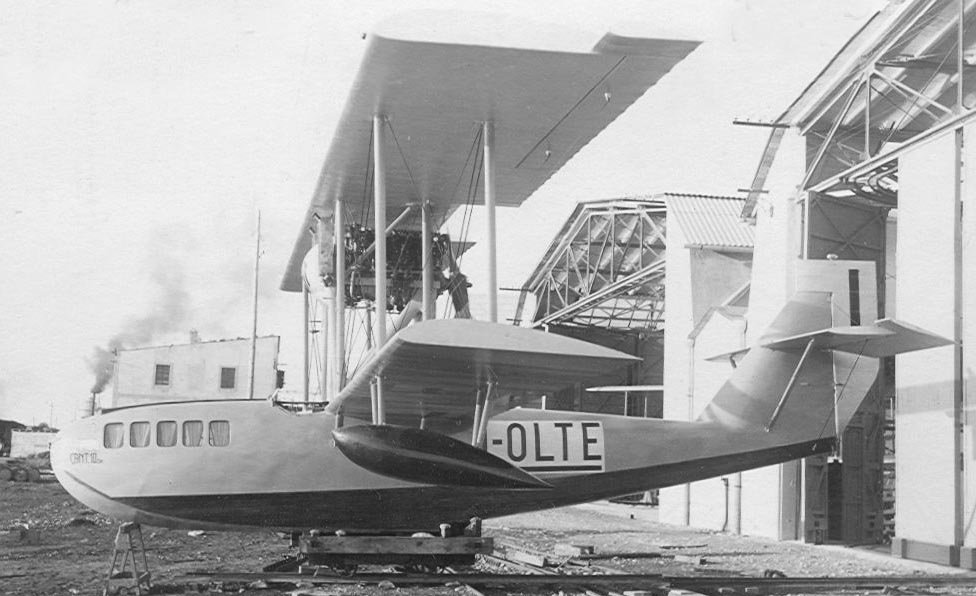 CANT 10 |
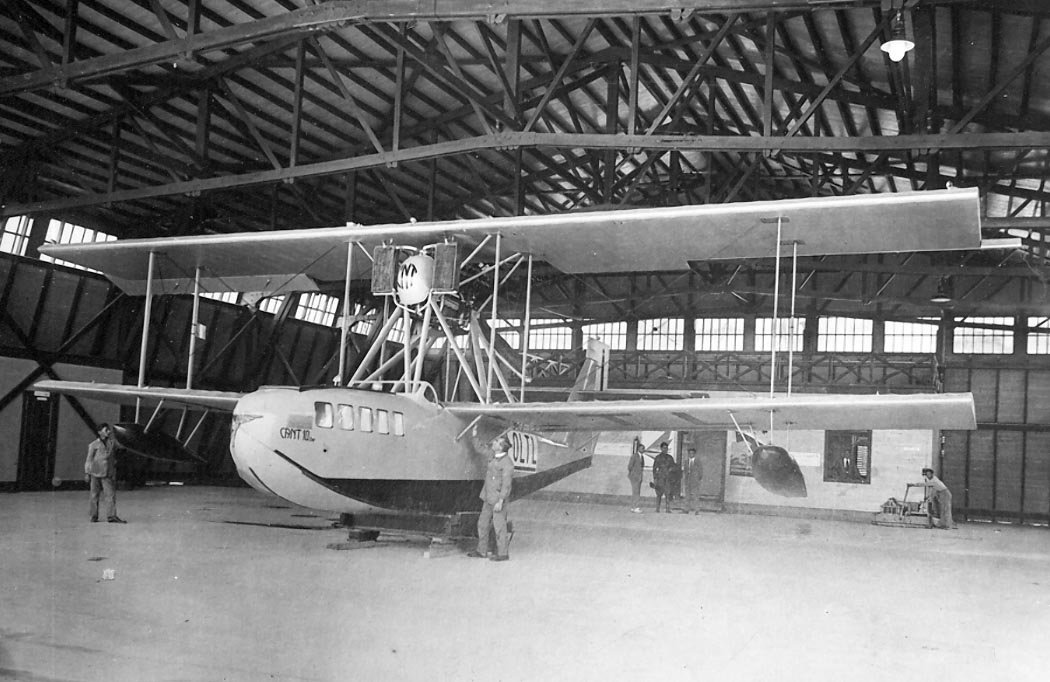 CANT 10 |
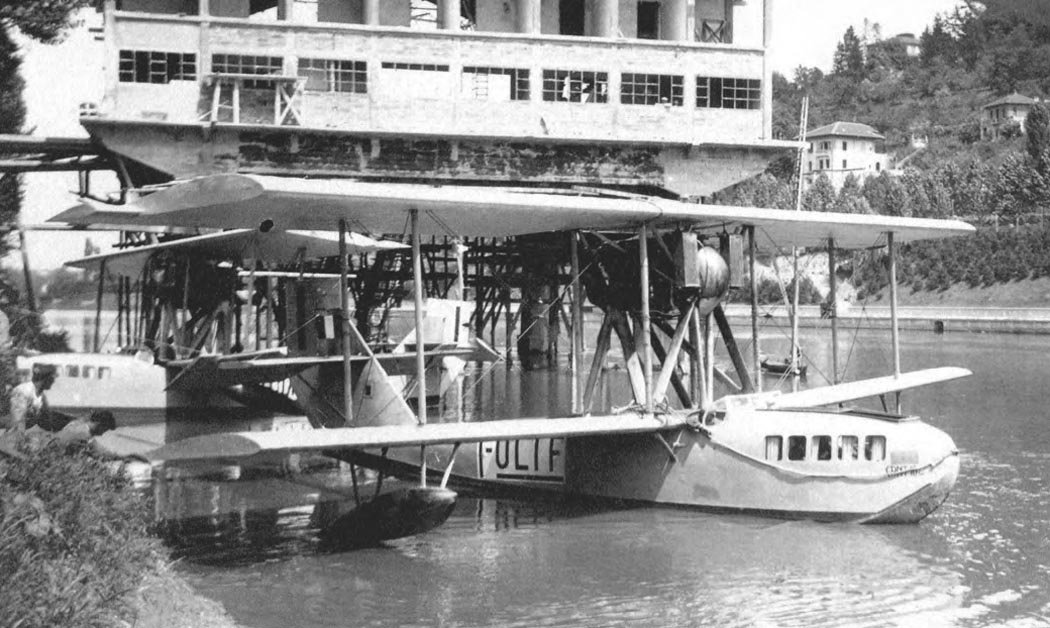 CANT 10 |
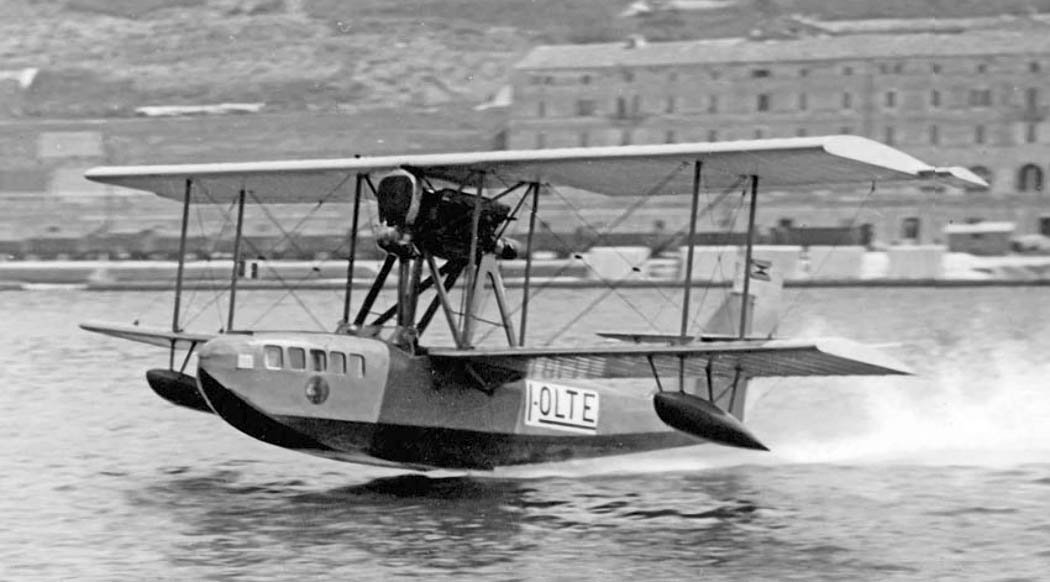 CANT 10 |
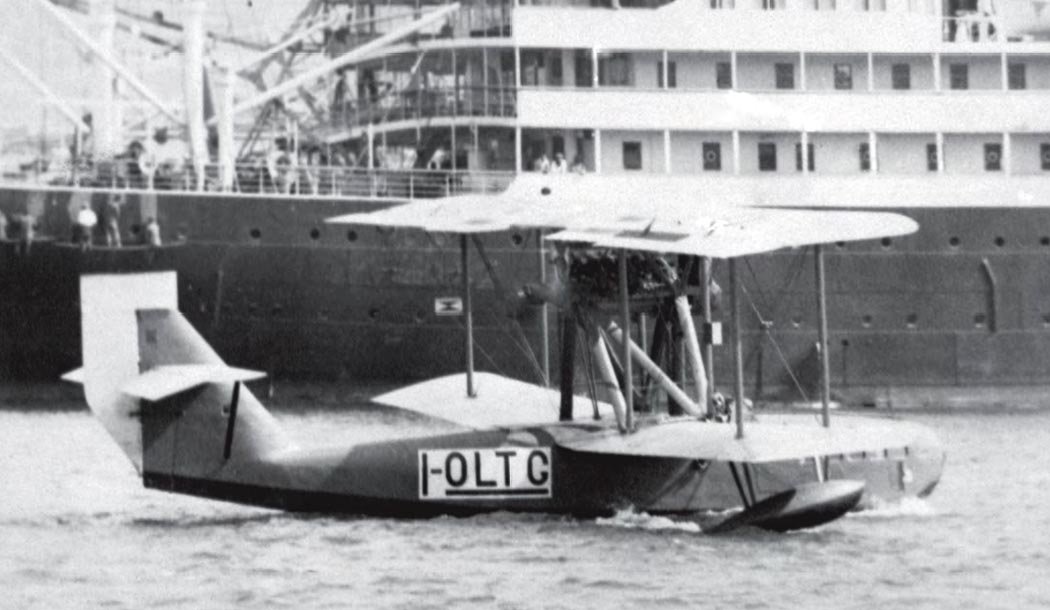 CANT 10 |
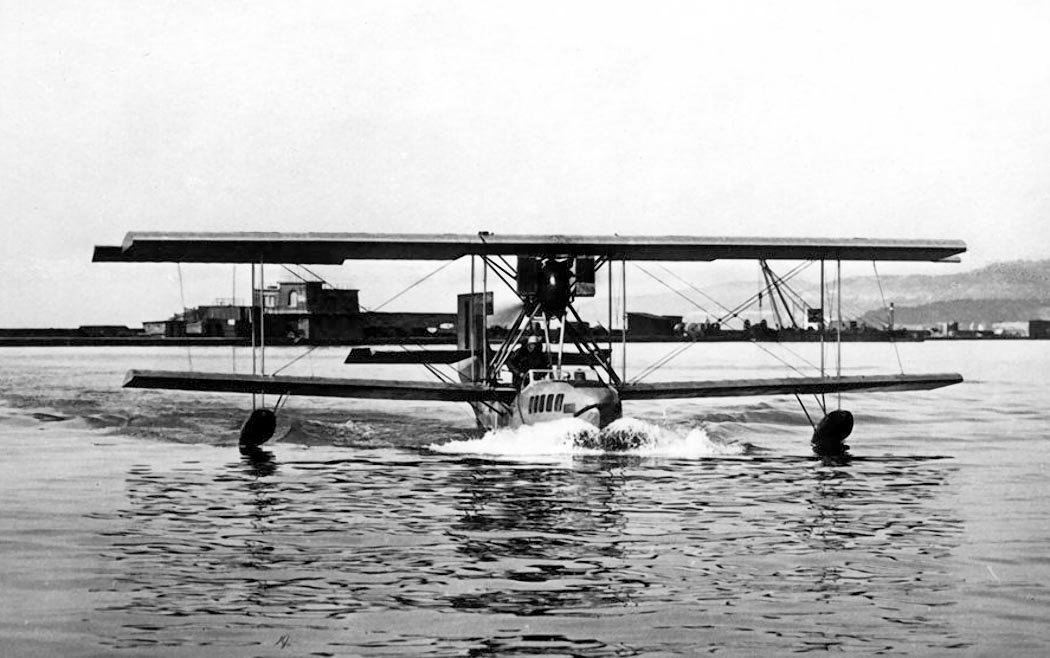 CANT 10 |
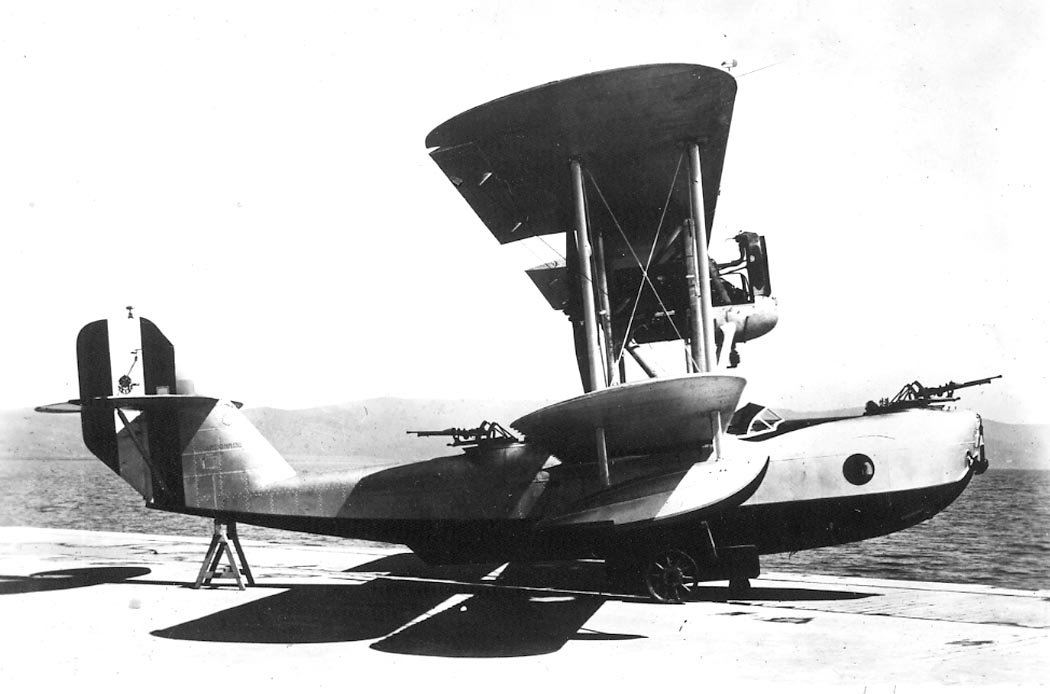 CANT 10 |
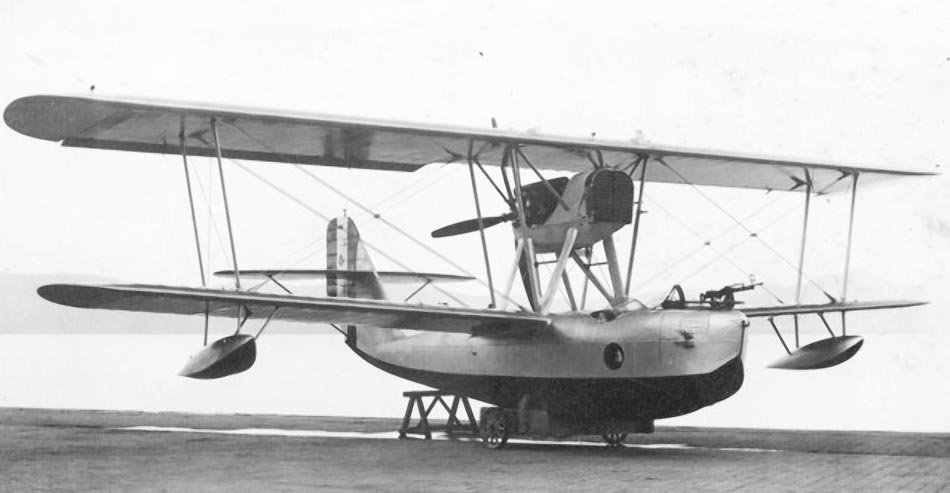 CANT 10 |
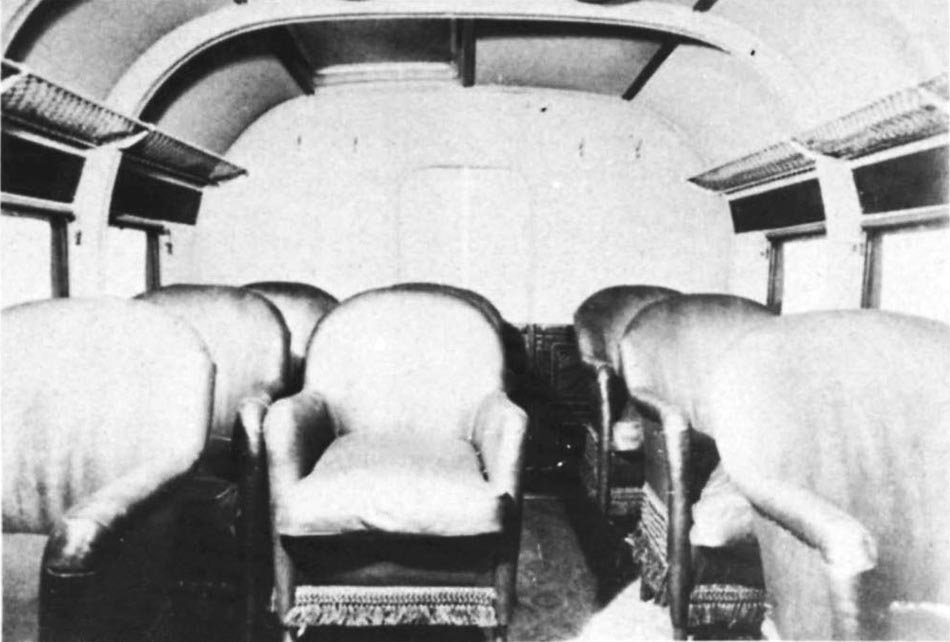 CANT 10 |
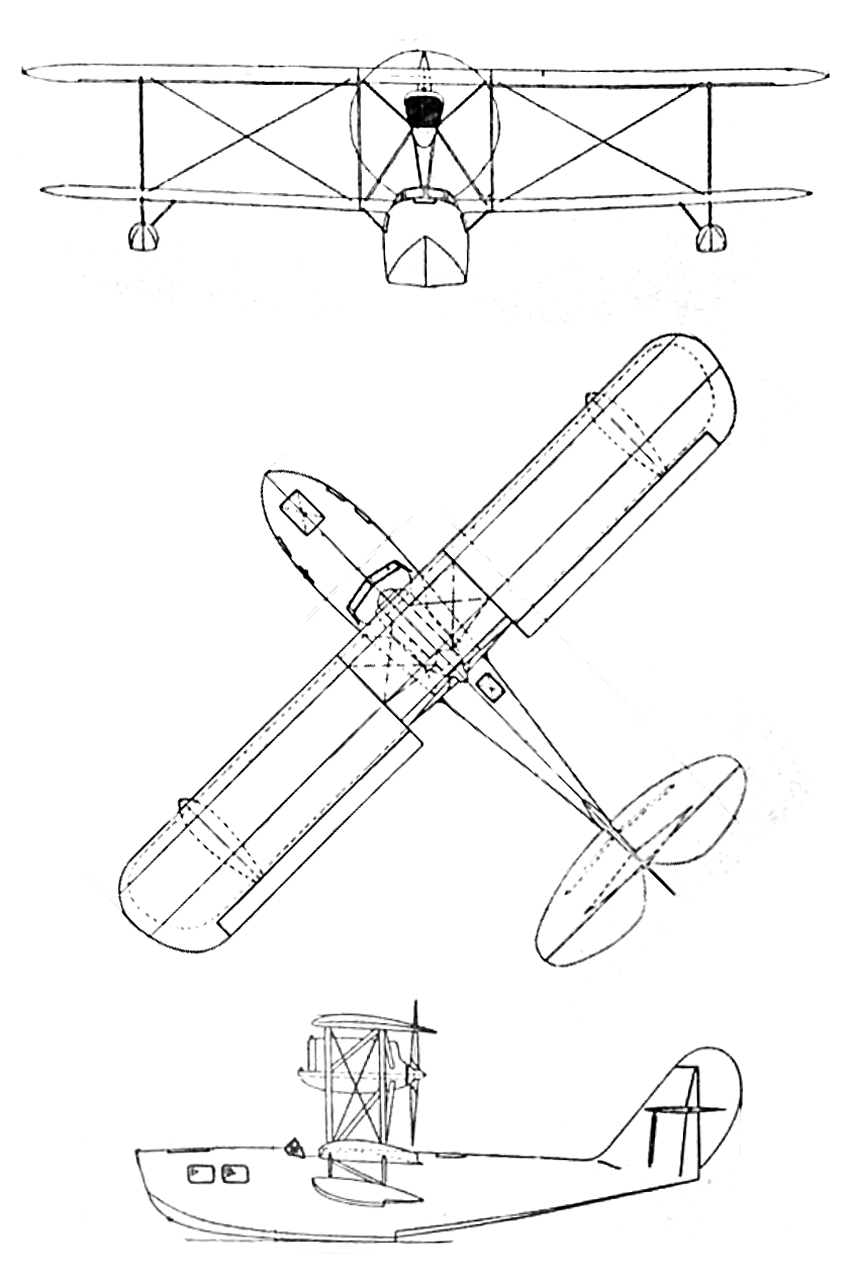 CANT 10 |
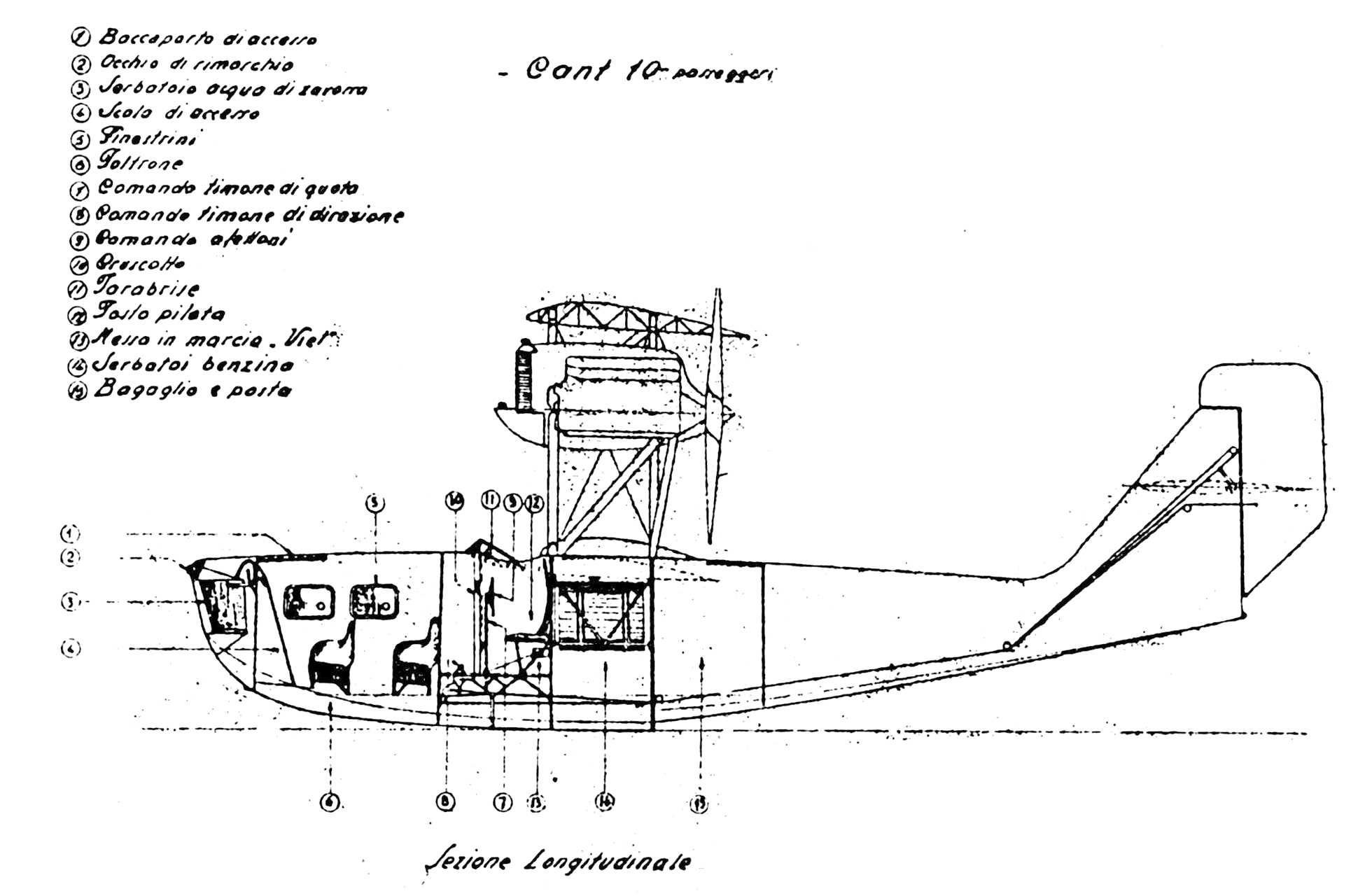 CANT 10 |