
Development and Initial Design
In 1923, Cantieri Navali Triestini (CNT) developed and built the light reconnaissance flying boat CNT 12 for the aviation branch of the Italian Royal Navy. This aircraft, which was based on the earlier CNT 7, featured a single-seat, single-strut biplane configuration.
It was powered by a single Isotta Fraschini V.6 six-cylinder air-cooled engine, generating 250 hp (187 kW). The design aimed to provide vital reconnaissance capabilities for naval operations.
Evaluation and Subsequent Role
Following its initial flights, it became apparent that the flying boat’s performance characteristics fell short of military requirements. Consequently, its planned military deployment was abandoned, leading to a reevaluation of its purpose.
The sole prototype constructed was subsequently transferred to the airline Società Italiana Servizi Aerei (SISA). Here, it found a new role as a valuable training aircraft, used for preparing SISA’s pilots.
Renaming and Legacy
In 1930, Cantieri Navali Triestini underwent a name change, becoming Cantieri Aeronautici e Navali Triestini (CANT). This corporate rebranding also led to an update in the aircraft’s designation, with the CNT 12 officially becoming the CANT 12.
Technical Specifications
| Modification | CANT 12 |
| Wingspan, m | 12. 40 |
| Aircraft length, m | 9. 16 |
| Aircraft height, m | 3.47 |
| Wing area, m2 | 42.00 |
| Empty weight | 950 |
| Maximum takeoff weight | 1450 |
| Engine type | 1 Piston engine Isotta Fraschini V.6 |
| Power, hp | 1 x 250 |
| Maximum speed, km/h | 19 |
| Cruising speed, km/h | 175 |
| Crew, crew members | 1 |
Image and diagram gallery of the CANT 12
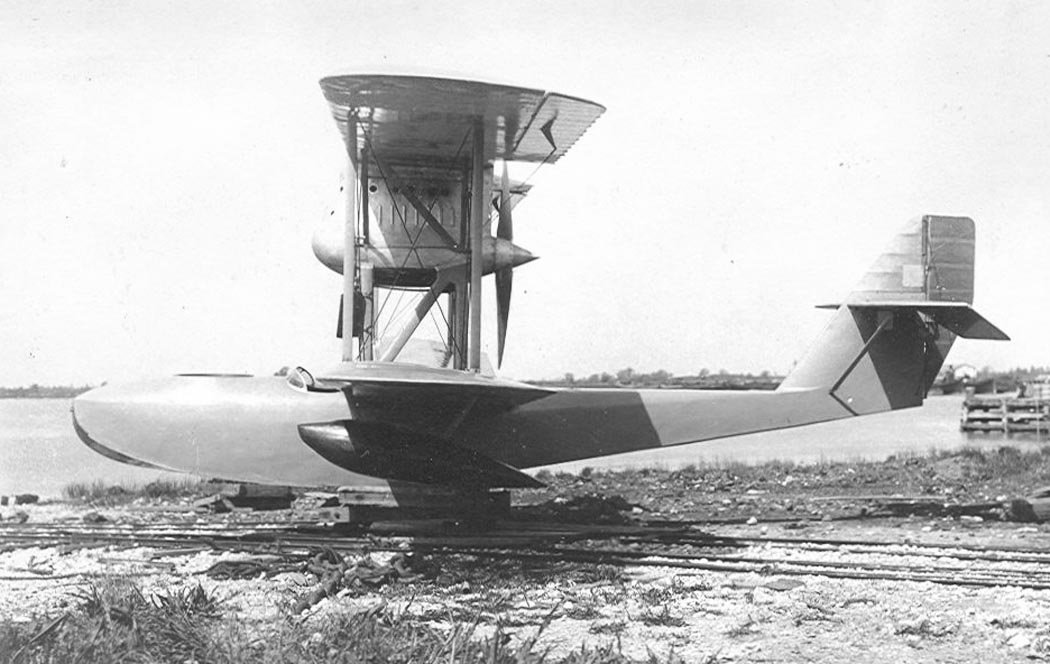 CANT 12 |
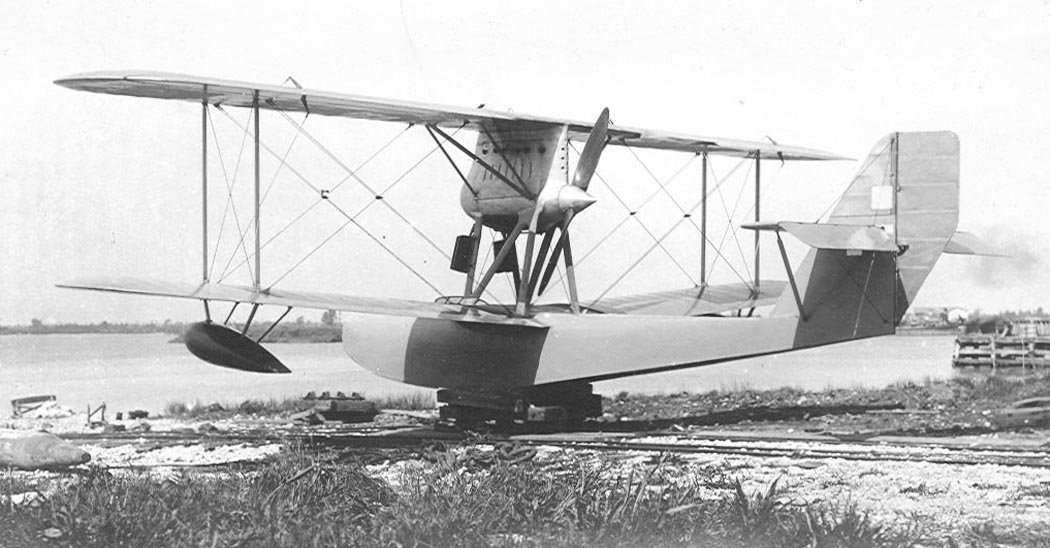 CANT 12 |
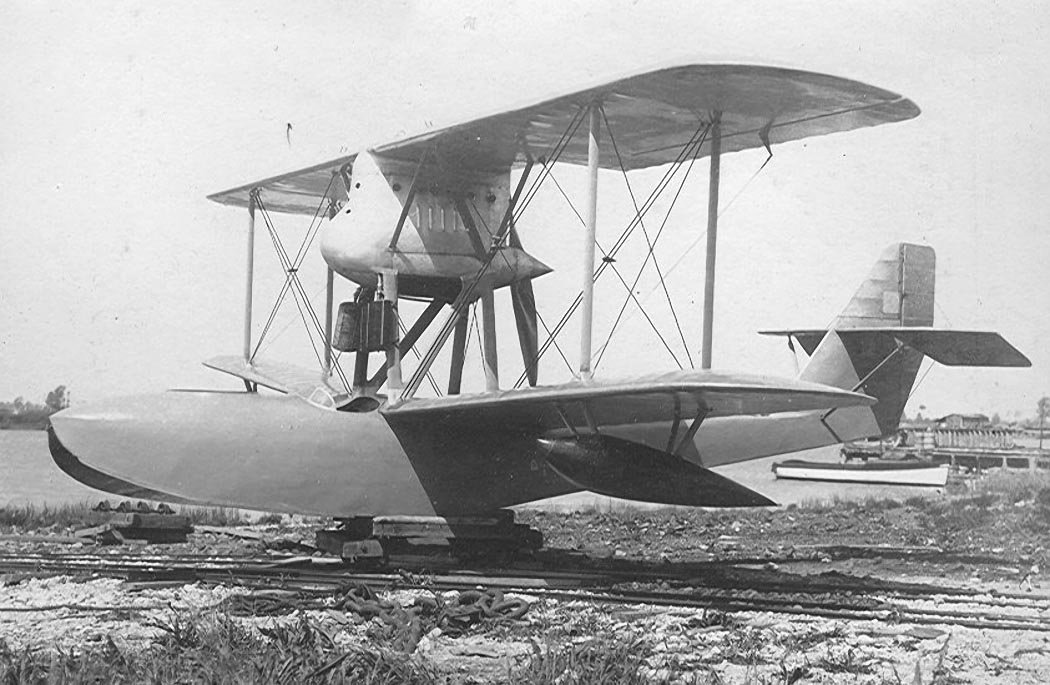 CANT 12 |
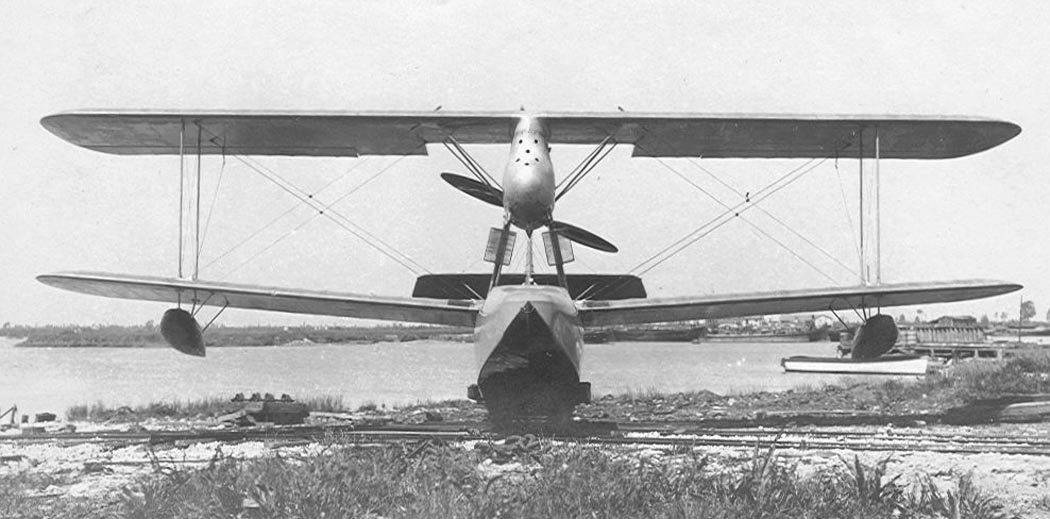 CANT 12 |
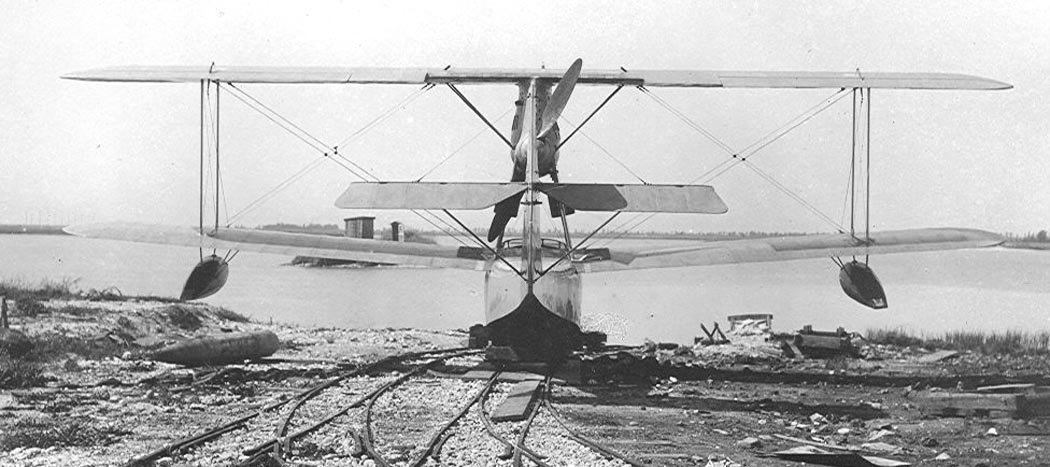 CANT 12 |
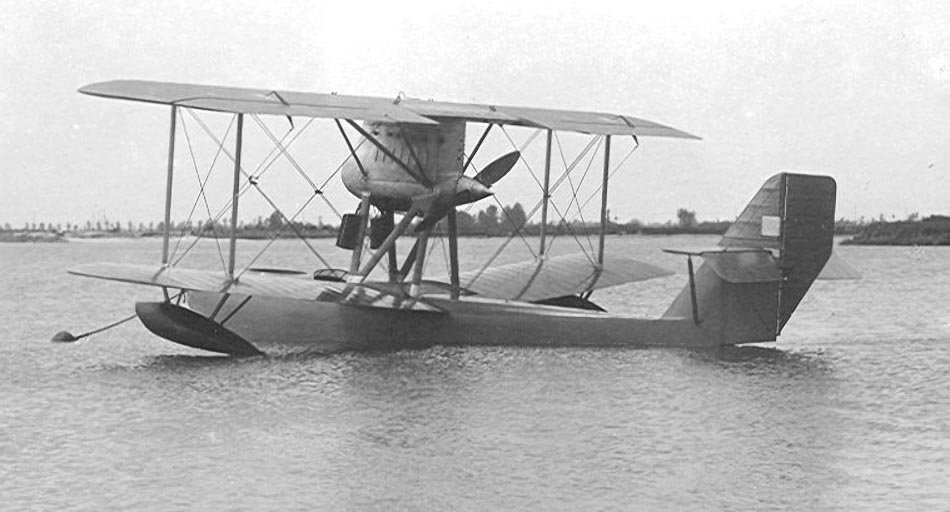 CANT 12 |
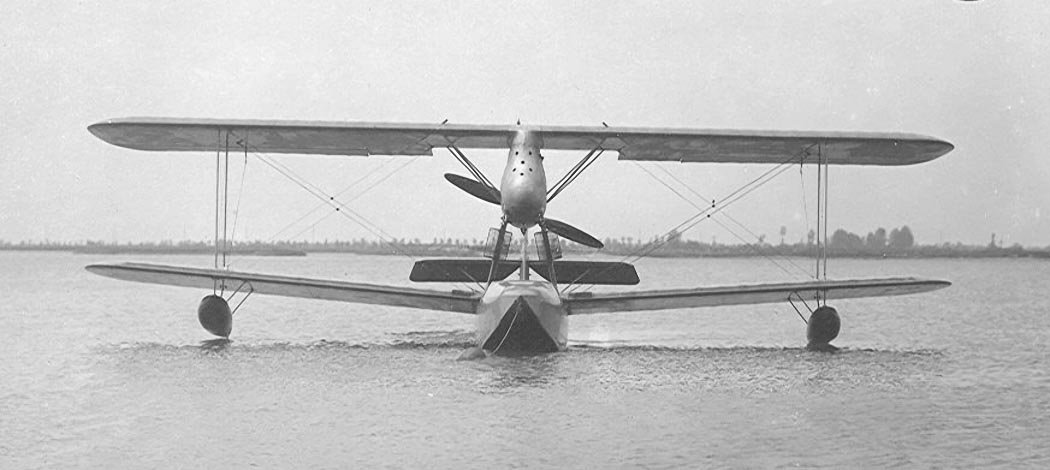 CANT 12 |
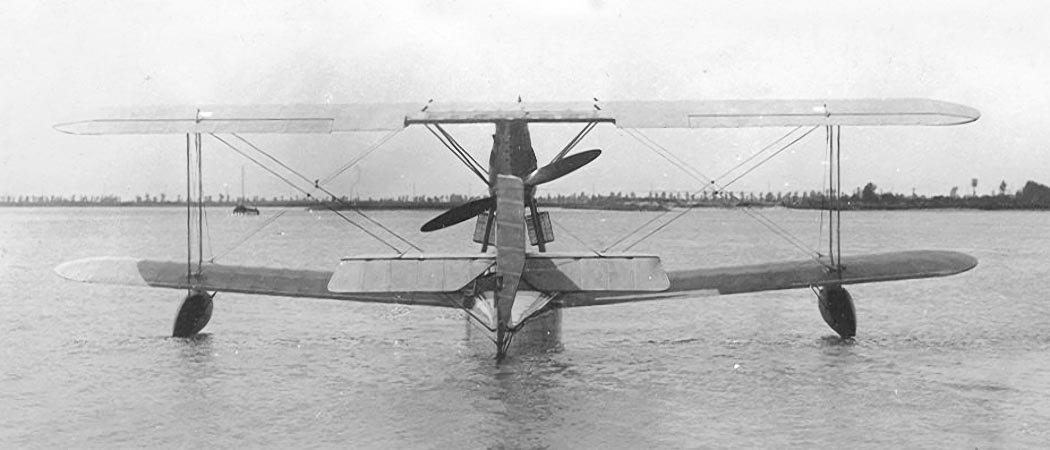 CANT 12 |