
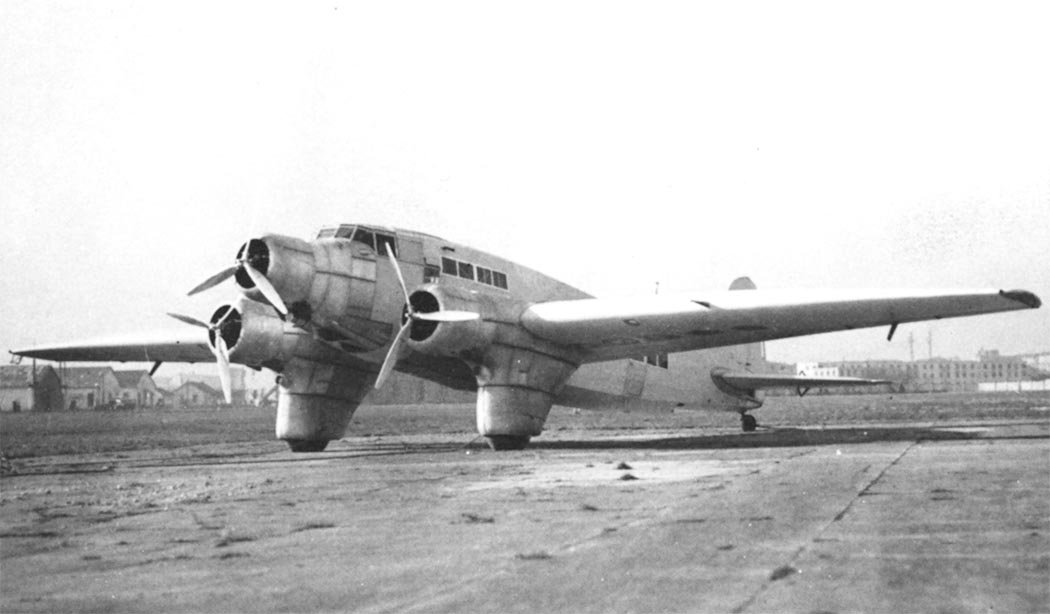
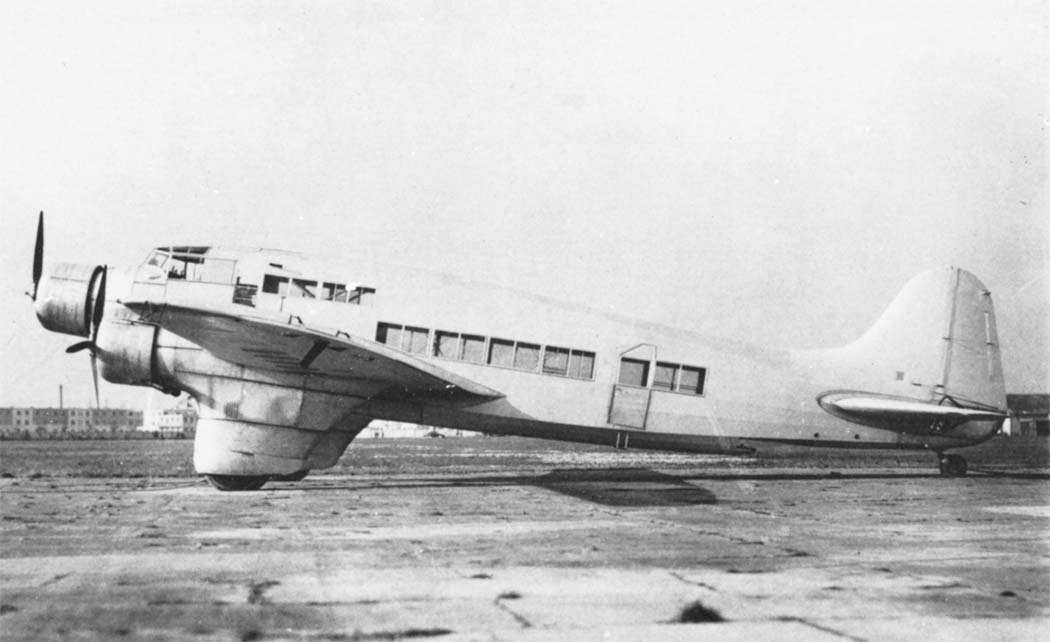
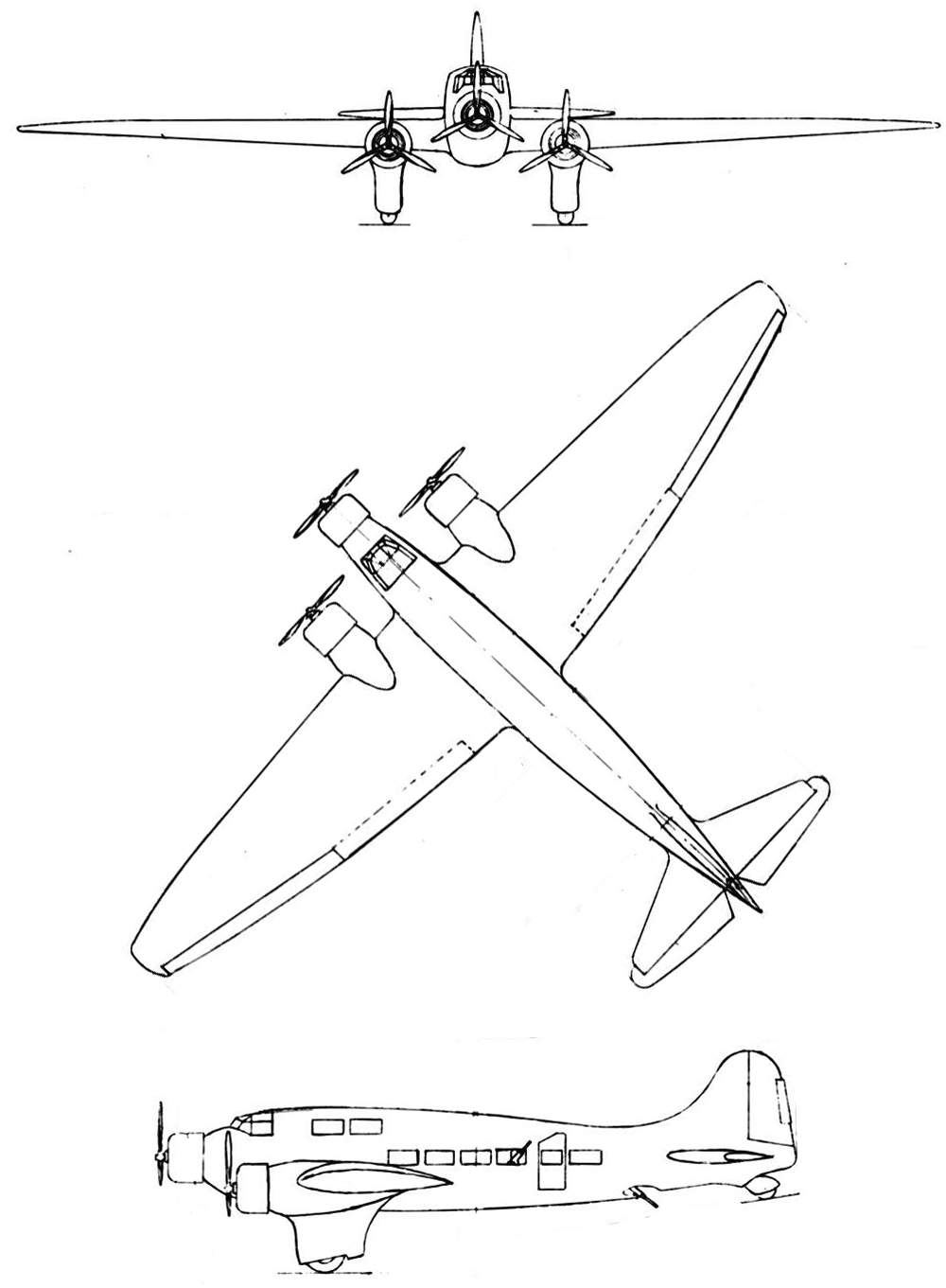
The Caproni Ca.132 day bomber-transport was a three-engine, low-wing monoplane of mixed construction.
Its wing panels, featuring three spars and a profile of decreasing relative thickness, were constructed from wood with metal reinforcement. The wing was covered with plywood and painted canvas, secured to the lower fuselage with bolts. Its angle of attack, relative to the flight line, was variable, with a dihedral transverse angle of approximately 2°30′. Normal-type ailerons were located at each wingtip, each equipped with a dynamic compensator on a hinge. Control commands were transmitted via cables and feedback links.
Brake ailerons were installed on the lower rear sections of both the left and right wing panels. When deployed, these increased wing lift, thus ensuring better braking during landing. Control was managed through a system of semi-rigid cables and transmissions utilizing rigid rods and steel wires.
Fuselage and Cockpit Design
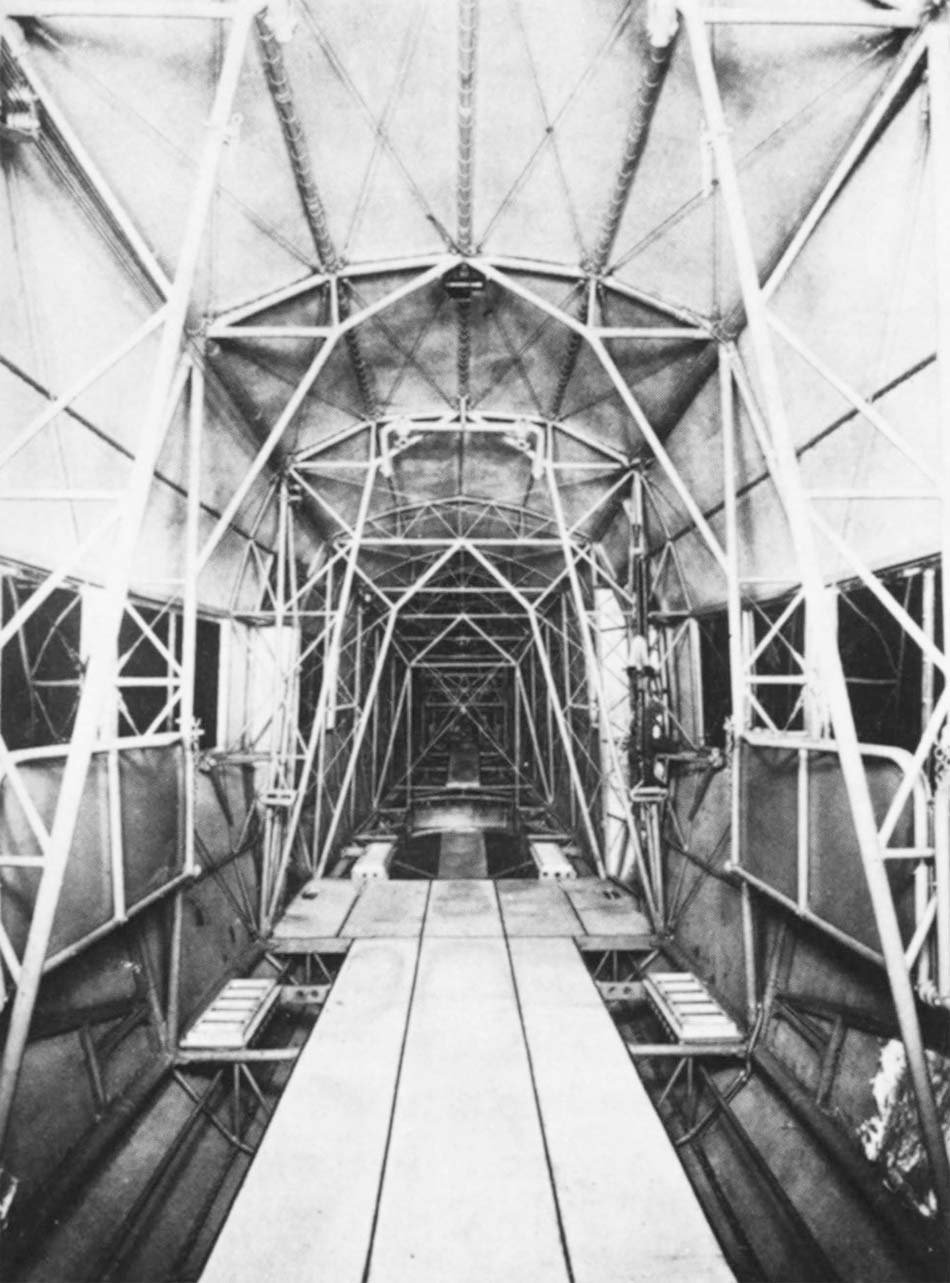
The fuselage structure, welded from steel tubes, gained rigidity from the attachment of steel beams and welded tubes. Wing attachment points were located at the front, on the underside of the central wing section. A frame for the central engine was installed at the front, while the empennage and tail wheel were positioned at the rear.
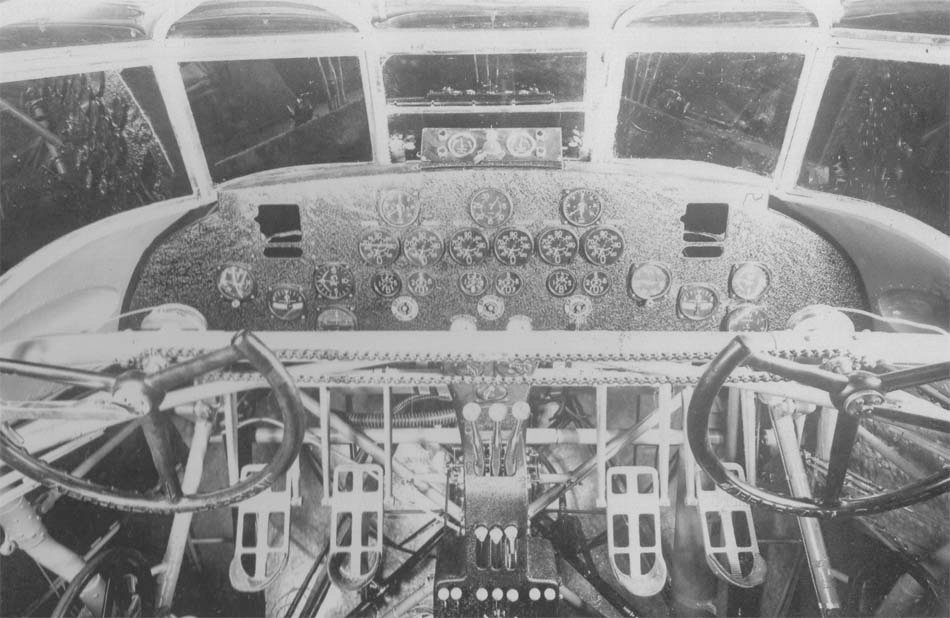
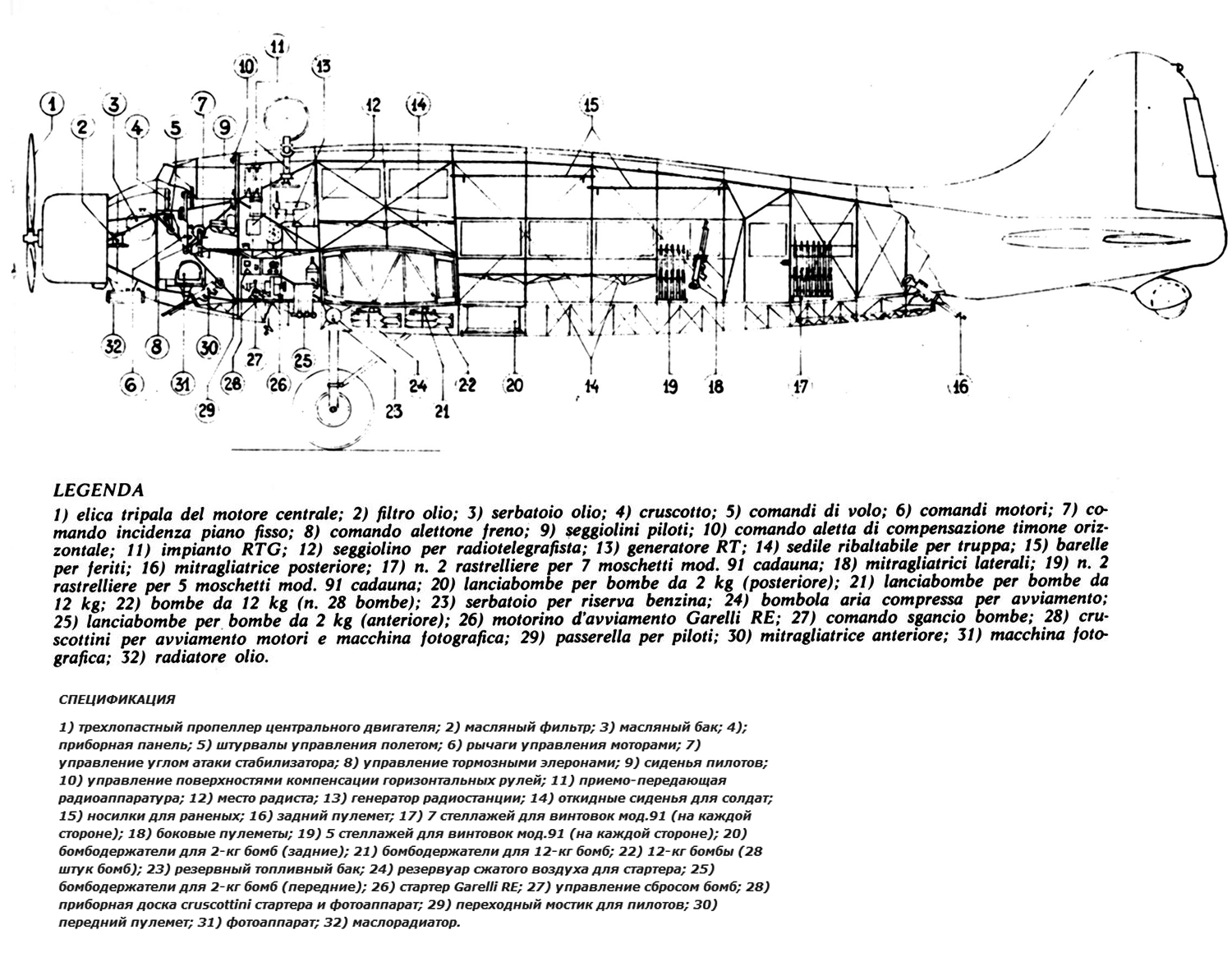
The forward fuselage housed a spacious cockpit, equipped with a large windshield that provided pilots with wide visibility in all directions. Military equipment was situated in the central fuselage. Below the pilot’s cockpit was an observer’s navigation station, furnished with all instruments for targeting, bomb release, route correction, and camera operation. Pilot workstations were equipped with comprehensive instruments for navigation, control, and monitoring of all engines and aircraft controls.
Powerplant and Armament
The landing gear, with a wide track, consisted of two independent struts, each comprising two steel hinges with FAST shock absorbers and welded braces. It featured “Ballon” D wheels measuring 1260×440 mm. Each main landing gear strut was enclosed in an aerodynamically clean fairing, and the gear was equipped with pneumatic FAST air brakes.
The tail strut featured a fork carrying a wheel with a large, low-pressure tire. Its shock absorption system included an oil damper designed to absorb all loads on the aircraft’s tail during ground landing. Fuel was stored in ten tanks located within the wings—five in each panel—with a total capacity of 1556 liters (1150 kg).
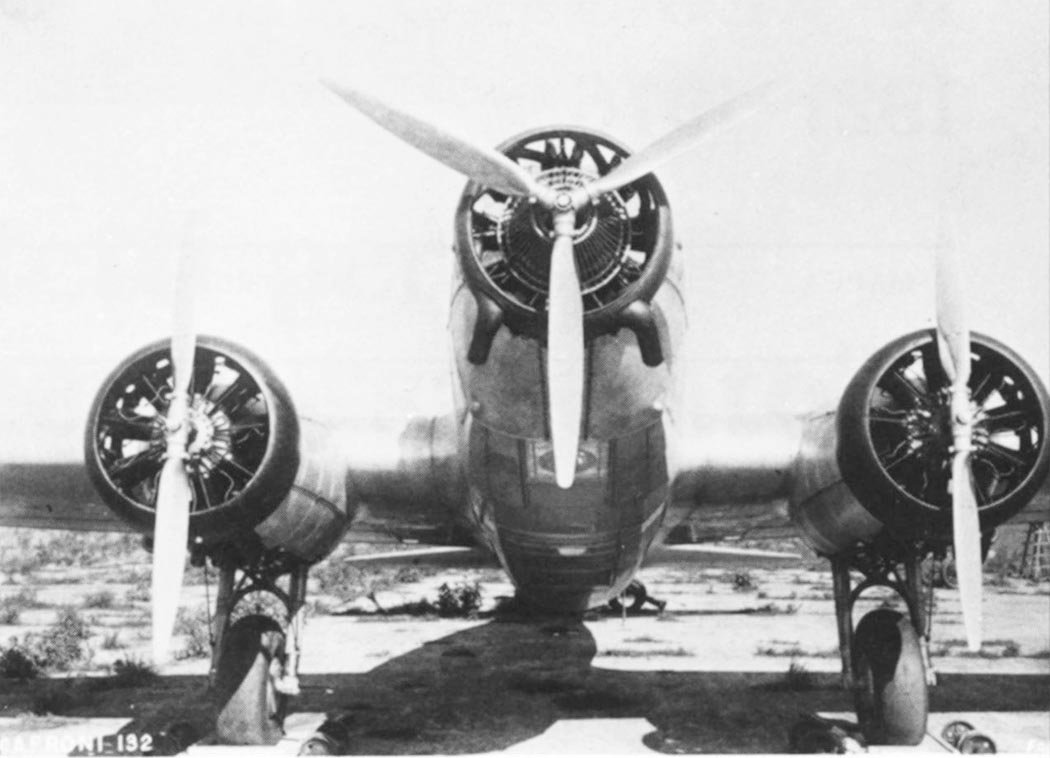
The powerplant consisted of three 9-cylinder air-cooled radial Piaggio Stella IX engines, each delivering 610 hp. These engines were fitted with a supercharger designed to recover power at 4000 m altitude. Each engine was mounted on a dedicated frame with independent circulation systems for fuel, lubrication, starting, and fire suppression. The aircraft utilized three-blade metal “Caproni” propellers, 3.20 m in diameter, with ground-adjustable pitch.
Defensive armament, intended for protection against air attacks or for strafing ground targets, comprised 4 machine guns, each with 500 rounds. One machine gun was positioned in the forward sector for downward firing, one in the rear sector for downward firing, and two were located on the right and left sides of the fuselage.
Operational Versatility and Legacy
The Ca.132 could carry various bomb loads, including a bomb rack for 90 x 2-kg bombs in the forward fuselage, another for 28 x 12-kg bombs in the central fuselage, and a third for 180 x 2-kg bombs in the rear fuselage.
In its transport configuration, the aircraft’s spacious cabin could accommodate 24 fully equipped soldiers, with special racks prepared inside the fuselage for rifles. Cargo was carried internally, and the aircraft also included two stretchers for transporting wounded personnel. Additional equipment featured a Jozza G.3 sight, an R.A.400/1 radio telegraph transceiver with an A.R.5 receiver, a radio direction finder, rapid-shooting photographic equipment, a Knock-out fire extinguisher, and a Garelli aircraft compressor for engine starting.
Official trials of the Ca.132 were conducted in Guidonia during October-November 1936, with test pilots De Bernardi and Chiodi. Although the Ca.132 received military registration number MM.328 in 1938, its development remained limited to the prototype stage due to rapid obsolescence.
Technical Specifications
| Modification | Ca.13 2 |
| Wingspan, m | 26. 69 |
| Length, m | 18. 60 |
| Height, m | 4. 15 |
| Wing area, m2 | 100.90 |
| Empty weight | 7000 |
| Normal takeoff weight | 10700 |
| Engine type | 3 Piston engine Piaggio Stella P.IX R.C.40 |
| Power, hp | 3 x 560 |
| Maximum speed, km/h | 314 |
| Cruising speed, km/h | 280 |
| Practical range, km | 1000 |
| Service ceiling, m | 6300 |
| Crew, crew members | 4 |
| Armament | four 7.7-mm machine guns, up to 900 kg of bombs |
Image and diagram gallery of the Caproni Ca.132 Day Bomber-Transport
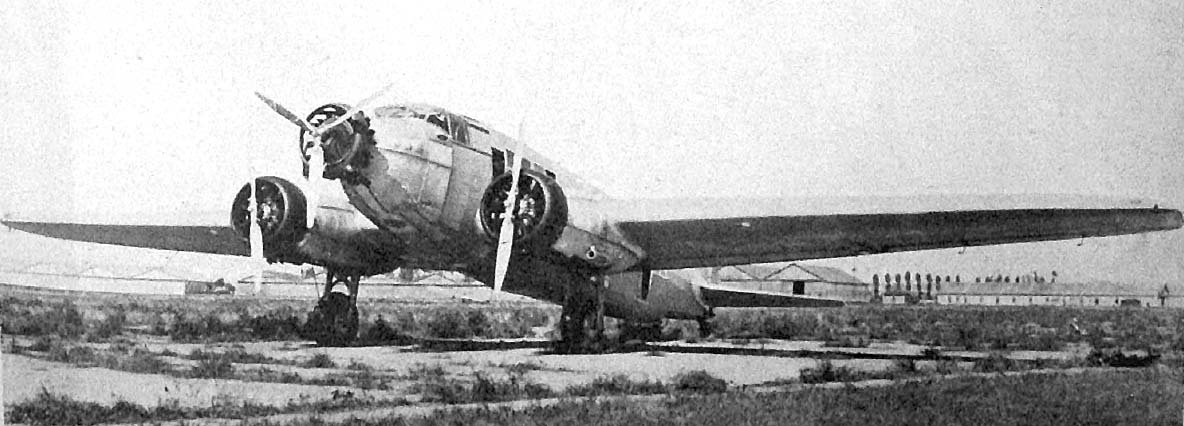 Ca.132 |
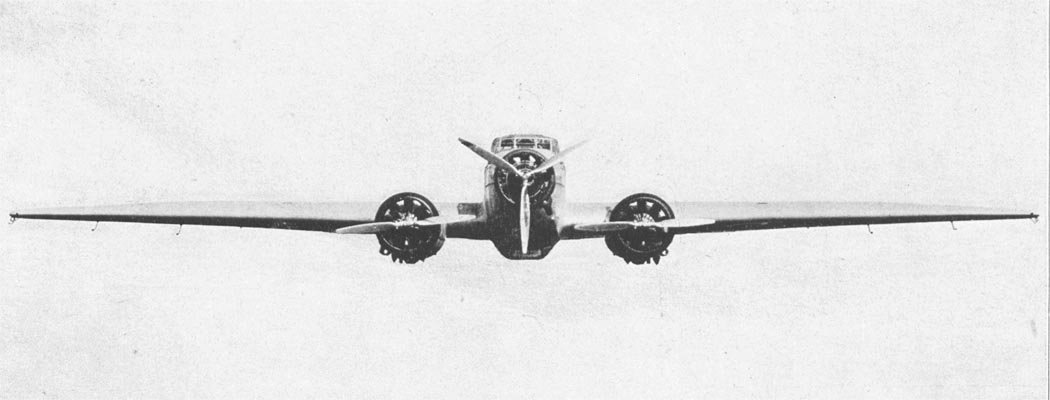 Ca.132 |
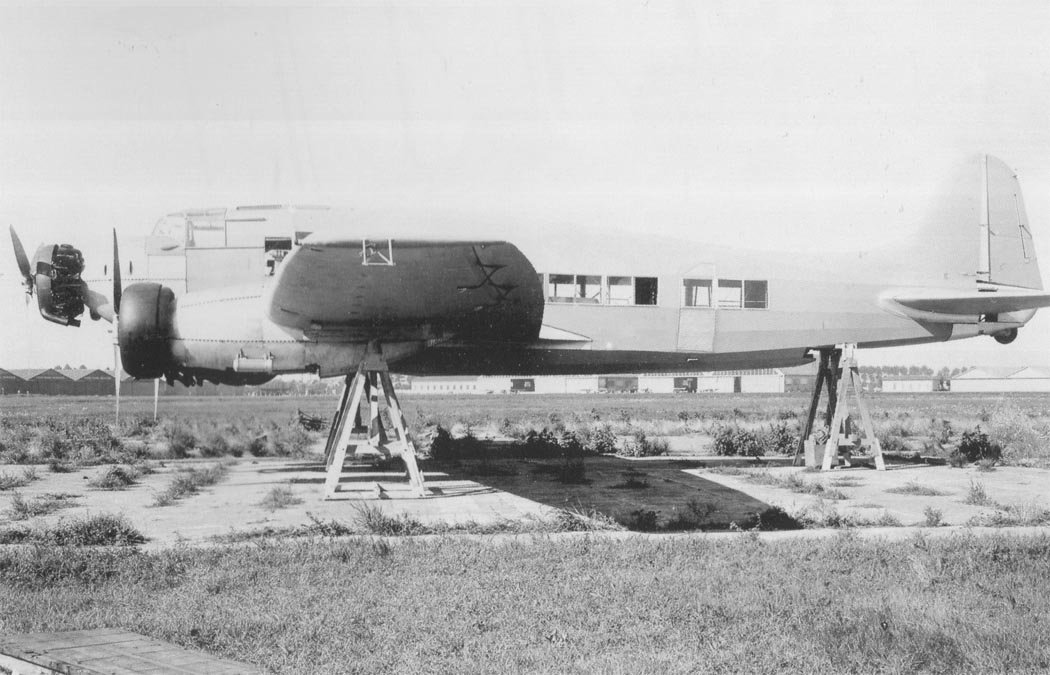 Ca.132 |
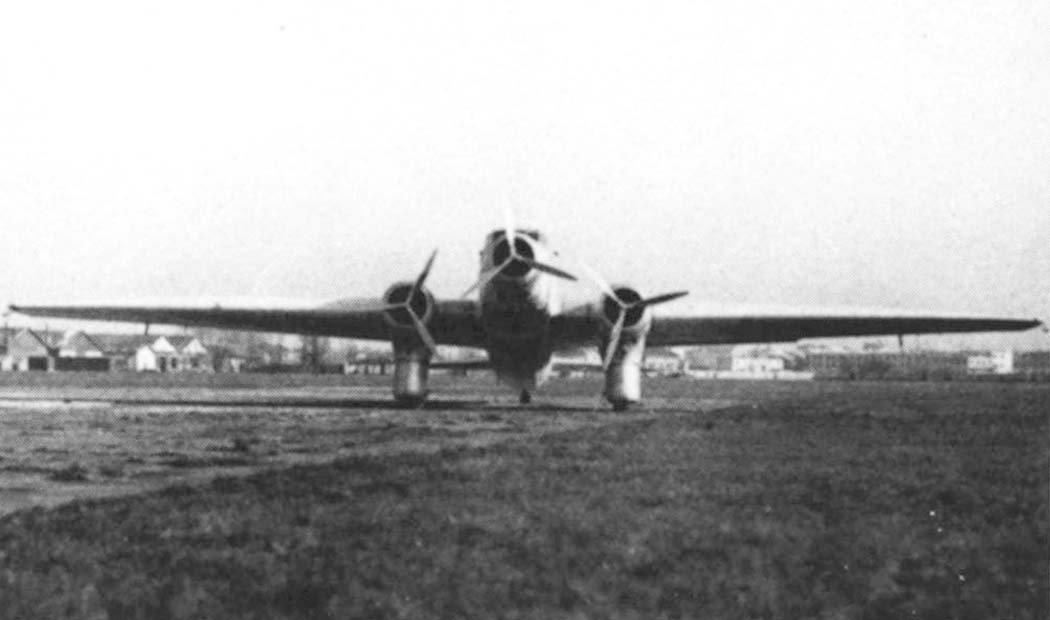 Ca.132 |
 Ca.132 |
 Ca.132 |
 Ca.132 |
 Ca.132 |
 Ca.132 |
 Ca.132 |
 Ca.132 |