
The Caproni Ca.133: Italy’s Versatile Workhorse
The Caproni Ca.133 represented the culmination of a line of Caproni aircraft development that began in 1927 with the single-engine Ca.97 monoplane. These medium-sized, multi-purpose high-wing aircraft performed a wide range of tasks for the Regia Aeronautica (RA, the Italian Air Force), from transport to bombing enemy troops.
The Ca.133 was the last aircraft whose design was personally developed by the company founder, Gianni Caproni. As a truly “Italian” aircraft, the Ca.133 was produced in large series and served on all fronts of Fascist Italy, from Libya and Ethiopia to Russia and the English Channel, leveraging its ability to operate from “all possible and impossible” airfields.
Thanks to its robust construction and ease of piloting, the aircraft earned an excellent reputation among crews. Its list of duties was truly enormous: bombing enemy troops and targets, aircrew training, transport, casualty evacuation, and paratroop drops, among others. Although not distinguished by high flight characteristics, the Ca.133 became a “workhorse,” performing a volume of work that exceeded that of most Regia Aeronautica aircraft.
Development and Early Service
The Ca.133 was designed in 1934 as a “colonial” bomber and transport aircraft, under the guidance of Gianni Caproni and his assistant Agostino Caratti. The fuselage of the Ca.111 was taken as a basis, replacing its single Isotta-Fraschini “Asso” 750RC liquid-cooled inline engine with three Piaggio P.VII air-cooled radial engines.
The first prototype, bearing military registration M.M.283, took to the air on September 16, 1934, at Taliedo airfield in Milan, piloted by Mario De Bernardi. Before testing was even completed, an order was issued to begin serial production of the new aircraft and adopt it into the Italian Air Force. This decision was influenced by both Caproni’s high reputation and the urgent need to strengthen the Italian Air Force in anticipation of escalating tensions in East Africa and the onset of military operations in Ethiopia.
Production of the Ca.133 began in December 1935 at two Caproni factories—in the Milan suburb of Taliedo and in Vizzola-Ticino—and continued until April 1937. In total, 417 aircraft of various modifications were produced, including one prototype and multiple variants such as the Ca.133N, Ca.133T, Ca.133S (ambulance), Ca.133P (paratrooper), and Ca.133C (passenger).
The Ca.133 in Italian East Africa
The history of the Ca.133 in Italian aviation is inextricably linked to the rise and fall of the Italian colonial empire in East Africa. Approximately 205 of these aircraft, half of the total production and about 80% at the start of the war, participated in combat operations in Ethiopia. The aircraft’s reliability and its three engines allowed the Ca.133 to sustain some of the lowest losses per sortie among RA air groups in East Africa, with a loss rate of one aircraft per 1400 flight hours in 1939.
The first Ca.133s were delivered to the 14th Air Regiment in Ferrara on December 31, 1935. The main RA units equipped with Ca.133s in Ethiopia were Bomber Groups 44, 45, and 49. Initially, plans were made to transfer about 40 Ca.133s to Eritrea by the end of 1935, with the Cufra airfield designated as the main base for these new aircraft.
However, the British prohibited Italian bombers from flying over Sudan, forcing many aircraft to be transported by sea, delaying their arrival. The 44th Group, comprising the 6th and 7th Squadrons, received its new Ca.133s in November 1935 and by February 1936 was bombing Ethiopian troops. Italian aviation operated with high combat intensity; on February 16, for example, 44th Group aircraft conducted 170 sorties, dropping 73 tons of bombs and firing 13,000 rounds, facilitated by the complete absence of Ethiopian air opposition. Flight engineer Mario Tadini earned a “Gold Medal” for keeping the engines running after being severely wounded, enabling the damaged bomber’s return to base.
The 4th Group, also part of the 14th Regiment, included the 15th Squadron, unofficially named “La Disperata” (The Desperate), notable for its flight crews featuring prominent Fascist figures such as Galeazzo Ciano (Mussolini’s son-in-law) and Mussolini’s sons Vittorio, Bruno, and Vito. On the Somali front, the 45th Group used Ca.133s for long-range reconnaissance, including a significant aerial survey of Addis Ababa on March 6, 1936. Seven unarmed Ca.133S ambulance variants also arrived in Ethiopia, extensively used for transporting casualties.
By the end of the Italo-Ethiopian War, the Ca.133s had proven effective, though two were shot down and over a dozen damaged. After the war’s official conclusion, Ca.133s actively participated in counter-insurgency operations, including the tragic Magliocco expedition in Bonaya, where 14 Italians were killed and their aircraft burned by local militias. The “Capronis” also took part in “pacification” operations in western Ethiopia in August 1936, including the deployment of chemical bombs, and supported besieged garrisons like Lalibela. However, significant losses continued in the post-war period, with 27 Ca.133s lost in 1937 and another 19 between 1938 and the first half of 1940.
Variants and Civilian Use
Active operations in East Africa highlighted several technical problems, such as the need for “Corbetta” anti-dust air filters. Aviation repair workshops were established in Addis Ababa and Mai-Egada by Caproni and Piaggio to ensure operational readiness. Italy also utilized the Ca.133 domestically for flight schools and transporting officials.
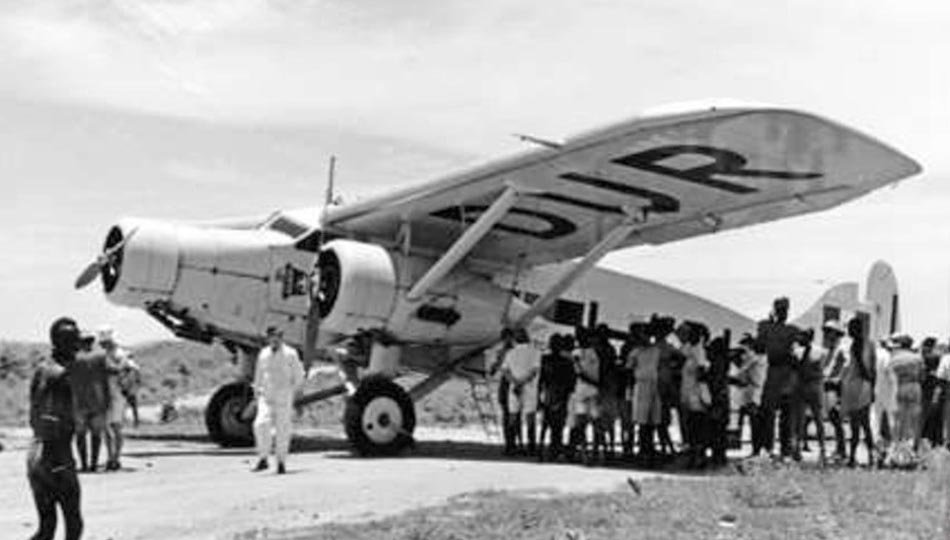
The civilian airline Ala Littoria acquired 12 passenger Ca.133s between 1936 and 1937 to establish the first air routes in Ethiopia, demonstrating their high reliability by transporting over 10,000 passengers with a 99.9% regularity. These passenger variants were easily identifiable by their rectangular windows instead of round portholes. Ca.133s also proved their troop transport capabilities during the 1939 invasion of Albania, where 46 aircraft of the 28th Air Regiment successfully transported forces and supplies with minimal losses.
The Ca.133 in World War II and its End
Although in Europe the Ca.133 was ordered removed from the combat aircraft list in November 1939, it remained a vital asset in East Africa. Following Italy’s entry into World War II in June 1940, Ca.133s attacked British airbases in Kenya, Sudan, and Yemen. However, they also suffered considerable losses, primarily on the ground from British air raids on airfields or by being destroyed or abandoned during retreats.
In a notable incident, a Ca.133 achieved an unusual aerial victory by shooting down a South African Anson reconnaissance aircraft on January 26, 1941. The last Italian Ca.133 in East Africa, piloted by Lieutenant Case, continued to operate in mountainous resistance areas until September 1941, when it was hidden in a cave and subsequently destroyed by fire, marking the end of the Ca.133’s six-year service in the region.
After Italy’s armistice in September 1943, approximately 40 Ca.133s were captured by German forces and used by the Luftwaffe for transport tasks and in parachute schools, although most were lost due to non-combat reasons. Some Ca.133s also served with the Italian Social Republic’s Air Force and with Italian air forces aligned with the Allies.
The last civilian Ca.133, I-MULO, operated commercially for Transavio in Milan until September 8, 1948, bringing an end to the 12-year history of this remarkable aircraft.
Technical Specifications of the Caproni Ca.133
The Ca.133 was a three-engine, high-wing monoplane with fixed landing gear. Its crew consisted of two pilots (one of whom could also perform gunner duties) and a radio operator-gunner.
The wooden wings featured two box-section spars and 20 ribs per plane, with flaps and ailerons constructed from steel tubes and covered in fabric. The wings were bolted to the fuselage and supported by steel tube struts and wire bracing. The fuselage was a spatial frame of steel tubes, partially covered with aluminum sheets and partially with fabric.
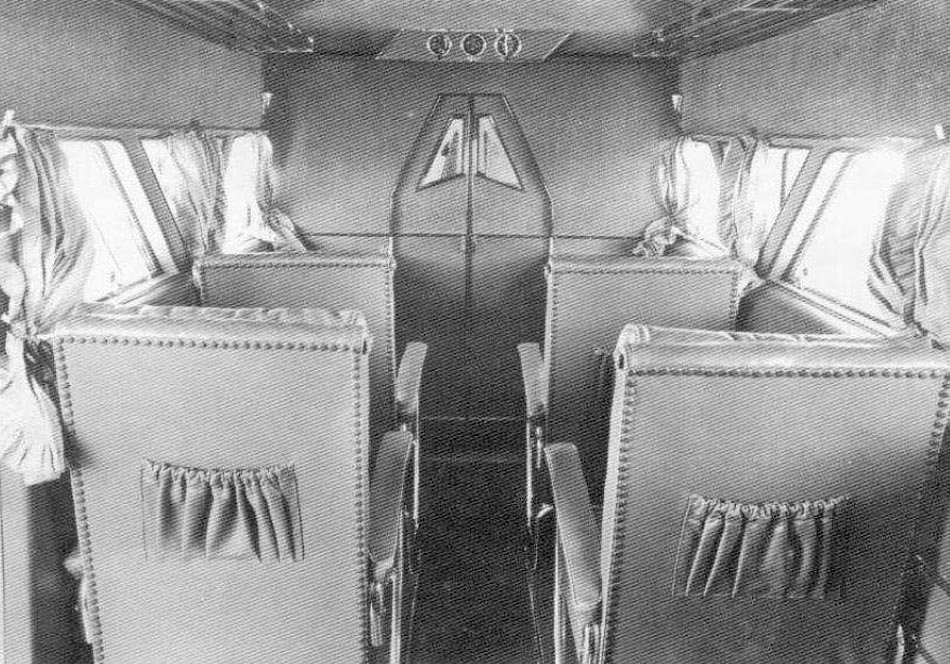
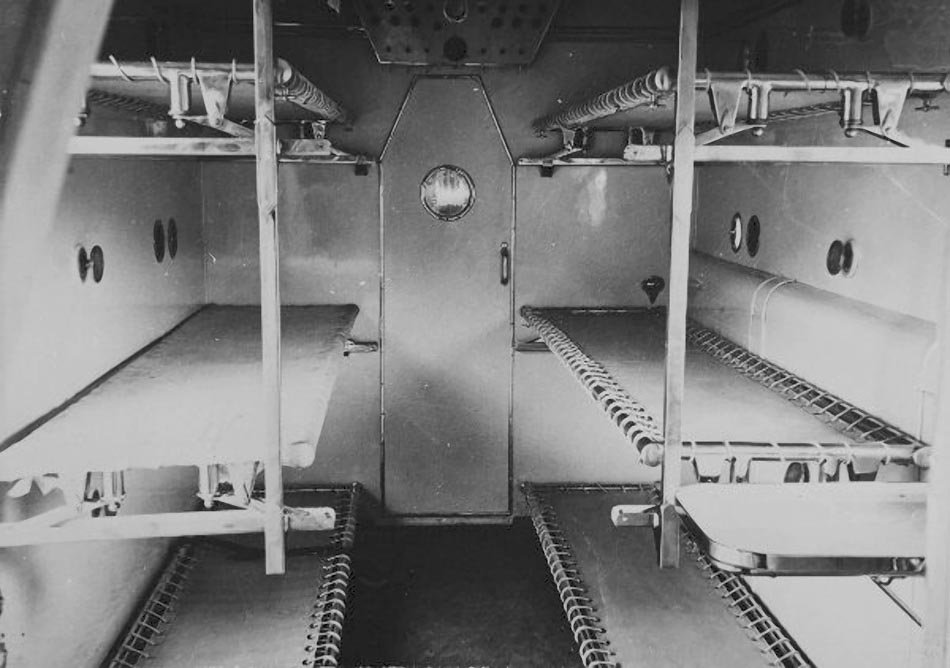
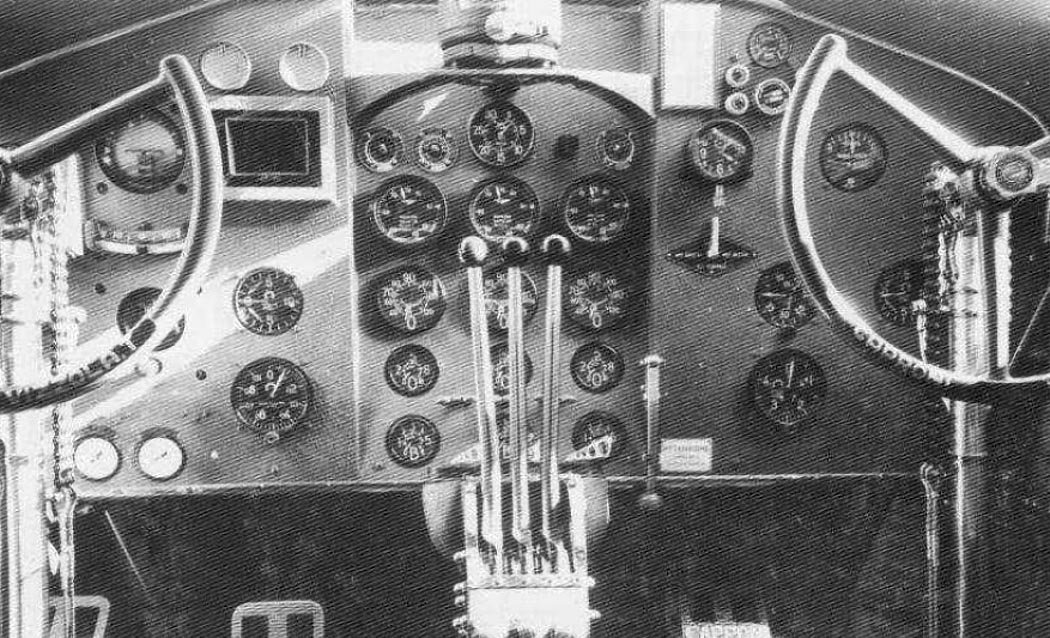
The cabin of the “T” model could accommodate 16 soldiers or 12 cyclists; the “P” model had 10 folding seats for paratroopers and mounts for two parachute containers; the “S” ambulance variant could carry six stretcher-bound and four seated wounded or medical personnel; and the “C” passenger variant could seat seven passengers. The pilot’s cockpit featured side-by-side seating for two, equipped with duplicated controls, a small engine start panel, throttles, and a bomb release control panel.
The main landing gear had spoked pneumatic wheels (1160 x 250 mm) housed in fairings, pneumatic brakes, and hydraulic shock absorbers. The tail wheel was pneumatic (480 x 125 mm) with rubber cushioning. The powerplant consisted of three Piaggio P.VII C16 or P.VII C15 seven-cylinder radial air-cooled engines, driving 2.6 m three-blade ground-adjustable propellers. Two fuel tanks in the center wing section held a total of 1726 liters.
Defensive armament included four 7.69 mm Lewis machine guns with ten 47-round drum magazines each. Bombs were stored in two fuselage bomb bays (each capable of holding six 10-50 kg bombs vertically) and small bomb clusters (each containing 102 x 2 kg bombs). Additionally, the aircraft could carry two bombs of up to 500 kg on external hardpoints. Bomb release was manual and cable-operated, using a Jozza G.3 or U.2 bomb sight mounted in the pilot’s cockpit. The aircraft’s radio equipment included an RA.350/1 transmitter and an AR.5 receiver, with some aircraft also fitted with a P.63N radio direction finder. Photo equipment could include OMI AGR.61 or AL.30 vertical and OMI APR.3 oblique aerial cameras.
Technical Specifications
| Modification | Ca.133 |
| Wingspan, m | 21.50 |
| Length, m | 15.35 |
| Height, m | 4.00 |
| Wing area, m2 | 65.00 |
| Empty weight | 4000 |
| Normal takeoff weight | 6565 |
| Engine type | 3 Piston engines Piaggio Stella P.VII C16 |
| Power, hp | 3 x 460 |
| Maximum speed, km/h | 280 |
| Practical range, km | 1350 |
| Practical ceiling, m | 6500 |
| Crew, crew members | 3-4 |
| Armament: | four 7.7-mm machine guns, two 500-kg bombs |
Image and diagram gallery of the Caproni Ca.133
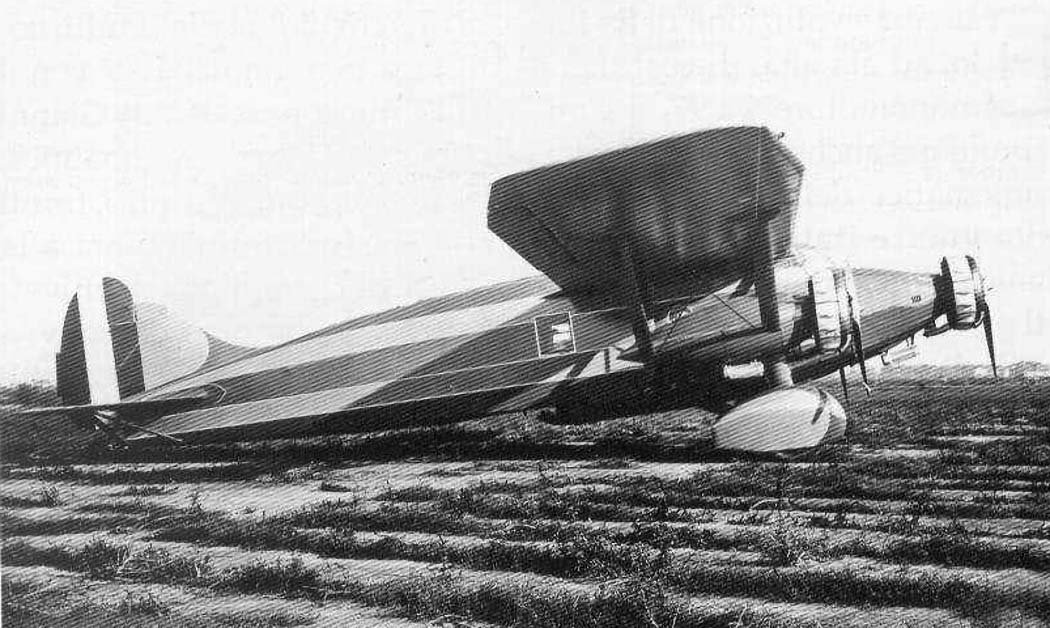 Ca.133 |
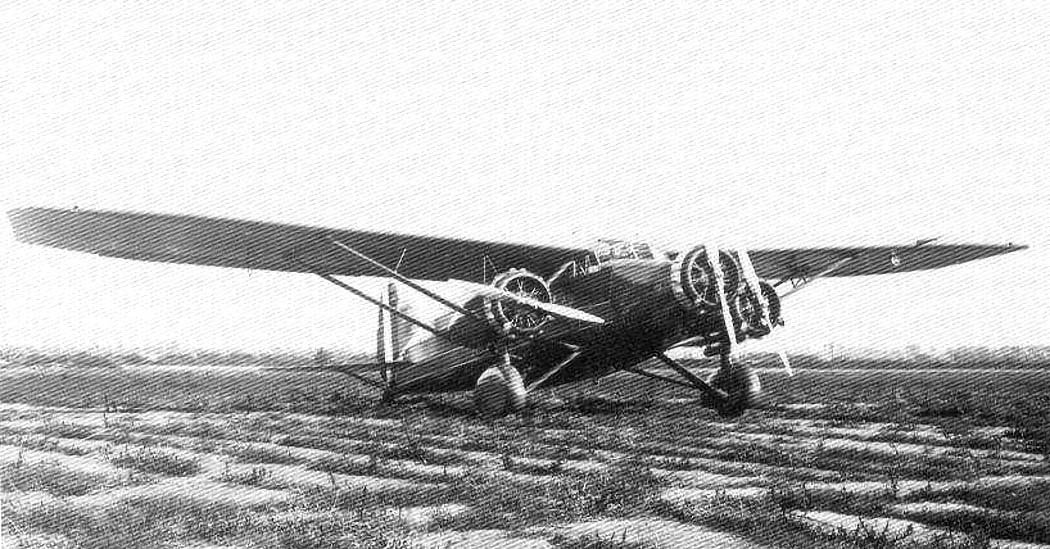 Ca.133 |
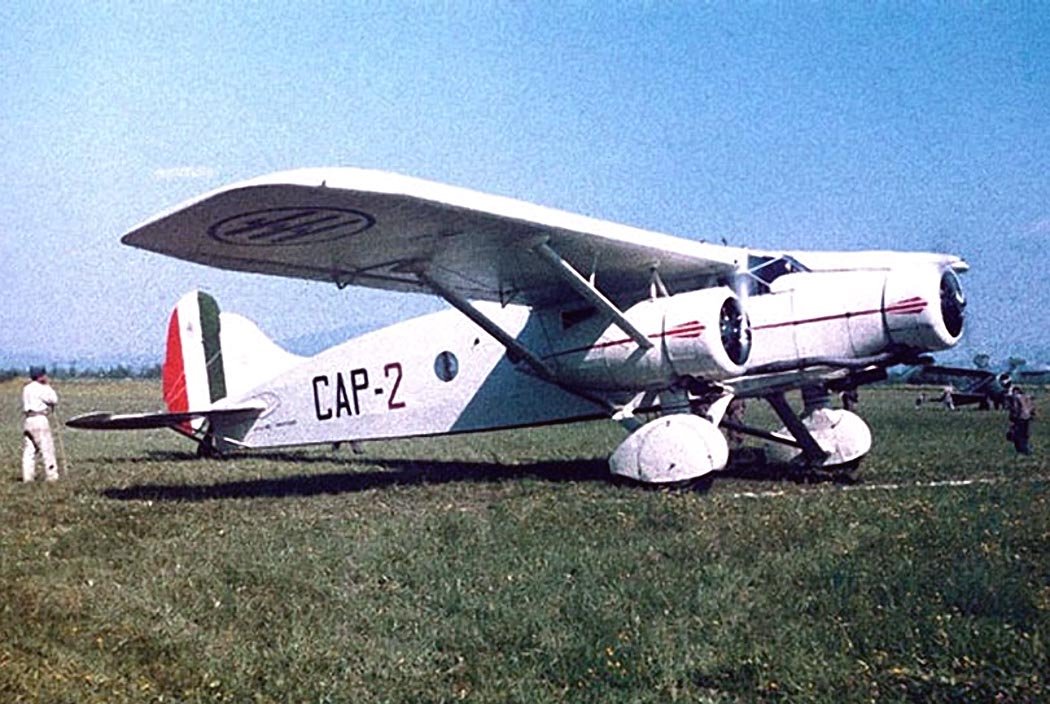 Ca.133 |
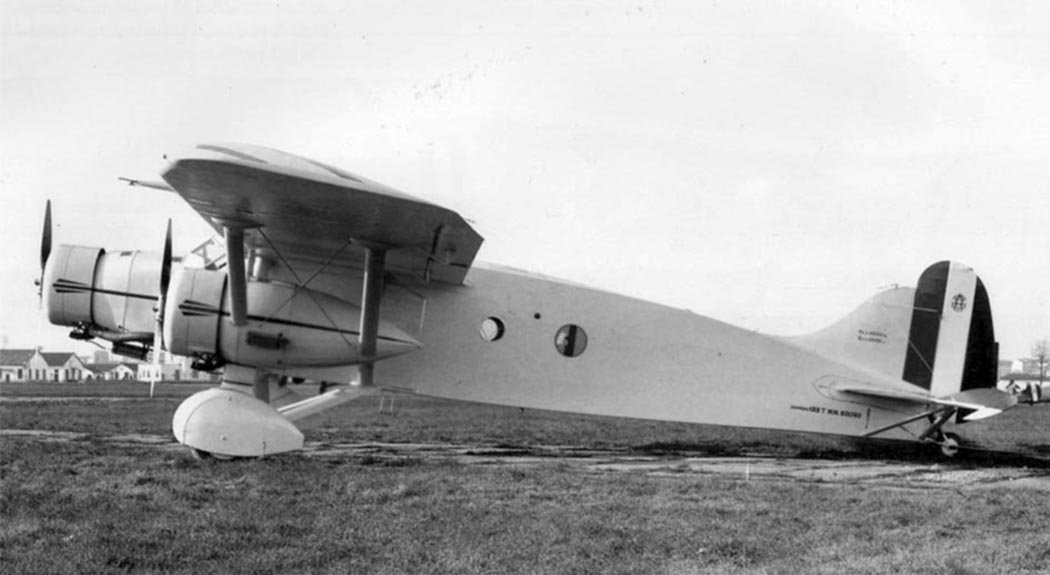 Ca.133 |
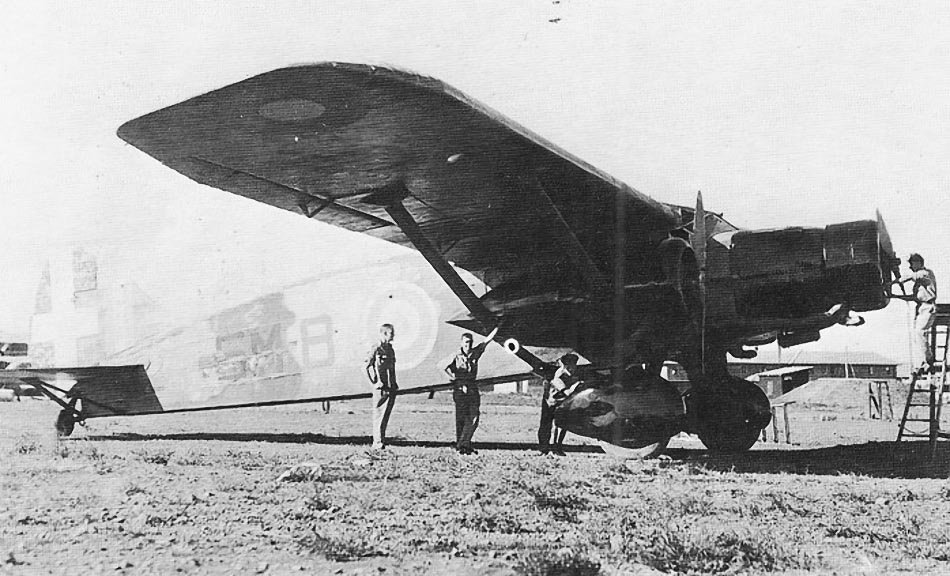 Ca.133 |
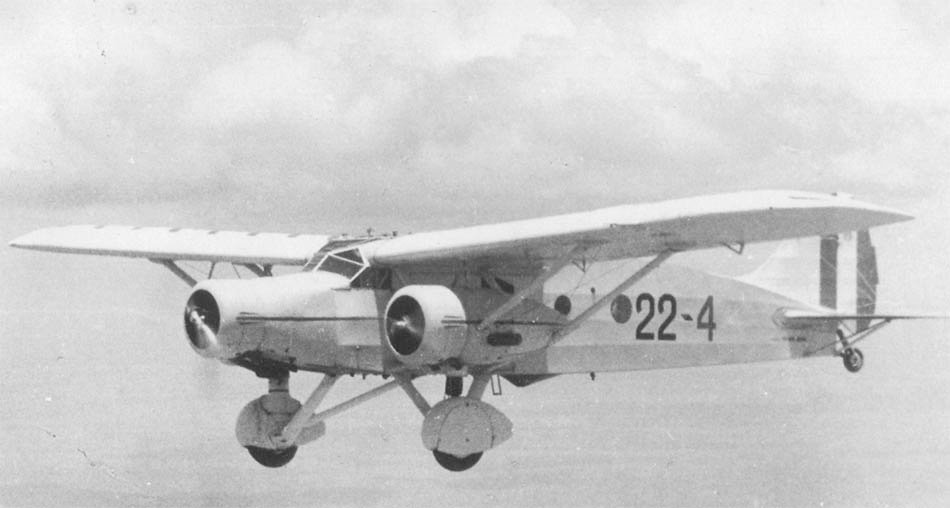 Ca.133 |
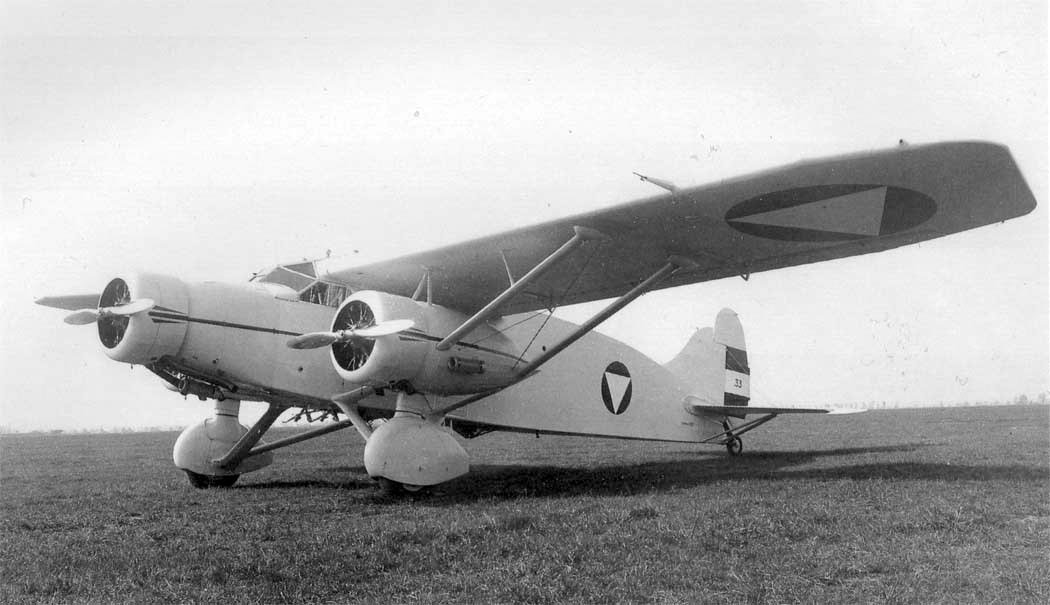 Ca.133 |
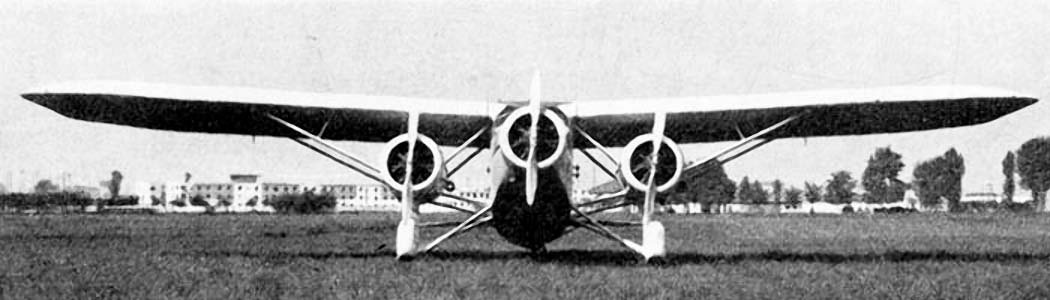 Ca.133 |
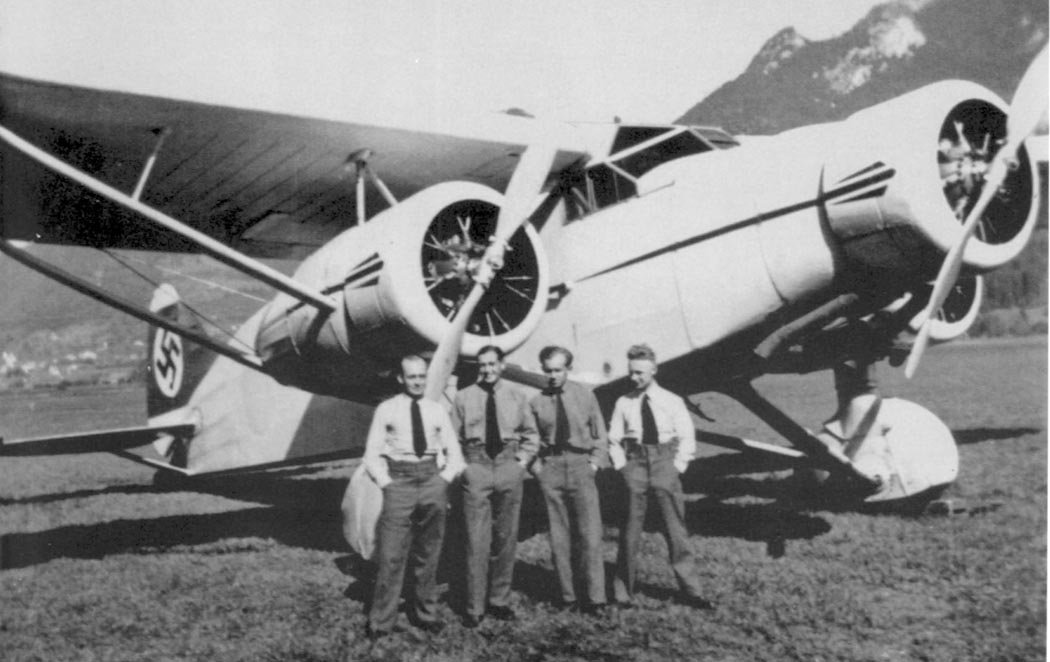 Ca.133 |
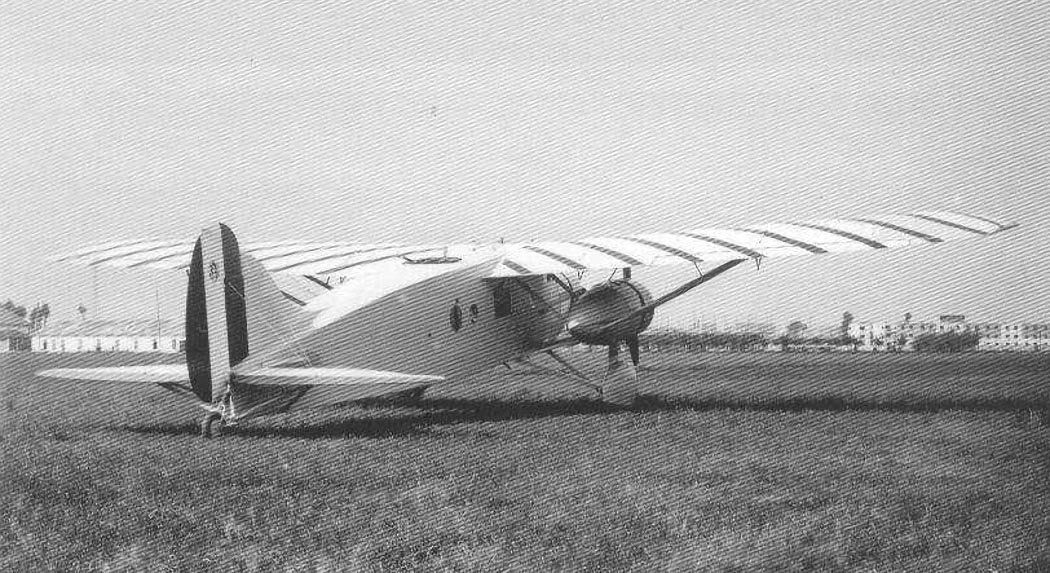 Ca.133 |
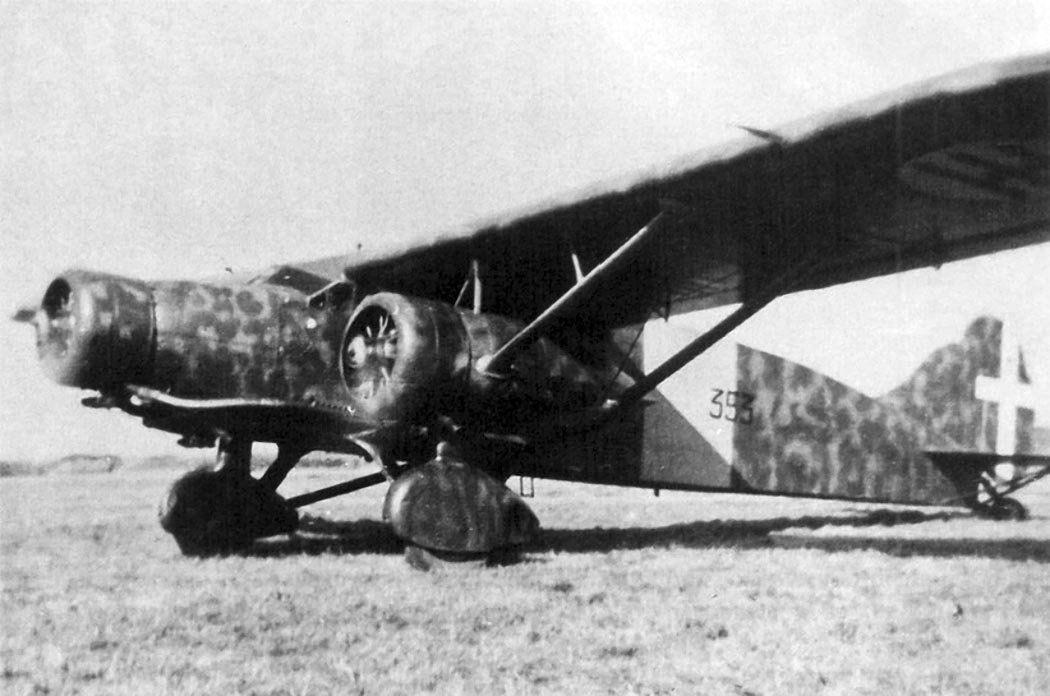 Ca.133 |
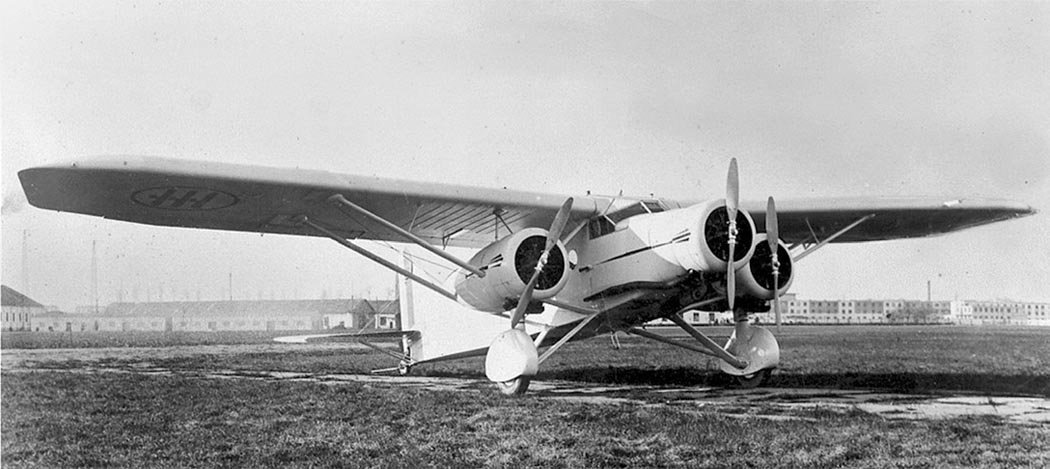 Ca.133 |
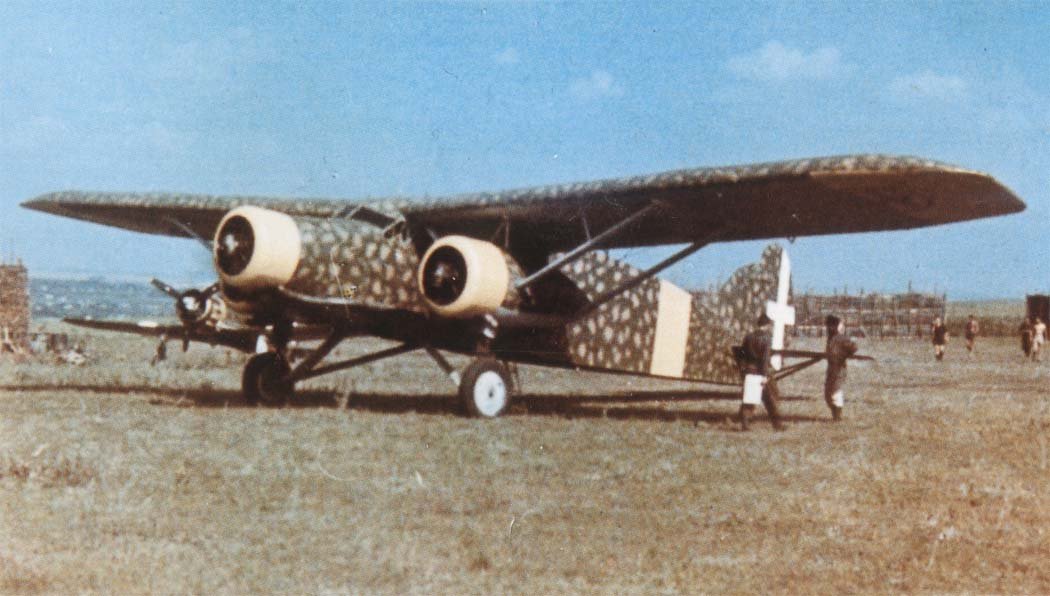 Ca.133 |
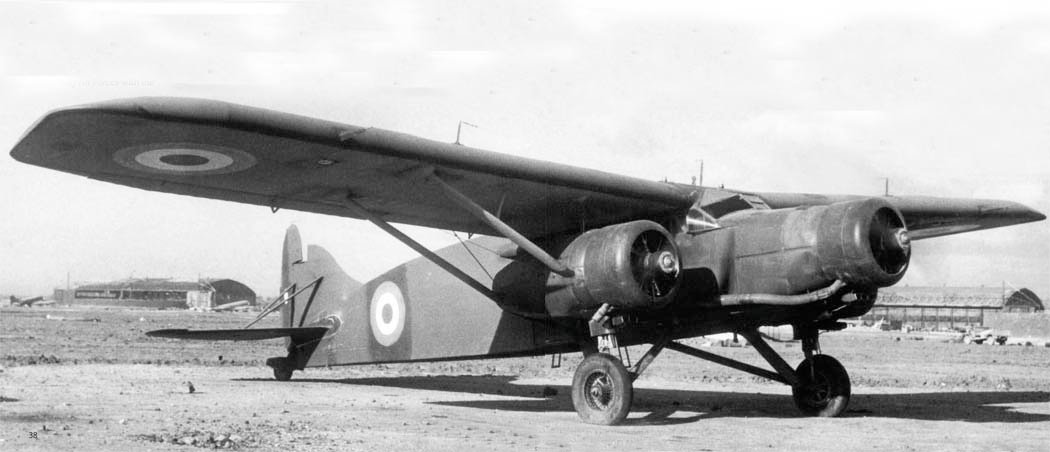 Ca.133 |
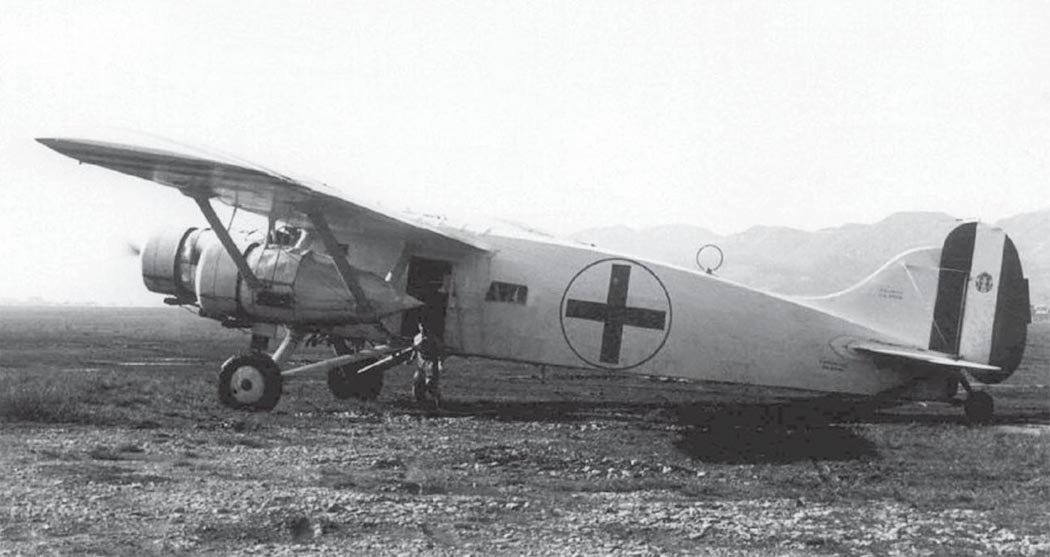 Ca.133 |
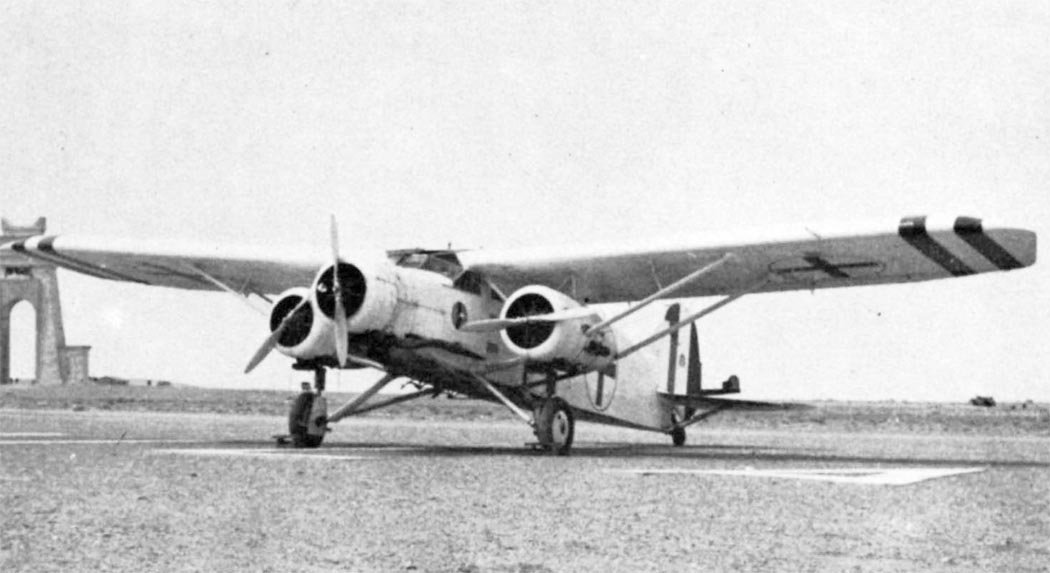 Ca.133 |
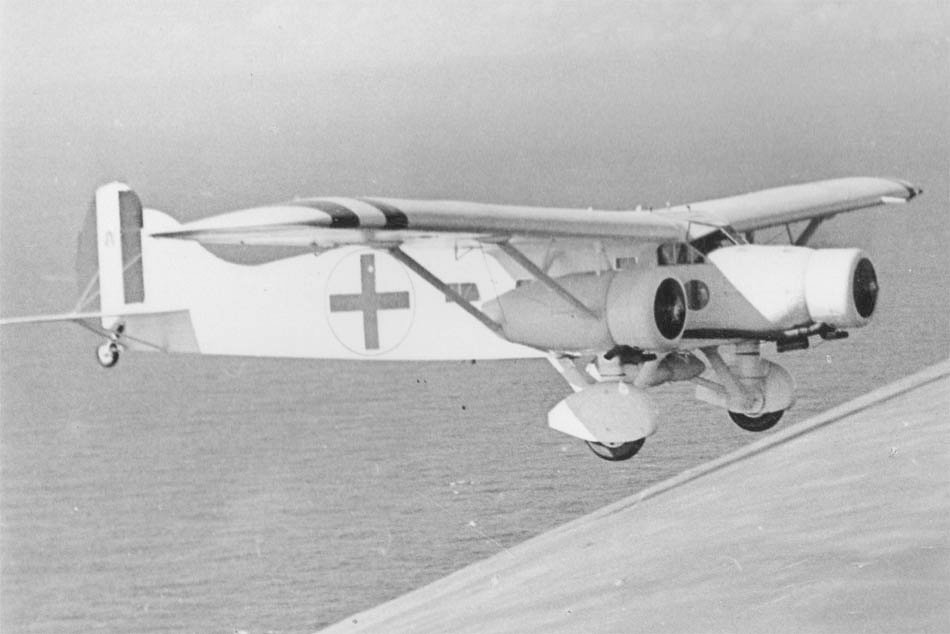 Ca.133 |
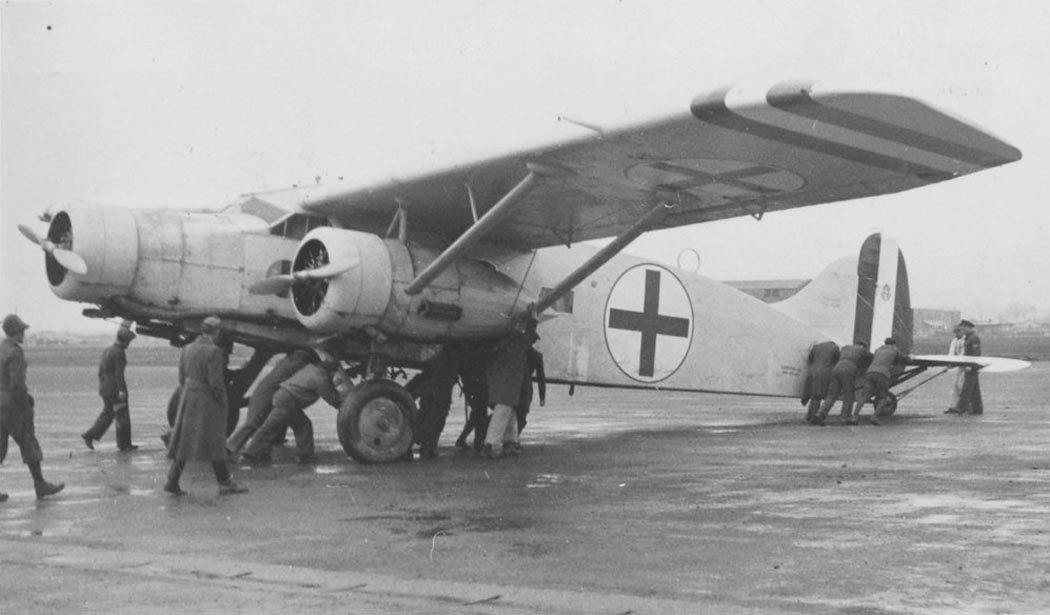 Ca.133 |
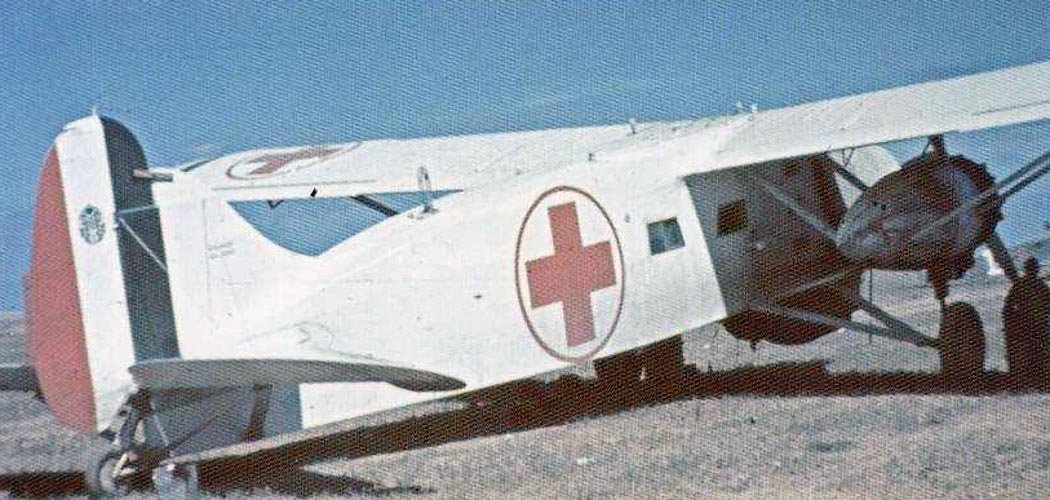 Ca.133 |
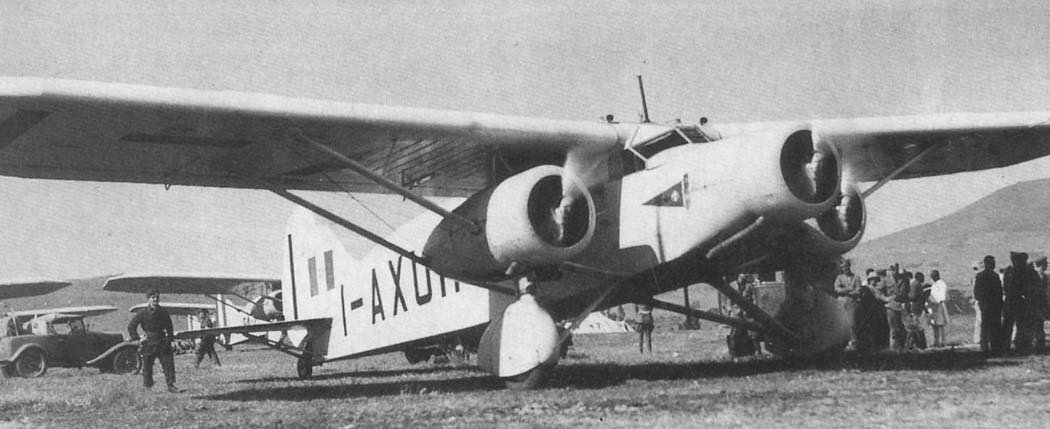 Ca.133 |
 Ca.133 |
 Ca.133 |
 Ca.133 |
 Ca.133 |
 Ca.133 |
 Ca.133 |
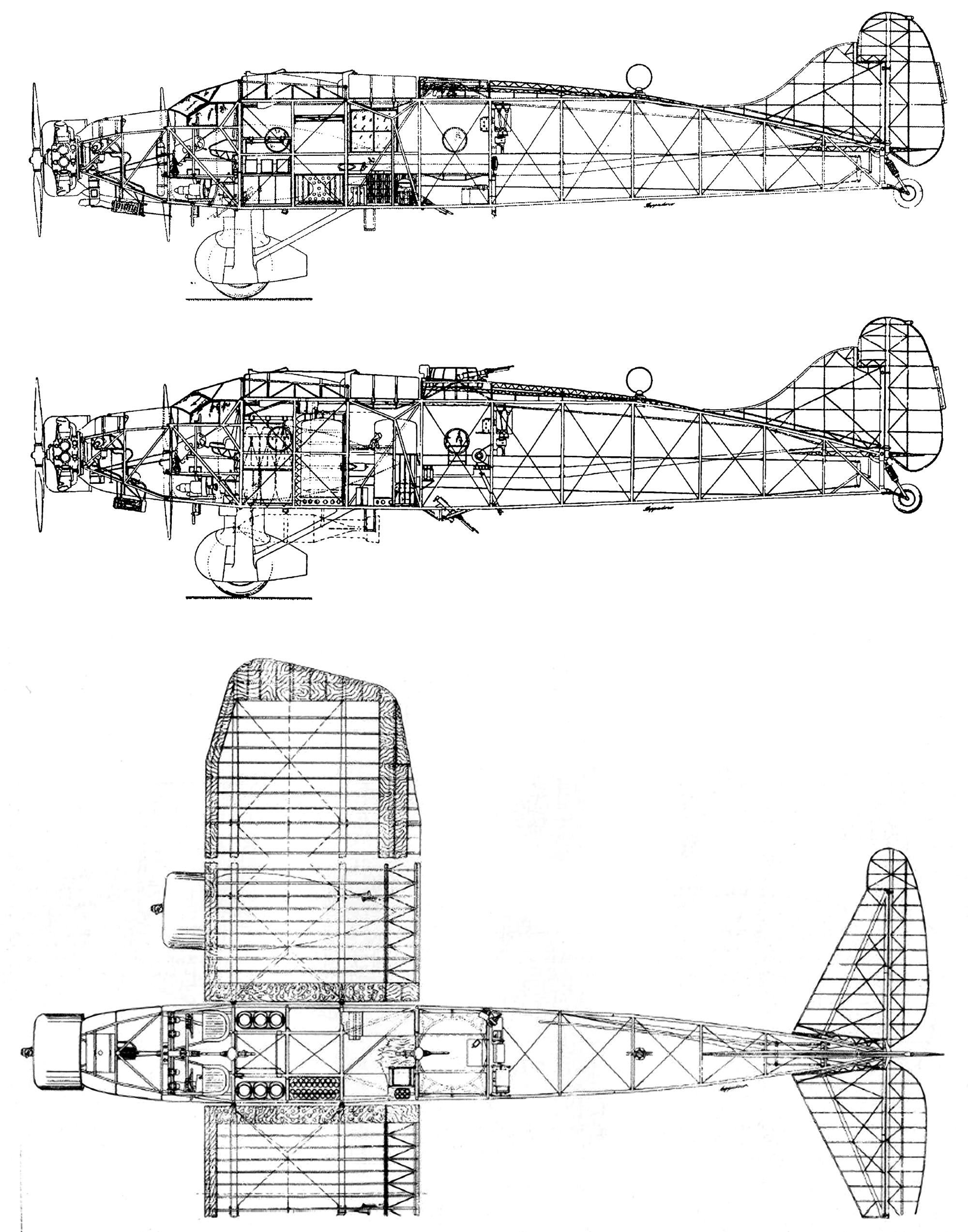 Ca.133 |
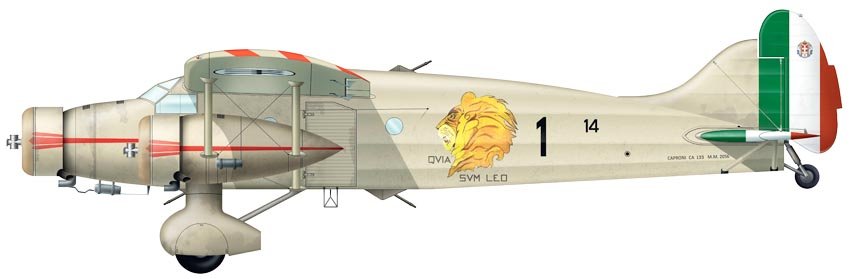 Ca.133. Photograph: J.M.Guillou |
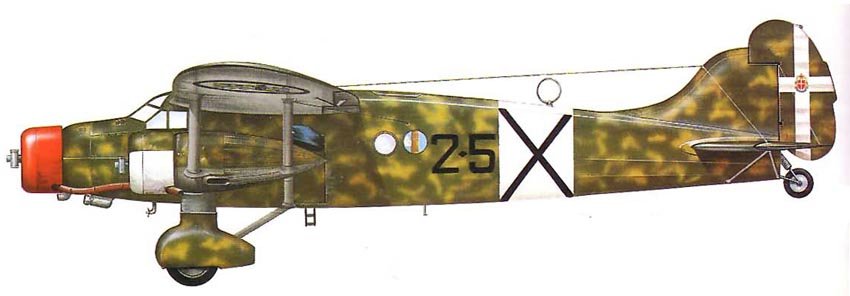 Ca.133 |
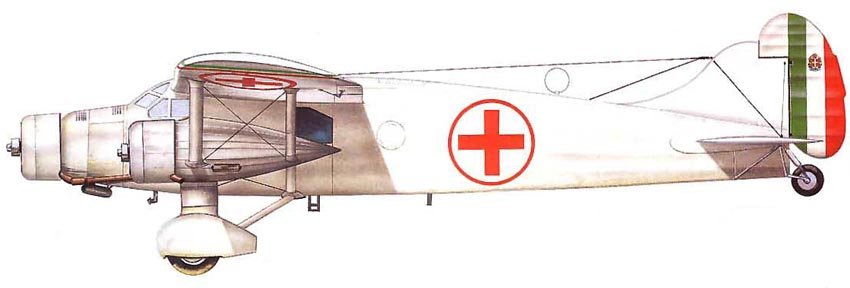 Ca.133 |
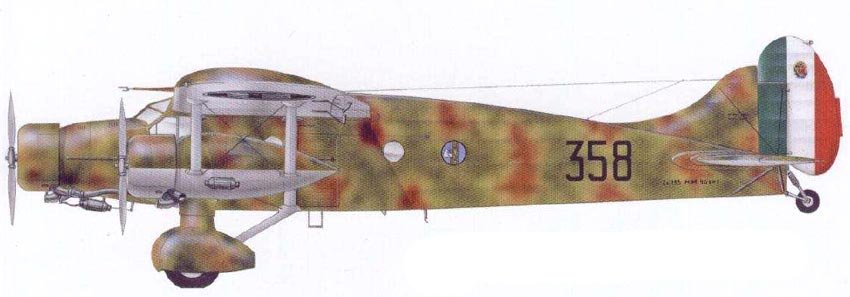 Ca.133 |
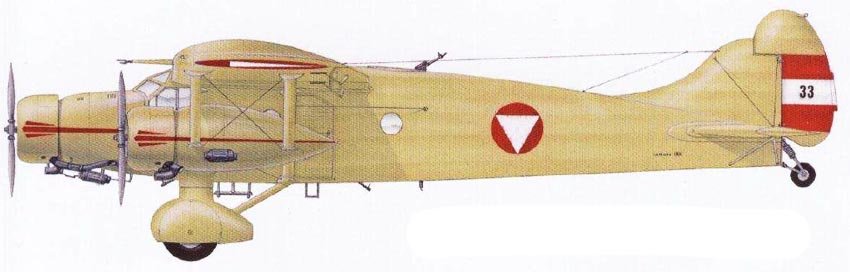 Ca.133 |
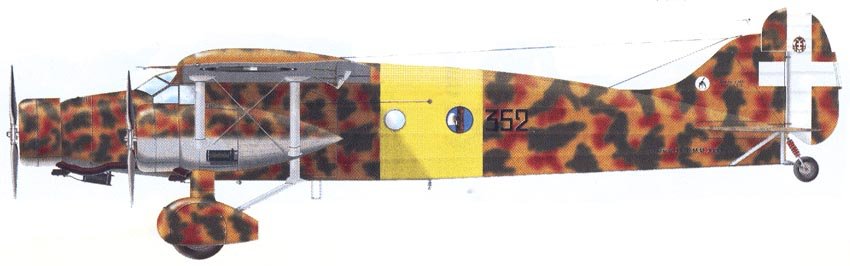 Ca.133 |
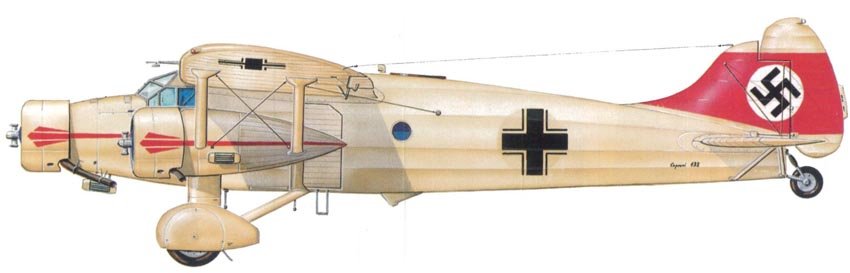 Ca.133 |
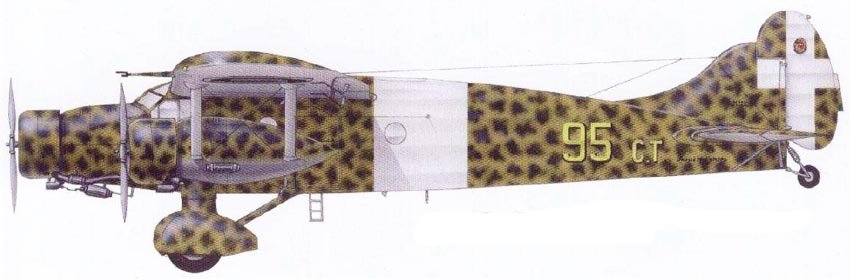 Ca.133 |
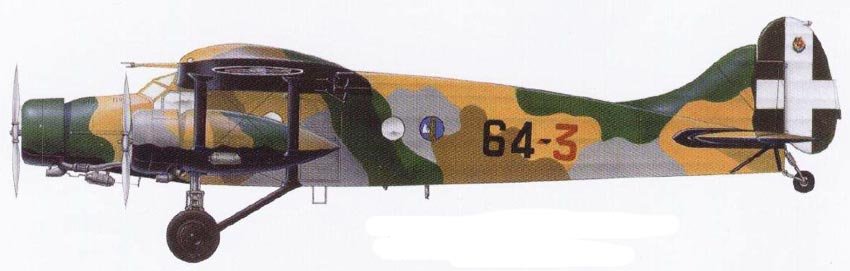 Ca.133 |
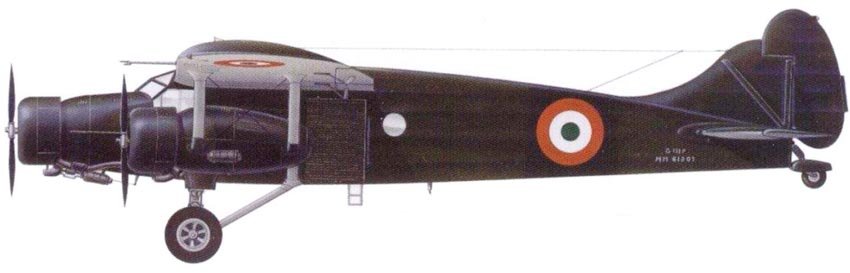 Ca.133 |