
The Night Bomber Requirement
In the early 1920s, the Technical Department of the Italian Ministry of Aviation issued requirements for a new four-engine night bomber. In 1921, in response to these specifications, the Aeronautica Caproni firm began designing an aircraft, initially designated LB.4. This project aimed to meet the evolving needs of Italian military aviation.
Development and Features of the Ca.66
By early 1922, the aircraft, whose designation had changed to Ca.66, was completed. It was a four-seater, single-strut biplane of mixed construction, powered by four 200 hp SPA 6a engines installed in pairs. Its design reflected the aeronautical technology of the era, striving for efficiency and payload capacity.
Evaluation and Fate
Two prototypes (MM.16 and MM.17) were built for military trials and were delivered that same year to the Guidonia Test Center. The Ca.66 received favorable evaluations, particularly for its maneuverability and defensive capabilities. Despite these positive assessments, the aircraft never went into series production.
Technical Specifications
| Modification | Ca. 66 |
| Wingspan, m | 25.00 |
| Length, m | 12.50 |
| Height, m | 5.60 |
| Wing area, m2 | 143.00 |
| Empty weight | 3700 |
| Normal takeoff weight | 5500 |
| Engine type | 4 Piston engine SPA 6a |
| Power, hp | 4 x 200 |
| Maximum speed, km/h | 180 |
| Cruising speed, km/h | 155 |
| Flight endurance, h | 4 |
| Rate of climb, m/min | 200 |
| Service ceiling, m | 4500 |
| Crew, crew | 4 |
| Armament: | four 7.7-mm machine guns, bomb load up to 1000 kg |
Image and diagram gallery of the Caproni Ca.66
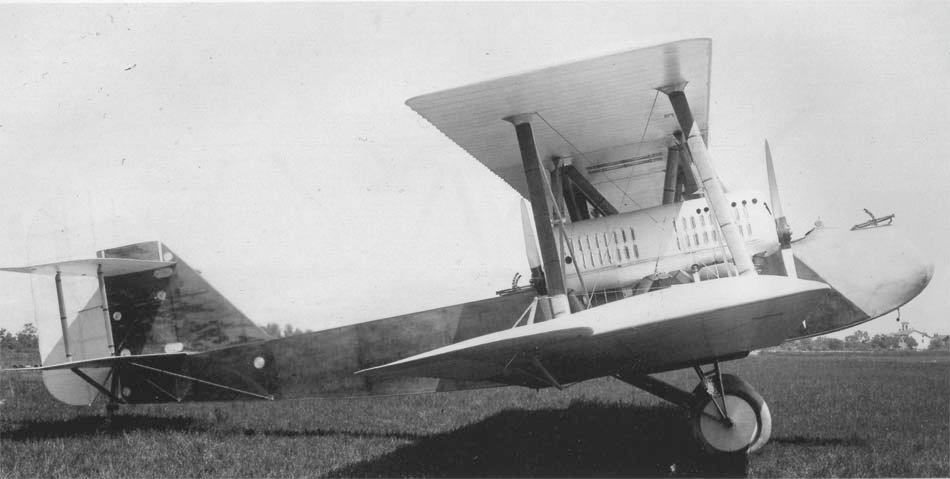 Caproni Ca.66 |
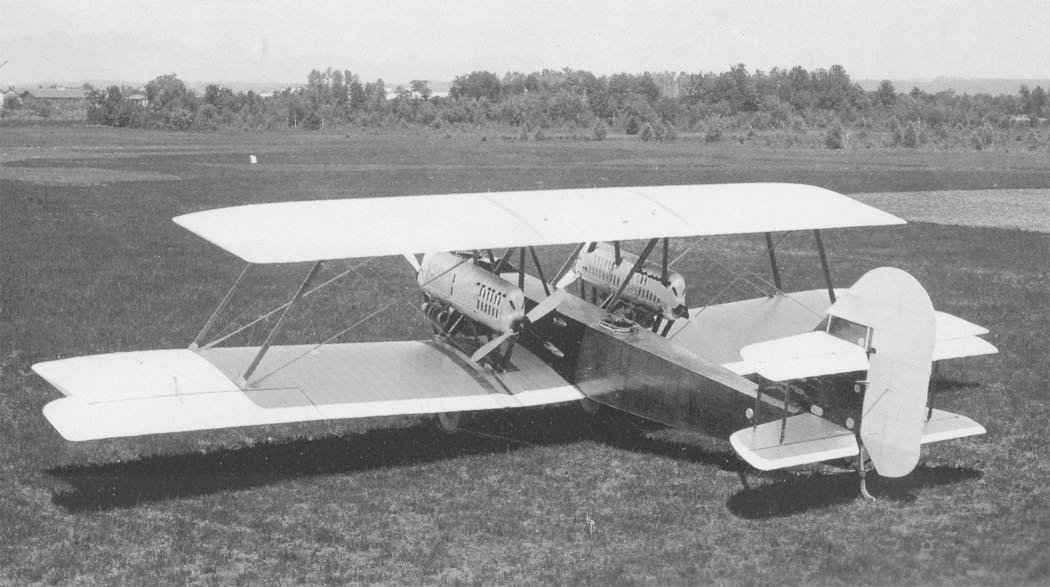 Caproni Ca.66 |
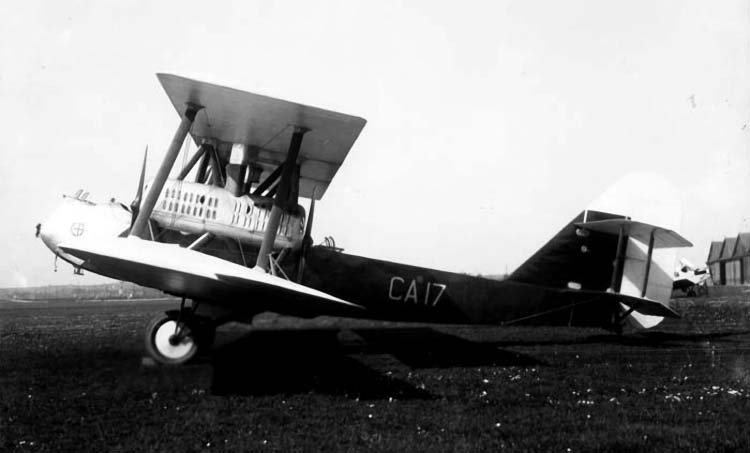 Caproni Ca.66 |
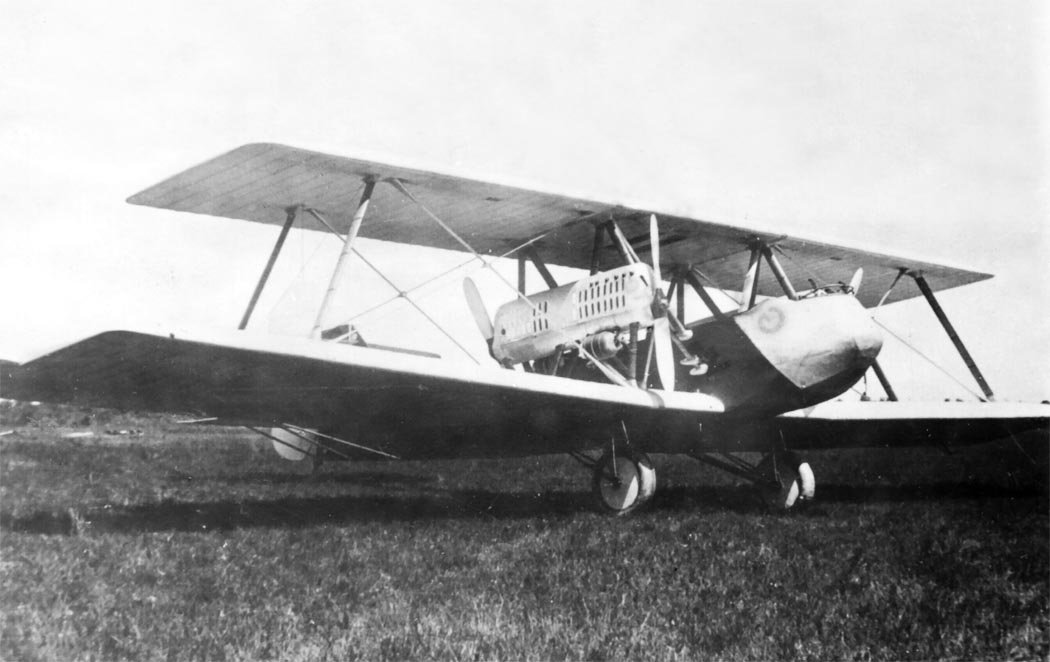 Caproni Ca.66 |
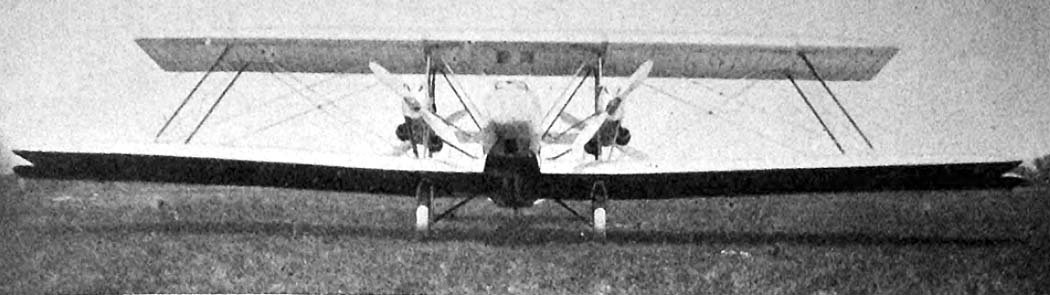 Caproni Ca.66 |
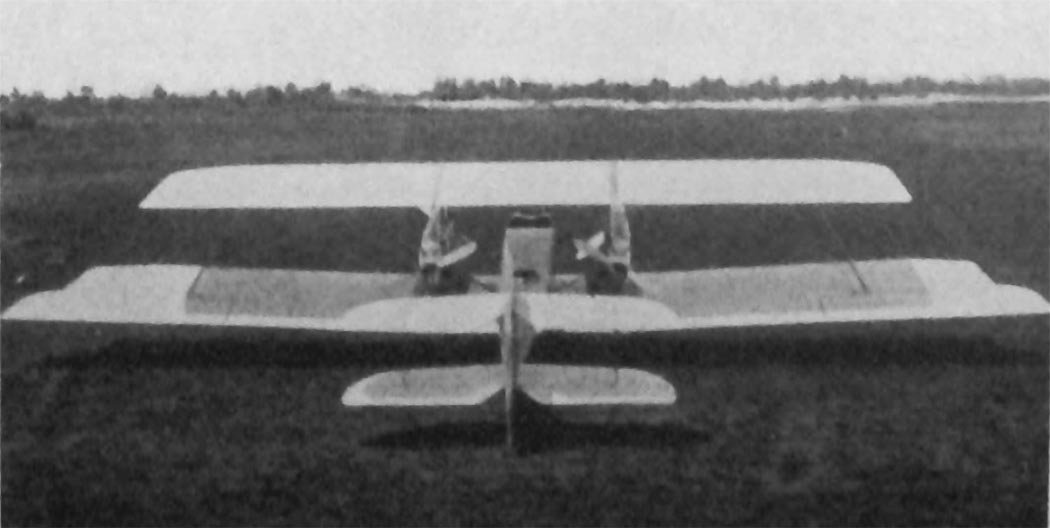 Caproni Ca.66 |
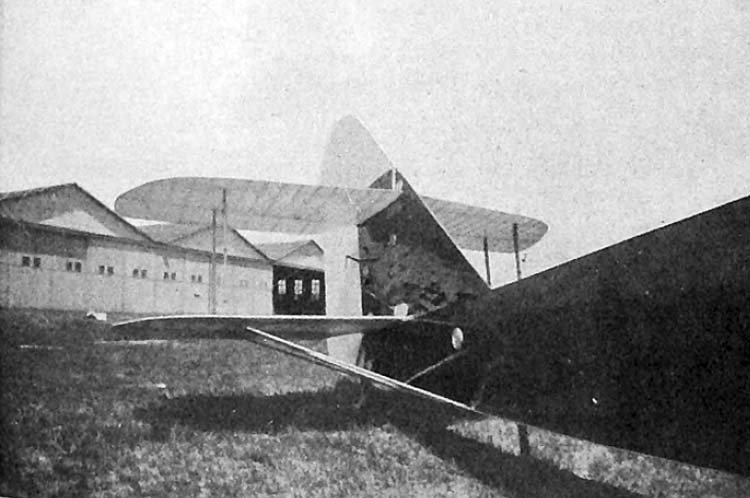 Caproni Ca.66 |
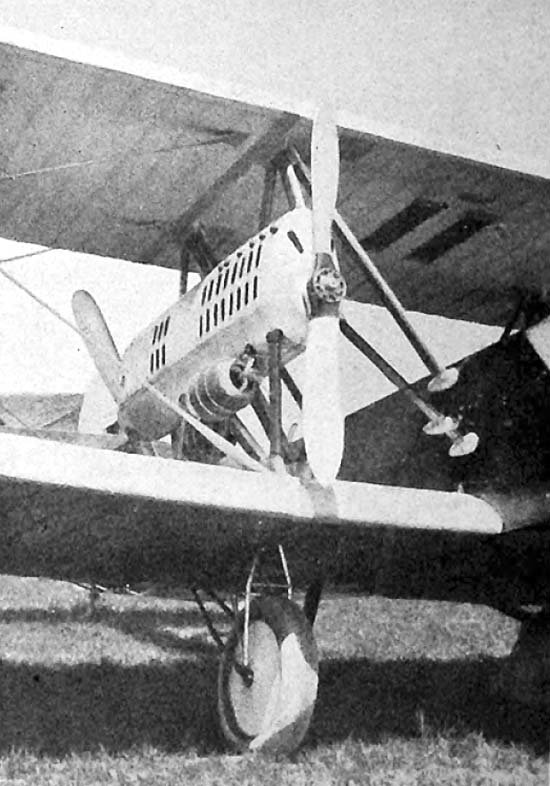 Caproni Ca.66 |