
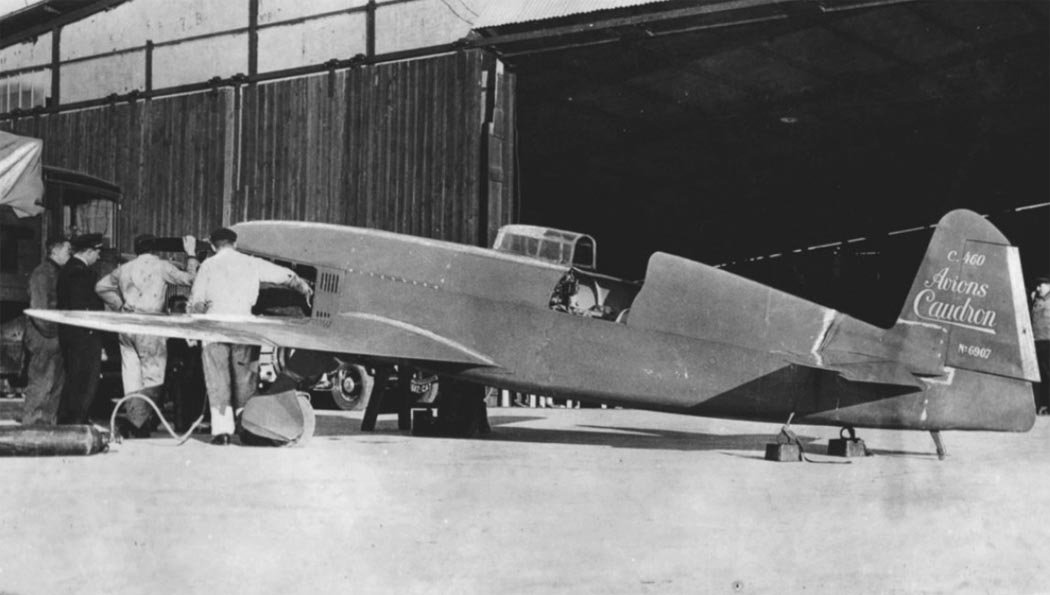
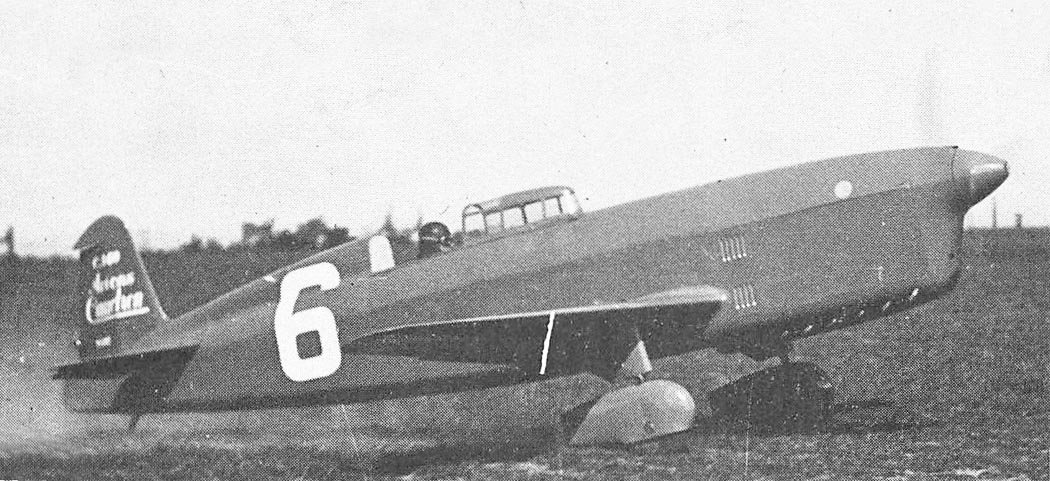
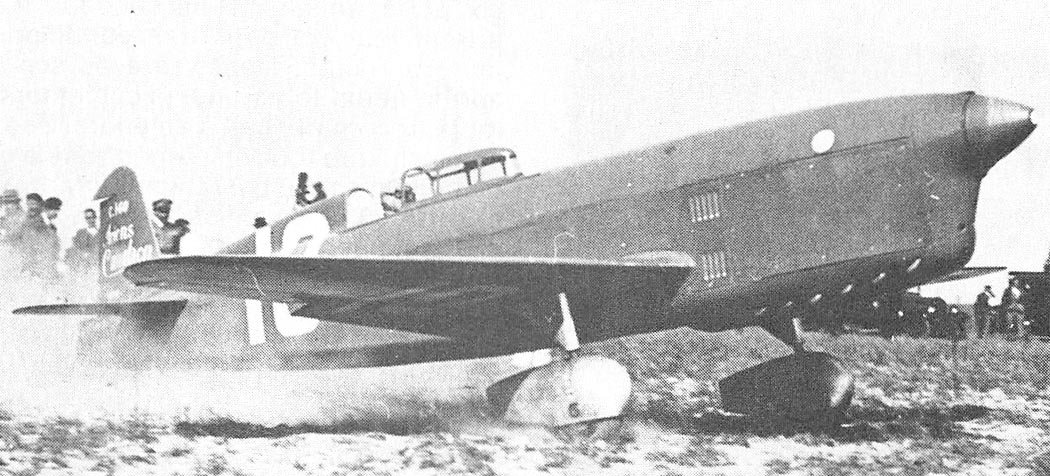
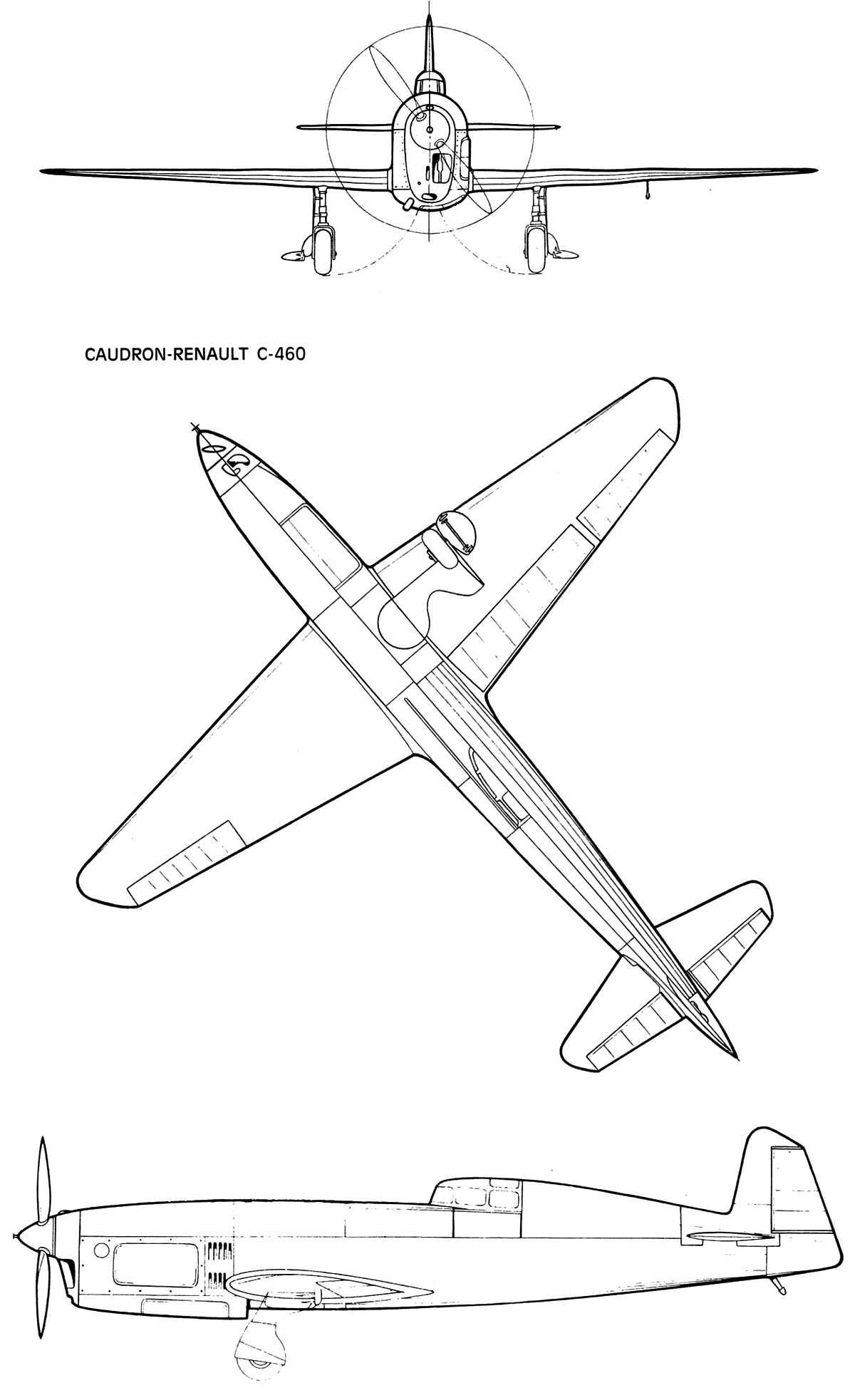
The emergence of the C.460 racer marked the end of a period of aerodynamic stagnation that had lasted almost a decade. Engineer Riffard, the chief designer of the C.460, incorporated several new technical solutions into his creation, which had recently been successfully implemented on Northrop, Douglas, and Martin aircraft. These primarily included landing flaps, fully retractable landing gear, and a variable-pitch propeller.
Special flaps, deployable for landing and located under the wing near its trailing edge, allowed for a sharp increase in the wing’s lift coefficient and a reduction in the aircraft’s landing speed. Riffard opted for very large landing flaps, which occupied 60% of the wingspan. As a result, with a smaller wing area than the Gee Bee and Wedell-Williams (by 2 m² and 3 m² respectively), his aircraft had significantly higher takeoff and landing performance and better handling.
The Challenge of the Variable Pitch Propeller
The installation of a variable-pitch propeller on the C.460 was driven by key considerations. During the Schneider Trophy races, it became clear that the weak point of high-speed machines was the fixed-pitch propeller, whose blade angle remained constant throughout the flight. However, the conditions of airflow around the propeller depend heavily on speed: as speed increases, the direction of the airflow striking the blades changes, and consequently, the propeller’s efficiency also changes.
Therefore, designers specifically selected propellers for their machines. Racing aircraft, naturally, required propellers optimized exclusively for high-speed flights. However, this led to a sharp decrease in the thrust of the propeller-driven power plant during takeoff. In short, such a “propeller” simply churned the air at low speeds.
This was still acceptable for seaplanes, as their takeoff run length was unlimited, and pilots masterfully managed to accelerate these “flying torpedoes” to takeoff speed. Land-based machines, however, were a different matter. They needed to get off the runway as quickly as possible to avoid overshooting its limits. Naturally, in this case, a compromise had to be found in the blade angle setting of the propeller.
Another solution to the situation was the creation of propellers with blades that could be rotated in flight, providing good flight characteristics for machines at different operating regimes. By 1933, American firms Smith and Hamilton had already developed these variable-pitch propellers and begun their serial production. In France, work on similar propellers long received no state support. Only in 1933 did the main technical department of the Ministry of Aviation announce a competition for their best design. A year later, a number of very interesting designs appeared, such as the Gobert, Farman, and Sabb propellers. Riffard chose a rather simple and light two-position propeller from the Ratier company, which could operate only at low and high speeds, perfectly suited for a racing aircraft.
Victories and Aerodynamic Legacy
Finally, the C.460’s third characteristic was its excellent aerodynamics, which was far superior to that of American machines. Its development in Europe was greatly aided by the Deutsch de la Meurthe prize aircraft competitions. According to the initial regulations, the Deutsch de la Meurthe Cup could be won with any type of machine by flying three consecutive times along a closed triangular route of 100 km. The competitions were paused but resumed in 1933 with two significant changes.
Firstly, the total length of the course was increased to 2000 km with one intermediate landing. Secondly, the working volume of the cylinders of the engines participating in the aircraft races was not to exceed 8 liters (by comparison, the engines of the “Super Sportster” RI and “Wedell-Williams” 44 had almost three times that volume). The main reason for such significant limitations in engine displacement and, consequently, power, was that in the second half of the 1920s, France had lost its leading position in the development of aviation technology and could not compete equally with the British and Italians for the Schneider Cup, nor with the Americans for the Bendix and Thompson prizes.
Therefore, by introducing new rules, the French automatically excluded overseas competitors from participation in the races. Officially, it was announced that the Deutsch de la Meurthe prize races should promote the development of so-called “touring aircraft.” However, in practice, things turned out quite differently. All machines presented for the 1933 races had nothing in common with touring aircraft; they were truly racing machines, albeit equipped with relatively weak engines. But it was precisely these weaker engines that forced designers to “fall in love” with the beautiful lady — aerodynamics. Much was learned from the experience of glider sports.
Continuing to work on improving the aerodynamics of light aircraft, by 1933, designers were able to create a number of excellent training, sport-touring, and aerobatic machines. The aircraft of the French firm Caudron, in particular, attracted special attention. Their characteristic feature was air-cooled in-line engines, created by Renault. These engines did not require the installation of any additional cooling system, and at the same time, their cross-sectional area was much smaller than that of radial engines.
For example, the Caudron C.362, showcased in the 1933 competitions with a 220 hp engine, could fly at speeds up to 410 km/h. The following year, another aircraft, the Caudron C.450 with a 325 hp engine, not only won the Deutsch de la Meurthe prize but also set a new speed record over distances of 100 and 200 km: 431.6 km/h and 389 km/h respectively. It was the C.450 that Riffard chose as a model when creating the C.460.
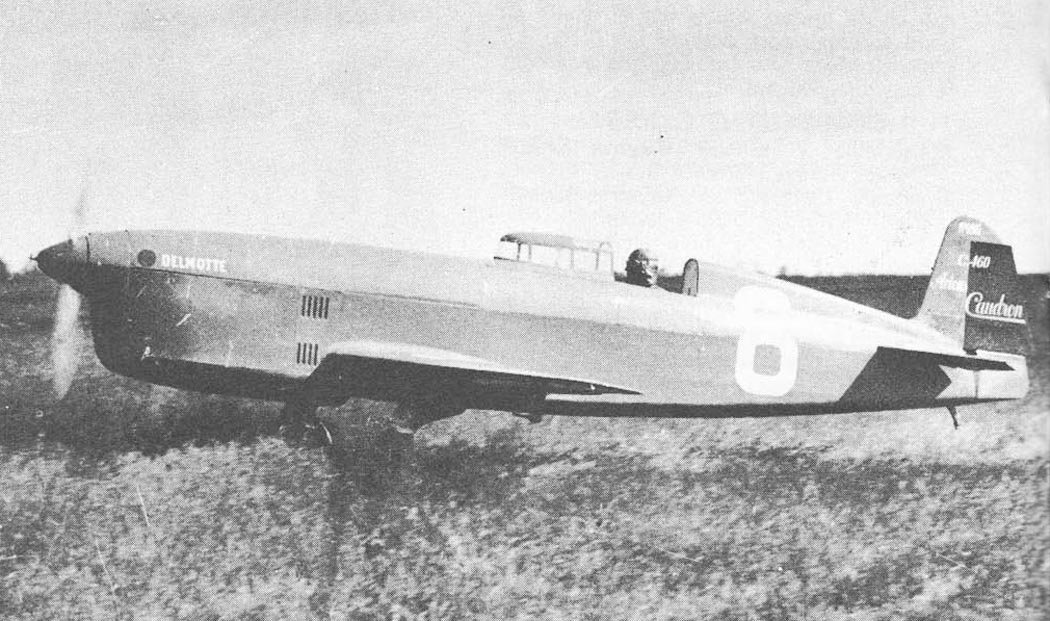
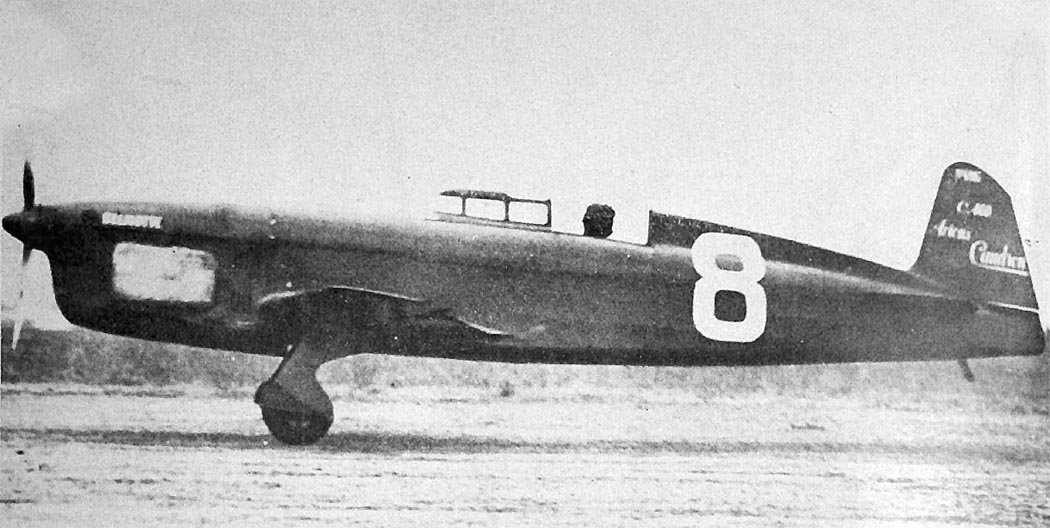
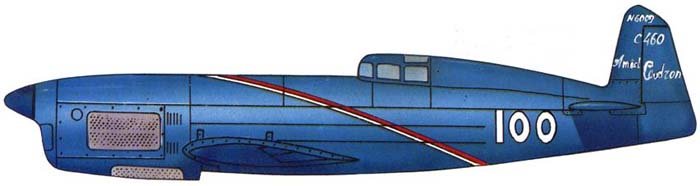
Compared to its predecessor, the C.460 had an improved wing profile with a sharpened leading edge, retractable landing gear, and lower mass. The construction remained entirely wooden, like the C.450; the spars of the wing were made of Cameroonian walnut, which has twice the strength coefficient of spruce. Moreover, Riffard installed a new 370 hp engine on the C.460. It was in this aircraft that Delmotte set a new world speed record, exceeding the 500 km/h mark (505.848 km/h).
However, the history of the C.460 did not end there. Due to the engine having a cylinder volume of 9.5 liters, which fell under the restrictions of the Deutsch de la Meurthe Cup regulations, Riffard built a new aircraft for the 1935 competitions with an 8-liter, 330 hp engine. Although the power of the new engine was somewhat lower, the result was simply brilliant. The same Delmotte won the races in the modified C.460, covering the distance at an average speed of 443.965 km/h, almost 55 km/h faster than the C.450 a year earlier.
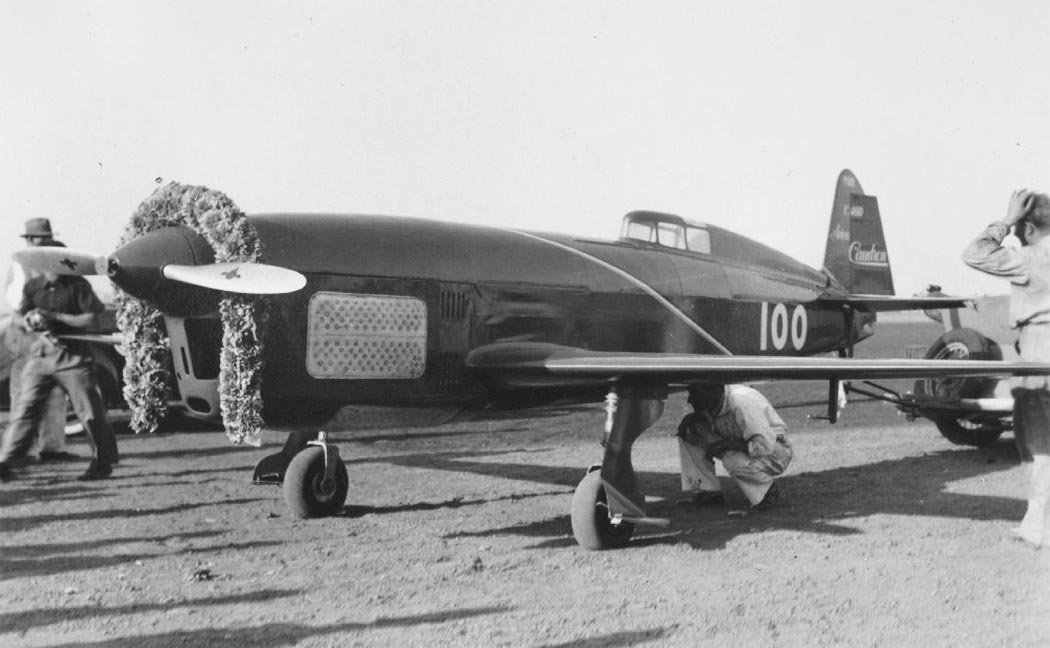
In 1936, the C.460 gained fame once more. The aircraft was permitted to enter American national competitions, during which pilot Michel Detroyat not only won the Thompson Trophy but also broke Doolittle’s record, held since 1932, completing the entire race course at a speed of 425.19 km/h.
The C.460 has forever entered history as an aircraft with exceptionally high aerodynamic characteristics. Moreover, it had a definite influence on the development of French fighters. By developing the concept of a light, high-speed machine, the Caudron firm was able to create light interceptors such as the C.710, C.714, and others. Thanks to their good aerodynamics, despite rather weak engines, they could reach speeds of up to 500 km/h. For example, the 1938 Caudron C.714 C-1 with a 450 hp engine had a speed of 485 km/h, the same as the latest Morane-Saulnier MS 406 C-1 fighter, equipped with an 860 hp engine. However, these capabilities could only be realized in flight at altitudes of about 3-5 km and were not comparable to racing and record machines flying close to the ground. Furthermore, low power-to-weight ratio precluded maneuverable aerial combat.
Technical Specifications
| Modification | C. 460 |
| Wingspan, m | 6.75 |
| Length, m | 7.12 |
| Height, m | 1.80 |
| Wing area, m2 | 6.90 |
| Empty weight | 530 |
| Normal takeoff weight | 770 |
| Maximum takeoff weight | 900 |
| Engine type | 1 Piston engine Renault 456 |
| Power, hp | 1 x 310 |
| Maximum speed, km/h | 506 |
| Crew | 1 |
Image and diagram gallery of the Caudron C.460
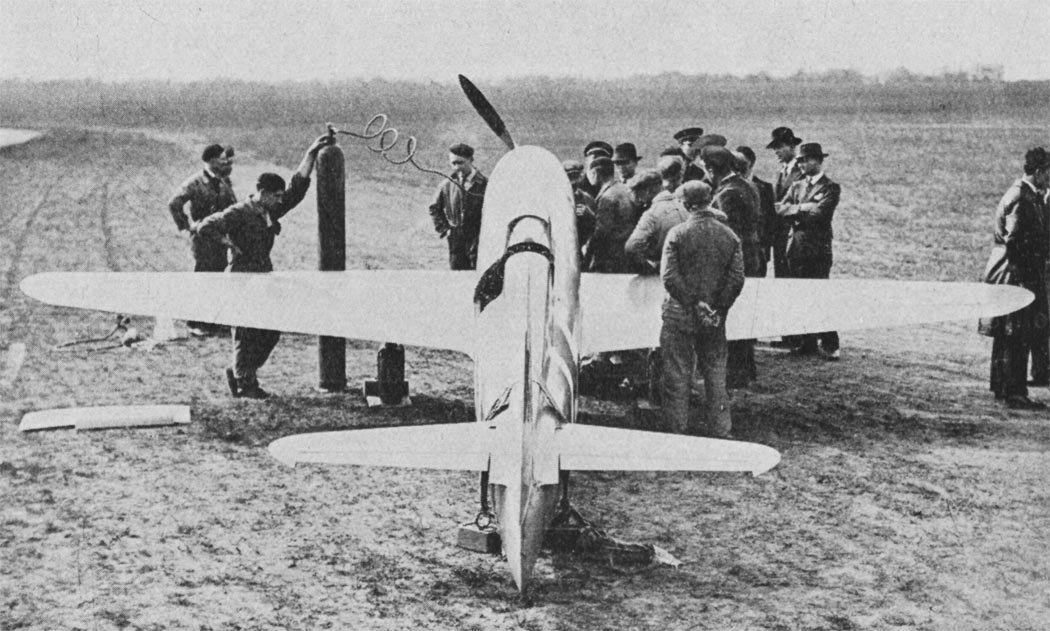 C.460 Rafale |
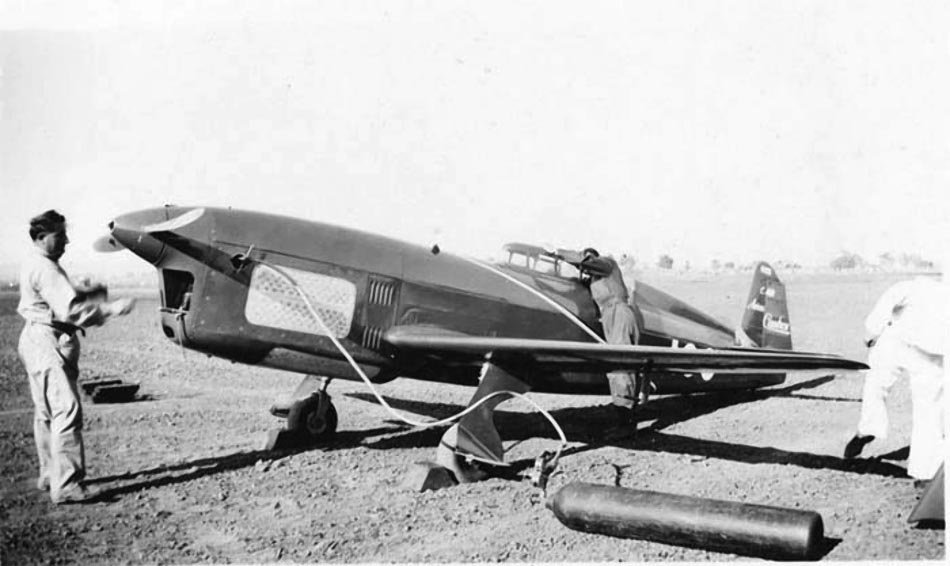 C.460 Rafale |
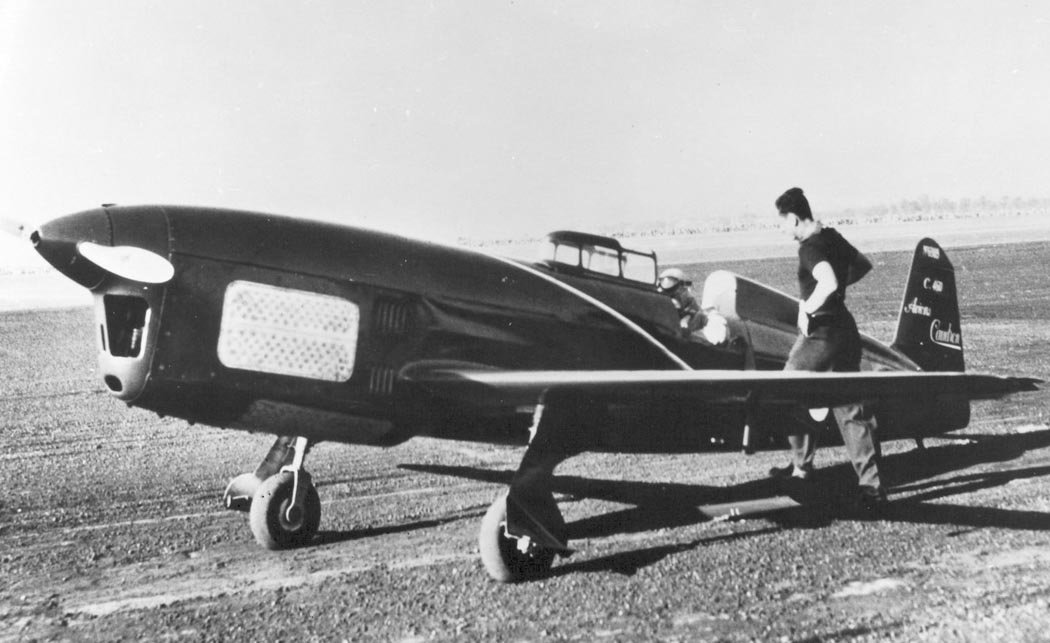 C.460 Rafale |
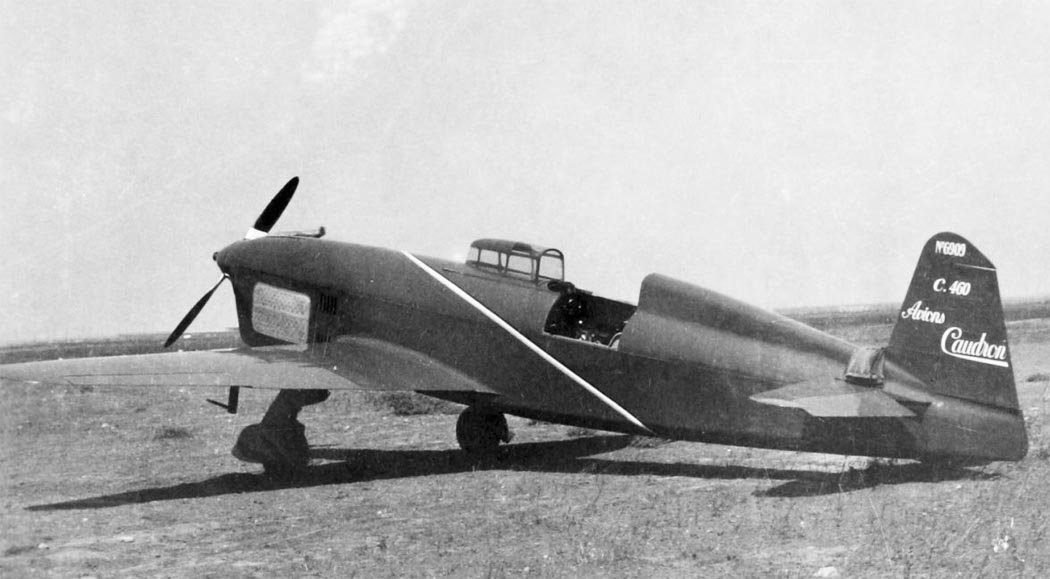 C.460 Rafale |
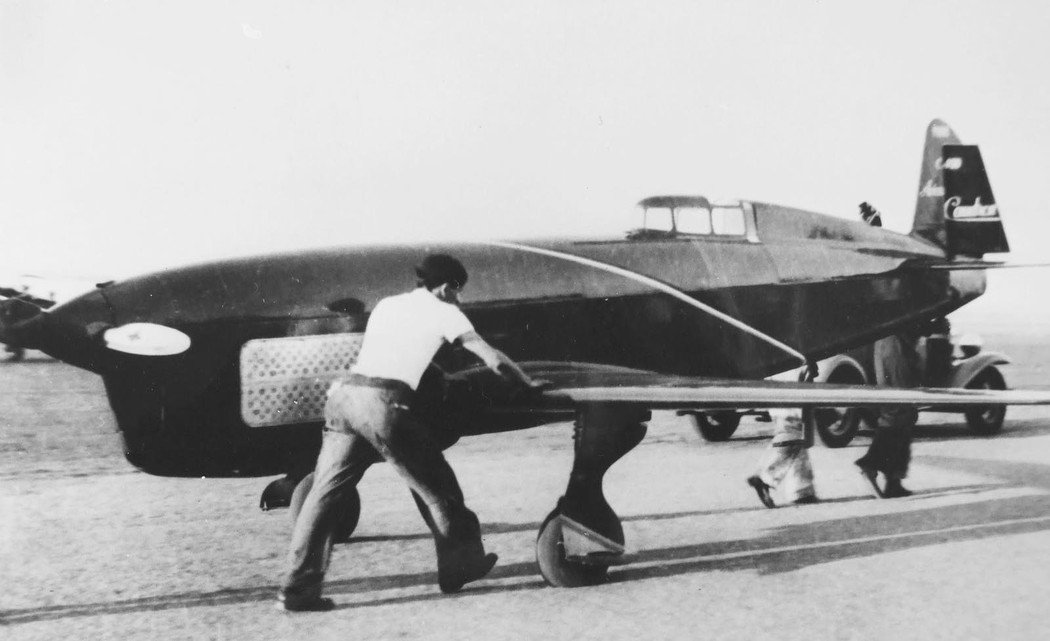 C.460 Rafale |
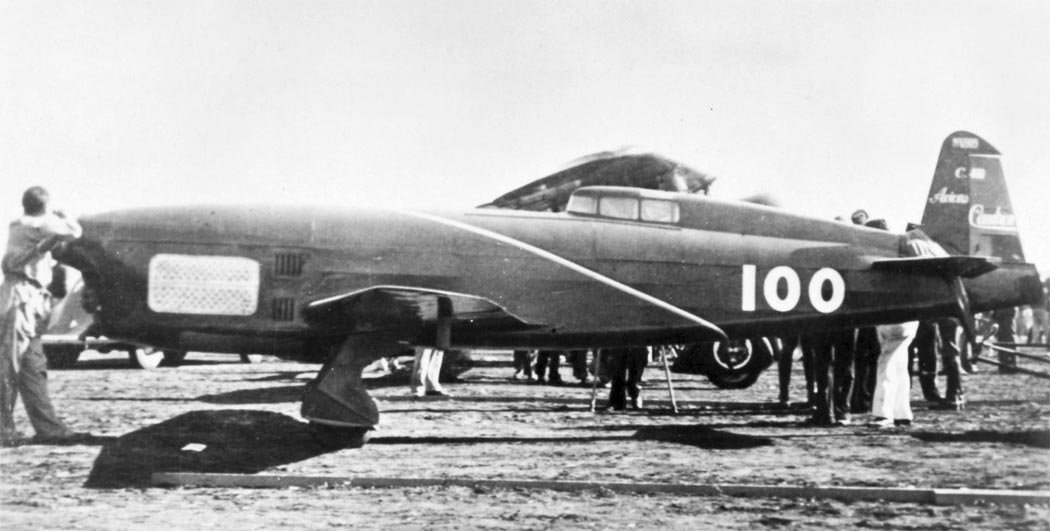 C.460 Rafale |
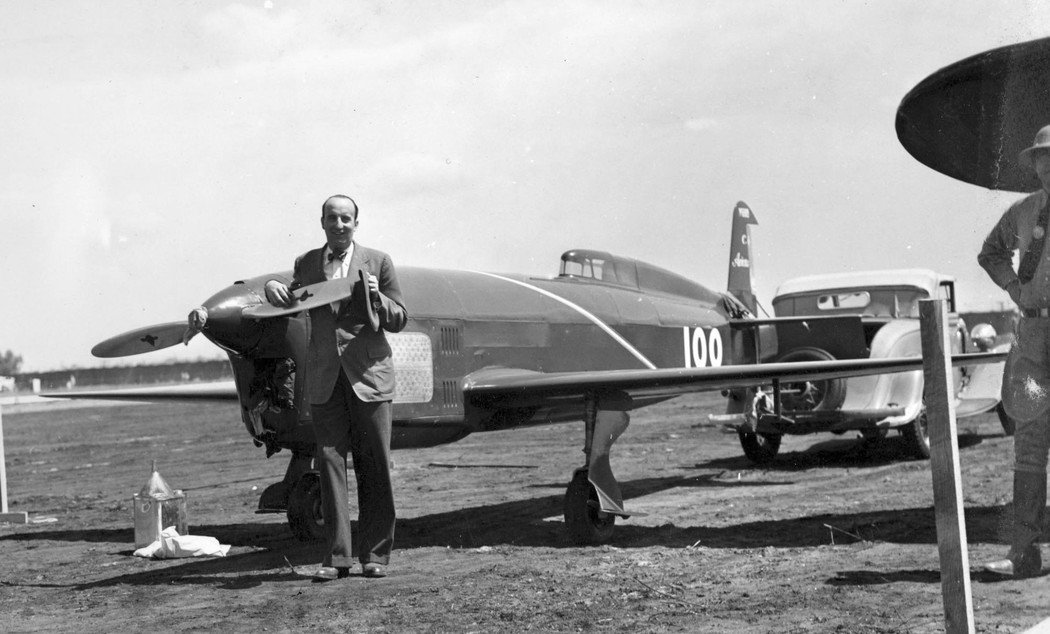 C.460 Rafale |
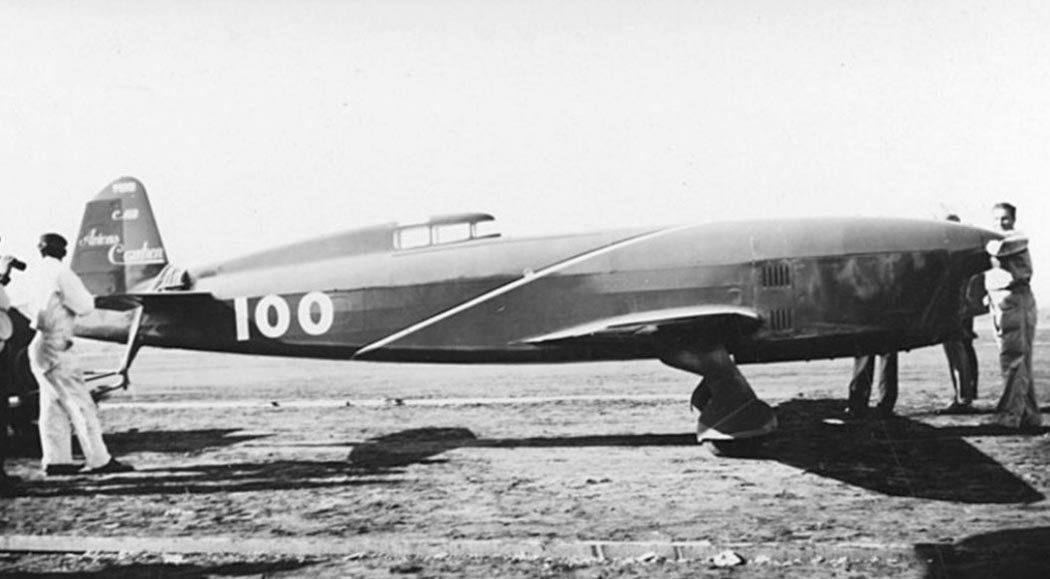 C.460 Rafale |
 C.460 Rafale |
 C.460 Rafale |
 C.460 Rafale |
 C.460 Rafale |
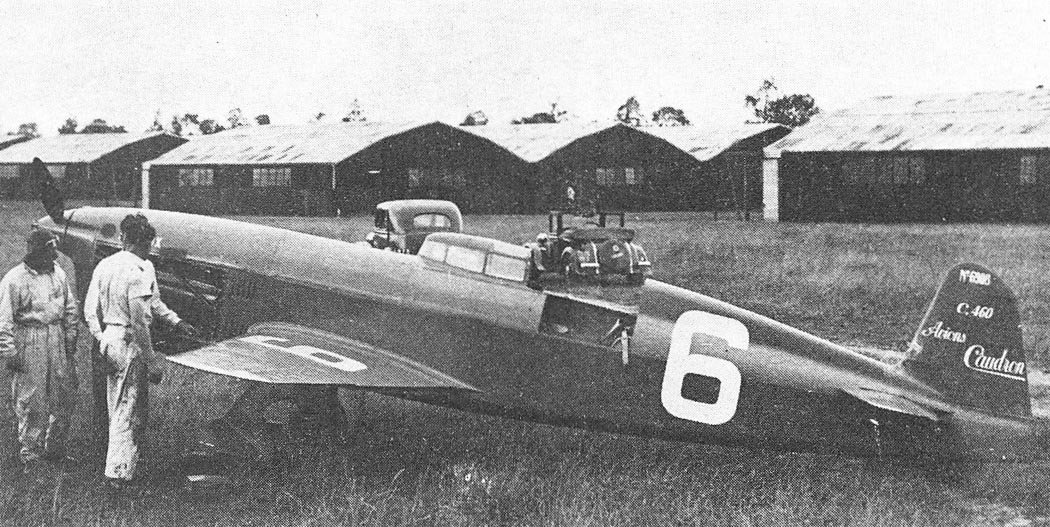 C.460 Rafale |
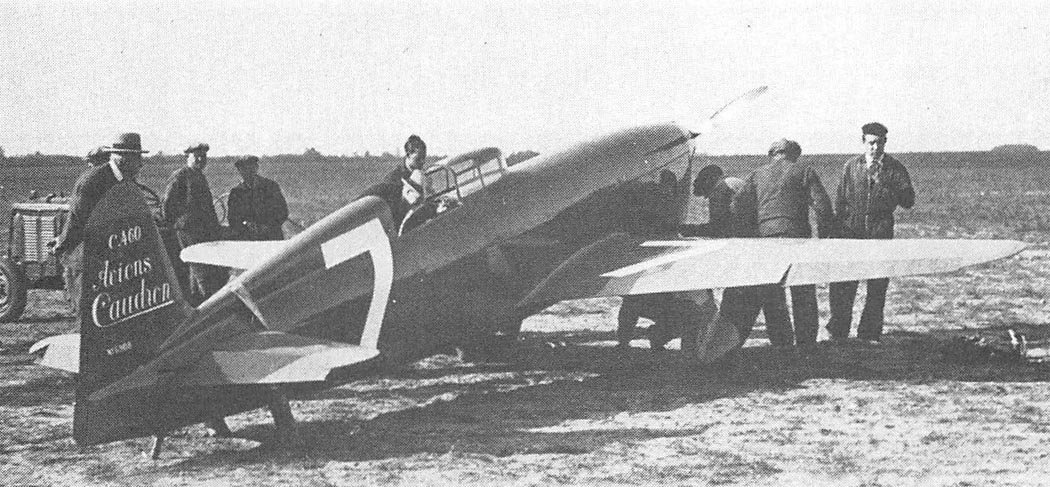 C.460 Rafale |
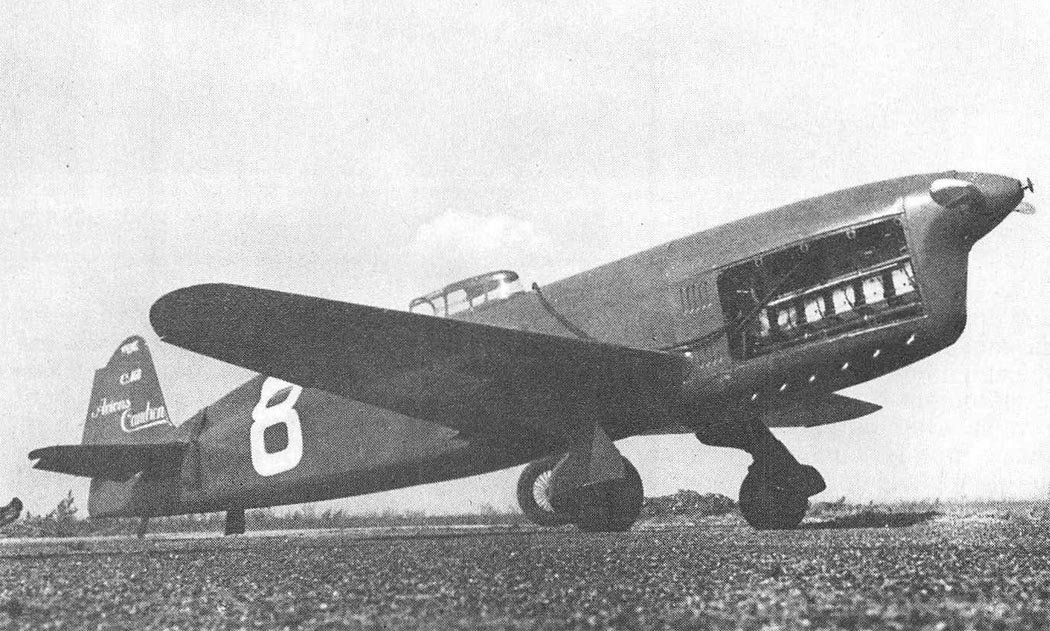 C.460 Rafale |
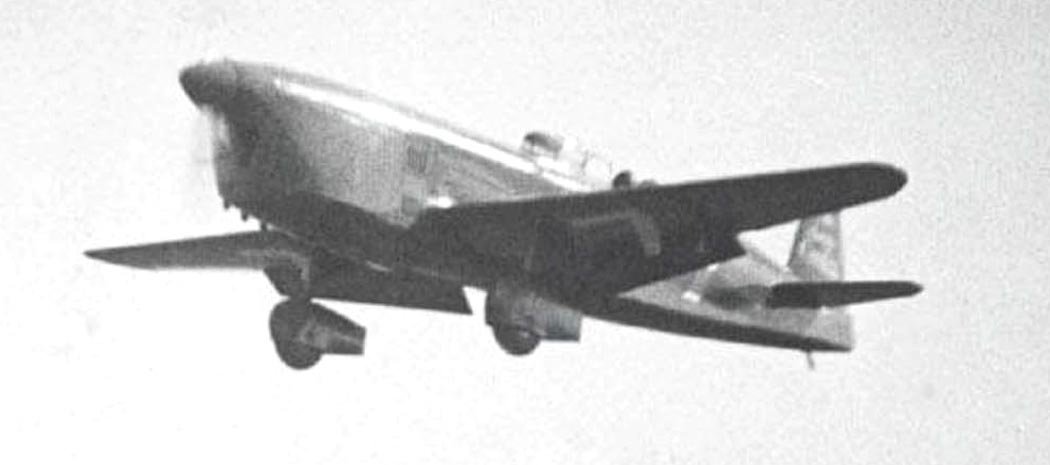 C.460 Rafale |
 C.460 Rafale |
 C.460 Rafale |
 C.460 Rafale |
 C.460 Rafale |