
The Genesis of the LWF L Butterfly
Following the conclusion of World War I, the “LWF Engineering Corporation Inc.” embarked on constructing a unique light aircraft. This project materialized as the Model L Butterfly, an airplane that, unfortunately, remained a solitary prototype.
Maiden Flight and Lofty Claims
The LWF L Butterfly made its inaugural flight in early 1920. Its designers boldly promoted it with an ambitious claim, presenting it as “the smallest practical airplane in the world,” a title reflecting both their aspirations and the aircraft’s compact design.
A Tragic Conclusion
The Butterfly’s story took a tragic turn on March 31. During one of its crucial test flights, the aircraft suffered a catastrophic failure. This regrettable accident resulted in the death of its pilot, Jack Foote, marking the definitive end of the Model L Butterfly’s development.
Technical Specifications
| Modification | Butterfly |
| Wingspan, m | 9.07 |
| Aircraft length, m | 5.79 |
| Aircraft height, m | 1.78 |
| Maximum takeoff weight, kg | 444 |
| Engine type | 1 Piston engine LWF-Cato |
| Power, hp | 1 x 60 |
| Maximum speed, km/h | 116 |
| Cruising speed, km/h | 100 |
| Flight endurance, h | 6 |
| Rate of climb, m/min | 146 |
| Crew | 1 |
Image and diagram gallery of the LWF L Butterfly
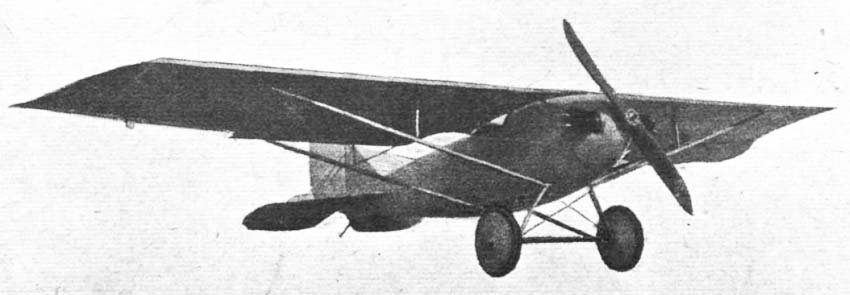 LWF L Butterfly |
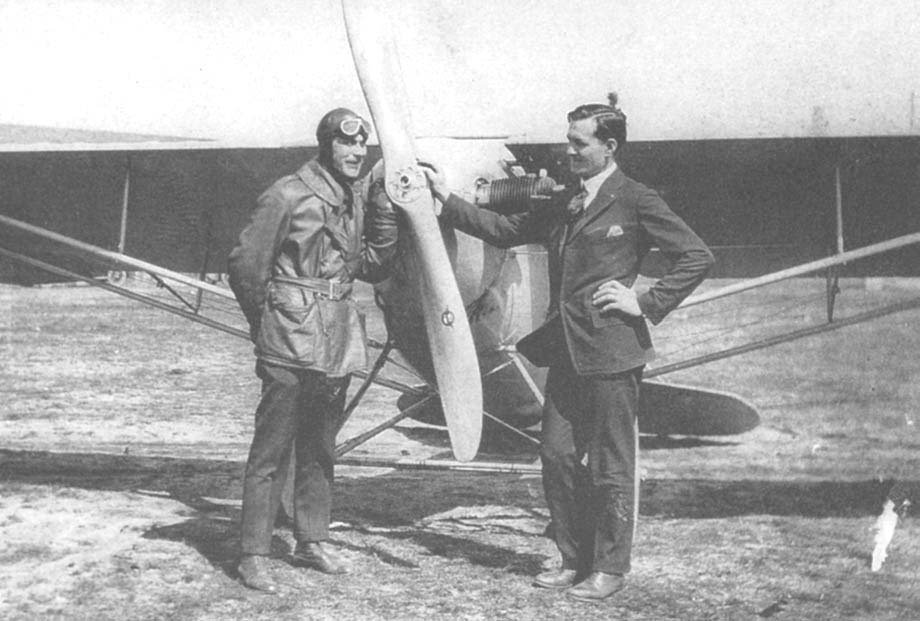 LWF L Butterfly |
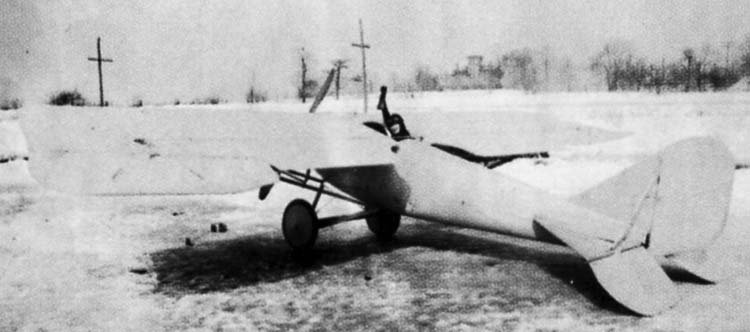 LWF L Butterfly |
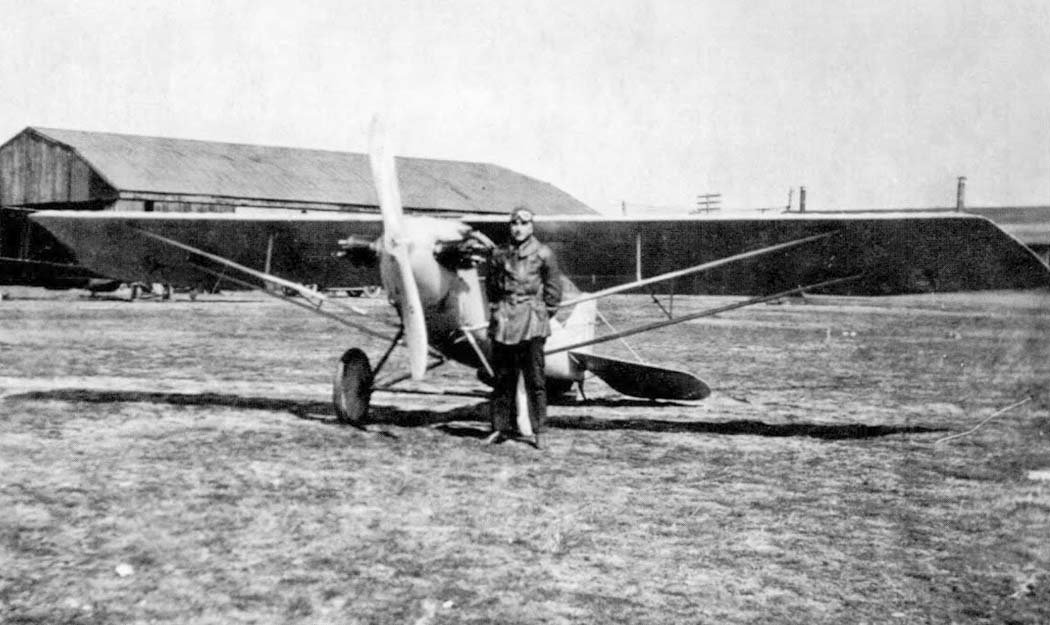 LWF L Butterfly |
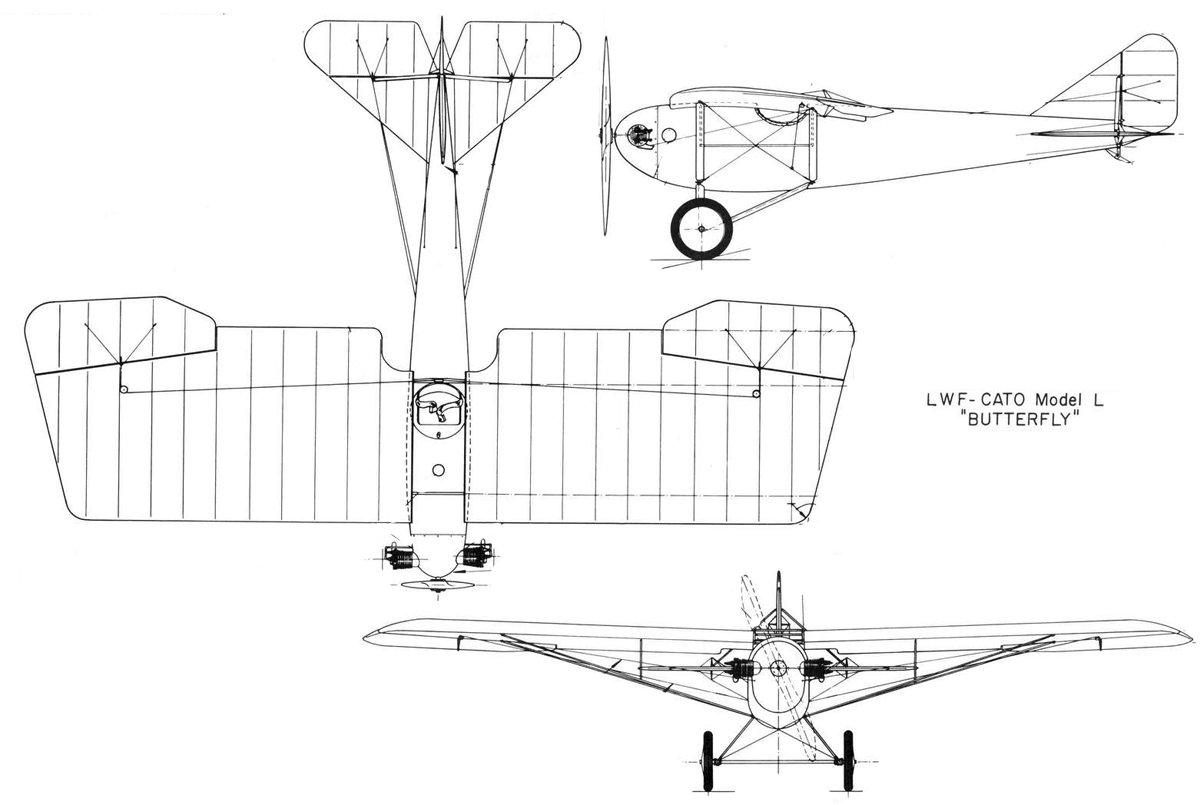 LWF L Butterfly |