
In 1911, the British War Office was extremely reluctant to allocate funds for the construction of new aircraft models. Therefore, when a crashed Voisin arrived at the Royal Aircraft Factory (RAF) in June of that year for restoration, Geoffrey de Havilland undertook to “restore and reconstruct” this aircraft. The “reconstruction” turned out to be quite profound; in fact, only the 60 hp Wolseley V-8 engine with its radiator was used from the Voisin, and the new aircraft bore no resemblance to its “predecessor.”
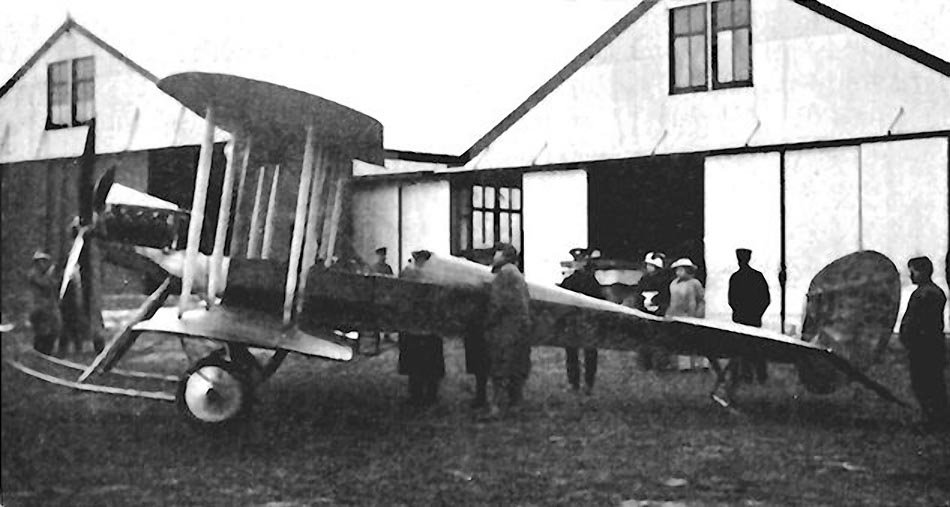
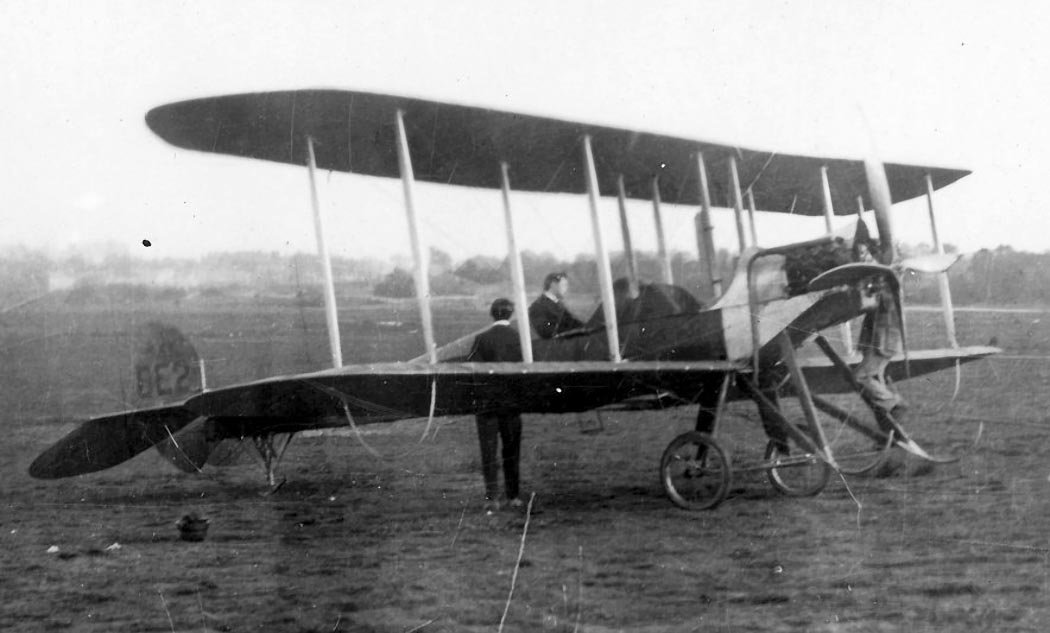
It was named Bleriot Experimental No.1, or B.E.1. This designation was for tractor-propeller aircraft created at the RAF; at the time, there were also Farman Experimental (F.E.) with pusher propellers and Santos Experimental (S.E.) “canard” designs. The B.E.1 was a two-seater, two-bay biplane of classical design, which was still quite rare in those days.
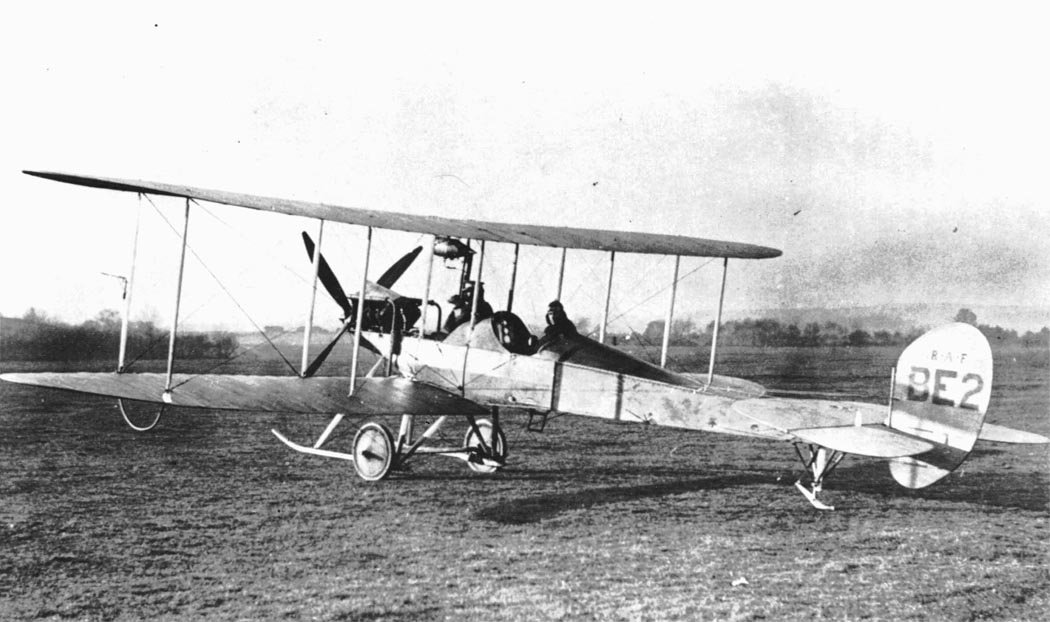
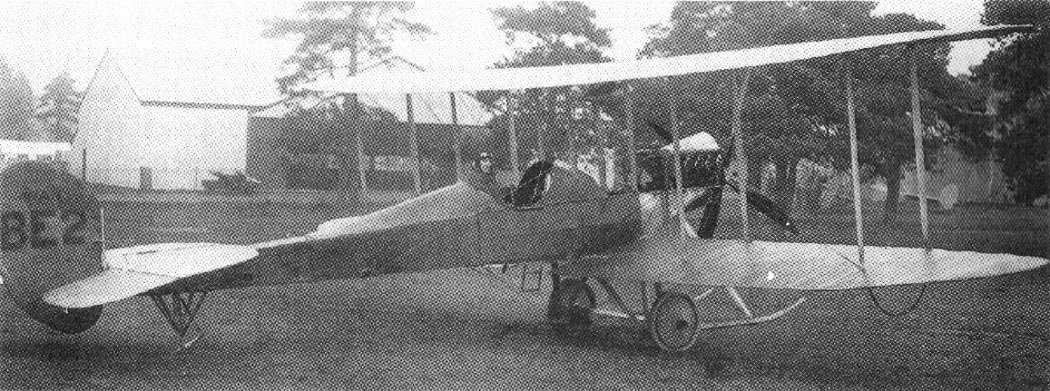
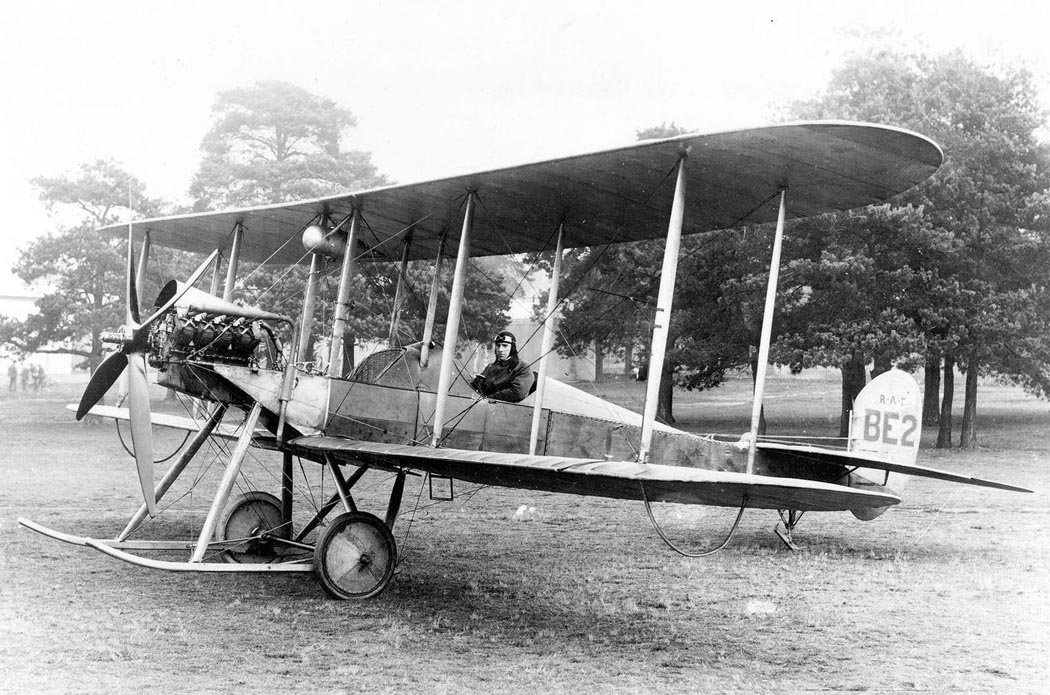
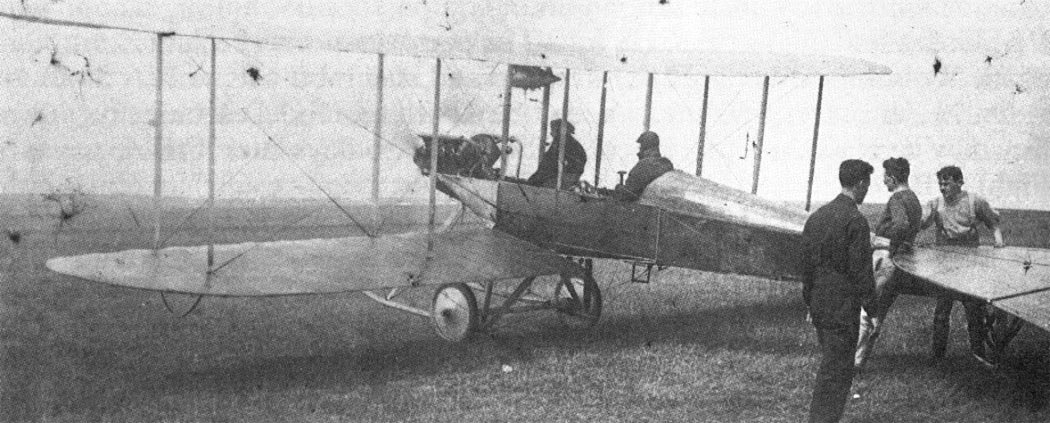
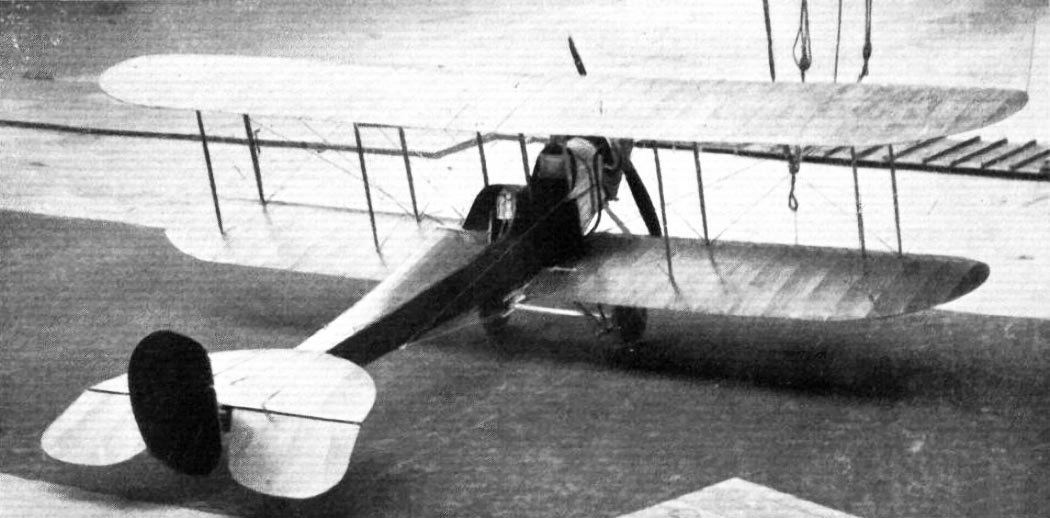
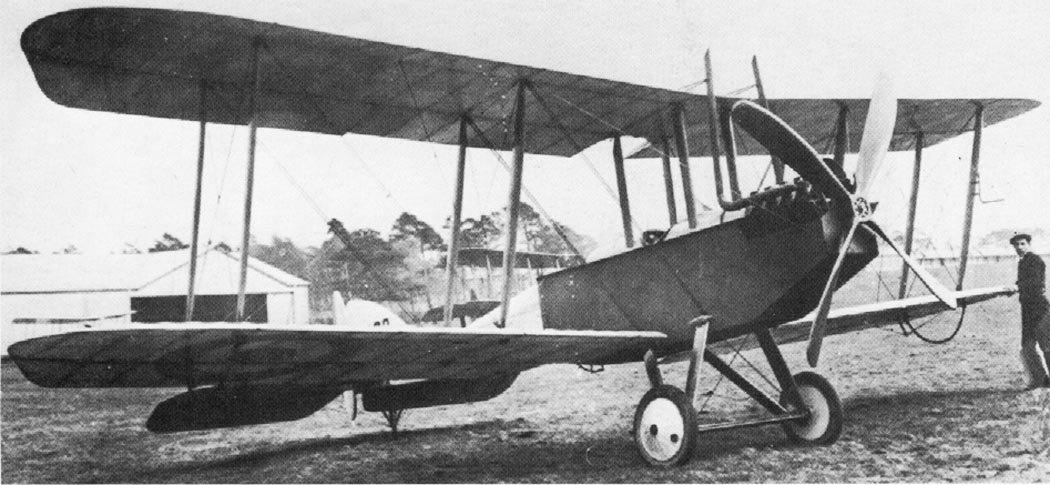
The upper wing was slightly larger than the lower, and lateral control was achieved by wing warping of the upper wing. A tail fin was absent. The landing gear had a rigid structure with anti-nosing-over skids, and a swiveling tail skid allowed for very tight turns on the ground. The fuselage was a wooden frame covered in fabric, with the top fabric only present in the rear section, behind the pilot’s seat.
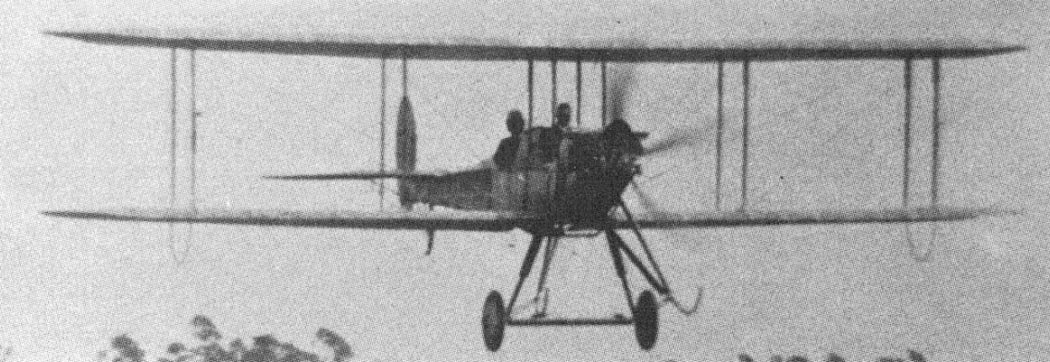
The passenger’s seat was located forward, near the center of gravity, which allowed flying both with and without a passenger without changing the trim. A bulky radiator was situated between the central wing struts. Long exhaust pipes were fitted with silencers, making the engine sound very quiet compared to others, and the aircraft was dubbed the “Silent Army Aeroplane.” On December 4, 1911, de Havilland first took the B.E.1 into the air.
A month later, after modifications to the carburetor, propeller, and wing adjustments (a small transverse V was added, and the upper wing was shifted backward), de Havilland was completely satisfied with the machine. The aircraft demonstrated a speed of 95 km/h with a passenger on board and could fly in wind speeds of up to 10 m/s.
The Evolution to B.E.2
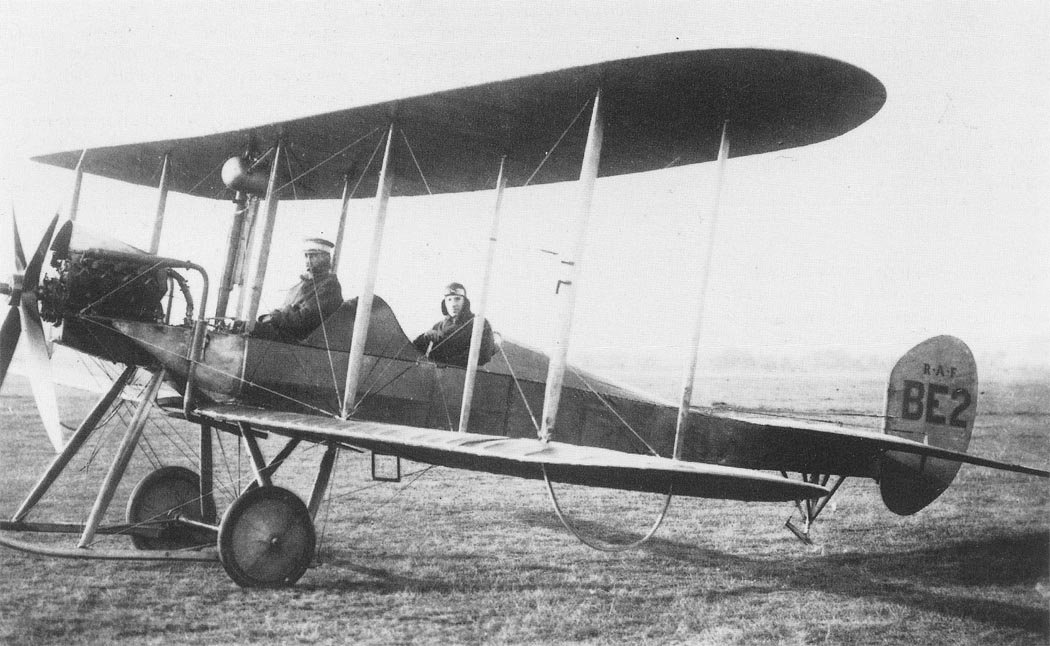
On February 1, 1912, the B.E.2 took to the air. The “2” in the name denoted a second example rather than a separate design, differing from the then-modified B.E.1 only in minor details. Its construction was also disguised as a “reconstruction” of other apparatus (a damaged Breguet was named as the “reconstructed” aircraft).
The main distinction was the use of a 60 hp air-cooled Renault engine, which allowed for the elimination of the bulky, vision-obstructing radiator. In June 1912, the same engine was installed on the B.E.1. Among other B.E.2 differences was a slightly modified landing gear structure with shortened skids. The exhaust pipes on the B.E.2 passed through the fuselage rather than outside, as on the B.E.1, to reduce aerodynamic drag; however, they were soon repositioned externally due to a significantly increased risk of fire.
The B.E.2 showed better speed and climb rate than its predecessor, and comprehensive testing began. An experimental radio transmitter was installed on the aircraft, and several not-so-successful flights were made on floats. After replacing the engine with a more powerful one (70 hp Renault), the maximum speed increased to 109 km/h. On May 17, de Havilland flew it before the King and Queen during an official inspection of the armed forces.
In the second half of August 1912, the Military Aeroplane Competition was held, in which the massive Cody ‘Cathedral’ was declared the winner. The B.E.2 did not participate in the competition but served as a “liaison” aircraft, transporting officials and the press, proving itself to be a very convenient and practical aircraft. During the competition, on August 12, de Havilland, with Major F H Sykes as a passenger, ascended to an altitude of 3170 meters, breaking the British altitude record not only for flights with a passenger but also for solo flights. The B.E.2 clearly surpassed all competitors in flight performance, including the winner. As a result, orders for the construction of this particular aircraft were placed with various manufacturers, such as Bristol and Vickers.
Service and Further Development
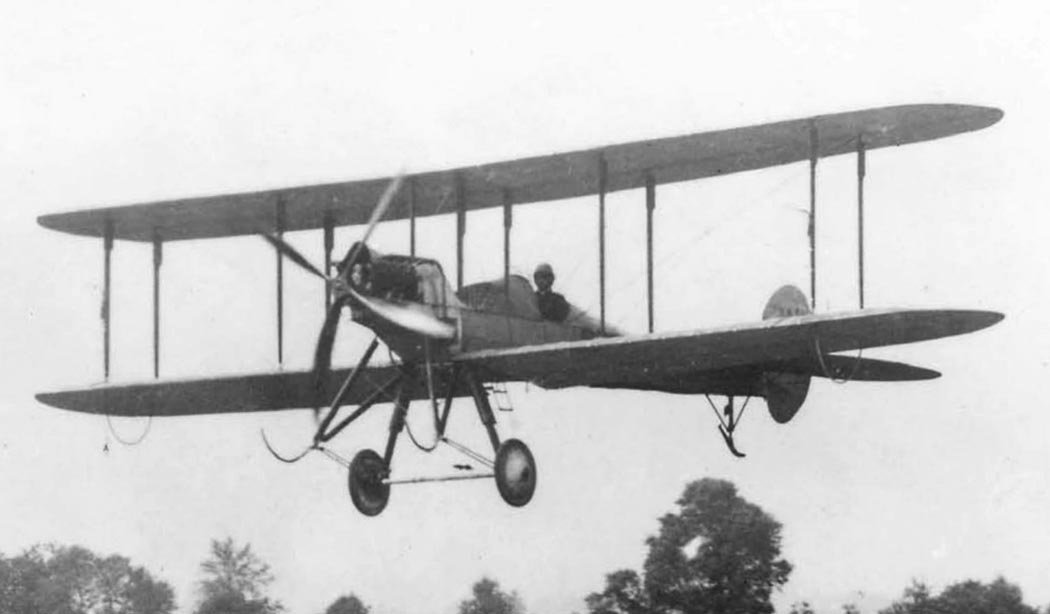
Production aircraft were designated as B.E.2a. The first aircraft differed from the B.E.2 only by the presence of a fairing between the pilot and passenger, creating two separate cockpits (though B.E.1 and B.E.2 were soon modified in the same way). Later, aircraft with wings of equal span and an improved profile began to be produced. Just under a hundred machines of this type were manufactured in total.
By the beginning of the war, the B.E.2 had become the most numerous representative of the Royal Flying Corps (RFC). Several machines served in the British Royal Naval Air Service (RNAS), and a few were sent to India and Australia. At the RAF, the aircraft were used for various research purposes. For instance, in the process of investigating aircraft stability, two small fins were installed above the upper wing of B.E.2a No. 601. B.E.2 No. 206 was equipped with inter-wing struts with increased chord in the upper part.
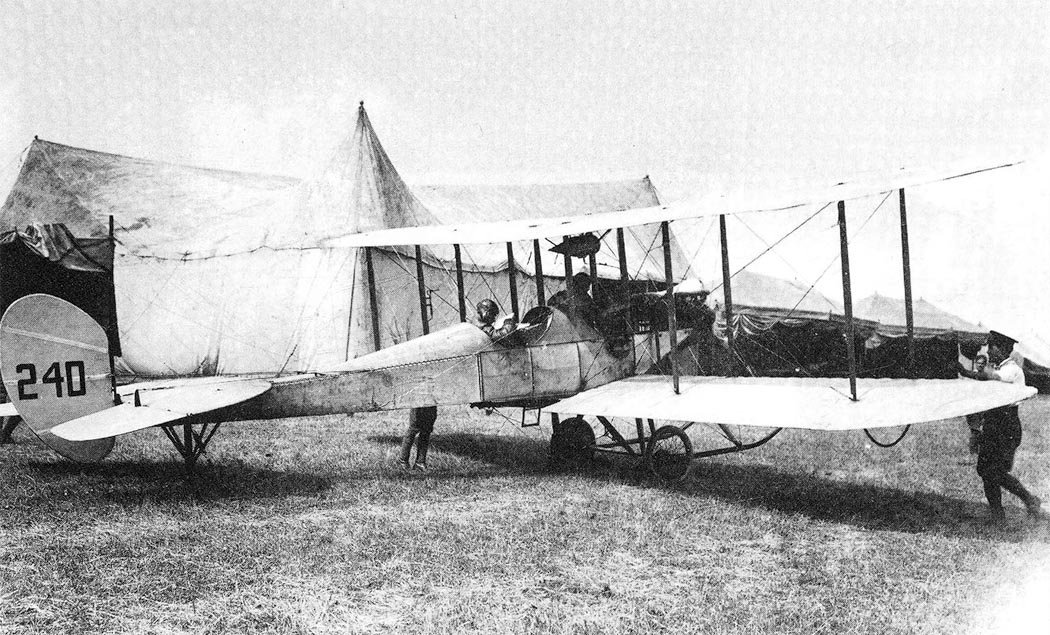
Experiments in radio communication continued on aircraft No. 240 and 336. On B.E.2a No. 218, built by Bristol, an additional fuel tank was installed in the passenger’s place, after which Longcroft received the Britannia Trophy for the longest flight in 1913 (covering about 900 km in 7 hours 20 minutes). On December 13, 1913, Captain J M Salmond climbed to an altitude of 3940 m, setting a new British flight altitude record.
The B.E.2b Variant and Wartime Service
With the outbreak of the war, two squadrons equipped with these machines were sent to France. The first British combat sortie was carried out by a B.E.2a (along with one Bleriot). However, B.E.2a aircraft were quickly superseded by more modern machines and returned to England, where they were used with great success in training units.
In early 1914, the B.E.2b variant was developed, distinguished by reduced cockpit cutouts (for better crew protection from the wind) and a slightly revised control system. This variant was also built by numerous contractors but was soon replaced by the more deeply modified B.E.2c. However, smaller manufacturers could not quickly change production, and the last B.E.2b was delivered to the RFC only in February 1917.
Although the B.E.2b was initially almost unarmed (apart from revolvers or a rifle for the observer), sometimes several small bombs were suspended from it. The first airman to be awarded the Victoria Cross was B.E.2b pilot Lieutenant W B Rhodes Moorhouse, who bombed a railway station in Courtrai. Despite numerous wounds from ground fire, he managed to bring the aircraft home, but his injuries proved fatal.
Technical Specifications
| Modification | В.Е.2а |
| Wingspan, m | 10.68 |
| Length, m | 9.00 |
| Height, m | 3.42 |
| Wing area, m2 | 33.20 |
| Empty weight | 528 |
| Normal takeoff weight | 726 |
| Engine type | 1 Piston engine Renault |
| Power, hp | 1 х 60-70 |
| Maximum speed, km/h | 112 |
| Cruising speed, km/h | 94 |
| Flight endurance, h | 3.0 |
| Rate of climb, m/min | 62 |
| Service ceiling, m | 3050 |
| Crew | 2 |
| Armament | up to 50 kg of small bombs |
Image and diagram gallery of the B.E.2A(B)
 B.E.2A(B) |
 B.E.2A(B) |
 B.E.2A(B) |
 B.E.2A(B) |
 B.E.2A(B) |
 B.E.2A(B) |
 B.E.2A(B) |
 B.E.2A(B) |
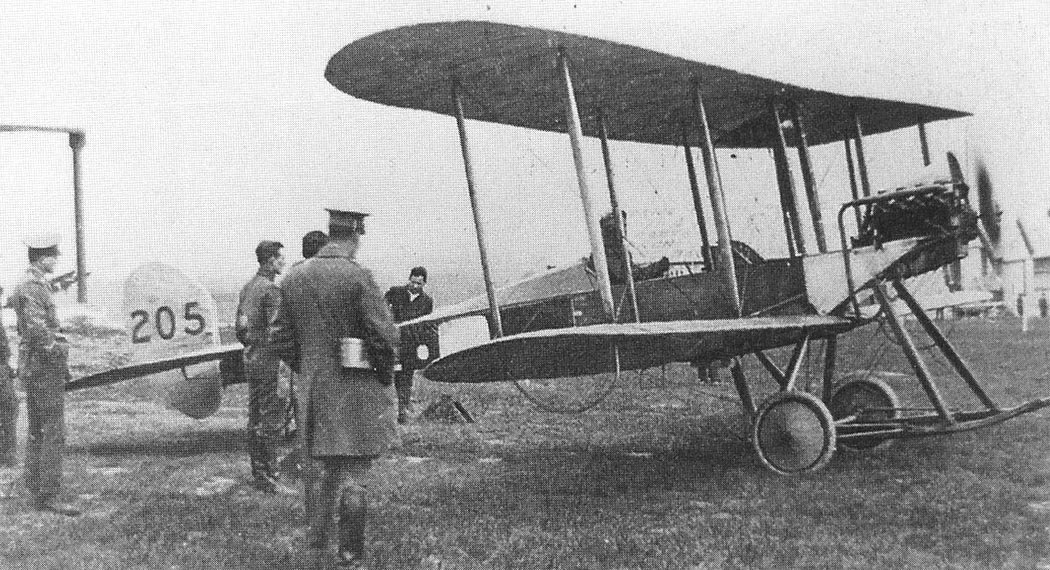 B.E.2A(B) |
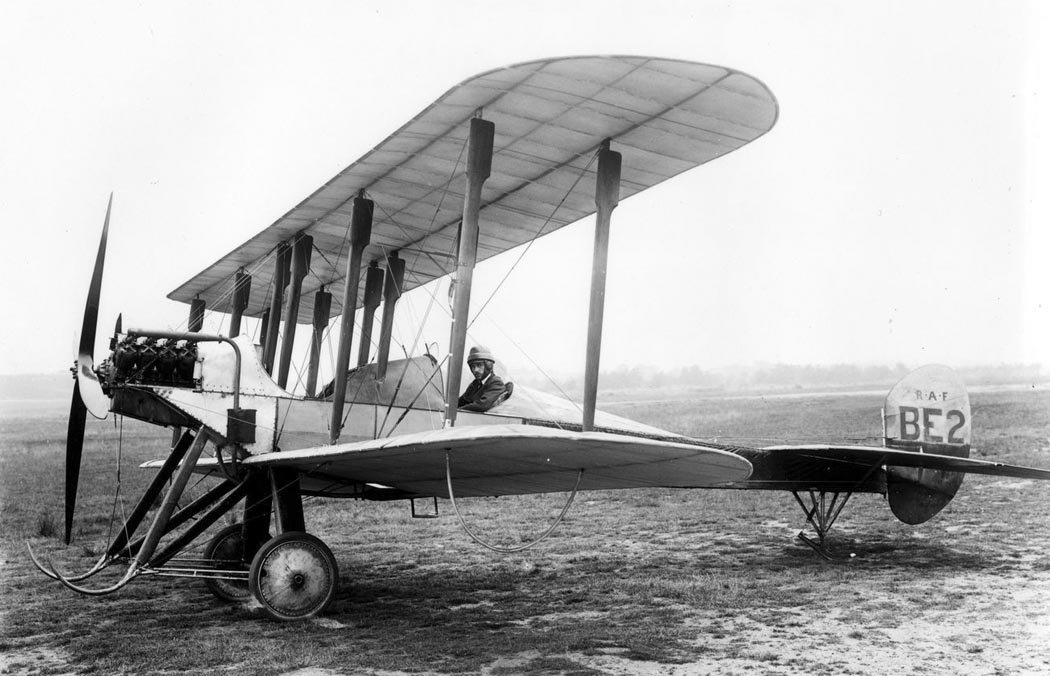 B.E.2A(B) |
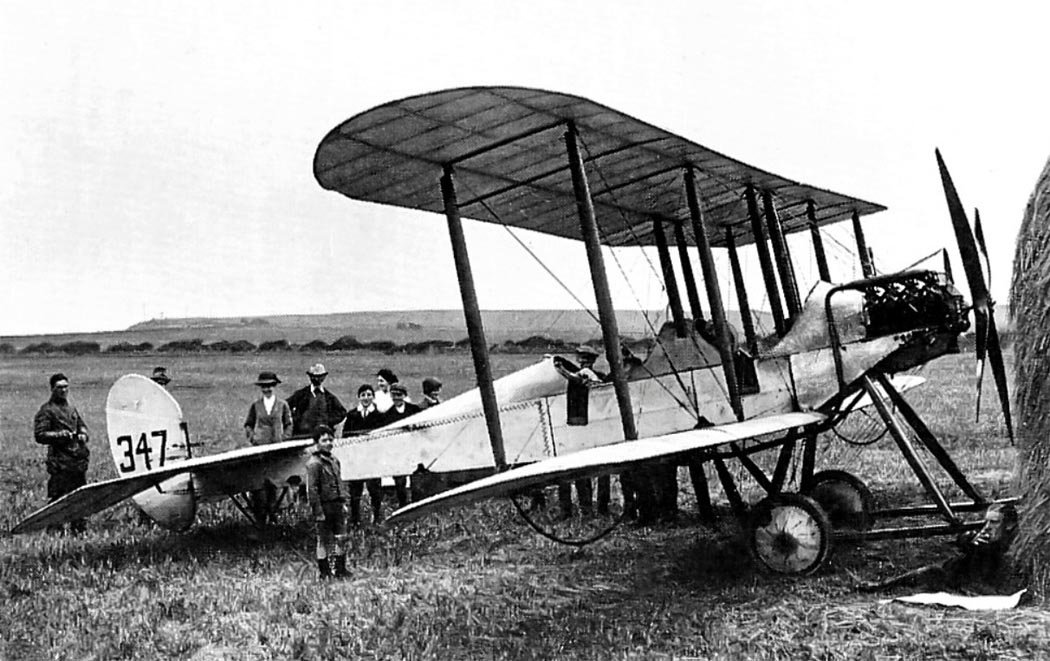 B.E.2A(B) |
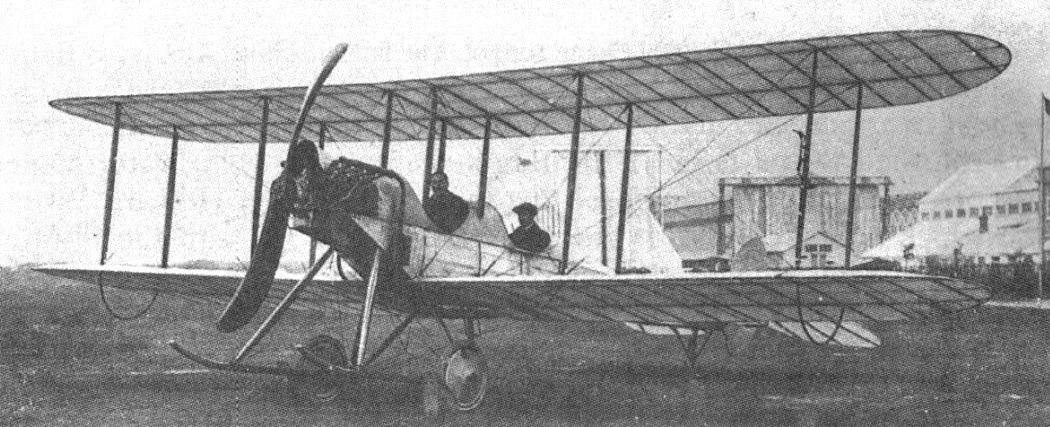 B.E.2A(B) |
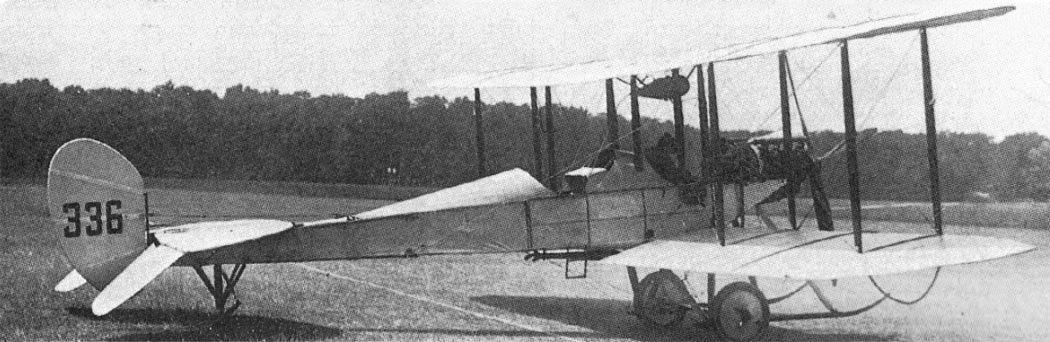 B.E.2A(B) |
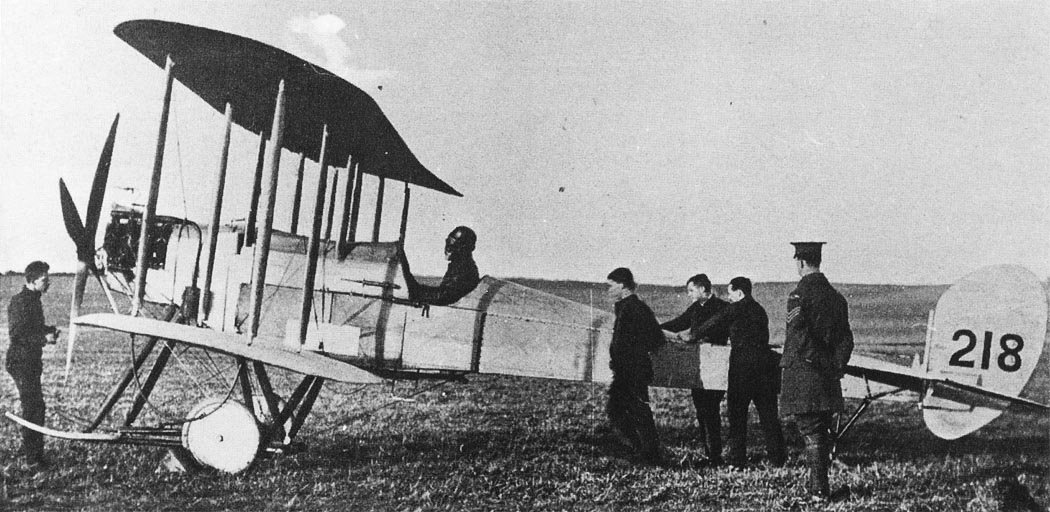 B.E.2A(B) |
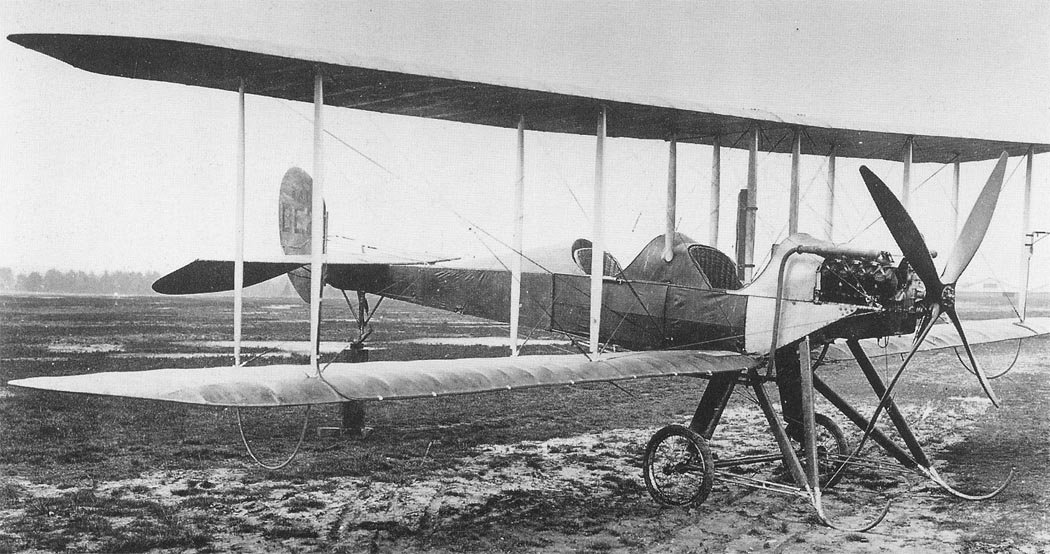 B.E.2A(B) |
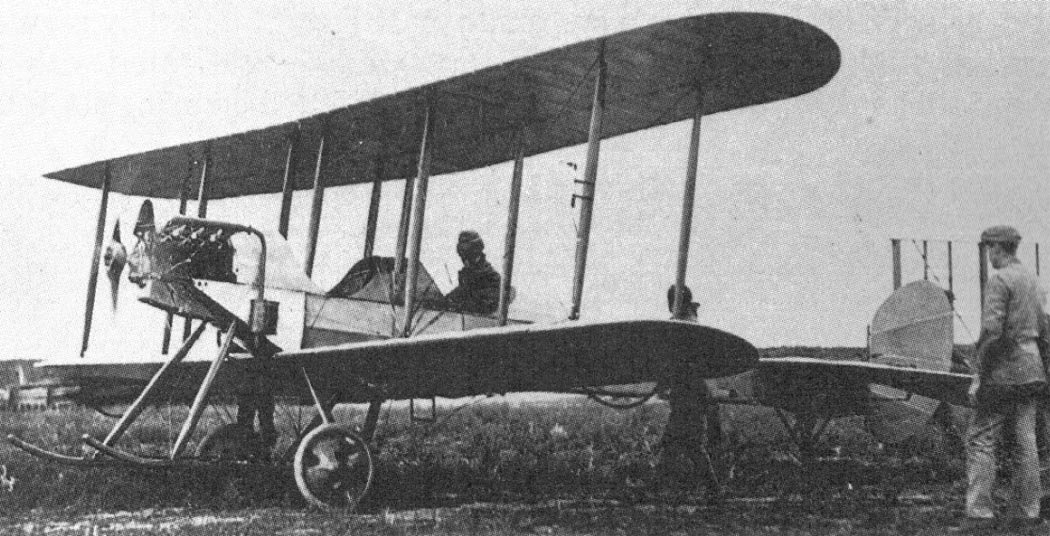 B.E.2A(B) |
 B.E.2A(B) |
 B.E.2A(B) |
 B.E.2A(B) |
 B.E.2A(B) |
 B.E.2A(B) |
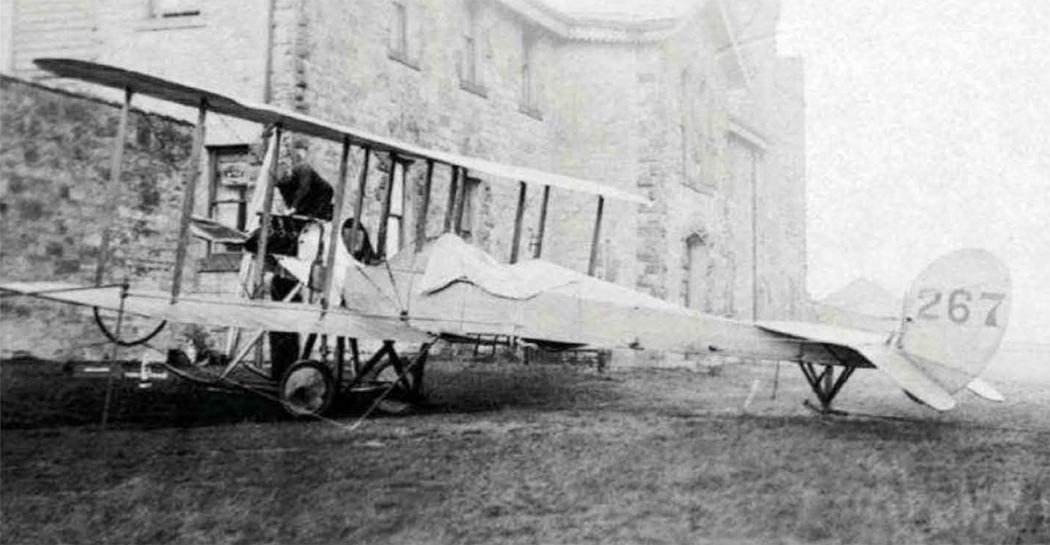 B.E.2A(B) |
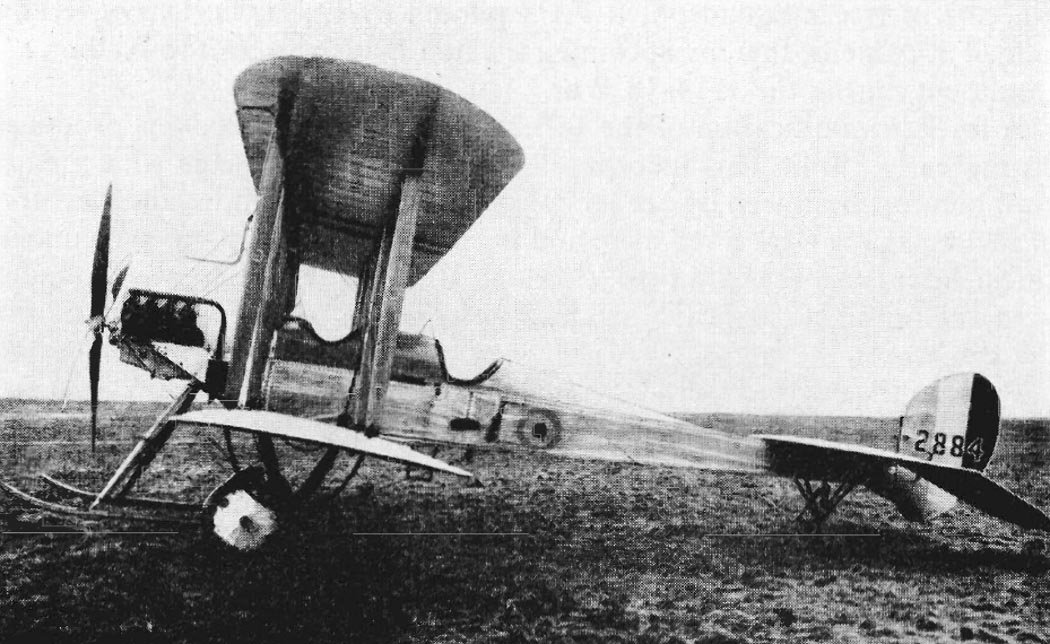 B.E.2A(B) |
 B.E.2A(B) |
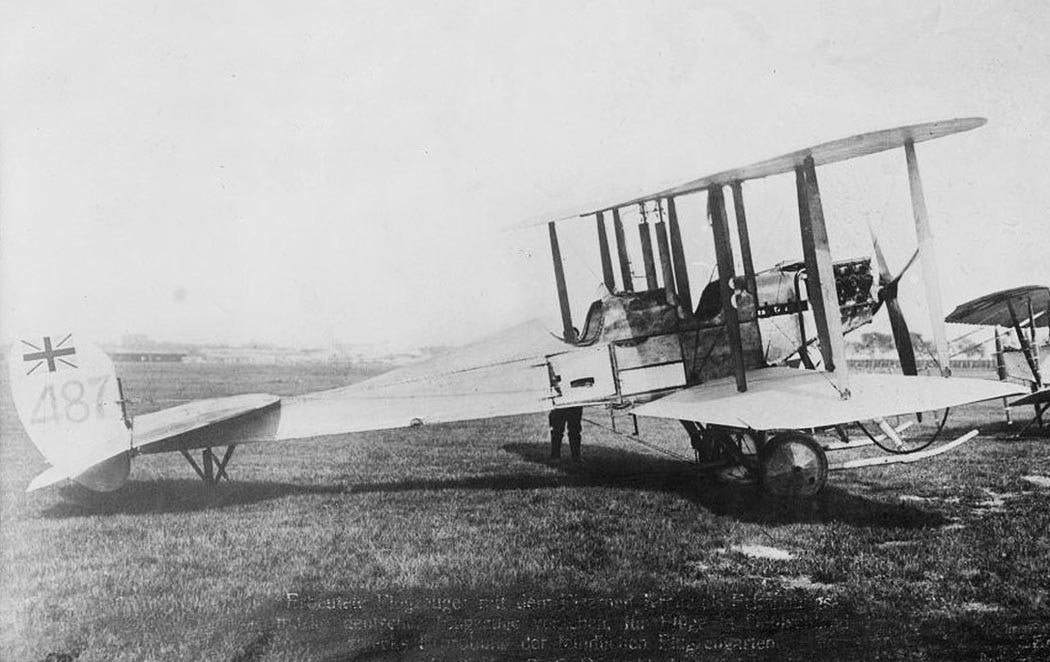 B.E.2A(B) |
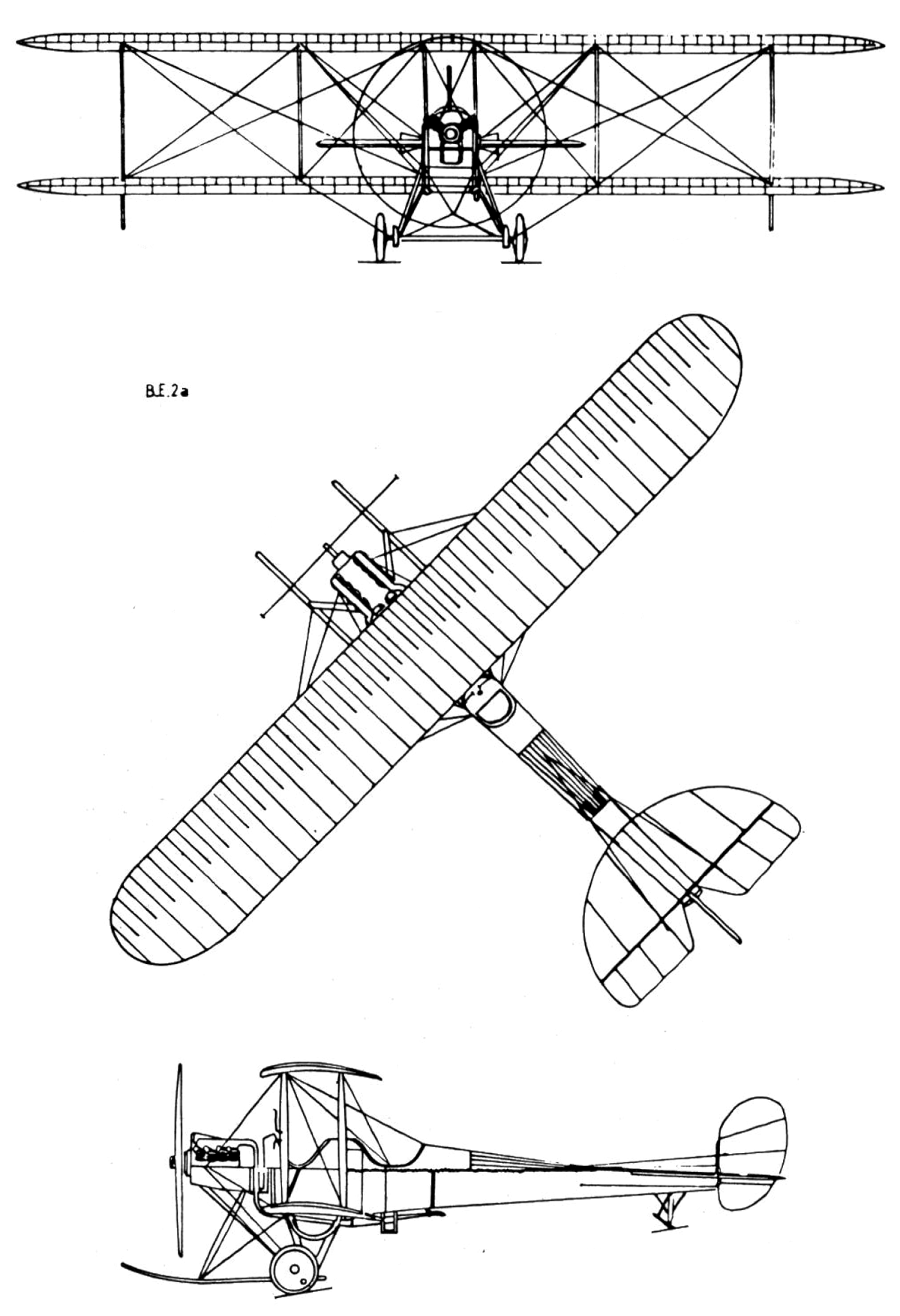 B.E.2A(B) |
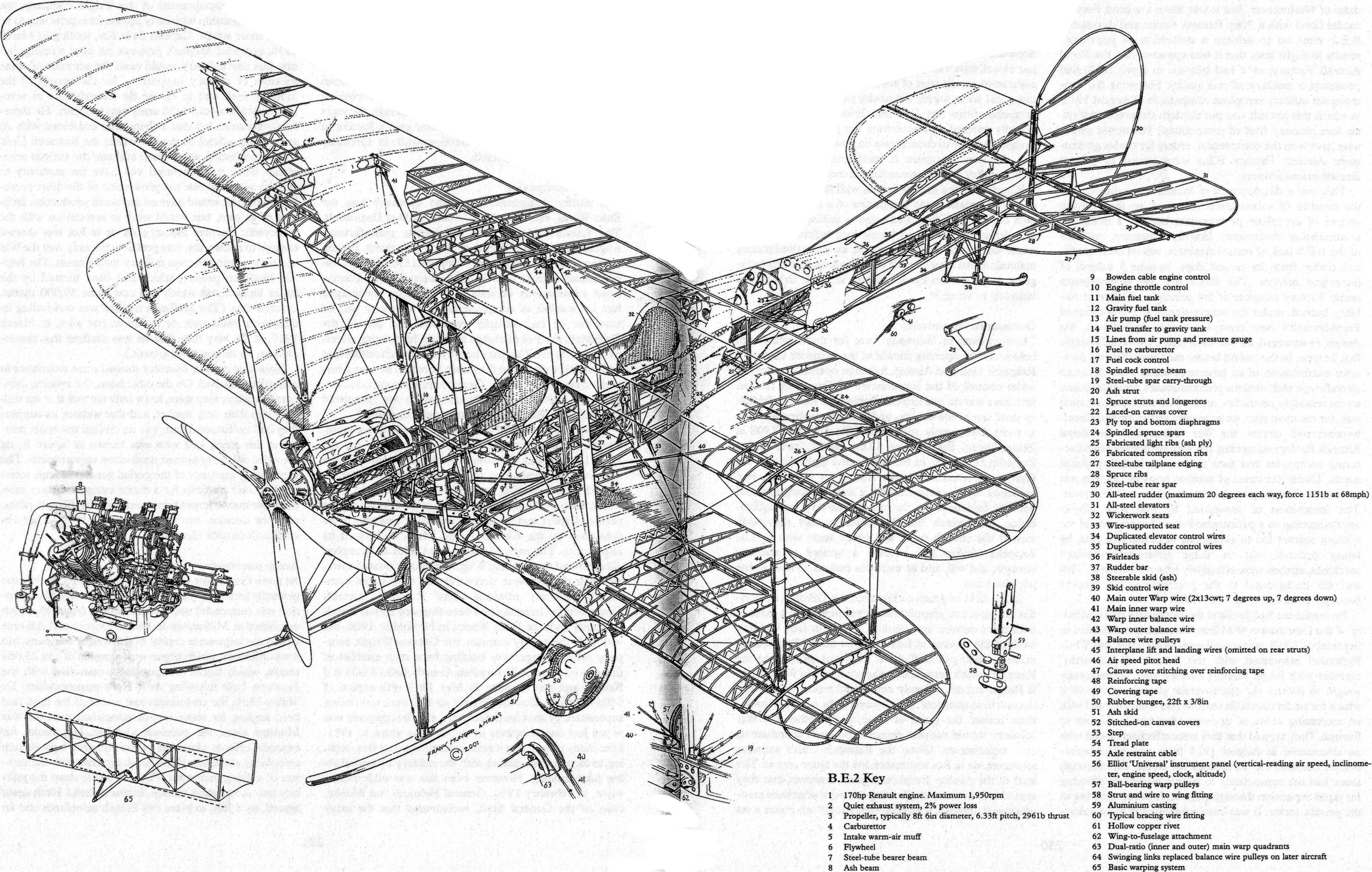 B.E.2A(B) |
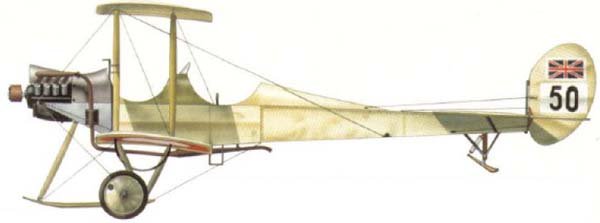 B.E.2A(B) |
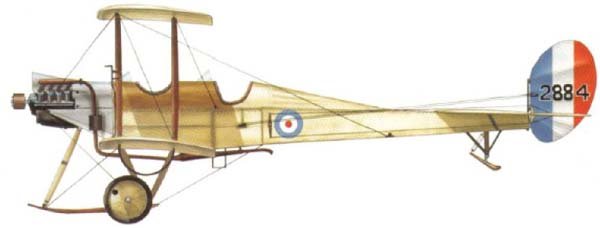 B.E.2A(B) |