
Before the offensive in the West, the range of tasks for the Bf 110 was expanded beyond what was expected of a ‘destroyer’. Combat experience necessitated several modifications. As a result, the Bf 110C-3, lacking fairings for the MG FF cannons, appeared on the assembly line, followed by the C-4, which for the first time incorporated minimal armor for the pilot and gunner.
The normal take-off weight increased by 225 kg with these changes. The weight further ‘climbed’ when converting the ‘destroyer’ into a Jabo (fighter-bomber) by installing two ETC 250 pylons for 250 kg bombs under the fuselage. This heavier take-off weight demanded a more powerful engine, leading to the aircraft receiving the DB 601N.
The DB 601N, with its higher compression ratio, new cylinder heads, and 96-octane C3 fuel, boosted take-off power to 1200 hp and emergency power at 5000 m to 1270 hp for one minute. This variant with DB 601N engines and ETC 250 pylons was designated Bf 110C-4/B. This fighter-bomber was supplied to a special unit, the 210th Experimental Group (E.Gr.210), tasked with developing acceptable Jabo tactics.
The E.Gr.210 formed its 1st and 2nd squadrons with the Bf 110C-4/B, while the 3rd squadron was equipped with Bf 109E. In July 1940, Bf 110C-4/B fighter-bombers of E.Gr.210 were successfully used against British ships in the English Channel. The group also participated in the ‘Battle of Britain,’ employing Bf 110C-4/B aircraft individually or in small groups to maximize the element of surprise.
Parallel to the fighter-bomber, a reconnaissance variant, the Bf 110C-5, was developed. It featured a single Rb 50/30 camera on the C-4 airframe, with the MG FF cannons removed. This type entered reconnaissance squadrons in early summer 1940, initially operating alongside Do 17P and Do 17Z aircraft.
The first Messerschmitt twin-engine fighter captured by the British was a Bf 110C-5 reconnaissance aircraft (No. 2177) from 4.(F)/14, which made a forced landing near Goodwood on July 21, 1940. Minor damage was repaired using parts from another Bf 110 that crash-landed ten days earlier near Wareham. The restored aircraft, later designated AX772, was first flown by the British on October 25, 1940. While the Bf 110C-5 retained DB 601A-1 engines, the Bf 110C-5/N modification received DB 601N engines.
Long-Range Operations and Early Challenges
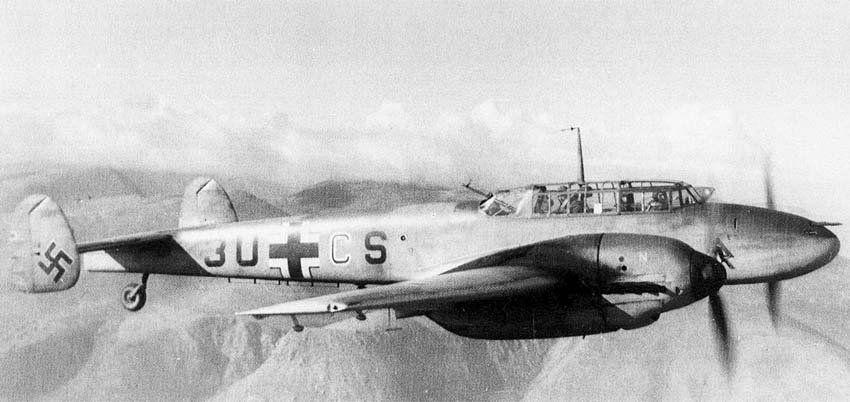
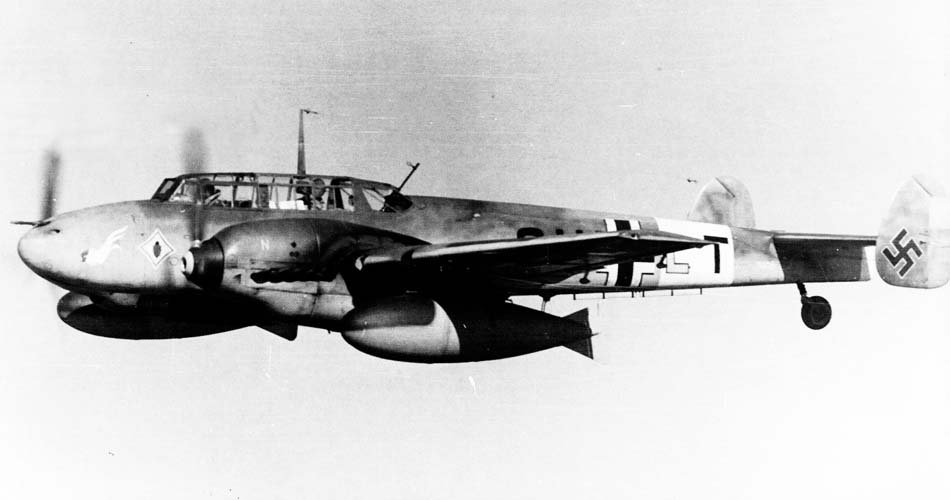
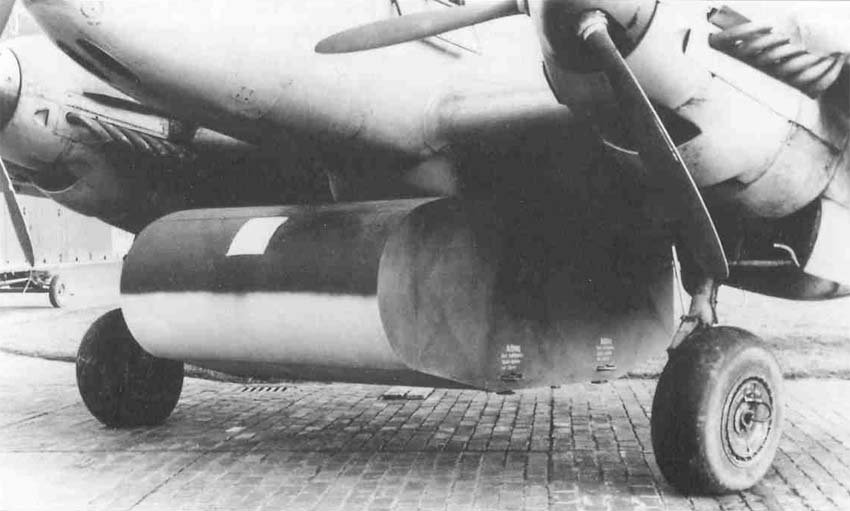
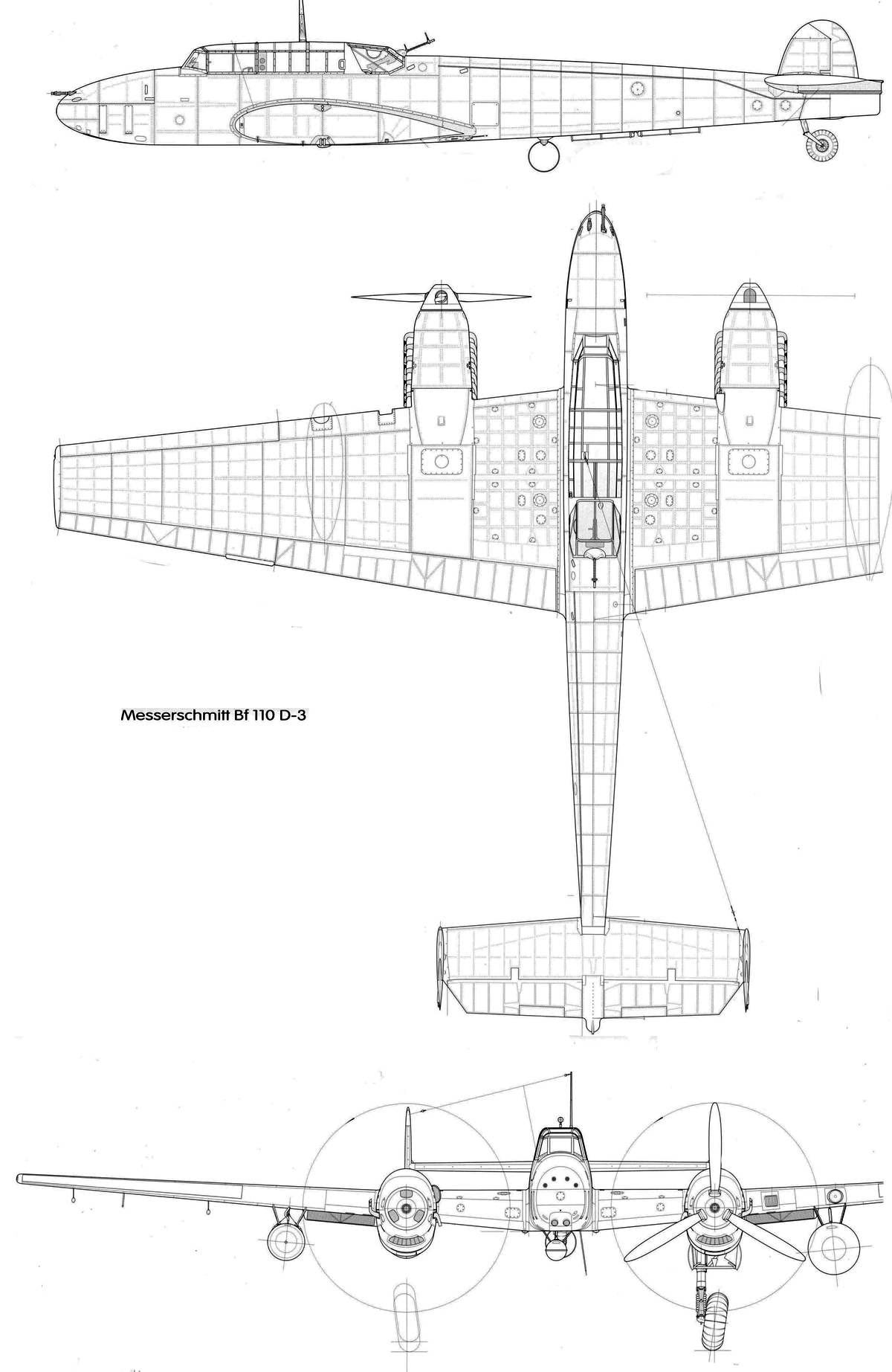
Early in the Norwegian campaign, the Bf 110’s insufficient range became apparent. As ensuring air cover for naval convo along the Norwegian coast gained critical importance, a long-range ‘destroyer’ variant was quickly developed. This version featured a special 1200-liter plywood fuel tank, mounted under the fuselage and quickly dubbed the ‘Dachshund’s belly’.
With maximum fuel, including the auxiliary tank, the fighter proved very difficult to control. Even after fuel consumption, the increased aerodynamic drag from the additional ‘blister’ under the fuselage remained. Theoretically, the tank could be jettisoned after fuel depletion or when encountering the enemy.
This long-range ‘destroyer’ was designated Bf 110D. Several Bf 110C-3s equipped with the ‘Dachshund’s belly’ were used for operational trials as Bf 110D-0. The first production model, the Bf 110D-1/R1, was manufactured in parallel with the corresponding ‘C’ models, with deliveries beginning to the I Group of the 76th Destroyer Wing.
Soon after, 2. and 3./ZG 76, flying Bf 110D-1/R1s, were deployed for long-range flights between Trondheim and Narvik. For unclear reasons, they suffered heavy losses during these missions. In low temperatures, the ‘Dachshund’s belly’ tended to ‘shrink’ after fuel depletion, and the reliability of the jettison mechanism was poor.
It was later discovered that after fuel consumption, gasoline and explosive vapors remained in the tank due to insufficient ventilation, and their explosion led to the unexplained losses. Work began on a new variant, the Bf 110D-1/R2, featuring two 900-liter drop tanks under the wings. However, before this new long-range ‘destroyer’ entered service with ZG 76, the wing was committed to the ‘Battle of Britain’.
On August 15, 1940, 21 Bf 110D-1/R1s from 2. and 3./ZG 76 took off from Aalborg airfield in Denmark to escort He 111H-4s of I and III Group KG 26 flying from Stavanger, Norway. Their targets were British airfields at Dishforth and Linton-on-Ouse. It was believed that simultaneous southern operations would stretch British fighter command, making the flank attack from the northeast meet little resistance.
However, the Germans were met with a ‘surprise’—Spitfires from 72 Squadron intercepted them before they even reached the English coast. The first victim was the commander of I/ZG 76, Captain Reschtemeyer, who couldn’t jettison his ‘Dachshund’s belly,’ and the first bullet to penetrate it caused an explosion. Other Bf 110D-1/R1s also failed to ditch their external tanks, becoming easy targets for the interceptors.
The ‘destroyers’ had no choice but to form a defensive circle. The He 111 formation was broken, with some bombers dropping their payload into the sea and returning to Norway. Survivors reached the English coast in scattered groups, where they were met by Spitfires from 79 Squadron and Hurricanes from 605 and 607 Squadrons, taking off from Dyce and Usworth.
Several He 111s turned to alternate targets but, pursued by fighters, were forced to jettison their bombs indiscriminately. By then, the Bf 110s had already turned back. Seven ‘destroyers’ were shot down, and several more barely made it back to base due to severe damage. This marked the end of the only raid from Norway, representing the entirety of the 5th Air Fleet’s participation in the Battle of Britain.
The Battle of Britain and the Shift in Doctrine
By July 20, 1940, Air Fleets 2, 3, and 5 had 278 Bf 110C and D fighters, including a small number of Bf 110C-4/B fighter-bombers in E.Gr.210. Approximately 200 of these were combat-ready. Additionally, several Bf 110C-5s were present in reconnaissance squadrons within these fleets. Virtually all forces of the ‘destroyer’ groups were deployed in the ‘Attack of the Eagles’.
Three weeks later, the ‘destroyer’ force had barely changed, with 289 Bf 110s, 224 of which were combat-ready. Besides the long-range ‘destroyer’ groups I/ZG 76 and V(Z)/LG 1 with Bf 110C-4s and D-1s, and the 1st and 2nd squadrons of E.Gr.210 with Bf 110C-4/Bs, the headquarters, I and II/ZG 2, headquarters, I, II and III/ZG 26, and II and III/ZG 76 were all engaged in the ‘Attack of the Eagles’.
According to calculations, the Bf 110, leveraging its long endurance, was intended to engage British fighters before the main bomber force arrived, thus ensuring the British would be low on fuel and ammunition. Furthermore, fighters returning to base for refueling were highly vulnerable and presented good ground targets for bombers and their escorting Bf 110s.
To the dismay of the ‘destroyer’ groups, the Bf 110’s capabilities proved insufficient for this role. While the Messerschmitt twin-engine fighter’s offensive armament delivered a deadly salvo, its lack of maneuverability and the single rifle-caliber MG 15 machine gun opposing Hurricanes and Spitfires offered too weak a defense for covering the ‘destroyer’s’ tail.
Moreover, the acceleration characteristics and speed did not allow the ‘destroyer’ to escape a numerically superior enemy. As a result, the ‘destroyer’ groups suffered heavy losses. In August alone, 120 Bf 110s were shot down—over 40% of the ‘destroyer’ groups’ strength was lost in less than three weeks since the start of the ‘Attack of the Eagles’.
It became evident that offensive air combat was not for the Bf 110. However, the insufficient range of the single-engine Bf 109 forced the continued use of the Bf 110. Despite a significant reduction in sorties and a change in tactics, the ‘destroyer’ groups lost another 83 Bf 110s by the end of September. Due to devastating losses, several groups, including I and II/ZG 2, were disbanded.
In the final weeks of the ‘Battle of Britain,’ the Bf 110 was primarily used as a reconnaissance aircraft and fighter-bomber. The failure made a particularly strong impression on Göring, who had previously lauded the ‘destroyers’ as his elite. However, the Bf 110 was by no means the complete failure it appeared to be during the summer of 1940 over Britain.
The Bf 110 as a Night Fighter
From November 1940, with the onset of winter halting active combat operations, the ‘Battle of Britain’ officially concluded. But for the Bf 110, a new career as a night fighter was just beginning. In this new role, it achieved much greater success than in the battles over England.
On the night of May 16, 1940, 99 Hampdens, Wellingtons, and Whitleys of the British Bomber Command bombed industrial centers and communications in the Ruhr area. Besides ground targets, Göring’s reputation also suffered. Days after the successful completion of the Western campaign, two Bf 110 squadrons from I/ZG 1 were transferred to Düsseldorf to develop night interception techniques.
On July 20, 1940, alongside IV/JG 2, re-equipped from Bf 109D-1 to Bf 110C, I/ZG 1 became the first group of the first night fighter wing. Stationed in Venlo, Holland, it formed the core of the night fighter division established by Colonel Kammhuber.
On the night before the official formation of the new unit, I/NJG 1 achieved its first night combat victory when a Bf 110C, piloted by Werner Streib (who would later become the Luftwaffe’s most famous night ace with 66 victories), intercepted and shot down a Whitley. Several more victories were secured in subsequent weeks, but night interception tactics were primitive—the pilot’s eyes were the only means of detection.
The only equipment for night flights consisted of flame dampeners and anti-glare shields. In September, the long-range ‘destroyer’ group I/ZG 76 was reorganized into II/NJG 1 (the group previously holding this designation with Ju 88C-2s was simultaneously renamed I/NJG 2) and received Bf 110D-1/U1s equipped with a heat seeker, the ‘Spanner-Anlage’.
The heat seeker was located in the very nose and reacted to the hot exhaust gases of an aircraft flying directly ahead. The target was displayed on a small screen, a Q-tube, installed in the cockpit. This device was quite effective but only at short distances, which is why the newly appointed General of Night Fighters, Kammhuber, relied more on the interaction of night fighters with the searchlight belt system, created in late 1939.
This searchlight belt formed a line west of Münster, along the route of British bombers. Attempts to bypass this belt from the south and north led to its extension until the entire Ruhr area was covered by separate sectors, each with its own night fighter groups. Given the tactics used by the British, the numerically limited night fighters could operate quite effectively, especially after the deployment of the ‘Himmelbett’ chain of guidance systems using ‘Würzburg’ radars.
The Bf 110 remained the primary night fighter in three NJG 1 groups and I/NJG 3, formed in October 1940. By the end of 1941, the inadequacy of these forces, as Kammhuber constantly asserted, became apparent to almost everyone. As a result, II/NJG 3 was formed in October 1941, followed by II/NJG 2 and III/NJG 3 the next month.
Meanwhile, awaiting deliveries of the Me 210, Bf 110 production was sharply curtailed by Milch’s department. While 1231 Bf 110s were delivered in 1940 (a monthly output of 102-103 aircraft), only 786 were delivered in 1941, when Bf 110 production ceased at Messerschmitt in Augsburg and Focke-Wulf. Of these, 468 were supplied by MIAG and Gotha, with 190 being reconnaissance aircraft and the remainder ‘destroyers’, fighter-bombers, and night fighters.
The last variants of the C-series were the Bf 110C-6 (‘destroyer’ used by E.Gr.210 during the ‘Battle of Britain’), armed with a 30-mm MK 101 cannon instead of two 20-mm MG FFs, and the Bf 110C-7, a fighter-bomber with DB 601N engines, two under-fuselage ETC 500 pylons, and reinforced landing gear struts. Neither of these models was produced in large series; C-series production was already concluding.
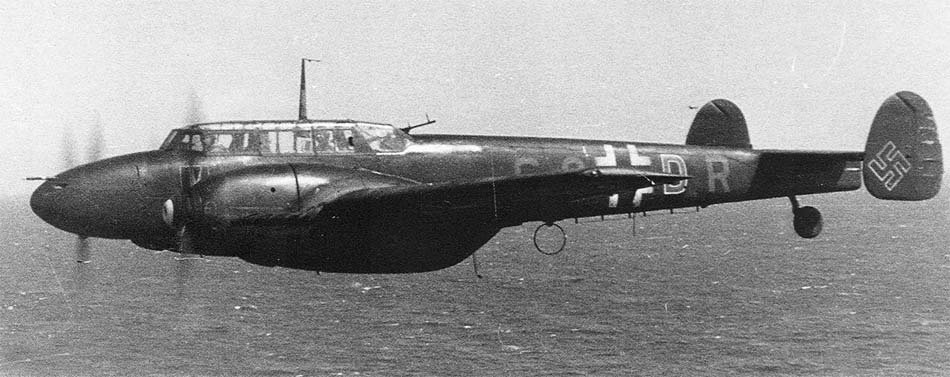
Several Bf 110C-1s, taken from ‘destroyer’ groups, were converted into glider tugs as Bf 110C-1/U1. The long-range ‘destroyer’ D-series continued with the Bf 110D-2, which could carry an overload of two 500-kg bombs and two 300-liter drop tanks. Parallel production saw the Bf 110D-3, specifically designed for escorting naval convoys, capable of carrying either 300-liter or 900-liter drop tanks under its wings.
An additional oil tank was attached under the fuselage, and a dinghy was stowed in the extended tail section. Under the fuselage, ETC 500 pylons were present. From spring 1941, Bf 110D-2 and D-3 models began replacing C-series aircraft in ‘destroyer’ groups. I/ZG 76 and two ZG 26 groups participated in the Balkan campaign, primarily using these modifications, and later extensively employed them in battles over the Mediterranean and North Africa.
Briefly in May 1941, Bf 110D-3s from 4./ZG 76 were used to support Iraqi rebels, carrying Iraqi insignia. Relatively few Bf 110s participated in Operation Barbarossa, mainly with the 210th Fast Bomber Squadron (formerly E.Gr.210) in the 2nd Air Corps and ZG 26 groups in the VIII Air Corps.
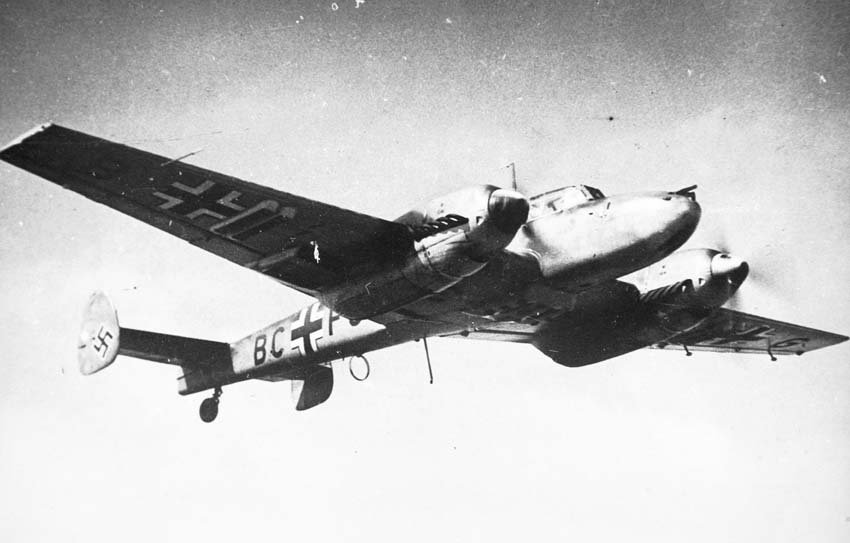
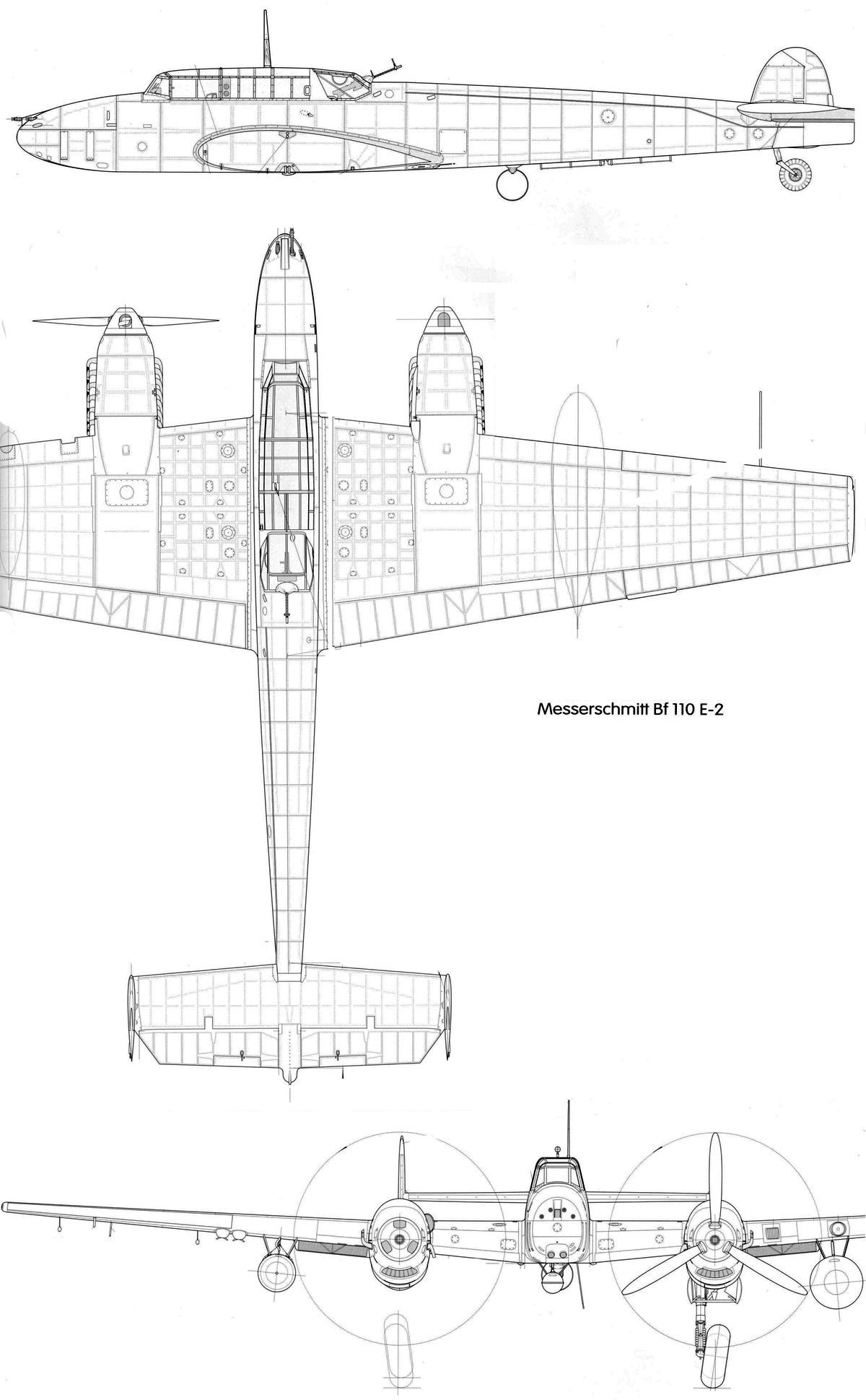
Despite the reduction in Bf 110 production, two more fighter-bomber modifications—the E and F series—were released in late spring/early summer 1941. Besides new equipment, some structural reinforcement, and improved armor protection, the Bf 110E received four underwing ETC 50 pylons, bringing its maximum bomb load to 1200 kg. Alternatively, 300-liter drop tanks could be suspended under the wings.
Pre-production Bf 110E-0s and early batches of Bf 110E-1s retained DB 601A engines, but later models received DB 601N. Variants included: Bf 110E-1/U1 (night fighter with heat seeker); Bf 110E-1/U2 (with a third crew member—a control officer); Bf 110E-1/R2 (without wing-mounted ETC 50 pylons, but with under-fuselage ETC 1000 pylons for two 1000-kg bombs). In 1942, the Bf 110E-2 fighter-bomber and the Bf 110E-3 long-range reconnaissance aircraft entered serial production.
The E-2 differed from the E-1 by installing a dinghy in the tail section, similar to the D-3, while the E-3 replaced cannons and under-fuselage pylons with a camera mounted on the cockpit floor. The Bf 110E-3 could carry either two 300-liter or two 900-liter tanks. Additionally, an attempt was made to strengthen its defensive armament by installing two rear-firing 7.9-mm MG 17 machine guns along the fuselage tanks.
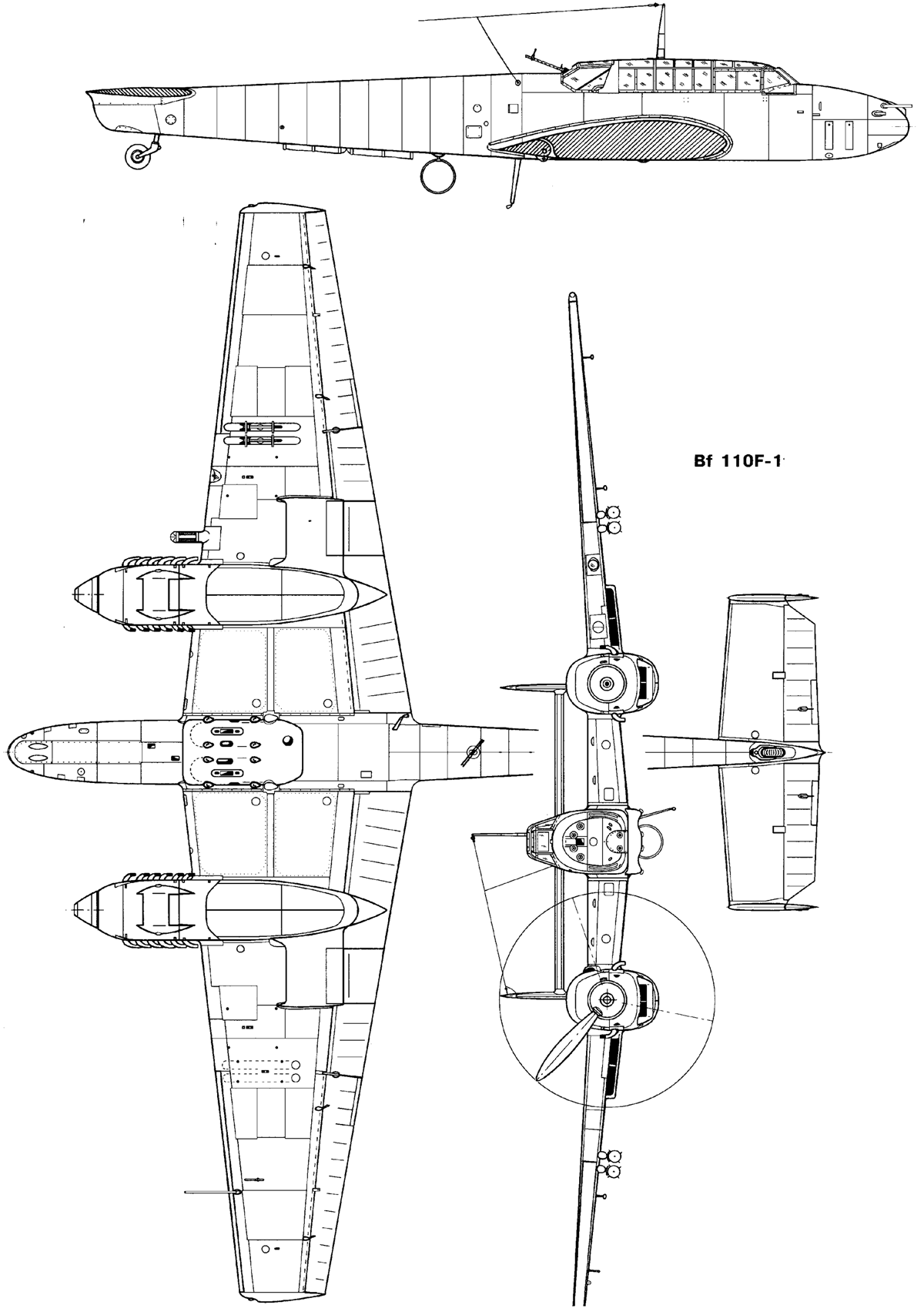
The Bf 110F differed only slightly from the Bf 110E and was produced concurrently. The main difference was the installation of DB 601F engines, developing 1350 hp at take-off. The constant increase in the aircraft’s combat weight without a significant increase in engine power had led to a deterioration in the Bf 110’s flight characteristics and handling. The new engine, for the first time since the Bf 110C-1, allowed for improved tactical and technical performance.
Although the primary variants were fighter-bomber and reconnaissance, ‘destroyer’ and night fighter modifications were also planned from the outset. The pre-production Bf 110F-0 differed from the Bf 110E-1 only by its engines and enlarged oil radiators. Production Bf 110F-1s received a standard 57-mm armored windscreen, later also fitted to D and E series.
Additionally, 35-mm armored glass was used on the side panels of the canopy, a 12-mm armor plate was installed in front of the pilot, and an 8-mm plate behind the pilot. A similar armor plate was behind the gunner, and a 57-mm armored glass above him. Under the fuselage, ETC 500 pylons could carry SC 250 high-explosive bombs, SD 250 fragmentation bombs, SC 500 high-explosive bombs, or the AB 500 bomb container, which opened at a set altitude upon release.
Wing-mounted ETC 50 pylons could carry 50-kg SC 50 or SD 50 bombs, or the AB 24 container for 24 2-kg SD 2 bombs, which opened automatically upon release. The Bf 110F-2 was a ‘destroyer’ without ETC pylons, and the Bf 110F-3 was a reconnaissance aircraft similar to the E-3. Only the F-3 variant saw large-scale production, and according to Milch’s decisions, MIAG ceased Bf 110 production in October 1941, followed by Gotha two months later.
However, the Me 210, intended to replace the Bf 110, proved unsuccessful, and redesigning the project required time. As a result, production of the aging Bf 110 had to be resumed. Deliveries from MIAG and Gotha restarted in February 1942. Simultaneously, Messerschmitt designers began improving the aircraft.
Meanwhile, the USA entered World War II, and British bomber raids intensified. Several armament variants were developed for use with the Bf 109F-2. Concurrently, the Bf 110F-2 was created for night fighter groups. Among the new weapons tested with the Bf 110F-2 at Tarnewitz were Wfr.Gr.21 rockets, used from 1943 on so-called ‘formation disruptors’.
Two Wfr.Gr.21 launchers were attached under each wing. On the F-2 prototype, Bf 110 V19 (No. 2656), RZ 65 rockets, primarily intended for ground targets, were tested. A battery of 12 rocket launchers was mounted under the fuselage. The Bf 110 V19 arrived for firing tests at Tarnewitz on October 5, 1942. There were plans to install three more launchers on each side of the cockpit, but poor test results led to the rejection of the entire project.
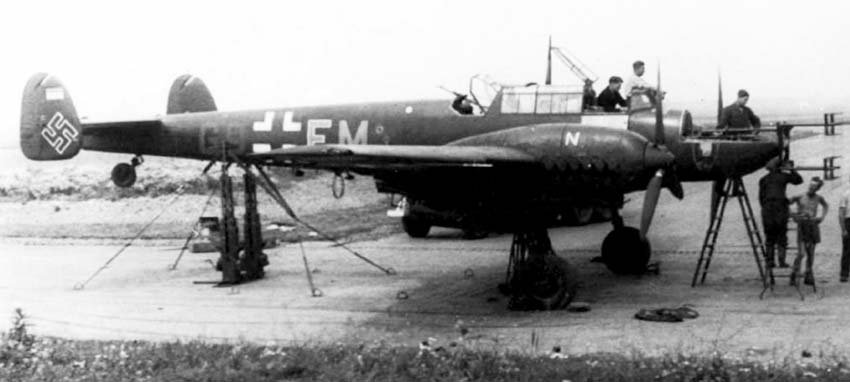
The Bf 110F-4 night fighter received a pair of 30-mm MK 108 cannons in an under-fuselage fairing. To improve single-engine flight control, the fin endplates were moved, and the rudder area was increased. The crew consisted of three members. The suspension of additional 300-liter tanks became standard. From summer 1943, on some Bf 110F-4s, the under-fuselage 30-mm MK 108 cannons were moved to a ‘Schräge Musik’ installation, and the defensive MG 15 machine gun was removed.
This variant was designated Bf 110F-4/U1. The MK 108 cannons were mounted at an angle on a bulkhead behind the cockpit. The barrels passed through the cockpit roof at a 15-degree angle from vertical. ‘Schräge Musik’ was used by the pilot with a ‘Revi’ C/12D sight, installed on the windscreen at a specific angle.
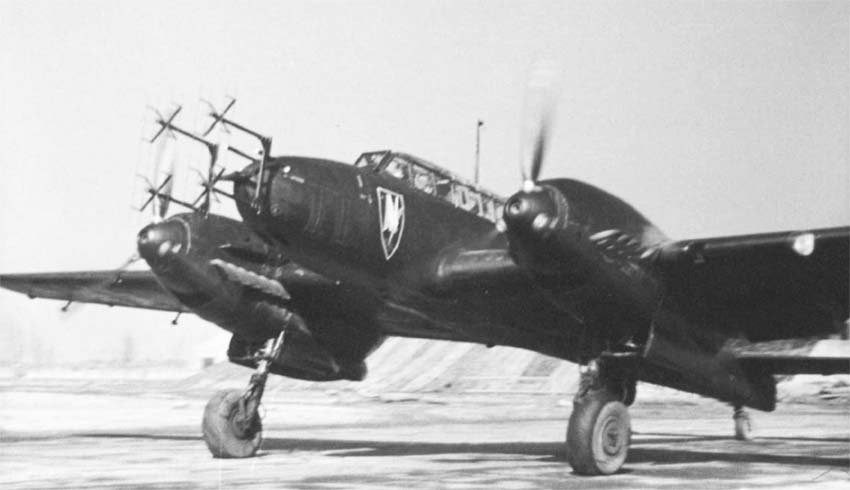
From summer 1942, the FuG 202 ‘Lichtenstein-BC’ radar began to be installed on the Bf 110F-4. Its operational trials, dubbed ‘Operation Adler,’ were successfully conducted on a Bf 110E-1/U1 from I/NJG 1 in Venlo. FuG 202 radars were installed on night fighters as quickly as Telefunken could produce the new technology.
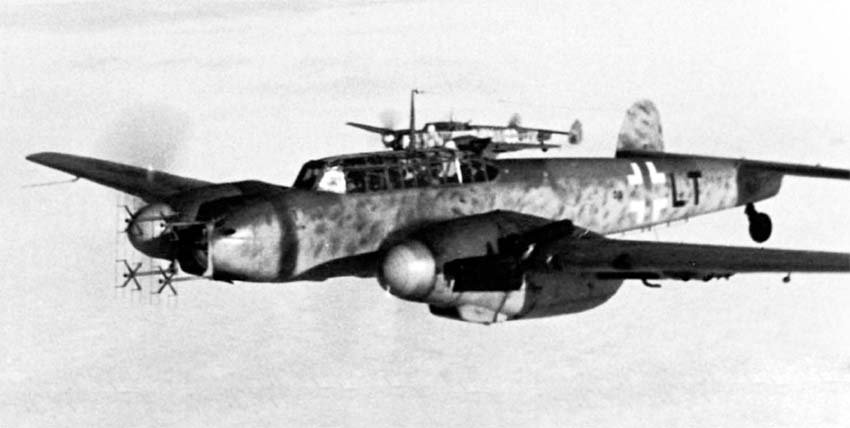
With the radar installation, the fighter was designated Bf 110F-4a. The four forward-firing MG 17 machine guns were retained, as was the rear-firing MG 15, but the MG FF cannons were replaced by MG 151s of the same caliber. Ammunition for the new cannons, like the MG FF, was located in the cockpit—300 rounds for the left cannon and 350 for the right. The suspension of two 300-liter tanks was standard. Four radar antennas, known as the ‘mattress,’ were installed in the nose.
The normal take-off weight of the Bf 110F-4 increased to 9300 kg, which, along with the antenna installation, significantly reduced flight performance—maximum speed at 5600 m was 507 km/h, and range was 835 km. Production of the Bf 110F-4a continued throughout 1943 until the MIAG and Gotha assembly lines switched to producing the G series with DB 605 engines.
Technical Specifications
| Modification | Bf 110f-2 |
| Wingspan, m | 16.20 |
| Length, m | 12.10 |
| Height, m | 4.10 |
| Wing area, m2 | 38.40 |
| Empty weight | 5600 |
| Takeoff | 7200 |
| Engine type | 2 Piston engines Daimler-Benz DB 601F |
| Power, hp | 2 x 1350 |
| At sea level | 445 |
| At altitude | 500 |
| Practical range, km | 1200 |
| Maximum rate of climb, m/min | 652 |
| Practical ceiling, m | 10900 |
| Crew, crew members | 2 |
| Armament: | two 20-mm MG FF cannons with 180 rounds per gun and four 7.9-mm MG 17 machine guns with 1000 rounds per gun and one 7.9-mm MG 15 machine gun with 750 rounds in the rear cockpit. |
Image and diagram gallery of the Messerschmitt Bf 110: Development and Variants
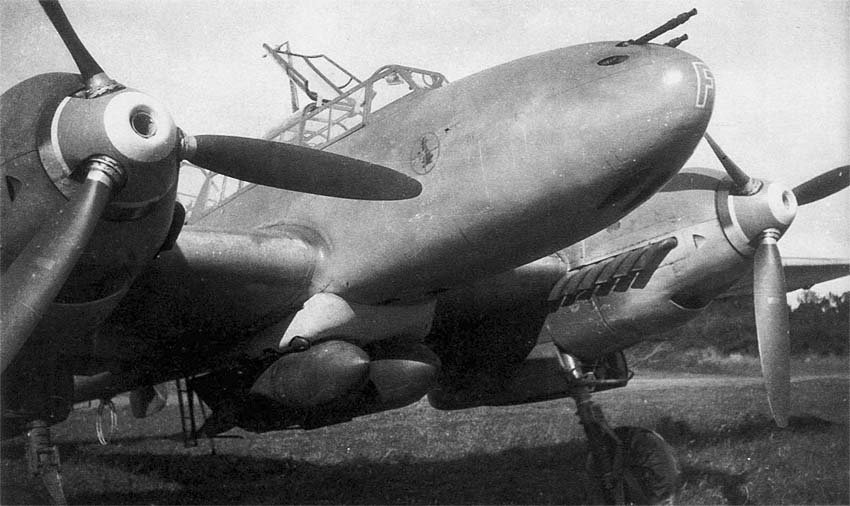 Bf.110D(E,F) |
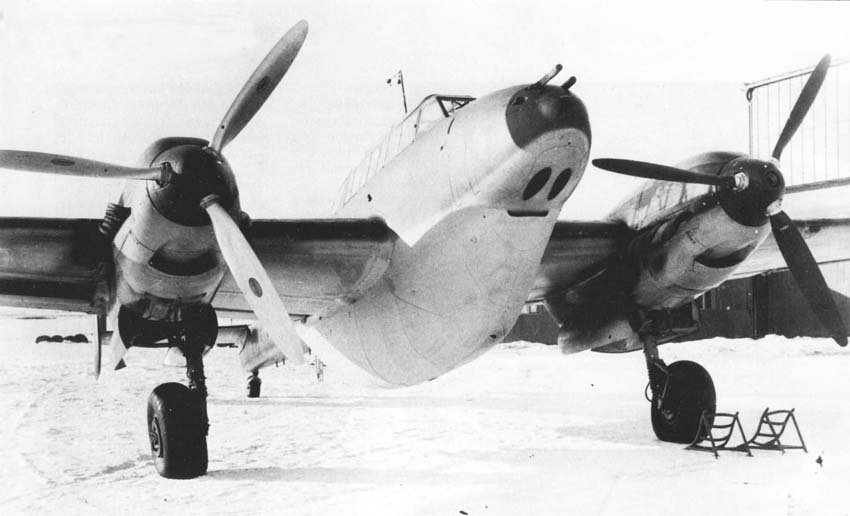 Bf.110D(E,F) |
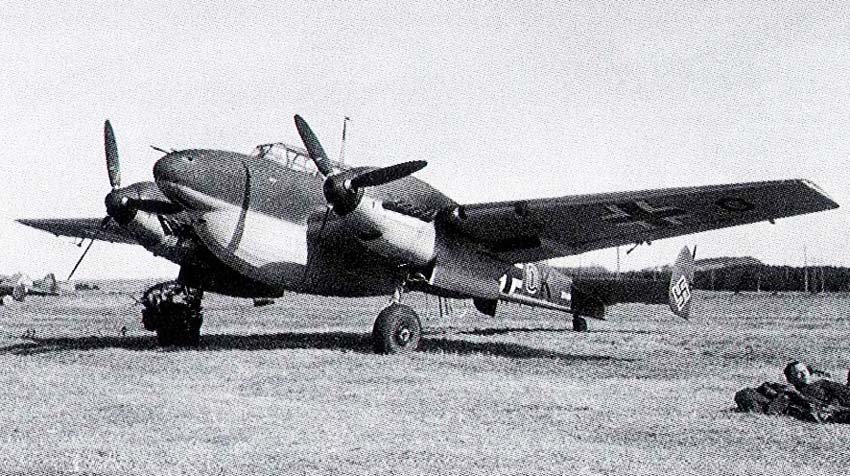 Bf.110D(E,F) |
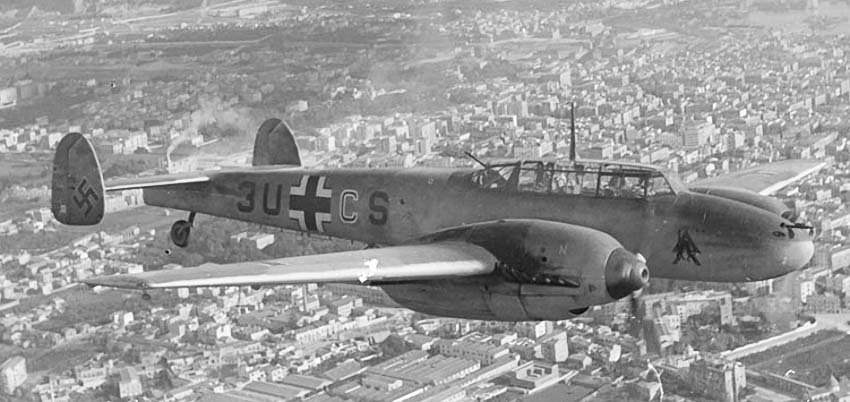 Bf.110D(E,F) |
 Bf.110D(E,F) |
 Bf.110D(E,F) |
 Bf.110D(E,F) |
 Bf.110D(E,F) |
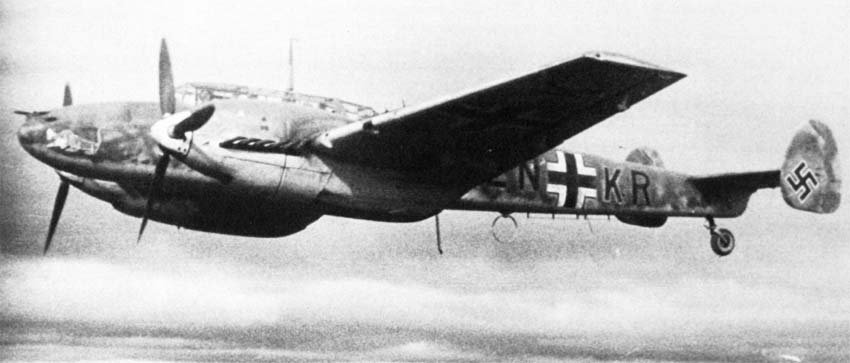 Bf.110D(E,F) |
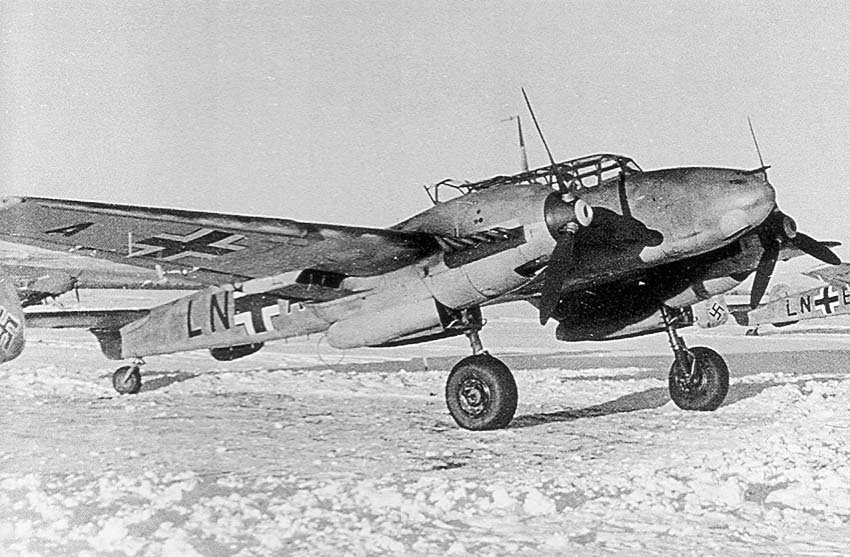 Bf.110D(E,F) |
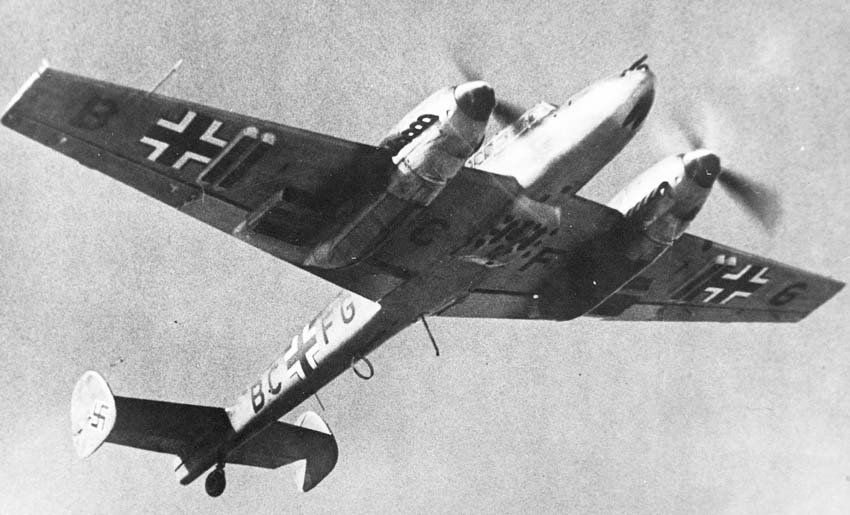 Bf.110D(E,F) |
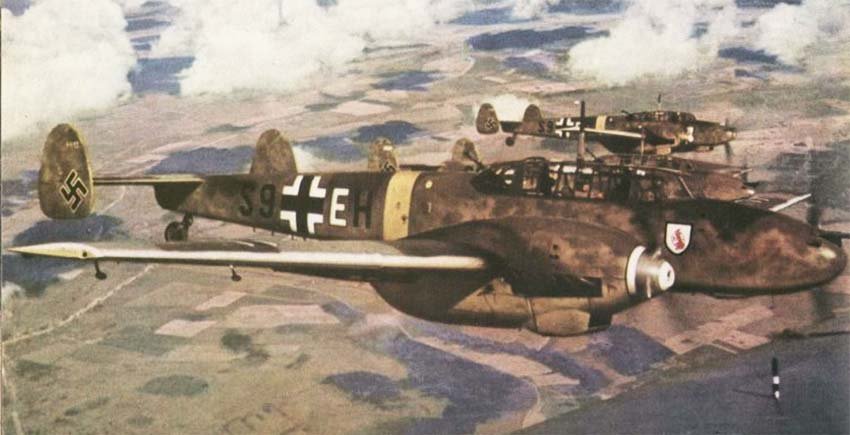 Bf.110D(E,F) |
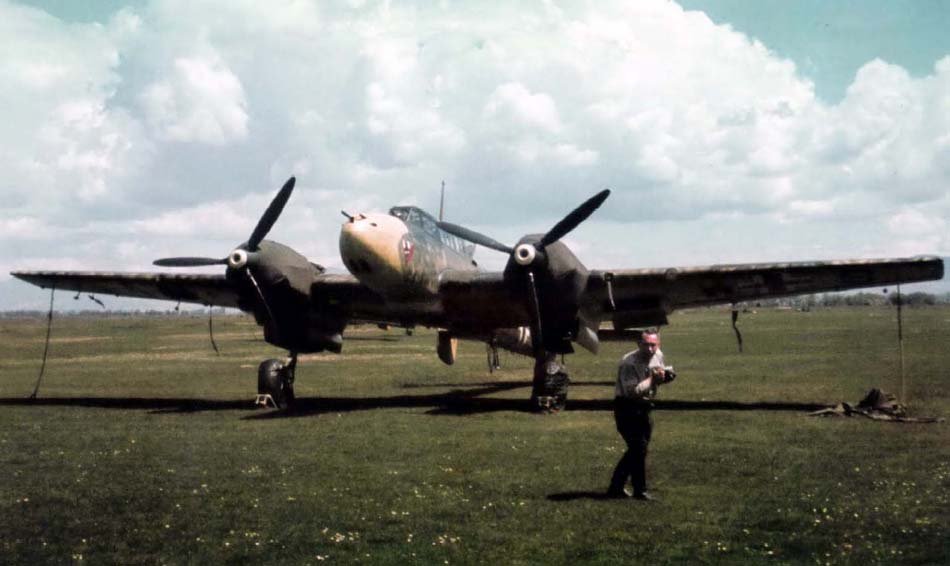 Bf.110D(E,F) |
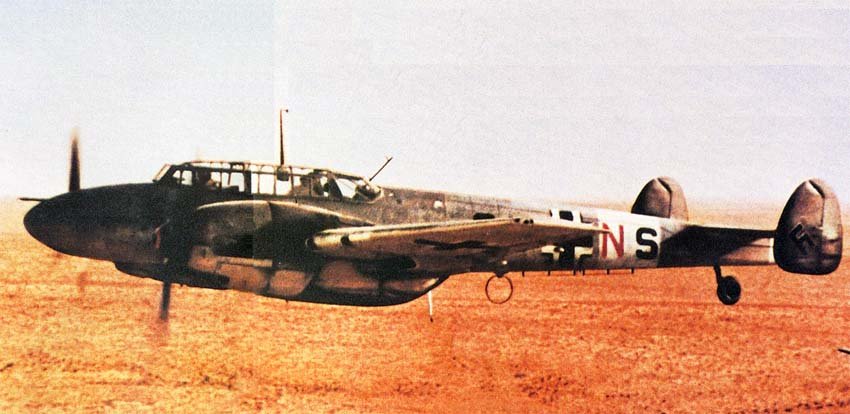 Bf.110D(E,F) |
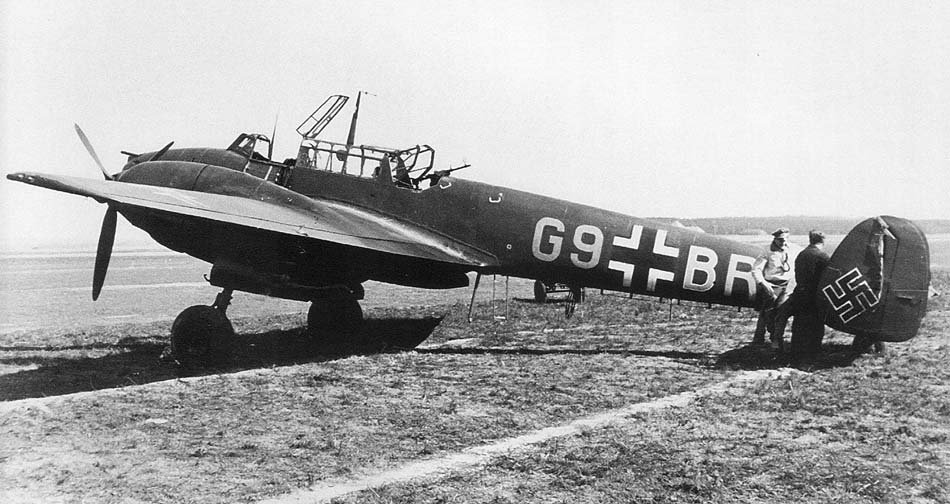 Bf.110D(E,F) |
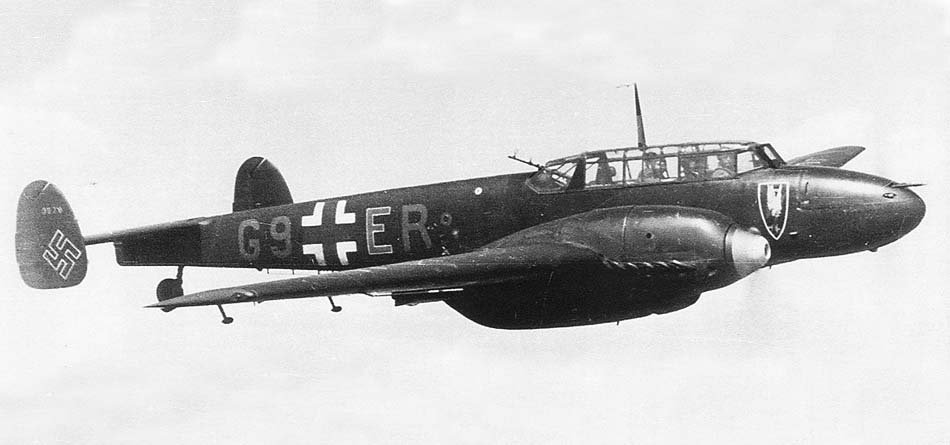 Bf.110D(E,F) |
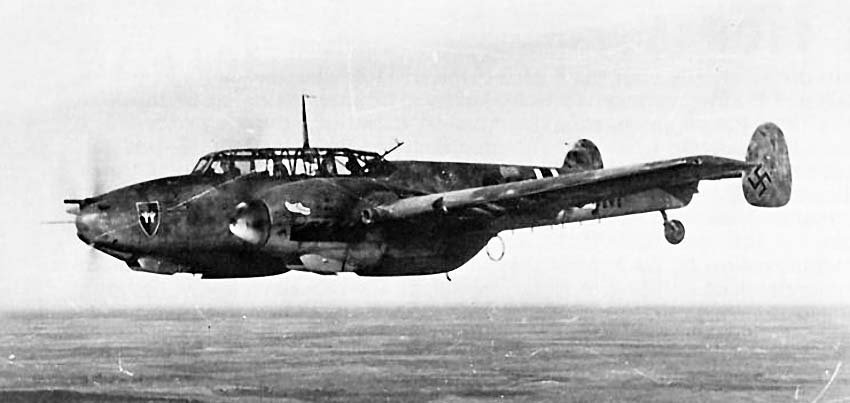 Bf.110D(E,F) |
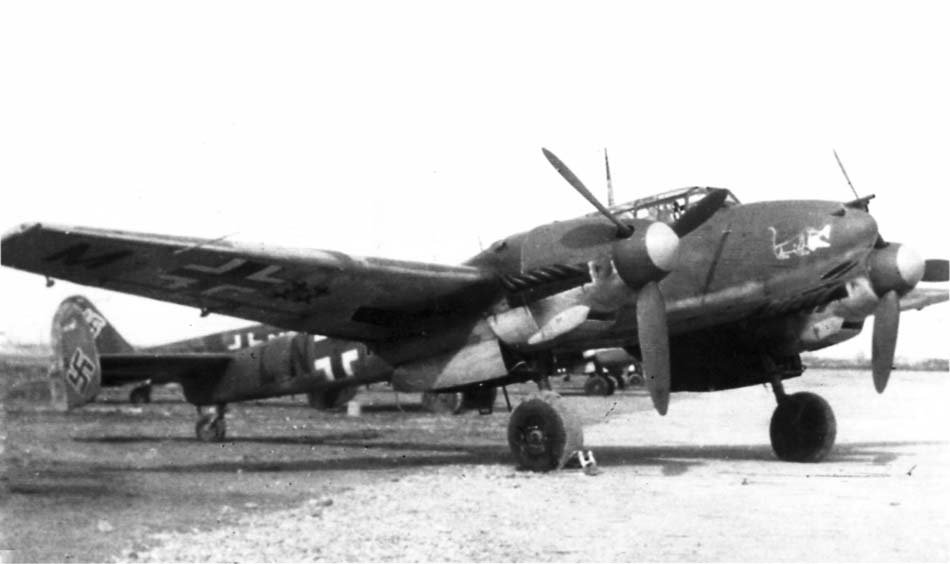 Bf.110D(E,F) |
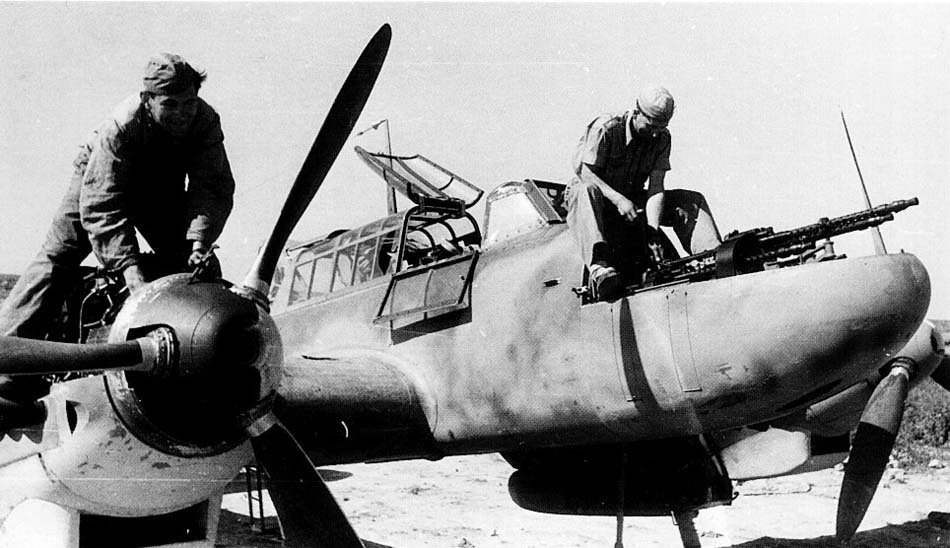 Bf.110D(E,F) |
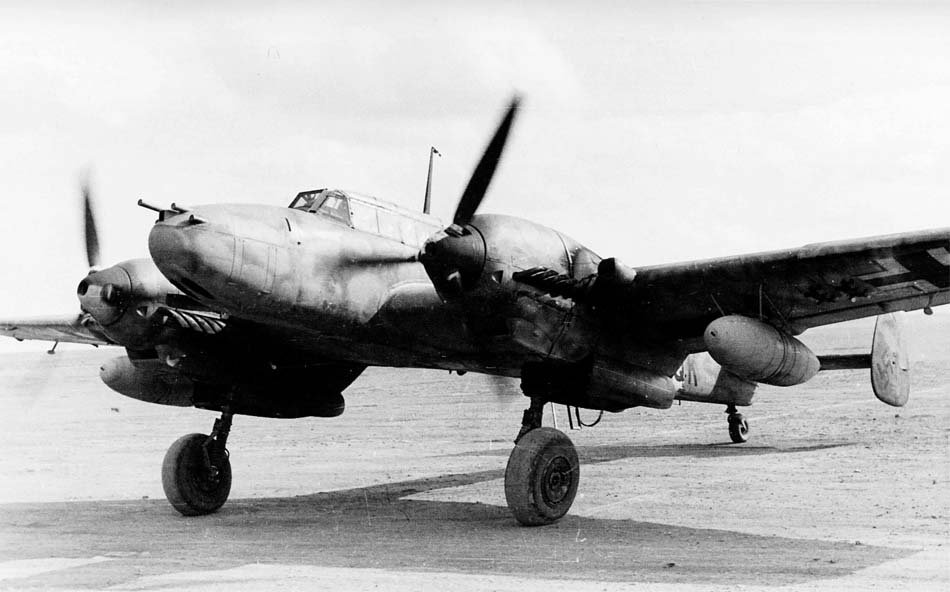 Bf.110D(E,F) |
 Bf.110D(E,F) |
 Bf.110D(E,F) |
 Bf.110D(E,F) |
 Bf.110D(E,F) |
 Bf.110D(E,F) |
 Bf.110D(E,F) |
 Bf.110D(E,F) |
 Bf.110D(E,F) |
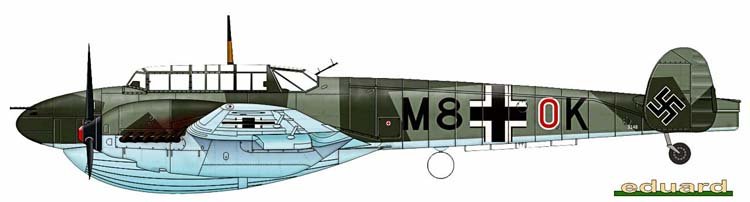 Bf.110D(E,F) |
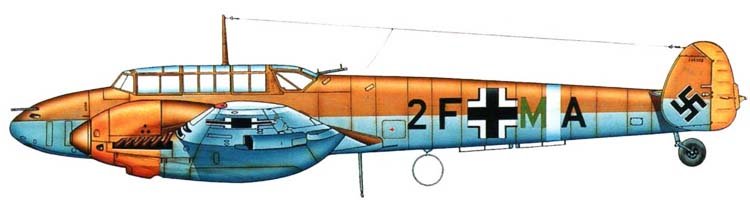 Bf.110D(E,F) |
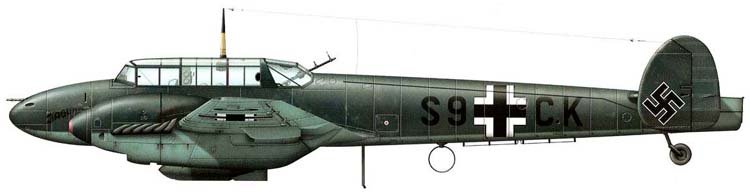 Bf.110D(E,F) |
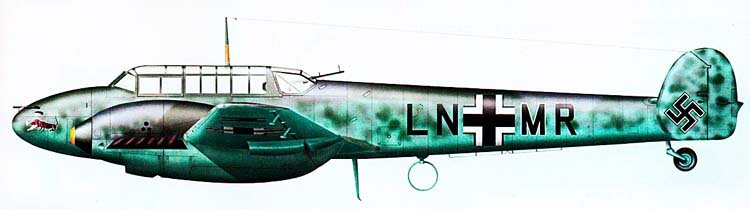 Bf.110D(E,F) |
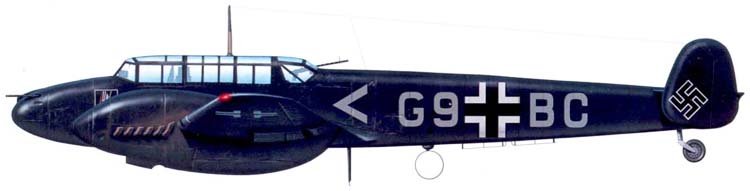 Bf.110D(E,F) |
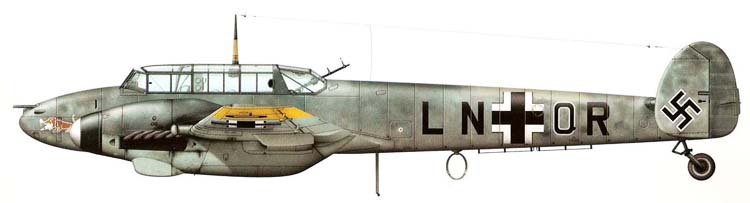 Bf.110D(E,F) |
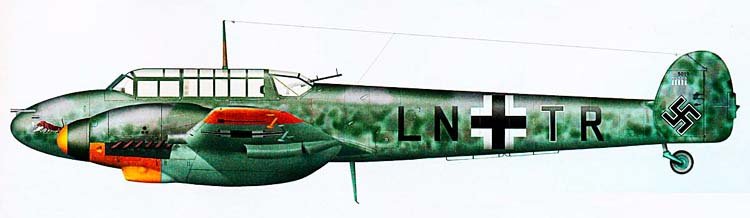 Bf.110D(E,F) |