
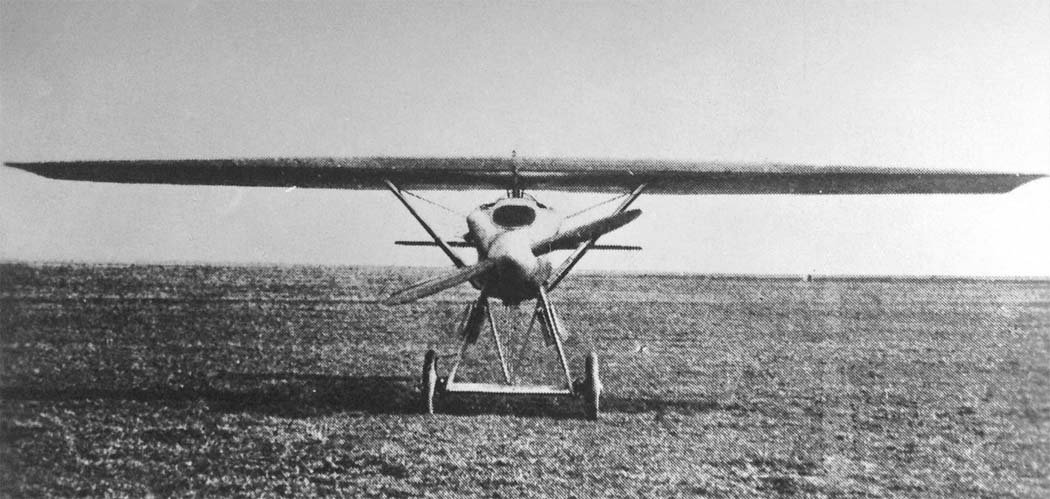
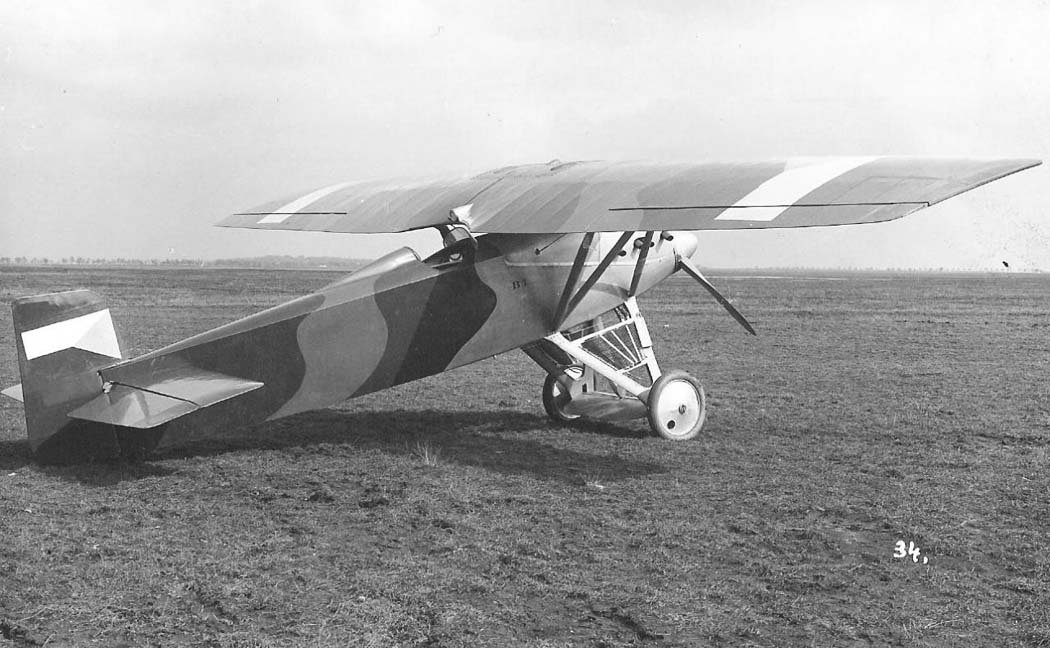
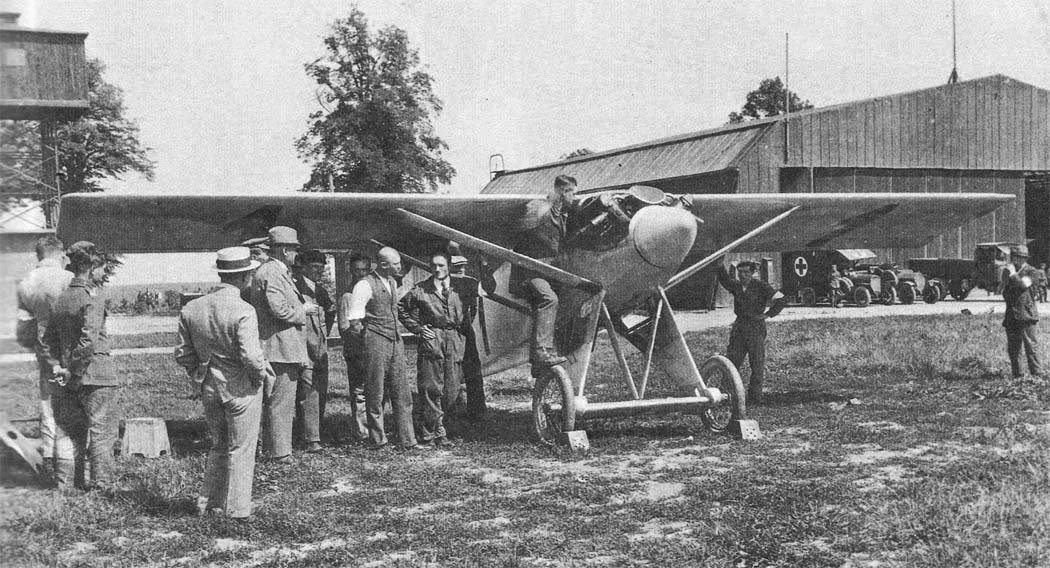
The BH-7 was a fighter aircraft developed by the Czechoslovakian firm Avia. It was designed by Pavel Beneš and Miroslav Hain, building upon the BH-6 fighter. Unlike its predecessor, the BH-7 featured a “parasol” wing and a more powerful Hispano-Suiza 8Fb engine.
The Avia BH-7A: A Monoplane Competitor
The single-seat BH-7A monoplane fighter took to the skies in spring 1923, effectively competing with the BH-6 biplane prototype. It utilized the basic powerplant and fuselage of its predecessor, combined with a distinctive parasol wing. The BH-7A’s main landing gear position and paired biplane radiators were largely similar to those of the BH-6.
This similarity to the BH-6 also impacted its flight test program, which was discontinued after two flight incidents.
The Unsuccessful BH-7B Racing Aircraft
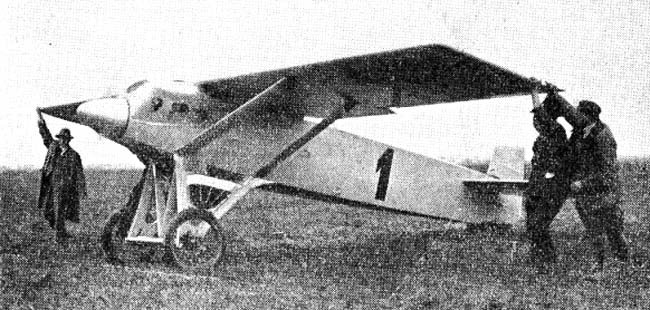
The BH-7B was developed from the BH-7A as a racing aircraft. Its primary modifications involved a wing reduced in span and area, which was also directly integrated with the upper fuselage. Although equipped with a Hispano-Suiza 8Fb engine with a supercharger, both the engine and the fighter ultimately proved unsuccessful.
Technical Specifications
| Modification | BH-7 |
| Wingspan, m | 10.40 |
| Length, m | 6. 84 |
| Height, m | 2. 83 |
| Wing area, m2 | 18. 15 |
| Empty weight | 885 |
| Normal takeoff weight | 1151 |
| Engine type | 1 Piston engine Hispano-Suiza 8Fb |
| Power, hp | 1 х 310 |
| Maximum speed, km/h | 240 |
| Cruising speed, km/h | 218 |
| Practical range, km | 480 |
| Rate of climb, m/min | 400 |
| Service ceiling, m | 8000 |
| Crew, crew | 1 |
| Armament: | 2 forward 7.7-mm machine guns |
Image and diagram gallery of the Avia BH-7
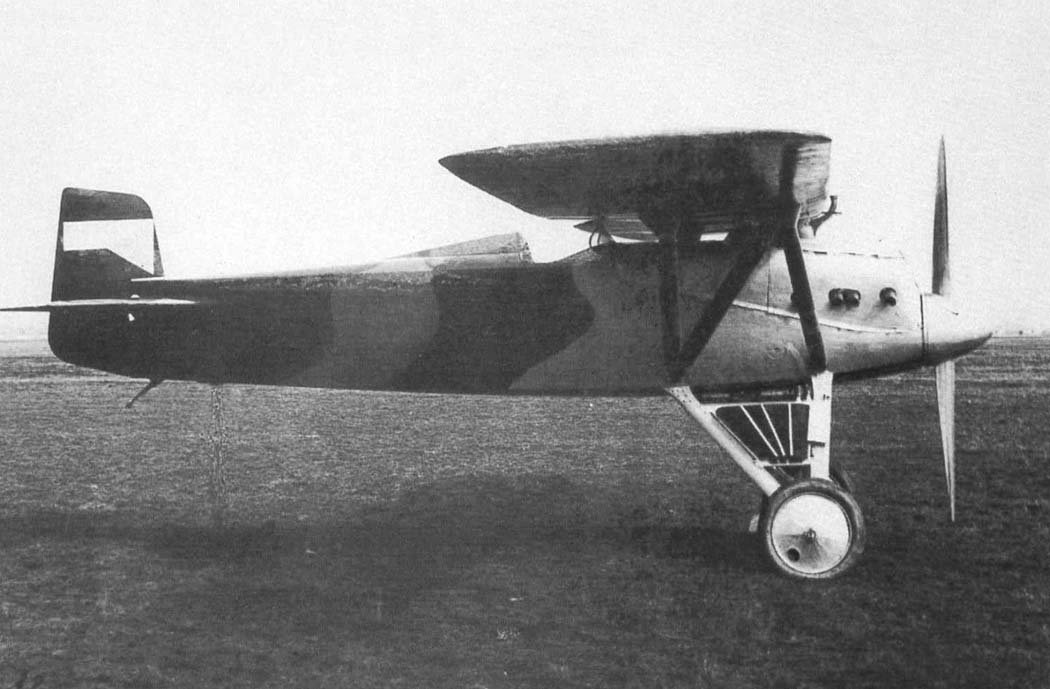 BH-7 |
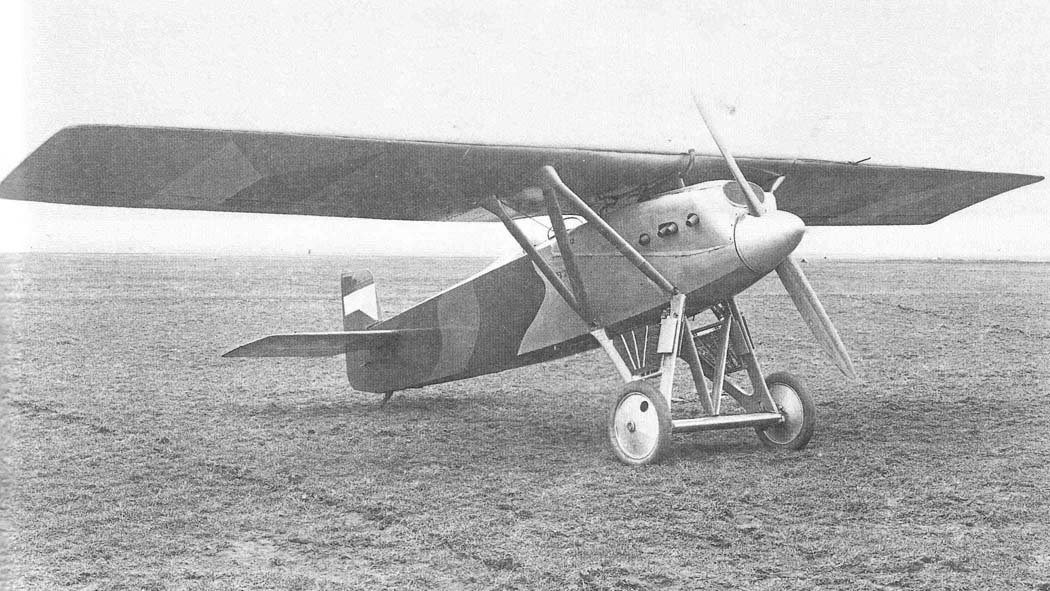 BH-7 |
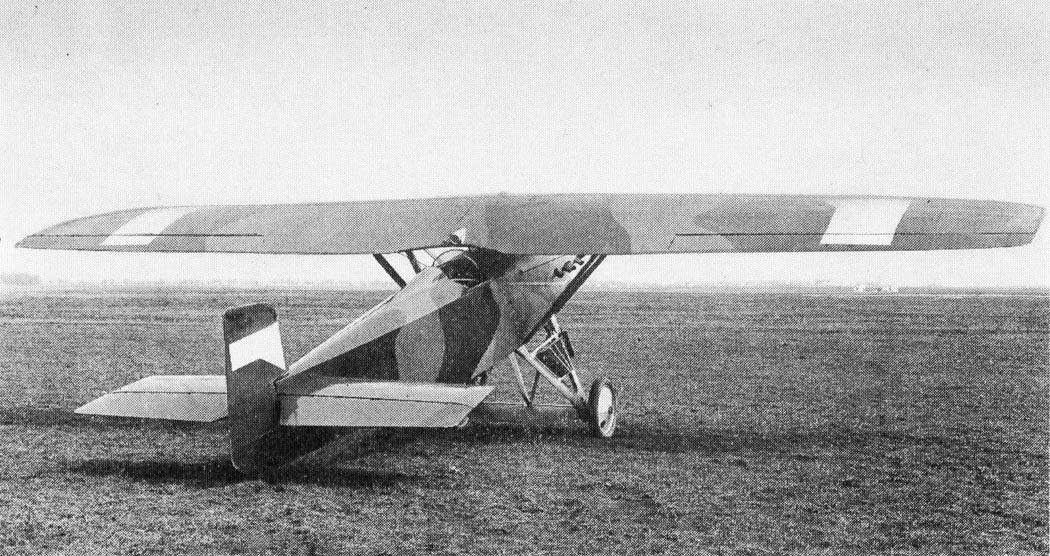 BH-7 |
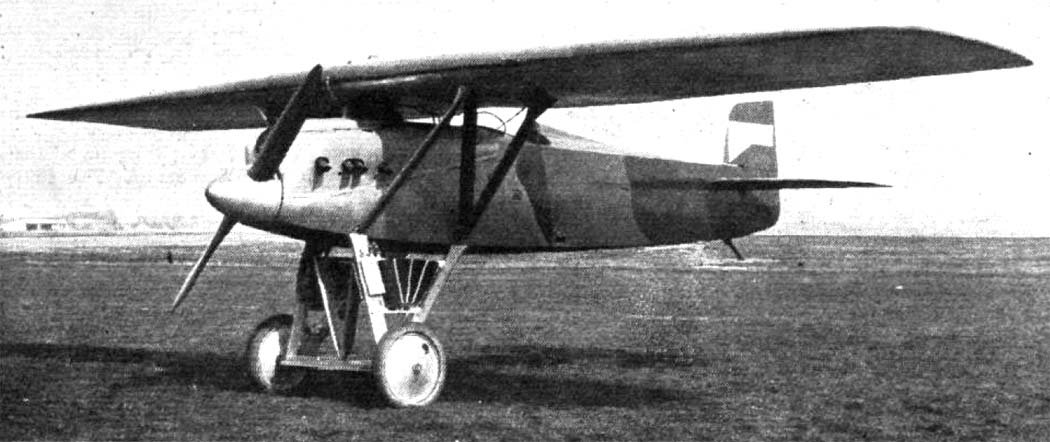 BH-7 |
 BH-7 |
 BH-7 |
 BH-7 |
 BH-7 |
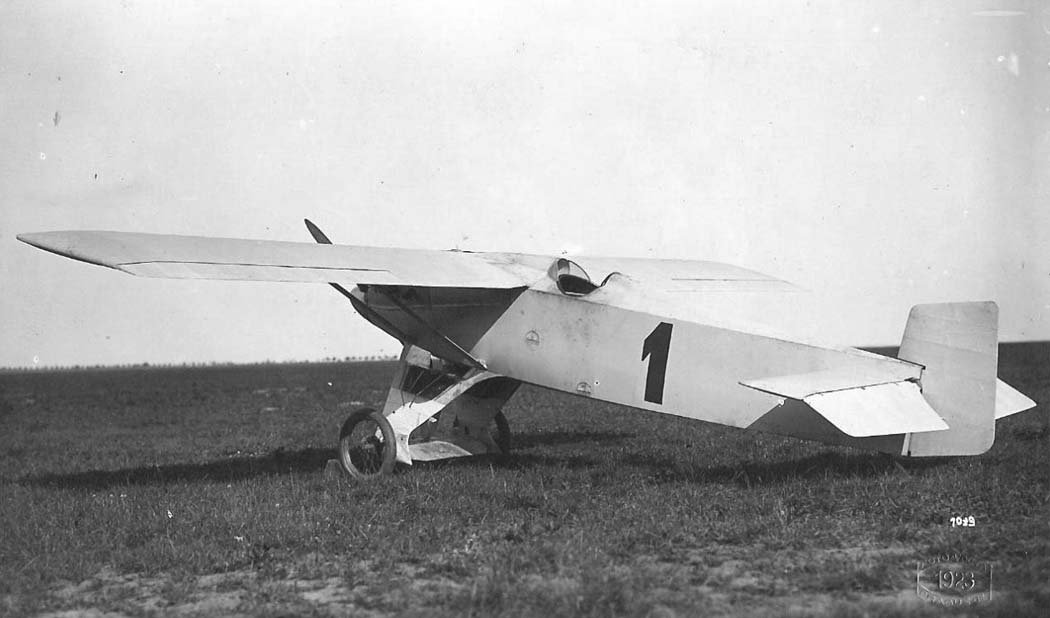 BH-7 |
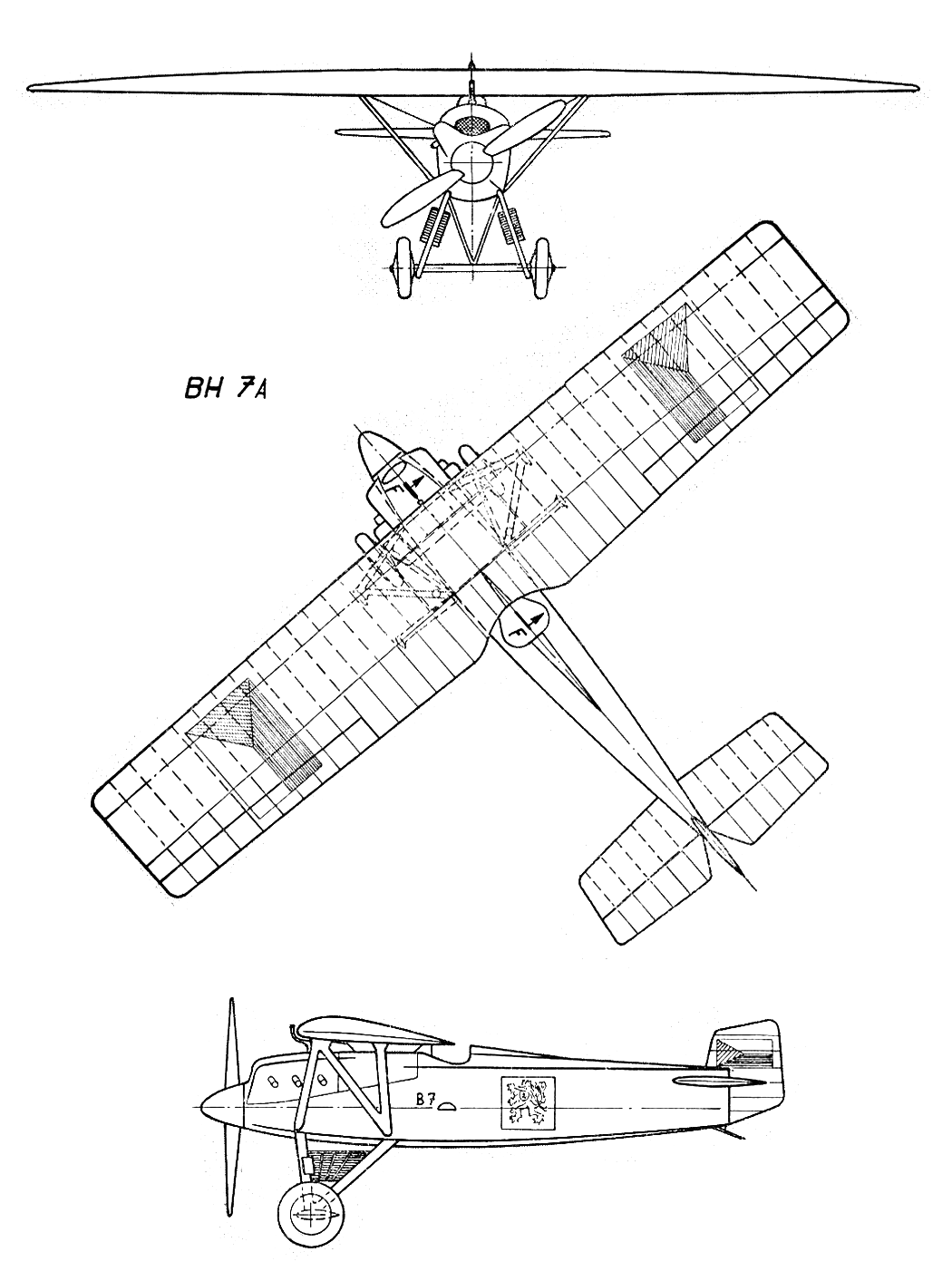 BH-7 |
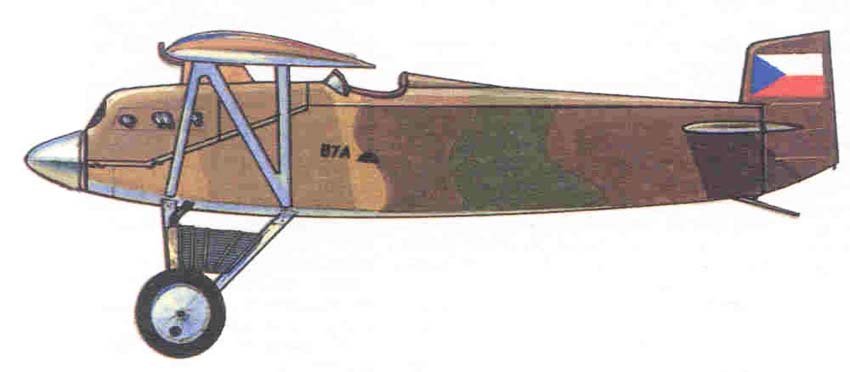 BH-7 |
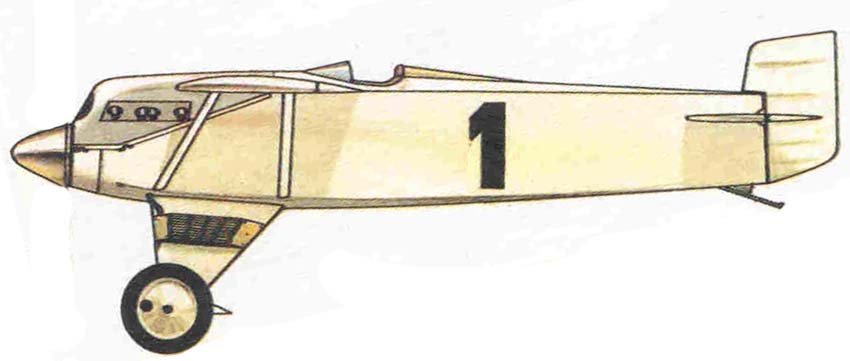 BH-7 |