
Issued in late 1935, the Imperial Navy’s 10-Shi technical specification required the aviation industry to create two carrier-based aircraft: an attack aircraft (bomber-torpedo bomber) and a long-range reconnaissance aircraft. Nakajima Corporation (中島飛行機株式会社 – Nakajima Hikoki Kabushiki Kaisha) entered the competition to produce aircraft for this specification.
Project “K,” internally designated and later becoming the B5N1, was developed by a design team led by Katsumi Nakamura. A second design group, headed by Yasuda Fukuda, worked on Project “S,” an internally designated reconnaissance aircraft project.
Technical Specifications for the Reconnaissance Aircraft
The 10-Shi technical requirements for the reconnaissance aircraft included a maximum wingspan of no more than 14 m and a length of no more than 10 m. The crew was to consist of three people, essential for navigation over vast ocean areas.
Maximum speed needed to exceed 200 knots (370.4 km/h), minimum speed less than 60 knots (111.12 km/h), and range over 1200 nautical miles (2222.4 km). The requirements also stipulated excellent visibility and the ability to perform night flights. The 10-Shi technical specification allowed designers to choose between two engine types: the Nakajima Hikari or the Mitsubishi Kinsei.
Both design groups began work in early 1936. Project “S,” a cantilever all-metal low-wing monoplane, soon took the initiative, with Yasuda Fukuda basing it on the existing but rejected Nakajima Ki-31 light bomber project. To Nakajima’s credit, the engineering groups collaborated closely, regularly exchanging design solutions and unifying various components and parts.
This collaboration simplified production and subsequent field repairs, especially since the powerplant on both aircraft was identical, with the “native” Hikari engine chosen. In October 1936, the first reconnaissance aircraft prototype was completed.
Development and Adoption
The second aircraft in this series was also soon ready, after which both machines were handed over to the Navy for trials. Trials, with periodic modifications, continued for about a year until September 1937, when the aircraft was accepted into service as the Type 97 carrier reconnaissance aircraft (C3N1).
Soon after the delivery of the carrier attack aircraft to the Fleet and the completion of carrier trials by both machines, they were sent to central China for tactical assessment. After two months of operations, the bomber was officially adopted as the Type 97 carrier attack aircraft (B5N1).
Its auxiliary purpose became performing reconnaissance flights, thus enabling it to fulfill the functions of a Type 97 carrier reconnaissance aircraft. Consequently, the C3N1 did not enter serial production.
Limited Operational Service
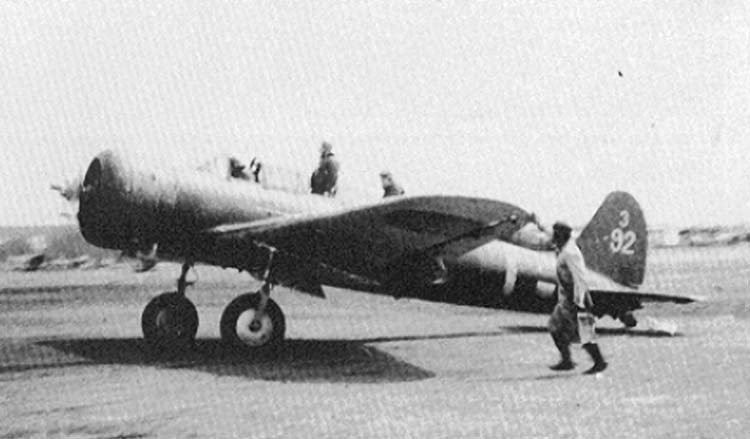
The two C3N1 aircraft were used as land-based reconnaissance aircraft in the Shanghai and Hankou areas from 1937 to 1940.
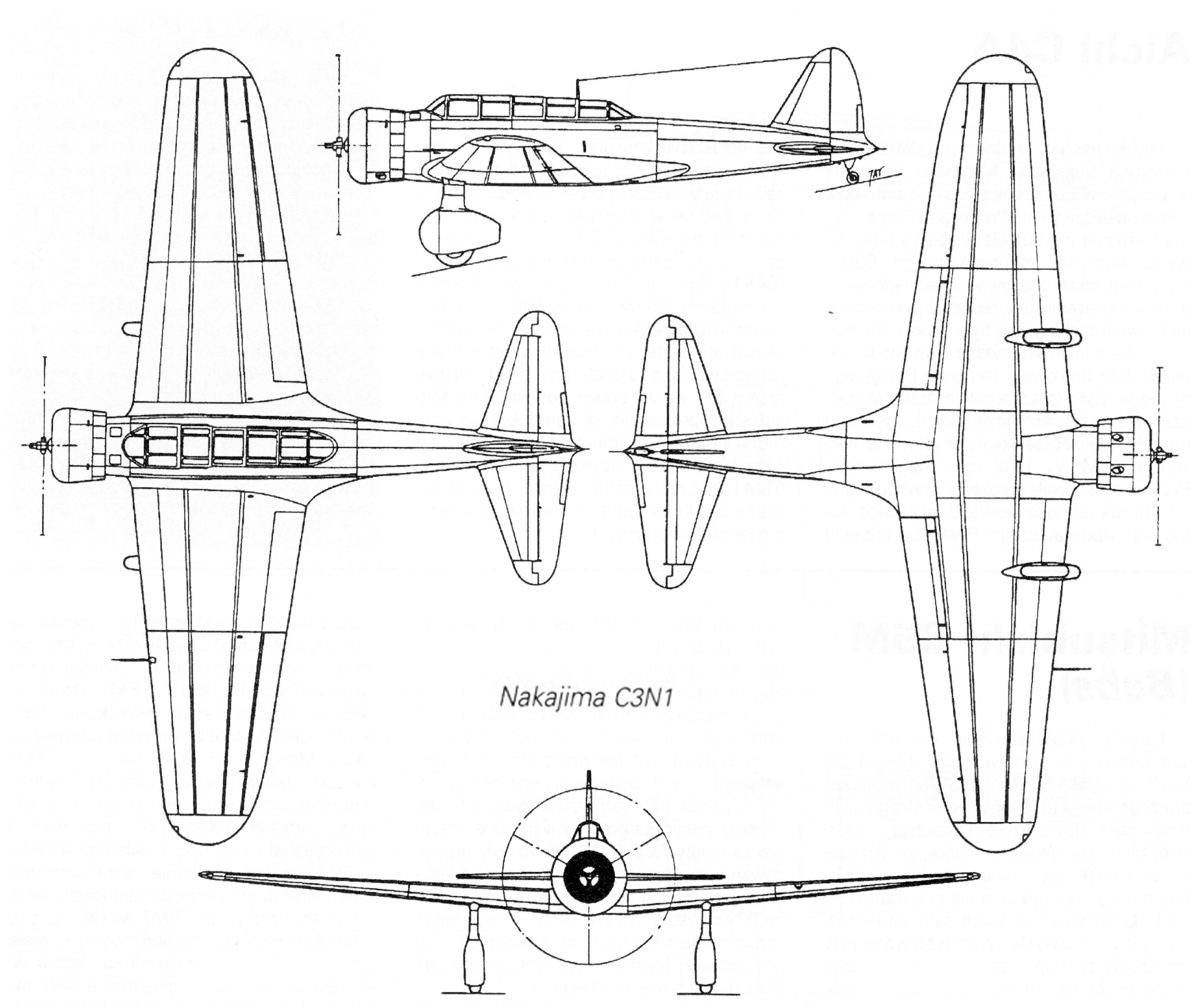
Technical Specifications
| Modification | C3N1 |
| Wingspan, m | 13.95 |
| Length, m | 10.30 |
| Wing area, m2 | 30.70 |
| Empty weight | 1805 |
| Maximum takeoff weight | 3000 |
| Engine type | 1 Piston engine Nakajima Hikori |
| Power, hp | 1 x 800 |
| Maximum speed, km/h | 387 |
| Cruising speed, km/h | 300 |
| Practical range, km | 2278 |
| Service ceiling, m | 6670 |
| Crew, crew members | 2 crew members |
| Armament: | one forward-firing 7.7-mm Type 97 machine gun with 500 rounds and one rearward-firing movable 7.7-mm Type 92 machine gun with 485 rounds |
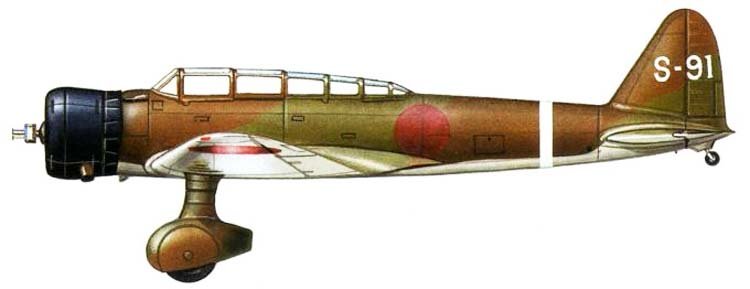
Image and diagram gallery of the Nakajima C3N1
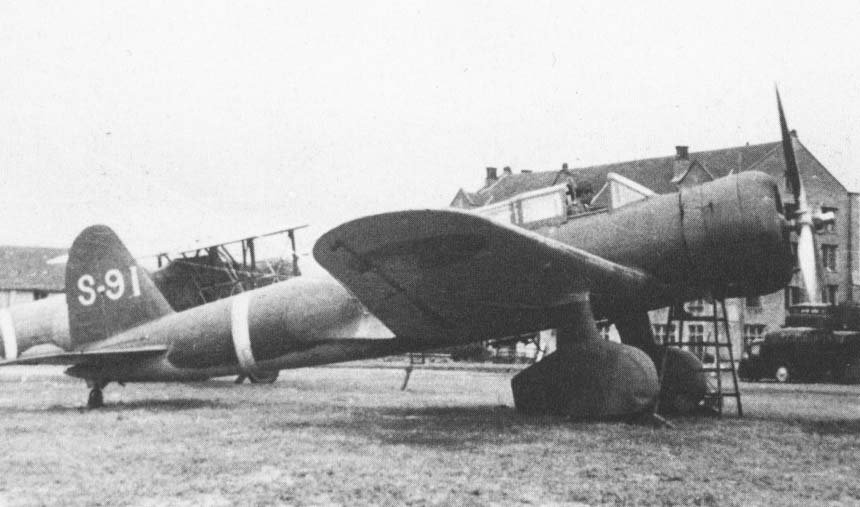 C3N |
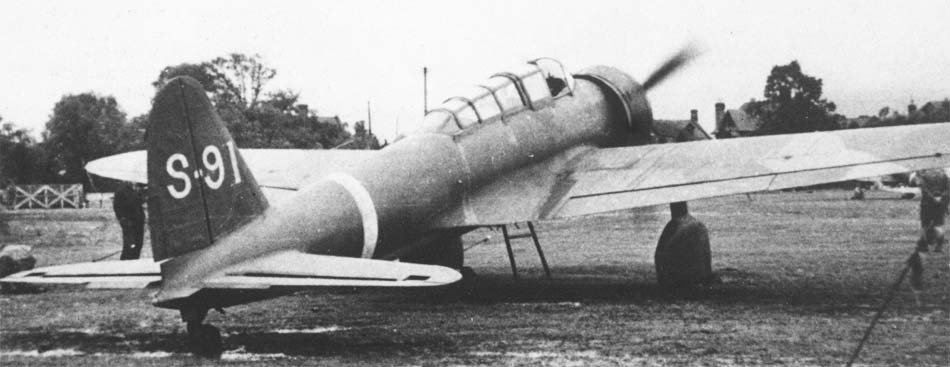 C3N |
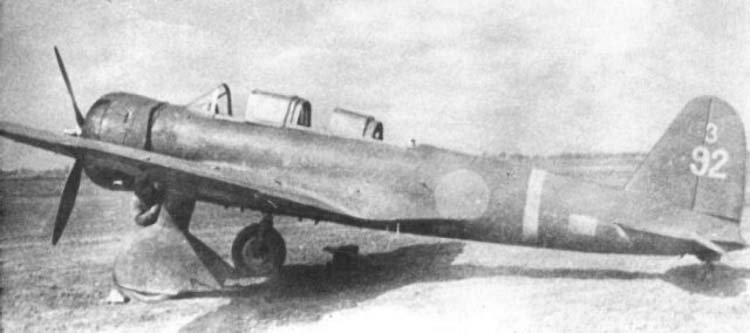 C3N |
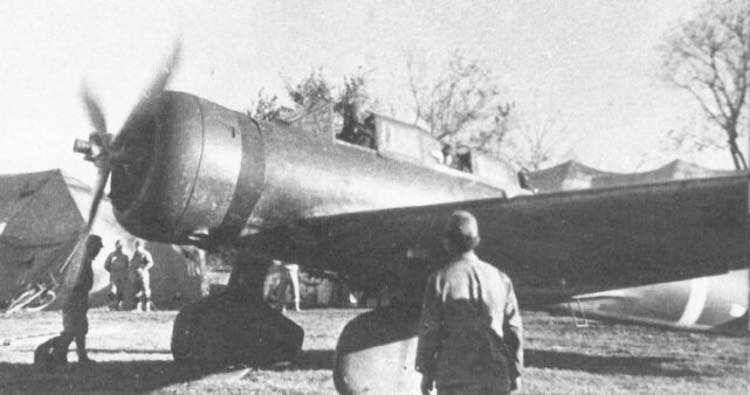 C3N |
 C3N |
 C3N |
 C3N |