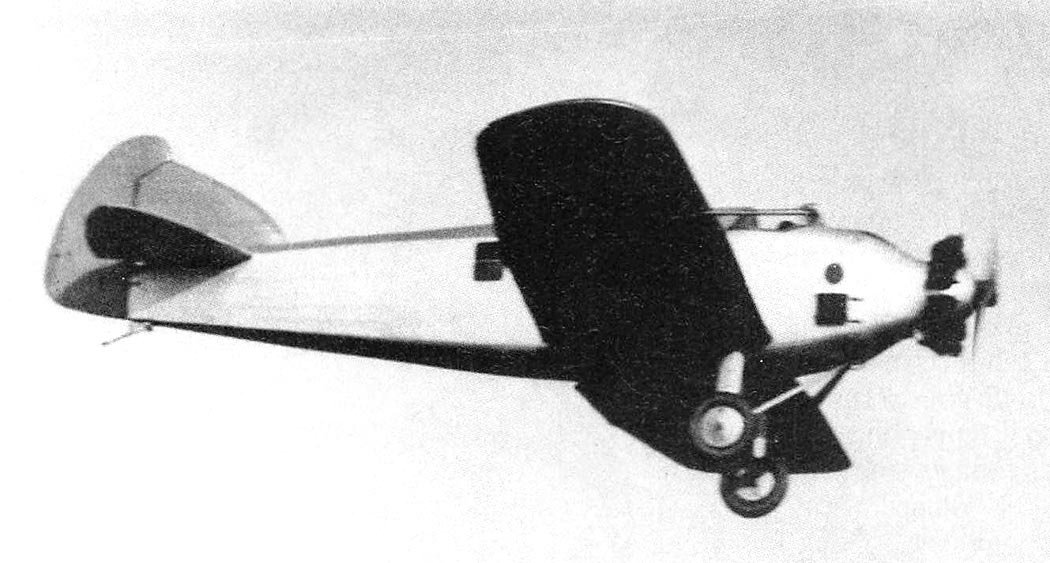
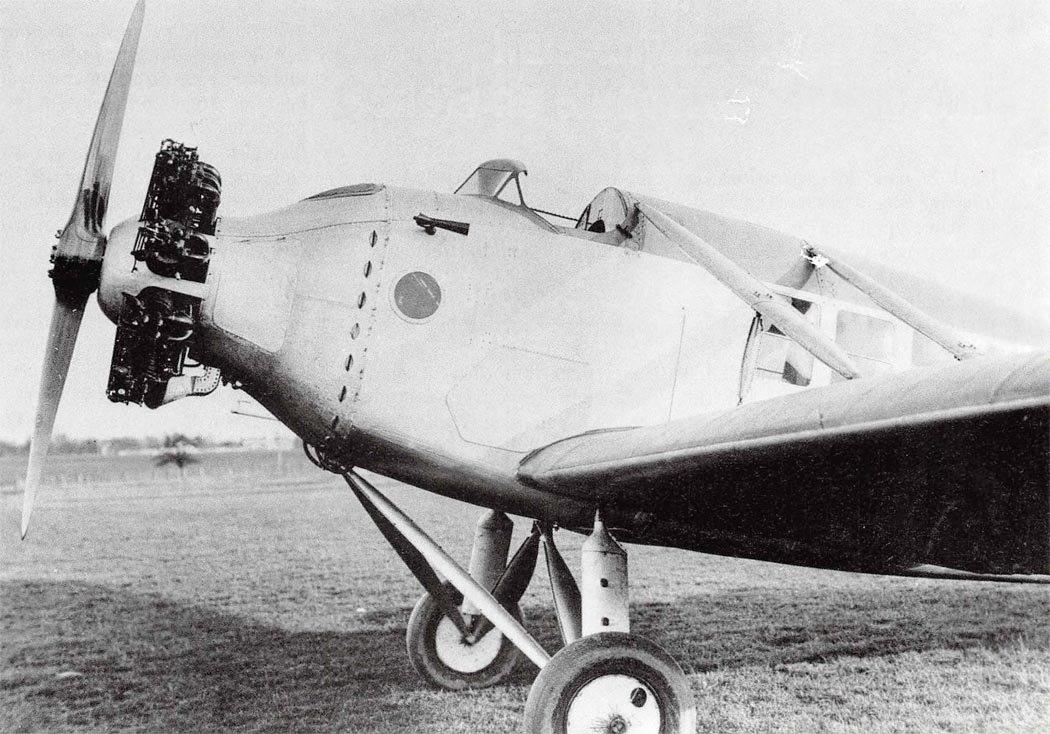
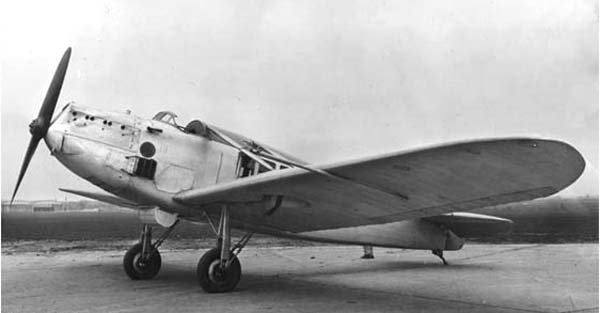
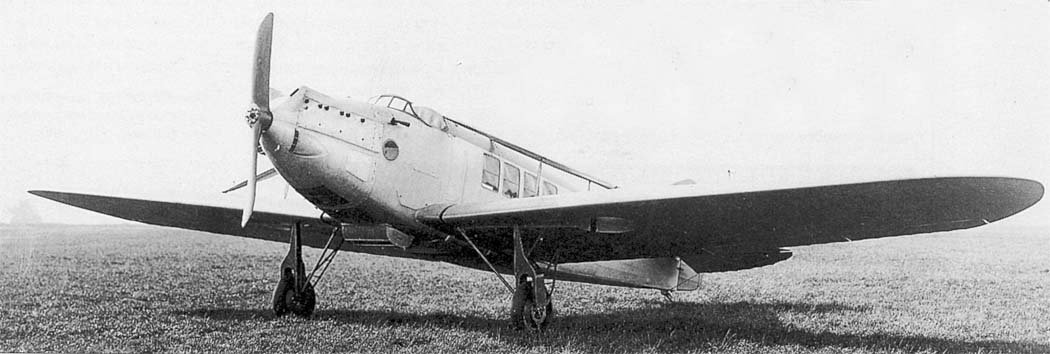
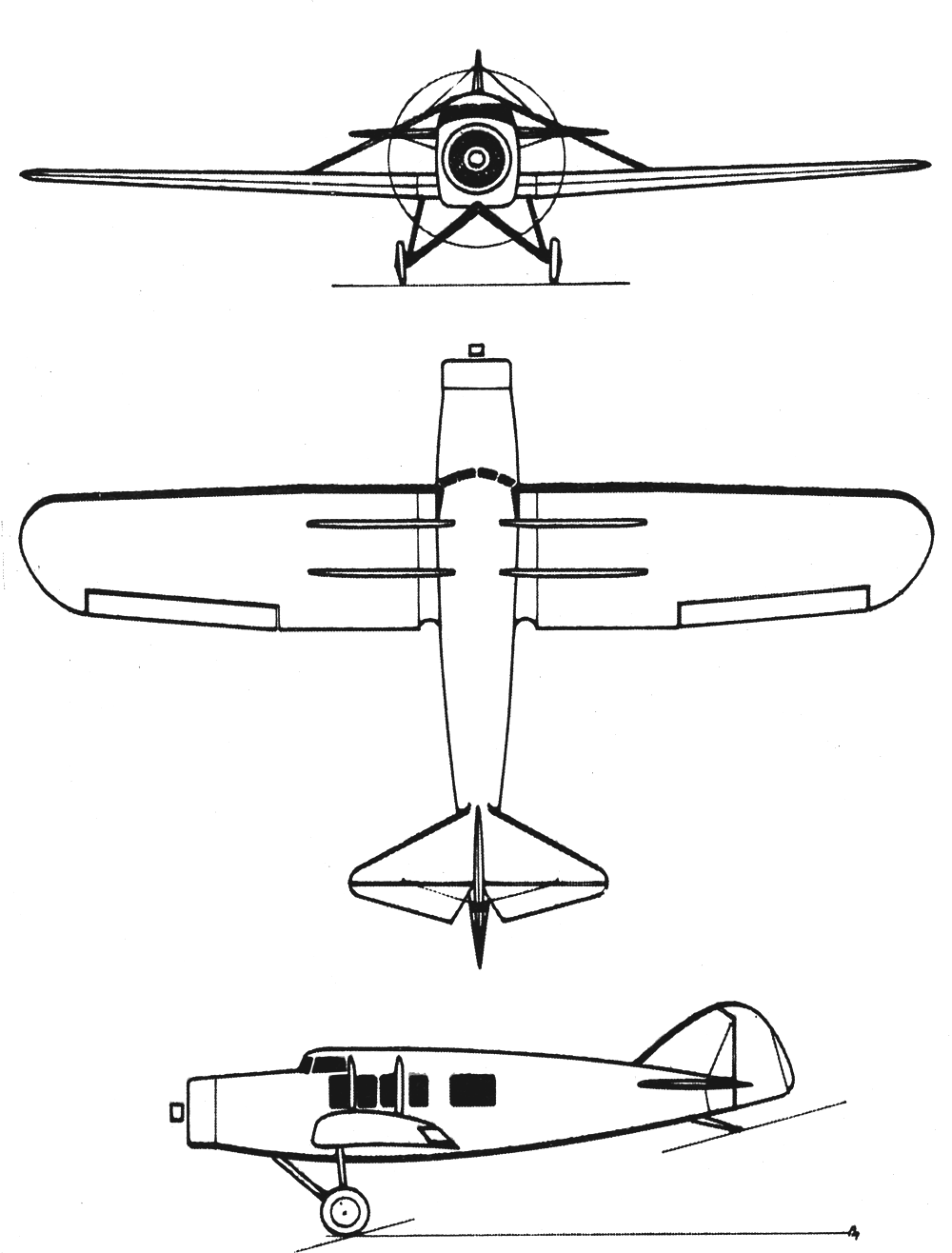
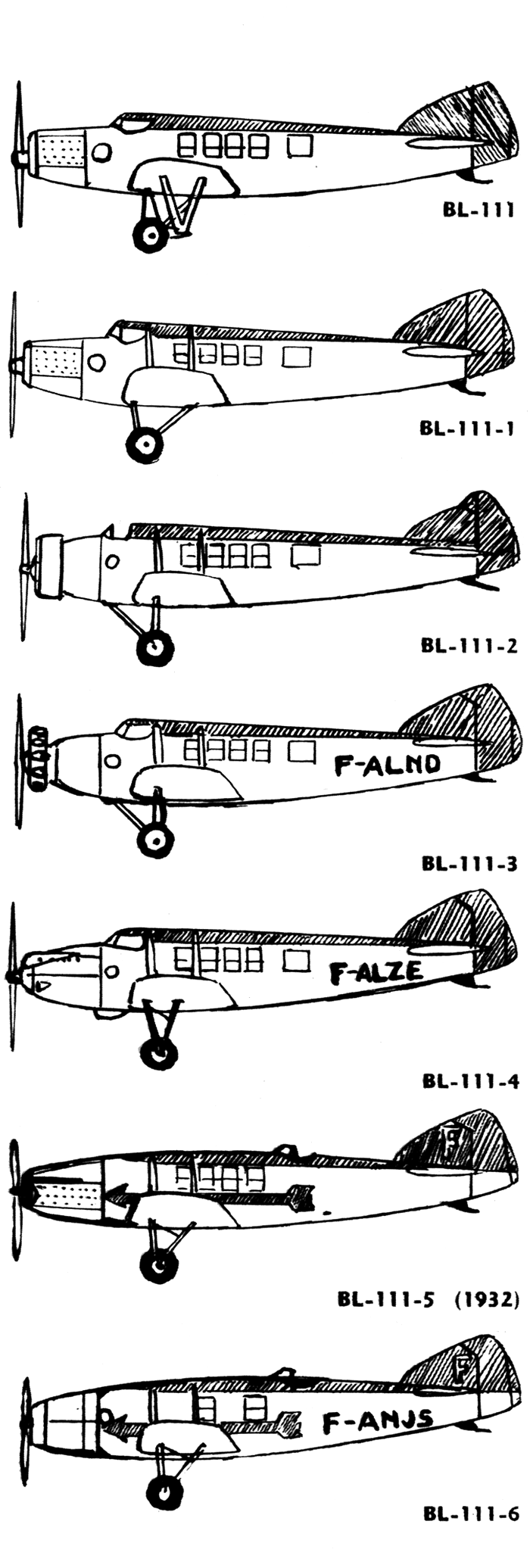
Designed by André Herbemont as a high-speed, comfortable executive aircraft, the Bleriot 111 was ahead of its time in concept. The first variant, designated Bleriot 111/1, took to the air on January 24, 1929. It was a low-wing monoplane with a large-span wing supported by struts, featuring an enclosed passenger cabin preceded by the pilot’s cockpit. Power was provided by a 280 hp (209 kW) Hispano-Suiza 6Mbr engine.
The Bleriot 111bis, or Bleriot 111/2, which flew in October 1929, featured a different engine, modified landing gear, and wing strut design. Equipped with an air-cooled Jupiter engine, which allowed the number of passengers to increase to seven, this aircraft was designated Bleriot 111/3 and became the flagship of the ‘Patrouille Bleriot’ demonstration group, performing flights in France and northern Spain in the early 1930s.
Design Innovations and Powerplants
A modified Bleriot 111/1, featuring new wing struts, a more powerful Hispano-Suiza engine variant, and retractable landing gear (a first for a French aircraft), was designated Bleriot 111/4 and made its first flight on October 27, 1930. This advancement marked a significant milestone in French aviation design.
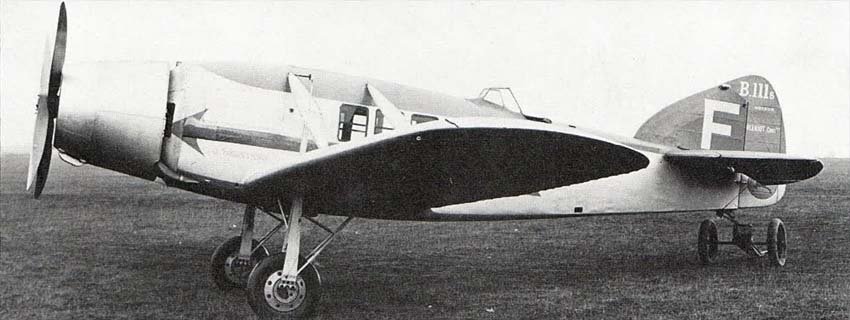
The principal difference of the Bleriot 111/5 modification was the relocation of the pilot’s cockpit, now open, behind the five-seat passenger cabin. A frontal radiator was placed in the nose, and a 500 hp (373 kW) Hispano-Suiza 12Mbr engine drove a three-bladed propeller. Later, the Bleriot 111/5 was fitted with an air-cooled Gnome-Rhone 14K engine and named ‘Sagittaire’ (Archer).
The MacRobertson Race and Service End
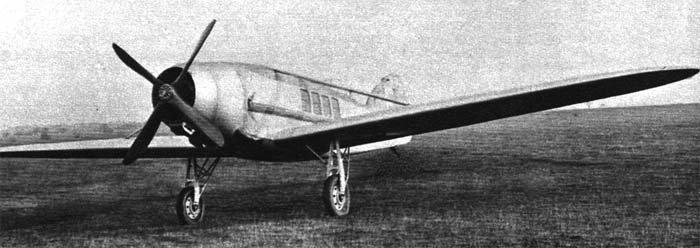
In 1934, this aircraft underwent further significant modifications aimed at improving its flight characteristics, transforming it into the Bleriot 111/6. It received a completely new wing design and a more powerful engine. The Bleriot 111/6 was the only French aircraft with a realistic chance of winning the MacRobertson Prize Race between London and Melbourne, held in October 1934.
However, due to damage to the landing gear two days after the start, the aircraft had to be withdrawn from the competition. The Bleriot 111/6 participated in airshows organized by Bleriot and ended its service in 1936. Despite the engine power tripling and the aircraft’s maximum takeoff weight increasing by 50% compared to the basic design, no orders for the aircraft followed.
Technical Specifications
| Modification | Bl-111/4 |
| Wingspan, m | 17.00 |
| Length, m | 10.66 |
| Height, m | 4.06 |
| Wing area, m2 | 34.60 |
| Empty weight | 1700 |
| Normal takeoff weight | 2700 |
| Engine type | 1 Piston engine Hispano-Suiza 12Jb |
| Power, hp | 1 x 400 |
| Maximum speed, km/h | 235 |
| Cruising speed, km/h | 186 |
| Practical range, km | 1100 |
| Service ceiling, m | 4000 |
| Crew | 2 |
| Payload | up to 6 passengers |
Image and diagram gallery of the Bleriot 111
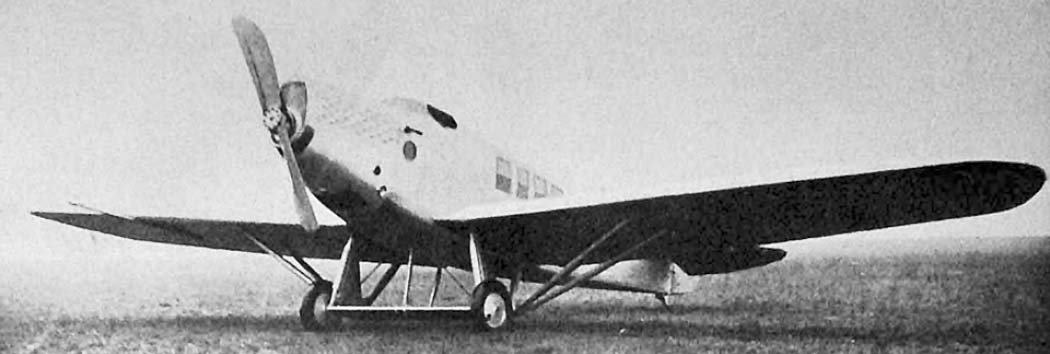 Bleriot 111 |
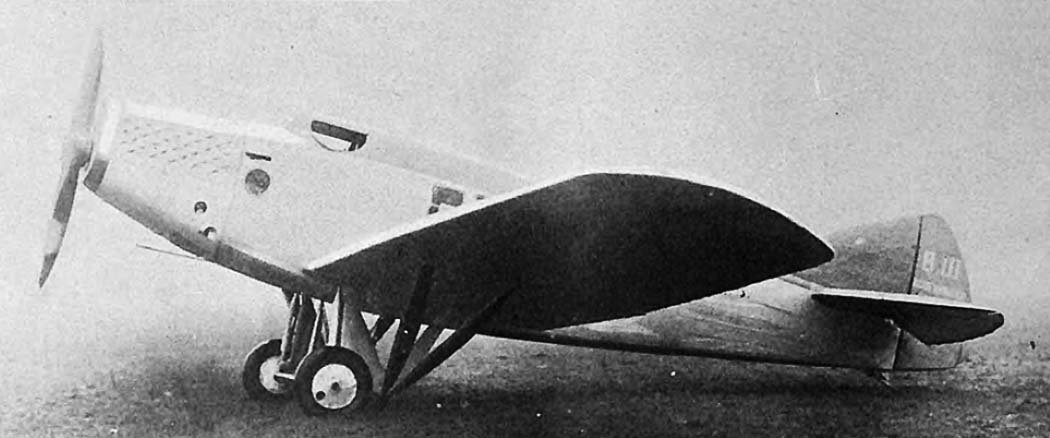 Bleriot 111 |
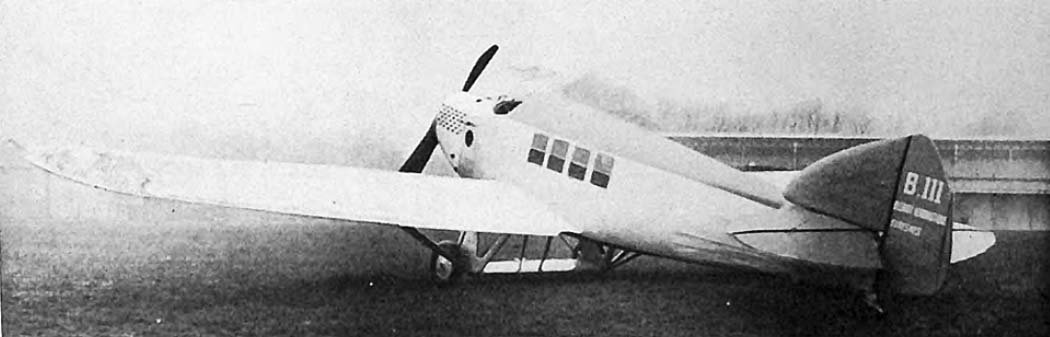 Bleriot 111 |
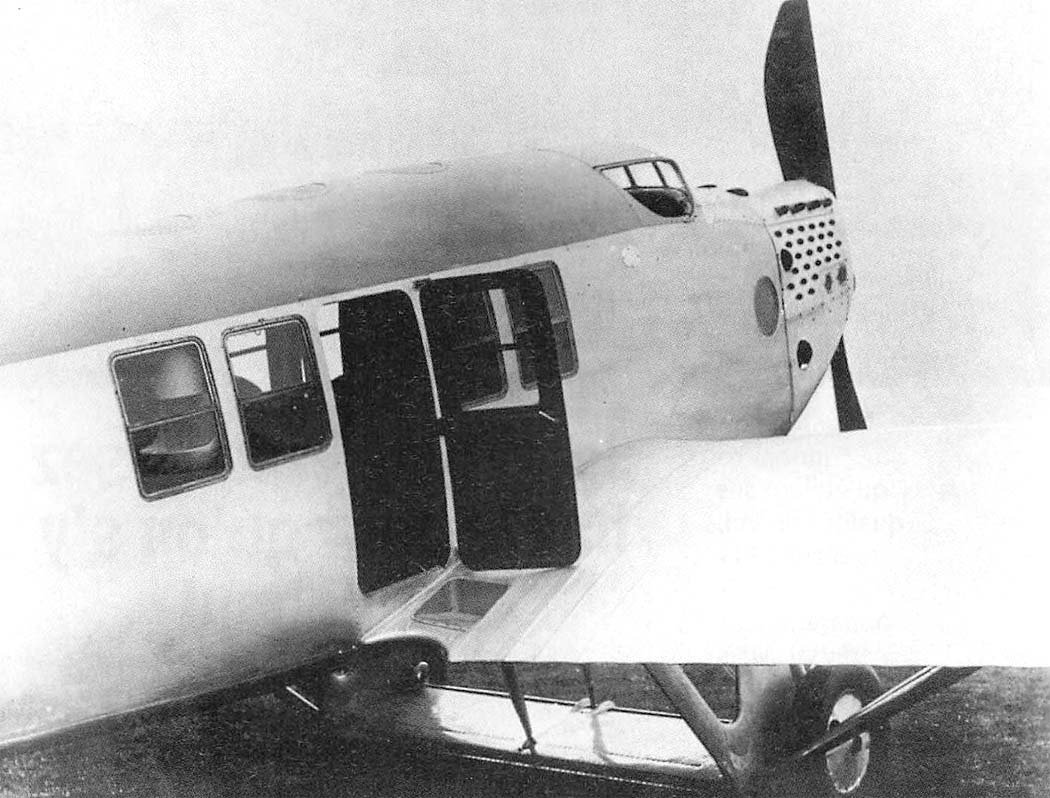 Bleriot 111 |
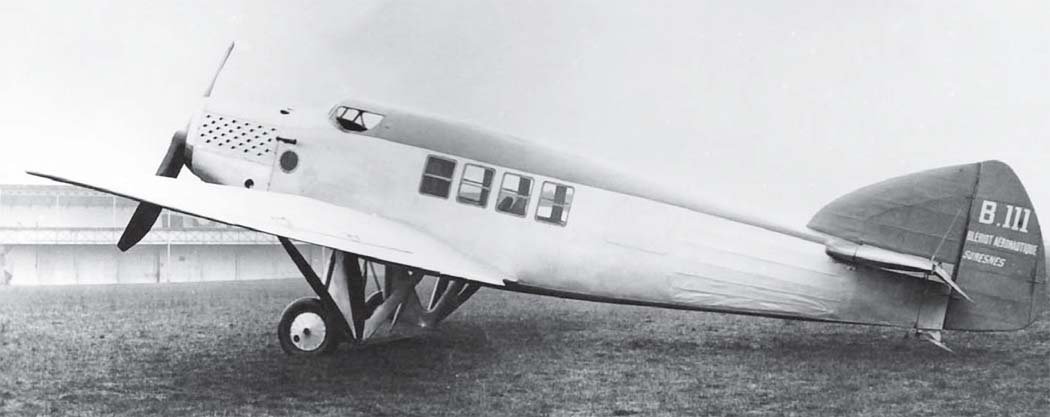 Bleriot 111 |
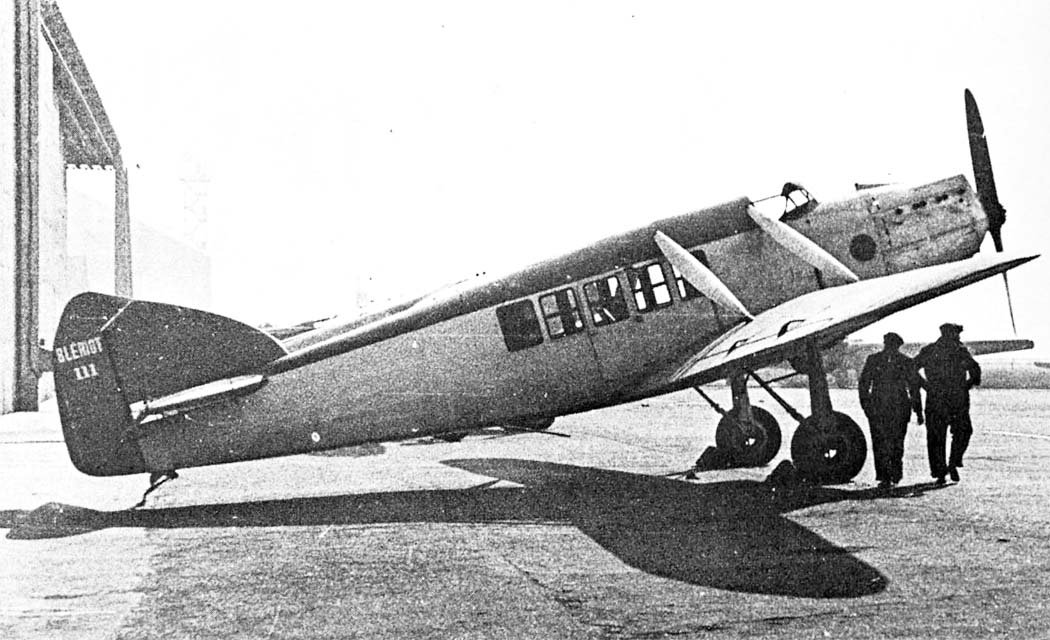 Bleriot 111 |
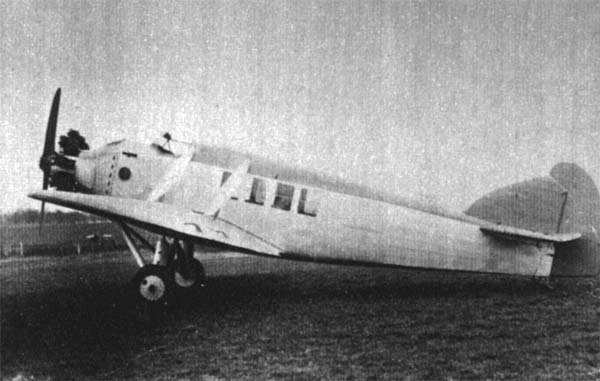 Bleriot 111 |
 Bleriot 111 |
 Bleriot 111 |
 Bleriot 111 |
 Bleriot 111 |
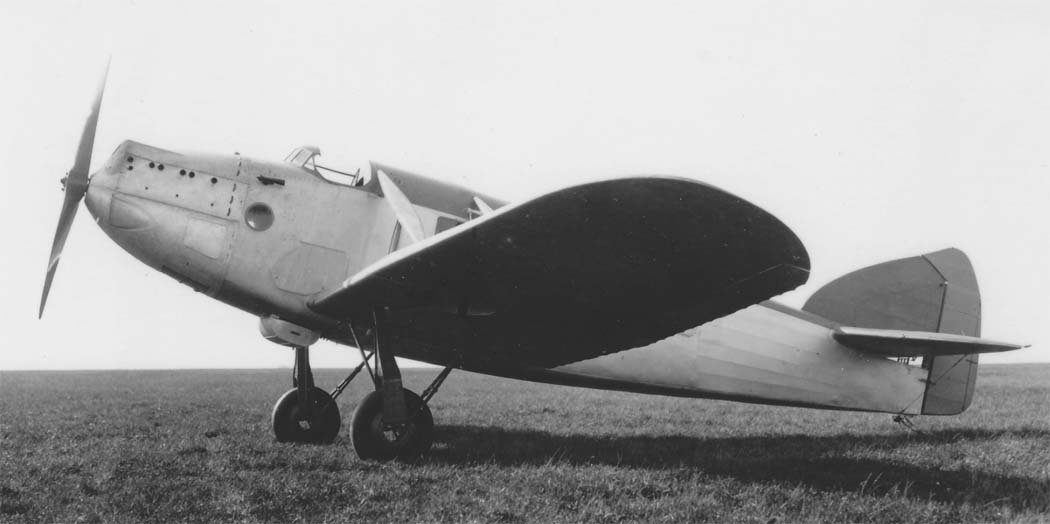 Bleriot 111 |
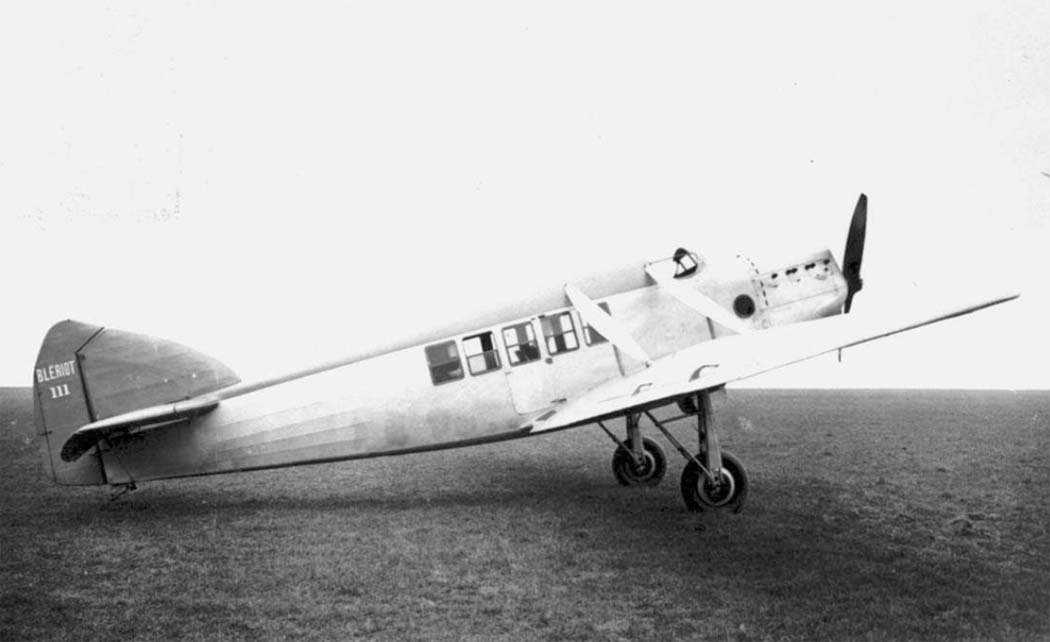 Bleriot 111 |
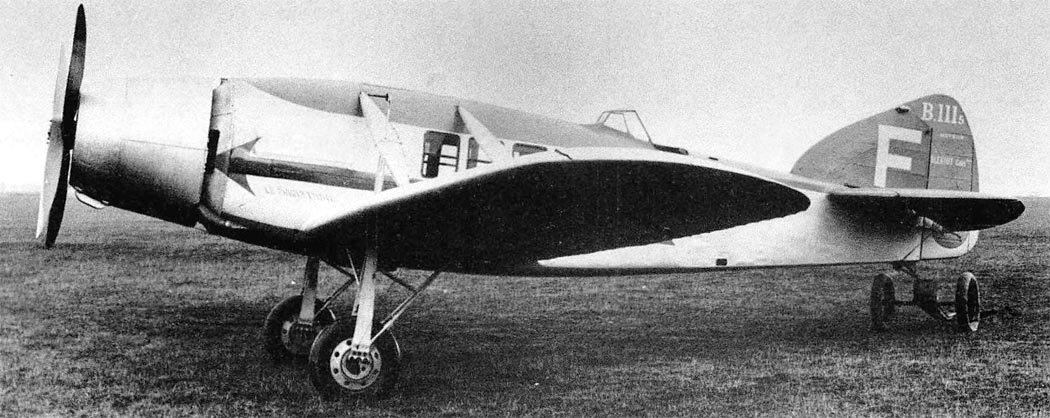 Bleriot 111 |
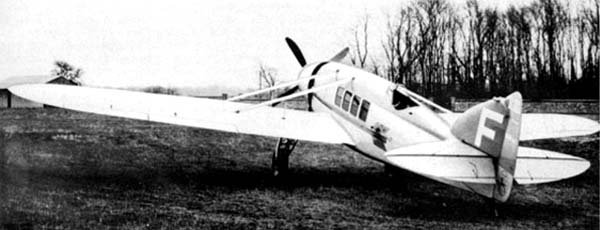 Bleriot 111 |
 Bleriot 111 |
 Bleriot 111 |
 Bleriot 111 |
 Bleriot 111 |
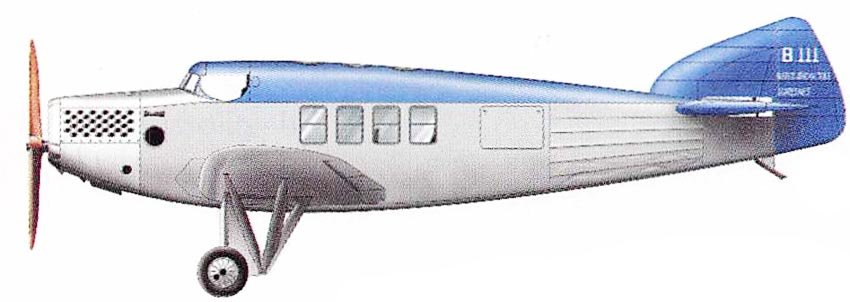 Bleriot 111 |