Skip to content
wp.archivoaereo.com

wp.archivoaereo.com

  • Military Aviation
    • World War I
      • WWI Attack Aircraft
      • WWI Bombers
      • WWI Fighters
      • WWI Flying Boats
      • WWI Reconnaissance
    • World War II
      • WWII Attack Aircraft
      • WWII Bombers
      • WWII Fighters
      • WWII Flying Boats
      • WWII Military Transport
      • WWII Reconnaissance
    • Cold War
      • Cold War Fighters
    • Modern
      • Modern Fighters
      • Modern Maritime Patrol
      • Modern Military Transport
  • Civil & Commercial Aviation
    • Classic Airliners
    • Modern Airliners
    • Classic Regional Airliners
    • Modern Regional Airliners
    • Pioneer Light Aircraft
    • Classic Light Aircraft
    • Modern Light Aircraft
    • Agricultural Aircraft
    • Racing Aircraft
  • Helicopters
    • Cargo & Heavy Helicopters
    • Light & Observation Helicopters
    • Pioneer Helicopters
    • SAR Helicopters (Rescue)
    • Utility Helicopters
  • Technology
    • Weapons & Technology
    • Drones & UAVs
    • Experimental Aircraft
  • History
    • History & Battles
  • Toggle search form

Bartel BM-6

Posted on September 19, 2026 By

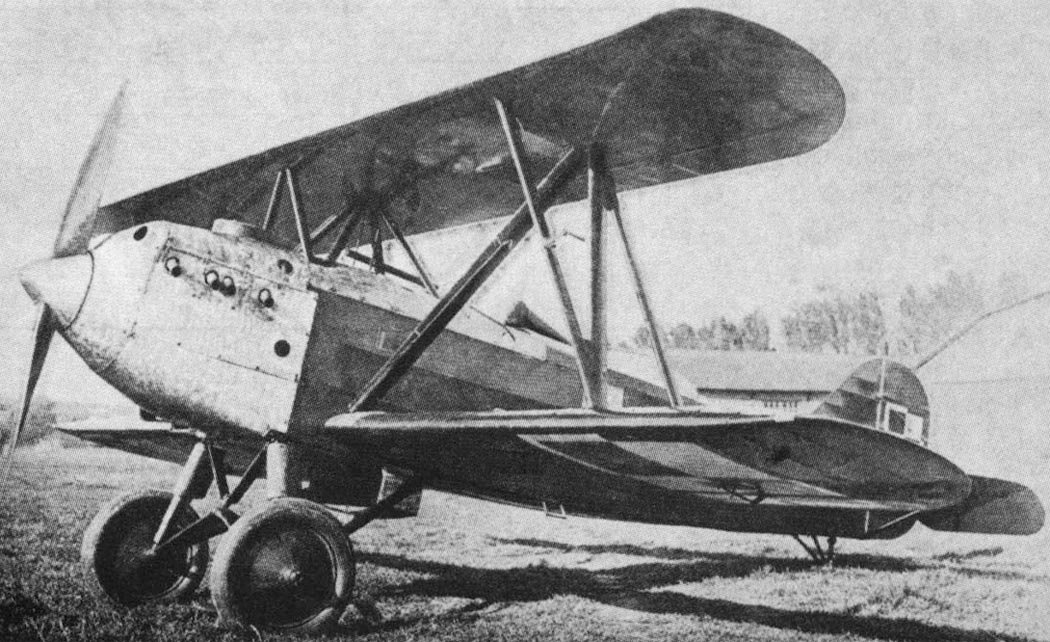
In the late 1920s, the idea of a single-seat trainer aircraft began to prevail among the Polish military. Colonel Ludomil Raisky, head of the aviation department, even proposed converting the numerous old Fokker D-VIIs into such aircraft.

Initially, it was intended to use 180 hp HS engines from the same stocks, but later, 220 hp Wright J-5B engines were considered. Although the endeavor seemed like an adventure from the start, it spurred the development of the Bartel BM-6. According to the contract, two prototypes were built.

Table of Contents

Toggle
    • Initial Concept and Development
    • Public Demonstration and Evolution
    • An Unexpected End
    • Technical Specifications
  • Image and diagram gallery of the Bartel BM-6
    • How to cite this article:

Initial Concept and Development

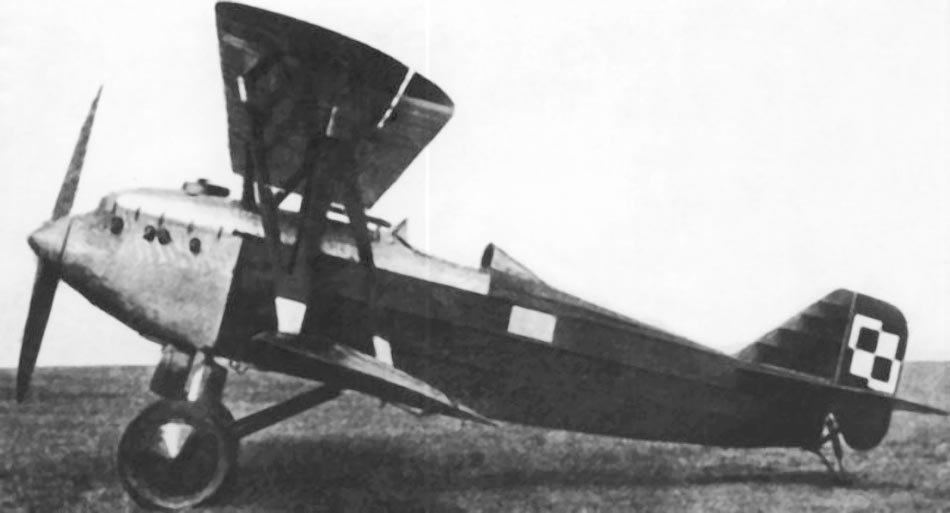
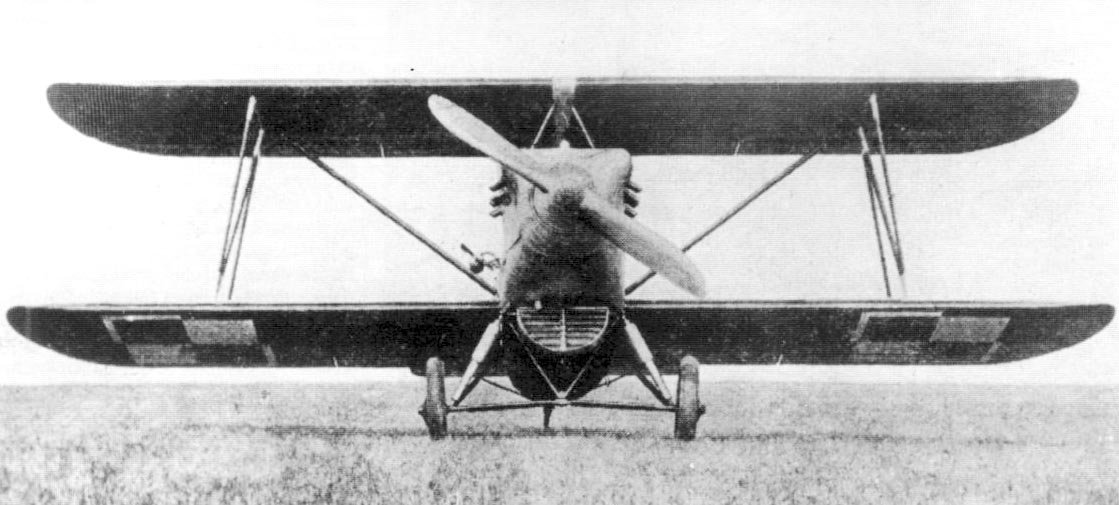
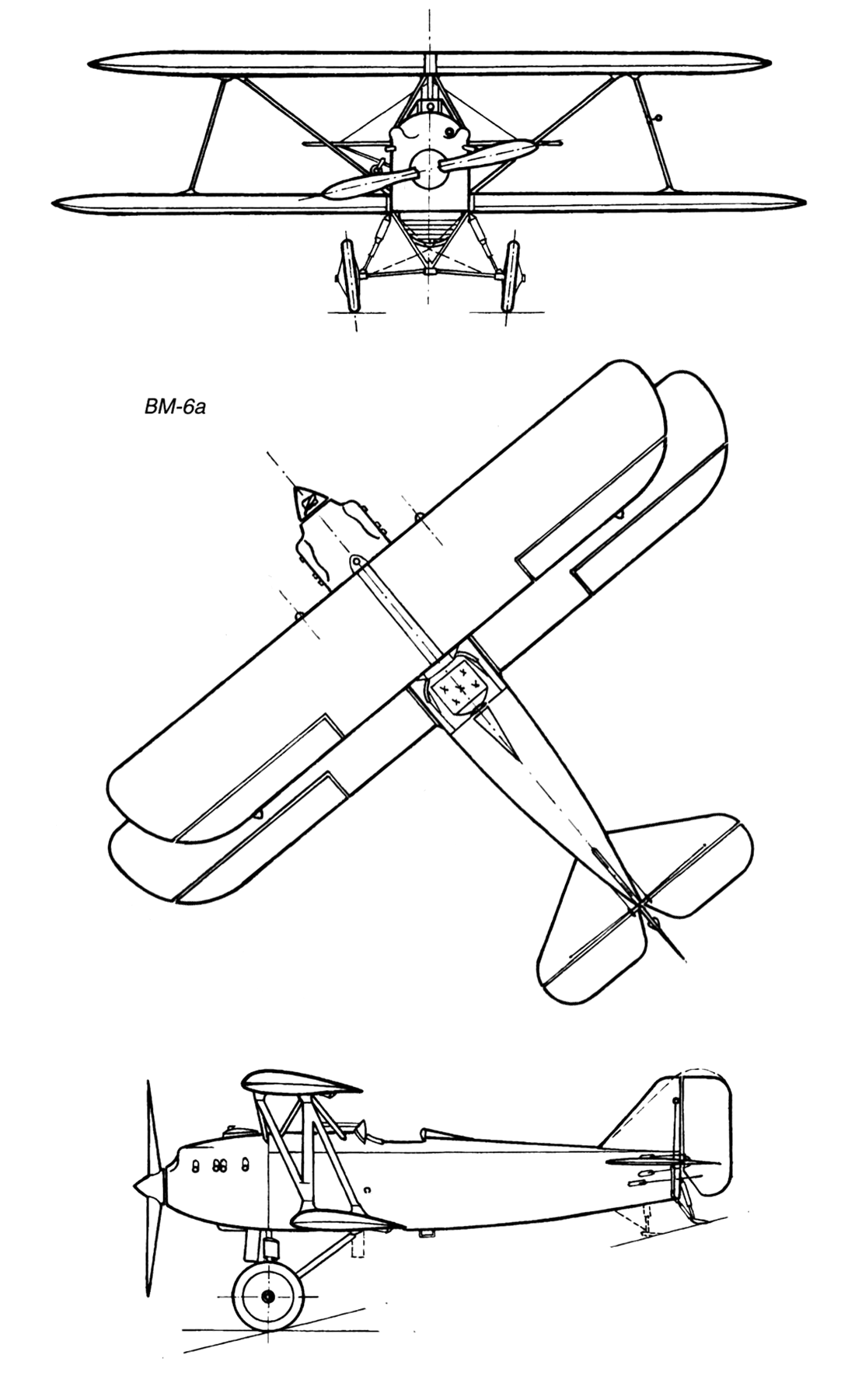
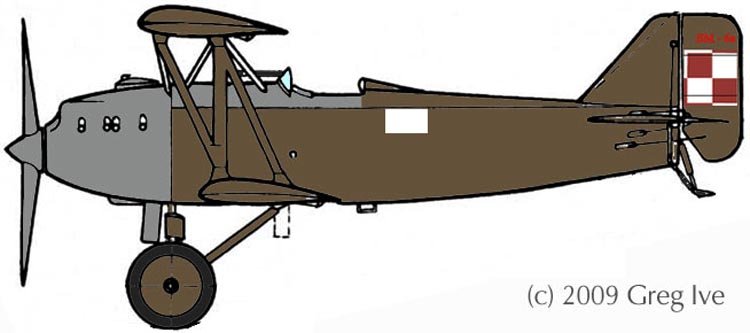
The new aircraft incorporated the best ideas from the BM class. It was fitted with an HS-180 engine, which was a modification of the HS-220 used in the SPAD-XIII. Its armament consisted of a Vickers wz. 18 machine gun, caliber 7.7 mm.

The first prototype made its maiden flight on April 8, 1930. The second prototype was already modified to meet the military’s specific requirements, aiming to optimize its performance and adaptability for training missions.

Public Demonstration and Evolution

In September 1930, the Bartel BM-6 was showcased at the international exhibition in Bucharest. There, Major Stefan Pawlikowski performed a series of impressive aerobatic maneuvers, demonstrating the aircraft’s capabilities. However, even then it was clear that the future of trainer aircraft lay with two-seater machines.

Consequently, Bartel urgently began developing a two-seater modification of his creation. The new variant, the BM-6b, received a Wright J-5B engine and a firm order for 23 aircraft: 18 for flight schools and 5 for fighter squadrons (one for each).

An Unexpected End

Unfortunately, a fire at the factory made the construction of the production series impossible. The two existing prototypes were acquired by the Air Force and served for training purposes at least until 1933, marking the end of a promising initiative.

Technical Specifications

Modification B M- 6a2
Wingspan, m 8.09
Length, m 6.35
Height, m 2.80
Wing area, m2 17.60
Empty weight 687 kg
Normal takeoff weight 950 kg
Engine type 1 Piston engine Hispano-Suiza 8Ab
Power, hp 1 x 180
Maximum speed at sea level, km/h 192
Cruising speed, km/h 165
Practical range, km 450
Service ceiling, m 3800
Crew 1 crew member
Armament one 7.7 mm Vickers machine gun

Image and diagram gallery of the Bartel BM-6

BM-
BM-
BM-
BM-
BM-
BM-
BM-
BM-
BM-
BM-

How to cite this article:

APA: Bartel BM-6 (). Bartel BM-6. wp.archivoaereo.com. https://wp.archivoaereo.com/en/bartel-bm-6-3/
VANCOUVER: Bartel BM-6 [online]. wp.archivoaereo.com; [cited 2026-09-19]. Available at: https://wp.archivoaereo.com/en/bartel-bm-6-3/
Developed by Agatha Press
WWI Reconnaissance Tags:Poland

Post navigation

Previous Post: Stanisław Blok
  • Español
  • Attack Aircraft
  • Aviation Biographies
  • Cargo & Heavy Helicopters
  • Classic Airliners
  • Classic Light Aircraft
  • Classic Regional Airliners
  • Cold War Fighters
  • Drones & UAVs
  • Experimental Aircraft
  • History & Battles
  • Interwar Reconnaissance
  • Light & Observation Helicopters
  • Maritime Patrol
  • Military Transport
  • Modern Airliners
  • Modern Cargo Aircraft
  • Modern Fighters
  • Modern Light Aircraft
  • Modern Military Transport
  • Modern Regional Airliners
  • Other Aircraft
  • Pioneer Air Transport
  • Pioneer Light Aircraft
  • Racing Aircraft
  • SAR Helicopters (Rescue)
  • Sin categoría
  • Utility Helicopters
  • Weapons & Technology
  • WWI Attack Aircraft
  • WWI Bombers
  • WWI Fighters
  • WWI Flying Boats
  • WWI Reconnaissance
  • WWII Attack Aircraft
  • WWII Bombers
  • WWII Fighters
  • WWII Flying Boats
  • WWII Military Transport
Piel CP-40 DonaldPiel CP-40 DonaldAdmin
C-101CC AviojetC-101CC AviojetAdmin
Cierva C.24 AutogyroCierva C.24 AutogyroAdmin

Legal

  • About ArchivoAereo
  • Terms and Conditions
  • Contact Us
  • Privacy Policy

Copyright © 2026 wp.archivoaereo.com.

Powered by PressBook WordPress theme