Burt Rutan designed the Boomerang Model 202-11 to test a novel concept for multi-engine aircraft, specifically addressing thrust asymmetry—a significant problem in engine failures, which famously contributed to the Pond Racer crash. Contemplating how to mitigate issues arising from thrust asymmetry, Rutan devised an original solution: he created an asymmetric aircraft.
The Boomerang was engineered with performance characteristics intended to rival the popular Beechcraft Baron 58 twin-engine aircraft in the USA. A notable feature of its design is the engine nacelles extending far forward of the wing, a safety measure to prevent occupants from entering the propeller plane. This unique layout also ensured the cabin was situated in a safe location.
Crucially, the engines were positioned at a closer distance compared to conventional placement in nacelles on either side of the fuselage. To further reduce asymmetry in the event of an engine failure, a more powerful engine was installed in the nose, while a second, less powerful motor was placed in a nacelle that transitioned into the tail boom. The resulting aircraft featured an original asymmetric configuration, and tests confirmed that its design goals were met, with the Boomerang demonstrating the required flight characteristics and attracting significant attention from aviators.
A Commercial Venture and Its Challenges
In 1997, Ray and Neil Morrow from Oregon, owners of SkyTaxi, decided to utilize the aircraft as an air taxi. They anticipated that Rutan’s design could form the basis for a six-seater aircraft, even naming it the MB300, and began operating Cessna 414s until this model could be introduced. To realize their vision, they established the Morrow Aircraft Corporation and applied for FAA certification for the aircraft.
During the project’s development, plans included replacing the mechanical engine control system with the then-new FADEC system. The corporation entered into a contract with Scaled Composites for the construction of an initial aircraft (Phase 1), followed by two more (Phase 2). The Morrows invested $3.5 million into the project, with Phase 2 intended to be financed through a public stock offering.
Originality Versus Investor Trust
By 2001, the Morrows launched a campaign, advocating for the concept’s validity based on Rutan’s aircraft test results and its superior economics compared to turboprop and jet aircraft. However, convincing investors proved challenging due to the highly unusual layout of the aircraft. The Boomerang lived up to its name, which Rutan evidently chose in analogy to the asymmetric weapon of Australian aboriginals. Ironically, the originality of the concept “boomeranged” back as distrust from potential investors.
The project ultimately did not achieve commercial development. Nevertheless, in 2011, it was restored, equipped with modern avionics, and flew again in honor of Burt Rutan, much like the “Catbird” and other aircraft developed by the original designer.
Technical Specifications
| Modification | Boomerang |
| Wingspan, m | 11.05 |
| Length, m | 9.33 |
| Wing area, m2 | 9.47 |
| Empty weight, kg | 1052 |
| Maximum takeoff weight, kg | 1924 |
| Fuel capacity, l | 465 |
| Right engine | 1 Piston engine Lycoming TIO-360A1B |
| Left engine | 1 Piston engine Lycoming TIO-360C1A6D |
| Right engine power, hp | 1 x 200 |
| Left engine power, hp | 1 x 210 |
| Maximum speed, km/h | 524 |
| Cruising speed, km/h | 489 |
| Economical speed, km/h | 389 |
| Practical range, km | 3890 |
| Maximum rate of climb, m/min | 579 |
| Service ceiling, m | 6705 |
| Crew | 1 |
| Payload | 4 passengers |
Image and diagram gallery of the Boomerang
 Boomerang. Photo: rutanboomerang.com |
 Boomerang. Photo: Ken Mist |
 Boomerang. Photo: Bruce Leibowitz |
 Boomerang. Photo: P.O.L.2010 |
 Boomerang. Photo: Bruce Leibowitz |
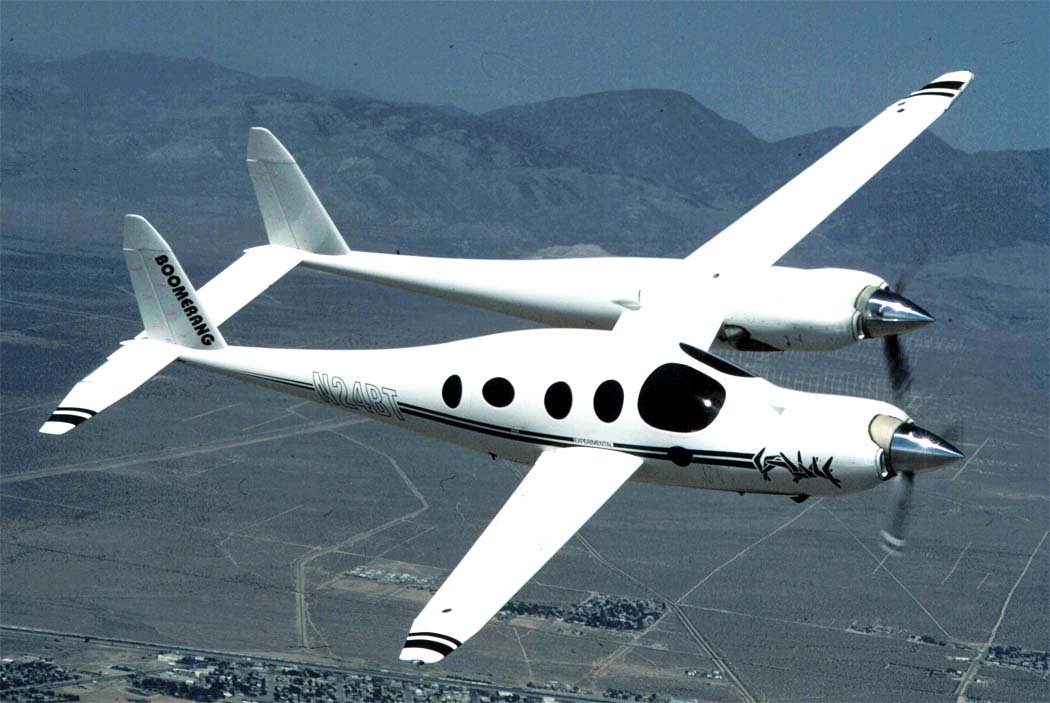 Boomerang. Photo: rutanboomerang.com |
 Boomerang. Photo: rutanboomerang.com |
 Boomerang. Photo: Willie Bodenstein |
 Boomerang. Photo: rutanboomerang.com |
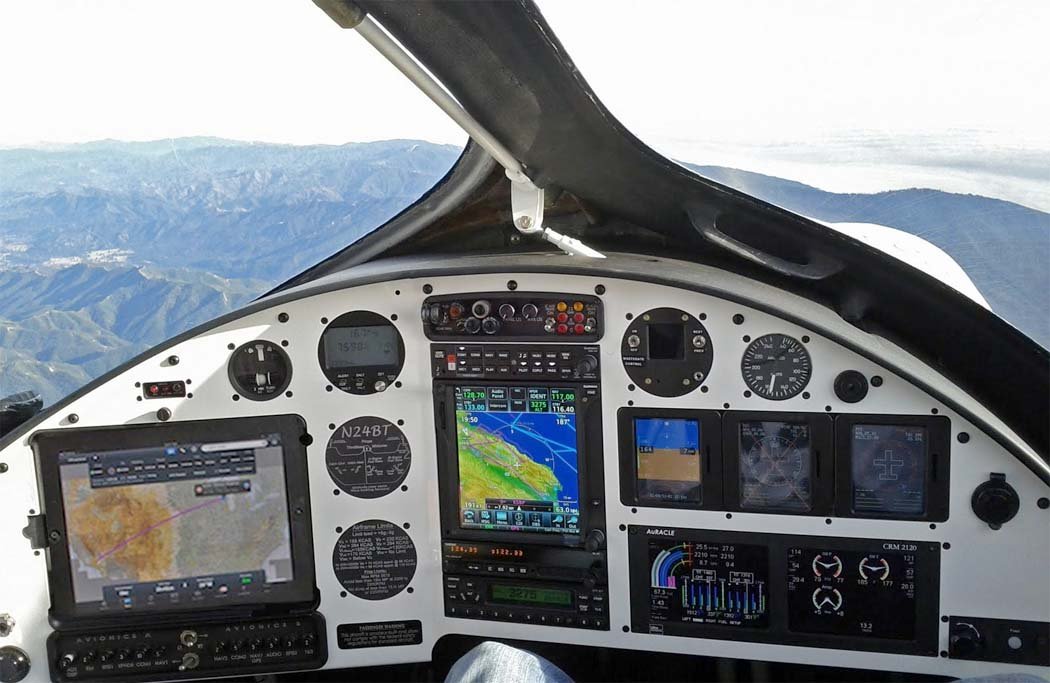 Boomerang. Photo: Tres Clements |
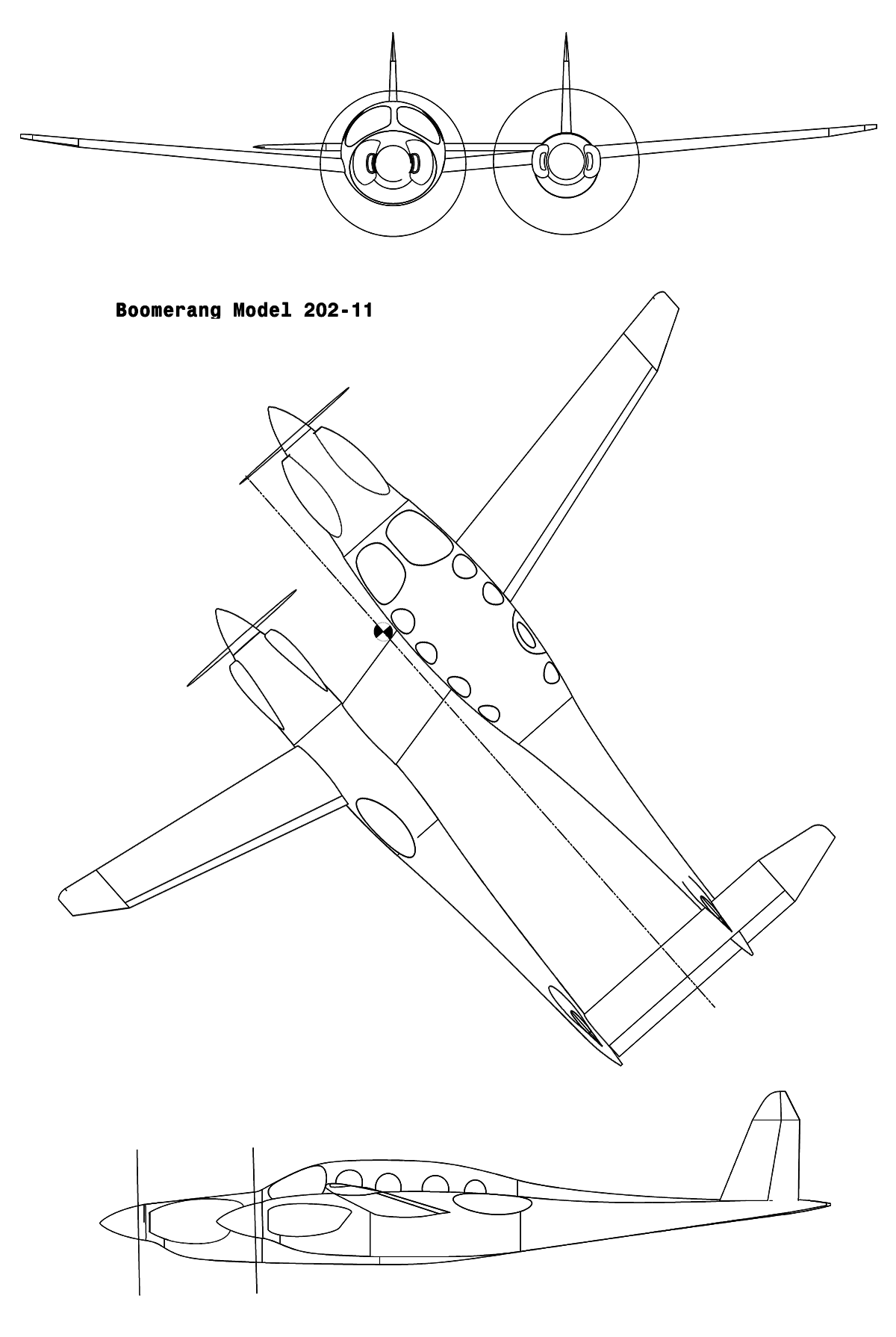 Boomerang |