
Shortly before the outbreak of war in France, several interesting projects for high-speed courier aircraft emerged, with their designs based on bombers. Certainly, not all of them reached the prototype stage, but two developments were fortunate; although not mass-produced, the potential embedded in their design was quite significant. The first of these was the Amiot 370, an elegant courier aircraft with very clean aerodynamic forms, almost without protruding parts, created based on the Amiot 351 medium bomber.
Its trials began in 1939, and the occupation of France prevented the deployment of serial production. Nevertheless, from 1941, it successfully flew as part of the Vichy aviation and was scrapped in 1947.
Development of the Br.500 Colmar
The second aircraft, the Breguet Br.500, was a much larger airplane, developed as a transport modification of the heavy long-range bomber Br.480. Specifically, a Br.483 variant was proposed for fundamental redesign, which remained only on the drawing board. The aircraft was renamed Br.483T, undergoing significant modernization work.
The fuselage was redesigned, all military equipment was removed, and instead of four engines, only two were retained. By July 1940, the work was in its initial stages. The incoming German administration did not hinder the continuation of work on the Br.483T, but the final drawings were only ready by mid-1941.
By this time, the changes in the transport aircraft’s design were so substantial that it was given a new designation: Br.500 “Colmar.” However, the construction of the prototype was indefinitely delayed, as the Vichy government, in light of existing problems, did not prioritize civil aviation.
Prototypes and Post-War Challenges
Power changed again in November 1942, and now the Germans took full control of the unfinished projects. Most of them remained unrealized, but the Br.500 was lucky. In April 1943, permission was obtained to build two prototypes, which were completed exactly one year later.
Their testing could not be carried out immediately; one of the aircraft was soon destroyed by Allied aviation, and the second was barely saved, although it also sustained minor damage. Only after the liberation of France, on February 27, 1945, did the first flight of the Br.500 take place.
The aircraft’s initial tests were quite successful, but later problems emerged in the powerplant, which would require a significant amount of time to fix. It was also necessary to consider the fact that the Allies, between 1945-1946, transferred a large number of military transport aircraft to the French, not counting already existing captured German equipment, thus endangering the establishment of serial production for the Br.500.
Modernization Attempts and Final Fate
Aiming to rectify the situation, French engineers attempted to install GR 14R4 engines on the aircraft, but this also proved unsuccessful. During tests in the summer of 1946, the improved Br.500 did not show the desired results, definitively closing the question of further modernization of the aircraft.
This resulted in a lack of support for the proposal to build an extended Br.510 variant of greater capacity. The only remaining prototype was handed over to the French Air Force on August 3, 1946.
The Br.500 was sent to GLAM, where it was used as a liaison aircraft for just over a year. During its brief career, it flew only 8,515 km and transported 140 passengers. In October 1947, due to numerous technical problems, the aircraft was placed into temporary storage at Villacoublay airfield and soon scrapped.
Technical Specifications
| Modification | Br.500 |
| Wingspan, m | 24.12 |
| Length, m | 19.95 |
| Height, m | 5.07 |
| Wing area, m2 | 66.70 |
| Empty weight | 7180 |
| Maximum takeoff weight | 14650 |
| Engine type | 2 Piston engines Gnome & Rhône 14R5 |
| Power, hp | 2 x 1360 |
| Maximum speed, km/h | 460 |
| Cruising speed, km/h | 400 |
| Practical range, km | 2000 |
| Service ceiling, m | 6500 |
| Crew | 4 |
| Payload | 23 passengers |
Image and diagram gallery of the Br.500 Colmar
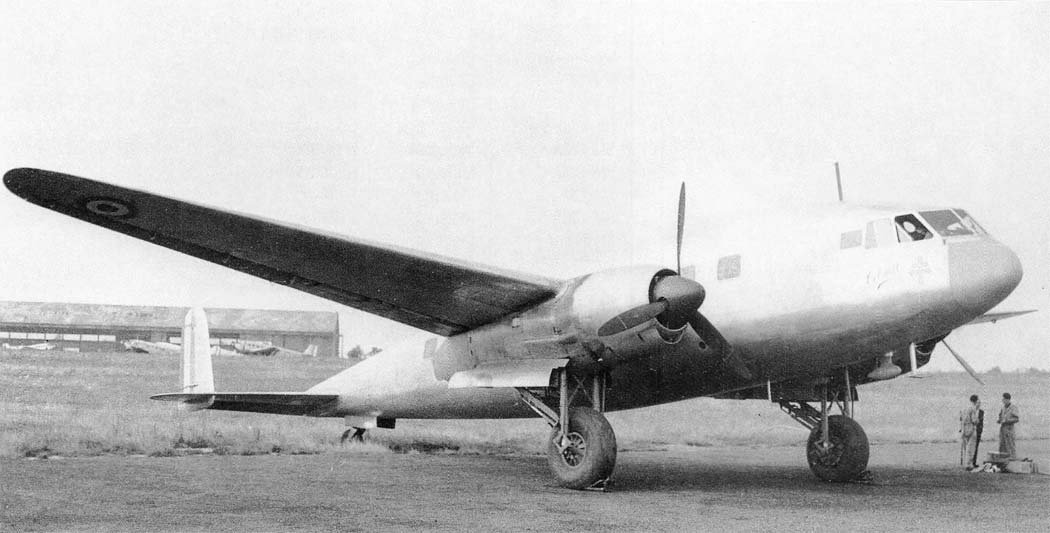 Br.500 Colmar |
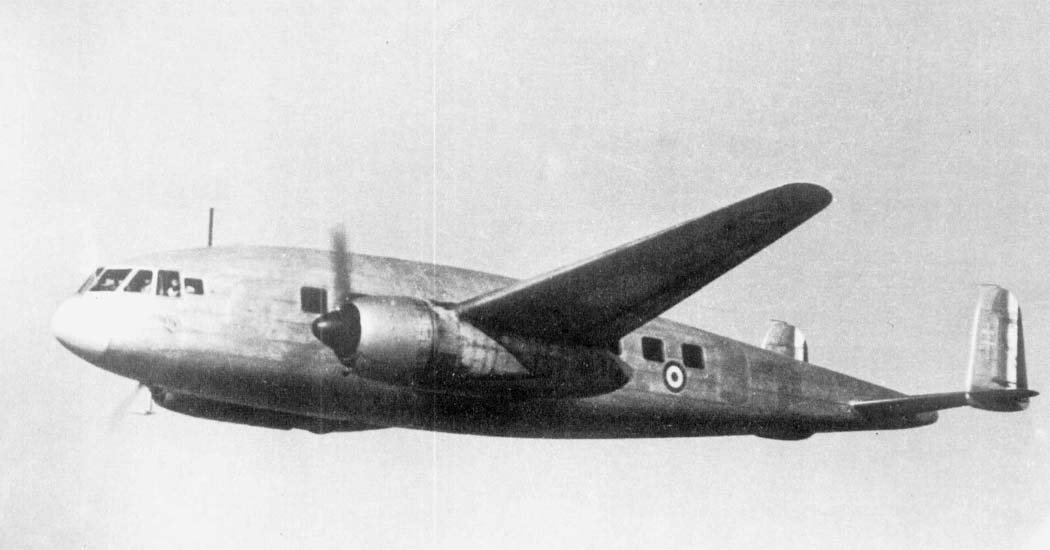 Br.500 Colmar |
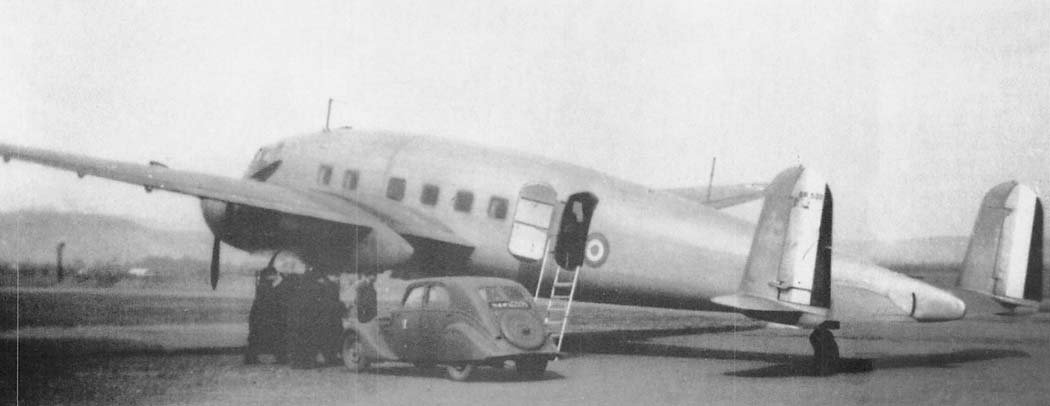 Br.500 Colmar |
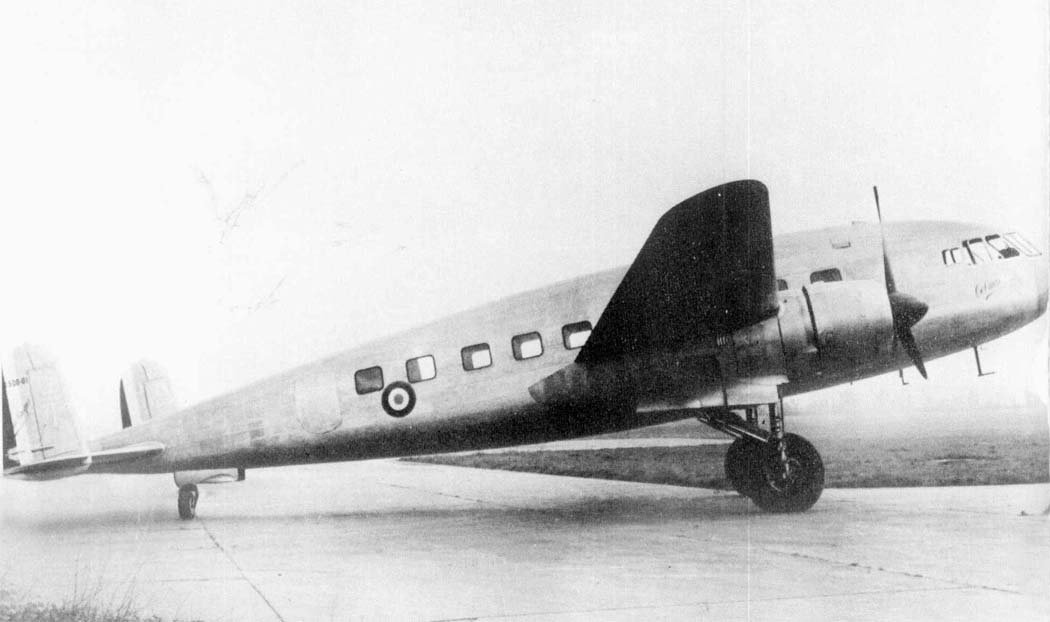 Br.500 Colmar |
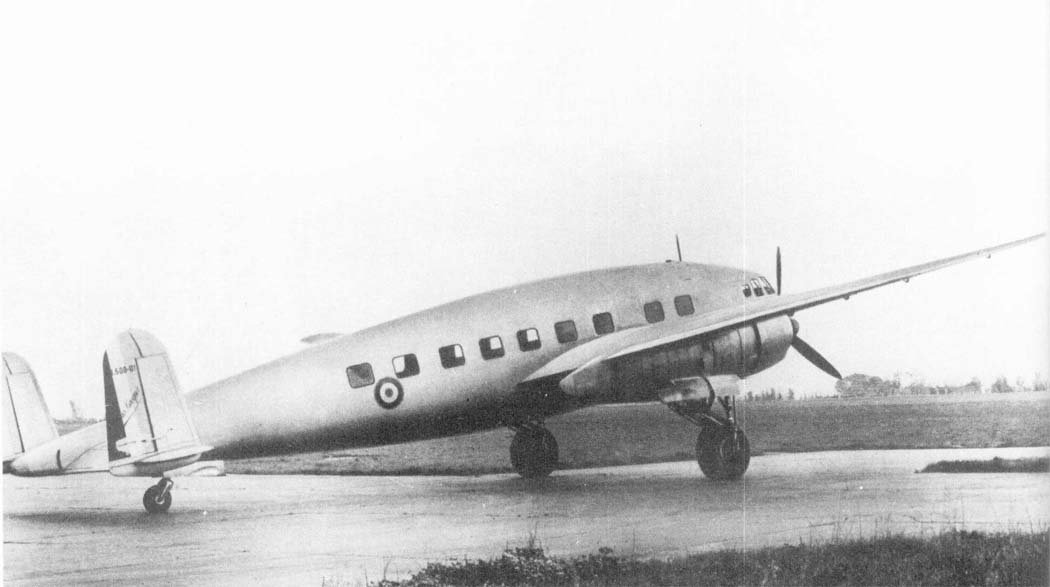 Br.500 Colmar |
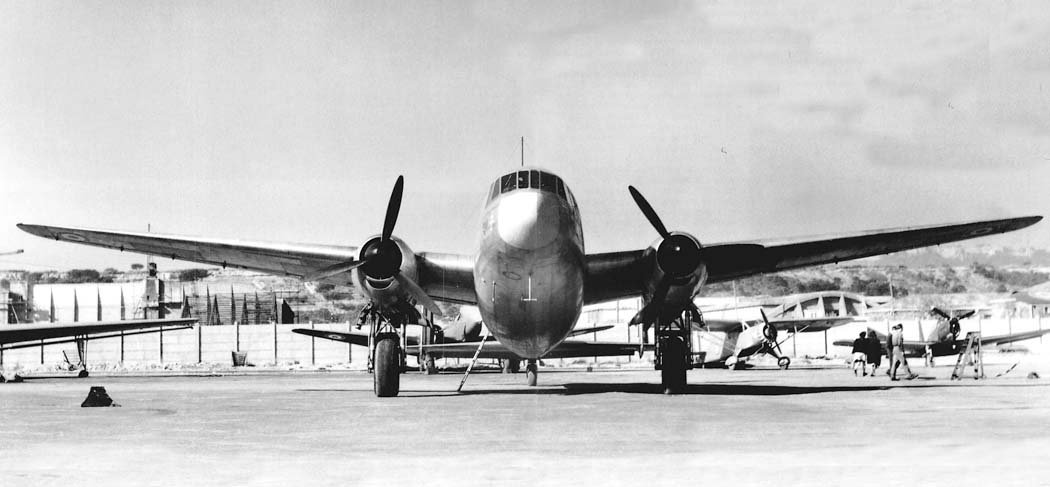 Br.500 Colmar |
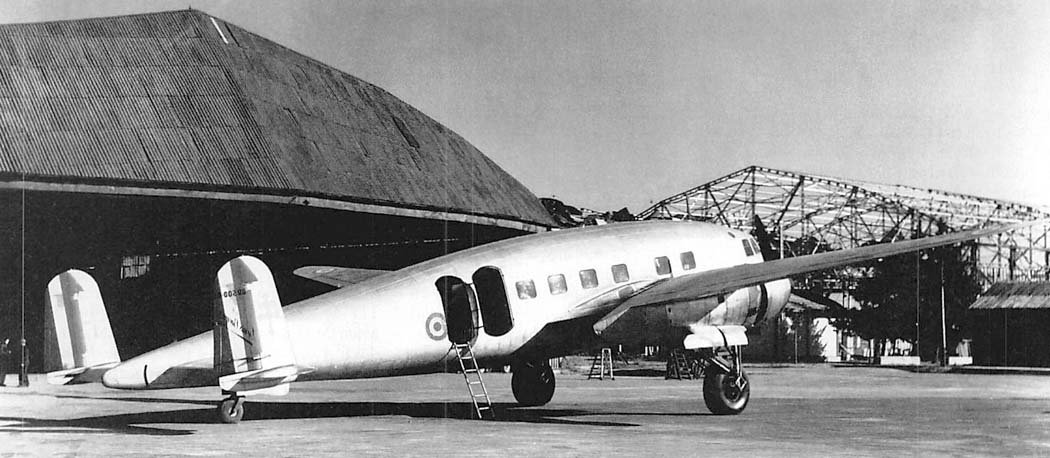 Br.500 Colmar |
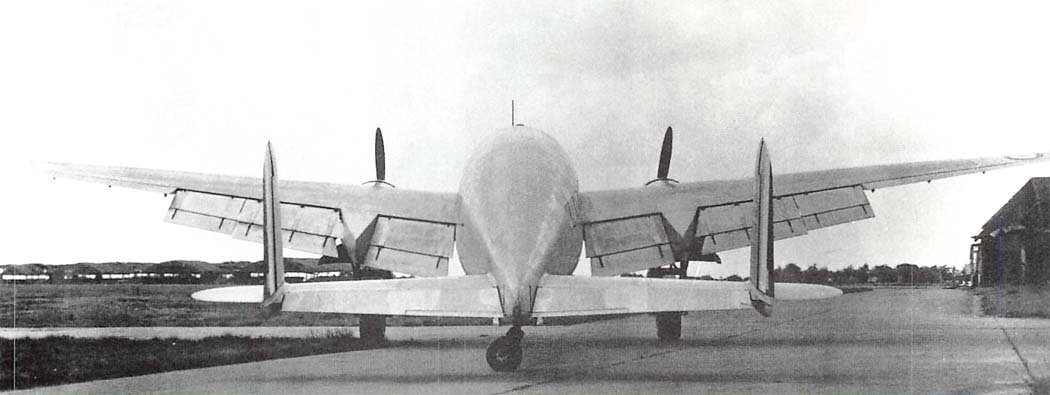 Br.500 Colmar |
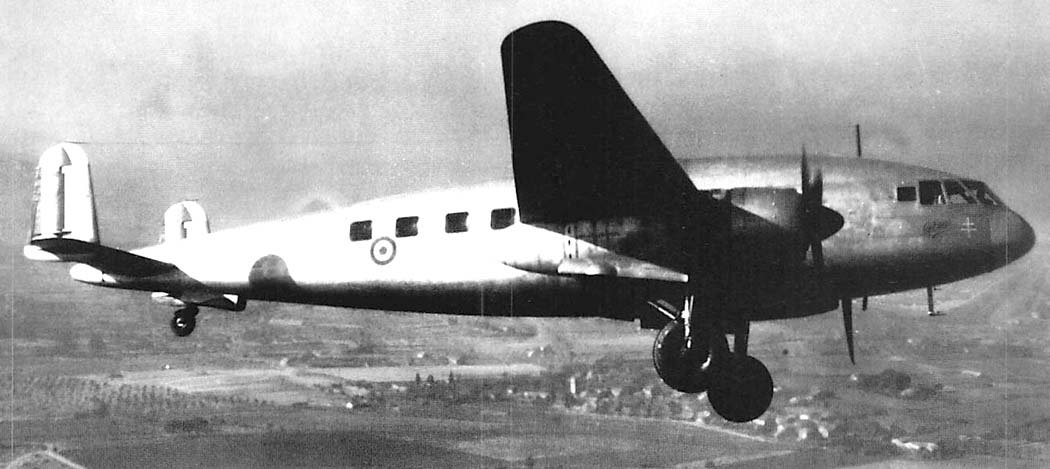 Br.500 Colmar |
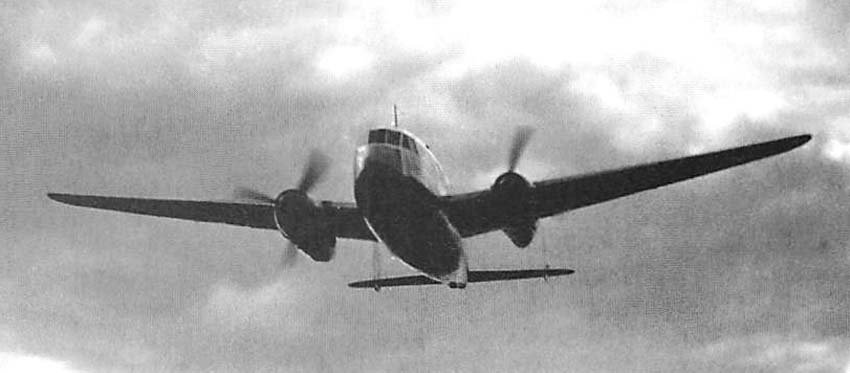 Br.500 Colmar |
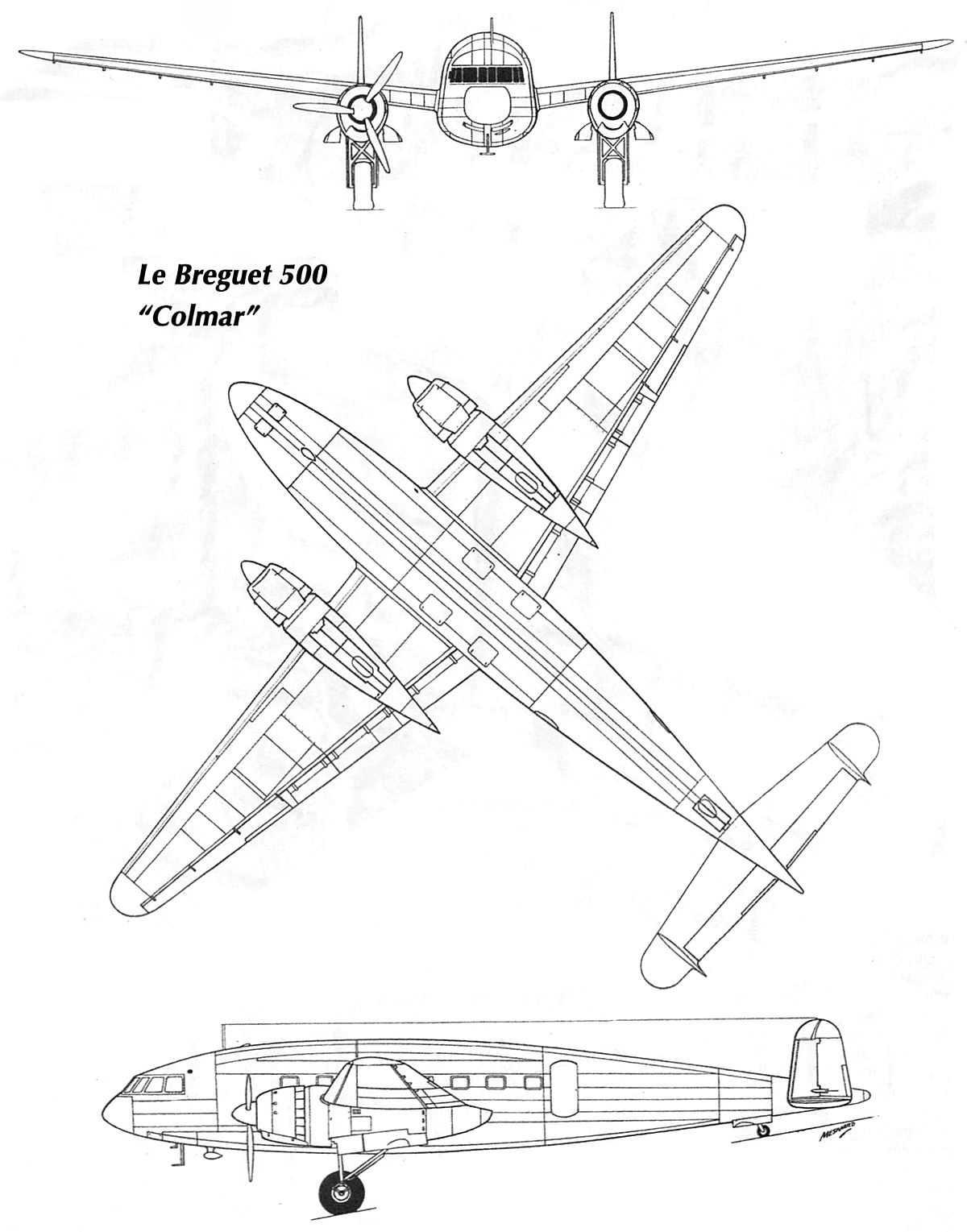 Br.500 Colmar |
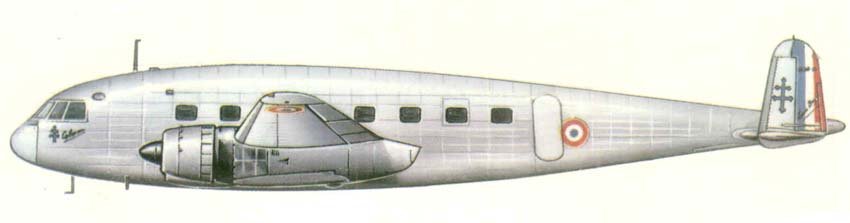 Br.500 Colmar |