
In 1913, at the British and Colonial Aeroplane Company (Bristol), designer Henri Coanda began construction of a series of light multi-purpose aircraft under the general name Bristol-Coanda Two-seat Biplanes. One of these was the T.B.8 auxiliary aircraft (tractor biplane), built on the basis of the Coanda monoplane. This aircraft was commissioned by the British Admiralty.
The TB.8, with serial number 43, first took to the air on August 12, 1913. Following this, one Romanian Coanda monoplane was re-equipped to the TB.8 standard, receiving an attachment for a light bomb. This led some specialists to consider it the first British bomber.
Innovations and International Exhibition
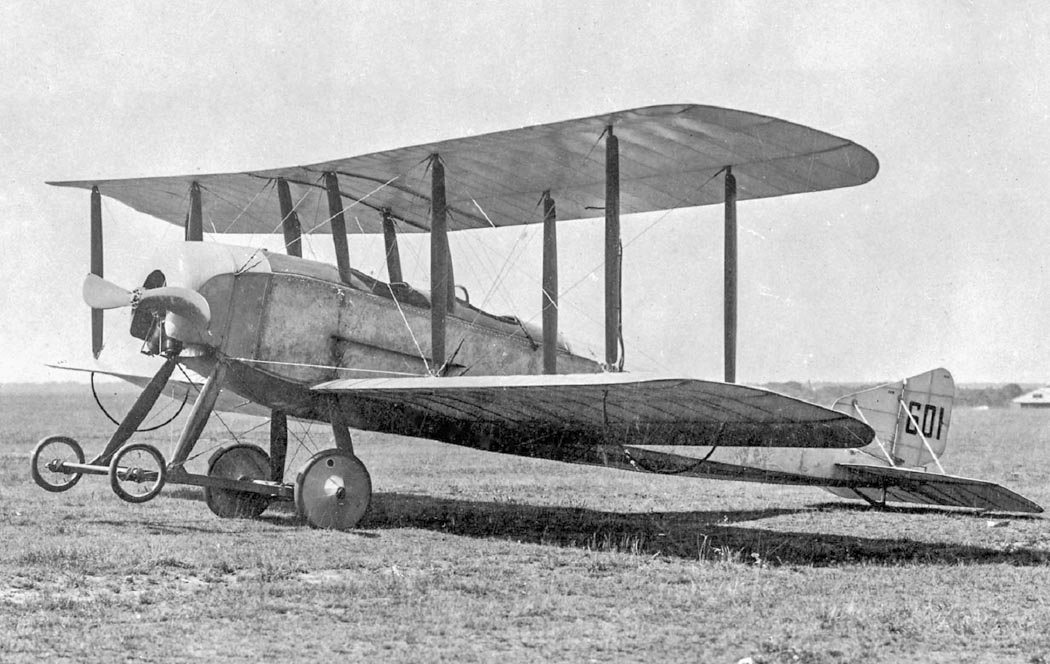
Subsequent TB.8 aircraft were released with modernized cockpits. Aircraft control was concentrated in the rear cockpit, while the front one was fitted with a prismatic bombsight and a bomb release system. Typically, the aircraft carried twelve light 4.5 kg bombs.
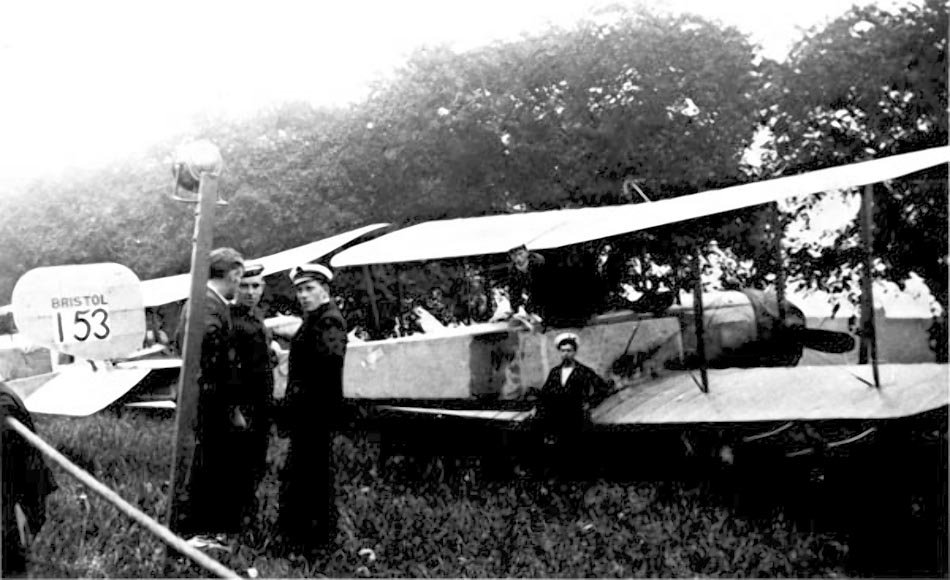
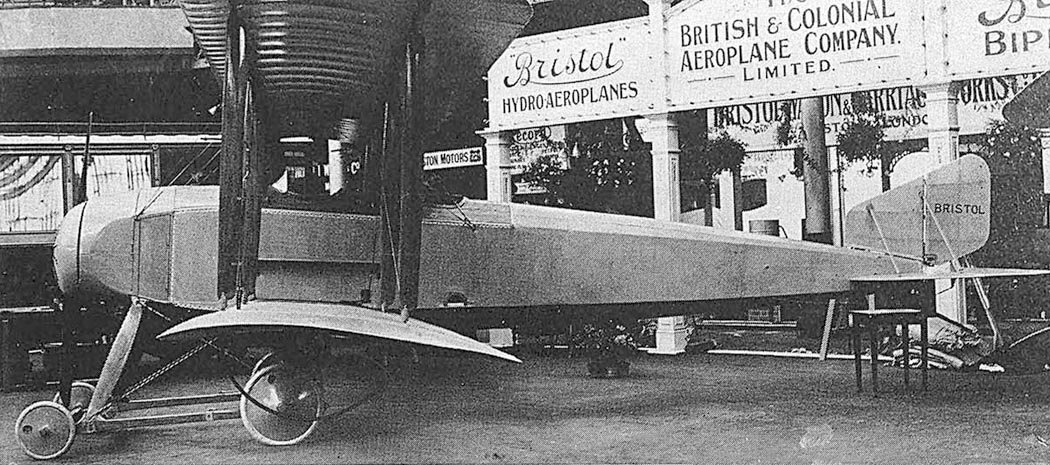
In December 1913, an aircraft in this configuration, bearing serial number 153, was displayed at the international aviation exhibition in Paris. After the exhibition concluded, this aircraft was also acquired by the Admiralty.
Service in World War I
In 1914, an order was placed for a batch of twelve modernized TB.8s (with ailerons), which entered service in October of the same year (with serial numbers 1216-1227). After the outbreak of World War I, several TB.8s were deployed to France as part of the English aviation squadron (Eastchurch Squadron).
On November 25, 1914, one of these aircraft carried out a bombing raid on a German artillery battery. Subsequently, another 24 aircraft were ordered, but these were no longer used as light bombers.
Transition to Training and Production
In 1915, all remaining TB.8s were assigned to RNAS training units located in Newcastle, Gosport, and Hendon. In total, 54 aircraft were produced over two years, with one variant, the TB.8H, being released as a floatplane.
After the TB.8, Coanda built a similar aircraft, the GB75, for Romania, equipped with a 70hp Mono-Gnome or an 80hp Gnome engine. This aircraft’s first flight took place on April 7, 1914.
Technical Specifications
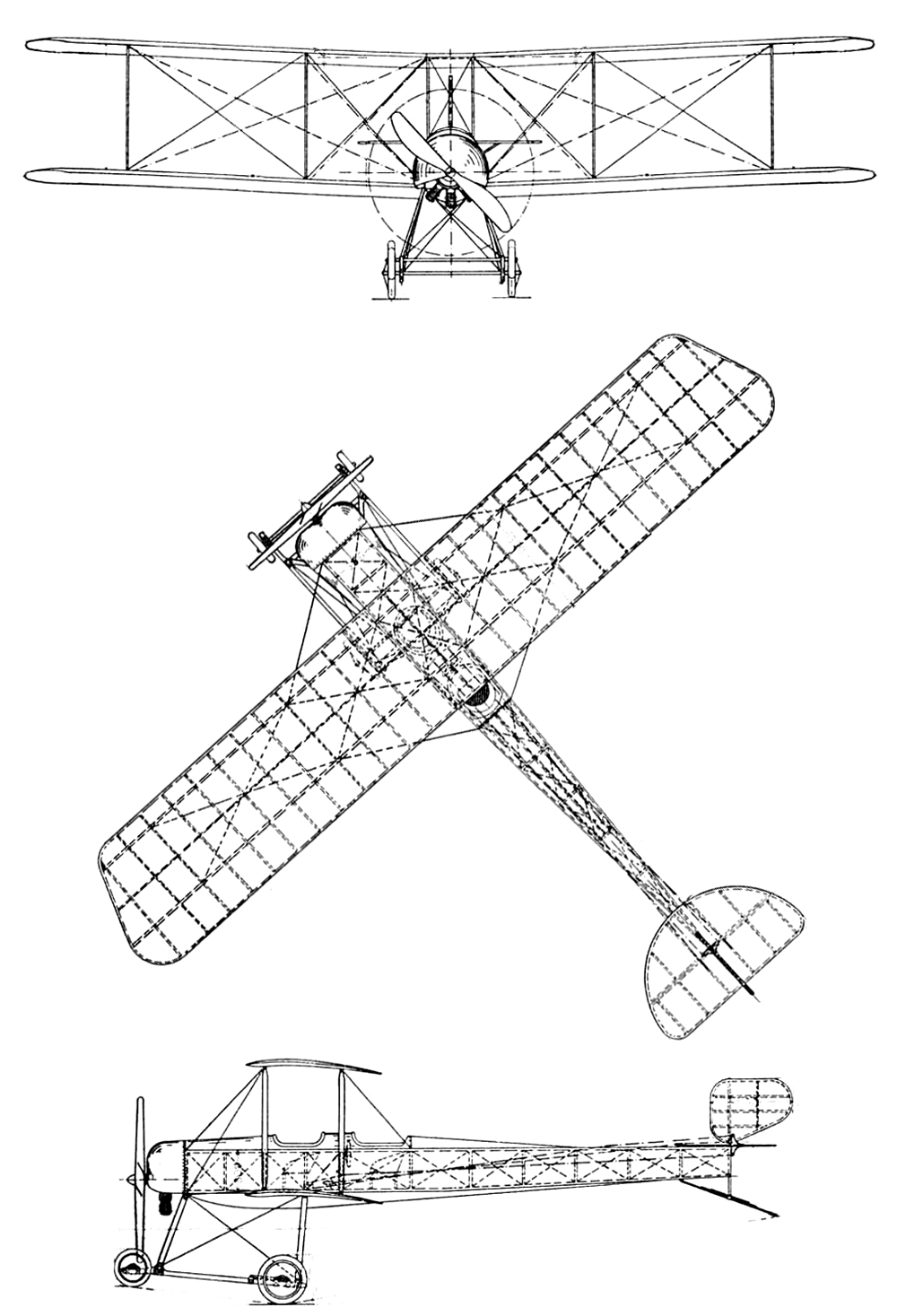
| Modification | TB.8 |
| Wingspan, m | 11.48 |
| Length, m | 8.92 |
| Wing area, m2 | 41.80 |
| Empty weight | 441 |
| Normal takeoff weight | 757 |
| Engine type | 1 Piston engine Gnome |
| Power, hp | 1 x 80 |
| Maximum speed, km/h | 121 |
| Cruising speed, km/h | 105 |
| Flight endurance, h | 5 |
| Crew, crew members | 2 |
| Armament | Possible to carry 12 x 4.5 kg bombs |
Image and diagram gallery of the Bristol TB.8
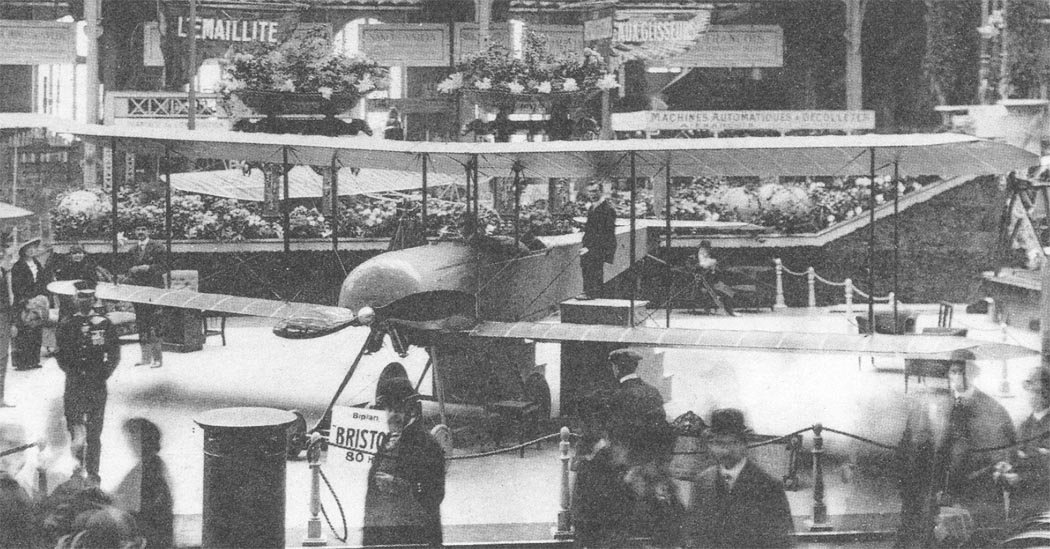 Bristol TB.8 |
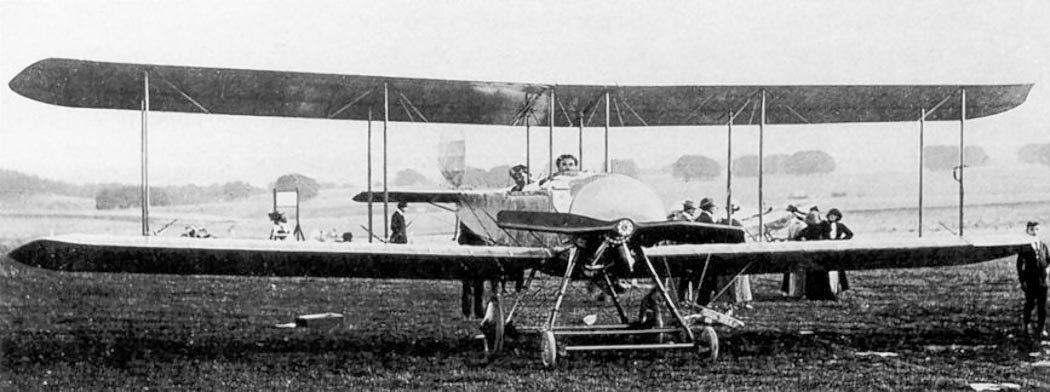 Bristol TB.8 |
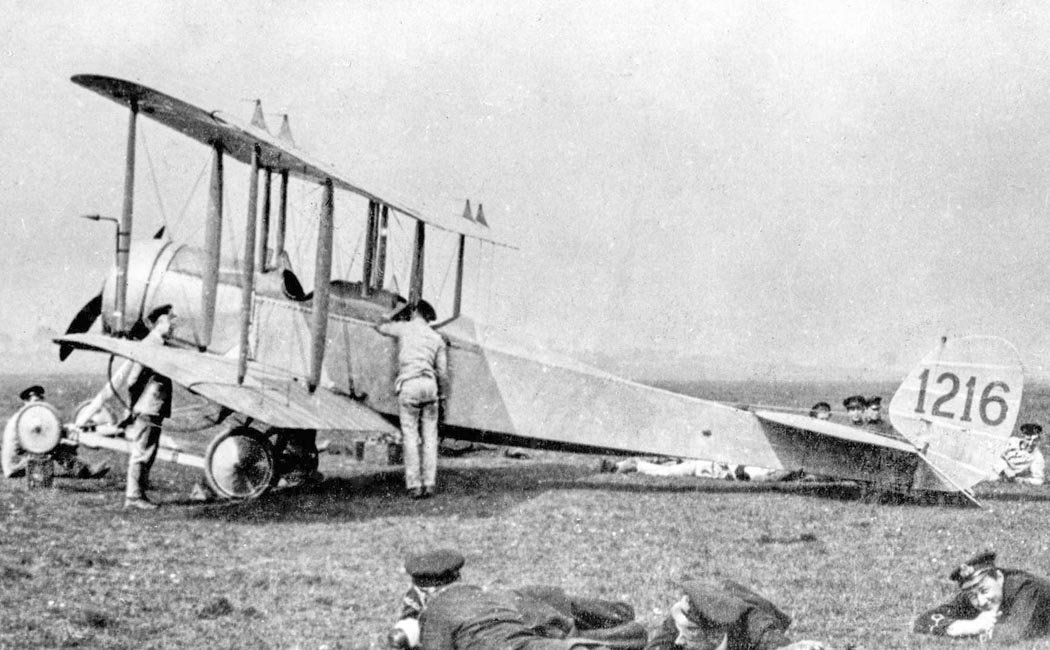 Bristol TB.8 |
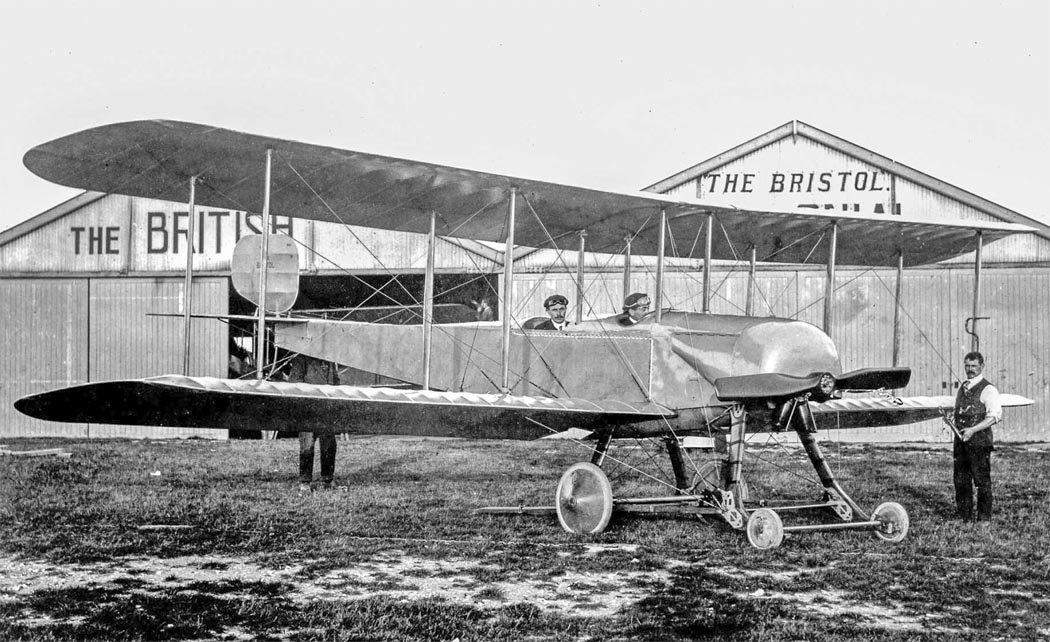 Bristol TB.8 |
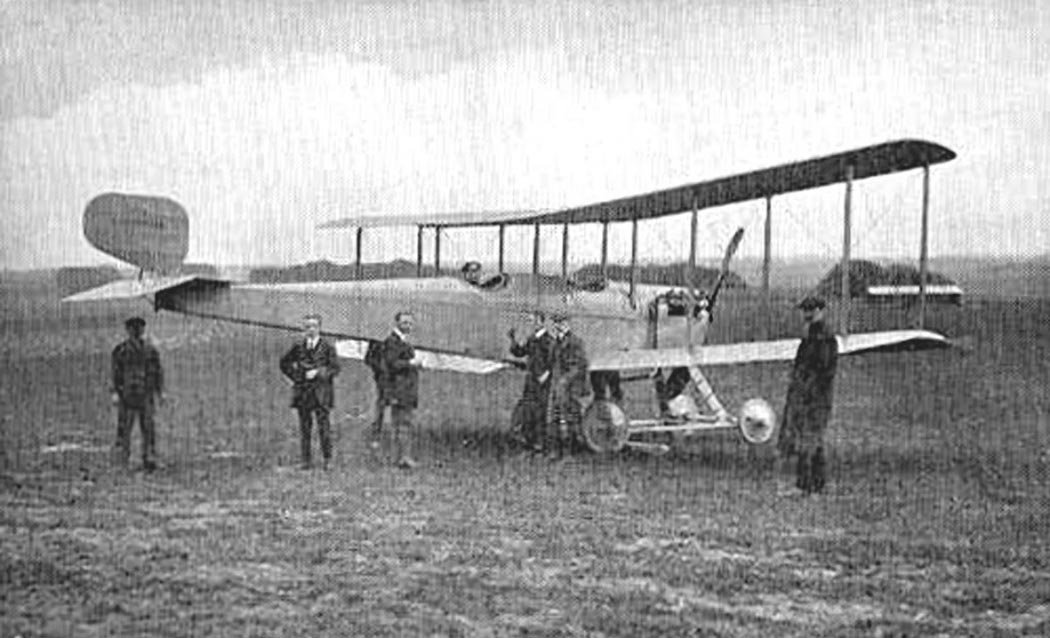 Bristol TB.8 |
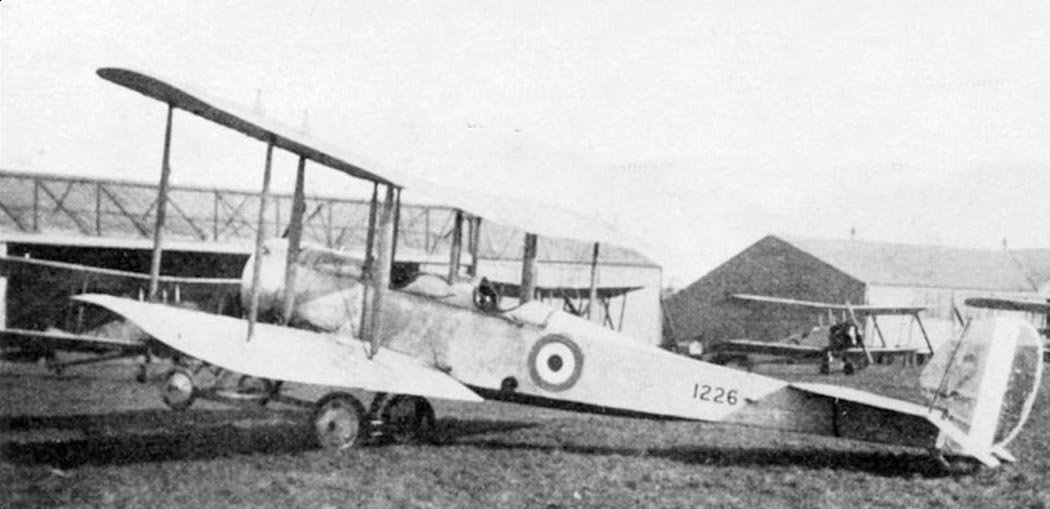 Bristol TB.8 |
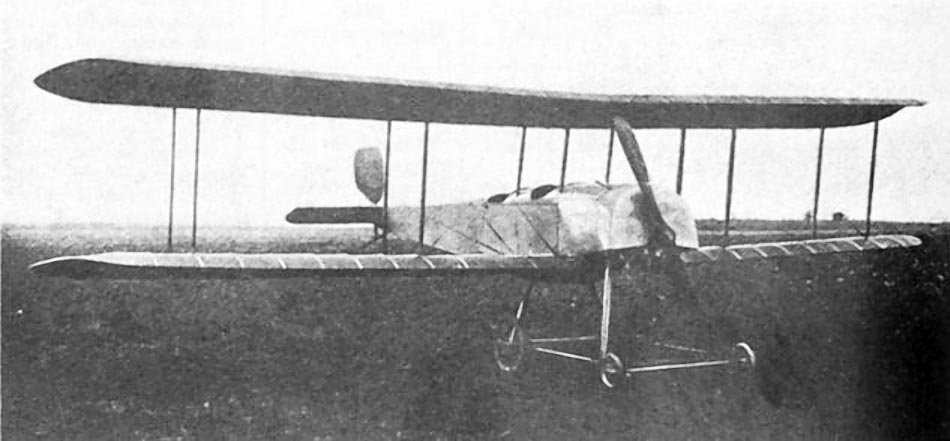 Bristol TB.8 |
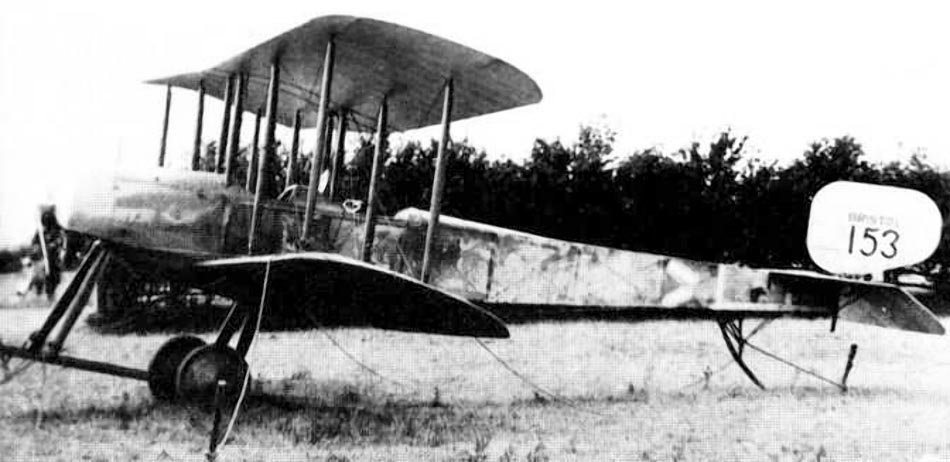 Bristol TB.8 |
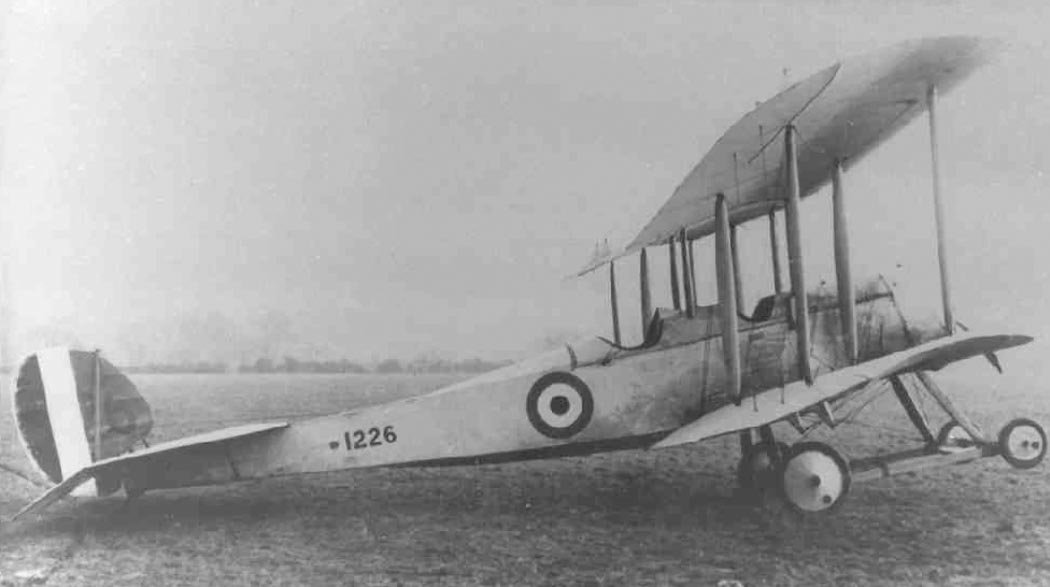 Bristol TB.8 |
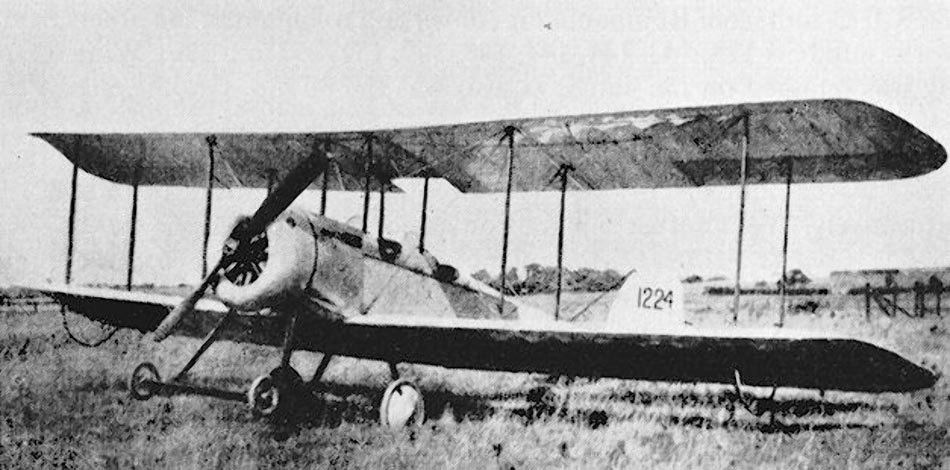 Bristol TB.8 |
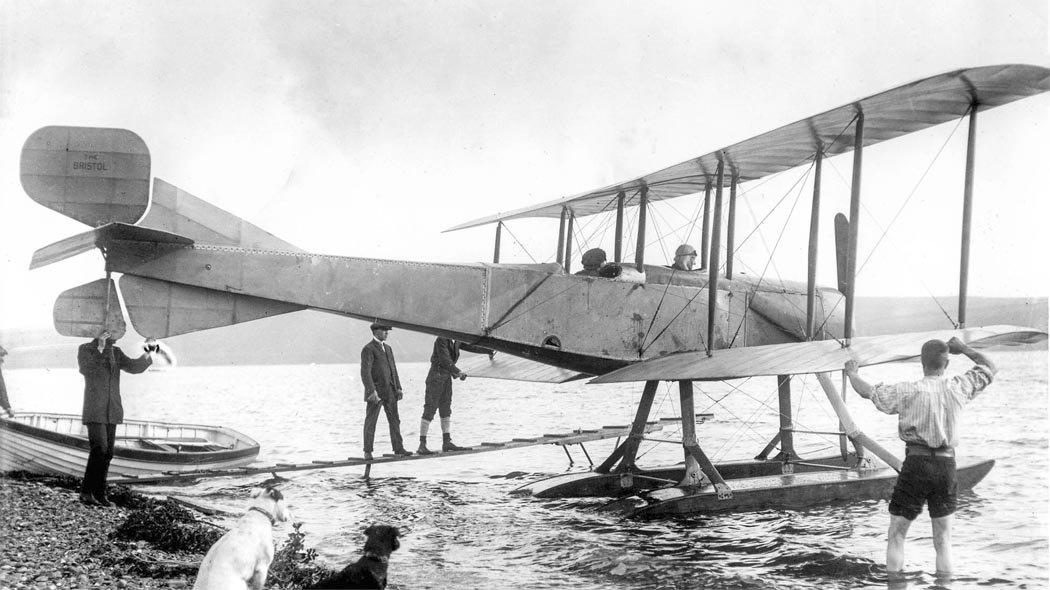 Bristol TB.8 |
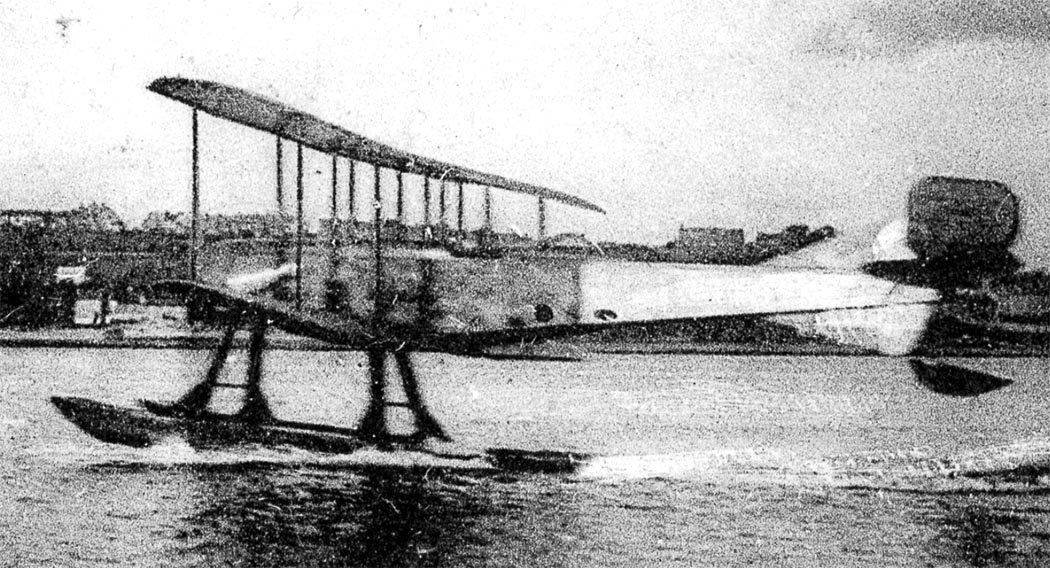 Bristol TB.8 |
 Bristol TB.8 |
 Bristol TB.8 |
 Bristol TB.8 |
 Bristol TB.8 |