
Caudron’s Pioneering Civil Aircraft
Between 1919 and 1922, the Caudron company released a range of civil transport aircraft, including models like the C.33, C.37, C.39, C.43, and C.61. Built in 1920, the C.37 marked a significant milestone as the first tri-motor machine in this influential series. Its development showcased Caudron’s commitment to advancing aviation for passenger travel during the post-WWI era.
Advanced Design and Performance
The C-37 was a unique aircraft, with only a single example ever produced. This eight-seater, three-bay biplane was powered by three Le Rhône 9C 80 hp (60 kW) air-cooled nine-cylinder radial engines. This innovative three-engine configuration was a key safety feature, designed to allow the safe transport of six passengers even if one of the engines failed during flight, ensuring reliability for early commercial aviation.
Monaco Grand Prix Participant
Beyond its impressive engineering, the Caudron C.37 also made its mark in aviation competitions. Along with the Caudron C.39 and C.43, it participated in the prestigious Grand Prix de Monaco. This event, held from April 16 to May 2, 1920, highlighted the capabilities and endurance of these early civil transport aircraft in a competitive setting.
Technical Specifications
| Modification | C.37 |
| Wingspan, m | 17.00 |
| Aircraft length, m | 11.60 |
| Aircraft height, m | 3.90 |
| Wing area, m2 | 65.00 |
| Empty weight | 1300 |
| Maximum takeoff weight | 12100 |
| Engine type | 3 Piston engine Le Rhône 9C |
| Power, hp | 3 x 80 |
| Maximum speed, km/h | 150 |
| Cruising speed, km/h | 125 |
| Flight endurance, h | 5 |
| Crew, crew members | 2 |
| Payload | up to 6 passengers |
Image and diagram gallery of the Caudron C.37
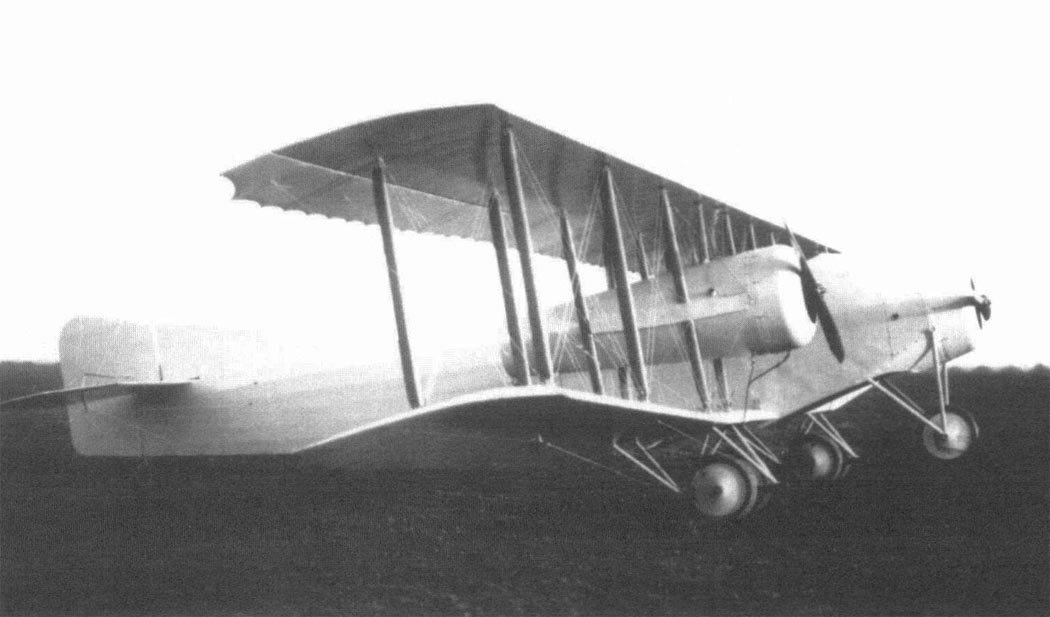 C.37 |
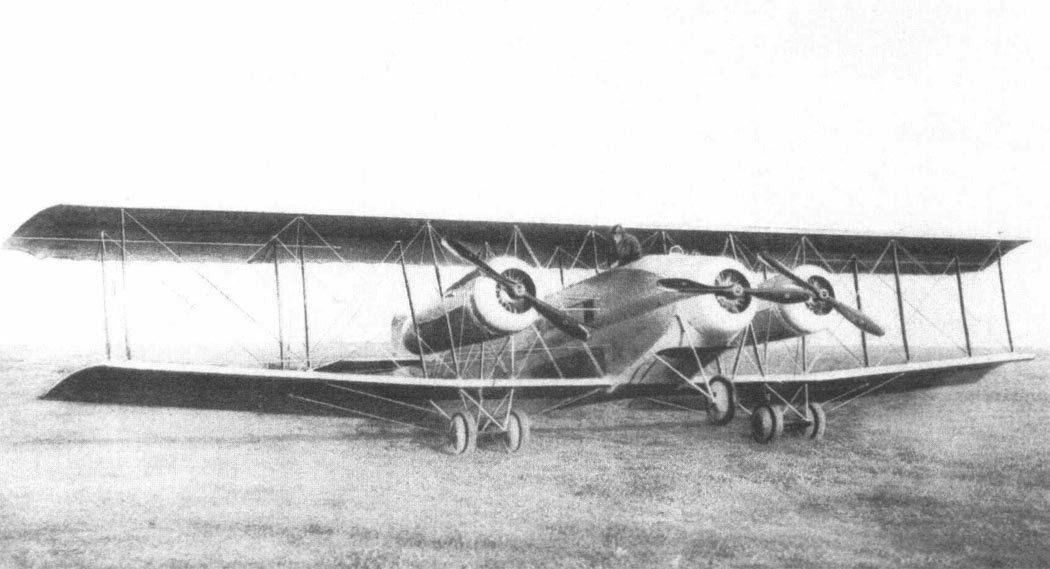 C.37 |