
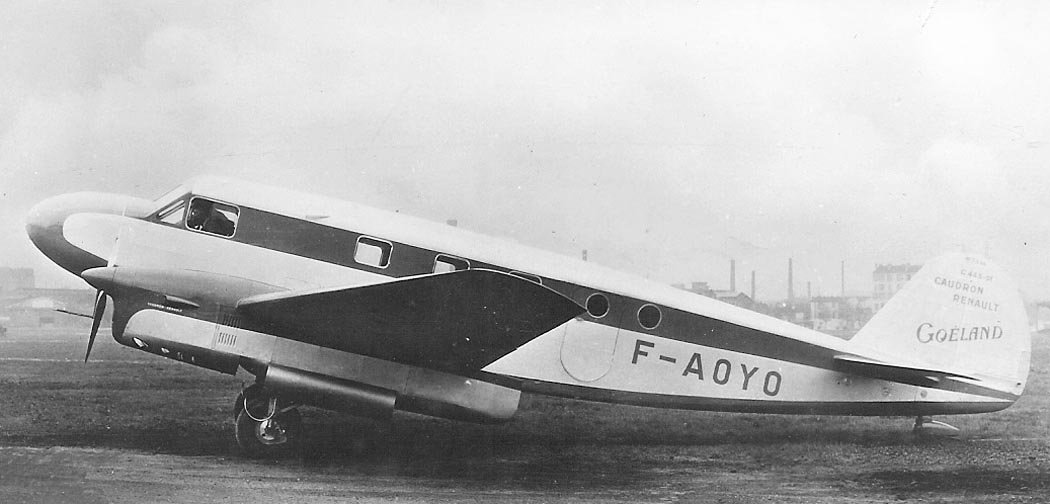
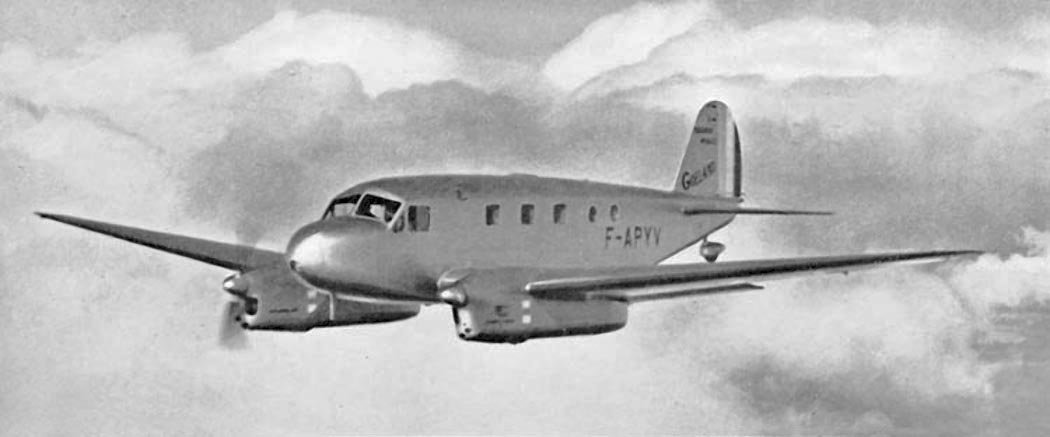
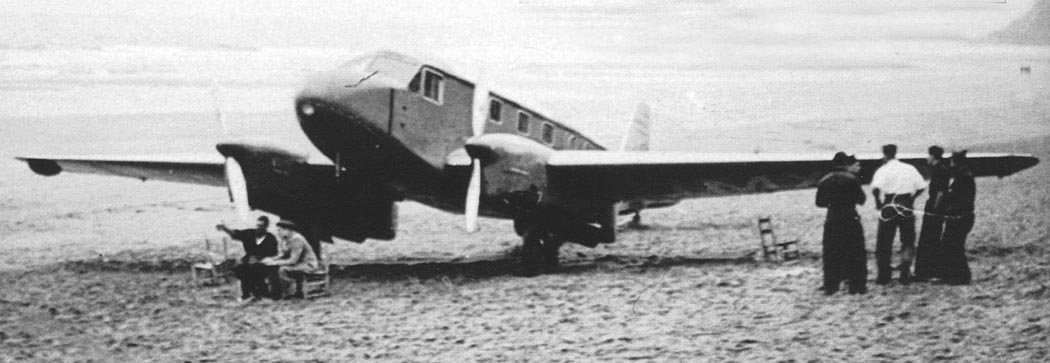
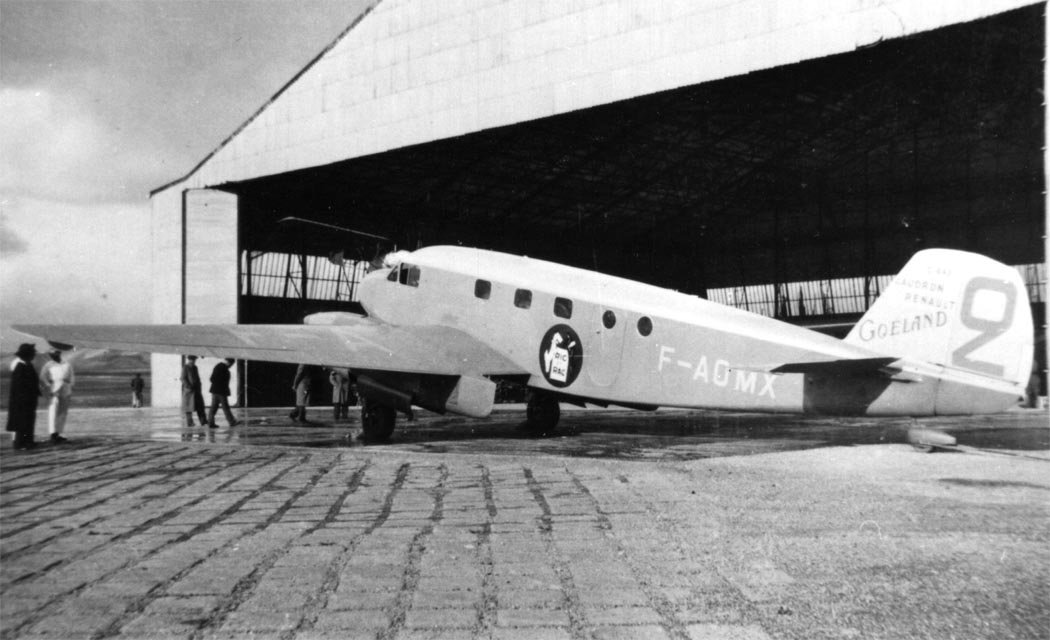
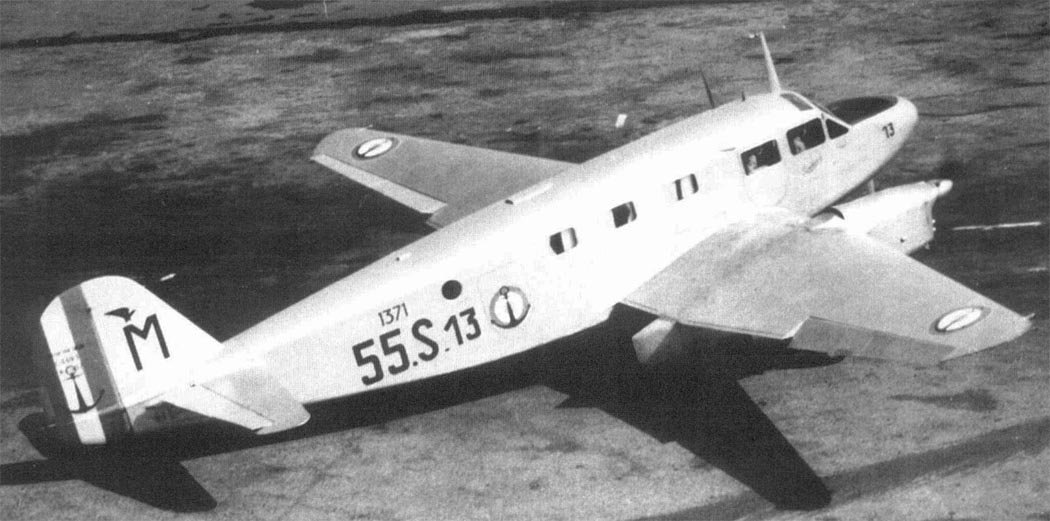
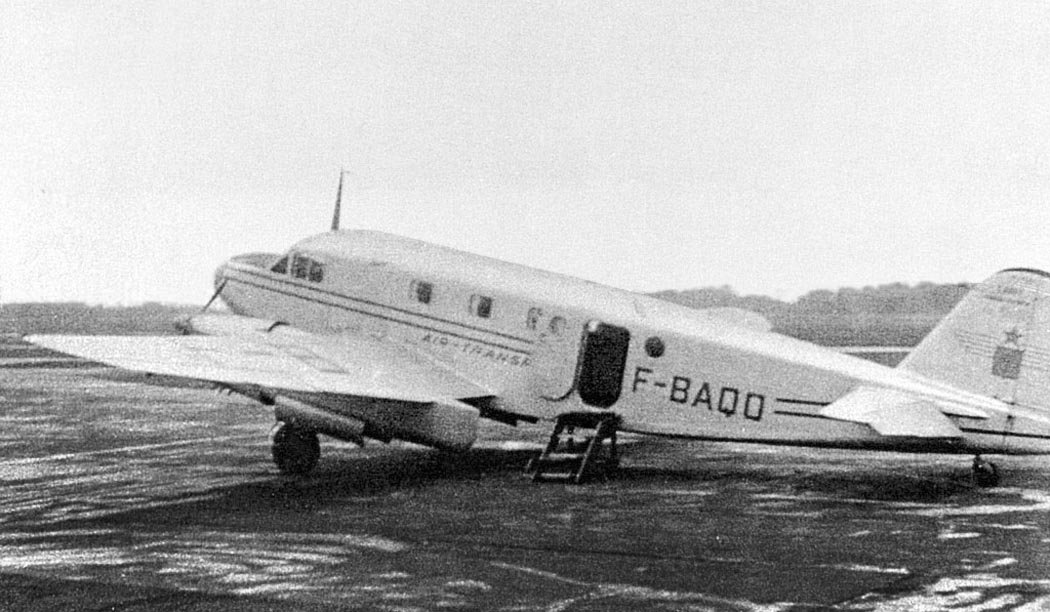
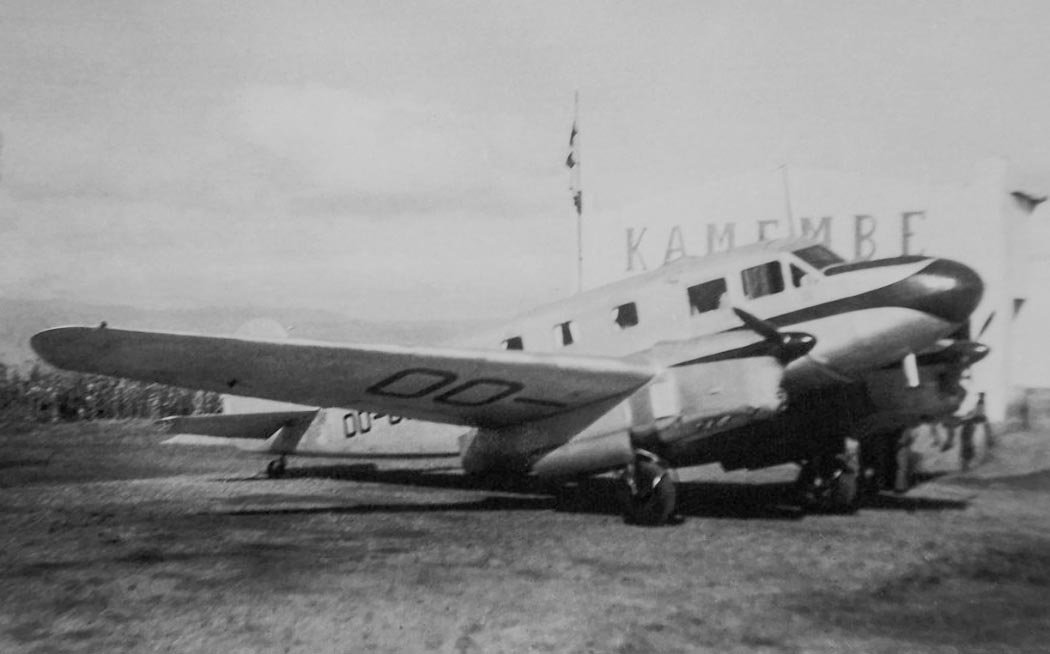
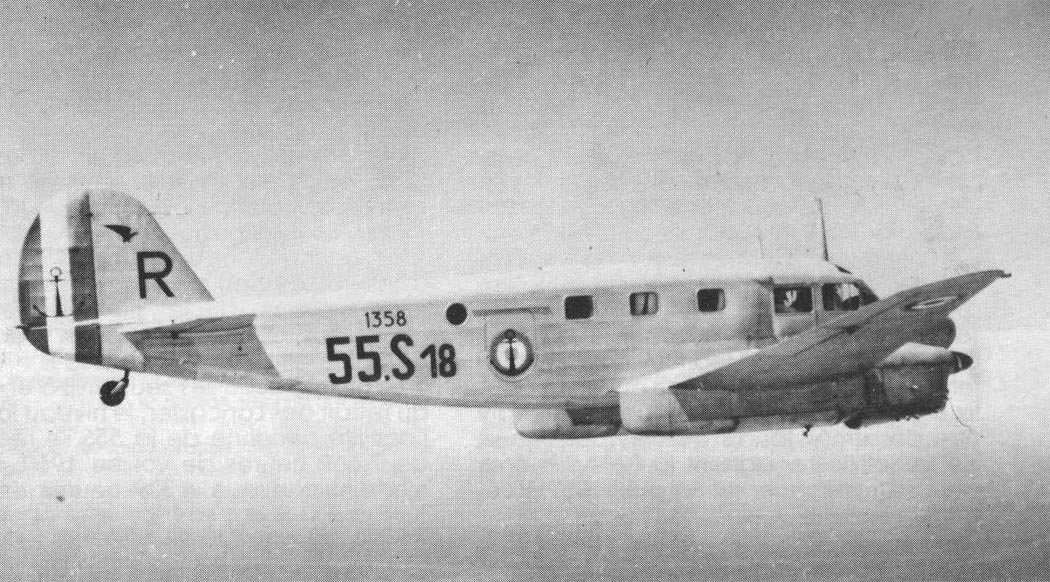
The Caudron C.440 Goeland aircraft was designed by Marcel Riffard to meet the need for a fast, economical, and comfortable transport vehicle of small passenger capacity. Appearing in 1934, it was a twin-engine cantilever low-wing aircraft, combining economy with high aerodynamic qualities. As one of the most successful aircraft of its time, it was produced in larger quantities than any other aircraft in its category.
Innovative Design and Construction
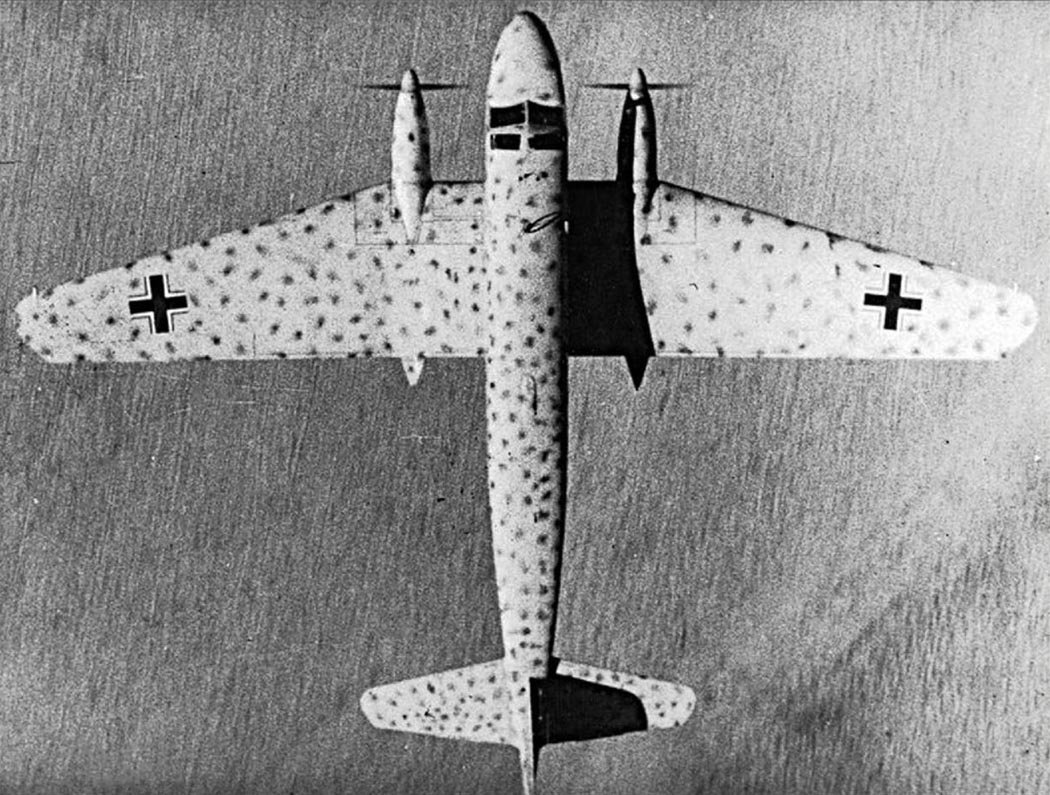
The two-spar wing was made of pine and plywood, which was used as cladding. Between the embedded ailerons, the entire trailing edge of the wing was occupied by flaps, which also extended into the lower fuselage section. The fuselage structure was primarily wooden and had plywood cladding, with the exception of the nose section and upper vault, which were covered with metal sheets.
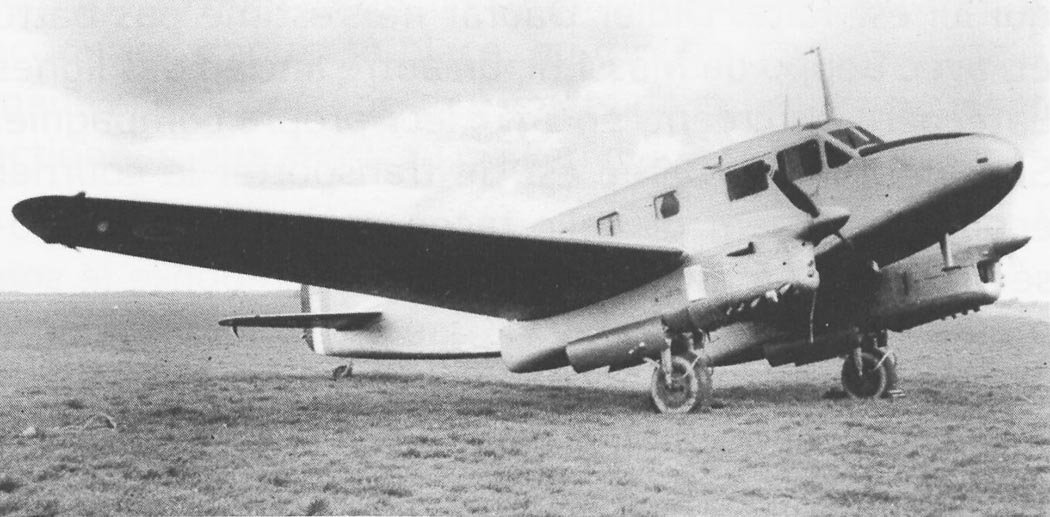
The cantilever tail unit also had a wooden structure; the stabilizer and fin were covered with plywood, while the control surfaces had fabric covering. The streamlined nacelles of the 220 hp Bengali 6 engines were located under the wing and extended beyond its trailing edge. Each main landing gear strut featured a fork with an oil-spring shock absorber.
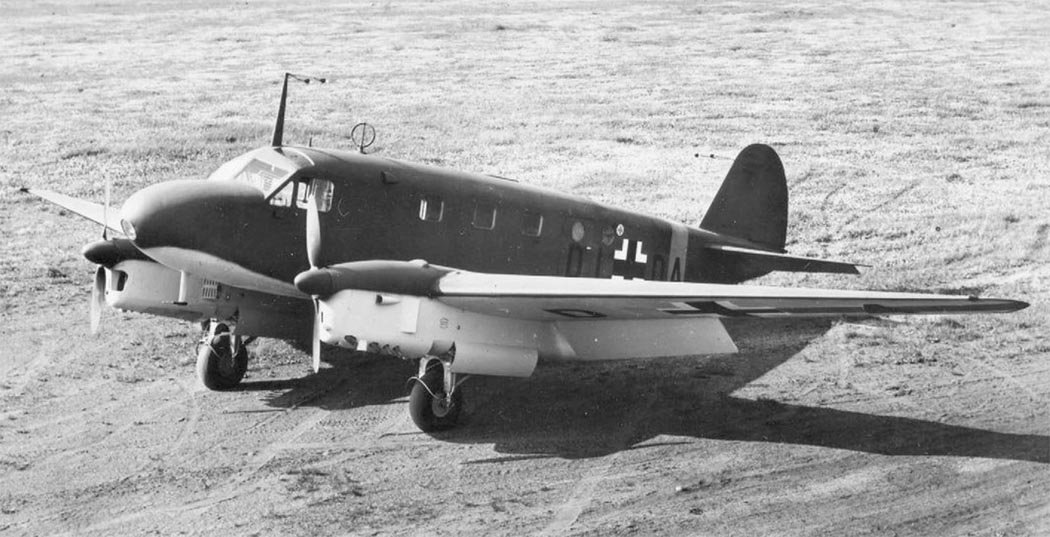
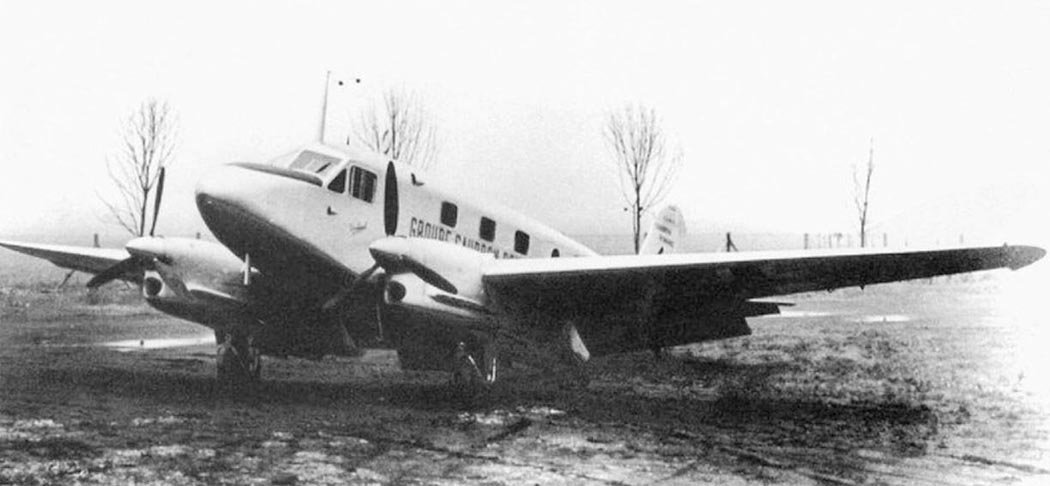
The struts retracted backward and were entirely housed in the engine nacelles. The prototype aircraft had fairings on the front parts of the main struts, which covered the wheel wells in the retracted position. However, subsequent C.440 aircraft featured landing gear bay doors attached to the bottom of each nacelle, a characteristic feature of all later Goeland aircraft. A steerable, non-retractable tail wheel was also installed.
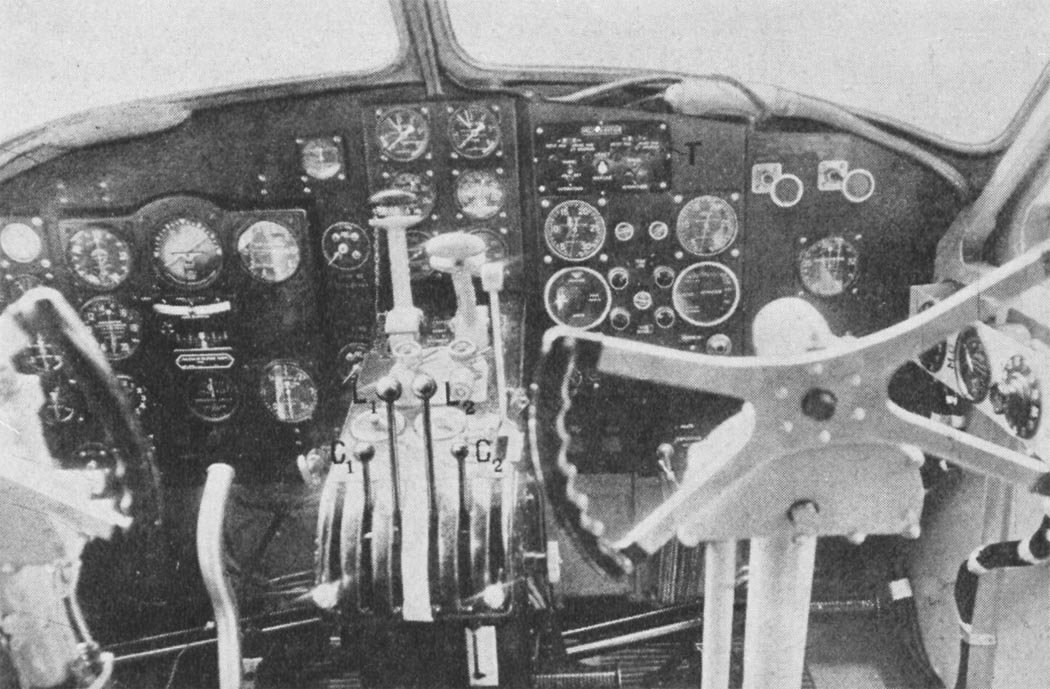
In its basic version, the Goeland featured a comfortable cabin for six passengers. The captain and co-pilot, who also served as radio operator, were seated side-by-side in a cockpit equipped with dual controls. Baggage compartments were located in the front and rear sections of the fuselage, and a lavatory was situated in the rear part of the passenger cabin.
Wartime and Post-War Service
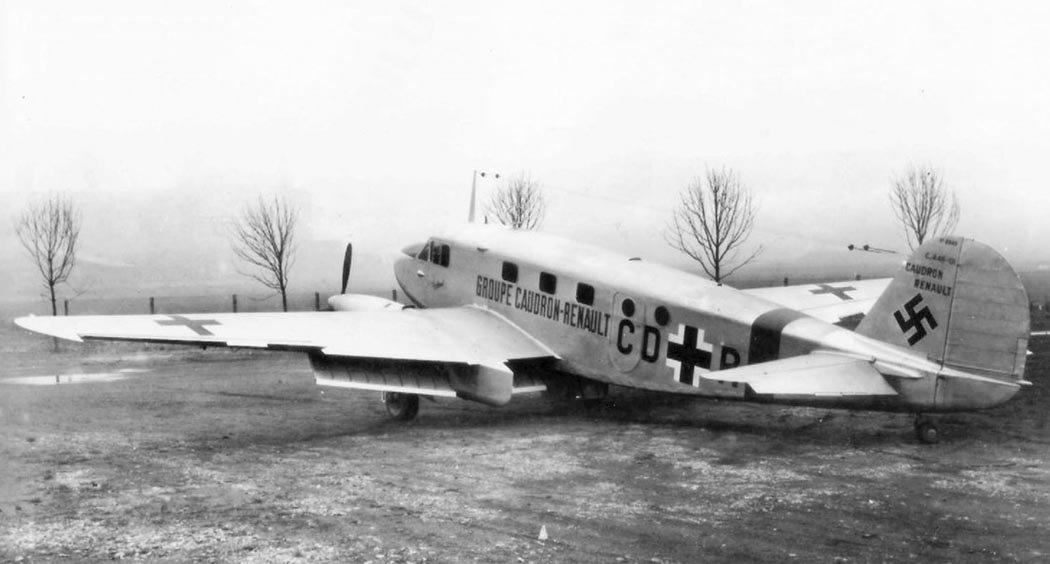
Various versions of the Goeland were mass-produced until the beginning of World War II, with the C.445 remaining the primary model. Serial production continued during the war years. After the German occupation of France, 44 C.445 and 10 C.445M aircraft were requisitioned. Some flew on civilian routes for Lufthansa, while others served with the Luftwaffe for pilot, radio operator, and navigator training, as well as for communications.
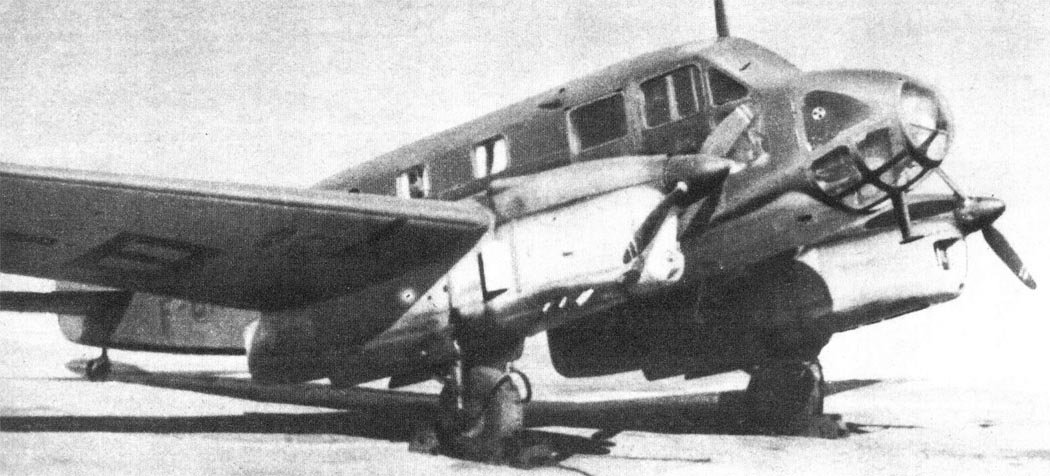
A small number of aircraft had a glazed nose section for bombing aiming practice. In addition to the specialized C.447 ambulance aircraft, some other Goeland aircraft were also used for accident transport. Goeland aircraft also served the Vichy regime, and some were dispersed throughout French colonial territories, mostly in North Africa. Starting in June 1940, several C.445 aircraft operated in the UK.
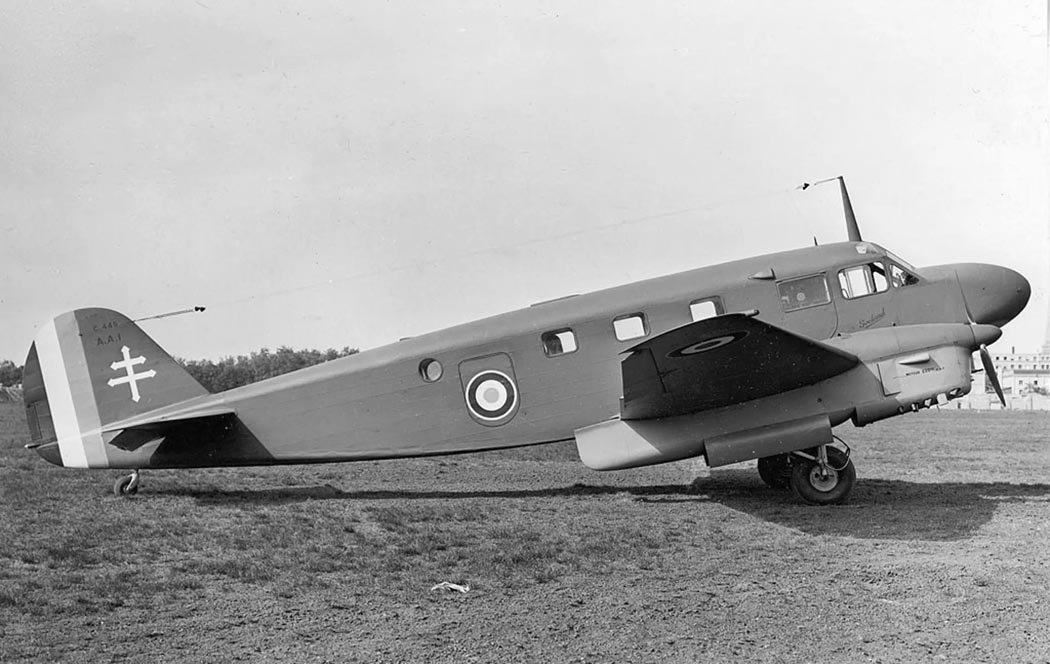
In 1945, the Caudron factory was nationalized by the French government. Production of the C.445M and C.449 continued there, receiving the designation AA.1.
Post-war Goeland aircraft were operated by Air France. In early 1946, the company had 23 C.445 and 19 C.449 aircraft. For a time, they were used for domestic night postal flights and then for many years for crew training. Additionally, Goeland aircraft continued to fly for many years with the Air Force, performing a wide range of duties.
Production of the C.445M ceased in 1948, and the Goeland was withdrawn from service with the French Air Force in the mid-1950s. A total of 1,702 Goeland aircraft of all modifications were built.
Notable Goeland Variants
Among the numerous variants produced, the original C.440 was characterized by its two 220 hp Renault 6Q-01 engines and outer wing panels with a 3-degree dihedral angle (4 units built). A subsequent version incorporated Renault 6Q-00 and 6Q-01 engines and propellers with opposite rotation to overcome reactive torque (17 units). The C.445 model, primary during the war, was similar but with the wing’s dihedral increased to 4 degrees (40 units), and a C.445 variant offered increased range with additional fuel tanks in the passenger cabin (1 unit).
Post-war versions included the C.449, one of the main ones, equipped with counter-rotating Renault 6Q-10 and 6Q-11 engines (510 units completed). The C.447 was a specialized ambulance aircraft designed for four stretchers, featuring additional windows (31 units). Furthermore, there was a variant fitted with supercharged 240 hp 6Q-02 and 6Q-03 engines, which increased the takeoff weight to 3,700 kg (7 units built).
Technical Specifications
| Modification | C.441 |
| Wingspan, m | 17.59 |
| Length, m | 13.68 |
| Height, m | 3.40 |
| Wing area, m2 | 42.00 |
| Empty weight | 2922 |
| Normal takeoff weight | 3500 |
| Engine type | 2 Piston engines Renault 6Q-01 |
| Power, hp | 2 x 220 |
| Maximum speed, km/h | 300 |
| Cruising speed, km/h | 261 |
| Practical range, km | 1000 |
| Practical ceiling, m | 7000 |
| Crew | 2 |
| Payload | up to 6 passengers |
Image and diagram gallery of the Caudron C.440 Goeland
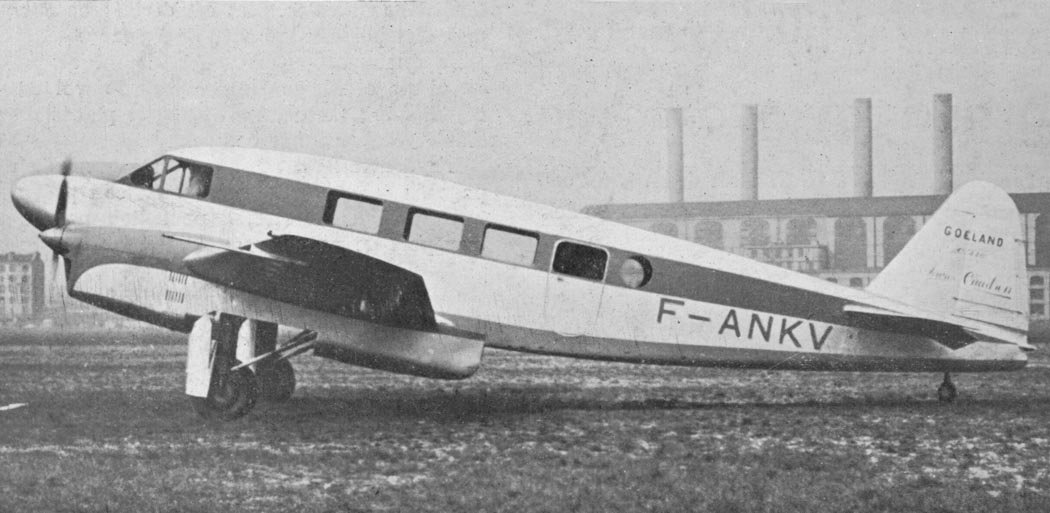 C.440 Goeland |
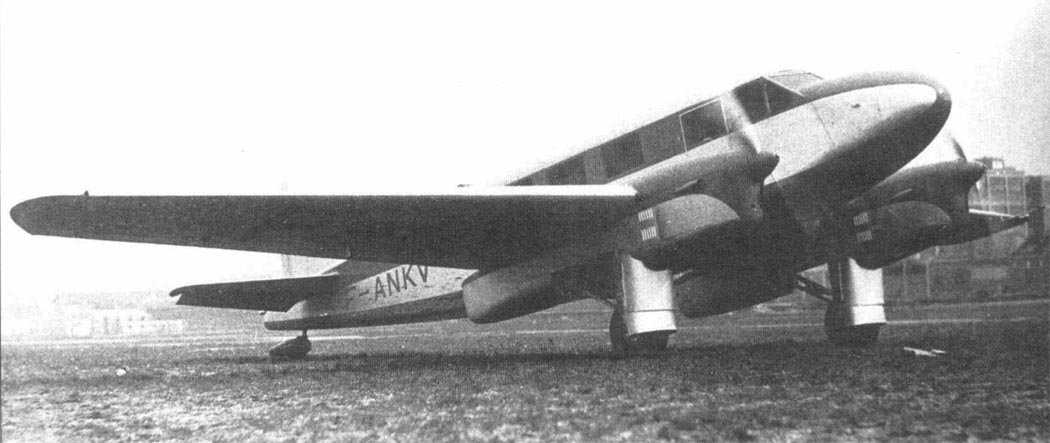 C.440 Goeland |
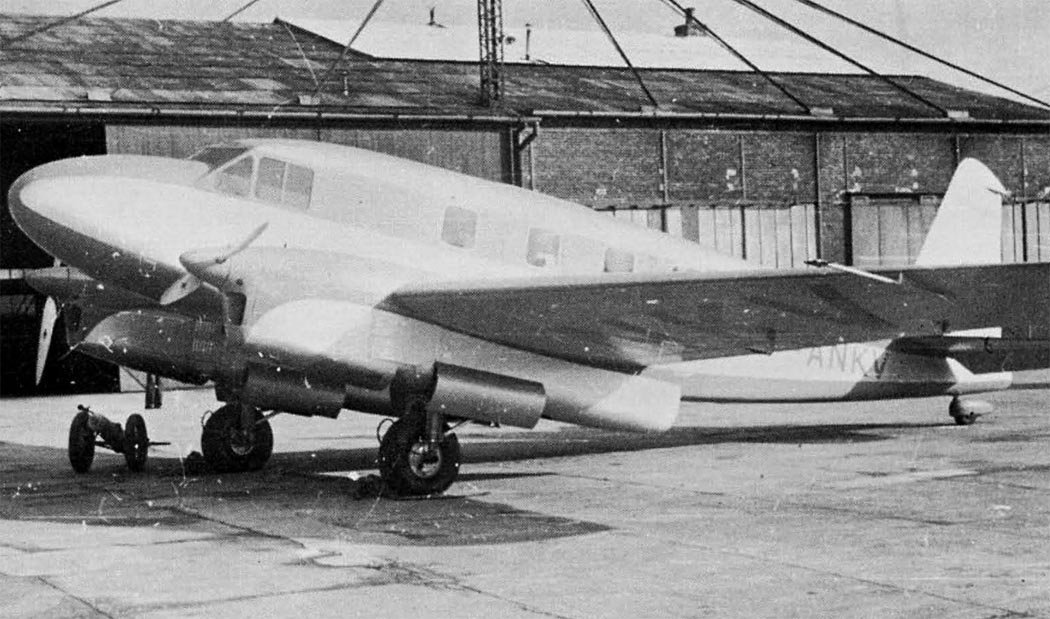 C.440 Goeland |
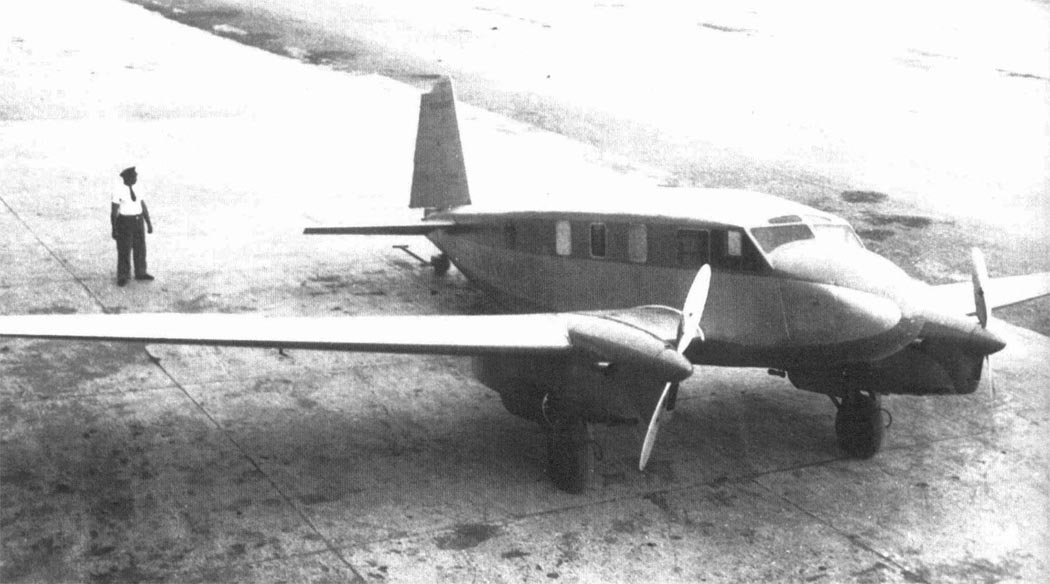 C.440 Goeland |
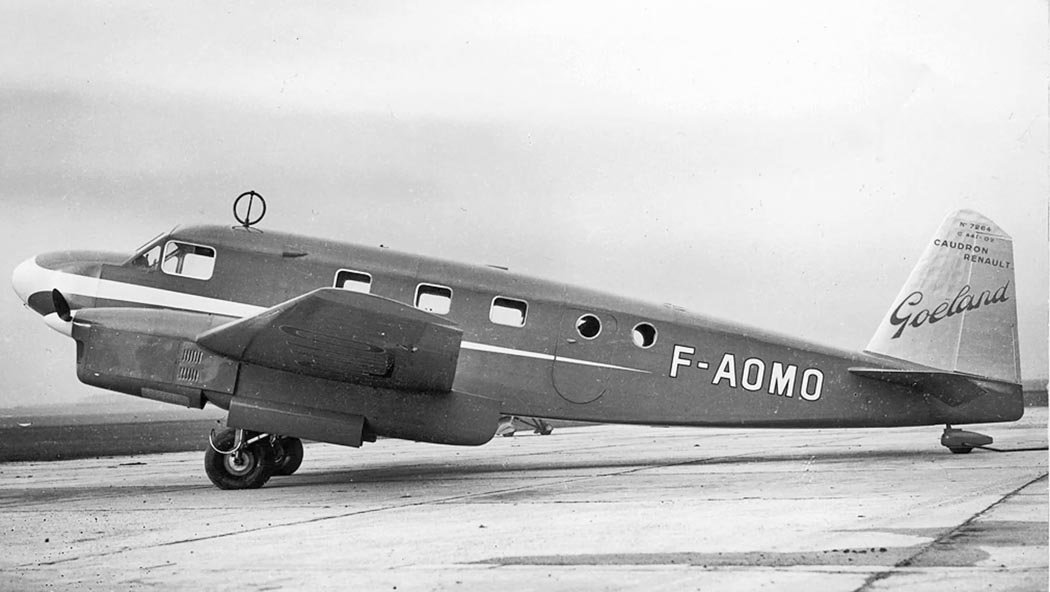 C.440 Goeland |
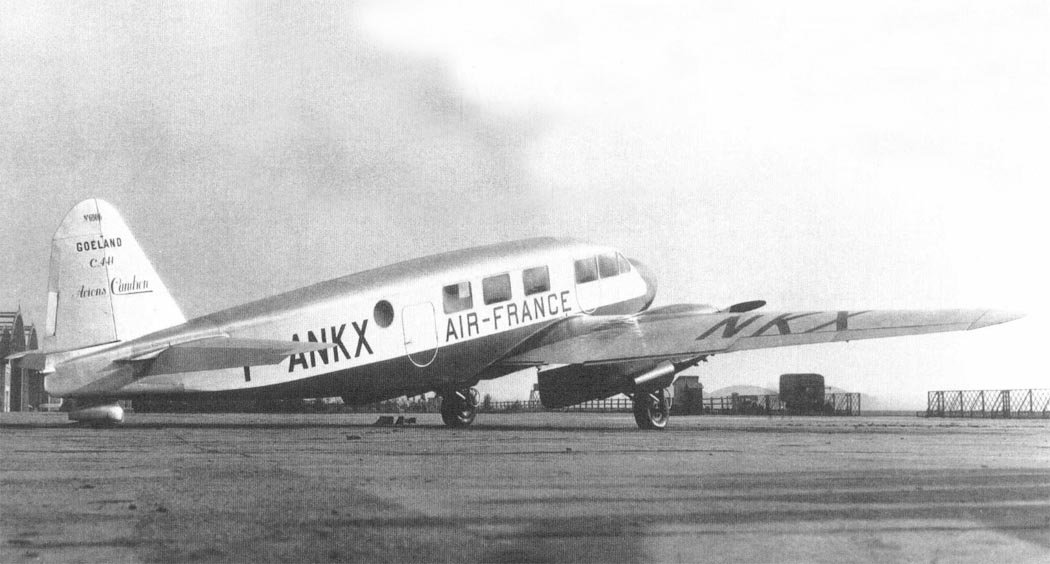 C.440 Goeland |
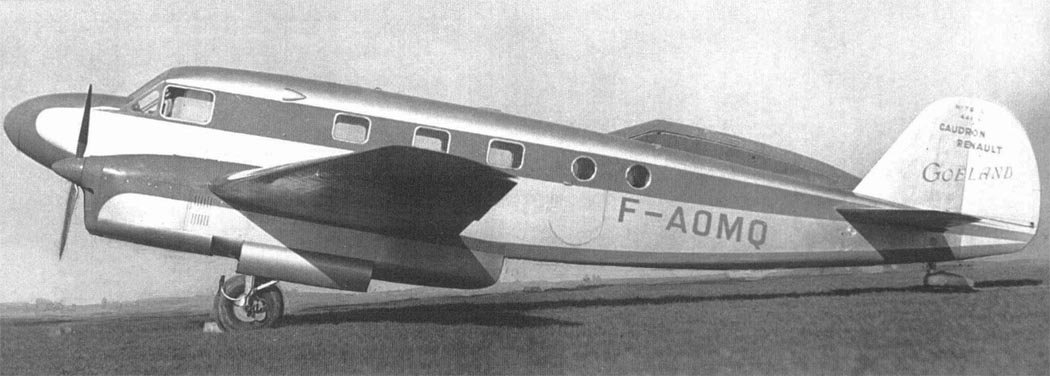 C.440 Goeland |
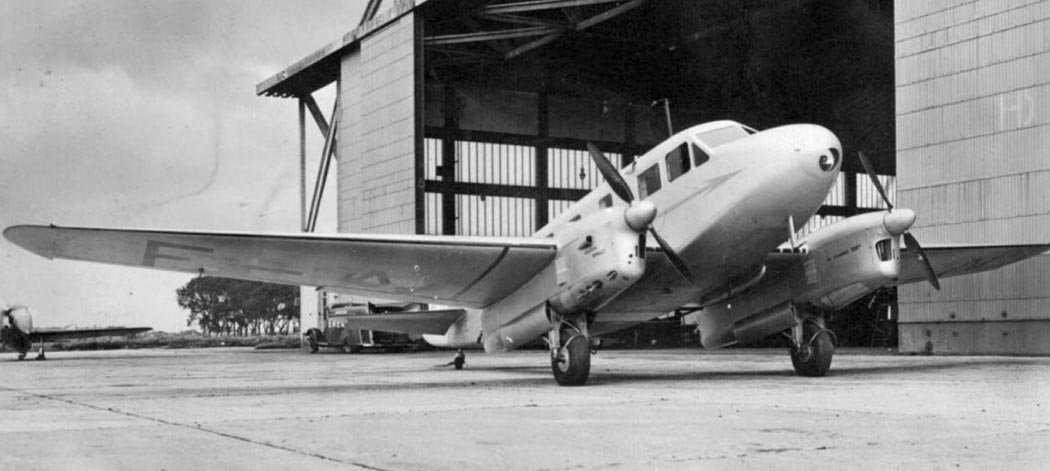 C.440 Goeland |
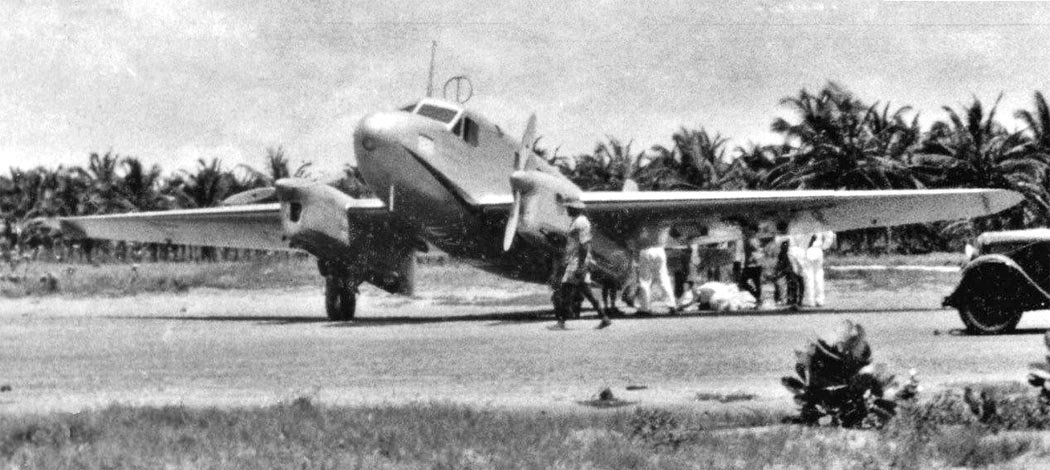 C.440 Goeland |
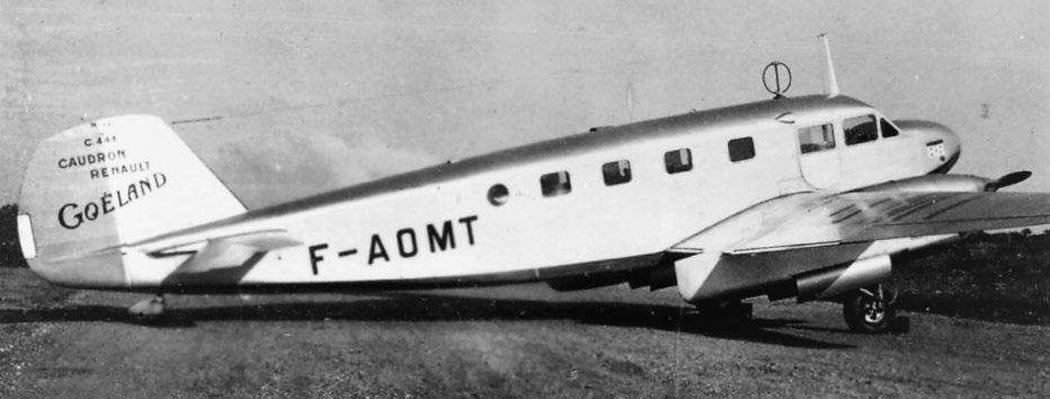 C.440 Goeland |
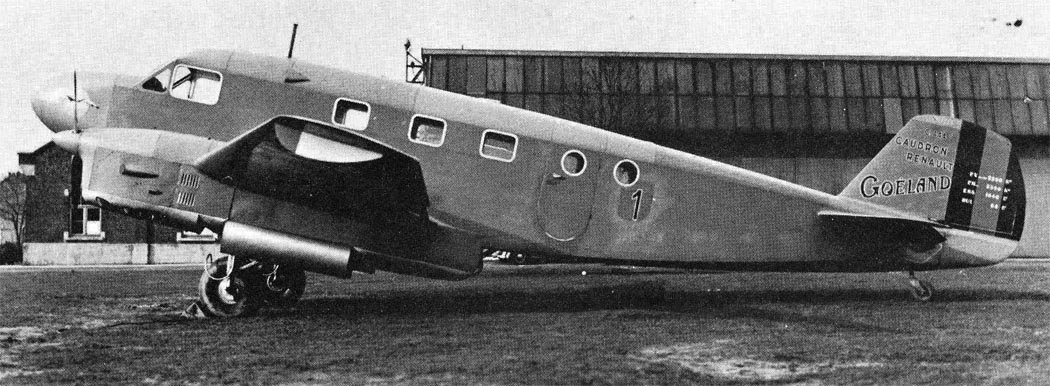 C.440 Goeland |
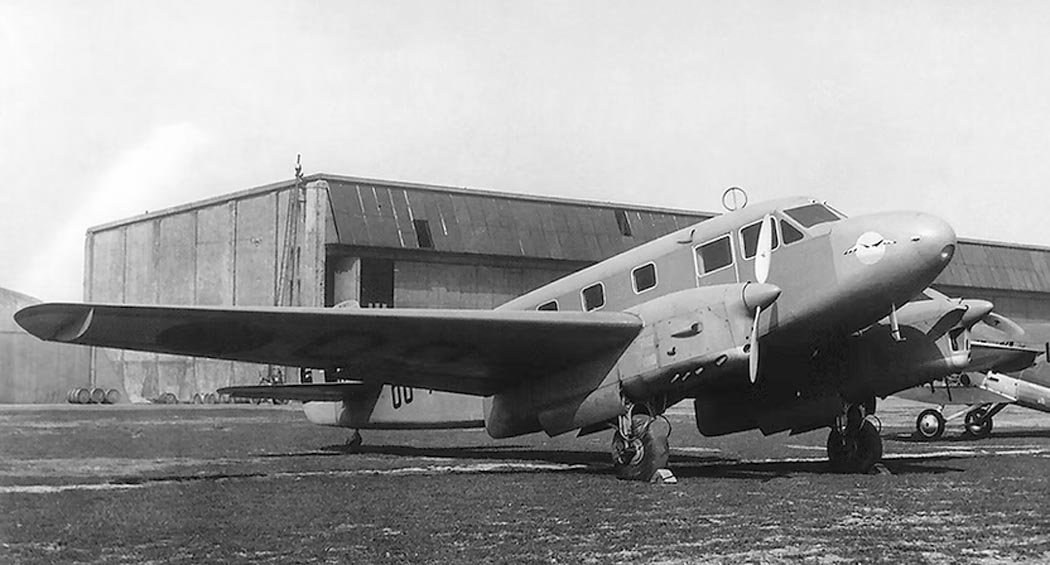 C.440 Goeland |
 C.440 Goeland |
 C.440 Goeland |
 C.440 Goeland |
 C.440 Goeland |
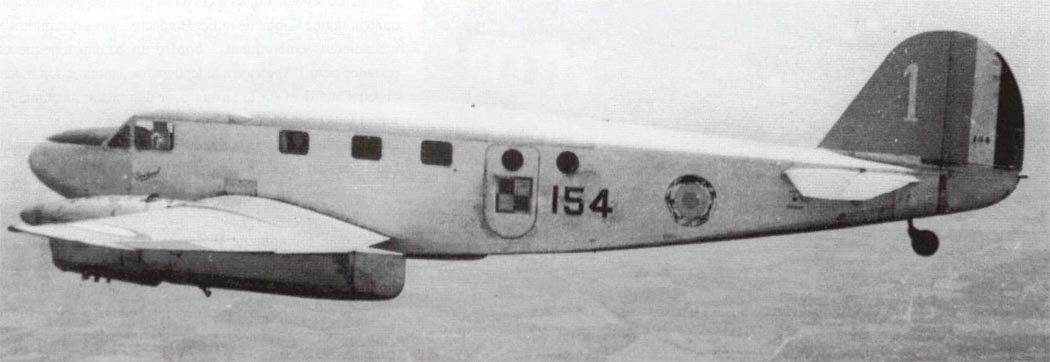 C.440 Goeland |
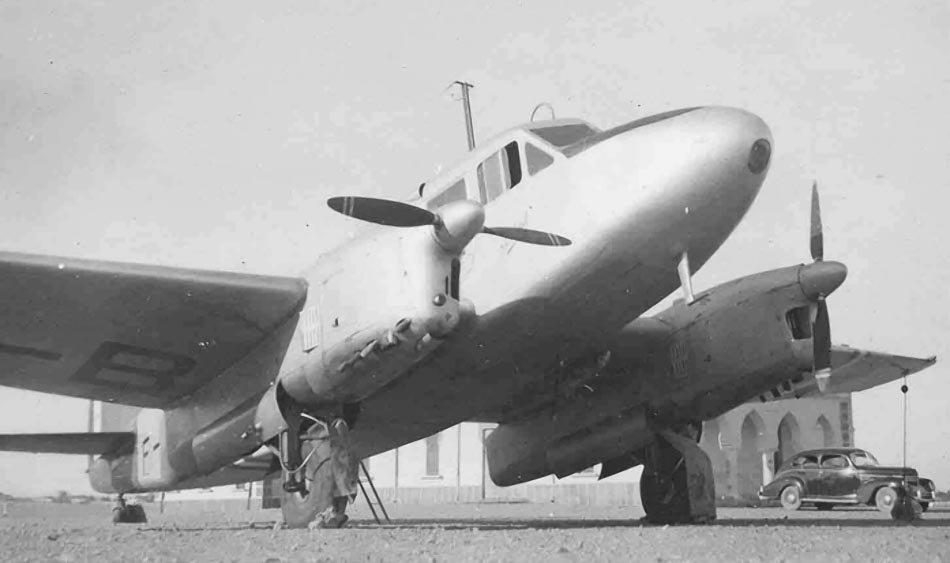 C.440 Goeland |
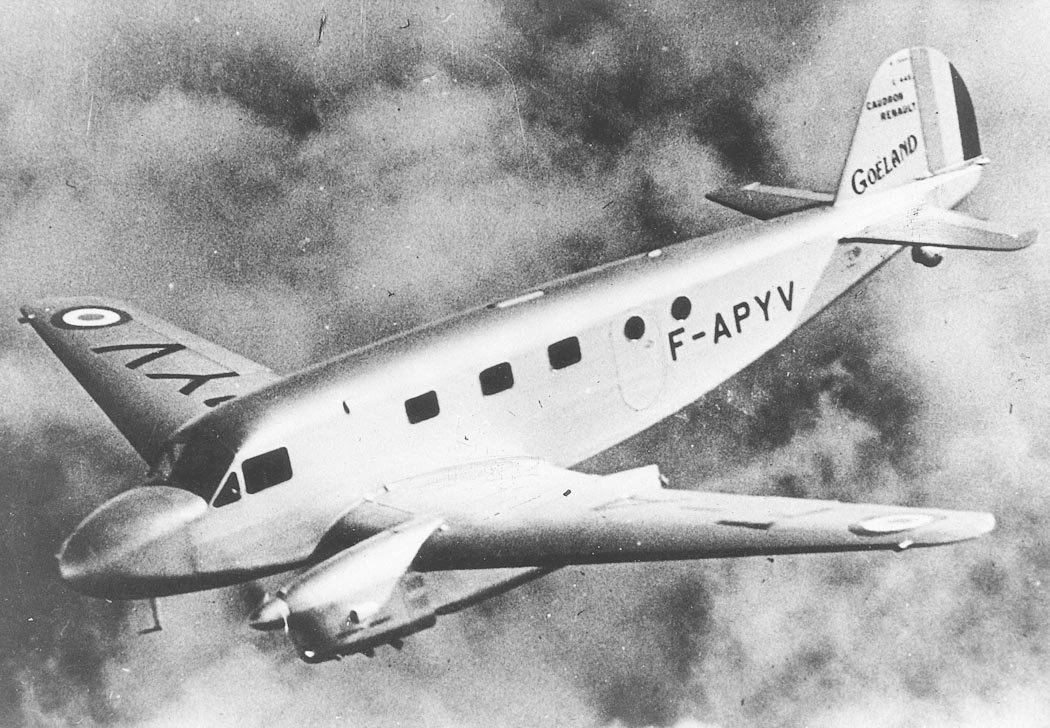 C.440 Goeland |
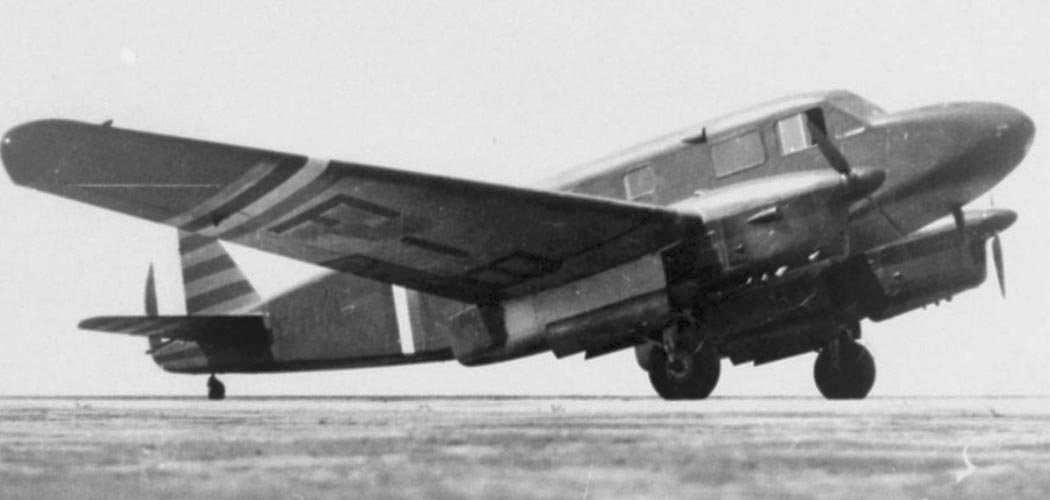 C.440 Goeland |
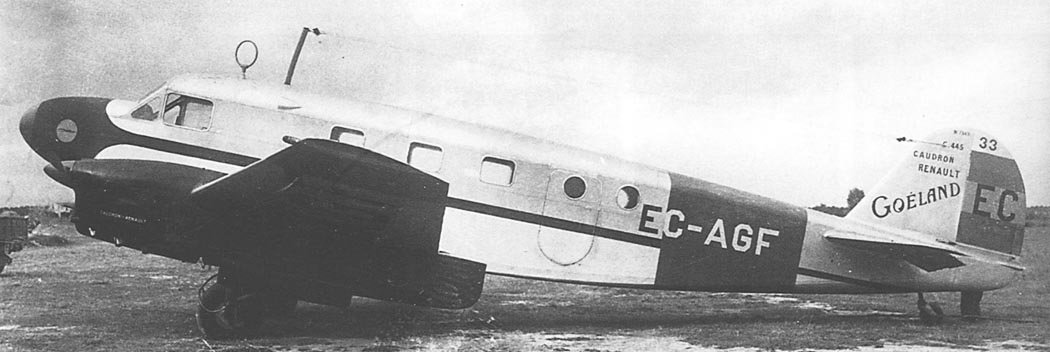 C.440 Goeland |
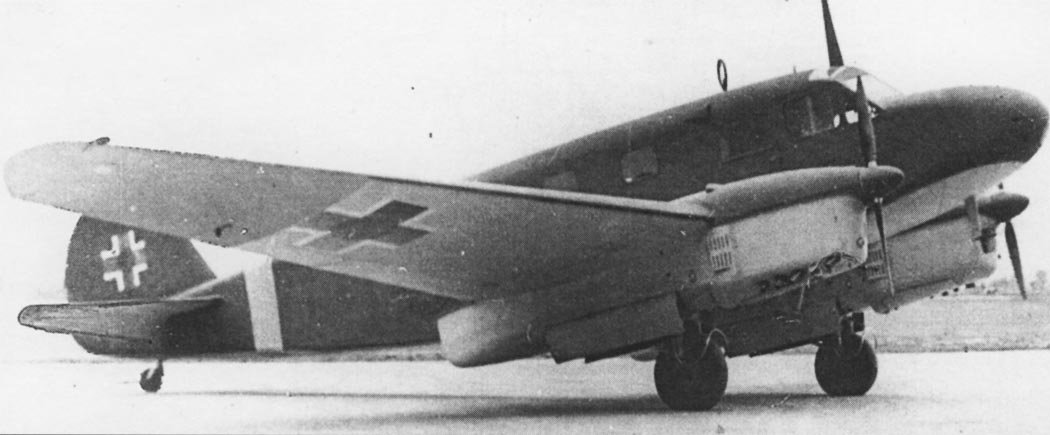 C.440 Goeland |
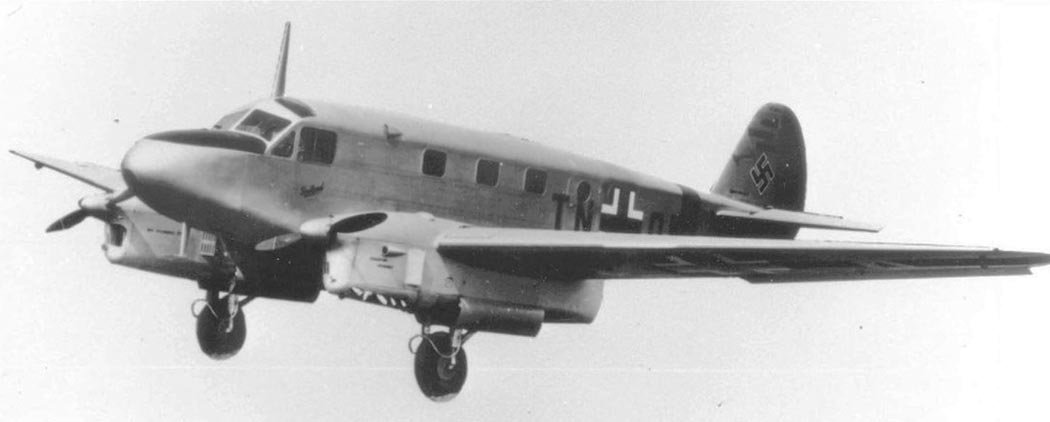 C.440 Goeland |
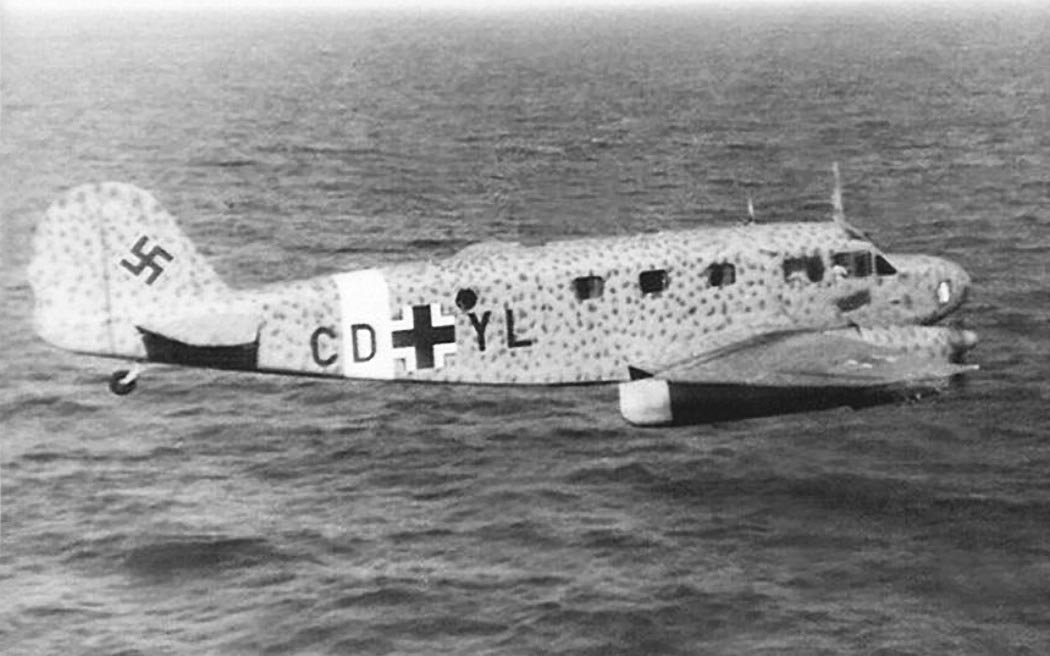 C.440 Goeland |
 C.440 Goeland |
 C.440 Goeland |
 C.440 Goeland |
 C.440 Goeland |
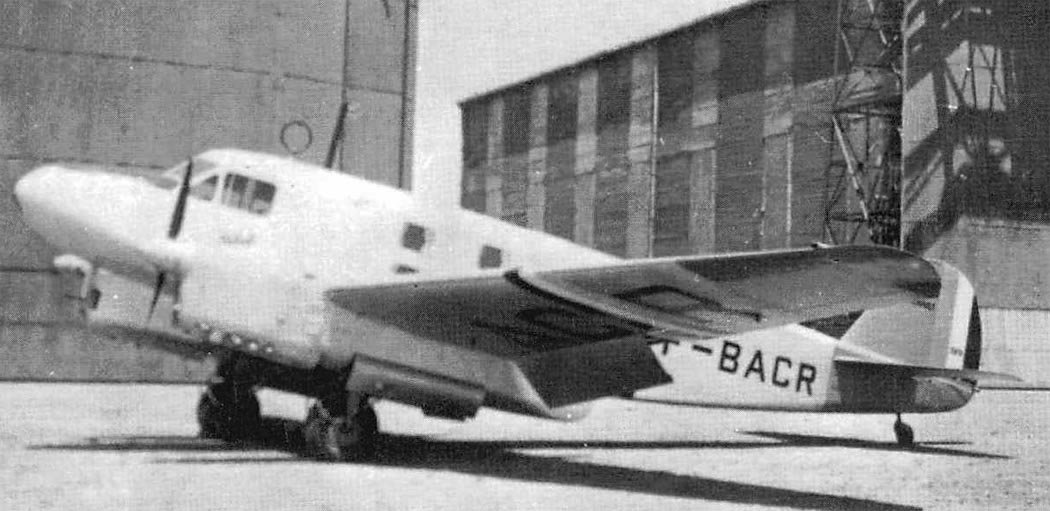 C.440 Goeland |
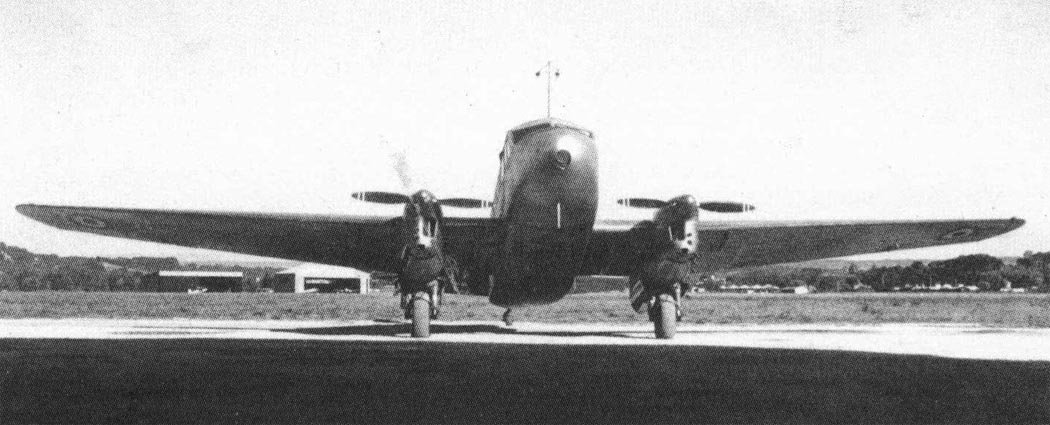 C.440 Goeland |
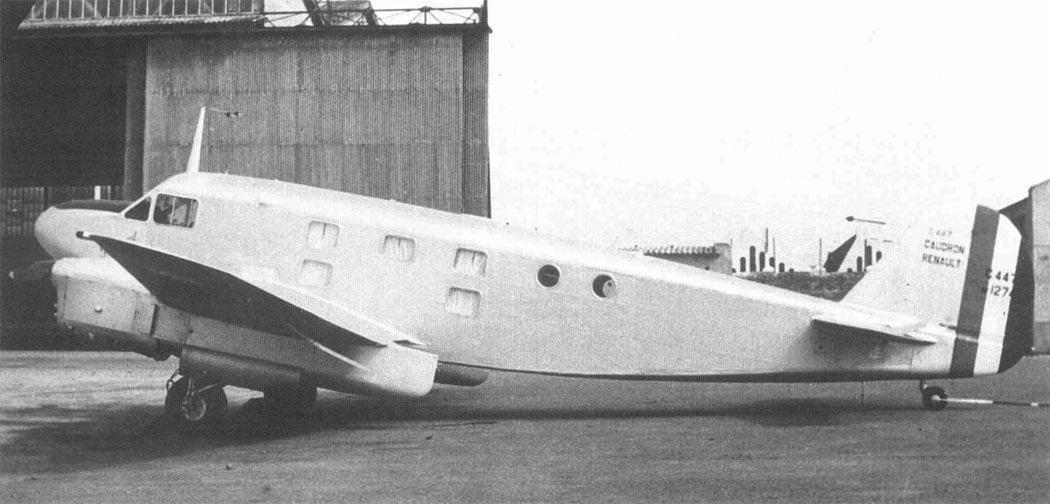 C.440 Goeland |
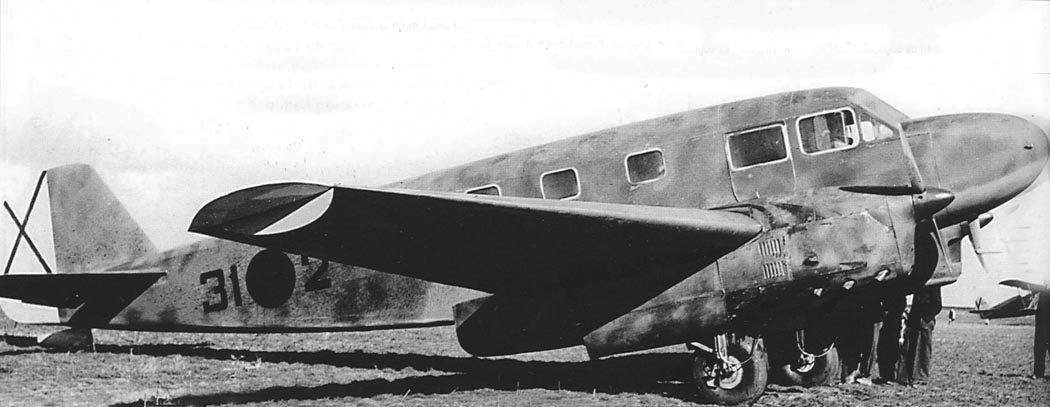 C.440 Goeland |
 C.440 Goeland |
 C.440 Goeland |
 C.440 Goeland |
 C.440 Goeland |
 C.440 Goeland |
 C.440 Goeland |
 C.440 Goeland |
 C.440 Goeland |
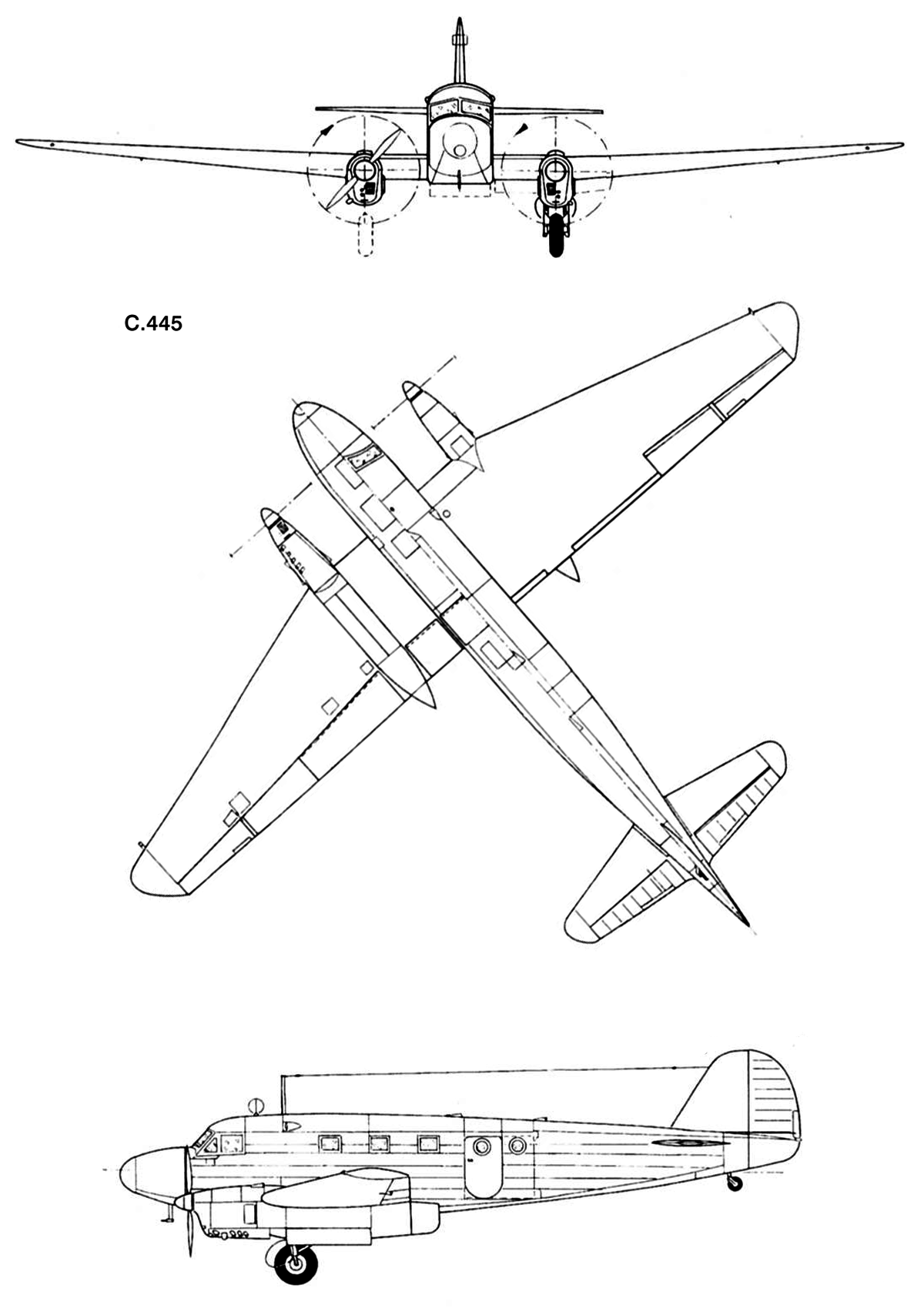 C.440 Goeland |
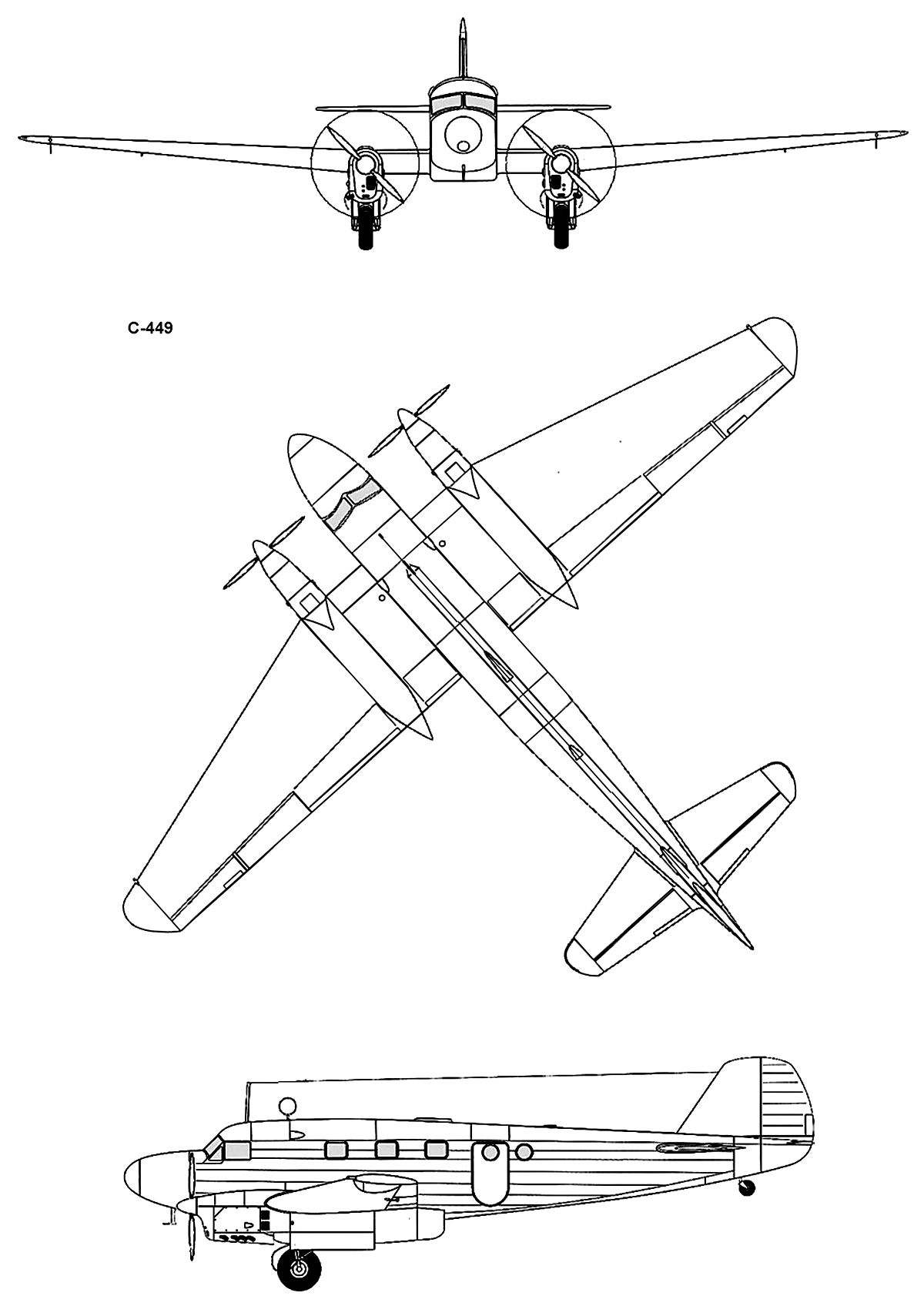 C.440 Goeland |
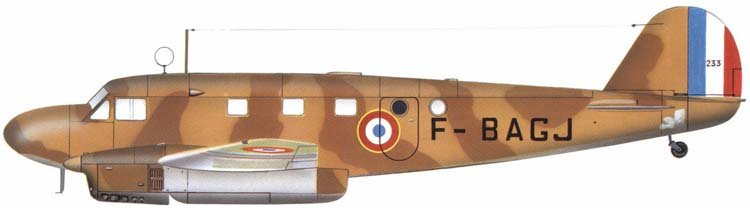 C.440 Goeland |
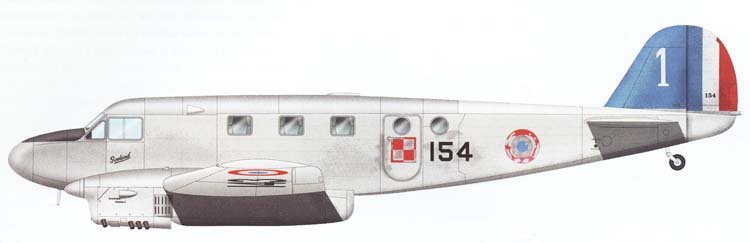 C.440 Goeland |
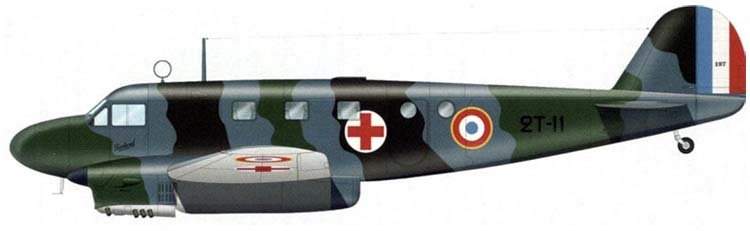 C.440 Goeland |
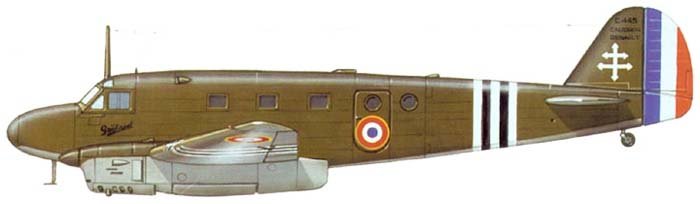 C.440 Goeland |
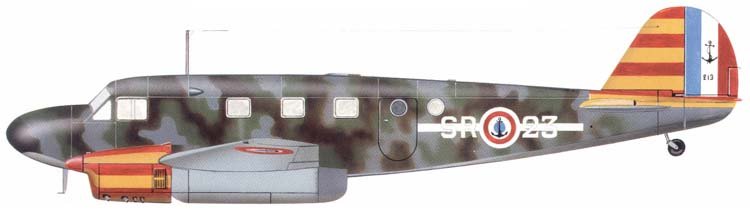 C.440 Goeland |