
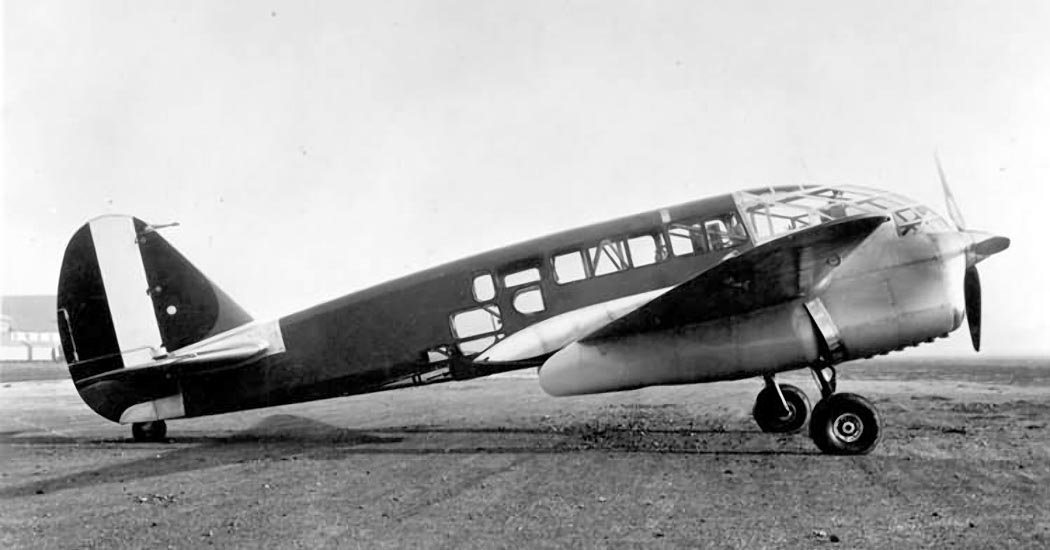
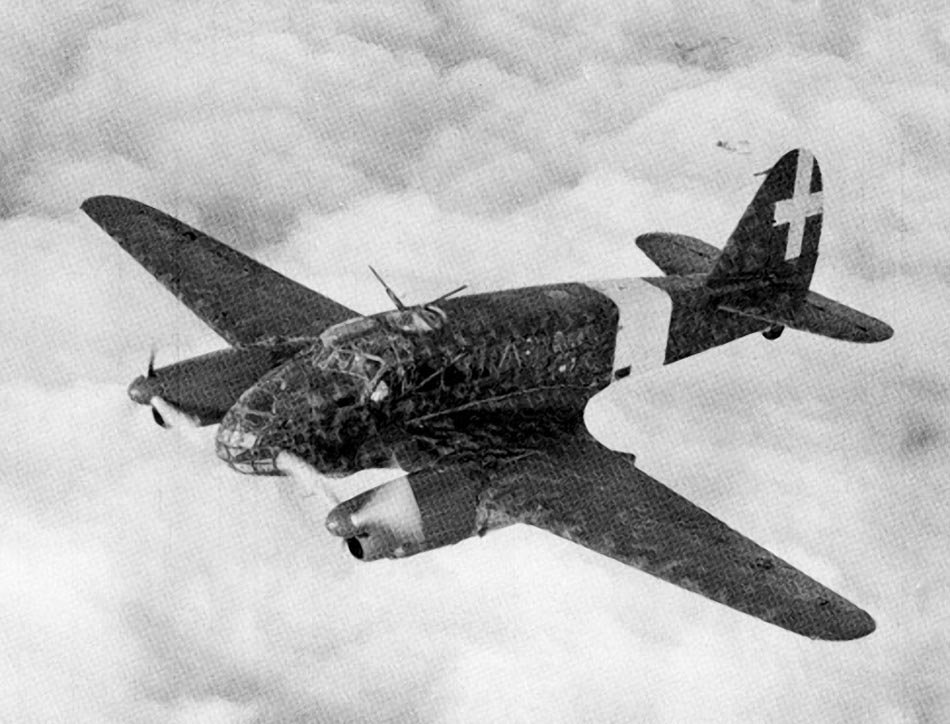
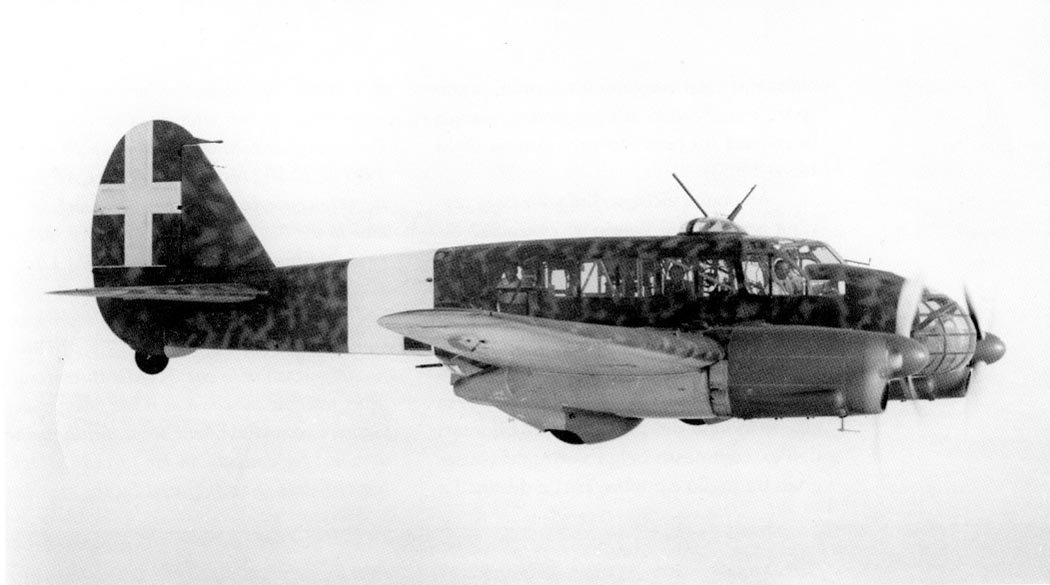
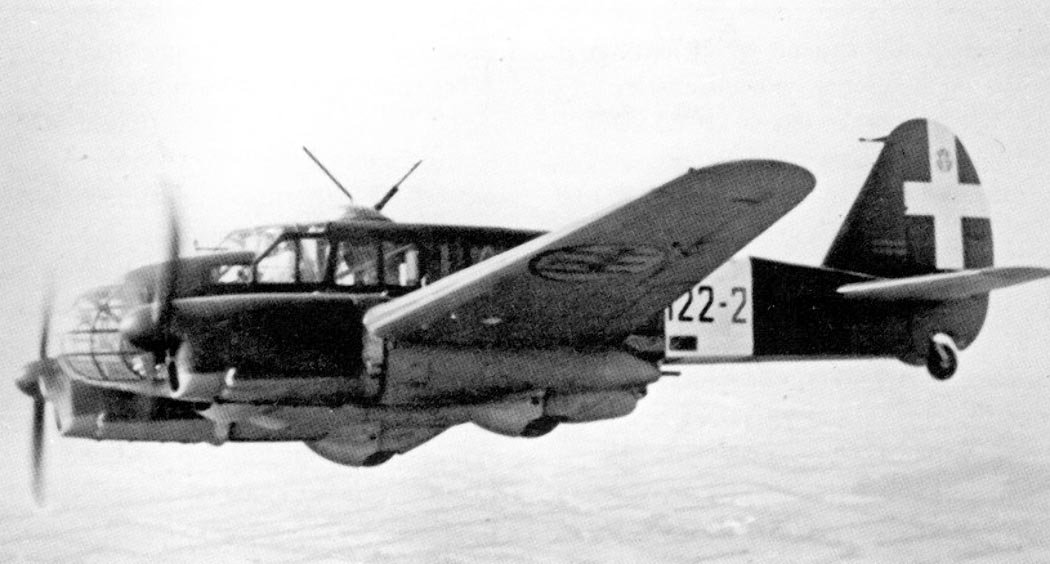
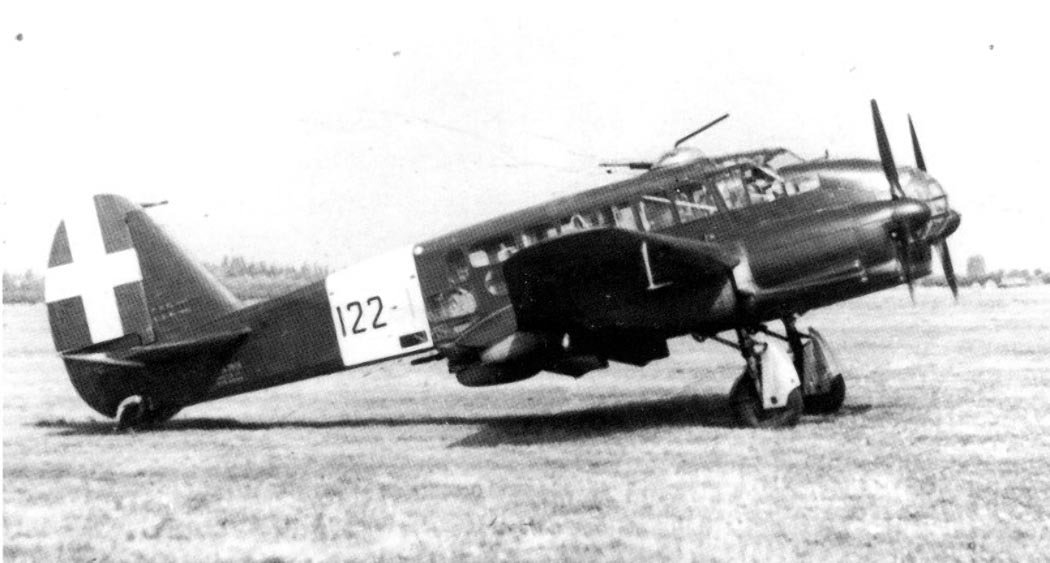
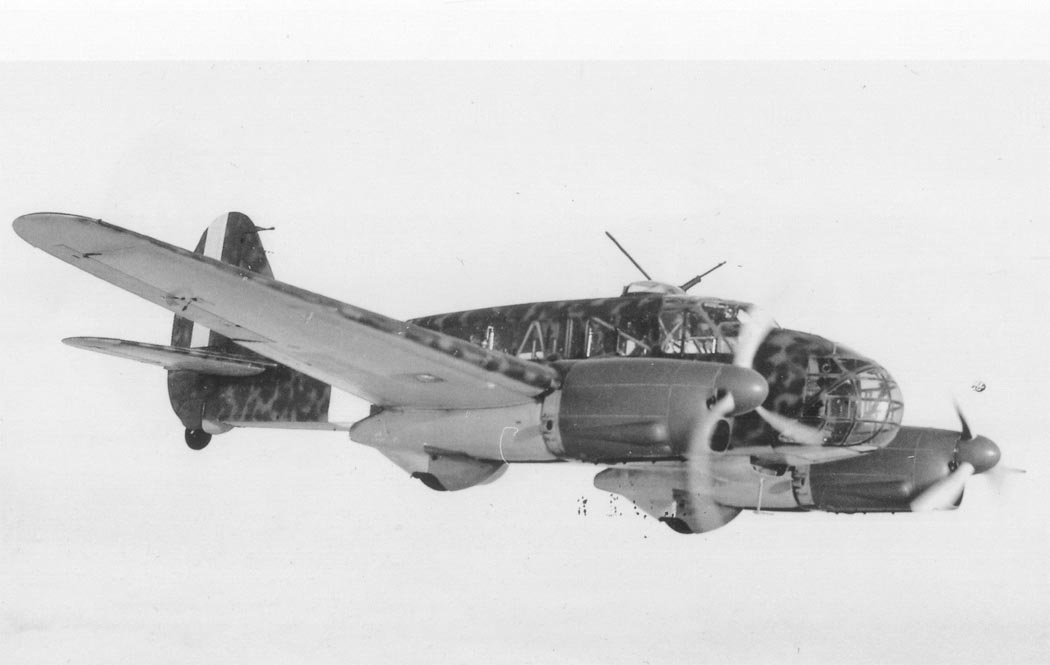
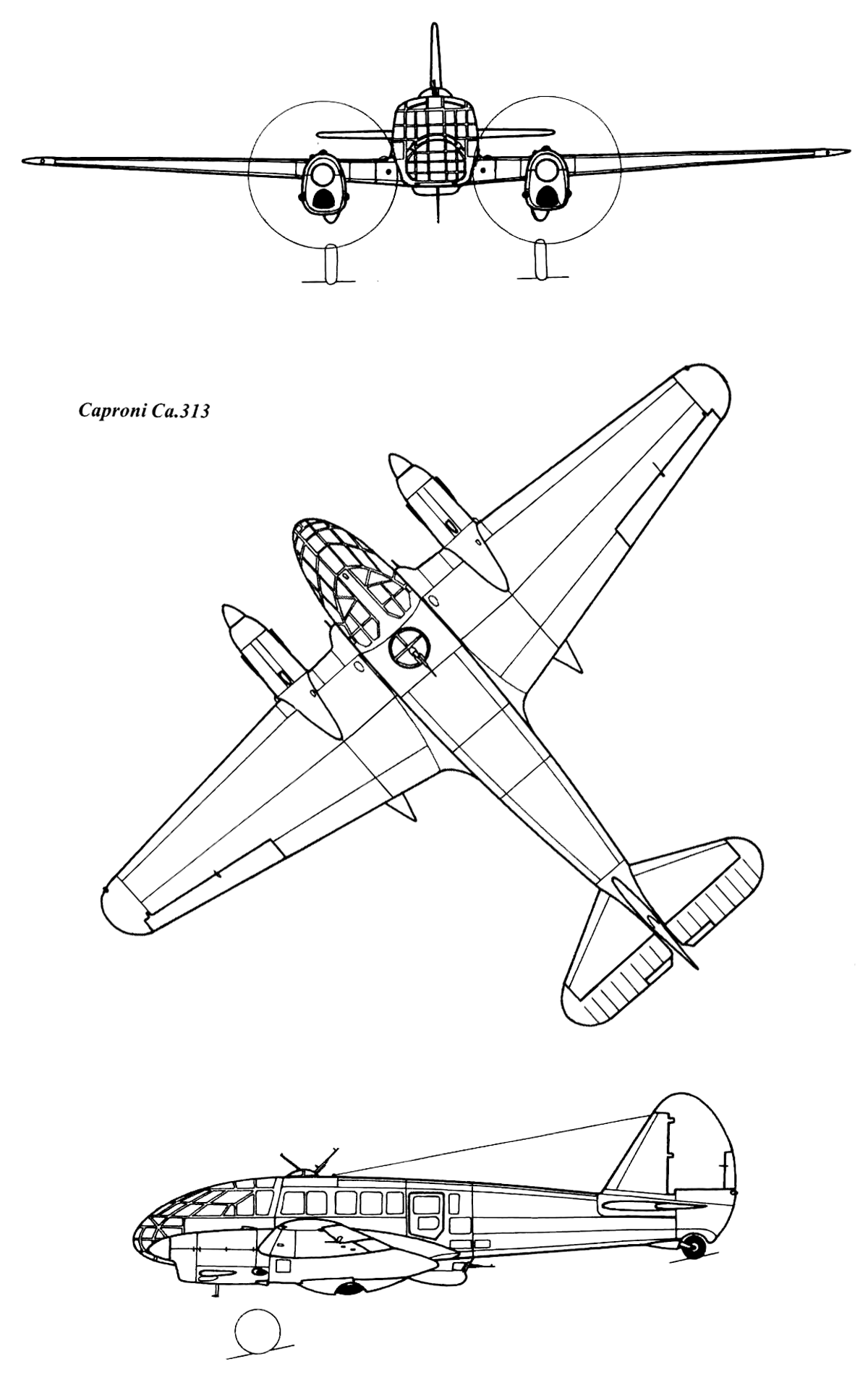
In the late 1930s in Italy, an aircraft equipped with 12-cylinder V-inverted “Isotta Fraschini” “Delta” RC.35 engines, each producing 700 hp, and three-bladed variable-pitch propellers, once again became promising. The Caproni airframe was improved, though not radically. The type, designated Ca.313, featured wooden wings, a fabric-covered fuselage, a narrow “glass” nose, and the dimensions of the “three hundred eleven”, but its armament was significantly enhanced.
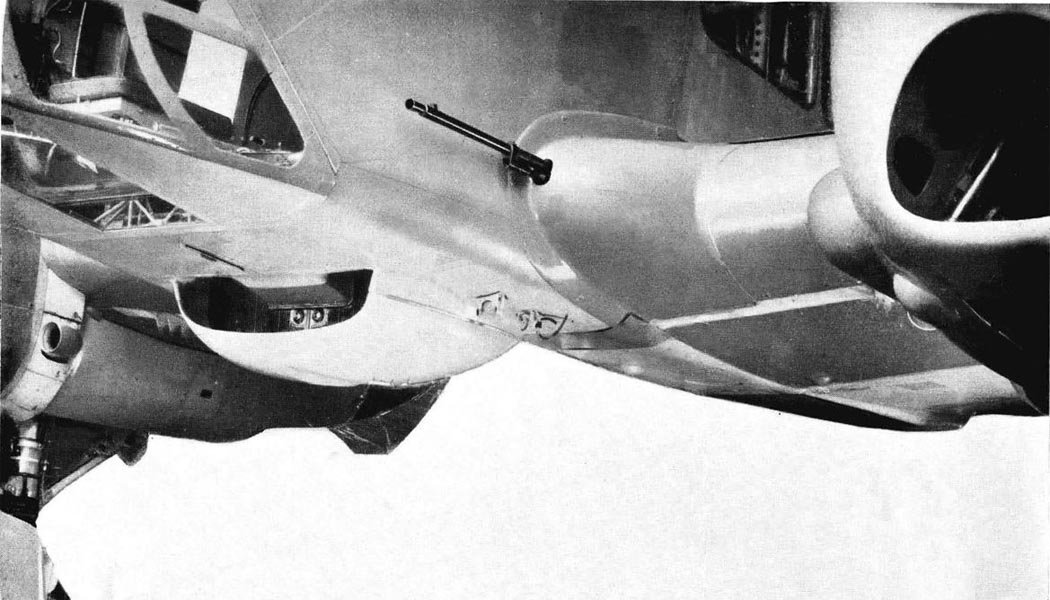
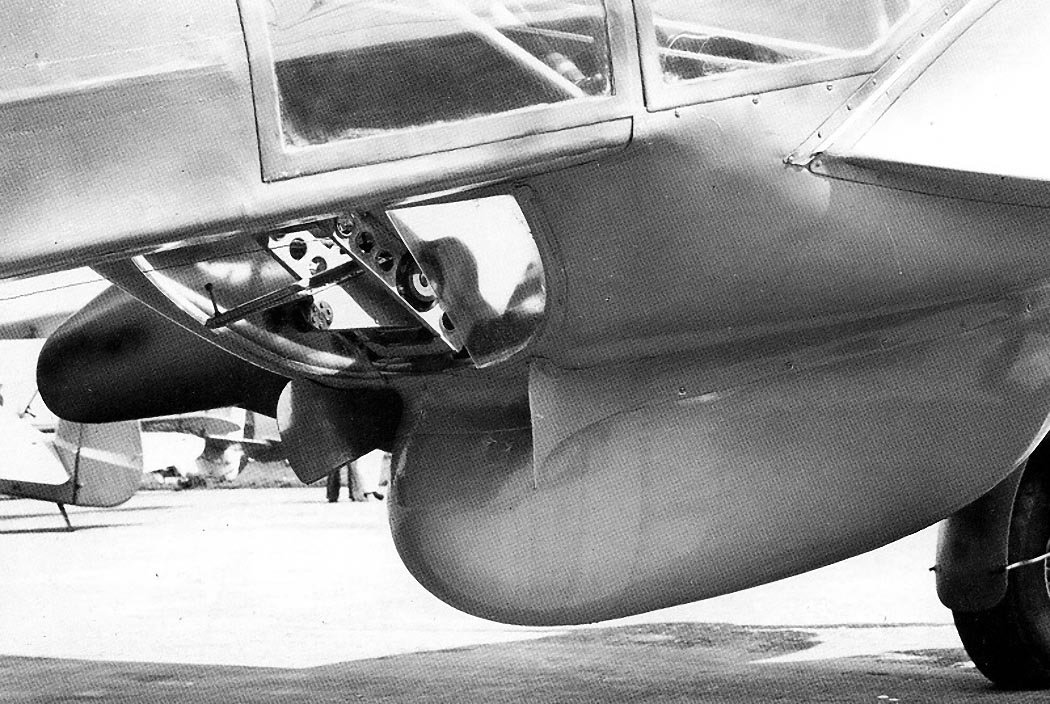
On the Ca.313, 12.7 mm “Scotti” IF machine guns were housed in the wing roots, with 300 rounds for each. Another barrel of the same caliber was mounted on the upper “Caproni-Lanciani” “Delta” E turret, beneath a flat transparent canopy. A movable 7.7 mm “Breda-SAFAT” machine gun fired from a ventral “nest”. An additional SAFAT, transferable from side to side, fired through the rear side windows of the cockpit, where, apparently, two machine guns could also be installed. A crew of three to four people could repel attacks from any direction. The Caproni’s bomb load increased to 500 kg.
Initial Development and Production
The prototype of the Ca.313 (MM.402) first took to the air on December 22, 1939. Tests of the “three hundred thirteen” began in August 1939 at the company’s airfield in Taliedo, confirming hopes for improved flight performance of the Caproni. Subsequently, on October 19, it was sent to Guidonia for military trials.
The trials were successful, and the technical committee concluded that the Ca.313 was suitable for adoption. To expedite the production process, the Caproni firm decided to distribute the order received from the Regia Aeronautica among its branches. The series was manufactured at three factories: the main one in Milan, “Bergamasca,” and the AVIS (“Avio Industrie Stabiesi”) branch in Castellammare di Stabia, near Naples.
It is believed that the production of the Ca.313 concluded in 1944 with the 381st (or 375th) airframe, though it is possible that in 1947 the Italian Air Force ordered 10 “three hundred thirteen” or improved Ca.314s. The first production variants were converted Ca.311s with Isotta Fraschini “Delta” RC 35 I-DS engines of 730 hp, designated as Ca.313 R.P.B.1. Subsequently, 122 aircraft of the Ca.313 R.P.B.2 modification (MM.11930 – MM.11989, MM.11990 – MM.12049) with a modified cockpit were delivered. All these aircraft were assembled at the Caproni-Taliedo facility.
International Orders and Service
Immediately after its appearance, the Ca.313 attracted interest from the air forces of neighboring countries. Primarily, the United Kingdom and France sought to acquire it, for whom corresponding export variants were developed. The expansion of combat capabilities was reflected in the Ca.313’s designation, with the additional RPB cipher meaning “reconnaissance – light bomber.” Most likely, the appearance of this abbreviation is linked to the first foreign order for the “three hundred thirteen.”
The French government decided to purchase 200 Ca.313 RPB and 500 “Delta” engines (documented as “customer N6”). There were compelling reasons for this: the urgent need to re-equip the “Armée de l’Air” (French Air Force), the inability of national industry to provide a modern battlefield aircraft in time, and crucially, the desire to interest Italy in cooperation and deter it from siding with Germany. With the same calculation to “feed” the aggressor with profitable contracts, a request came from the United Kingdom for 300 Ca.313s, adding to the hundred Ca.311s ordered earlier.
By agreement with France, deliveries of the “three hundred thirteen” began with two units in April 1940. Twenty more were expected in May, then the rest rhythmically. From April 27 to June 5, the French managed to receive only five RPB aircraft. These Capronis had a chance to fight not only against the Germans but also against the Italians. However, from June 10, when the French ambassador in Rome received the declaration of war, until the armistice on the Alpine front, the “three hundred thirteen” were located at the rear airfield of Cannes-Mandelieu. The Armée de l’Air intended to use the Ca.313 not only for reconnaissance; assault aviation crews were also training on them, as the aircraft had lightly armored pilot cockpits. Nothing is known about the subsequent fate of the French Ca.313s, and the United Kingdom received none of the 300 ordered aircraft.
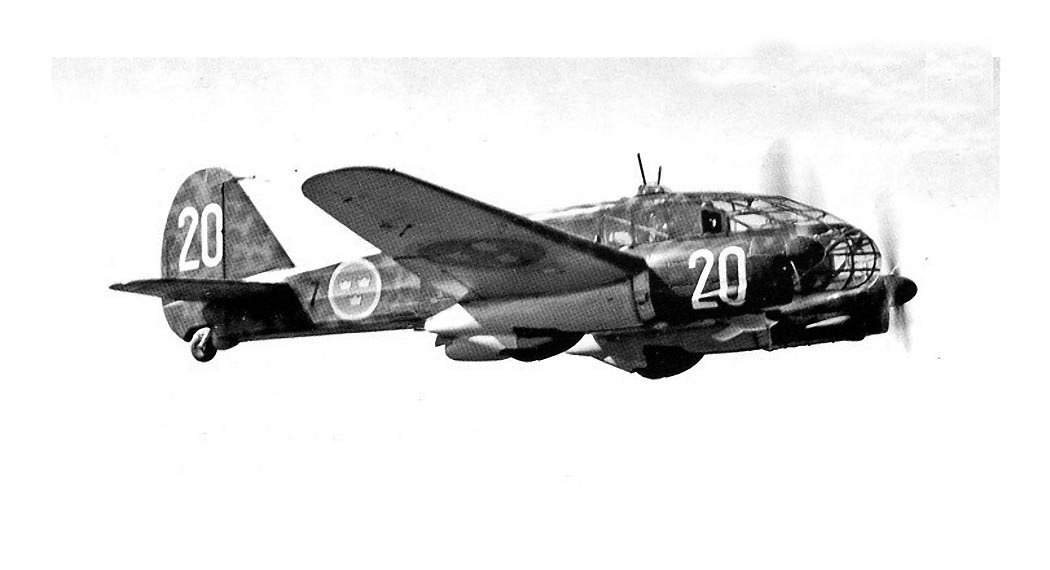
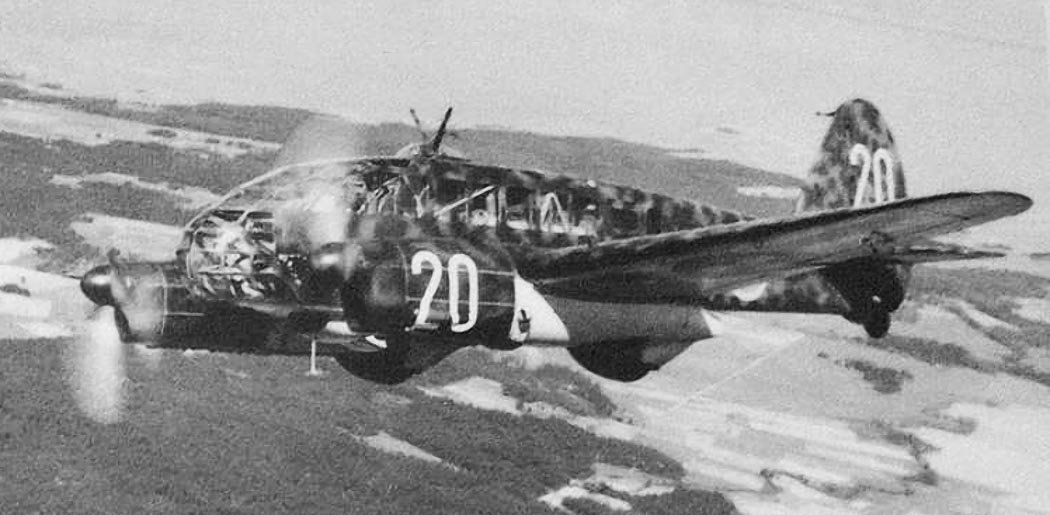
In 1940, the Swedish Air Force ordered 90 (or 84, according to other data) units. The Ca.313R.P.B.1 variant, favored by the Swedes, was put into production as the Ca.313S (S for Sweden) with virtually no improvements. All ordered aircraft were built by the C.A.B. firm and received in 1941. They were assigned new designations T16 (torpedo-bomber) and S16 (reconnaissance-bomber). These Capronis patrolled the coastal zone, often encountering both Allied and Axis aircraft. Several aerial battles also saw their participation, during which the Swedes lost two patrol bombers. The T16/S16 remained in service until 1946.
Operational Challenges and Adaptations
The operation of RPB/S aircraft in Sweden proved to be incredibly challenging. The Ca.313, while generally a good aircraft, inherited a whole host of “ailments” from its predecessors concerning the powerplant, hydraulics, and electrical system. The root cause of the defects was the low production quality at the Caproni firm and in the Italian aviation industry as a whole. Frequent engine failures, various breakdowns, and fires were reported. The northern climate also contributed to the rising number of accidents and crashes involving Swedish Capronis.
Already in 1940, 8 machines were lost during the ferry flight from Italy. Many “three hundred thirteen” barely made it to Sweden on a single engine. Engine failure in flight was a chronic defect of the Ca.313. The relatively strong airframe also had flaws; for example, during dive-bombing training, a wing console detached from the first RPB/S delivered to squadron F7. In total, the Swedish Air Force lost 22 Capronis, with over 40 personnel killed. Three Ca.313 reconnaissance aircraft were shot down by German fighters over the Baltic Sea. The surviving machines were decommissioned in August 1945. The total flight time of the “three hundred thirteen” in Sweden was 14,000 hours.
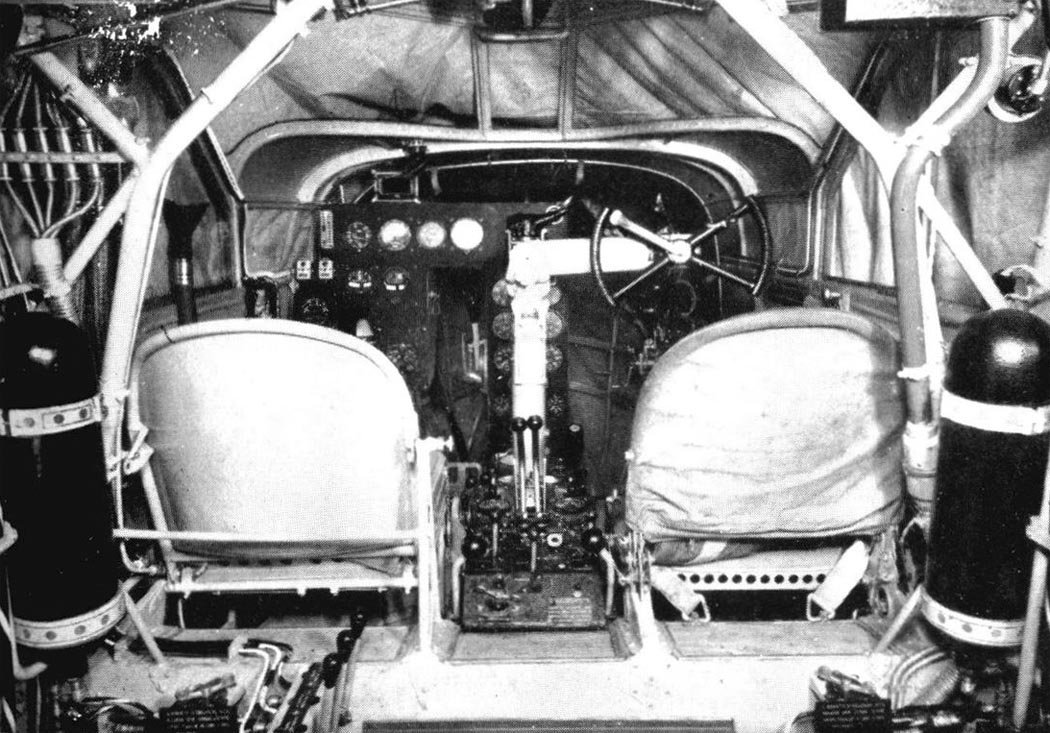
Similar problems arose for the Italians in the spring of 1941, when Ca.313s began arriving in units. The aircraft required meticulous fine-tuning and constant attention from technical personnel. The Italian Air Force, and later the Luftwaffe, received Ca.313 RPB.1 and RPB.2 reconnaissance-bombers. The second version featured a stepped crew cabin. The experimental Ca.313G (“Germany”) had a similar appearance, being an aircraft with dual controls, small auxiliary “Longo” flaps on the center wing, without armament or military equipment, and capable of being fitted with Junkers Jumo 211 or BMW-Bramo 323 engines. The Germans required a twin-engine aircraft for pilot training.
Germany’s choice of the “lightened” Caproni further confirmed the qualities of the Ca.313. In 1942, the flight research center in Rechlin conducted a series of evaluation tests of the “three hundred thirteen,” with German pilots’ feedback being largely positive. The Caproni firm received its largest order for nearly 1000 aircraft. Following three Ca.313B prototypes, plans were made to build 20 pre-series and 905 series Ca.315s, which were to be training and liaison aircraft for the Luftwaffe. However, Italy’s withdrawal from the war canceled the contract.
The first Italian air regiments to adopt the Ca.313 were, in April 1941, the 15°St. (46° and 47°Gr.) and 41°St. (59° and 60°Gr.), and in May 1942, the 13°St. (11° and 43°Gr.). Since the bombers arrived without precise instructions for their operational use, Ca.313 crews undertook assault and reconnaissance missions, incurring completely unwarranted losses. Recognizing that the aircraft would be more valuable as a reconnaissance platform, command ordered the Ca.313s to be transferred to observation groups.
Between May and October 1942, the following groups re-equipped with Capronis: 61° (119° and 34°Sq.), 63° (119°Sq), 64° (122° and 136°Sq.), 65° (131° and 124°Sq.), 66° (87° and 40°Sq.), 68° (39°Sq), 69° (118° and 103°Sq.), 72° (31°Sq), 73° (127°, 137°, 115° and 24°Sq.), and 76° (30°, 127° and 115°Sq.). Their main theater of operations was North Africa, where Ca.313s served for almost a year, after which the surviving aircraft were redeployed back to Italy. A small number of bombers were also used in the 1° Nucleo Addestramento Siluranti in Gorizia and 2° Nucleo Addestramento Siluranti in Naples-Capodichino, where Ca.313s were used to train torpedo bomber pilots.
By the time of the armistice, very few of these aircraft remained in service, and they were not only stationed in Italy: 14 aircraft of the 64°Gr. (136° and 122°Sq.) were at Hyères and Cuers-Pierrefeu airfields in France; 14 aircraft of the 76°Gr. (30° and 127°Sq.) were at Le-Duc airfield, France; 1 aircraft of the 65°Gr. was at Ajaccio and Bastia, France; 9 aircraft of the 137°Sq. were at Villanova Albenga airfield, Italy; 1 aircraft of the 69°Gr. was at Bari, Italy; 2 aircraft of the 68°Gr. were at Lavariano, Italy; 6 aircraft of the 14°Gr. were at Reggio Emilia, Italy; 5 aircraft of the 9°Gr. were at Ghedi, Italy; 1 aircraft of the 63°Gr. was at Pola and Ljubljana, Yugoslavia; 10 aircraft of the 73°Gr. were at Sejak and Devoli, Albania; and 1 aircraft of the 72°Gr. was at Araxos and Larissa, Greece.
Caproni factories had managed to create a substantial reserve for the production of Ca.313s, ordered earlier by France. The company’s management approached the Chief of Staff of the Italian Air Force, General Pricolo, with a proposal to purchase Caproni reconnaissance-bombers. In the spring of 1941, the first Ca.313 RPB.2s from the resumed series equipped the 41st bomber regiment, which had previously flown Savoia S.79s. Military trials revealed defects in the fuel delivery system and propeller pitch change mechanisms, as well as the need to reinforce certain airframe elements.
The Ca.313 also began to be adopted by two groups of the 15th torpedo-bomber regiment, based on the North African coast. Within a year, 15 pilots from the regiment died in “three hundred thirteen” crashes. The Ca.313 was unforgiving of piloting errors. Nevertheless, despite all its shortcomings, the new Caproni had good flight characteristics and greater combat effectiveness compared to previous types. Wide versatility was expected from the Ca.313. At the end of 1941, four “three hundred thirteen” were transferred to combat application development centers for capability assessment: to the 2nd NAS (torpedo bombing) in Naples and to NAI (fighter aviation) in Treviso. However, the tests yielded poor results. From December 1941, the Italian Air Force command qualified the Ca.313 only as a battlefield aircraft. About a hundred “three hundred thirteen” gradually replaced Ro.37s and Ca.311s in the 19th regiment and other support units.
On the other side of the front, Ca.313s ended up with the RSI Air Force (the so-called Italian Social Republic, created by Mussolini) and the Luftwaffe. Germany acquired 164 “three hundred thirteen” through various means, most machines after the occupation of northern Italy and the liquidation of the puppet state (the Germans took over Caproni factories). The agonizing Air Force of the Third Reich drained all its disparate reserves for the last “lightning” strikes. Italian “multi-role” aircraft, with rare exceptions, did not survive until the end of the war.
Thus, the total number of Ca.313s is estimated at approximately 50 surviving units. The vast majority were captured by the Germans after September 9, 1943, and for some time were still used as training aircraft. Only one Ca.313 went to the ANR, and two passed into the hands of the Aviazione Cobelligerante. The last bomber was used as a postal aircraft on the Catania-Naples and Lecce-Catania routes, and was decommissioned in May 1945 after five years of continuous service.
Technical Specifications
| Modification | Ca.31 3RPB1 |
| Wingspan, m | 16.65 |
| Length, m | 11.80 |
| Height, m | 3. 69 |
| Wing area, m2 | 38.40 |
| Empty weight | 4072 |
| Normal takeoff weight | 5672 |
| Engine type | 2 Piston engines Isotta-Fraschini Delta RC.35 I-DS |
| Power, hp | 2 x 730 |
| Maximum speed, km/h | 430 |
| Cruising speed, km/h | 380 |
| Practical range, km | 1700 |
| Service ceiling, m | 8500 |
| Crew | 3 crew |
| Armament | three 7.7-mm machine guns; bomb load – 400 kg. |
Image and diagram gallery of the Caproni Ca.313
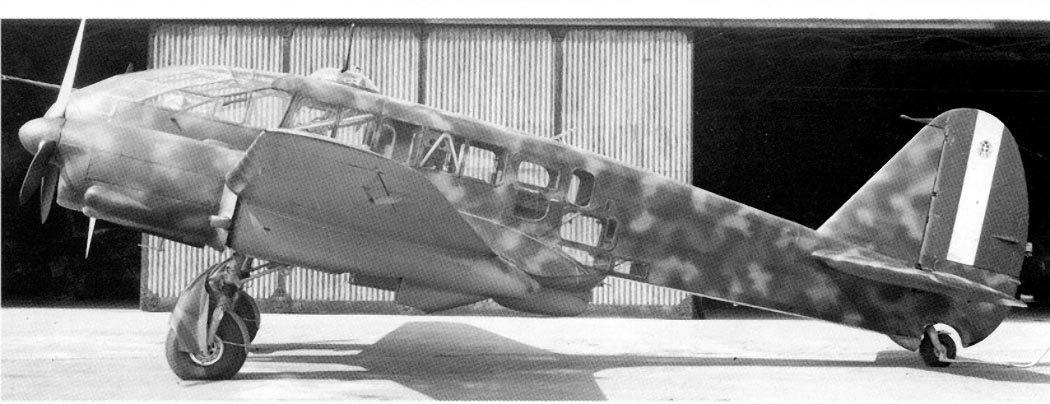 Ca.313 |
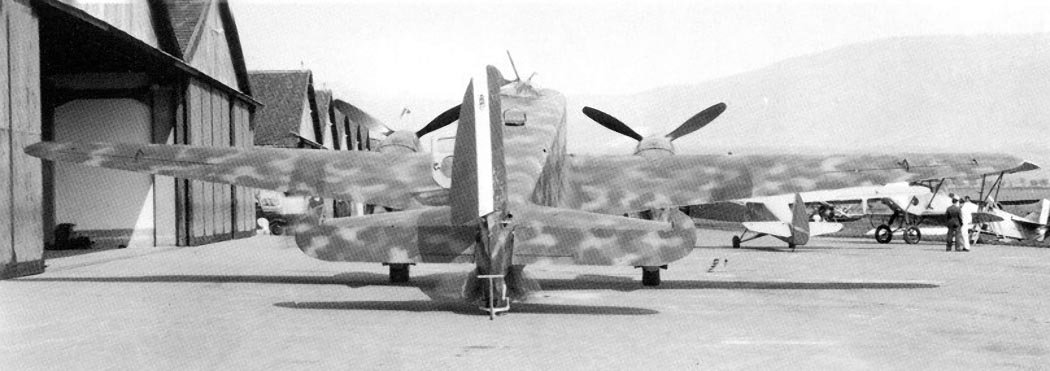 Ca.313 |
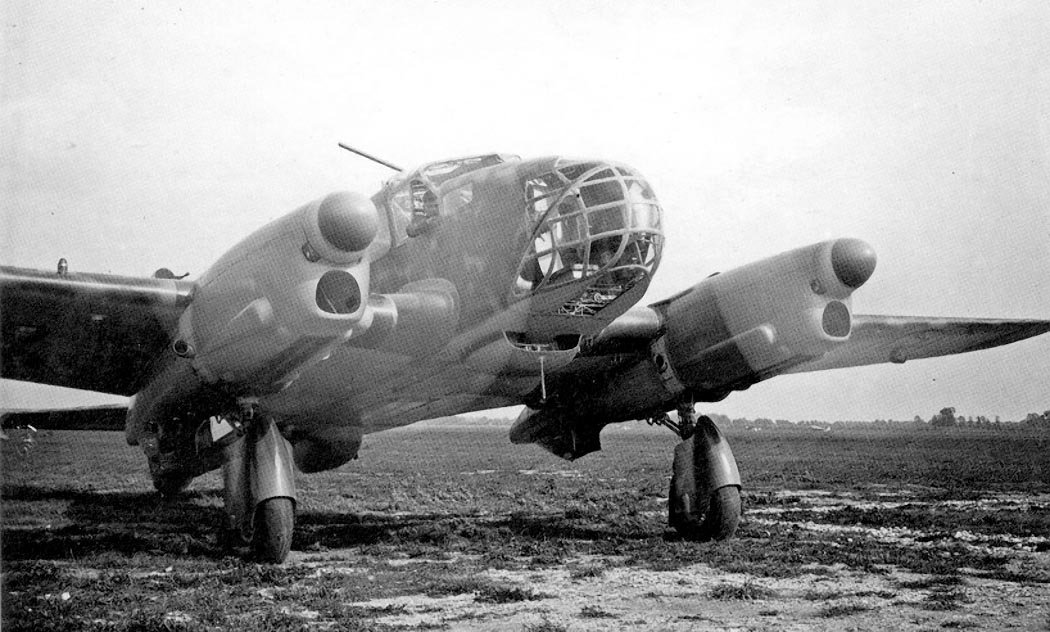 Ca.313 |
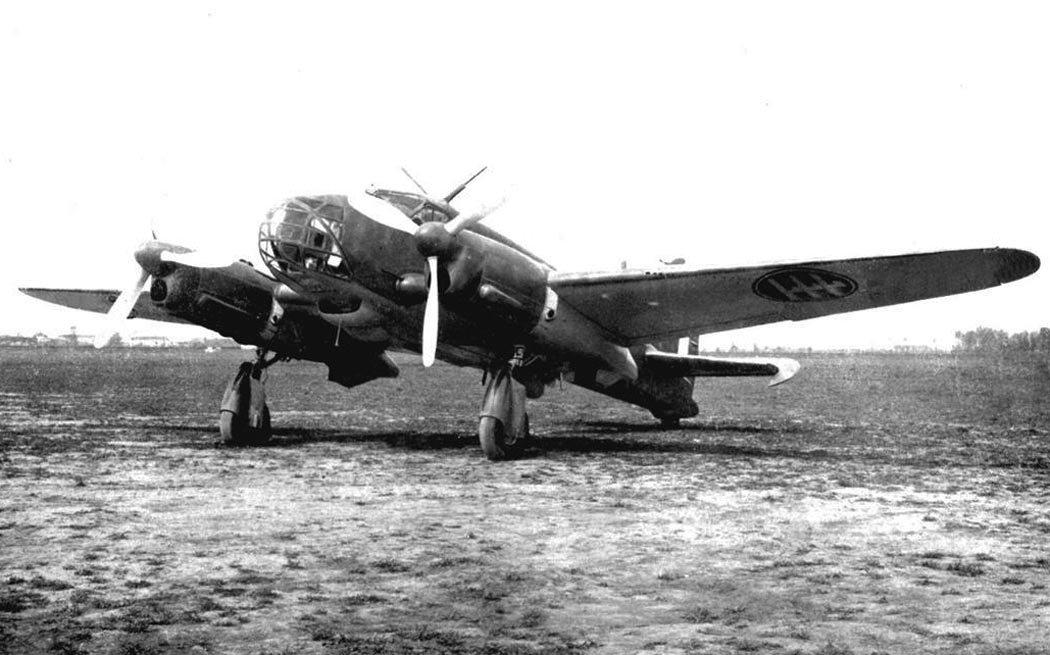 Ca.313 |
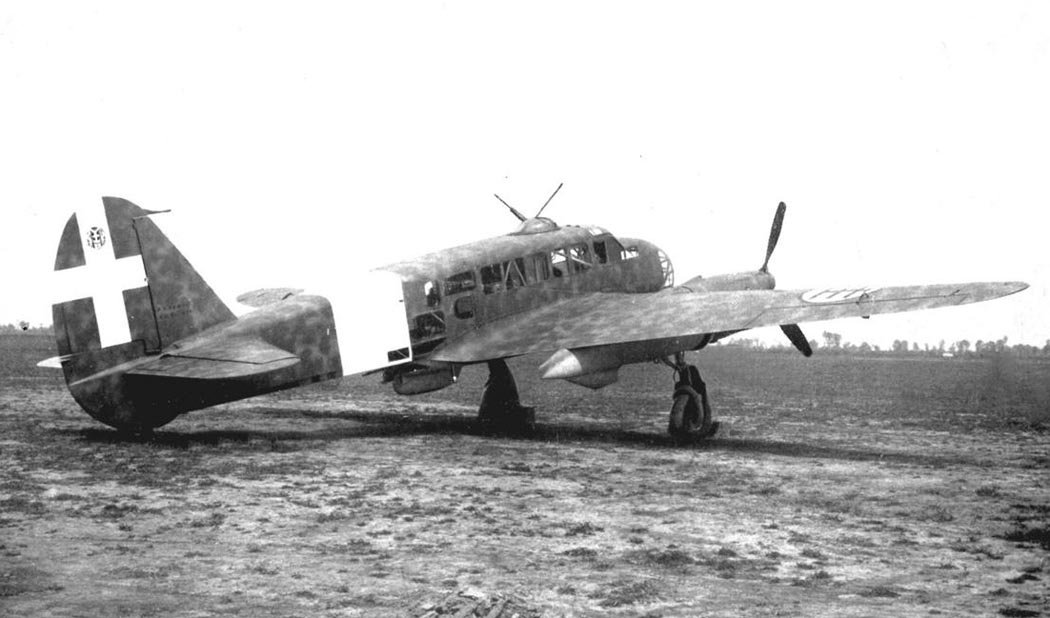 Ca.313 |
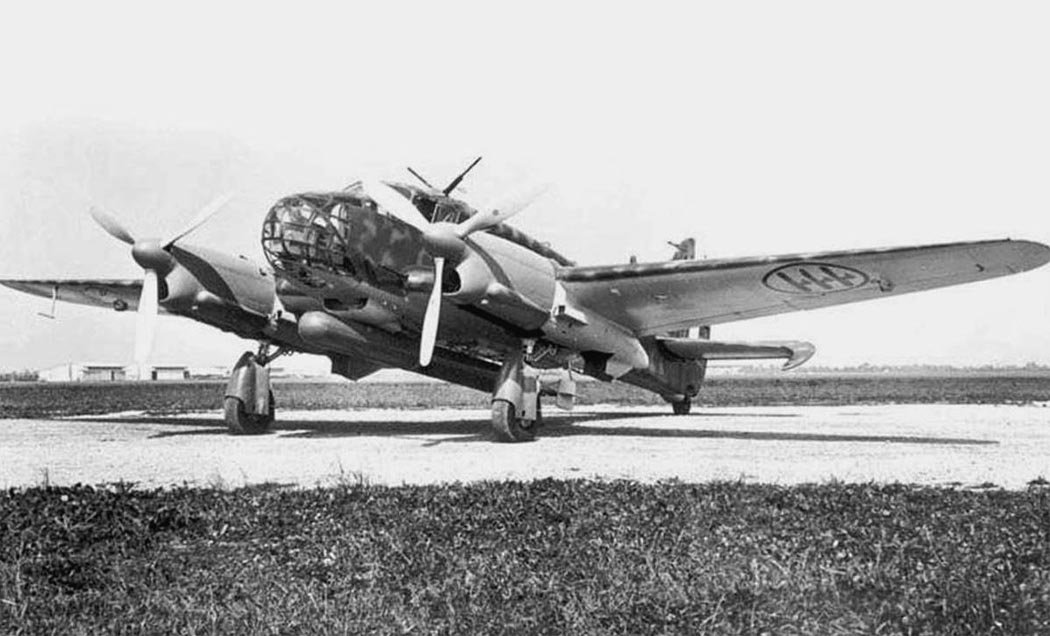 Ca.313 |
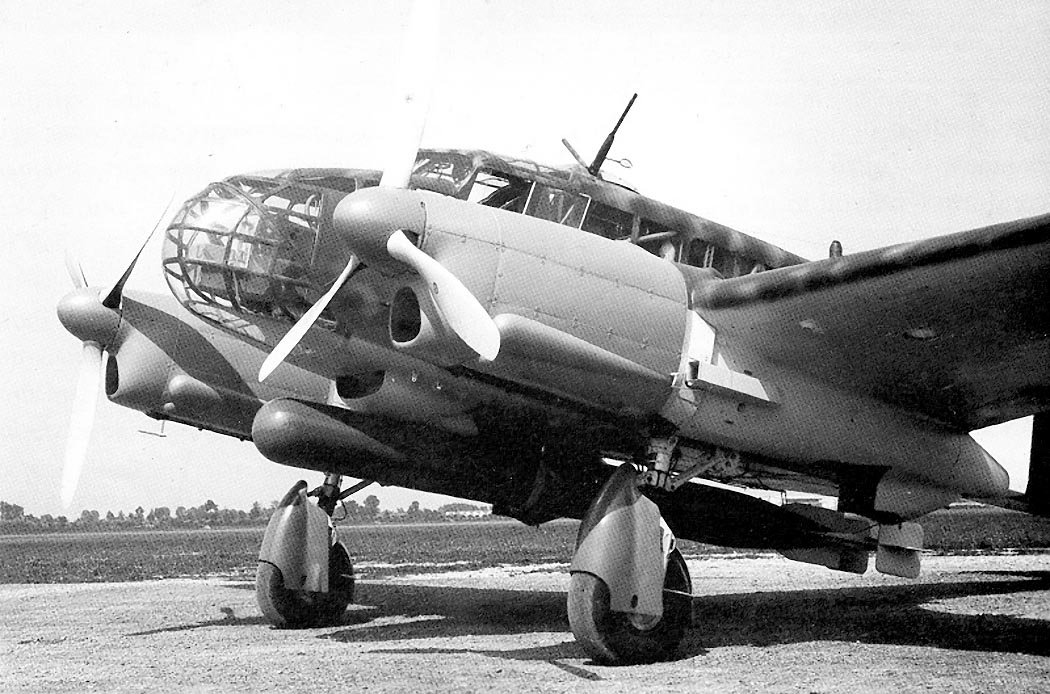 Ca.313 |
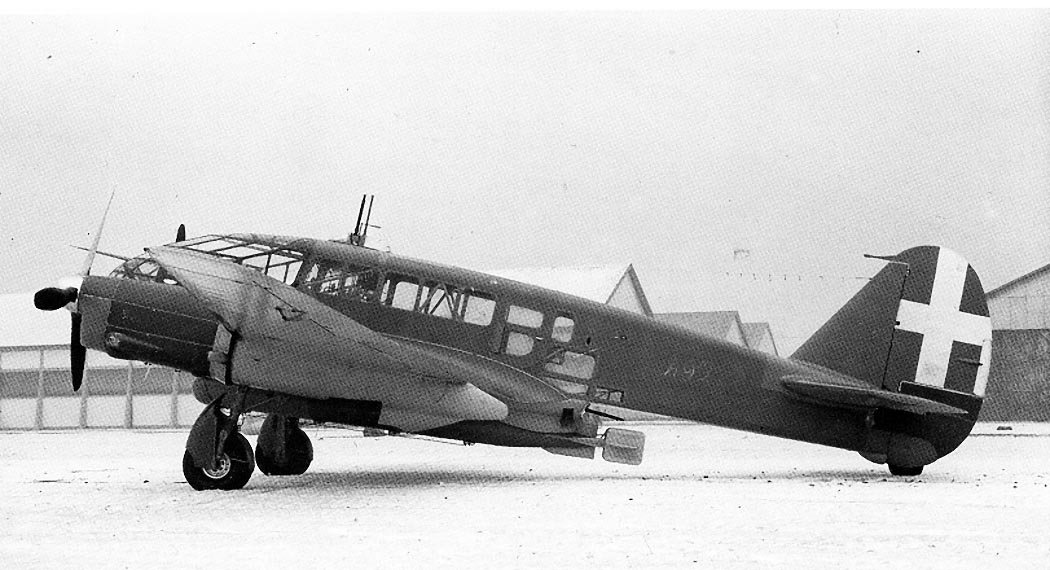 Ca.313 |
 Ca.313 |
 Ca.313 |
 Ca.313 |
 Ca.313 |
 Ca.313 |
 Ca.313 |
 Ca.313 |
 Ca.313 |
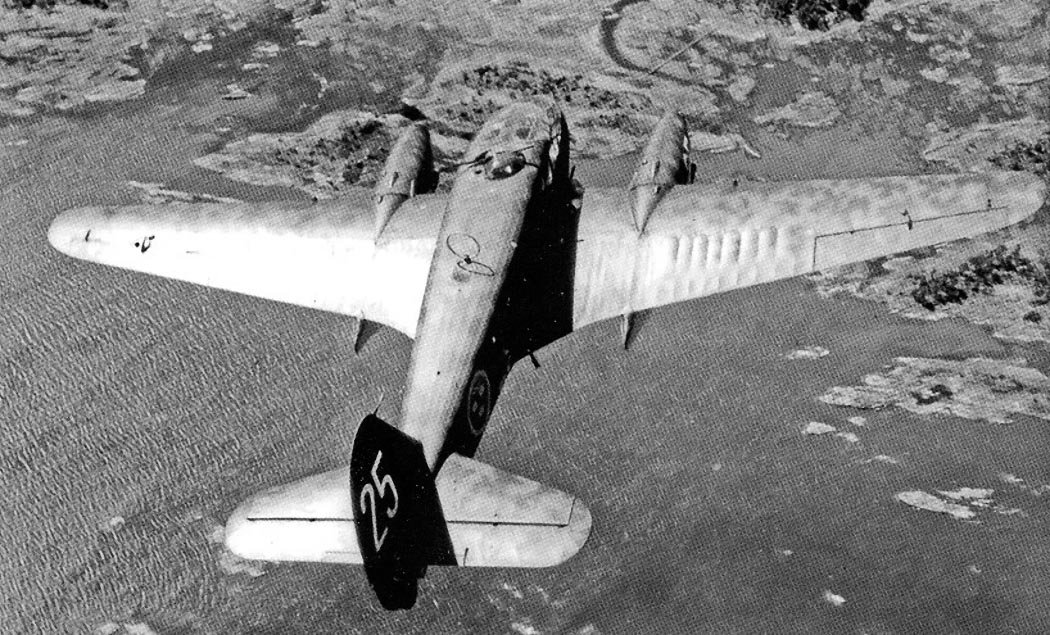 Ca.313 |
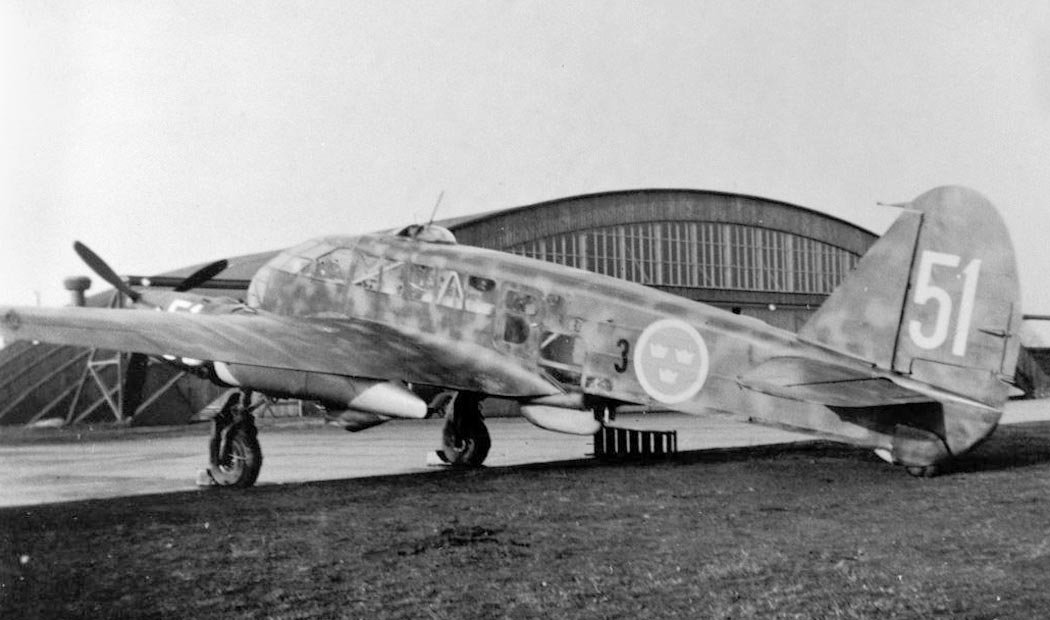 Ca.313 |
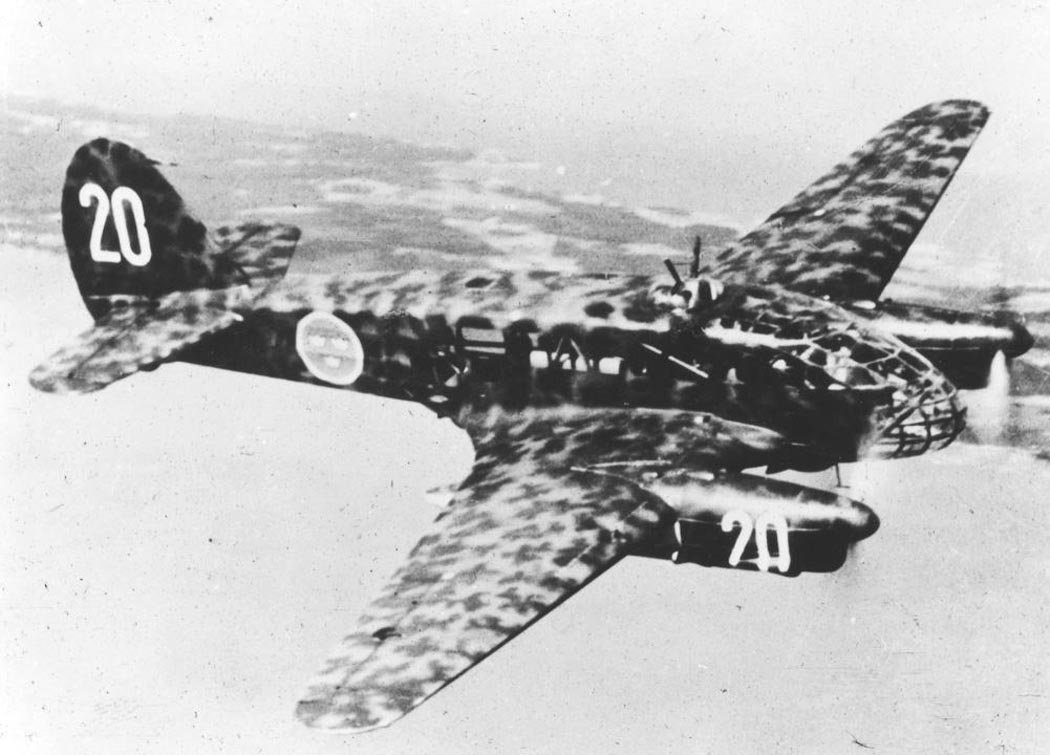 Ca.313 |
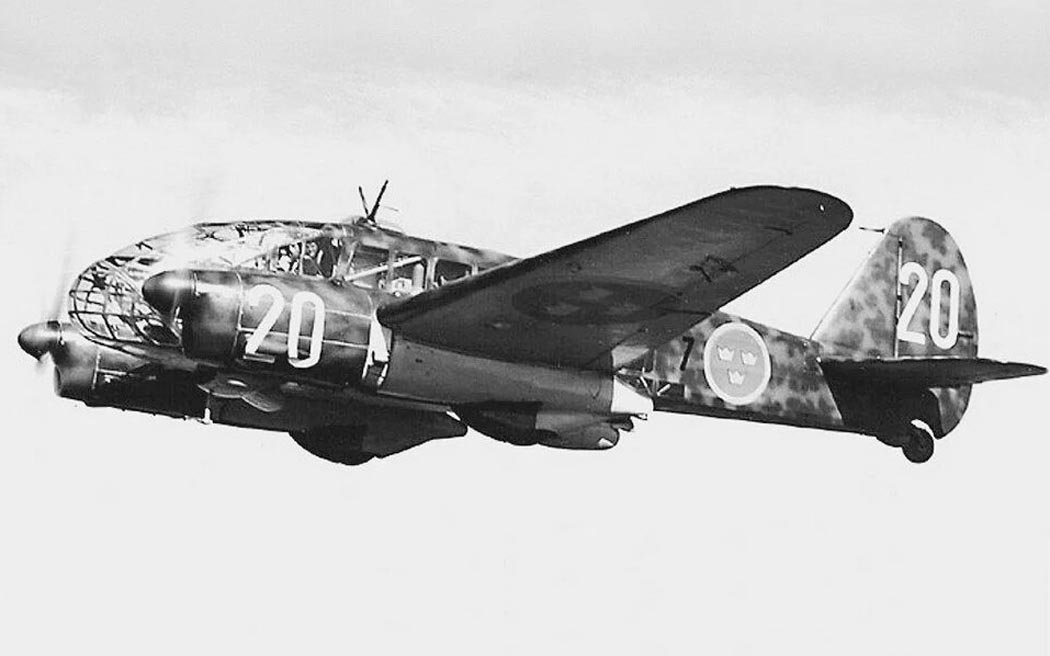 Ca.313 |
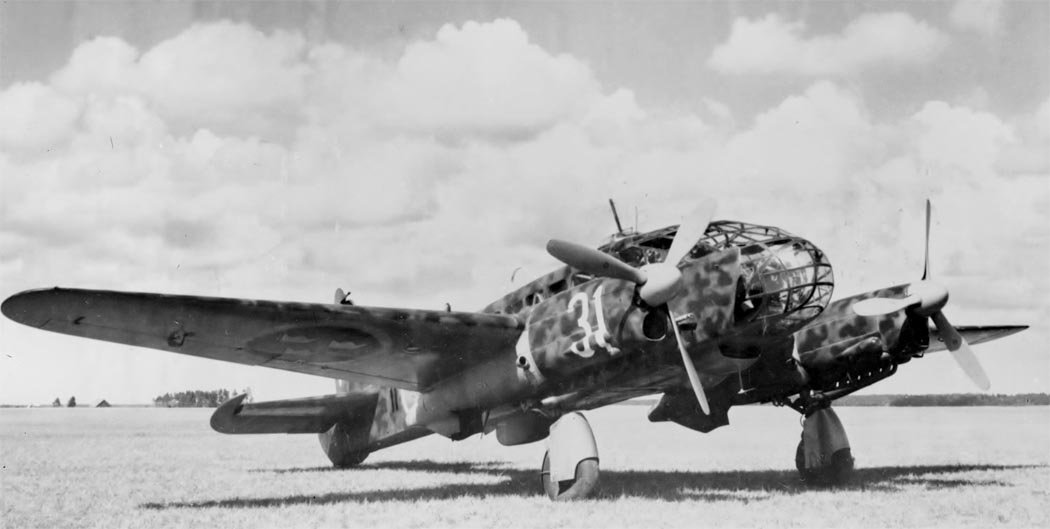 Ca.313 |
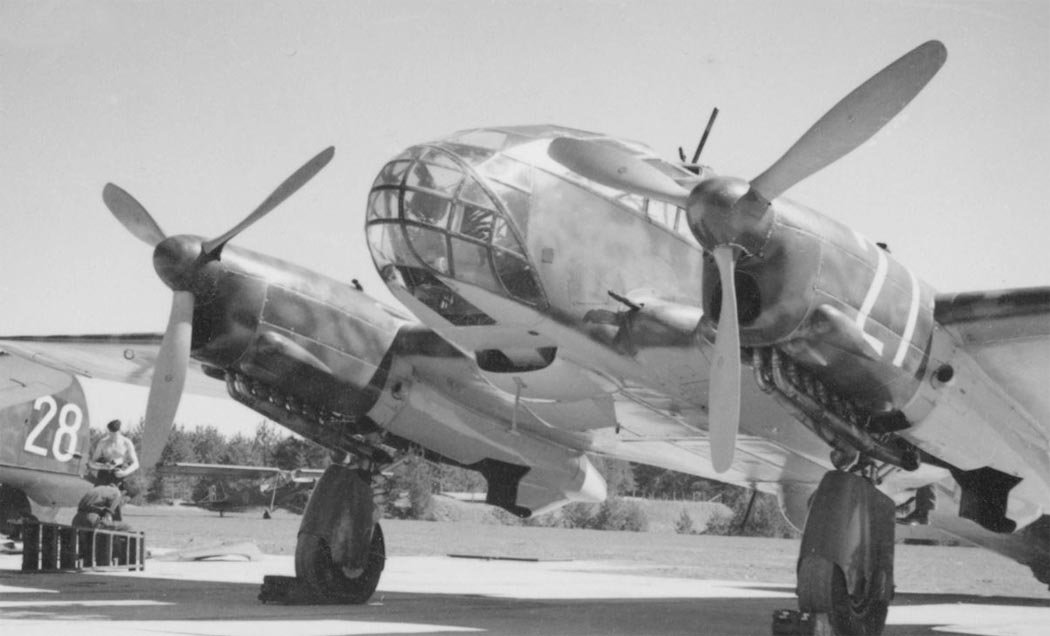 Ca.313 |
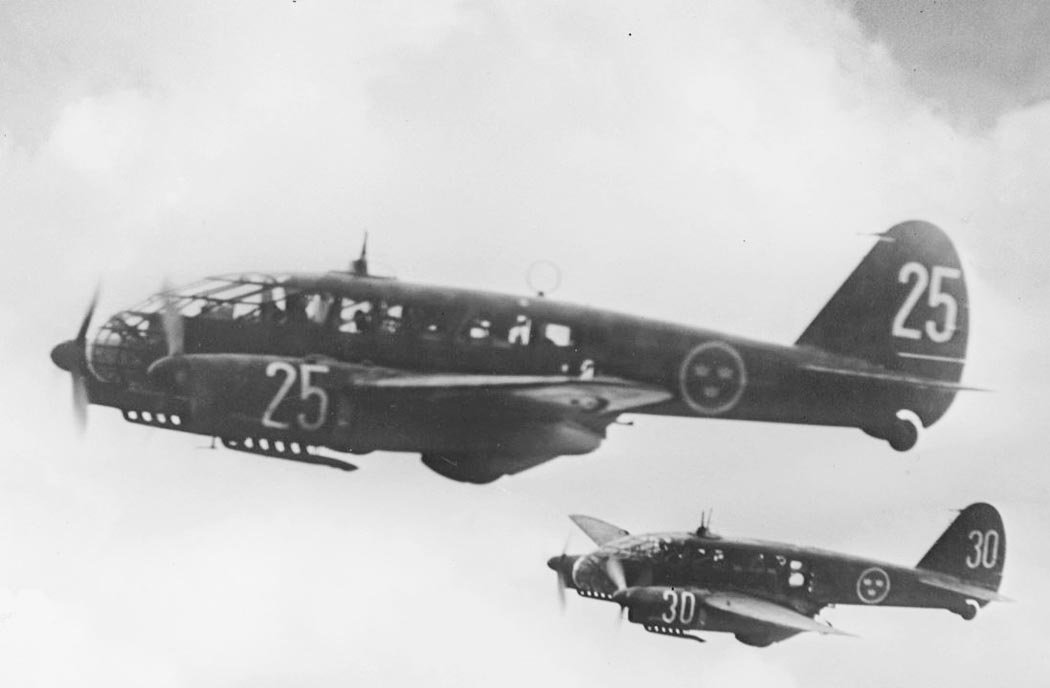 Ca.313 |
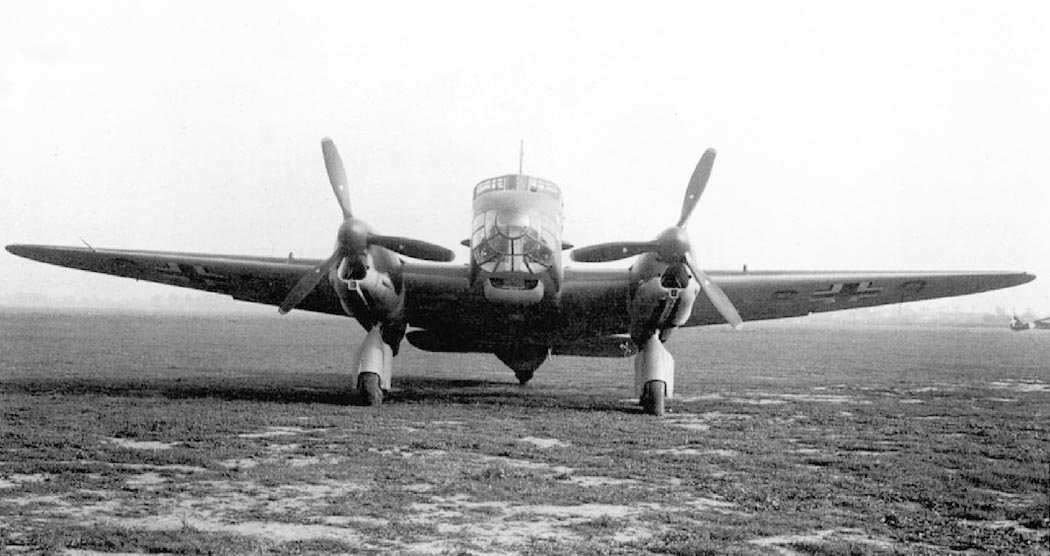 Ca.313 |
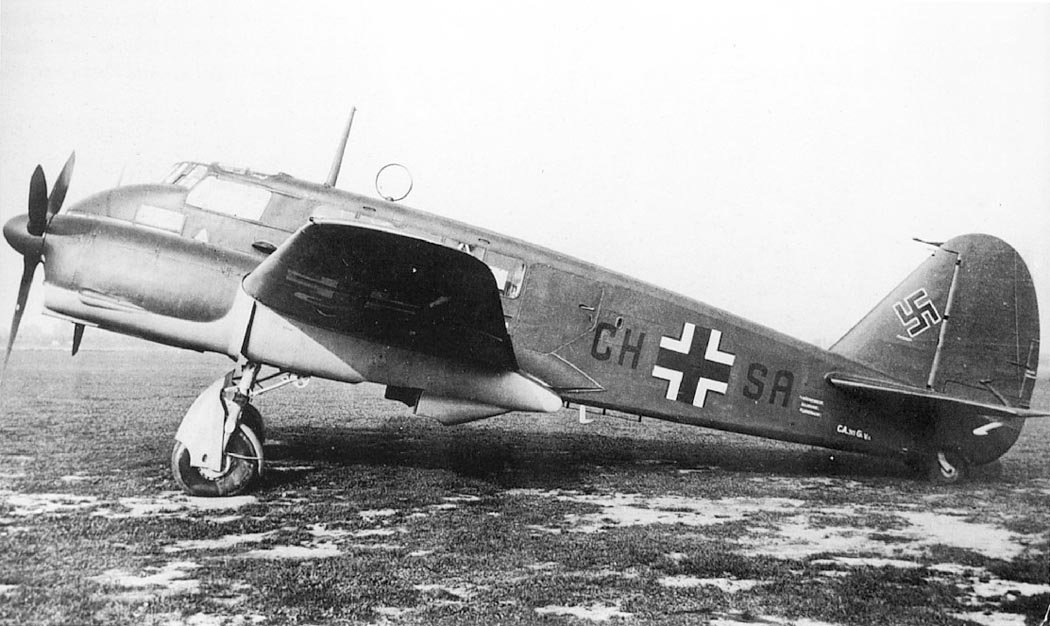 Ca.313 |
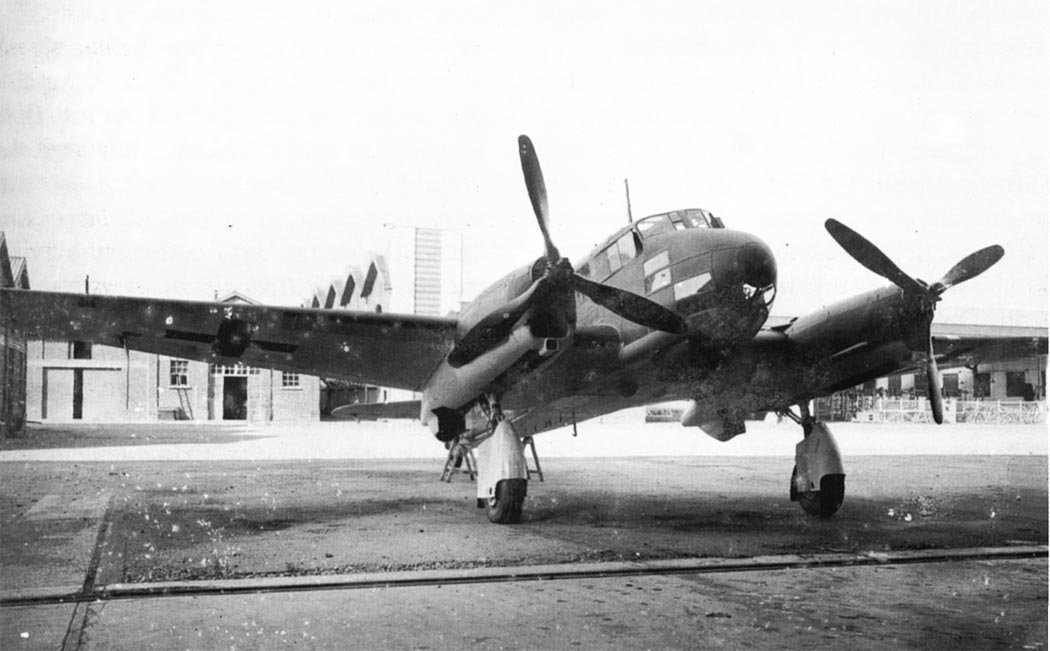 Ca.313 |
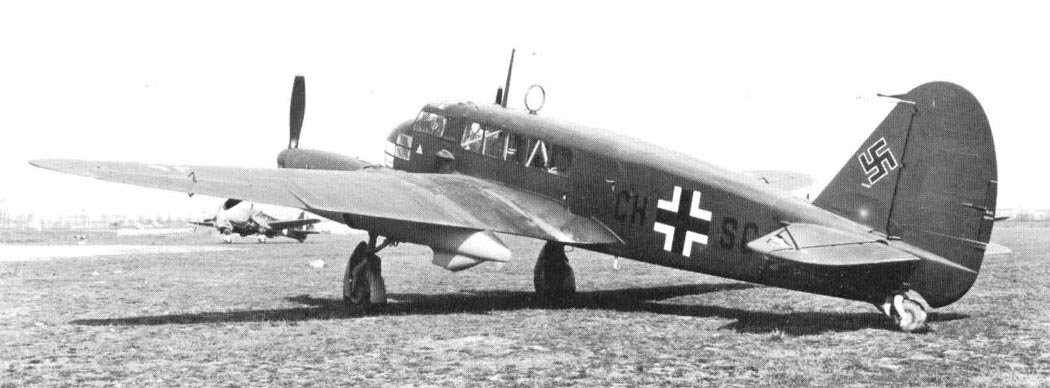 Ca.313 |
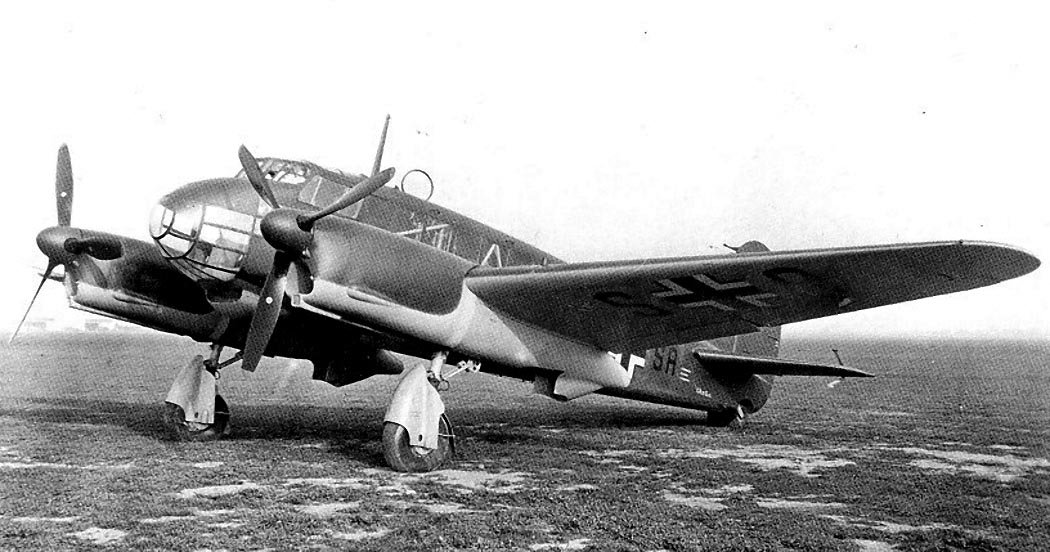 Ca.313 |
 Ca.313 |
 Ca.313 |
 Ca.313 |
 Ca.313 |
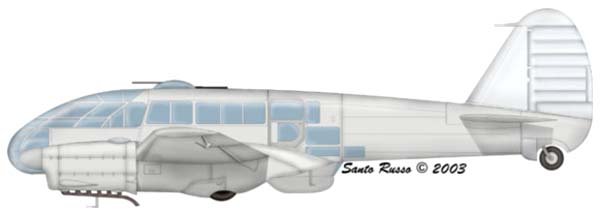 Ca.313 |
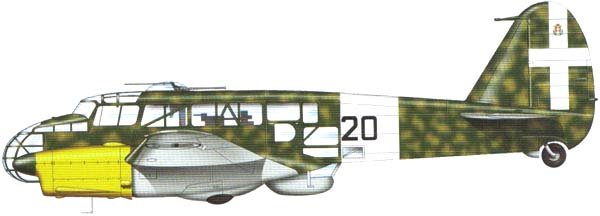 Ca.313 |
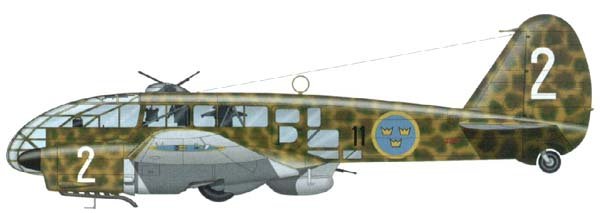 Ca.313 |
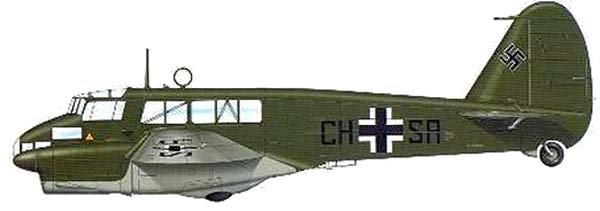 Ca.313 |