Wartime Challenges for Australia
The beginning of 1942 brought formidable challenges to Australia. The relentless advance of Japanese forces in Southeast Asia and neighboring islands brought the war zone day by day closer to the shores of the island continent. The Allies suffered defeat after defeat, mainly because of serious miscalculations made by high-ranking politicians and military officials.
Up until the last moment, they were confident that the Japanese attack would target the Soviet Union. The Allies also gravely miscalculated Japan’s military potential; moreover, they themselves contributed to Japan’s development by generously supplying advanced military equipment, including experimental combat aircraft.
On December 7, 1941, the Japanese unleashed devastation at Pearl Harbor; three days later, the warships “Repulse” and “Prince of Wales” were sunk, paralyzing the British Royal Navy. By the second day after the war began, Japanese forces invaded Thailand, using former French bases in Indochina.
Through Malaya, the invading army advanced on “impregnable” Singapore, seizing it on January 15. In February 1942, the Indochinese islands were abandoned under Japanese pressure; in April, Burma fell, and China was cut off from land supply.
By the summer of 1942, it became evident that Australia would likely be the target of the next offensive. The country’s authorities proactively assessed their combat readiness and endeavored to prepare as much as possible for a seaborne attack. Achieving this was difficult, as Britain initially viewed the island as a dumping ground for obsolete military equipment.
At the outbreak of the war, Australia possessed two fighter squadrons – the 21st and 453rd – both actively participating in aerial battles over Malaya, equipped with American “Buffalo” fighters. Expecting no aid from either the USA or Britain, the island’s authorities decided to create a combat aircraft using their own resources.
Australia’s Aviation Industry and the Boomerang’s Birth
The country’s aviation industry, which had developed rapidly in the 1920s and 1930s, had gradually declined by the start of the war. Small firms, forming the basis of the industry, mostly went bankrupt due to a limited market; only the Australian branch of “De Havilland” prospered.
Embarking on the path of war, Australia took steps to create its own school of aircraft construction. In 1936, the “Commonwealth” (Commonwealth Aircraft Corporation – CAC) alliance of aircraft manufacturers was organized, headquartered in Melbourne with an engine plant in Lindcomb. Its activity began with the production of a light aircraft, taking the American-made NA-32/33 training monoplane as a model.
The first serial machines rolled off the assembly line in 1937, under the company designation CA-1; in service, it was called the A-20 Wirraway. Subsequently, due to the shortage of full-fledged combat aircraft, the “Wirraway” was used as a light attack aircraft.
In 1939, the Department of Aircraft Production (DAP) was created, responsible for introducing a licensed version of the “Beaufort” torpedo bomber with Bristol “Taurus” engines into production. Due to a shortage of spare parts, Australia purchased a batch of Pratt & Whitney R-1830-S3C4 engines from the USA.
Thanks to this measure, the first “Beaufort” rolled off the assembly line in Sydney by early May 1941. In December, seven new aircraft departed for the combat zone. At that time, the “Beaufort” was the RAAF’s only modern combat aircraft.
Australia still needed a full-fledged combat fighter whose production should not depend on export supplies. The country’s authorities ordered the construction of 105 serial fighters, including the prototype, as the country’s wartime economy did not allow for building experimental combat aircraft.
The designers faced a problem: they had no experience in fighter development, and consumable materials, as well as human resources, were limited. It was no surprise that the Alliance decided to create a new design based on the proven components and assemblies of the NA-33.
CA-12 Design, Performance, and Combat
Since 1942, the Australian Air Force used the CA-6 “Wackett” primary training aircraft, named after its creator, chief designer Lawrence Wackett. A total of 200 such aircraft were built.
The “Wackett” was also based on the NA-33 but was much smaller and lighter; the method adopted for its creation was called the “one hundred and eighty steps” method. The sturdy airframe of the NA-33 could withstand some structural lightening without detriment. The same method was applied to the creation of the fighter, but the airframe was now strengthened, not weakened.
The choice of powerplant did not offer too many options; the most sensible option was to install the American R-1830 engine, produced in Australia under license for the “Beauforts.” The only part not used on the “Beaufort” Mk.VII was the three-bladed “Hamilton-Standard” propeller.
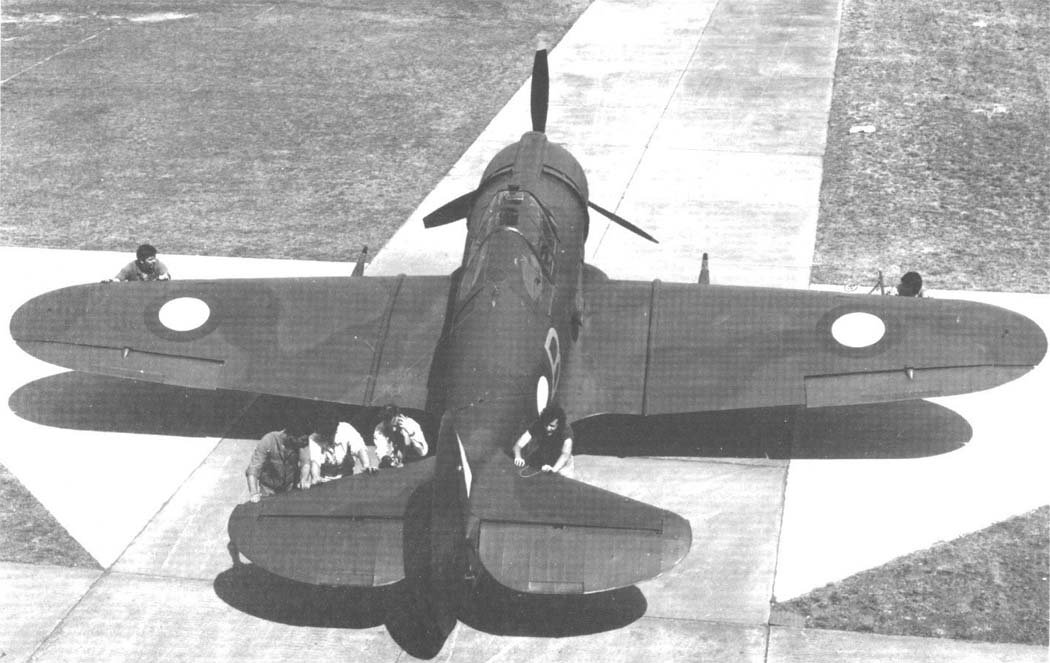
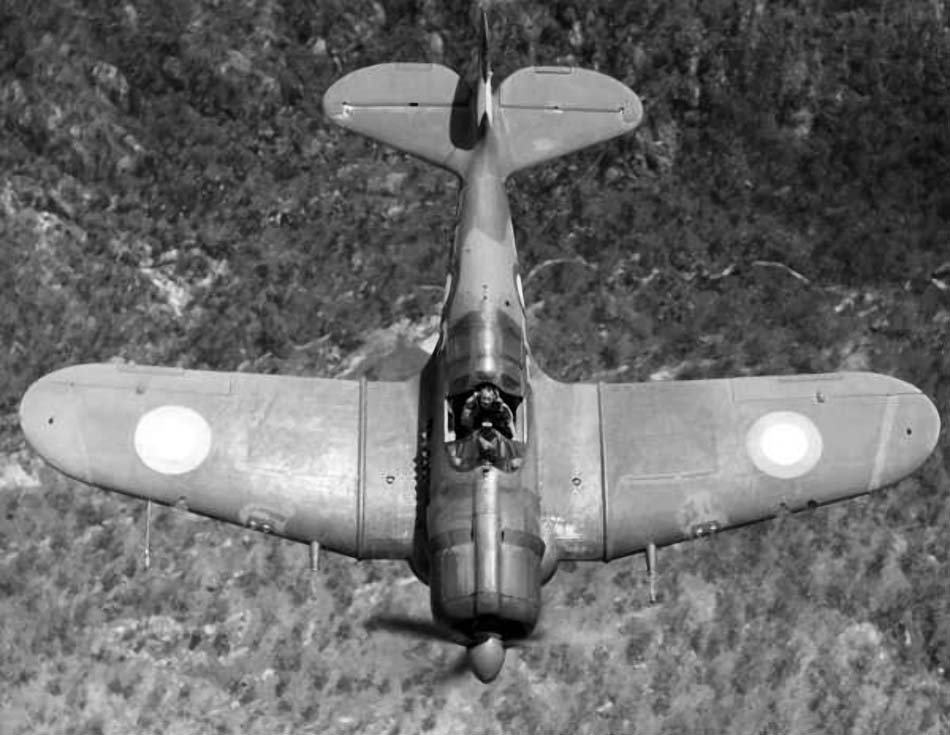
The new project received the factory designation CA-12, but during development, the aircraft was commonly called “Boomerang.” Development began with the wing: the center section remained unchanged, and the outer panels were shortened in span, reducing the area to 20.90 sq.m.
The wing structure was reinforced, and a large three-section landing flap with a central section under the center wing was added. The empennage underwent minimal modification only to reinforce the structure. The fuselage, from a technological standpoint, also did not change; its basis was a frame of chrome-molybdenum tubes.
The fabric covering, used on the “Wackett,” was replaced by duralumin sheets and plywood. The cockpit was redesigned into a single-seater, with armored protection for the pilot’s seat and a bulletproof canopy made from a single piece of plexiglass. Since the engine power doubled, the fuselage frame also had to be reinforced at the engine mount points.
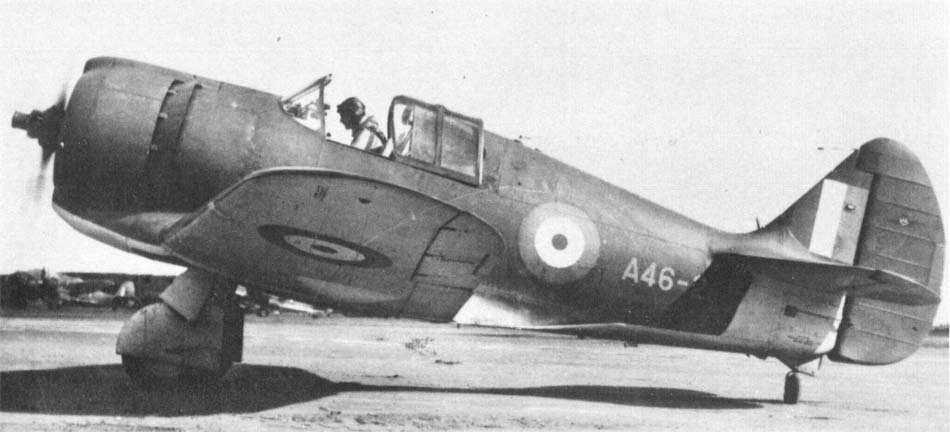
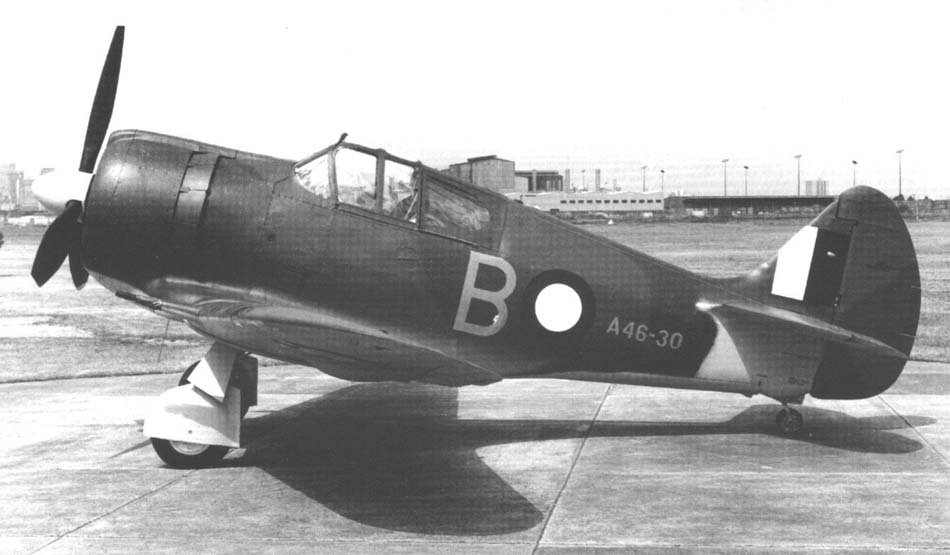
The landing gear, including the hydraulic retraction and extension mechanisms, was entirely carried over from the “Wackett.” As a result of all these reconstructions, an unusual aircraft came into being – with a short, blunt nose and a voluminous, barrel-shaped fuselage.
Sixteen months and three days after the official start of work, test pilot Ken Frewin lifted the first “Boomerang” with factory number A 46-1 into the air. It was clear that the main task — to create a full-fledged combat aircraft based on a trainer — had been achieved.
Lacking significant drawbacks, the “Boomerang” even surpassed some foreign counterparts in flight performance, such as the American P-64 fighter. The problems resolved during the construction of the “Boomerang” were far from easy. For instance, the aircraft’s armament consisted of four 7.7 mm “Browning” wing machine guns, with 1000 rounds per barrel.
The “Brownings” would freeze at high altitudes, so they had to be fitted with a hot air heating system. With cannon armament, the situation was even worse: the military insisted on installing two 20 mm “Hispano” cannons in the wing panels, with 60 shells per barrel.
“Hispano” cannons were not produced in Australia, and there was nowhere to buy them. After a long search, luck smiled upon the creators: they found a firing instruction manual with drawings and one actual cannon with a magazine, stored by a retired naval sergeant. Drawings were taken from this weapon, and the Harland factory immediately began production of this essential fighter part.
The CA-12 was a rather “lively” aircraft: at an altitude of 2260 m, it developed a speed of 486 km/h, and at 4725 m, 491 km/h. Nevertheless, it certainly could not compete in speed with the latest Western fighters. Its advantage was its unique rate of climb: 14.9 m/s! More than the “Spitfire” I and P-40E!
The aircraft reached an altitude of 6100 m in 9.2 minutes. Its ceiling was 10360 m. In terms of maneuverability, the “Boomerang” surpassed most American fighters — a reflection of its “trainer” origins. This was clearly demonstrated during training dogfights with “Curtiss” P-40E and the newer P-39C “Airacobra.”
The “Curtiss” outpaced its rival in speed but lagged in climb rate and turn radius. “Boomerang” pilots could easily get on the tail of the P-40E, although the P-40E dove better. The “Airacobra” was a more serious opponent, but an experienced pilot could still fight on equal terms.
During testing, the CA-12 prototype was optimized as much as possible for serial production. The engine cooling system was improved, the gunsight’s position was changed, the landing gear wheel brakes were refined, and attachment points for an auxiliary tank were added. All these modifications did not affect the new fighter’s high reputation.
Operational Service and Evolution
The first serial fighters, as expected, went to flight schools. Operational Training Unit No. 2 received the first aircraft on October 10, 1942. Soon, the aircraft revealed its first serious drawback: upon landing, the “Boomerang” tended to flip over a wing, especially in strong crosswinds. This was due to its large fuselage side area and narrow landing gear track.
Test pilots demonstrated how to operate the controls and brake while sharply increasing engine RPM. Despite these efforts, the aircraft’s stability during landing remained a “weak point” in early operations, with reports from combat squadrons detailing landing gear failures and wingtip damage for this reason.
The “Boomerangs'” combat activity initially consisted almost exclusively of patrolling areas adjacent to Australian airspace, such as Port Moresby in New Guinea. Thus, the new aircraft’s role was immediately defined as patrolling or striking ground targets.
In New Guinea, “Boomerangs” also escorted light “Wirraway” attack aircraft, and successfully engaged ground targets themselves. The “Boomerang” was not equipped with bomb racks, so small arms fire was used against artillery crews, snipers hidden in tree canopies, and transport columns.
The first combat unit to be equipped with “Boomerangs” was RAAF’s 84th Squadron, dispatched in early 1943 to Richmond airfield, New South Wales. The first aircraft arrived on March 2, 1943. The squadron changed its deployment location twice, eventually reaching Townsville, Queensland.
The first “Boomerangs” arrived on March 2; combat operations commenced on April 4. The aircraft performed patrol flights in the New Guinea area, providing air cover for the Allied base at Merauke, alongside the P-40 “Kittyhawks” of the 86th Squadron.
The new fighter’s baptism of fire occurred on April 16, 1943, when two “Boomerangs” attacked a trio of Japanese G4M bombers. The Australians opened fire, but one aircraft’s machine guns jammed, and the other managed only a short burst before the Japanese aircraft disappeared.
The 84th Squadron operated “Boomerangs” until September 1943, subsequently replacing them with P-40s. Almost simultaneously, “Boomerangs” entered service with RAAF’s 89th Squadron in Gove and the 85th Squadron near Perth. These units were part of air defense forces and did not participate in combat operations.
RAAF’s 4th Squadron received its “Boomerangs” on June 15, 1943, and was declared operational on July 1. “Boomerangs” from this unit operated from bases in New Guinea (Port Moresby, Dobodura, Tsili-Tsili, Gusap, and Nadzab) and then flew to New Britain island for interaction with U.S. Marine Corps units.
This interaction proved problematic for the “Boomerangs,” which bore some resemblance to Japanese aircraft. On July 7, 1943, American anti-aircraft gunners mistakenly shot down “Boomerang” A46-88, piloted by Pilot Officer J. F. Collier.
Another “Boomerang” (A46-136) was chased and shot down by a “Lightning”; the fighter made a forced landing, crashed into a ditch, and nosed over. The aircraft was destroyed, though the pilot was unharmed and lodged justified complaints with the Allies.
“Boomerangs” virtually did not engage in aerial combat with Japanese aircraft: their primary task became close air support—detecting, designating, and, if possible, destroying enemy ground targets. Eight “Boomerangs” and four “Wirraways” rendered invaluable service to the Seventh and Ninth Infantry Divisions during the battles for New Guinea.
The “Boomerangs” approached targets at village rooftop level, flew over Japanese anti-aircraft gunners, and immediately designated the target with smoke bombs, serving as an artillery reference. Often, after the “Boomerangs” (unable to carry large bomb loads), P-40Es loaded with bombs followed. If the target was well camouflaged, tracer fire was used against it.
Thus, the CA-12 played a significant role in the battles for New Guinea: with its help, it was even possible to neutralize snipers. The “Boomer Boys,” as the pilots of the 4th Squadron were nicknamed, were highly regarded by the military. Losses among “Boomerangs” due to enemy aviation were relatively low, but breakdowns of greater or lesser severity are present in the history of almost every serial “Boomerang.”
RAAF’s 5th Squadron received its fighters in July 1943 and achieved operational status on November 2. The aircraft were stationed in Laverton, Victoria, then moved to Toowoomba, Queensland. Eventually, the squadron arrived on Bougainville Island, where fighters participated in fierce battles.
“Boomerangs” guided F4U “Corsair” fighters of the Royal New Zealand Air Force to targets. With the arrival of the “Boomerangs,” RNZAF activity sharply increased and began to yield great successes. From August 1945, “Boomerangs” undertook the task of dropping leaflets explaining to Japanese military personnel that Japan had capitulated.
By November, most aircraft were out of service due to the tropical climate; the same fate awaited the “Wirraway.” The 83rd Squadron received its first “Boomerang” on July 12, 1943, and was declared operational on September 16. Its aircraft performed patrol flights over adjacent territories.
In June 1943, the Fisherman’s Bend factory finished production of the CA-12 (105 aircraft) and immediately began production of the new model, the CA-13 (A46-106 to A46-200). The new “Boomerang” did not differ significantly from the old one: the wing was covered with plywood, and the wingtips were made of wood.
A characteristic detail of the CA-13 was the intricately shaped exhaust pipe, borrowed from the “Beaufort.” The fabric covering of the rudders and ailerons was replaced with duralumin. A rearview mirror appeared over the pilot’s cockpit; finally, the hydraulic magazine reloading drive was replaced with a mechanical one.
To improve the aircraft’s flight characteristics at altitudes above 3800 m, an American General Electric turbocharger was installed on a serial CA-12 (A46-1001), driven by engine exhaust gases. Simultaneously, a new, more aerodynamically shaped cowl was fitted, and the wing fillets were refined.
The unit was placed behind the cockpit on the right side, and its air intake on the left. In tests, the CA-14 showed a 20% increase in speed at altitudes above 4000 m. However, the heavy unit’s installation shifted the center of gravity rearward, and the air intake at high angles of attack obscured the horizontal tail.
Designers continued modernization: the air intake was moved under the cowling, and the air supply pipeline was threaded between the cockpit and the fuselage skin on the left, making the aircraft noticeably asymmetrical. A multi-bladed fan was installed in front of the engine. The new CA-14A also featured a different shape for the fin and elevator.
Flight tests in Laverton yielded promising results, but by 1944, the Allies already possessed the necessary number of high-altitude fighters; this is why the CA-14A remained a single example. The last serial version of the “Boomerang” was the CA-19, built in a quantity of 45 machines (A46-201 to A46-249), which featured new “Dunlop” landing gear wheels.
Furthermore, the fuselage was freed from most protruding parts not needed during further operation. Starting with aircraft A46-211, “Boomerangs” were fitted with a fixed F-24 photographic camera for tactical photo reconnaissance in the rear fuselage.
Undoubtedly, the “Boomerang” was one of the best combat aircraft developed and mass-produced in Australia; it enjoyed enormous respect, both among pilots and ground troops, who saw it as an “aerial bulldozer.” To this day (1985), only one* example of the celebrated fighter survives: the CA-12 with factory number A46-30, which served with the 85th Squadron.
In 1945, the aircraft was used in the filming of “Smithy,” a movie about the life of the famous Australian aviator Charles Kingsford-Smith, depicting Sir Charles’s Lockheed “Altair.” After filming, the machine passed to the Australian Flying League and, 20 years later, severely damaged by vandals, reached restorers. A “Hercules” cargo aircraft transported the fighter to Williamstown, where, after a long restoration, it became an exhibit at the Museum of Labor.
Technical Specifications
| Modification | CA-12 |
| Wingspan, m | 10.97 |
| Length, m | 8.15 |
| Height, m | 3.76 |
| Wing area, m2 | 20.90 |
| Empty weight | 2437 |
| Normal takeoff weight | 3492 |
| Maximum takeoff weight | 3742 |
| Engine type | 1 Piston engine Pratt Whitney R-1830-S3C4-G Twin Wasp |
| Power, hp | 1 x 1200 |
| Maximum speed, km/h | 491 |
| Cruising speed, km/h | 257 |
| Practical range, km | 1555 |
| Maximum rate of climb, m/min | 896 |
| Practical ceiling, m | 10356 |
| Crew, crew members | 1 |
| Armament | two 20-mm Hispano cannons in the wing. four 7.7-mm Browning machine guns |
Image and diagram gallery of the CA-12 Boomerang
 CA-12 Boomerang |
 CA-12 Boomerang |
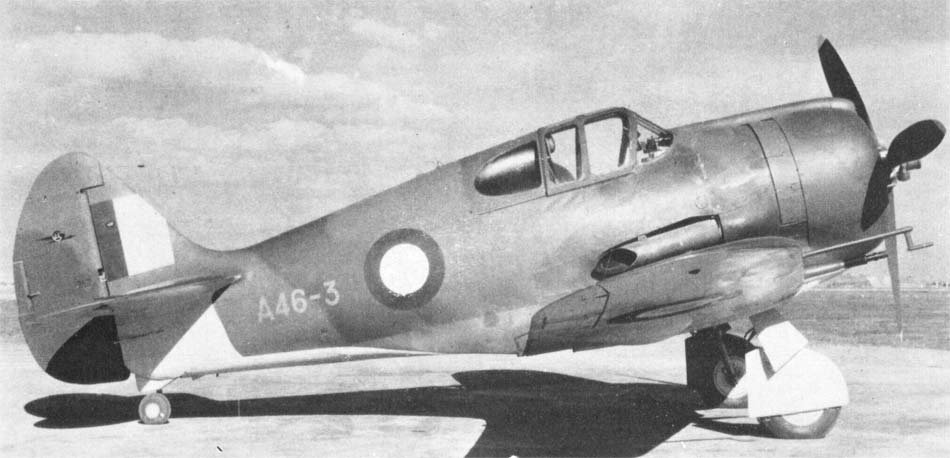 CA-12 Boomerang |
 CA-12 Boomerang |
 CA-12 Boomerang |
 CA-12 Boomerang |
 CA-12 Boomerang |
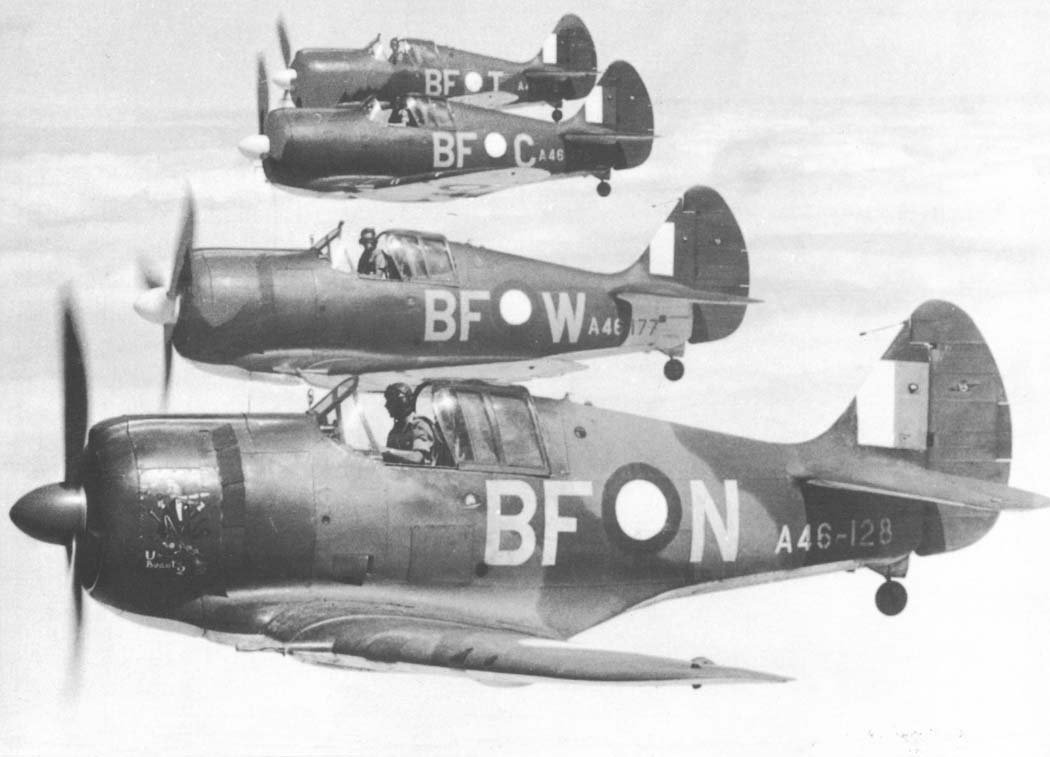 CA-12 Boomerang |
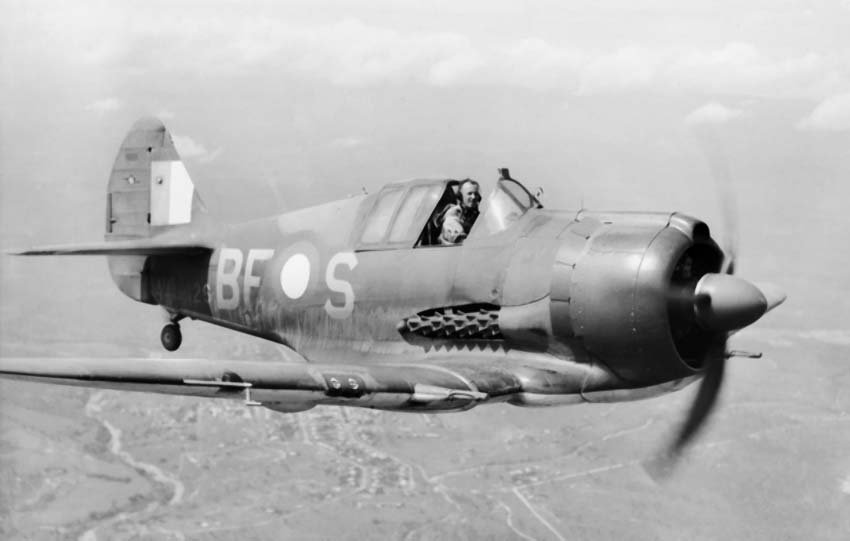 CA-12 Boomerang |
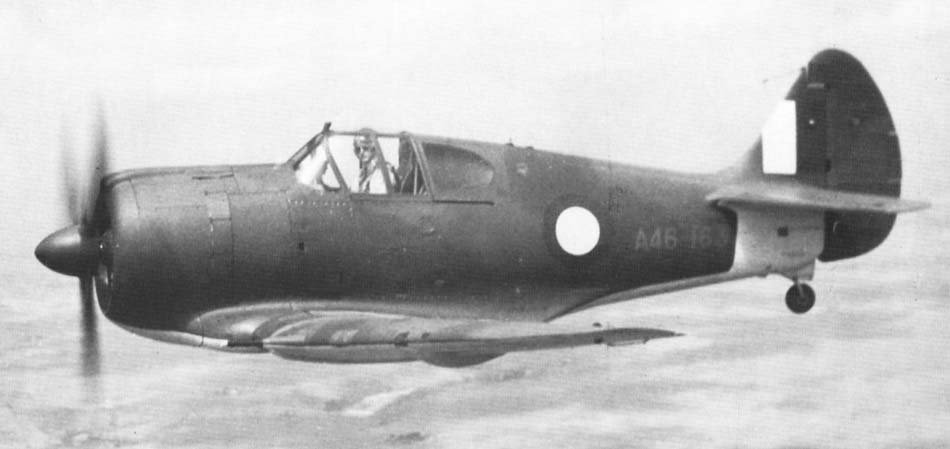 CA-12 Boomerang |
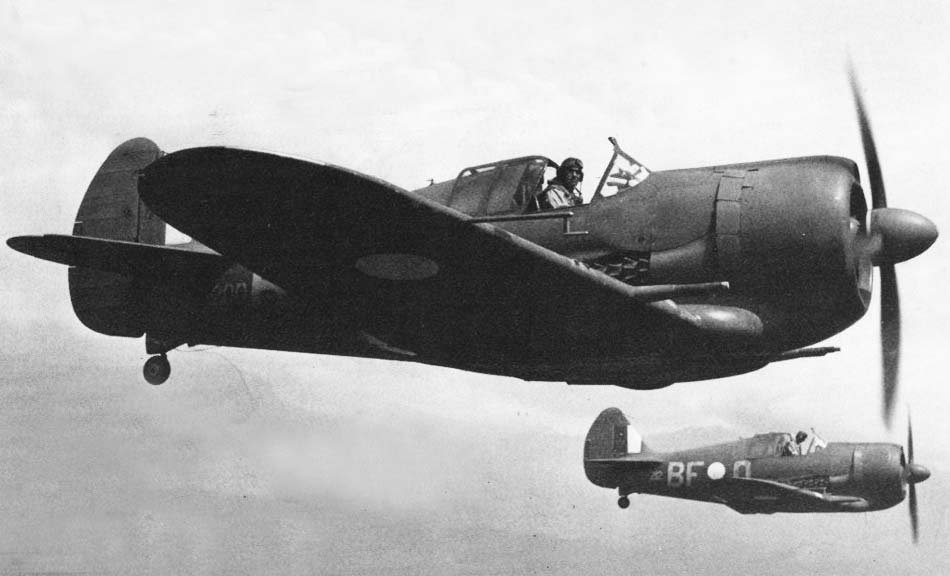 CA-12 Boomerang |
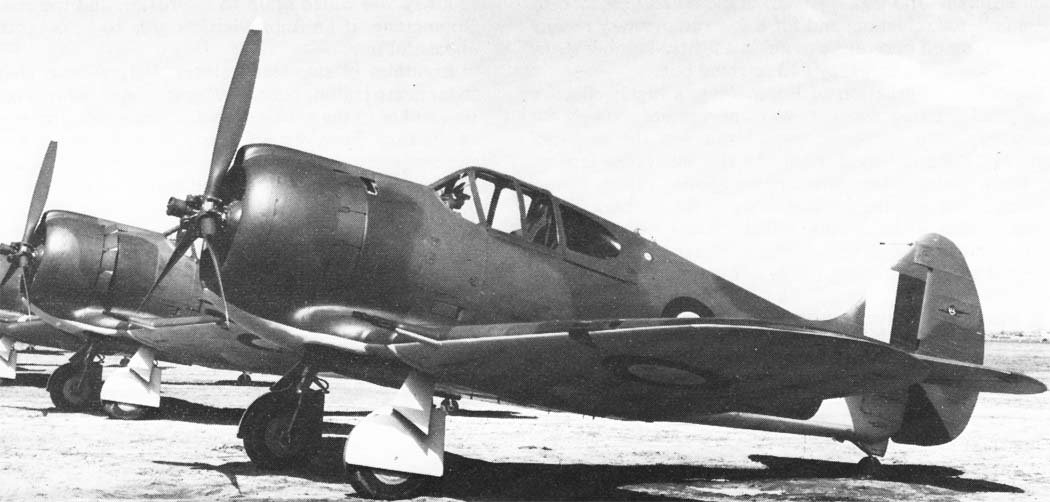 CA-12 Boomerang |
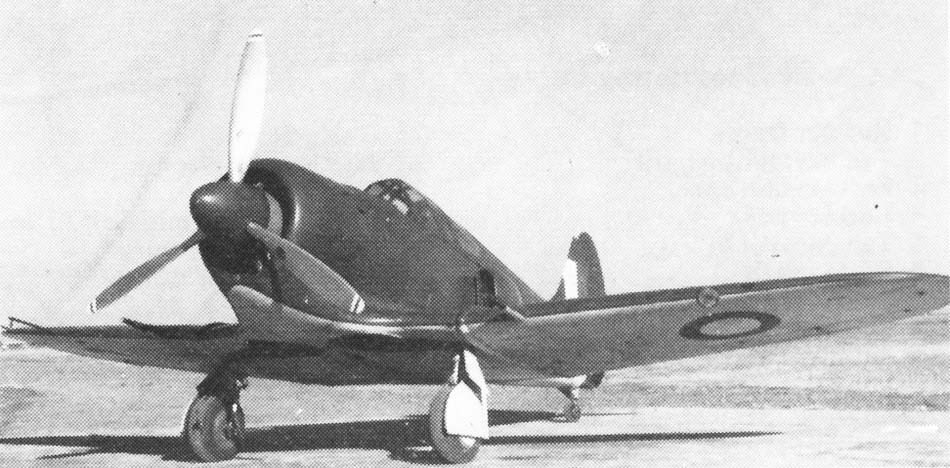 CA-12 Boomerang |
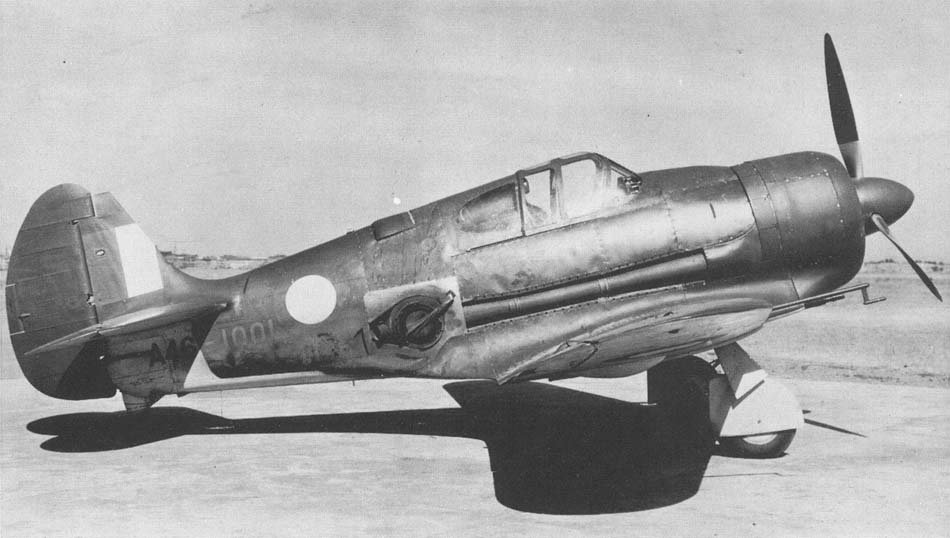 CA-12 Boomerang |
 CA-12 Boomerang |
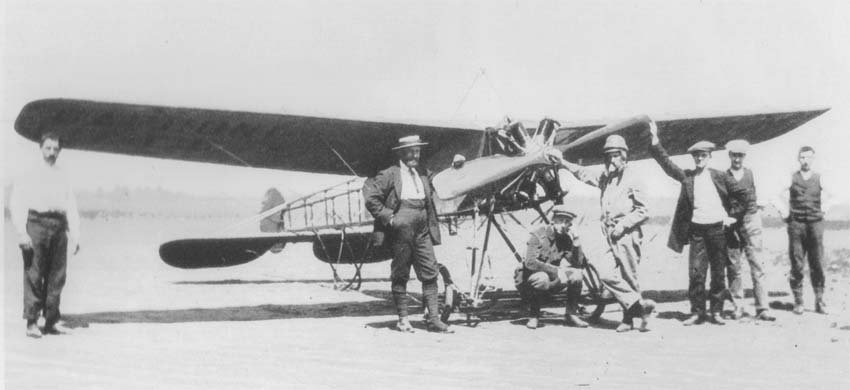 CA-12 Boomerang |
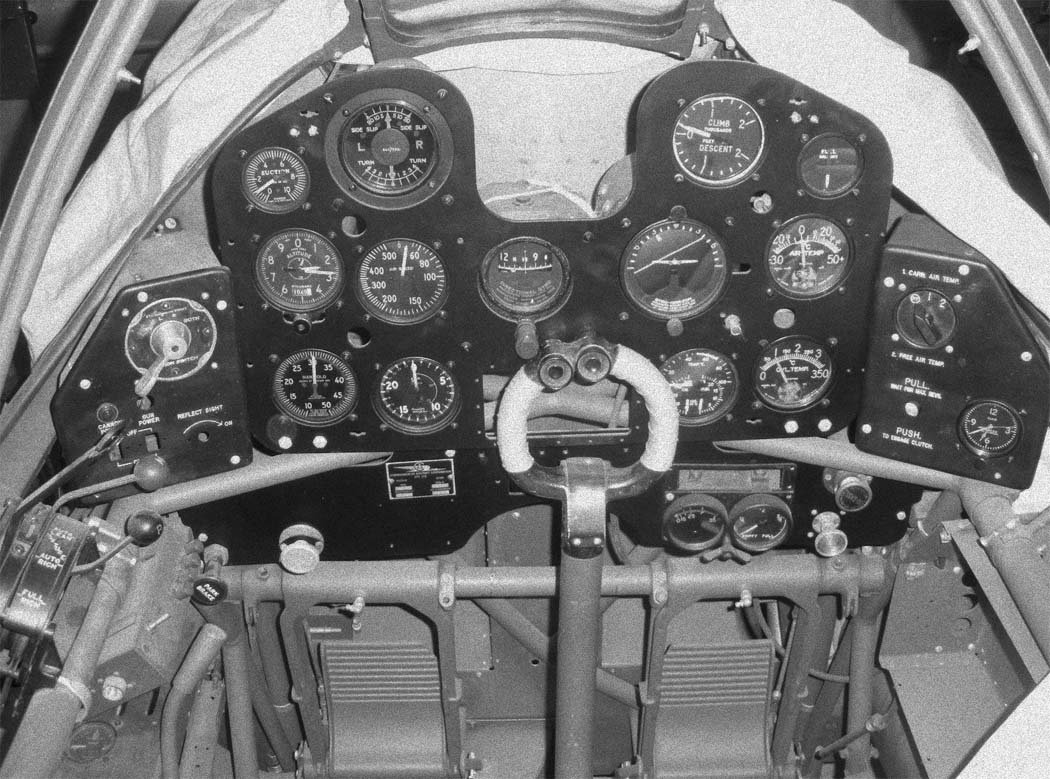 CA-12 Boomerang |
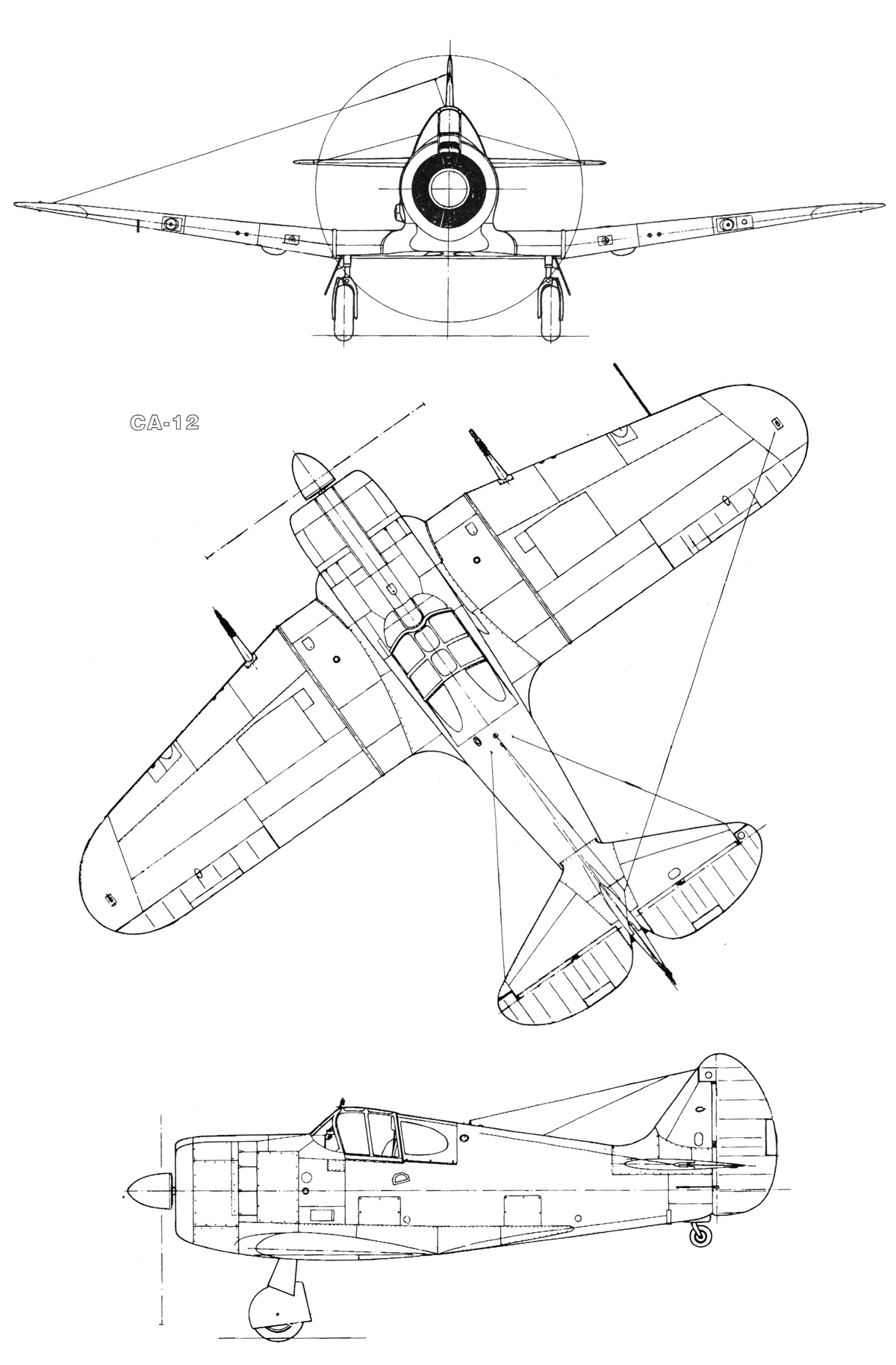 CA-12 Boomerang |
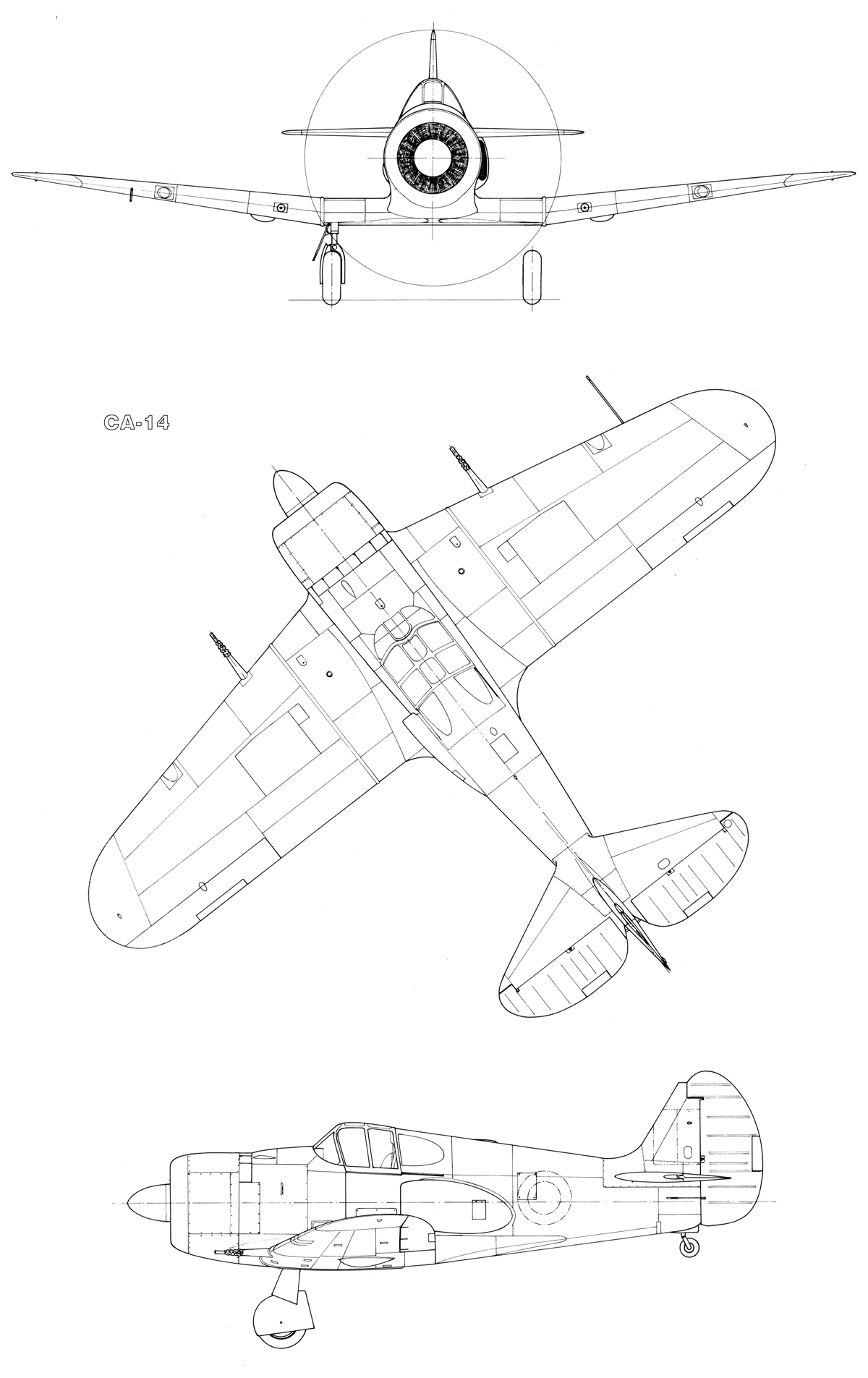 CA-12 Boomerang |
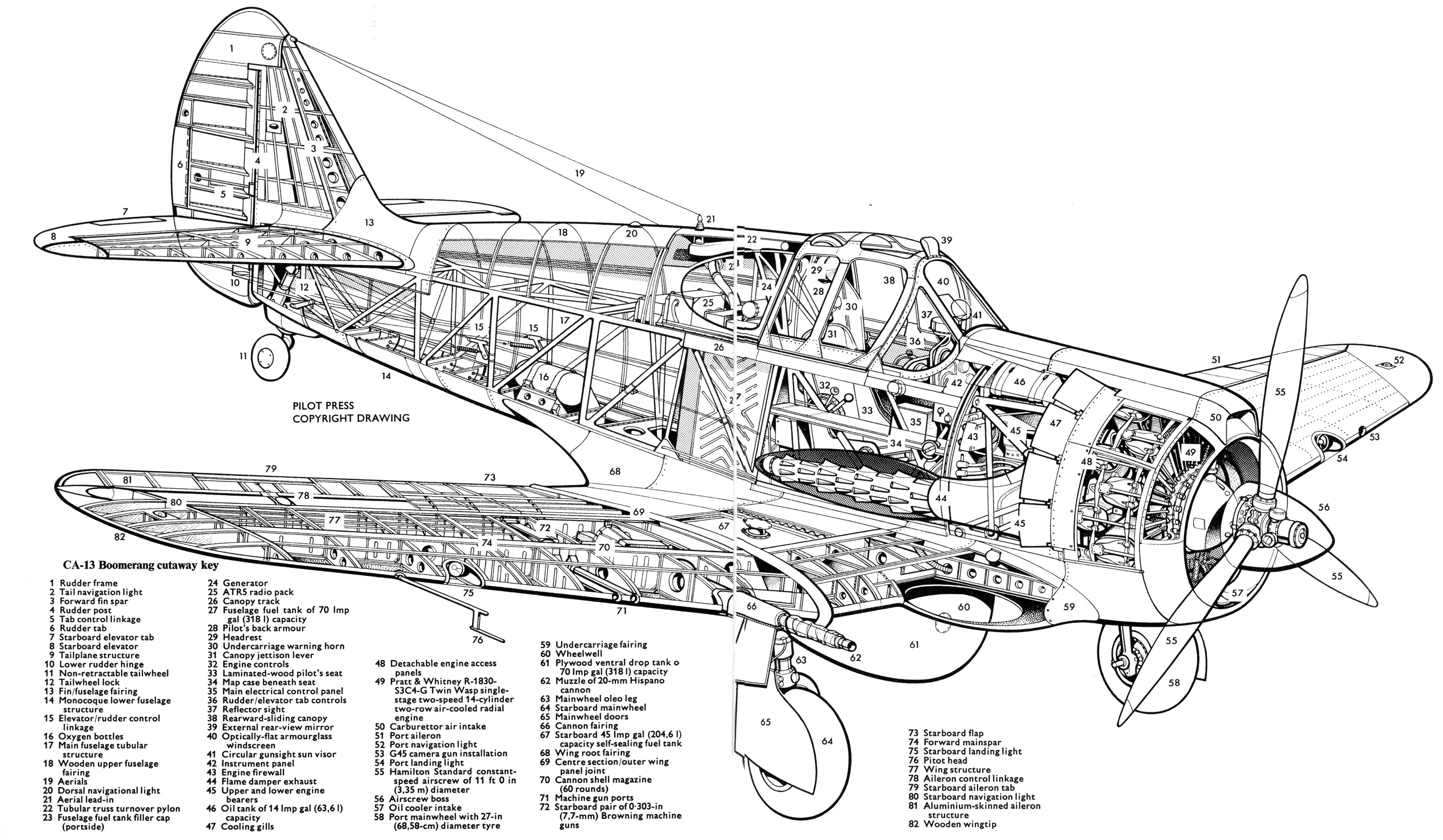 CA-12 Boomerang |
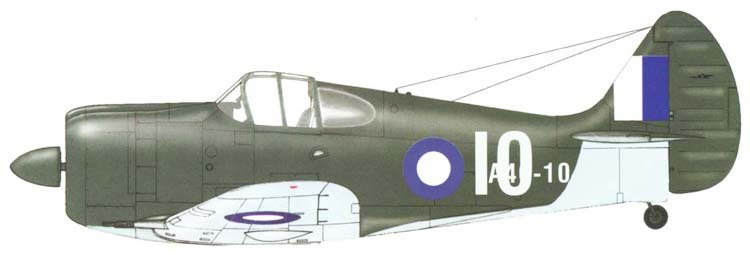 CA-12 Boomerang |
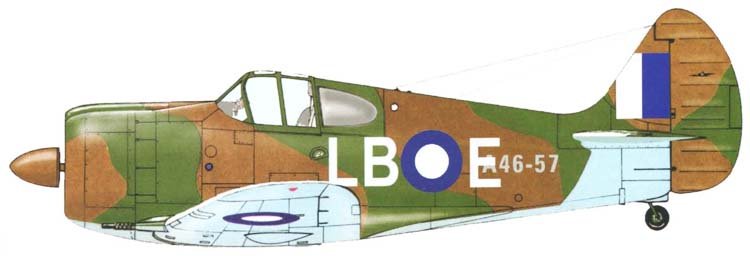 CA-12 Boomerang |
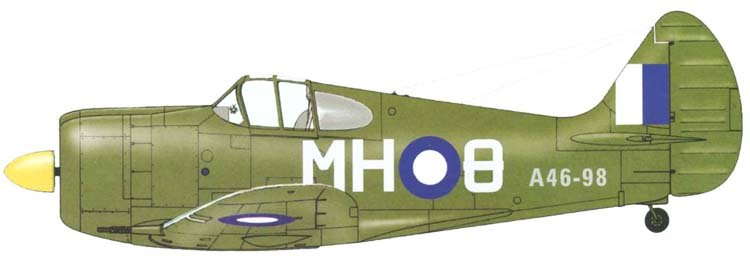 CA-12 Boomerang |
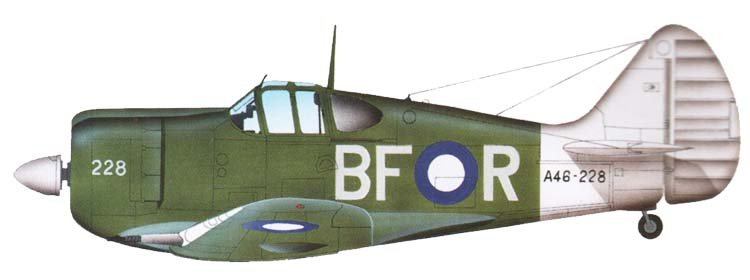 CA-12 Boomerang |