
Following the commercial failure of its C-1 and C-2 trainer aircraft, the Italian aviation company Cantieri Aeronautici Bergamaschi (CAB) from Ponte San Pietro, decided to build a civil multi-purpose aircraft. Engineer Carlo Maria Calligaris was responsible for the development of this new plane.
Development and Technical Specifications
The C-4 prototype (the C-3 trainer remained only a project) was built in early 1929. It was a two-seater, single-bay biplane with V-struts, equipped with a German seven-cylinder Siemens-Halske Sh.11 engine producing 100 hp (75 kW). The two crew members were seated in tandem cockpits, and a luggage compartment was located behind them.
A Commercial Setback
The sole example of the aircraft received the registration number I-AAOF in September 1929. The C-4 participated in several exhibitions in Italy, but no orders followed. It was used by the company until the end of 1931, and after CAB’s acquisition by Caproni, the C-4 was disassembled.
The Fate of the C-4 and Other Projects
The company’s next project, the C.5, also ended unsuccessfully. This two-seater biplane, equipped with an 85 hp ADC Cirrus MkII engine and a wingspan of 9.6 meters, was also built in a single example (I-BONI).
Technical Specifications
| Modification | S-4 |
| Upper wingspan, m | 9.20 |
| Length, m | 6.40 |
| Height, m | 2.50 |
| Maximum takeoff weight, kg | 720 |
| Engine type | 1 Piston engine Siemens-Halske Sh.11 |
| Power, hp | 1 x 100 |
| Maximum speed, km/h | 140 |
| Crew, crew members | 2 |
Image and diagram gallery of the C-4
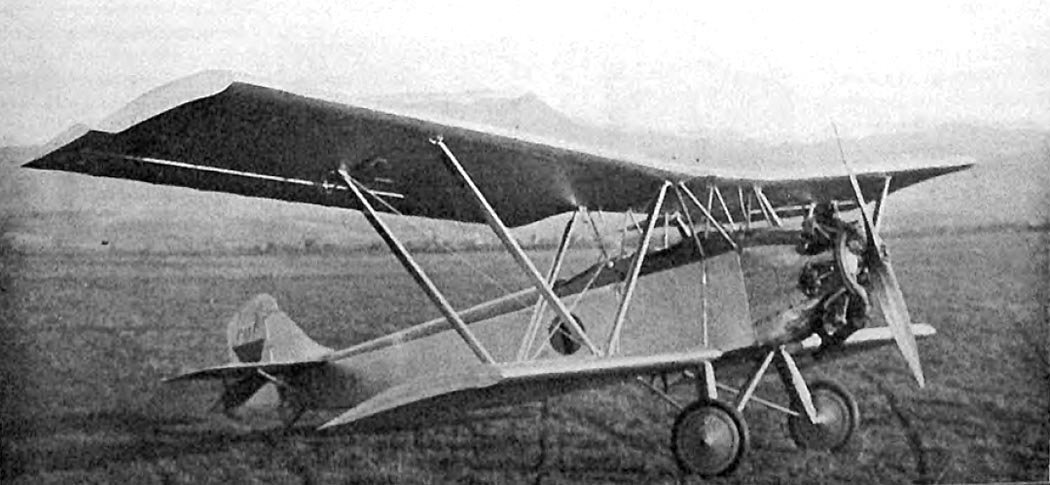 C-4 |
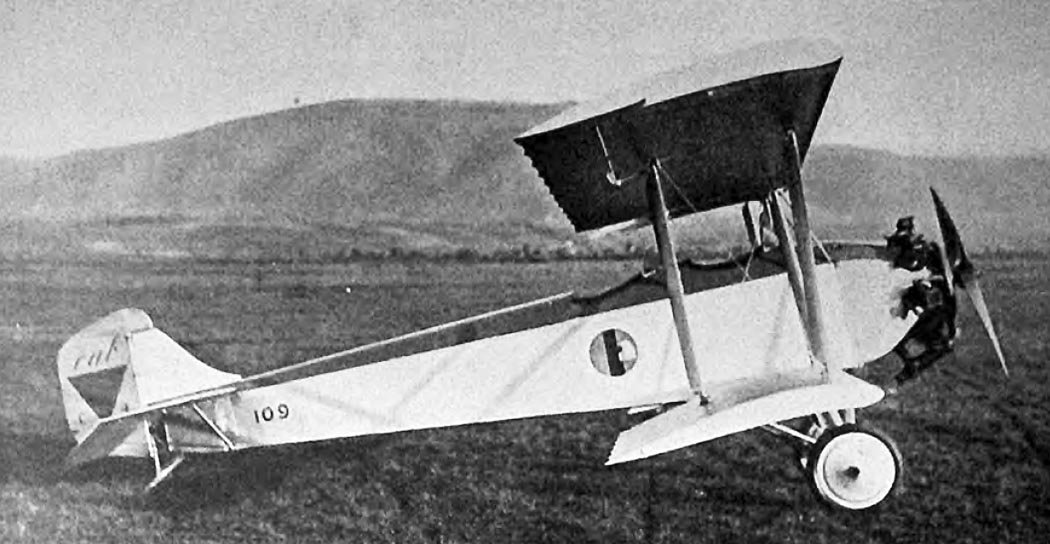 C-4 |
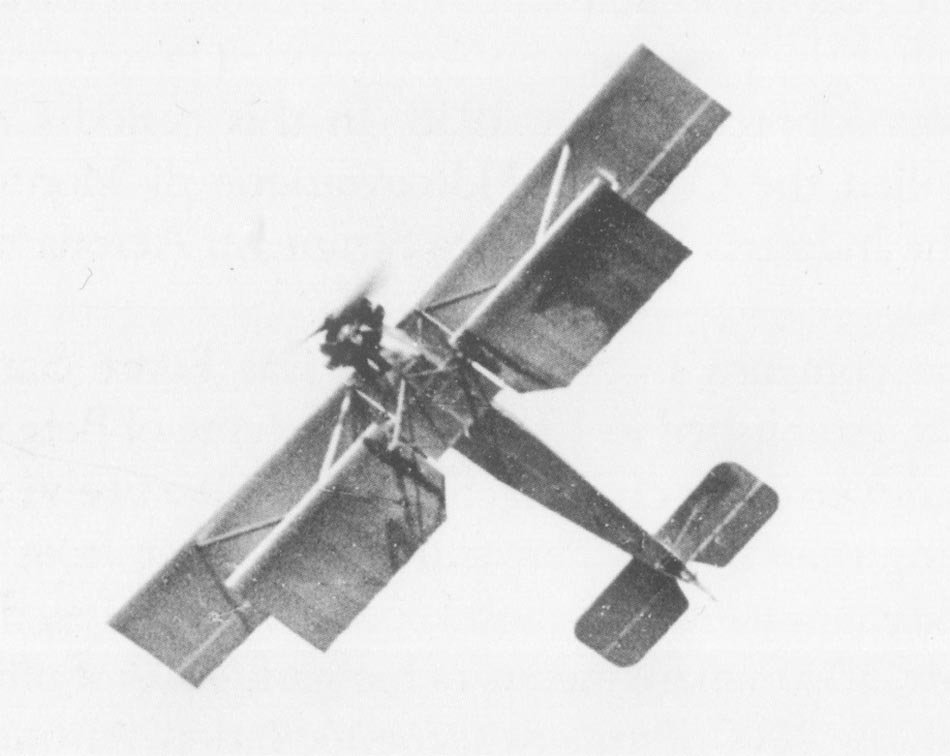 C-4 |
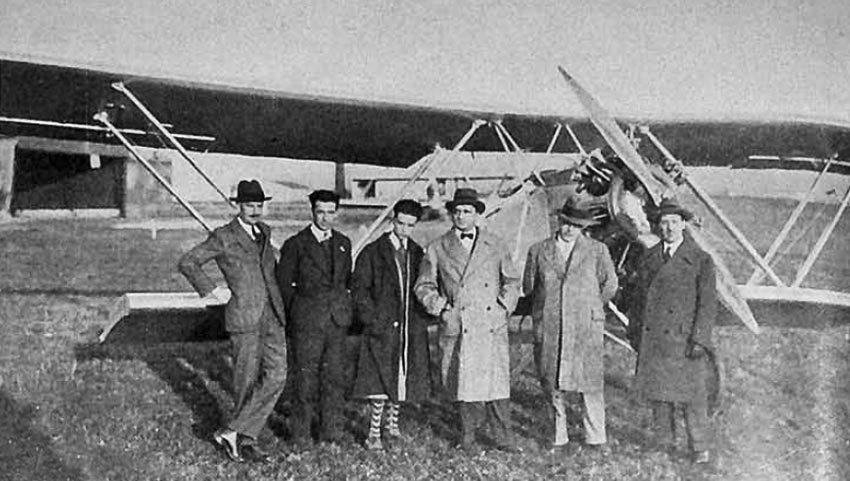 C-4 |
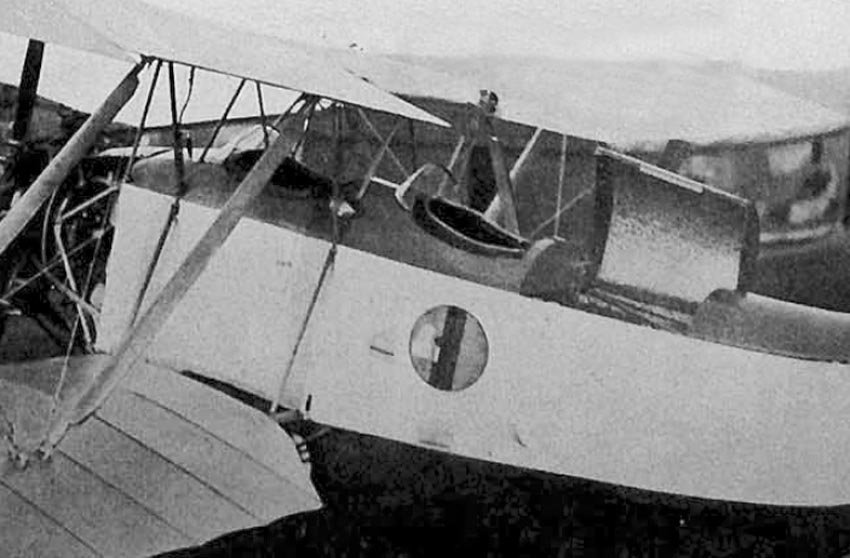 C-4 |
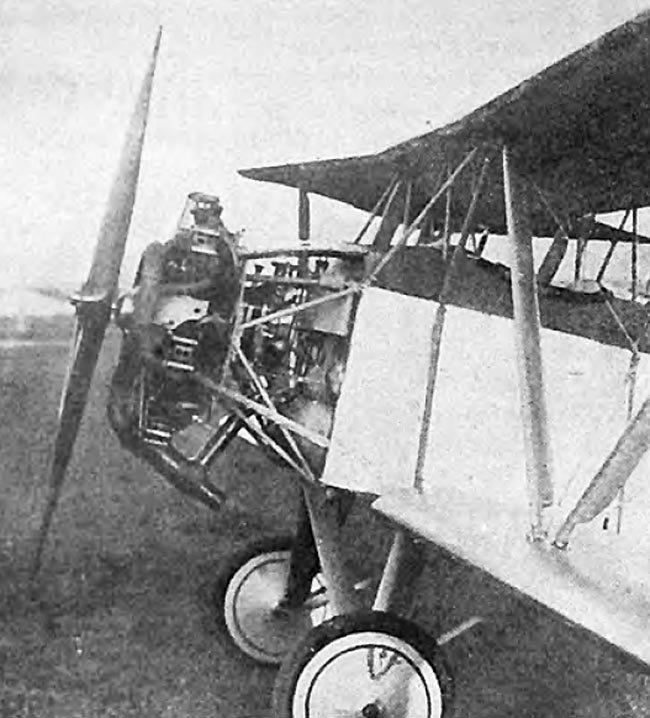 C-4 |