
Continuing to improve upon the successful design of the Ca.5 bomber, Aeronautica Caproni’s designers engineered a new version of the aircraft, the Ca.61, in 1919.
Compared to its predecessor, the aircraft’s design underwent significant changes. It also received a new powerplant consisting of three SPA 6a engines, each boasting 200 hp.
Evolutionary Design
Already during the design phase, it was decided to introduce additional modifications and immediately build this improved variant, which was designated Ca.61a.
The Caproni Ca.61a, an evolution of the successful Ca.5, represented a bold attempt at modernization, incorporating a three-engine configuration that promised greater power and performance.
Testing and Military Disinterest
The aircraft completed its full cycle of tests. However, despite its innovations and the improvements introduced, it failed to interest the military and consequently did not enter series production.
Its lack of adoption by the military marked the end for this promising, yet ultimately unproduced, bomber design.
Technical Specifications
| Modification | Ca.61a |
| Wingspan, m | 20.72 |
| Length, m | 10.80 |
| Height, m | 4.20 |
| Wing area, m2 | 100.00 |
| Empty weight | 2700 |
| Normal takeoff weight | 4400 |
| Engine type | 3 Piston engines SPA 6a |
| Power, hp | 3 x 200 |
| Maximum speed, km/h | 170 |
| Cruising speed, km/h | 150 |
| Crew, crew members | 2 |
| Armament | light bombs |
Image and diagram gallery of the Caproni Ca.61a
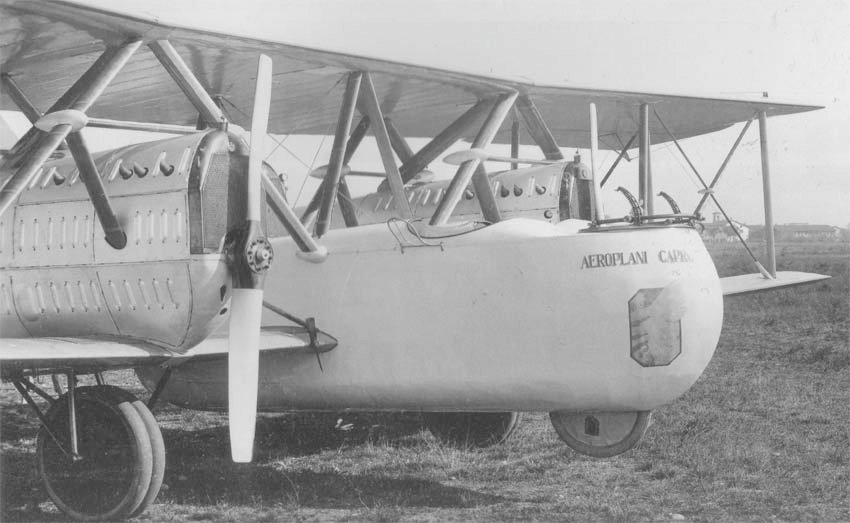 Ca.61 |
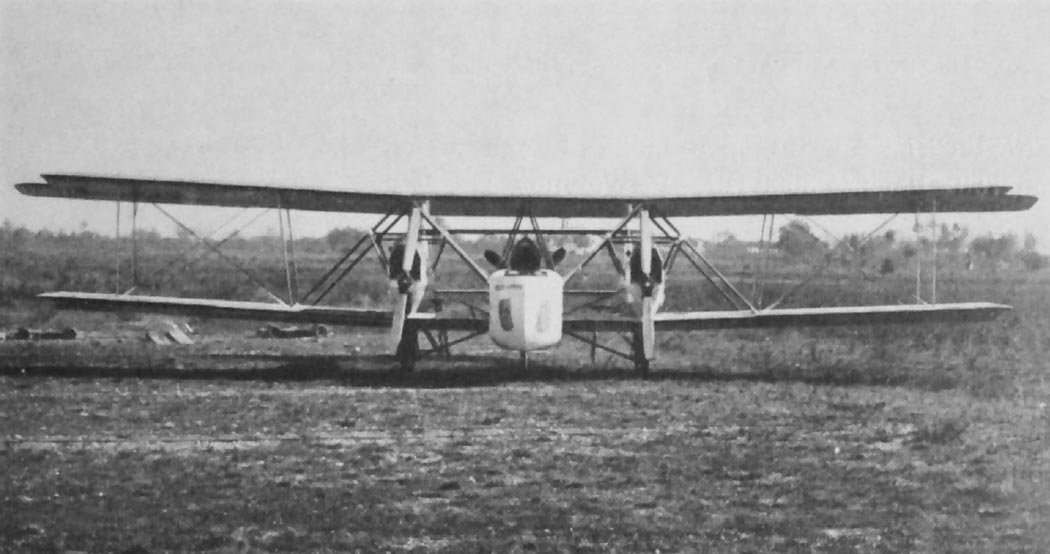 Ca.61 |
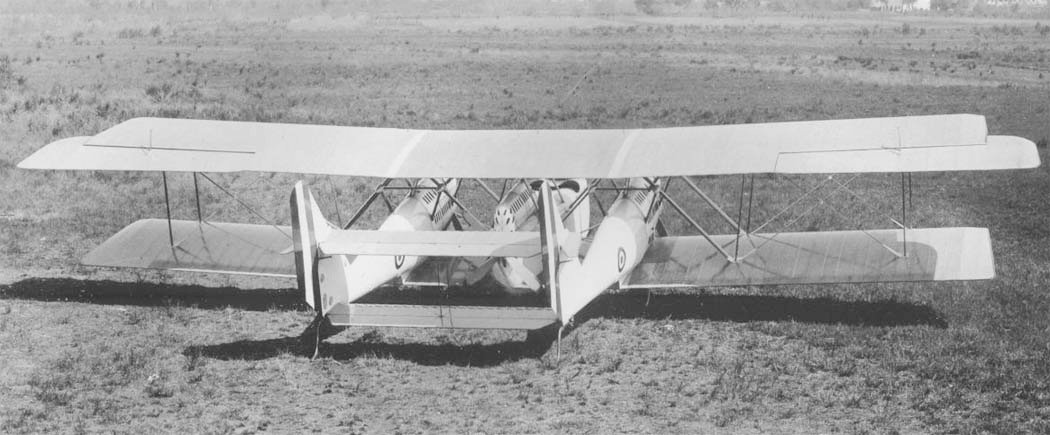 Ca.61 |
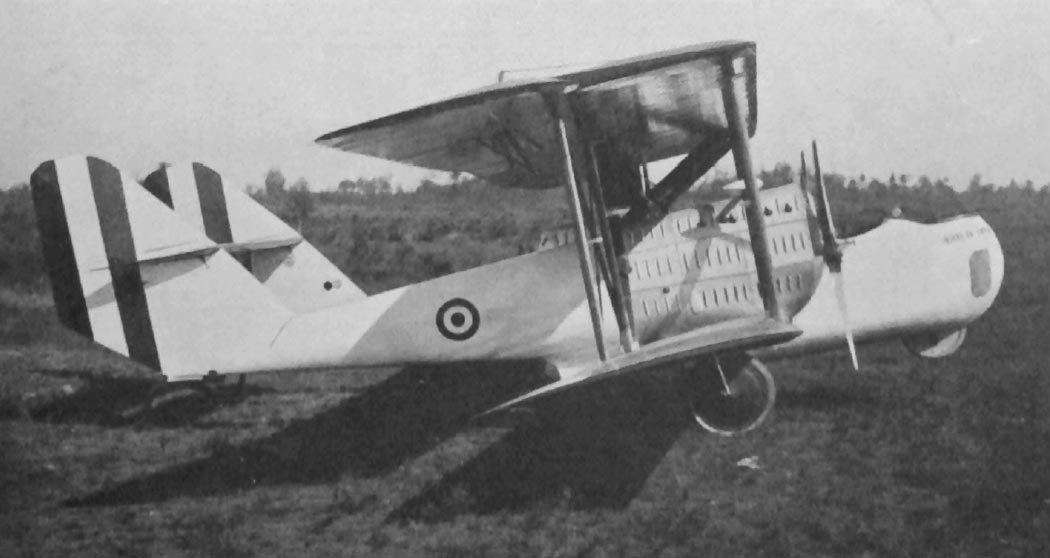 Ca.61 |
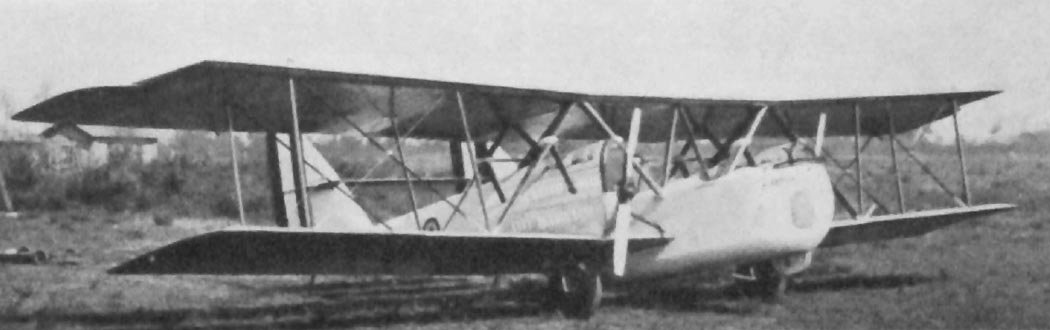 Ca.61 |
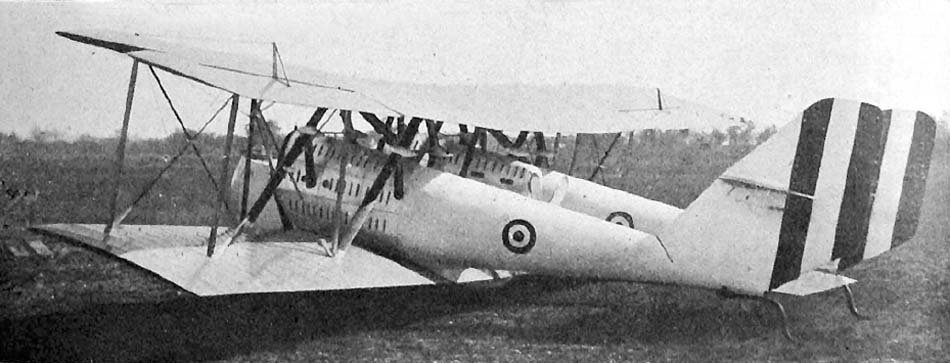 Ca.61 |
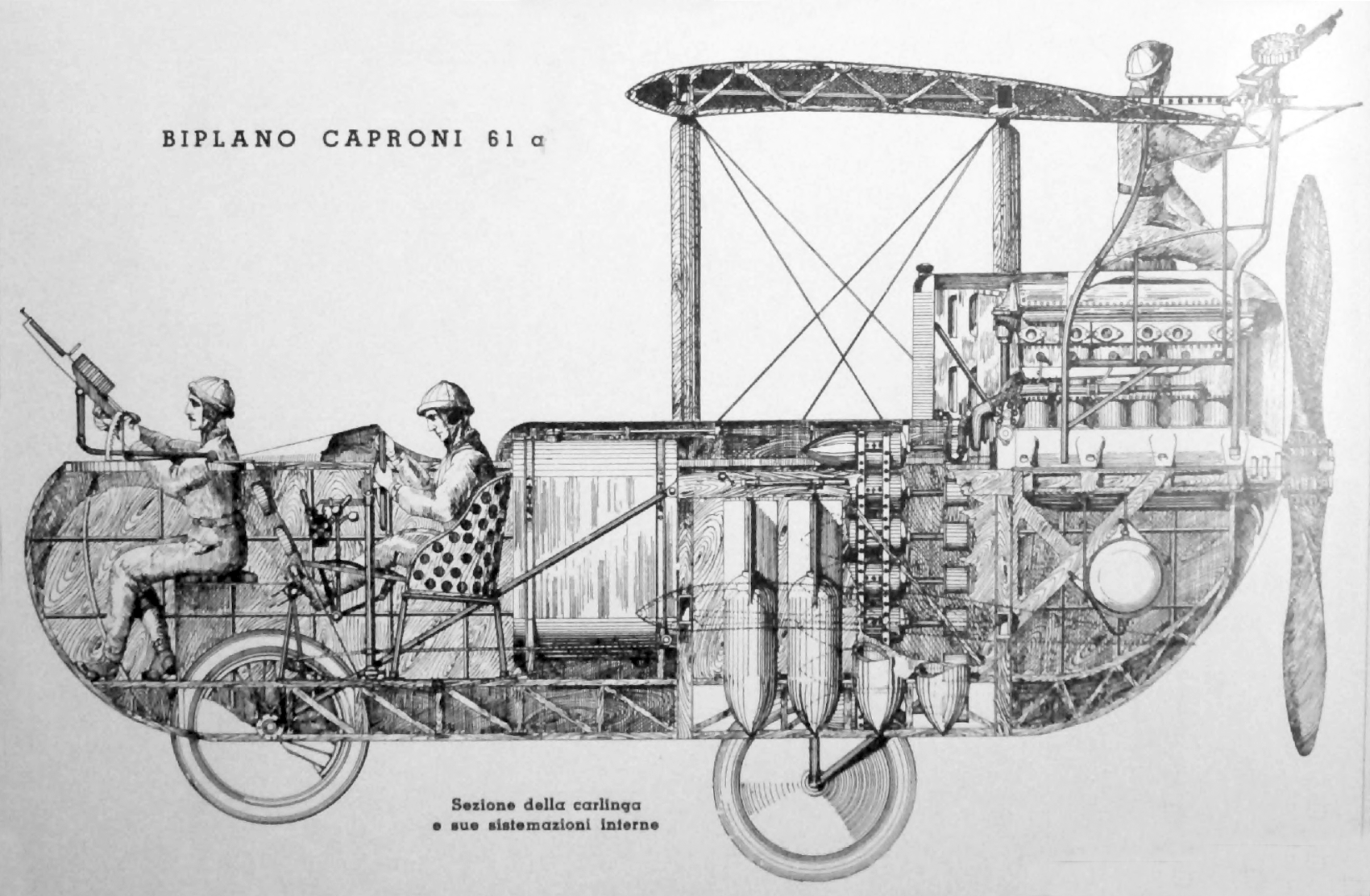 Ca.61 |