
In the mid-1920s, American engineer Walter J. Carr worked for Travel Air, testing Warner Scarab radial engines. In 1928, Carr founded his own company, Paramount Aircraft Corp., in Michigan. His first project was the light transport aircraft, the Cabinaire 110.
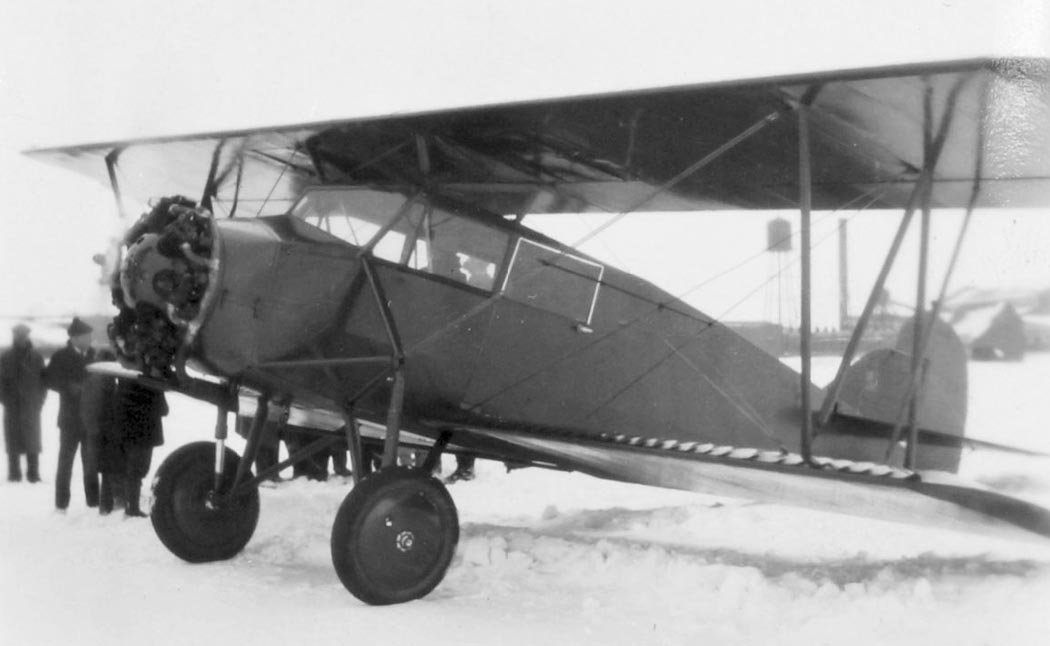
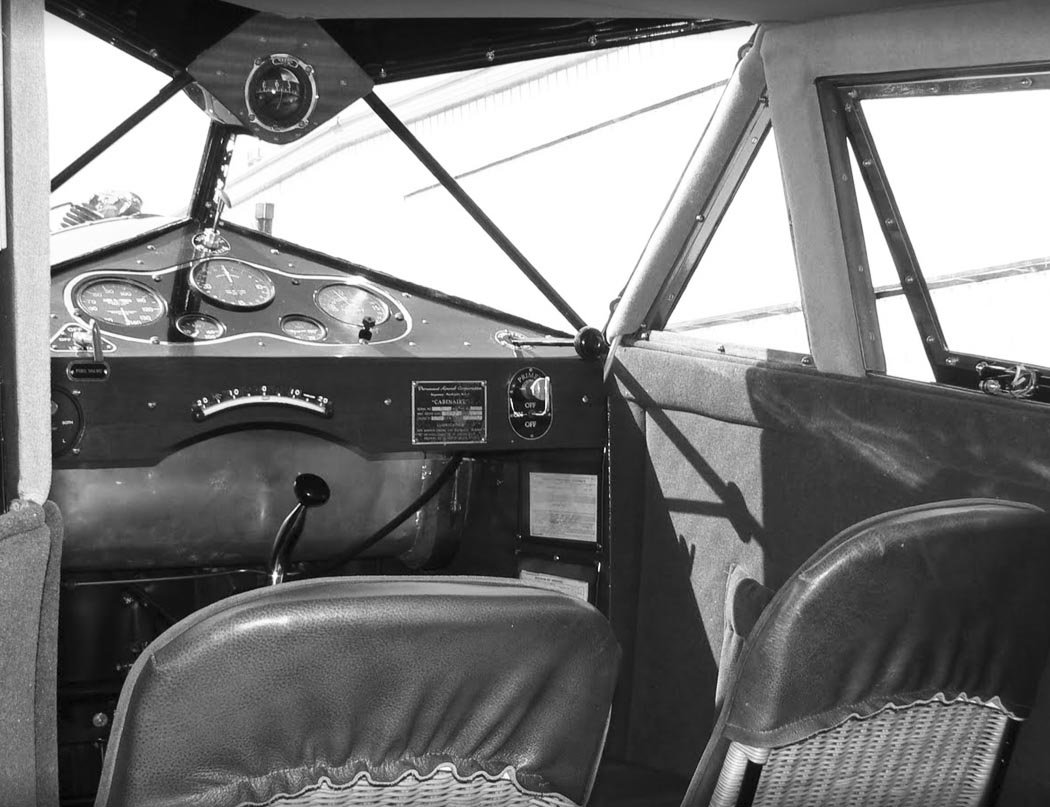
Based on the Travel Air 2000, the aircraft was a four-seat biplane, powered by the same 110 hp Warner Scarab engine. A total of seven such aircraft were built, including the prototype (X4254), which first flew in late 1928.
Cabinaire Variants and Upgrades
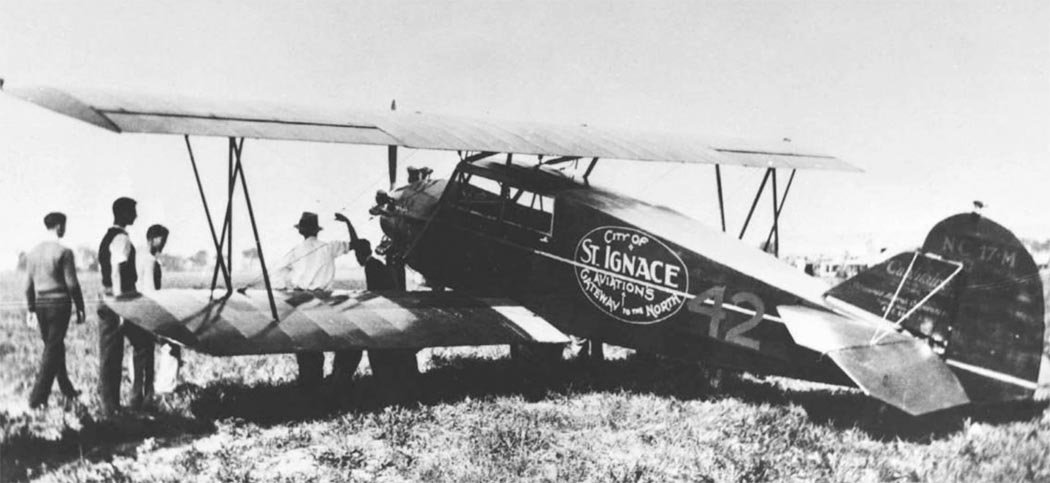
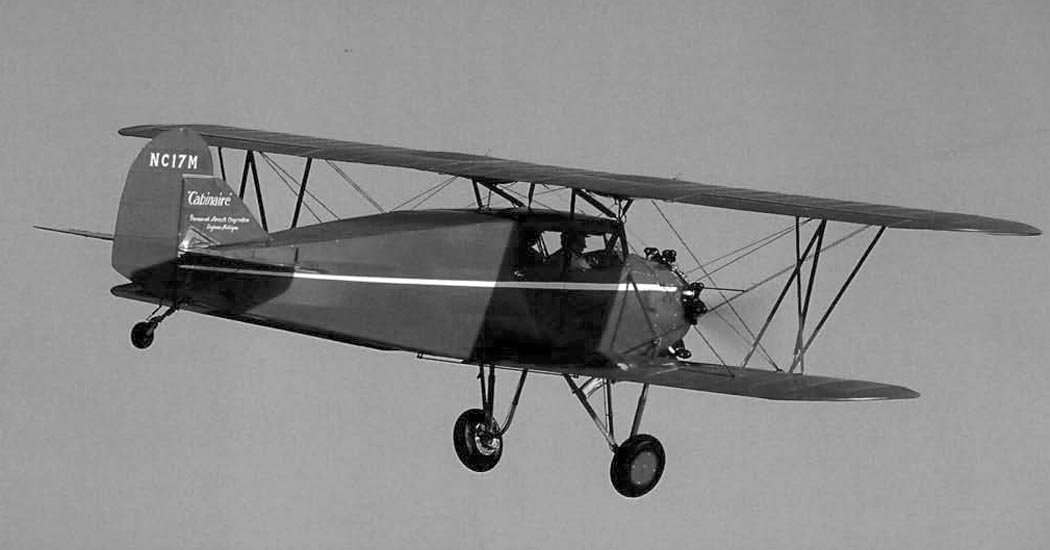
In 1930, two aircraft were converted into new versions. These included the Cabinaire 165 (NC17M), equipped with a 165 hp Wright J-6 (R-540) engine, and the Cabinaire A-70 (NC551V), featuring a Continental A-70 engine of the same power output.
The Record Attempt and Tragic Outcome
In 1929, Viola Gentry and Jack Ashcroft attempted to break the world distance record in a modified Cabinaire, named “The Answer”. For this purpose, the aircraft was fitted with a 208-liter (55 US gallons) main tank and a 79-liter (21 gallons) wing tank.
In June, “The Answer” flew for ten hours but crashed due to fog, as it couldn’t refuel. The accident claimed the life of pilot Jack Ashcroft. Walter J. Carr was originally scheduled to fly, but a sudden illness saved the designer’s life.
Technical Specifications
| Modification | Cabinaire 165 |
| Wingspan, m | 10.11 |
| Length, m | 8.80 |
| Height, m | 2.70 |
| Wing area, m2 | 28.70 |
| Empty weight | 735 |
| Normal takeoff weight | 1193 |
| Engine type | 1 Piston engine Wright R-540 |
| Power, hp | 1 x 16 5 |
| Maximum speed, km/h | 1 93 |
| Cruising speed, km/h | 166 |
| Practical range, km | 644 |
| Rate of climb, m/min | 246 |
| Service ceiling, m | 3700 |
| Crew, crew members | 1 |
| Payload | 3 passengers |
Image and diagram gallery of the Cabinaire
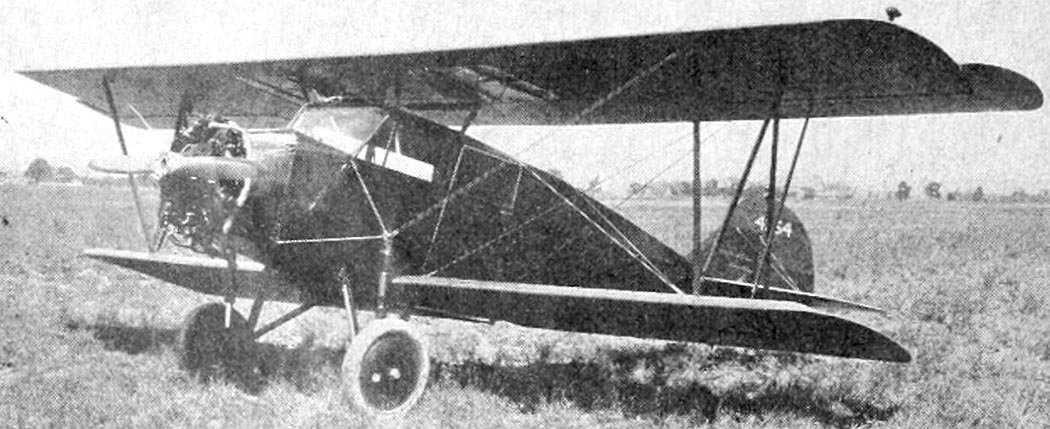 Cabinaire |
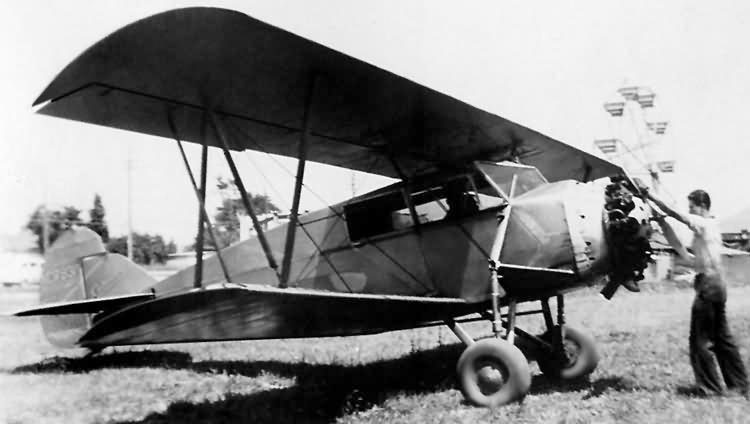 Cabinaire |
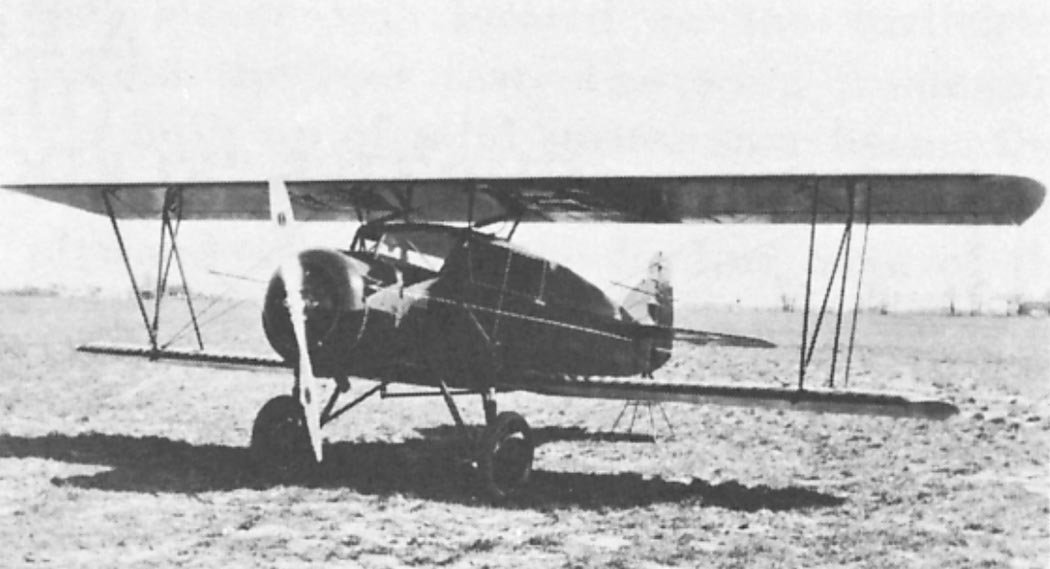 Cabinaire |
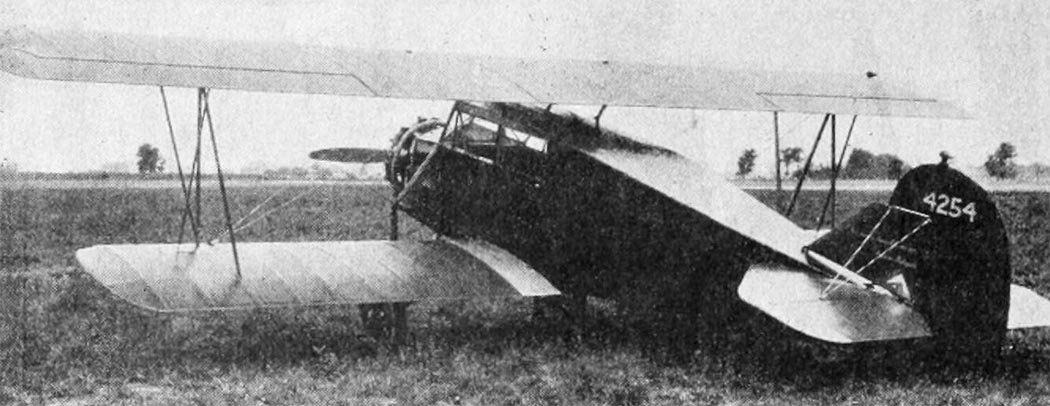 Cabinaire |
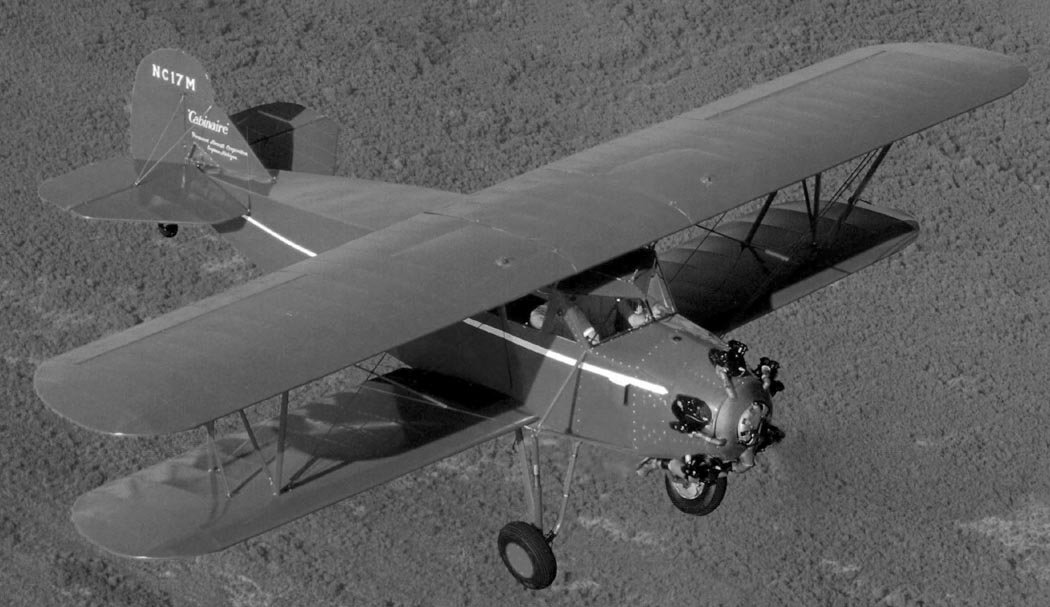 Cabinaire |
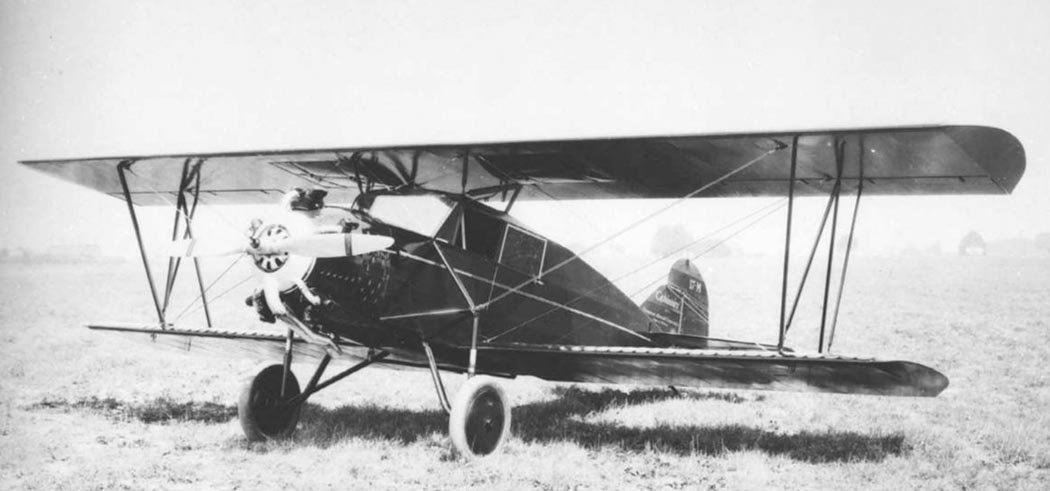 Cabinaire |
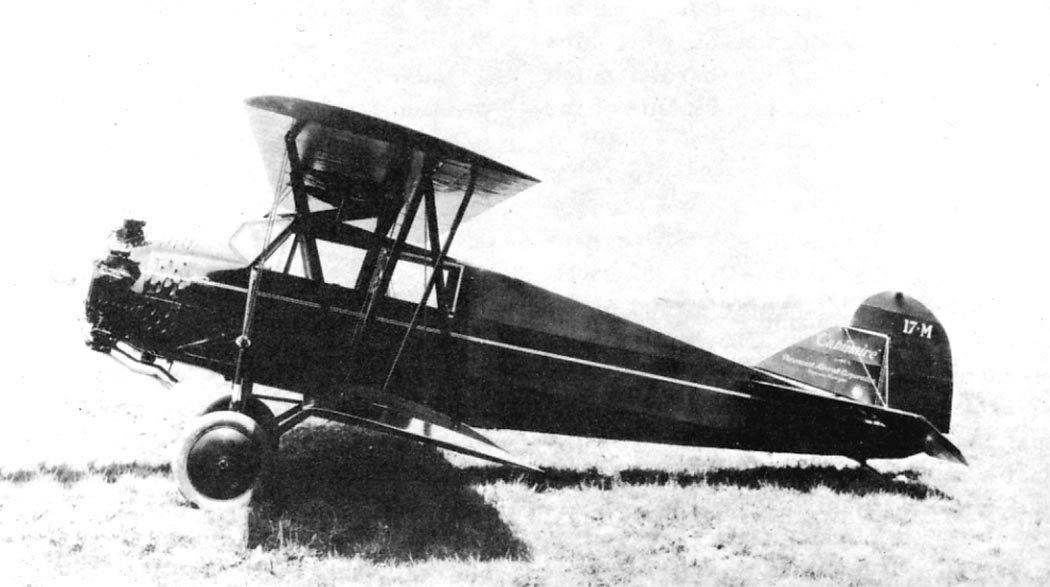 Cabinaire |
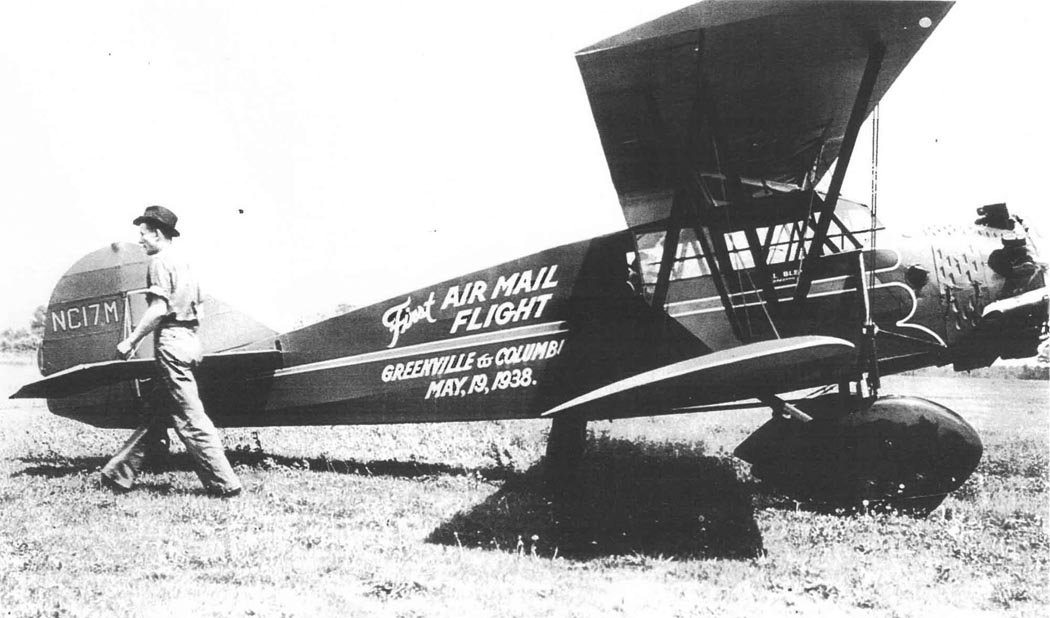 Cabinaire |
 Cabinaire |
 Cabinaire |
 Cabinaire |
 Cabinaire |
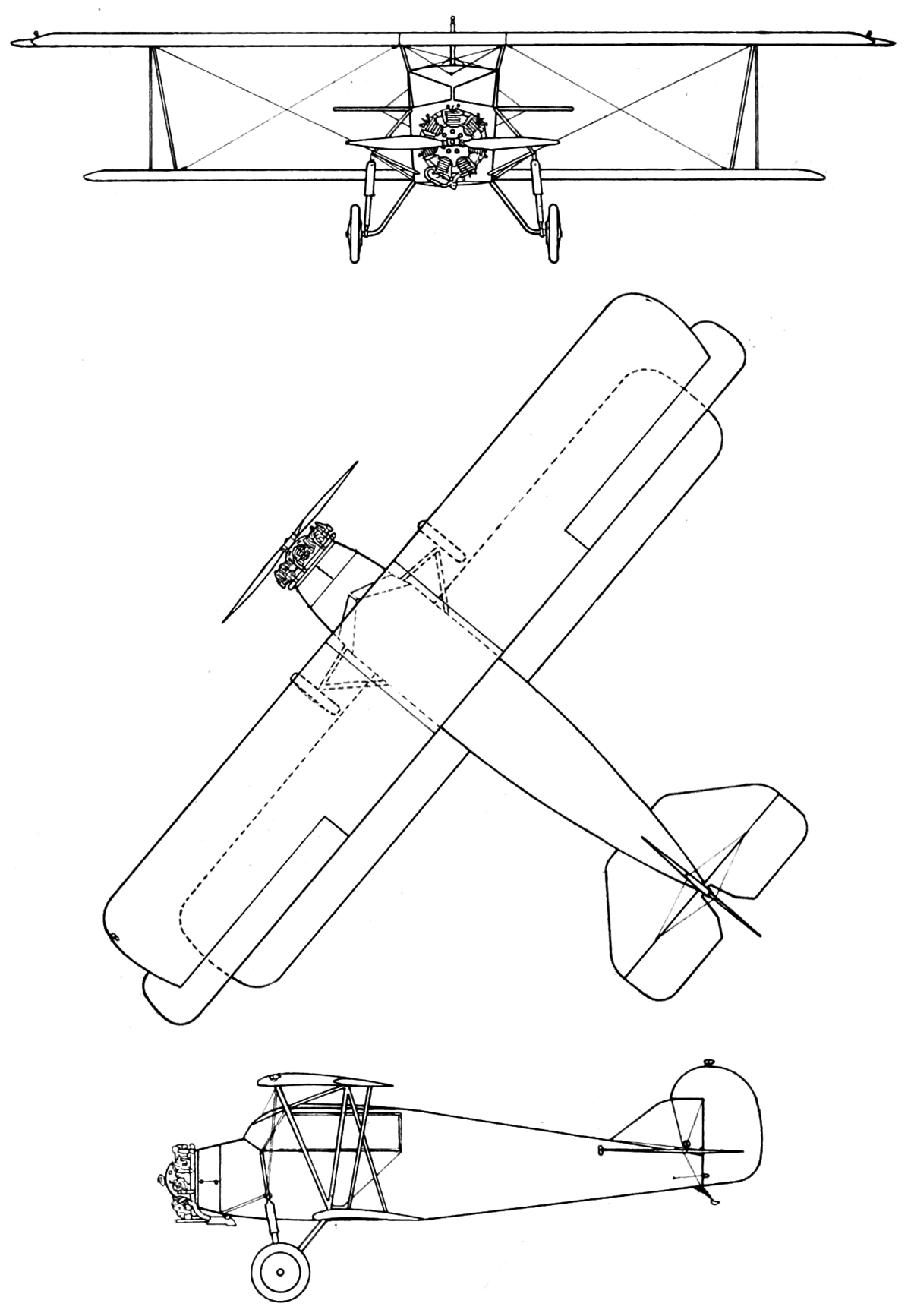 Cabinaire |