
In 1930, the Regia Aeronautica issued requirements for reconnaissance flying boats to be used with heavy cruisers of the Trento and Zara classes. Engineer Raffaele Conflenti developed two projects to meet these demands: the CANT 35 and the CANT 37. The main difference between the flying boats was their wings; the former had folding wings, while the latter featured completely detachable wings with a larger span.
Design and Technical Specifications
The CANT 37 was a three-seat, single-strut biplane, equipped with a twelve-cylinder Isotta Fraschini Asso 500 engine producing 500 hp. The flying boat’s armament consisted of a single forward 7.7-mm machine gun and another identical one mounted on a movable turret in the rear cockpit. Additionally, the CANT 37 could carry two light bombs or photographic equipment.
Development and Ultimate Fate
The first prototype (MM.158) took to the air on May 2, 1932. Immediately afterward, the aircraft was sent to the Vigna di Valle Naval testing center. Following trials, the CANT 37 was acquired by the military, but the project received no further development. The sole flying boat built was destroyed in an accident on December 1, 1933.
Technical Specifications
| Modification | CANT 37 |
| Wingspan, m | 16.60 |
| Length, m | 10.34 |
| Height, m | 3.79 |
| Wing area, m2 | 52.00 |
| Empty weight | 1820 |
| Maximum takeoff weight | 2685 |
| Engine type | 1 Piston engine Isotta Fraschini Asso 500 |
| Power, hp | 1 x 500 |
| Maximum speed, km/h | 200 |
| Cruising speed, km/h | 180 |
| Practical range, km | 2200 |
| Practical ceiling, m | 4400 |
| Crew, crew | 3 |
| Armament | two 7.7-mm machine guns, possible suspension of two light bombs |
Image and diagram gallery of the CANT 37
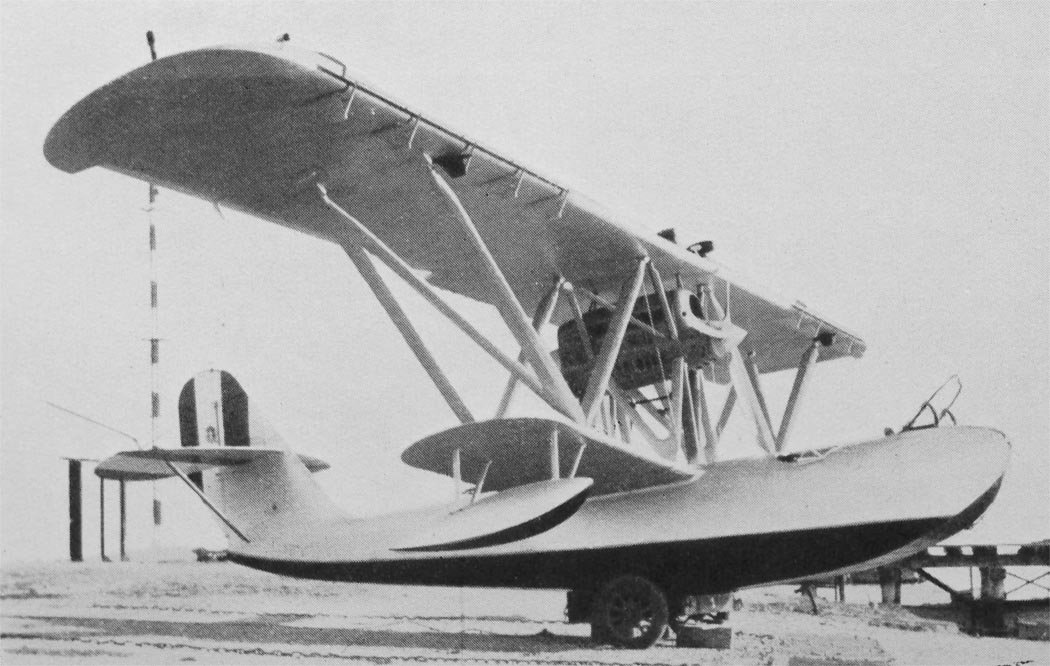 CANT 37 |
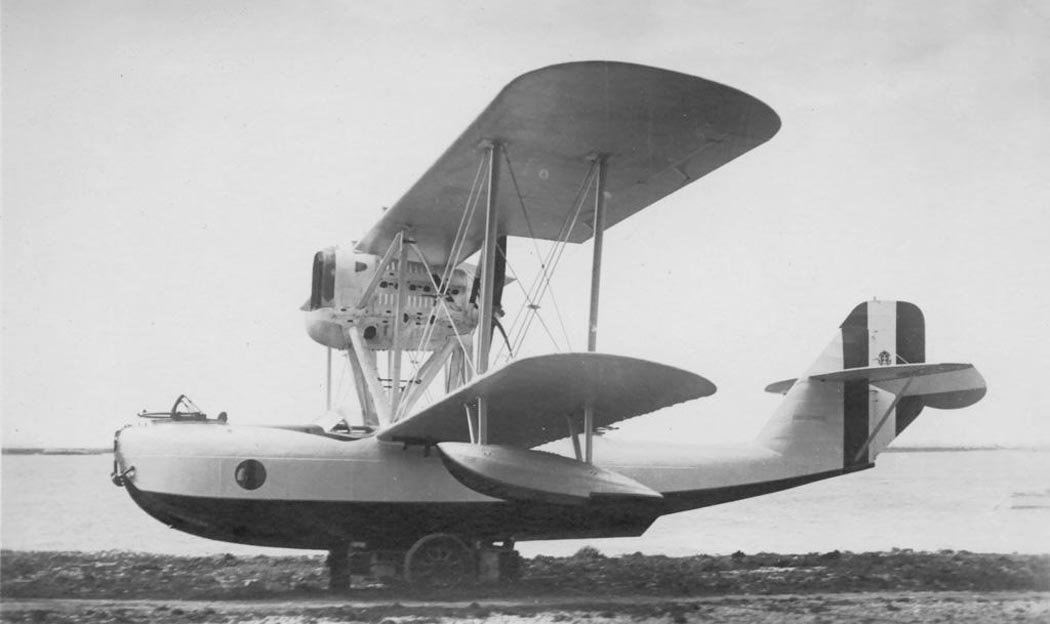 CANT 37 |