
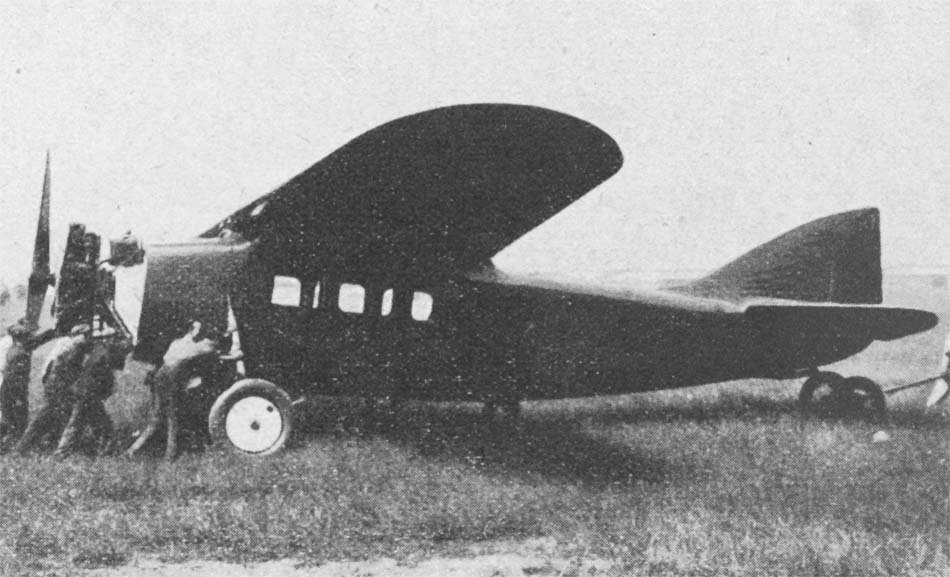
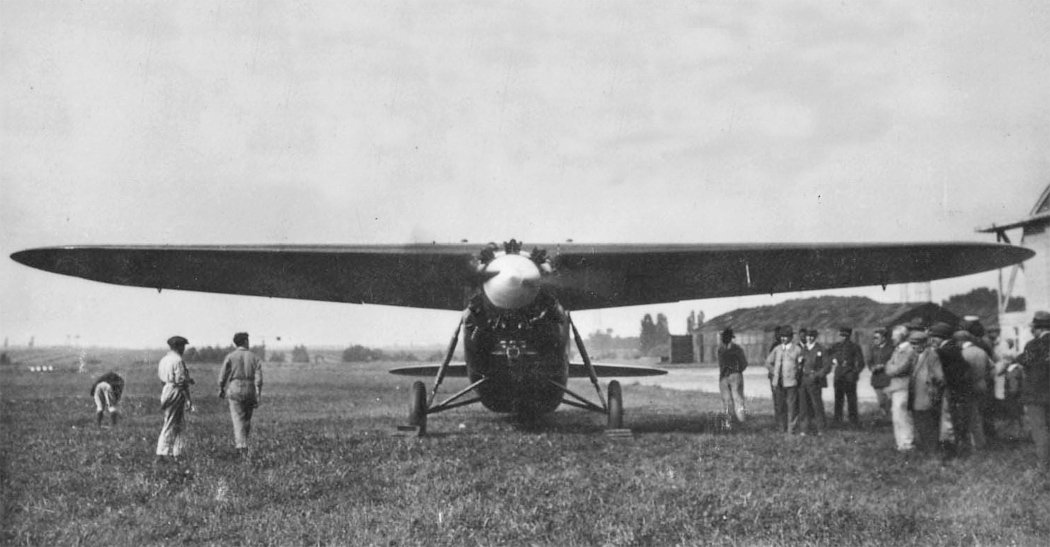
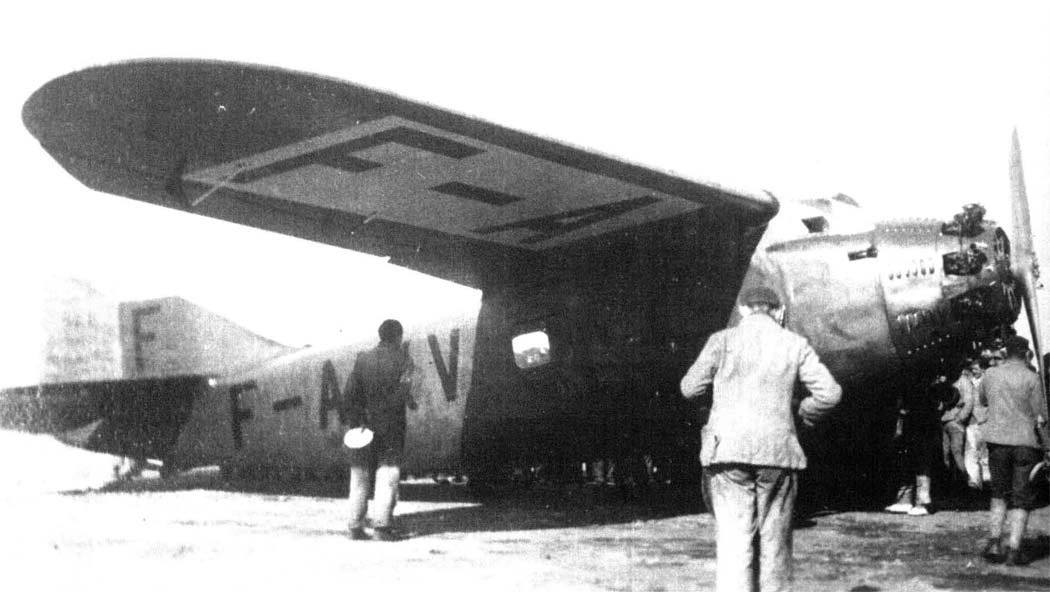
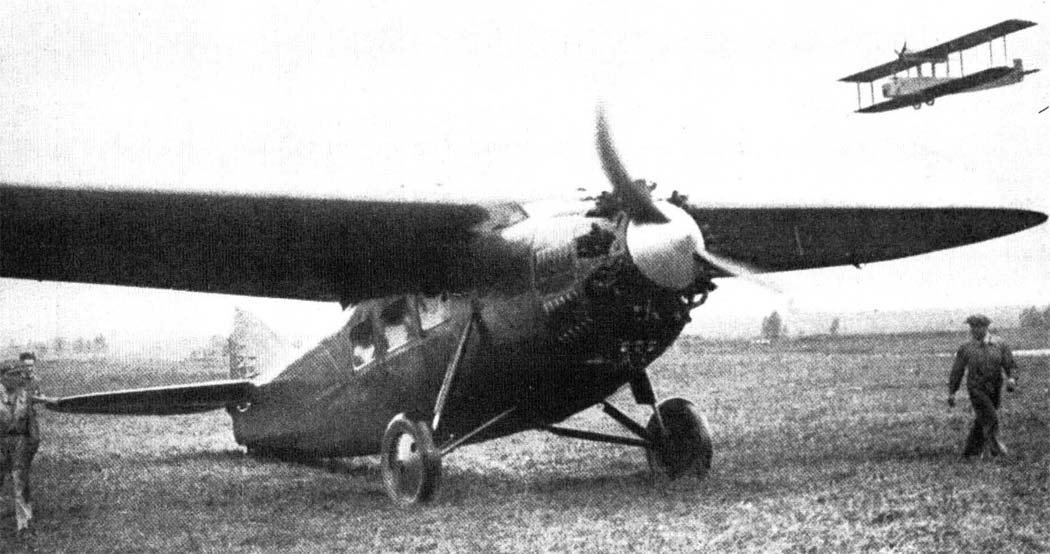
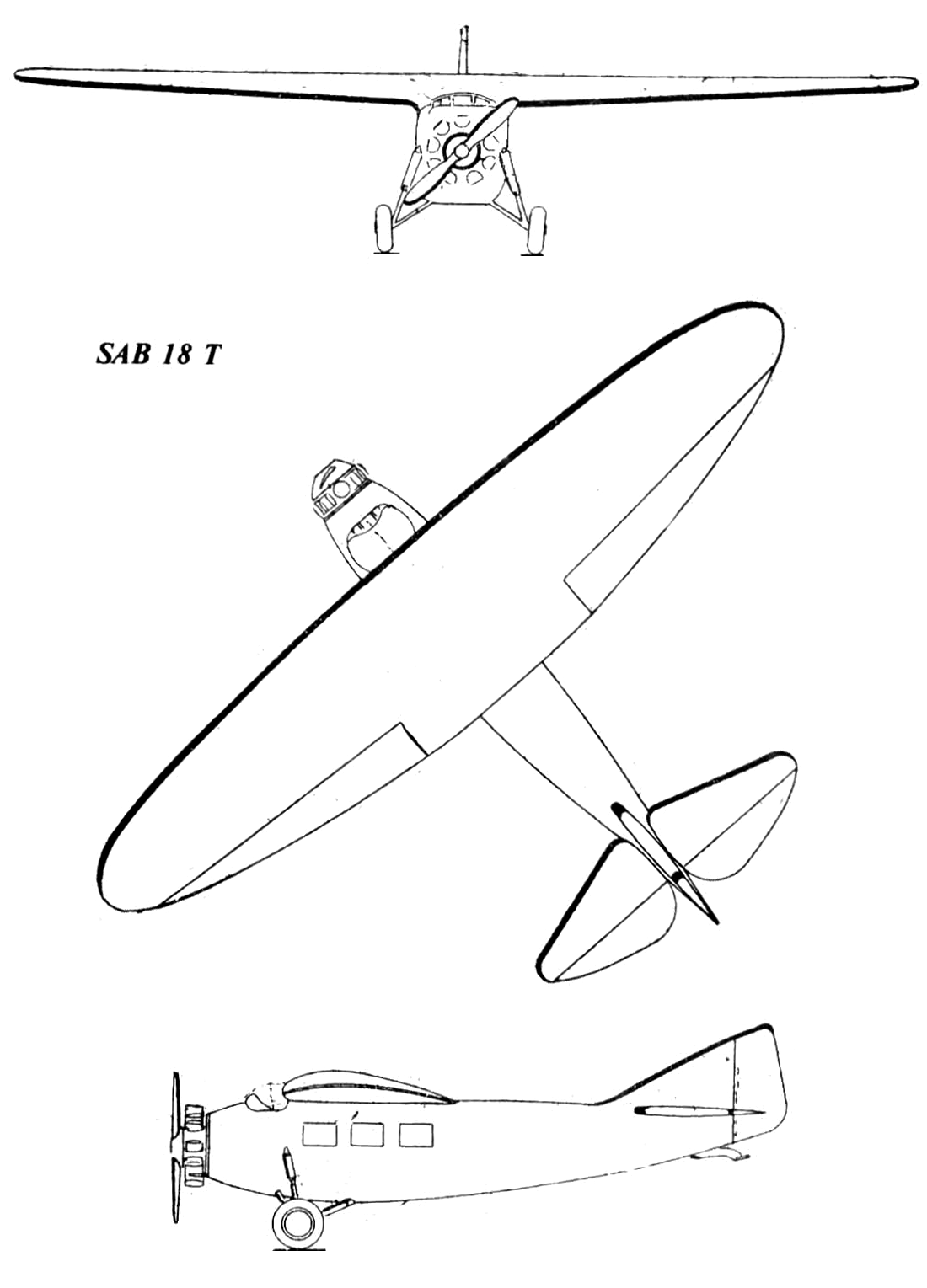
The Bernard 18T transport aircraft was built by the French firm Societe des Avions Bernard, adhering to CIDNA specifications for an eight-seater passenger aircraft. The project was headed by two designers, Jean Hubert and Jean Galtier. The aircraft’s maiden flight occurred in August 1927, and two examples of the aircraft were produced.
Modifications for the Orteig Prize
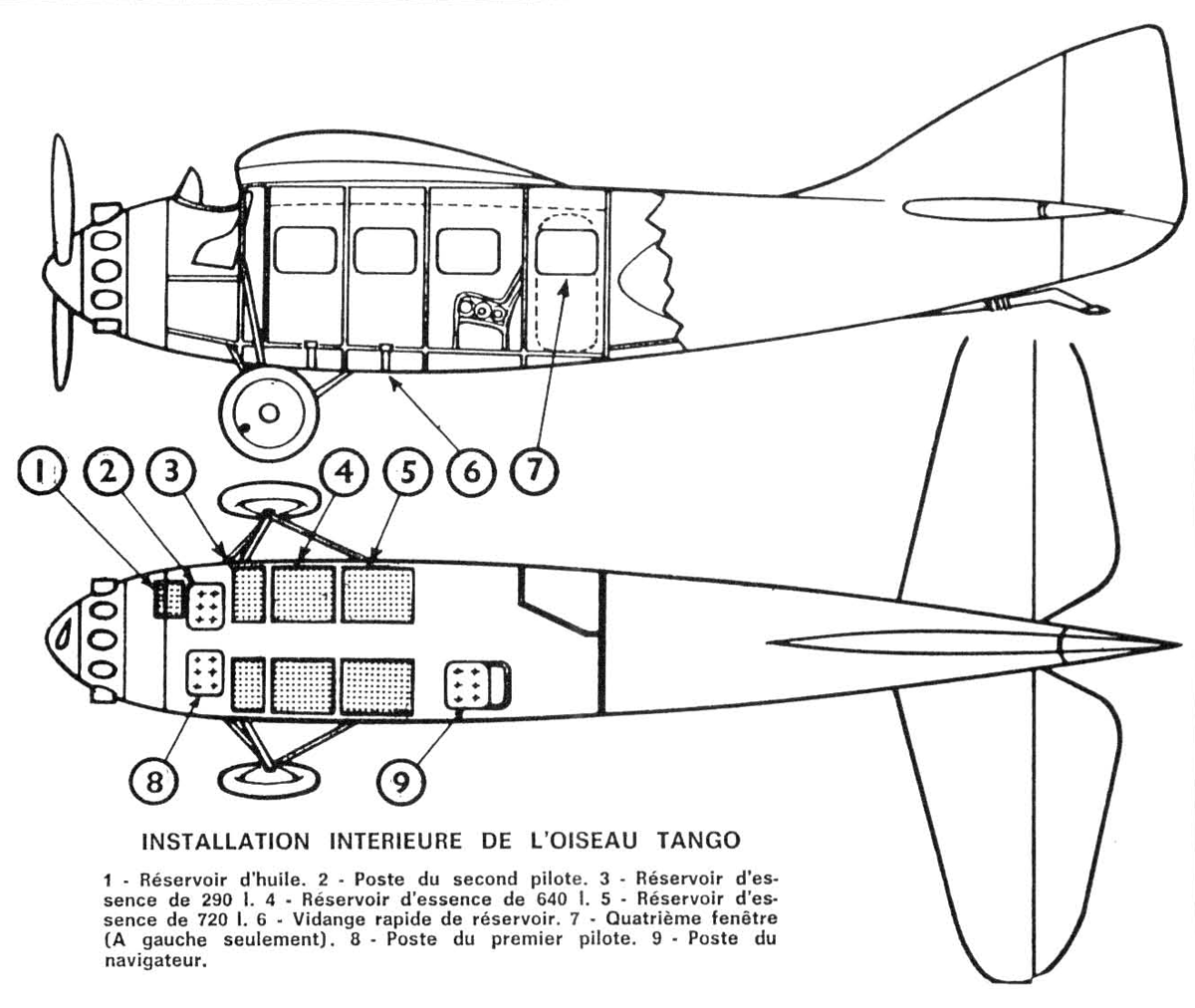
In the autumn, the second example was re-equipped at the request of Paul-Albert Tarascon to participate in the Orteig Prize transatlantic flight. The passenger cabin was reconfigured to accommodate additional tanks, which calculations suggested would enable the aircraft to cover a distance of 6600 kilometers. Furthermore, the landing gear was designed to be jettisoned after takeoff, thereby reducing the aircraft’s in-flight weight.
The Bernard 18GR “Oiseau Tango”
The modified aircraft was repainted in a bright yellow color to facilitate its search in case of an accident and was designated Bernard 18GR (from “Grand Raid”), receiving the proper name “Oiseau Tango.” However, it turned out that with a full fuel load, the Bernard 18GR could not even take off. After Charles Lindbergh won the aforementioned prize, the aircraft was re-equipped back to the standard 18T and sold to a private airline in Canada.
Technical Specifications
| Modification | Bernard 18T |
| Wingspan, m | 16.80 |
| Length, m | 11.44 |
| Height, m | 3.45 |
| Wing area, m2 | 41.80 |
| Empty weight | 1820 |
| Normal takeoff weight | 2700 |
| Engine type | 1 Piston engine Gnome & Rhone 9Ab Jupiter |
| Power, hp | 1 x 420 |
| Maximum speed, km/h | 226 |
| Crew, crew members | 2 |
| Payload: | up to 8 passengers |
Image and diagram gallery of the Bernard 18T Transport Aircraft
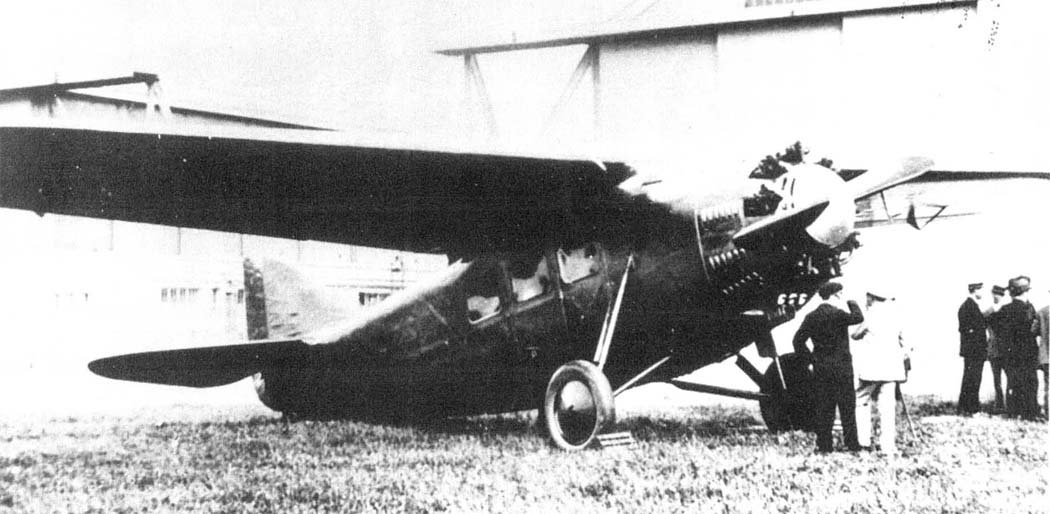 Bernard 18 |
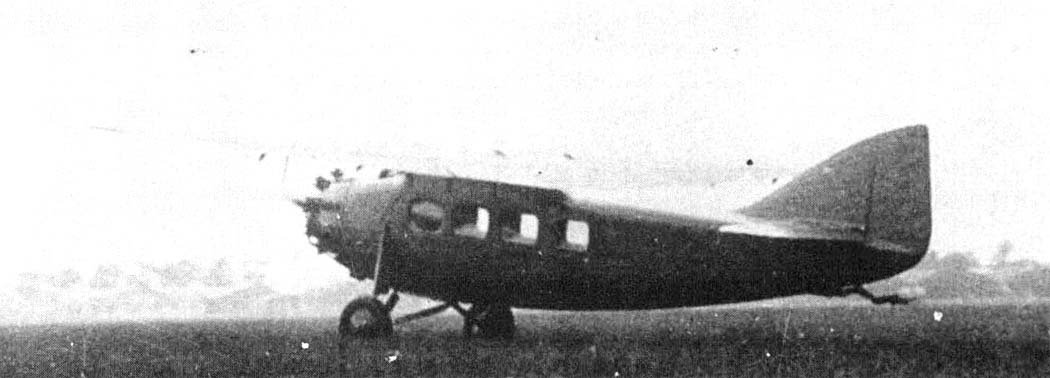 Bernard 18 |
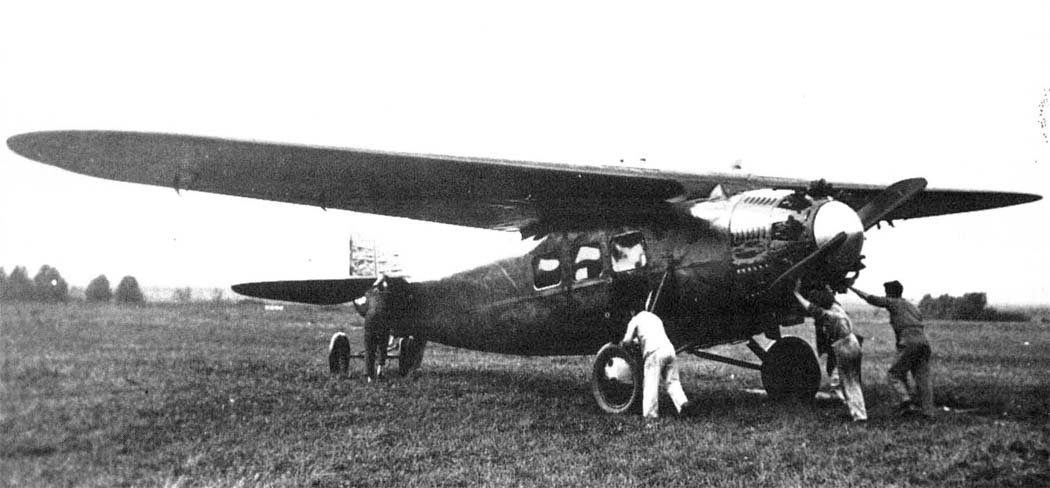 Bernard 18 |
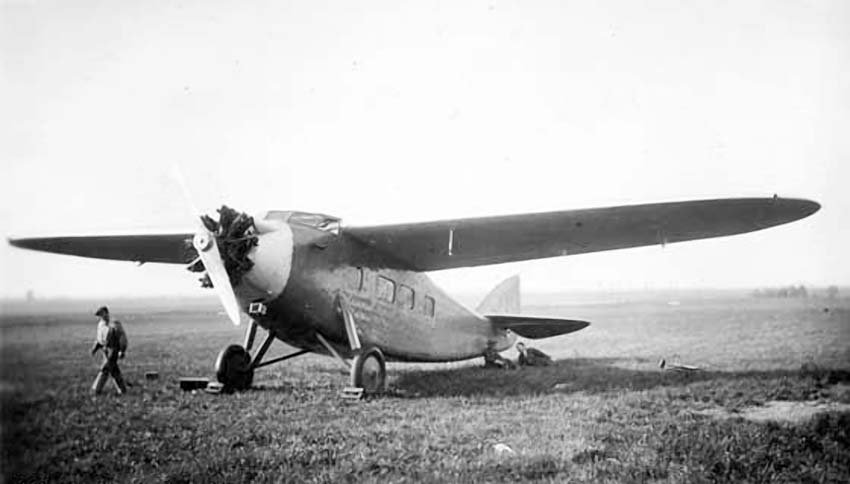 Bernard 18 |
 Bernard 18 |
 Bernard 18 |
 Bernard 18 |
 Bernard 18 |
 Bernard 18 |
 Bernard 18 |