Developed by Paul Boccaccio for Gabriel Borel’s concern, this two-seat fighter was sent for trials in early 1918 under the official designation Borel C.2. It was a two-seat biplane powered by a 300 hp Hispano-Suiza 8Fb engine. Its armament consisted of one synchronized front-mounted 7.7mm Vickers machine gun and two twin 7.7mm Lewis machine guns, placed on a ring mount in the observer’s cockpit.
Initial calculations indicated it would be a fighter with excellent flight characteristics. However, various problems and a lack of funding meant that work on the aircraft was not completed until 1919. By this time, the aircraft’s designation had changed to Borel-Bocaccio Type 3000 (C2).
Features and Performance
Flight tests proved the aircraft’s stated high performance. Despite this, in the immediate post-war years, the focus shifted to the development of civil aviation, and no orders for the fighter followed.
Unsuccessful Revival
Borel made another attempt to revive the aircraft in 1925, converting the C2 into a two-seat night fighter. The new modification, designated Borel CA n2, featured a different wing and fuselage design, as well as a canopy for night flights. This redesign did not bring a significant increase in characteristics; what had been excellent in 1919 had become merely mediocre by 1925.
Technical Specifications
| Modification | C2 |
| Wingspan, m | 11.40 |
| Length, m | 7.15 |
| Height, m | 2.75 |
| Wing area, m2 | 32.50 |
| Empty weight | 807 |
| Normal takeoff weight | 1335 |
| Engine type | 1 Piston engine Hispano-Suiza 8Fb |
| Power, hp | 1 x 300 |
| Maximum speed, km/h | 260 |
| Cruising speed, km/h | 225 |
| Practical range, km | 600 |
| Rate of climb, m/min | 358 |
| Practical ceiling, m | 9200 |
| Crew | 2 |
| Armament | one synchronized 7.7-mm Vickers machine gun, two twin 7.7-mm Lewis machine guns |
Image and diagram gallery of the Borel C.2
 C.2 |
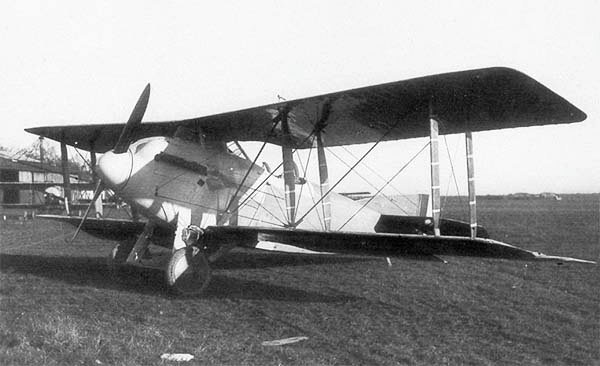 C.2 |
 C.2 |
 C.2 |
 C.2 |
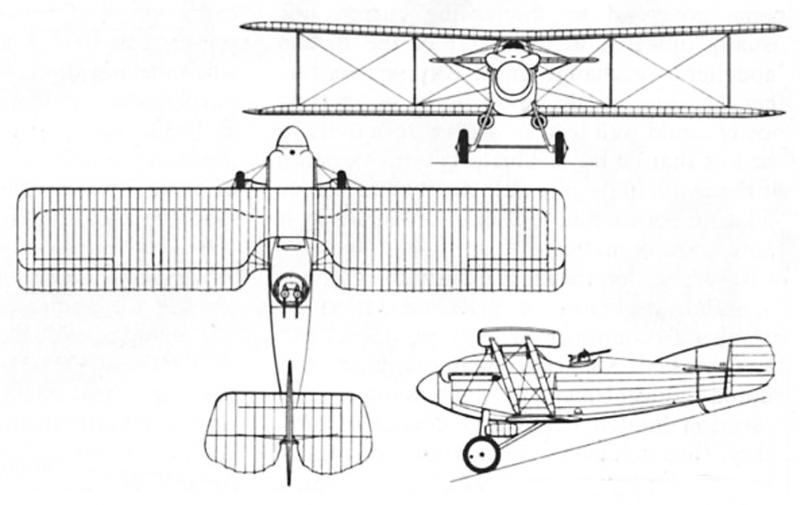 C.2 |