
The program for modernizing France’s aircraft fleet, initiated in 1937, affected both army units and the navy. Through joint efforts by the Ministere de l’Air and the Ministere de la Marine, requirements were developed for a short-range naval reconnaissance and patrol aircraft. The specification, coded A46, was issued to several firms.
The Breguet Br.790 flying boat project was developed in the shortest possible time. By then, among all aircraft manufacturers, only Breguet had maintained its independence. The others had to merge into various conglomerates, which did not always positively impact aircraft production. Moreover, in 1939, Breguet purchased factories from Latecoere in Toulouse, Bavonne, and Biscarrosse. This significantly expanded its production base, allowing Breguet to easily establish the manufacture of naval aircraft.
In terms of design, the Br.790 was a single-engine, three-seat monoplane with enclosed cockpits for the pilot and observer, and an open cockpit for the gunner. The flying boat’s hull was a two-step design, with additional stability on the water provided by single-step floats under each wing. The Br.790’s construction was all-metal.
Development and First Flight
The company received an order for two prototypes in 1938. The first of these, the Br.790-01, was built in June 1939 and flown that same month. Overall, impressions of the flying boat’s flight were positive. The main drawback noted was insufficient stability on the water. The prototype underwent a series of modifications, including lengthening the fuselage by 0.35 m and installing two endplates on the stabilizers.
In February 1940, the aircraft was handed over for testing to the Commission d’Experience Pratique d’Aeronautique, where the correctness of the improvements was fully confirmed. Naval aviation placed an order for 75 Br.790 flying boats, of which only 15 were to be assembled directly by Breguet, while the remaining 50 were to be produced in Toulon. Meanwhile, testing began on the second prototype, the Br.790-02, which featured minor changes in the fuselage design.
Order Reduction and Cancellation
Preparatory work at Breguet was in full swing when, in May 1940, Aeronavale reduced the order to 45 aircraft. The reason for this was the higher priority given to fighter production, at the expense of other aircraft types. However, even this reduced order was not fulfilled; France’s swift capitulation left no chance to establish Br.790 production.
According to available data, the two existing prototypes were successfully used for coastal patrolling, although their further fate remains unknown. The abrupt end of the Br.790 program marked a lost opportunity for French naval aviation.
Unrealized Variants
Shortly before the Br.790 construction program ceased, Breguet engineers developed several additional variants of this flying boat. The Br.791, with a Gnome-Rhone 14M engine, and the Br.792, a catapult scout to replace the outdated Liore 130 and Potez 452, were both proposed to naval aviation. However, both projects remained on the drawing board.
Technical Specifications
| Modification | Br.790 |
| Wingspan, m | 17.00 |
| Length, m | 13.00 |
| Height, m | 4.00 |
| Wing area, m2 | 33.00 |
| Empty weight | 2700 |
| Normal takeoff weight | 3600 |
| Engine type | 2 Piston engines Hispano-Suiza 12Xirs |
| Power, hp | 2 x 720 |
| Max speed at altitude, km/h | 310 |
| Max speed at sea level, km/h | 250 |
| Cruising speed, km/h | 150 |
| Practical range, km | 900 |
| Maximum rate of climb, m/min | 438 |
| Practical ceiling, m | 6000 |
| Crew | 3 crew |
| Armament | two 7.5-mm Darne machine guns, two 75-kg bombs |
Image and diagram gallery of the Br.790 Nautilus
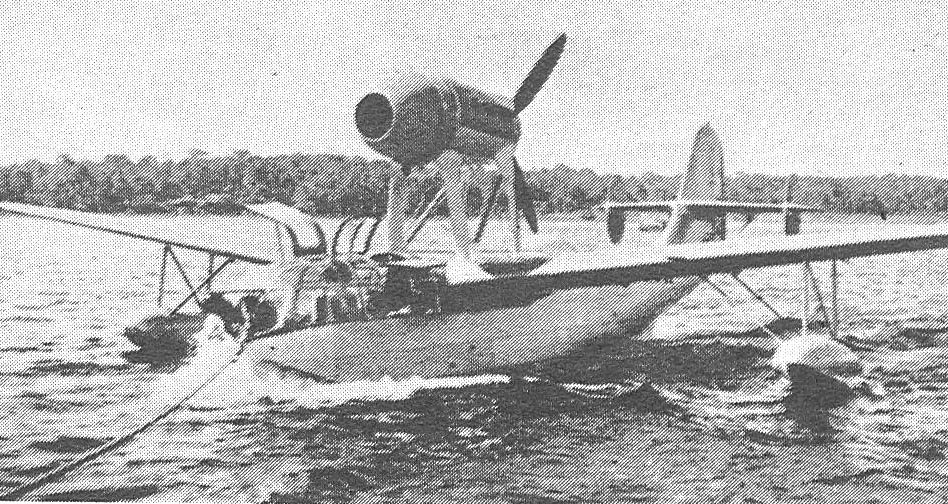 Br.790 Nautilus |
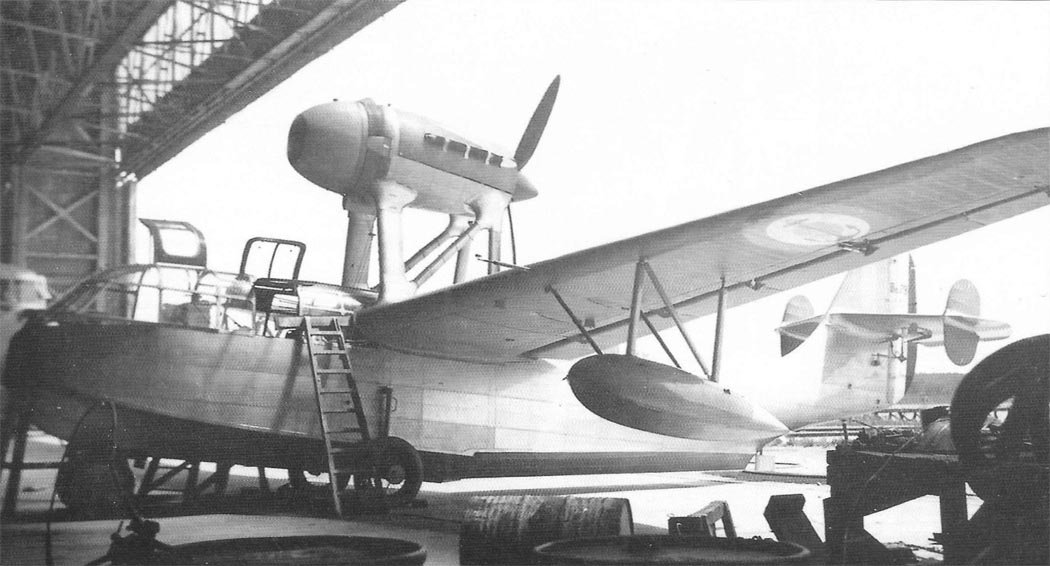 Br.790 Nautilus |
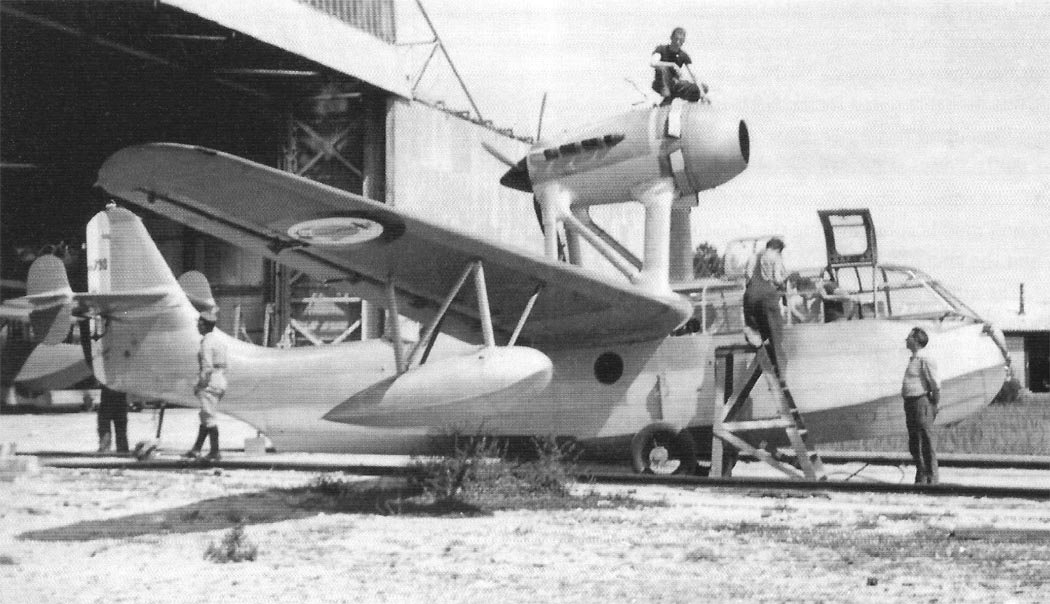 Br.790 Nautilus |
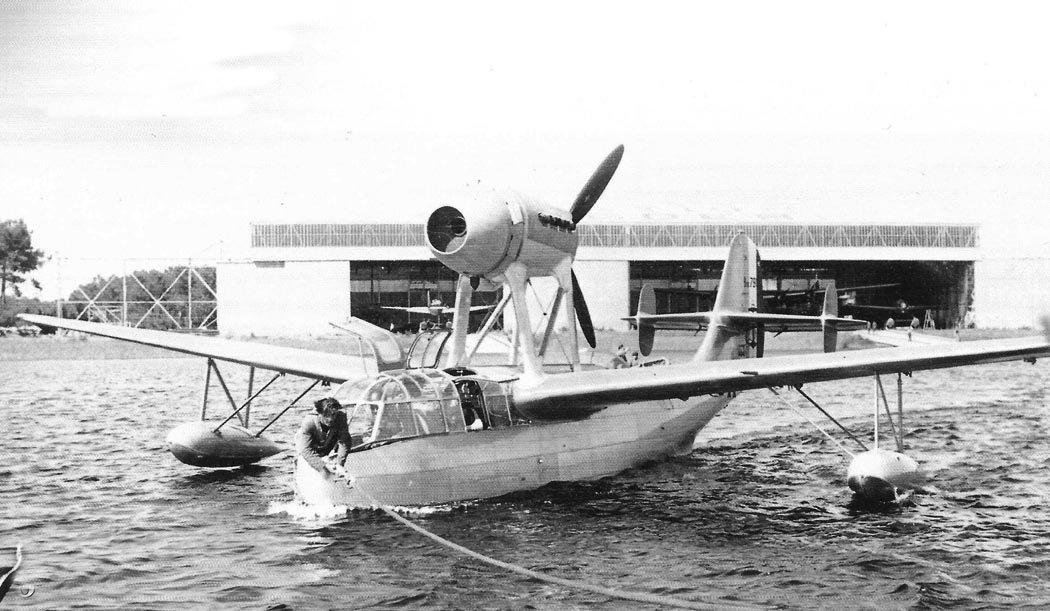 Br.790 Nautilus |
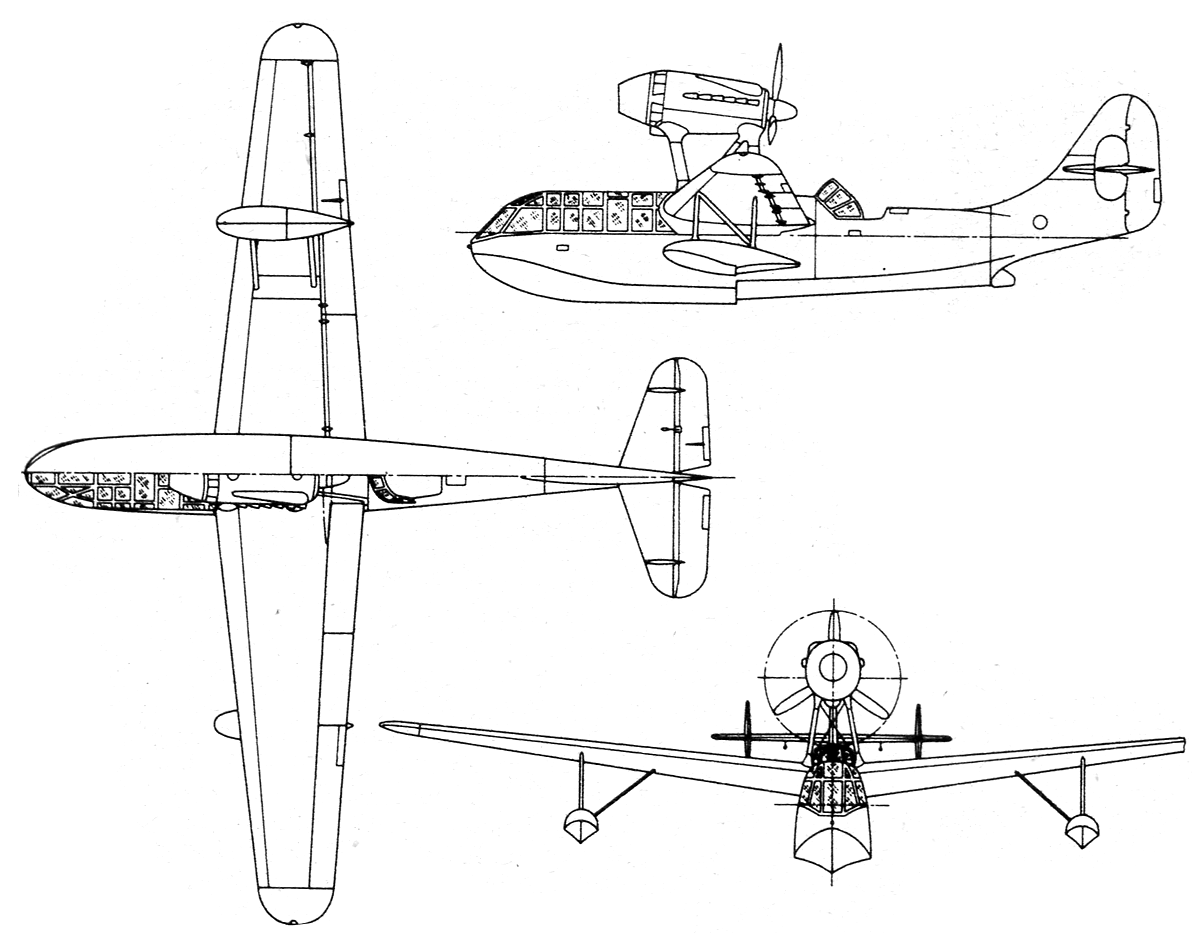 Br.790 Nautilus |
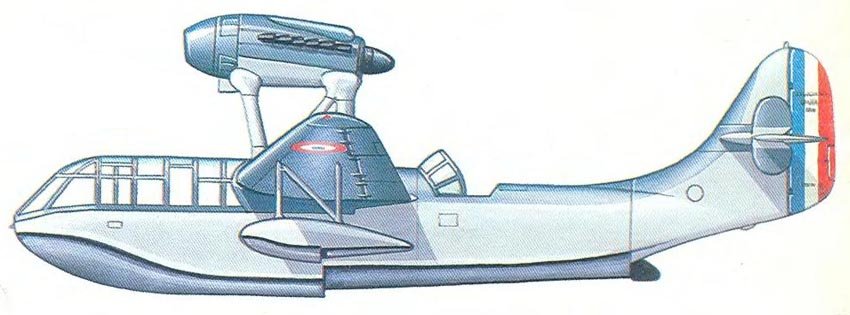 Br.790 Nautilus |