
Pioneering Lateral Control System
In 1910, Polish engineer Bolesław Bronisławski developed his own innovative lateral control system for aircraft. This groundbreaking design utilized rectangular surfaces, functioning as both ailerons and elevators (elevons), strategically placed at the wingtips.
Additionally, the system incorporated rudders mounted on axes, allowing their rotation in various planes. This configuration offered advanced maneuverability for its time, marking a significant step in aeronautical control engineering.
The Bronisławski I: A Modified Farman III
To implement this novel control configuration, Bronisławski undertook a substantial modification of an existing French Farman III airplane. The resulting aircraft, showcasing his innovations, was officially designated as the Bronisławski I.
Despite its advanced design, the Bronisławski I had a relatively short operational life. The engineer quickly shifted his focus to developing a second model, the Bronisławski II, aiming to further refine and expand the application of his unique control system.
Technical Specifications
| Modification | Bronisławski I |
| Wingspan, m | 11.00 |
| Length, m | 11.00 |
| Height, m | 2.80 |
| Wing area, m2 | 40.00 |
| Engine type | 1 Piston engine Gnome |
| Power, hp | 1 x 50 |
| Crew, crew members | 1 |
Image and diagram gallery of the Bronisławski I
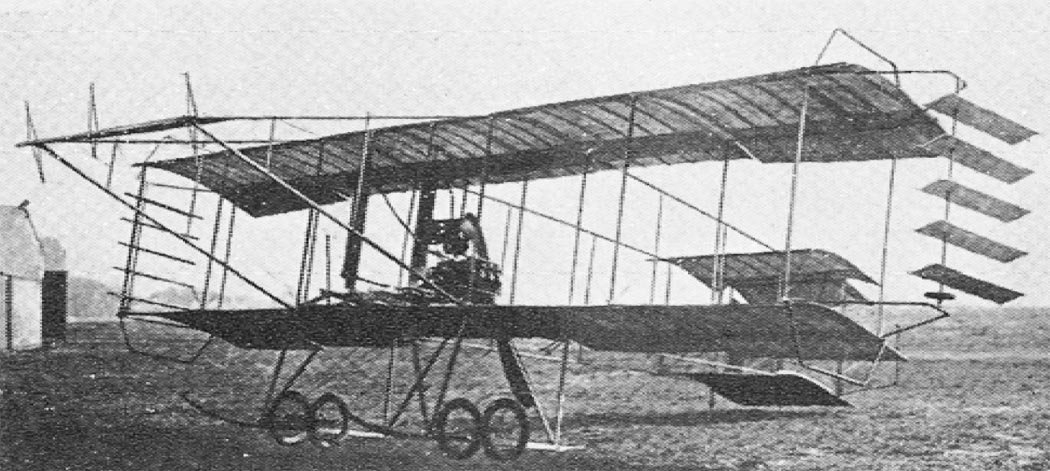 Bronisławski I |
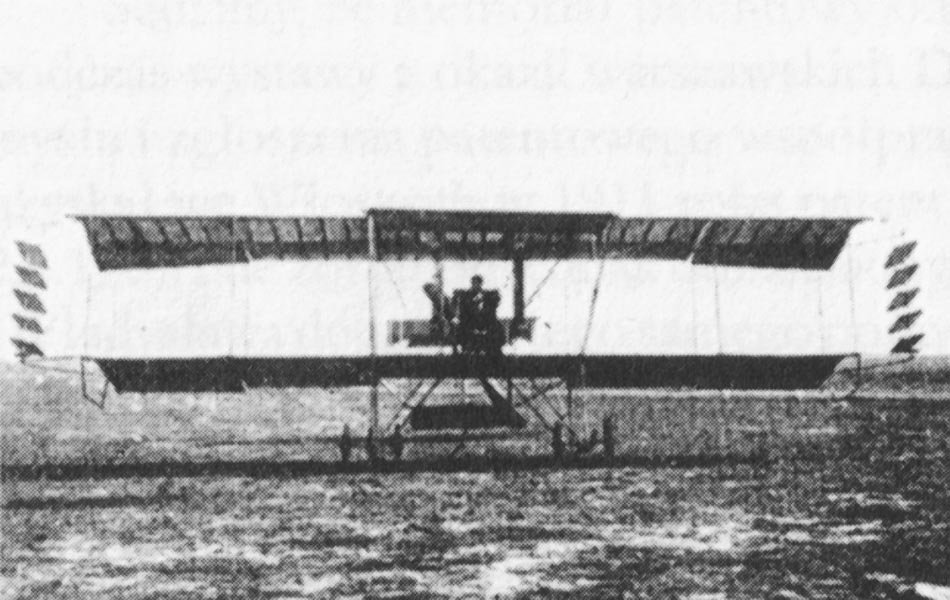 Bronisławski I |
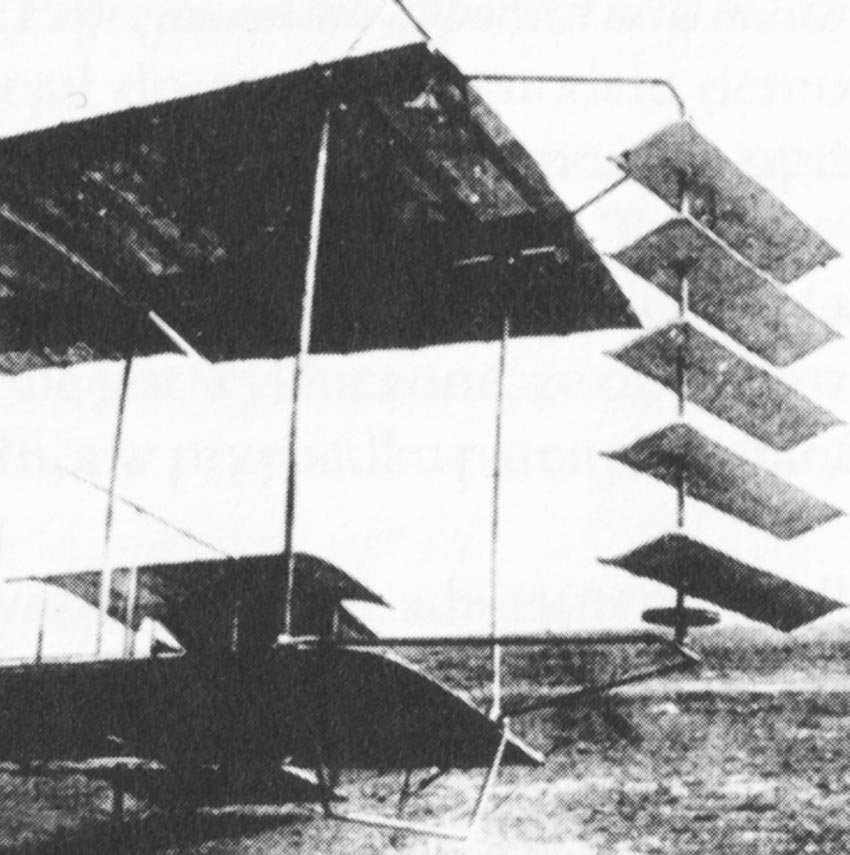 Bronisławski I |