
The OKL (German Air Force High Command) generally disliked the unusual appearance of the BV.141, but as a “normal” technical justification was required to reject the aircraft, it was argued that the BV.141a-0 allegedly had an insufficient thrust-to-weight ratio. Vogt had already anticipated that a more powerful powerplant would be needed, and in early January 1939, a variant for the more powerful BMW-801 began to be designed. The aircraft’s structure was completely redesigned.
The mockup of the new BV.141b was inspected by an RLM (Reich Air Ministry) commission on February 14, 1940. Less than a year later, on January 9, 1941, the first of five pre-series BV.141b-0 (V9) NC+OZ made its maiden flight. Although Blohm & Voss received a contract for only five BV.141b-0, the RLM planned to order an additional five pre-series and 10 production BV.141b-1 aircraft.
Technical Challenges and Handling Issues
It soon became clear that the BV.141b had worse handling characteristics than its predecessor. Static tests in November 1940 revealed the need to strengthen certain components. Redesign of the empennage, landing gear, and control system was required. Static tests also showed that hydraulic problems persisted, and deficiencies in the landing gear extension mechanism were identified.
Subsequently, during engine runs, problems also arose with the BMW-801. By the time flight tests began, static tests were still ongoing, and as a result, the maximum speed of the BV.141-V9 was limited to 450 km/h. The aileron trimmer proved ineffective, and the ailerons themselves were excessively sensitive. Hydraulic troubles continued practically throughout the entire testing program.
Design Innovations and Ongoing Trials
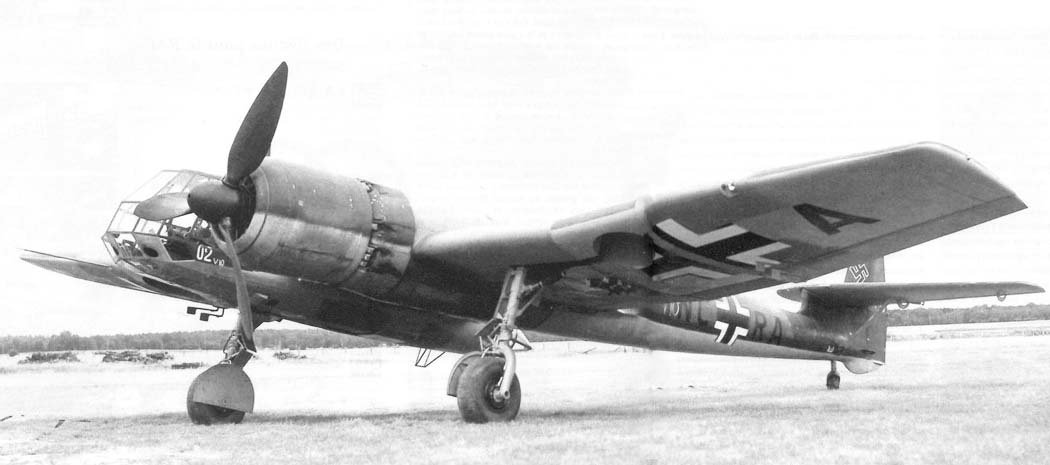
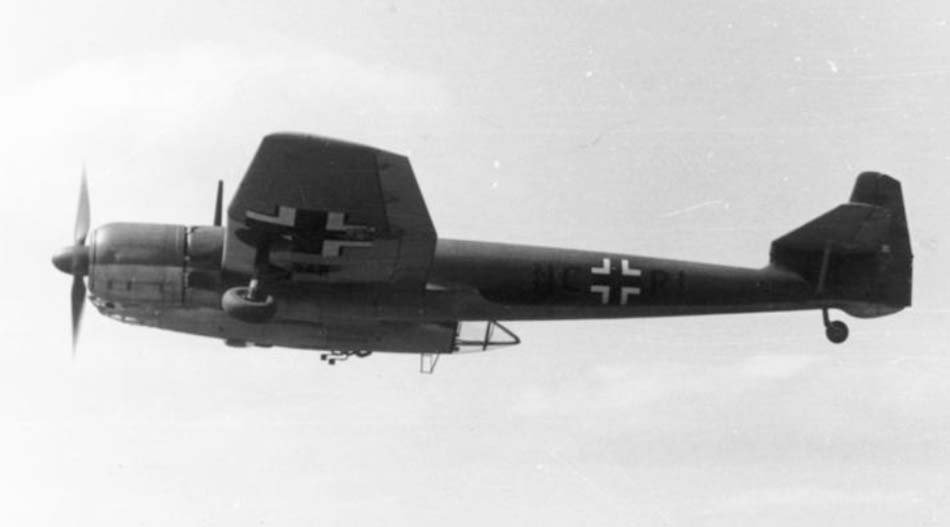
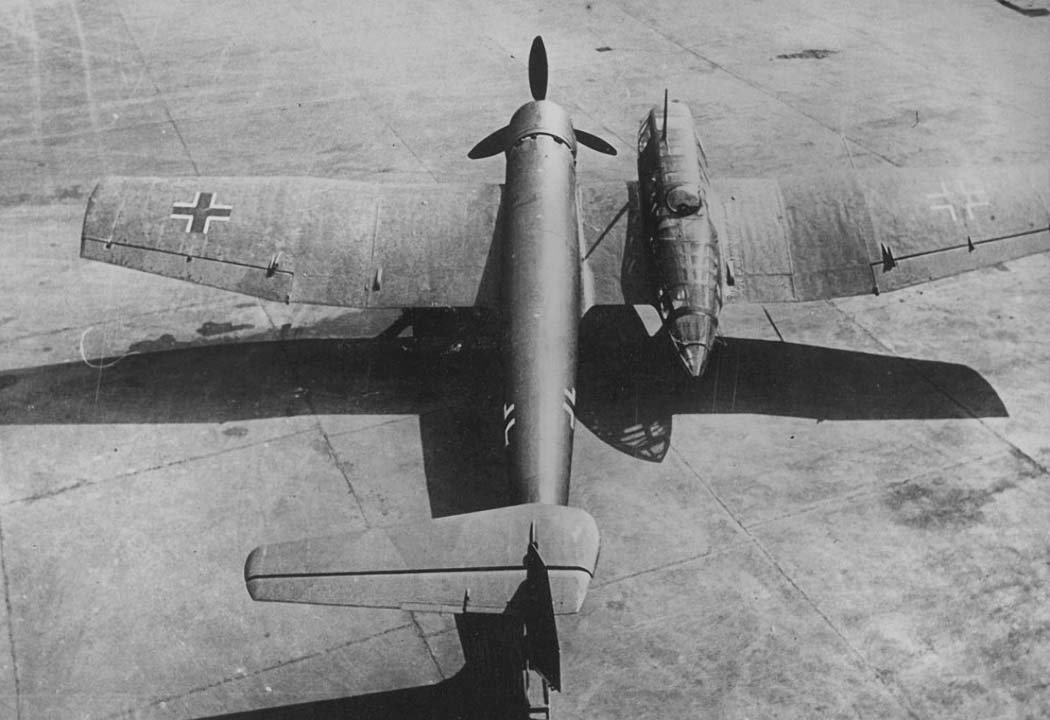
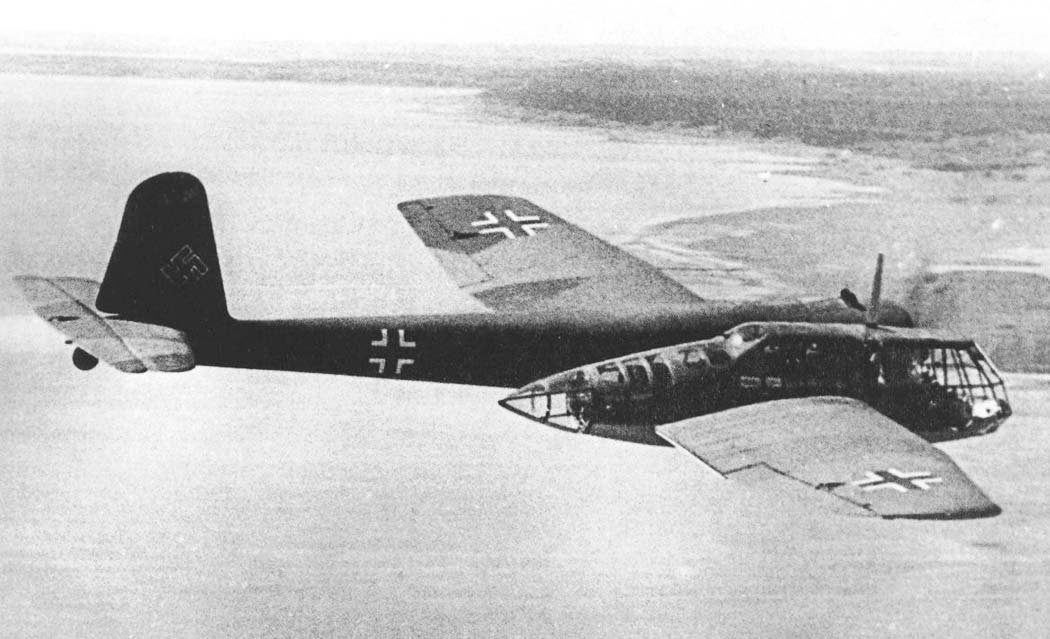
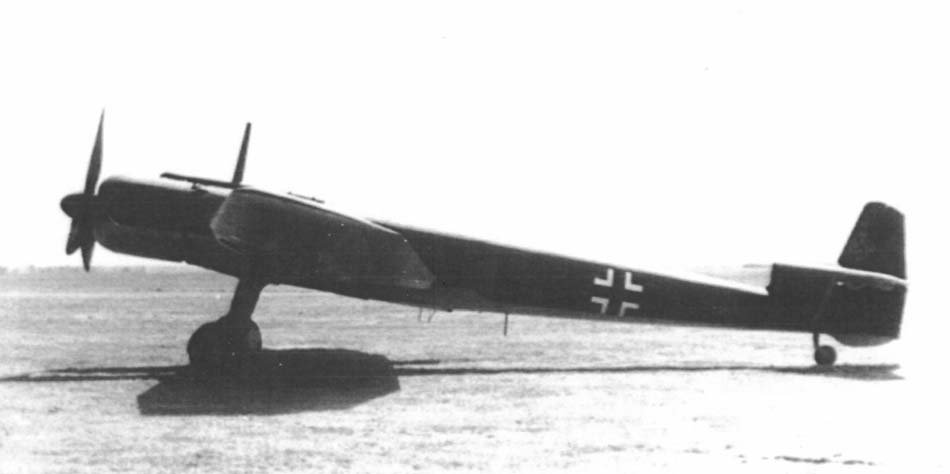
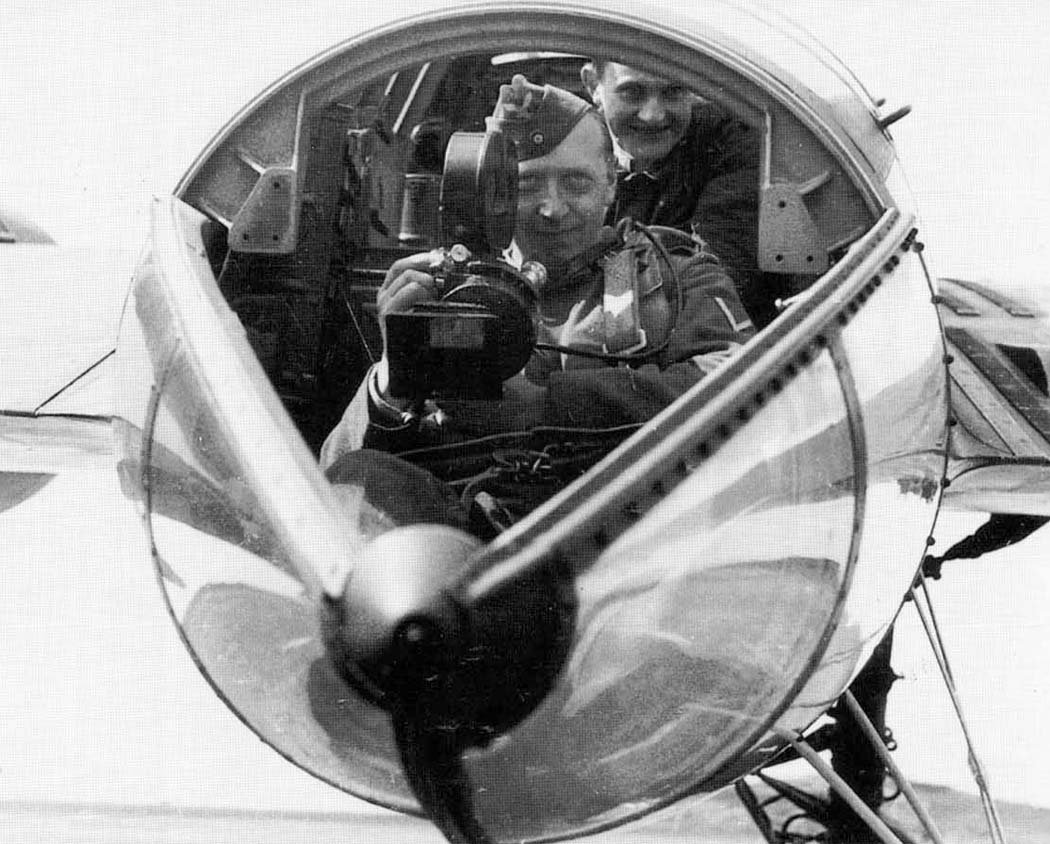
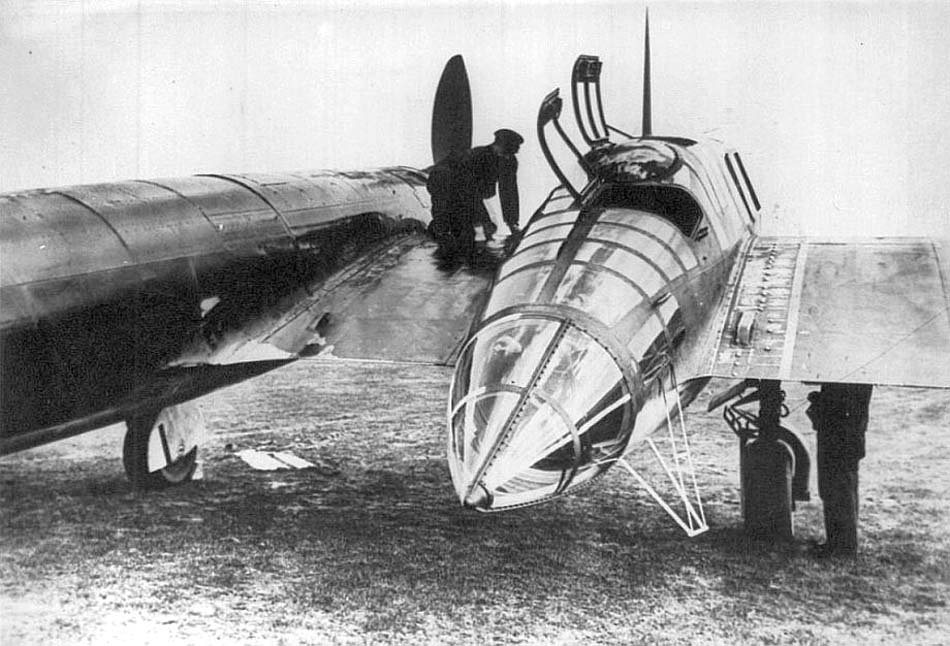
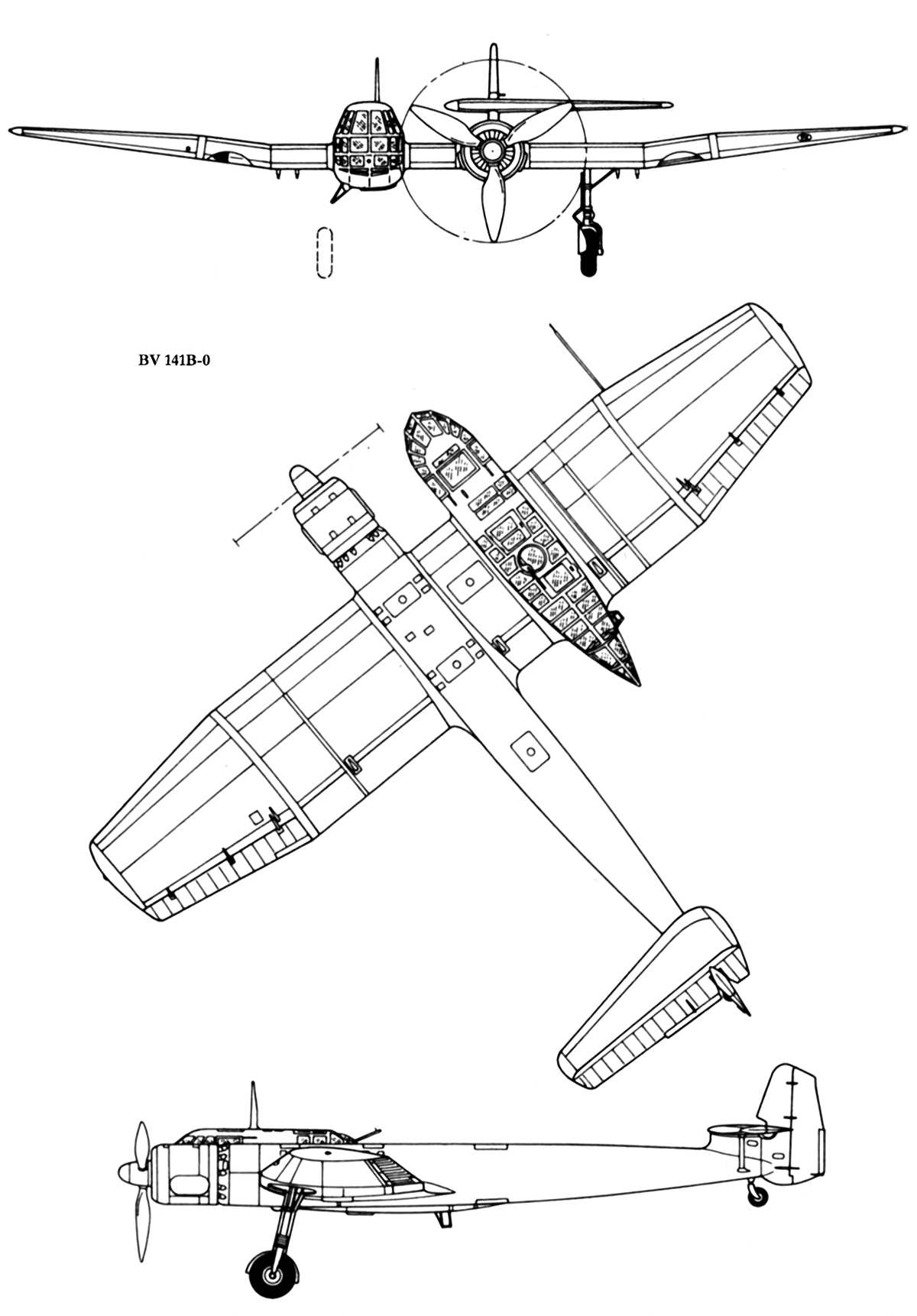
Completion of the remaining four BV.141b-0 was delayed awaiting resolution of problems with the BV.141-V9. Compared to the BV.141a, the B-series featured increased dimensions, and the wing shape was changed. Instead of an oval cross-section, the fuselage became round along its entire length, and the empennage was completely redesigned.
Another innovation, an asymmetrical stabilizer, was tested on the BV.141-V2. To improve the gunner’s field of fire, the right part of the stabilizer was removed, and the left plane was enlarged. Since tests showed no changes in handling, this empennage configuration was applied to the BV.141b.
The BV.141-V9 arrived at the Rechlin test center in May 1941. On June 1, it was joined by V10 (NC+RA), which had been collecting dust for three months awaiting propeller delivery. The official testing program was constantly accompanied by various minor issues. When the fourth BV.141b – V12 (NC+RF) arrived in Travemünde for armament testing, it was found that the cockpit filled with gunpowder gases when firing. Meanwhile, V11 (NC+RC) began testing, but minor defects followed one after another, and it is not surprising that the fifth and final BV.141b-V13 (NC+RH) was ready only by May 15, 1943.
The Project’s Demise
In the autumn of 1941, the second V10 was delivered to a training and reconnaissance unit in Grossenhain, Saxony, for field trials. Soon after, Milch ordered that at least one combat squadron for operations on the Eastern Front be formed based on existing BV.141s. However, these plans to create a special BV.141 squadron were ultimately rejected by the general staff in the spring of 1942.
By this time, it had become clear that reconnaissance tasks were being successfully handled by the reliable twin-engine Focke-Wulf Fw.189. This decision was undoubtedly influenced by the numerous minor defects of the BV.141. Furthermore, after damage to Focke-Wulf factories, production of the Fw.200 “Condor” was transferred to Blohm & Voss, occupying 80% of its capacity. As a result, the RLM’s plans for the production of another 15 machines were not realized, and the produced BV.141s never saw combat.
Technical Specifications
| Modification | ВV.141b-02 |
| Wingspan, m | 17.42 |
| Length, m | 13.95 |
| Height, m | 3.60 |
| Wing area, m2 | 51.00 |
| Empty weight | 4700 |
| Normal takeoff weight | 5700 |
| Engine type | 1 Piston engine BMW-801a-0 |
| Power, hp | 1 x 1560 |
| Speed at sea level | 366 |
| Speed at altitude | 435 |
| Practical range, km | 1888 |
| Practical ceiling, m | 10000 |
| Crew, crew members | 3 |
| Armament | two fixed 7.9-mm MG-17 machine guns forward and two 7.9-mm MG-15 machine guns on flexible mounts aft; 4x 50-kg bombs |
Image and diagram gallery of the BV.141B
 BV.141B |
 BV.141B |
 BV.141B |
 BV.141B |
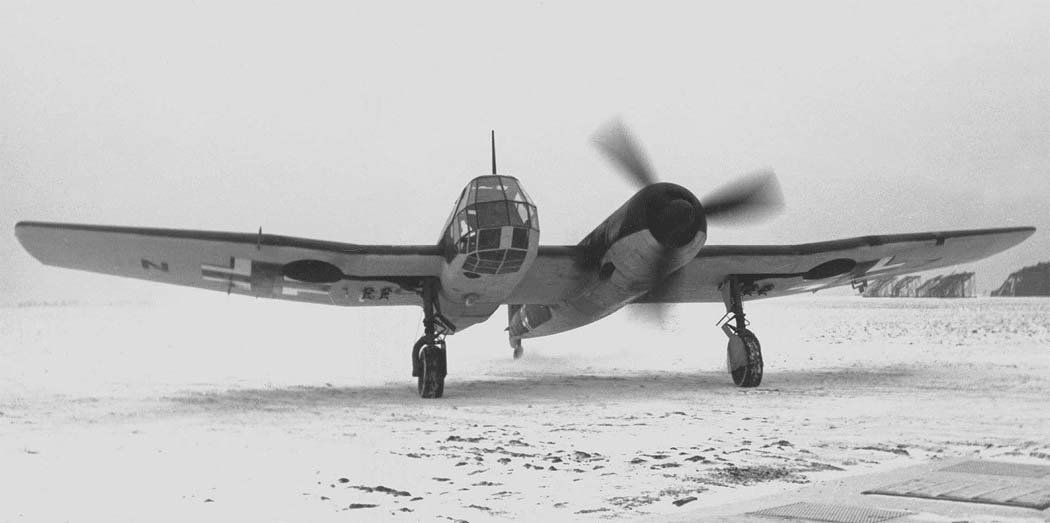 BV.141B |
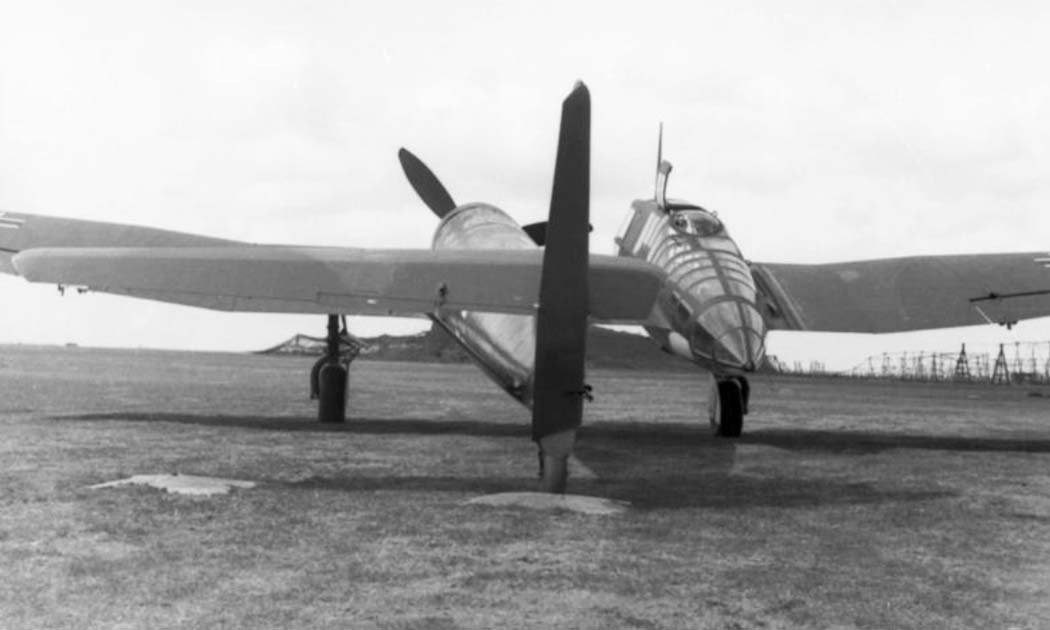 BV.141B |
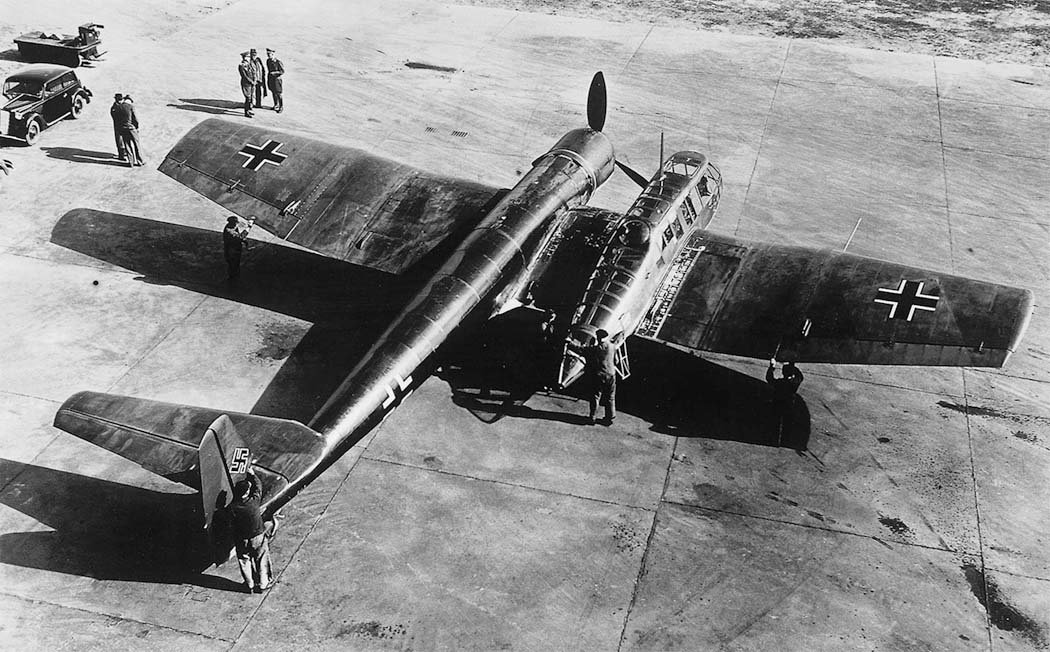 BV.141B |
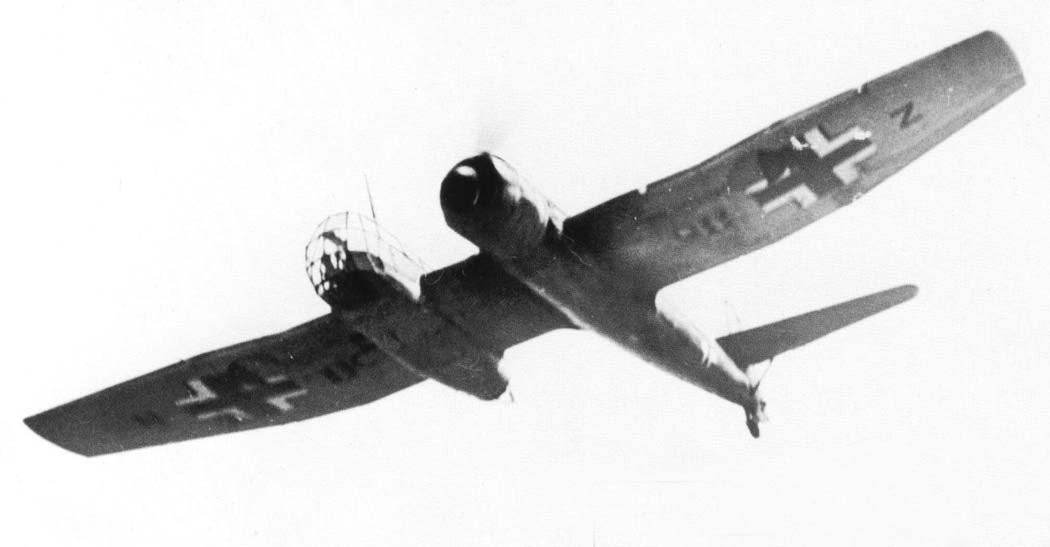 BV.141B |
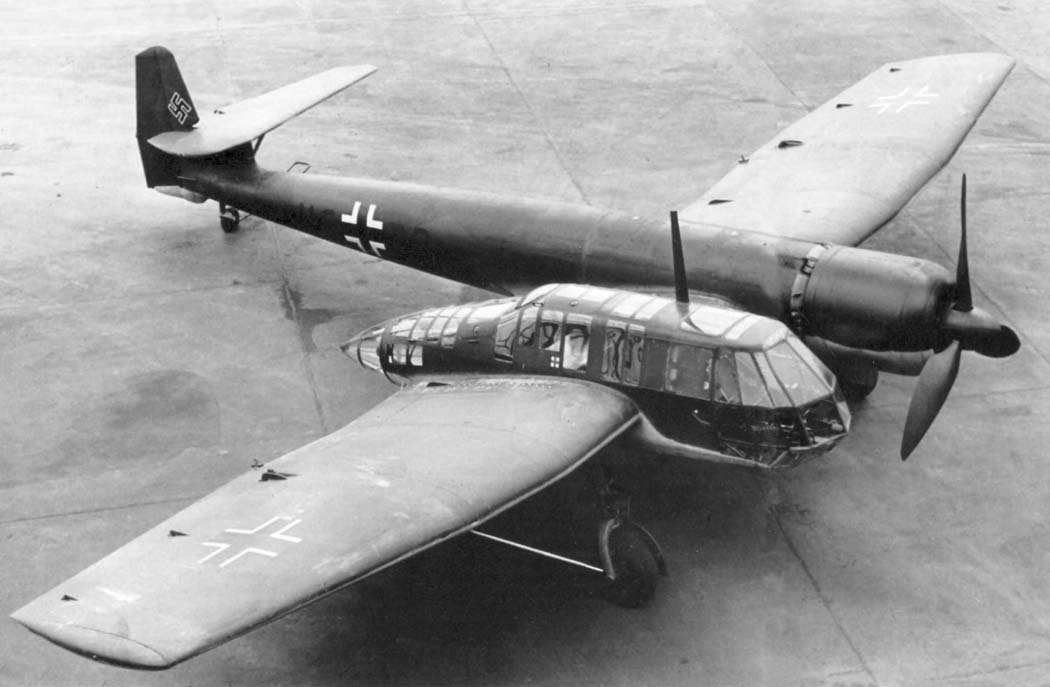 BV.141B |
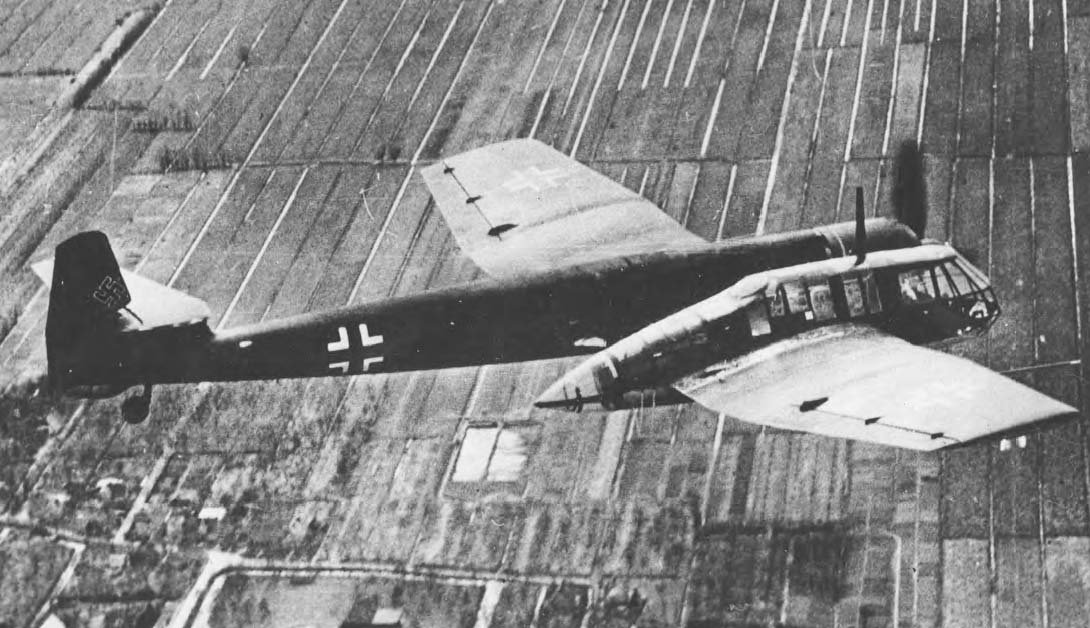 BV.141B |
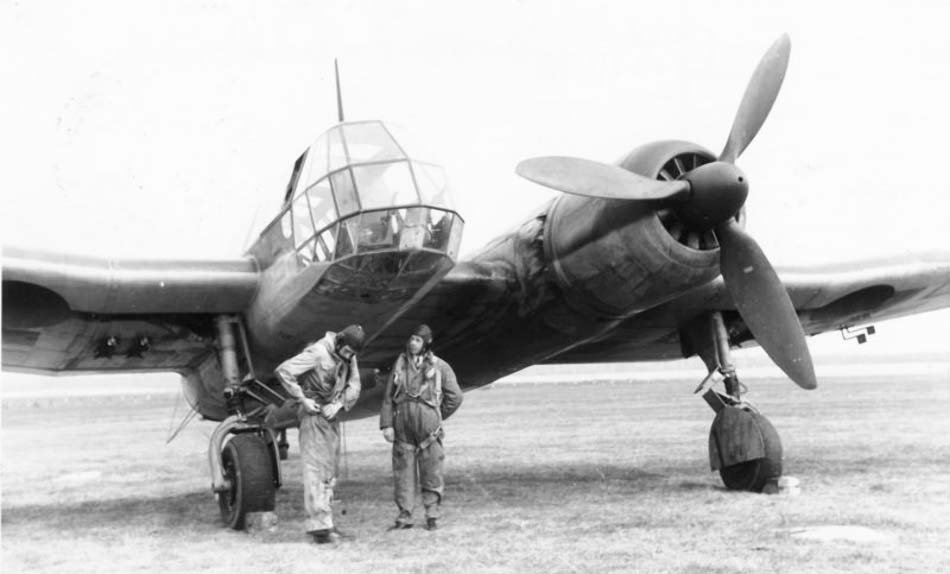 BV.141B |
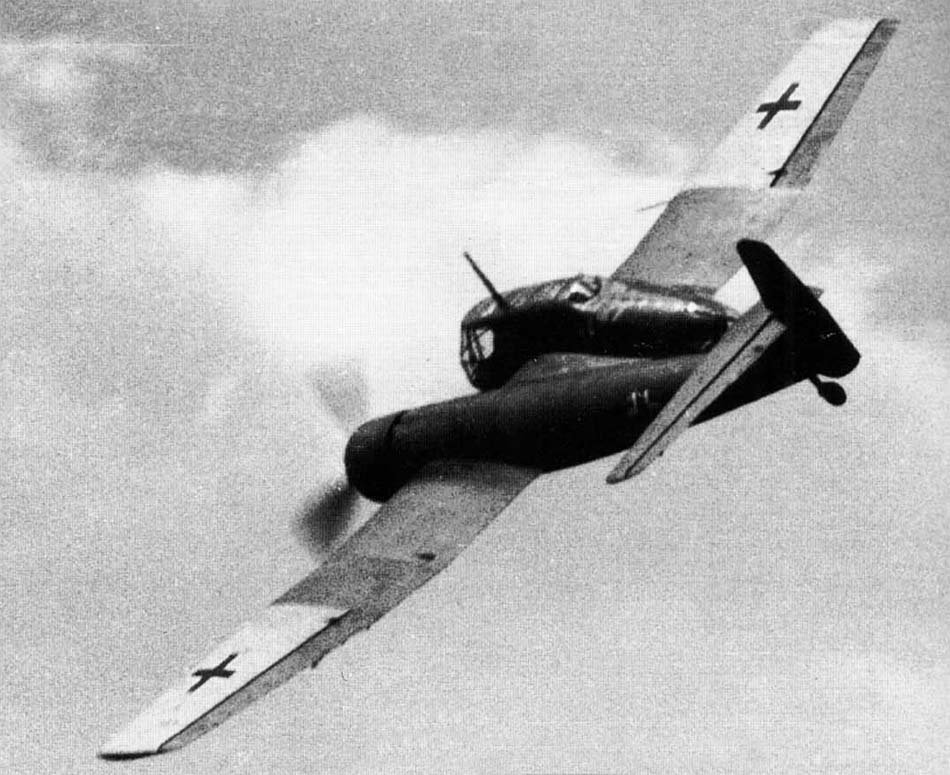 BV.141B |
 BV.141B |
 BV.141B |
 BV.141B |
 BV.141B |
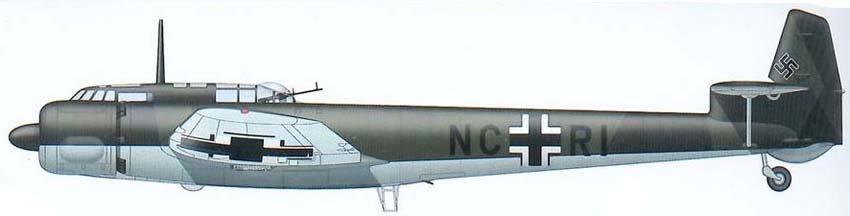 BV.141B |
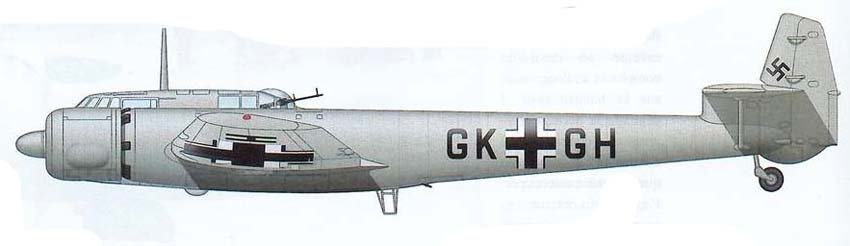 BV.141B |