
The C.12 autogyro, developed by Juan de la Cierva and built by the Avro company, was based on an Avian fuselage and made its first flight in 1929.
Origins and Initial Design
Conceived by the Spanish engineer Juan de la Cierva and manufactured by the British Avro company, this innovative autogyro utilized an Avian fuselage as its foundation. Its maiden flight occurred in 1929, marking an important step in rotary-wing aviation.
Transformation and Maritime Milestone
Subsequently, the C.12 was converted into a single-seater variant and fitted with metal floats. This modification made it the first rotating-wing seaplane, undertaking a historic flight from the waters of Southampton port in April 1930. Nicknamed “Hydrogyro,” it was powered by a 100 hp Avro Alpha engine.
Technical Specifications
| Modification | С.12 |
| Main rotor diameter, m | 8. 26 |
| Length, m | 6.55 |
| Height, m | 3.67 |
| Normal takeoff weight | 1120 |
| Engine type | 1 Avro Alpha Piston engine |
| Power, hp | 1 x 100 |
| Maximum speed, km/h | 160 |
| Cruising speed, km/h | 125 |
| Crew | 1 |
Image and diagram gallery of the C.12 Autogyro
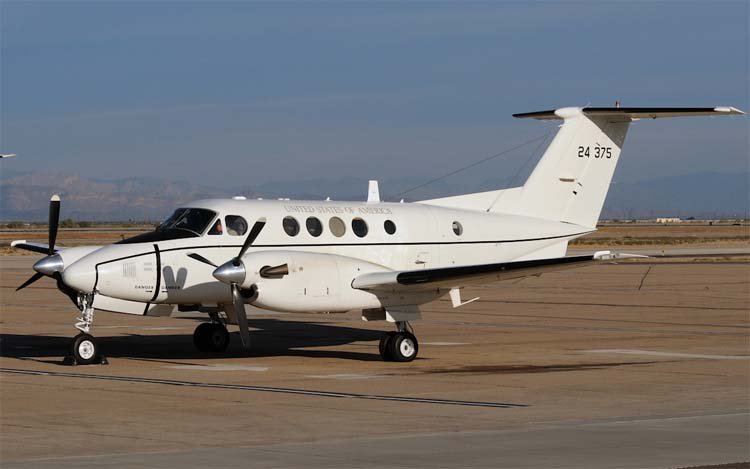 C.12 |
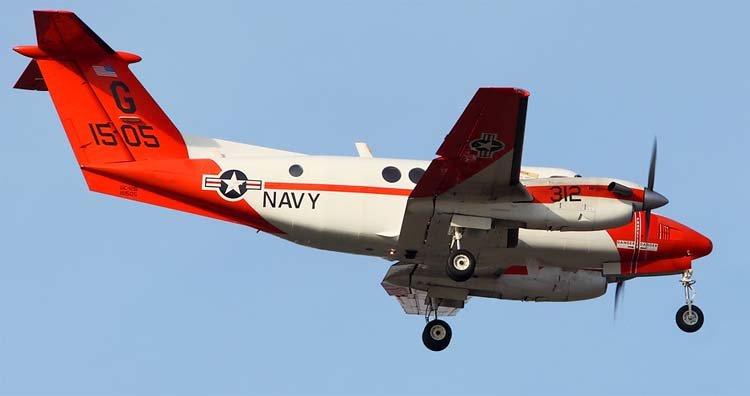 C.12 |
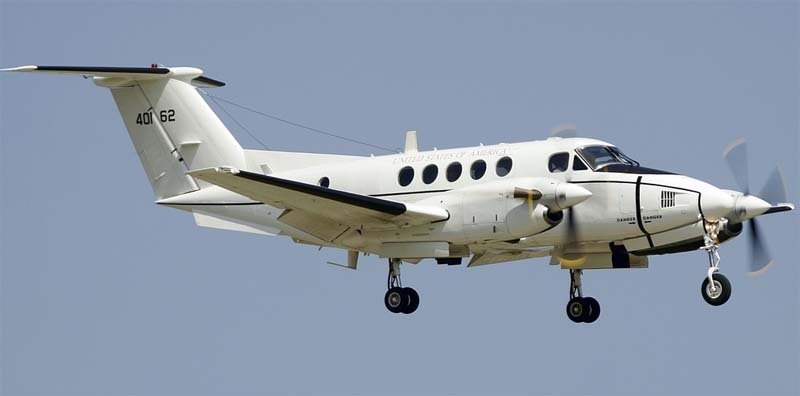 C.12 |
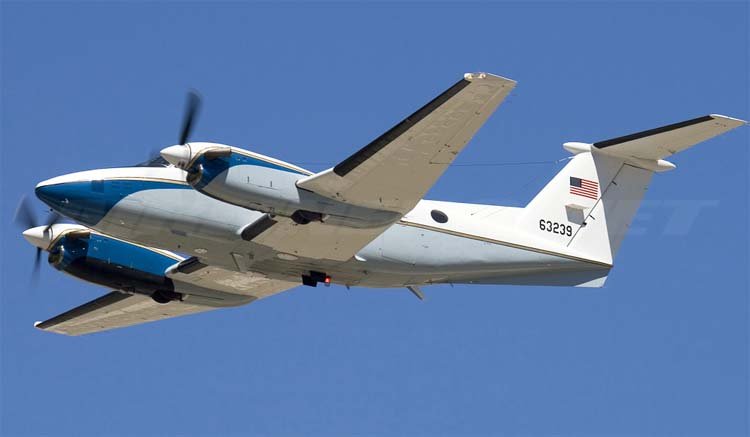 C.12 |
 C.12 |
 C.12 |
 C.12 |
How to cite this article:
APA: C.12 Autogyro (). C.12 Autogyro. wp.archivoaereo.com. https://wp.archivoaereo.com/en/c-12-autogyro/
VANCOUVER: C.12 Autogyro [online]. wp.archivoaereo.com; [cited 2026-10-12]. Available at: https://wp.archivoaereo.com/en/c-12-autogyro/