
In the early 1980s, the primary reason for creating a light military transport aircraft was the urgent need to deliver spare parts to aircraft stationed at 20 U.S. airbases in Western Europe. Aircraft of this type were intended for transporting cargo, specifically aircraft engines like the J79 or F100, installed on F-4 “Phantom”, F-15 “Eagle”, or F-16 “Fighting Falcon” fighters. Furthermore, the specialized aircraft had to perform flights up to 1300 km with a cargo of up to 2300 kg, operate in the complex weather conditions characteristic of Western Europe, and be based at poorly equipped field airfields with shortened runways.
Logically, this undertaking was entirely justified. Experts calculated in advance that supply disruptions in a potential European theater of military operations, without rapid means of delivering spare parts and engines, could equate to a daily non-completion of approximately 800 combat sorties. This, in turn, was equivalent to reducing the U.S. Air Force’s tactical aviation grouping in the European zone by almost 300 aircraft at that time!
Sherpa’s Origins and Selection
By the end of 1983, the aviation command decided to purchase two dozen new aircraft, developed under the EDSA (European Distribution System Aircraft) program. It was specified that an already developed aircraft, only slightly modernized for its specific tasks and certified under FAR 25, was required. The total number of transport aircraft was planned to increase to 64, with a price of 2 million dollars each.
Seven aircraft were proposed for the EDSA competition, of which, ultimately, the “Short 330” (England) and the “CASA” C-12 (Spain) proved suitable. Notably, the American firm “McDonnell Douglas” provided strong support to the Spanish in obtaining the contract. However, preference was given to the British firm “Short”, which accelerated the modernization of the “330” aircraft.
This considered the existing experience from developing an experimental military cargo variant, the SD3-M, based on it in 1975. More specifically, the following occurred: Short first offered the new cargo variant of the “Short 330” in July 1982, immediately after the request for information on the EDSA program. More detailed information about the aircraft, named “Sherpa”, was unveiled by Short at the Farnborough International Airshow in autumn 1982. The “Sherpa” made its first flight on December 23. Subsequent demonstration flights of the “Sherpa” in Western European countries and at U.S. Air Force bases in the region showed its clear advantages over the Spanish C-12 “Aviocar”.
Advanced Features and Technical Specifications
In March 1984, Short was declared the winner and received a $165 million contract from the Air Force. One-third of this amount was allocated for the production of 18 “Sherpa” aircraft, with the remainder for their logistical support and maintenance over ten years. At the same time, the possibility of increasing the order to 66 aircraft was foreseen, with a total program cost of $660 million (at 1984 rates). The aircraft was assigned the designation C-23A.
Compared to the British passenger aircraft “Short 330-200”, from which the C-23A originated, up to 60 modifications were made to the latter. Primarily, new radio-electronic equipment was installed, fuel tank capacity was increased, and workstations for a flight engineer and navigator were introduced. Additionally, an oxygen system for four crew members was installed, and the cargo cabin was equipped with roller conveyors with three guides, facilitating and accelerating the loading and unloading of containers.
The construction of the first fully re-equipped C-23A was completed in August 1984. At its acceptance, the commander of the U.S. Air Force Aeronautical Systems Division stated that, under the new plan, the annual flight time of the C-23A would be 12,000 hours, given its high operational intensity. By November, several aircraft had already been delivered to the Air Force.
What were the latest modifications made to the cargo variant? In mid-1984, Short signed a contract with “Brooks & Perkins” for the installation of loading and unloading equipment on the C-23A, and with “Litton” for equipping the aircraft with an LTN-96 inertial navigation system featuring ring laser gyroscopes. This system is integrated with onboard instrumentation, weather radar, and autopilot, forming part of the high-precision TACAN radio navigation system. Flight planning is significantly simplified by using a memory device into which coordinates for up to 99 route points are pre-entered.
The “Sherpa” is equipped with HF and VHF radios, two command-pilot instruments, the LTN-96 navigation system, TACAN, ADF, a flight data recorder, an identification system transponder, a radio altimeter, and a weather radar. Provision is also made for installing up to 18 folding seats in the cargo cabin for transporting personnel or paratroopers. The aircraft was also converted into other variants, including search and rescue and maritime patrol. In its medical transport variant, it can carry 18 wounded on stretchers.
Incidentally, another military variant, the multi-purpose tactical transport “Short 330 UTT”, was also created based on the civilian “Short 330-200”. But unlike the “Sherpa”, the UTT replaced the rear loading ramp with side doors for paratroop drops. The “Sherpa” is characterized by the rectangular shapes of its wings, fuselage, and tail unit. Nevertheless, the smooth integration of these units, the elongated nose section, and the retractable landing gear nacelles significantly reduced drag. A rectangular wing with an aspect ratio of about 13 allowed the aerodynamic quality to reach 15. With a maximum takeoff weight of over 10 tons, the aircraft is capable of developing a cruising speed of up to 350 km/h and covering distances of more than 1200 km.
The wing is strut-braced, all-metal construction, three-section, high-mounted, with a NACA 63A profile. The center section is a two-spar box structure, built as one unit with the upper part of the fuselage. The wing outer panels have a constant chord across the entire span, with box construction. The skin panels are two-layered: a smooth outer and a corrugated inner layer. The wing is equipped with three-section single-slotted flaps with an area of 7.74 m² and single-slotted ailerons, with weight balancing and trimmers totaling 2.55 m².
The fuselage is made of aluminum alloy. The nose and lower parts of the fuselage are semi-monocoque construction. The rest is a monocoque, with corrugated inner and smooth outer skin layers glued together, reinforced by frames. The C-23 aircraft retains many features of its passenger ancestor, the “Short 330-200”: it has a front cargo door and a wide, rectangular-section cargo cabin, and the front baggage compartment is retained.
The “Sherpa” differs from the original aircraft by the absence of side windows, except for the front part where two portholes are left on each side, as well as the presence of a rear loading ramp. The loading ramp is simple and reliable in design. It lowers under its own weight and is raised by a hydraulic system, which includes a hand pump located behind the rear door and actuating two jacks. Additional supports are installed on the sides of the rear fuselage during loading and unloading operations. Cargo with a total mass of up to 270 kg can be placed directly on the loading ramp during flight. Aircraft cabin loading options include: two LD-3 containers and nine personnel; four LD-3 containers or seven CO8 containers; two patrol vehicles and other cargo.
The tail unit is twin-fin, cantilever. The rudders have aerodynamic compensation and are equipped with trimmers. The horizontal tail unit consists of a stabilizer with a reinforced leading edge and an elevator, also equipped with a trimmer. The “Menasco” landing gear is tricycle, retractable, with one wheel on each strut. The nose landing gear wheel is steerable. The main landing gear struts retract into fairings-nacelles using hydraulic power. The universal hydraulic system from “Hamilton Standard” is used to operate the landing gear, flaps, and nose wheel steering brakes. The system includes emergency hydraulic accumulators.
The C-23A’s powerplant consists of two “Pratt & Whitney” PT6A-45R turboprops. The “Hartzell” propellers are five-bladed, low-speed, with automatic feathering, reversible, and 2.82 m in diameter. Fuel is housed in two main fuel tanks with a total capacity of 2182 liters, located at the junctions of the wing center section with the fuselage. An electric anti-icing system is provided for the propellers, engine intake ducts and their lips, as well as the stabilizer and wing leading edges.
Operational Deployment and Role
The headquarters of the EDSA system and the C-23A aircraft are located at Zweibrücken Air Base in West Germany. The main task of this organization is to ensure the accounting and delivery of spare parts and weaponry within the entire potential theater of military operations. Spare parts and weaponry are also stored at RAF airbases Kemble (England) and Torrejon (Spain). The EDSA system requires the permanent use of 16 C-23A aircraft as primary, plus two in reserve. The estimated safe service life of the aircraft under all operational loads is 40,000 flights.
Other variants included modifications such as the C-23B with increased payload and PT6A-45AR turboprops, as well as Short 360 aircraft modified by the West Virginia Aviation Center (WVAC) to the C-23B standard. There were also aircraft modified under the “Avionics System Cockpit Upgrade” program, and C-23C aircraft with new avionics (“Safety Avionics Modification”), of which only 4 units were modified.
Technical Specifications
| Modification | S-23A |
| Wingspan, m | 22.76 |
| Aircraft length, m | 17.69 |
| Aircraft height, m | 4.95 |
| Wing area, m2 | 42.08 |
| Empty weight | 6680 |
| Normal takeoff weight | 10390 |
| Maximum takeoff weight | 11566 |
| Fuel | 1740 |
| Engine type | 2 Turboprops Pratt Whitney Canada T101-CP-100 PT6A-45R |
| Power, shp | 2 x 1200 |
| Cruising speed, km/h | 352 |
| Practical range, km | 1240 |
| Range with maximum load, km | 370 |
| Practical ceiling, m | 6095 |
| Crew | 2-3 |
| Payload | 30 soldiers or 27 paratroopers and 1 commander or 15 stretchers and 3 attendants or 3175 kg of cargo |
Image and diagram gallery of the C-23 Sherpa
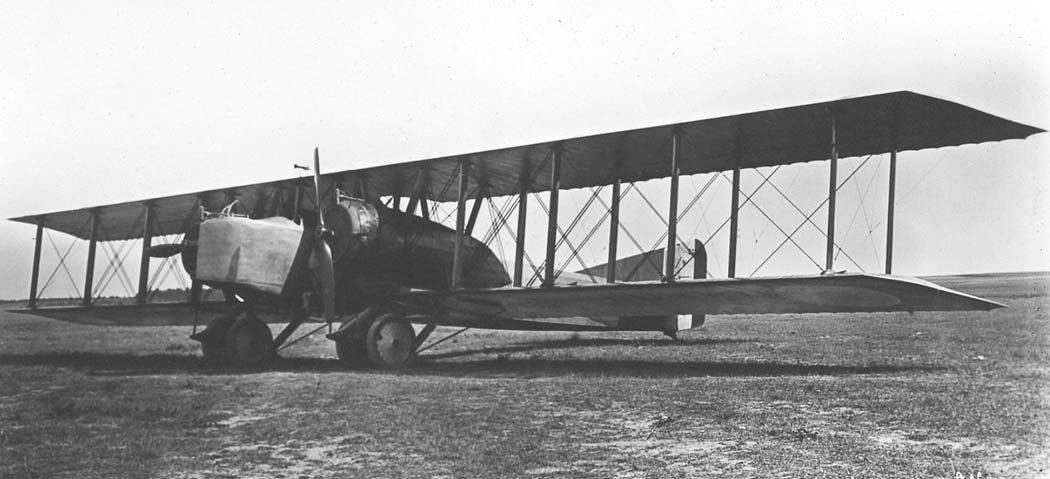 C-23 Sherpa |
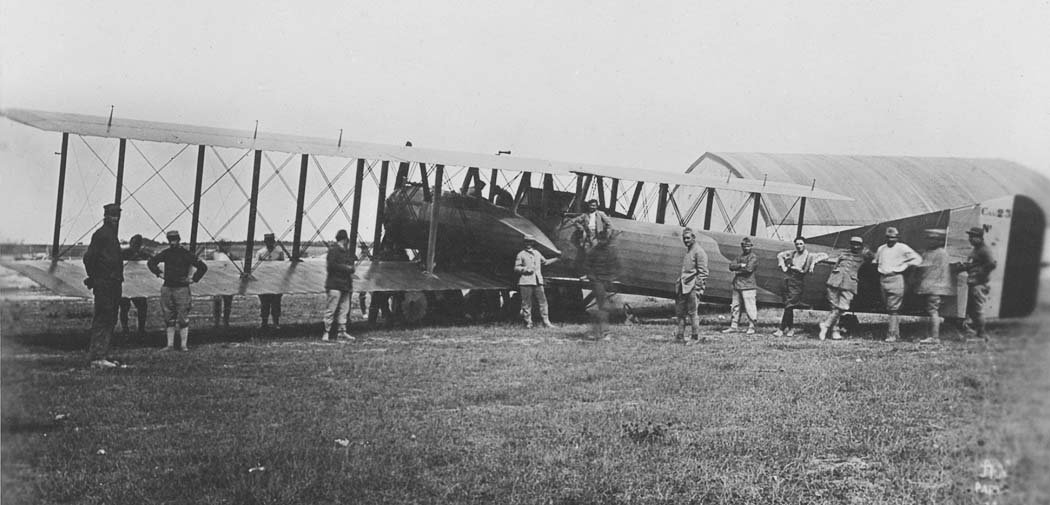 C-23 Sherpa |
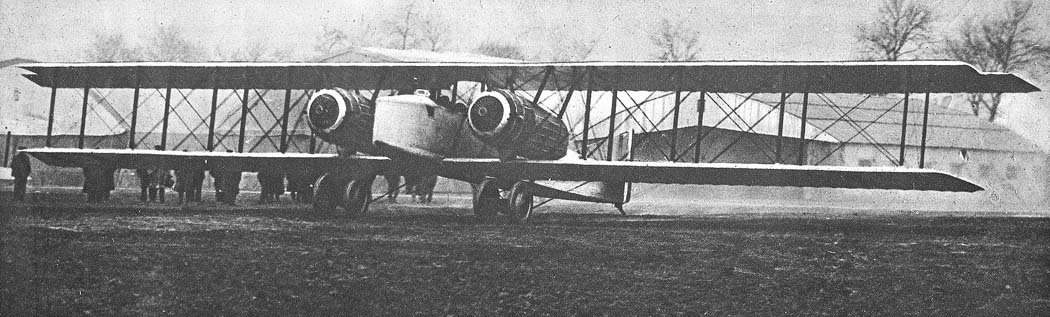 C-23 Sherpa |
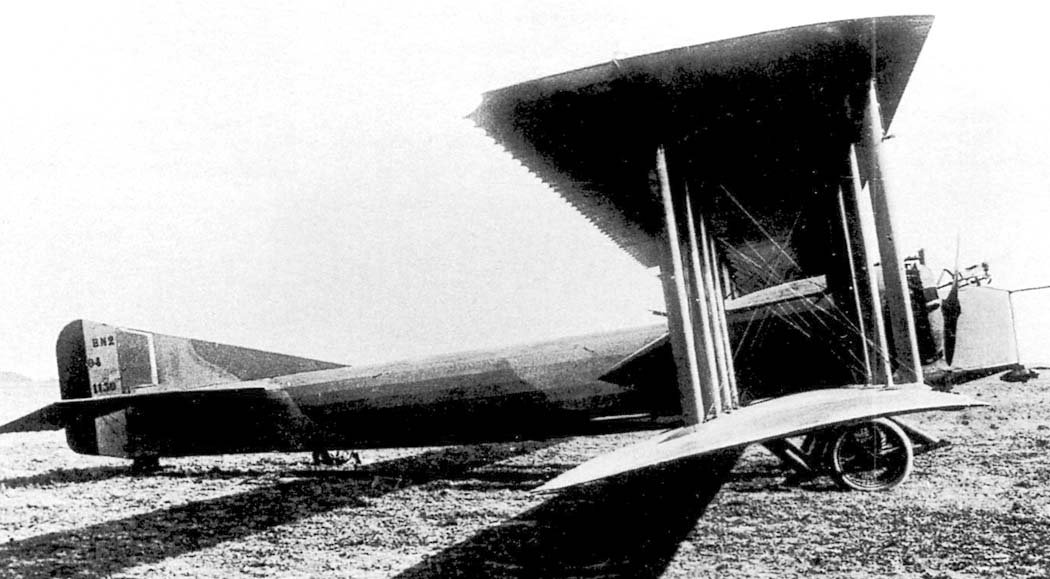 C-23 Sherpa |
 C-23 Sherpa |
 C-23 Sherpa |
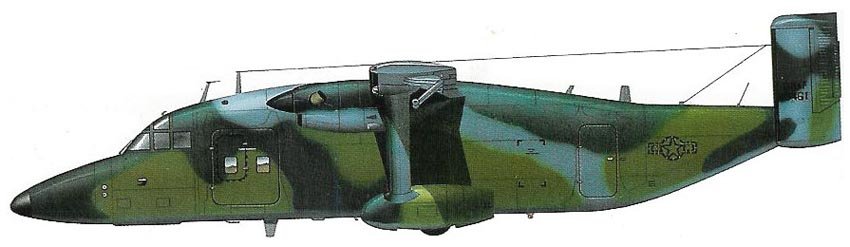 C-23 Sherpa |