
The Cabri G2 is a light commercial helicopter. It was developed by Bruno Guimbal, a former Eurocopter engineer. The prototype made its first flight on March 31, 2005. Its construction primarily uses composite materials, and it is equipped with a three-bladed main rotor and a “Fenestron” type tail rotor.
The helicopter has been designed for maximum flight safety, certified under EASA CS-27 and FAR-27 programs. It is largely constructed from composite materials. It boasts rich equipment in its basic configuration and comfortable seating for two people.
Its rigid airframe protects passengers inside, ensuring high levels of passive and active safety. Composite materials, resistant to corrosion and material fatigue, are used in its construction. The cabin provides perfect all-round visibility, a spacious interior, and leather seats, allowing for comfortable travel. The cockpit, instruments, and controls are designed to minimize pilot workload during operation.
The aircraft is equipped with a 4-cylinder air-cooled Lycoming O360-J2A piston engine, whose power has been reduced from 180 to 145 hp. The helicopter allows flight in numerous modes unavailable to other light piston helicopters, such as strong winds and turbulence. All of this has been achieved through rigorous flight and certification testing.
Innovative Design and Safety Features
The main rotor is designed to achieve the best autorotation in its class. Such performance is achieved thanks to the composite materials used in the manufacture of the rotor blades and a special blade profile, all of which increases the rotor’s inertia. The semi-articulated three-bladed main rotor enhances stability and maneuverability in flight. The main rotor’s rotation speed is adjusted very easily and safely, with a wide RPM range.
The helicopter’s “Fenestron” type tail rotor is a proprietary development holding multiple patents. Its high position above the ground and rigid fairing make it safe for those around. The tail rotor is maintenance-free and resistant to damage.
The central element of the helicopter’s avionics is a monitor that displays all aircraft and powerplant data. The monitor supports 35 different functions, including 5 intelligent ones, such as automatic carburetor preheating, rotor and engine tachometers that suggest control mode selection, and flight time calculation. The monitor can be configured for different languages and metrics and is fully certified, including its software. In addition to the monitor, the instrument panel also features independent gauges for tracking various parameters.
The electrical system is protected from electromagnetic interference. The latest technologies were used in the wiring’s construction, including a high degree of insulation, waterproof connectors, and lightning protection. For safety, the fuel tank is reinforced with double walls and armature.
The helicopter’s basic equipment includes quick-release dual controls, remote door locking, cabin and window heating, gas springs for doors and engine cowling, two power outlets, a powerful main rotor brake, an audio output, and various compartments in the cabin. The helicopter features a 200-liter luggage compartment, with a shelf accessible from the cabin, and also a small 20-liter compartment in the cabin for storing small items. The cost of a new helicopter in Europe, in its basic configuration, starts from 250,000 euros.
Market Milestones and Dominance
On December 15, 2007, it received its European EASA certification. In November 2011, the UK aviation authorities confirmed the certification of the light two-seater Cabri G2 helicopter, manufactured by the French company Guimbal. Cotswold Helicopter Centre, the local distributor, immediately announced the launch of a flight retraining program in early November. In early 2015, the helicopter was certified by the FAA in the USA.
By the end of 2015, the French company Helicoptères Guimbal produced 44 light single-engine piston G2 Cabri helicopters. This figure surpassed the production of its closest competitor, the Robinson R22 Beta II helicopter, of which 34 units were manufactured. Helicoptères Guimbal plans to continue increasing Cabri G2 production to 50 units this year. In 2014, the company produced 28 such helicopters, so these plans can be considered realistic.
Global Success and Expansion
In the summer of 2017, Guimbal announced the sale of the 200th Cabri G2 helicopter. The buyer of the aircraft was HeliGroup from the United Kingdom. As a result, the distributor’s helicopter fleet reached 28 units, making it the largest Cabri helicopter fleet in the world. Two more helicopters were ordered for delivery to the UK in September and November of this year. Gradually, the Cabri is “conquering” Britain.
Technical Specifications
| Modification | Cabri G2 |
| Main rotor diameter, m | 7.20 |
| Tail rotor diameter, m | 0.60 |
| Length, m | 6. 31 |
| Height, m | 2.37 |
| Width, m | 1.24 |
| Maximum takeoff weight, kg | 700 |
| Engine type | 1 Piston engine Lycoming O-360-J2A |
| Power, hp | 1 x 145 |
| Maximum speed, km/h | 185 |
| Cruising speed, km/h | 166 |
| Practical range, km | 700 |
| Service ceiling, m | 3963 |
| Crew | 2 |
Image and diagram gallery of the Cabri G2
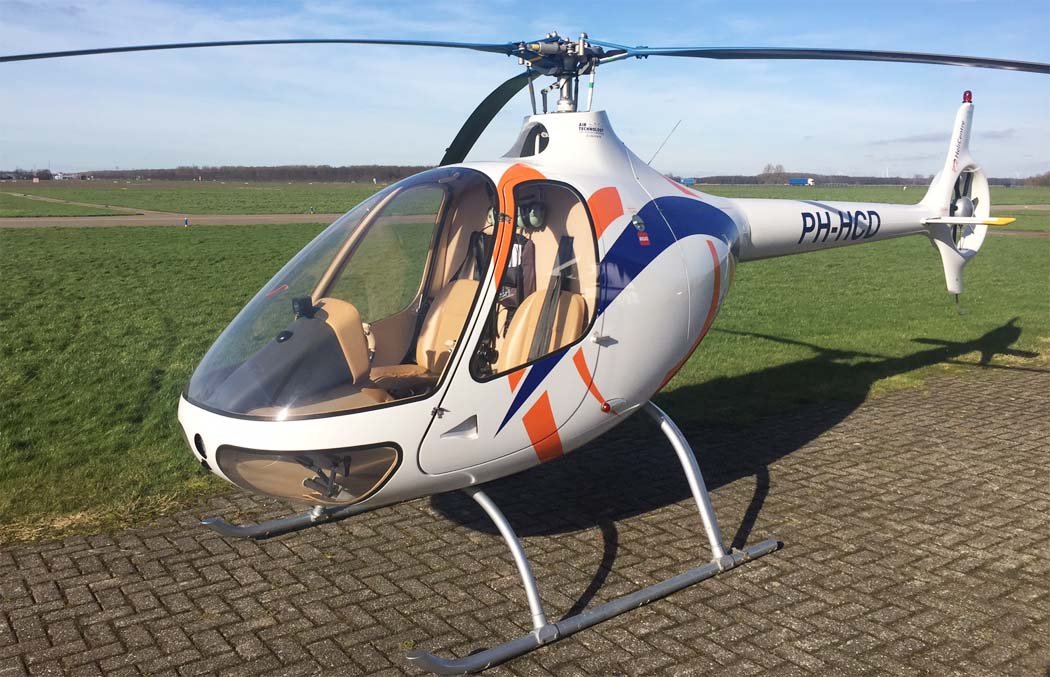 Cabri G2 |
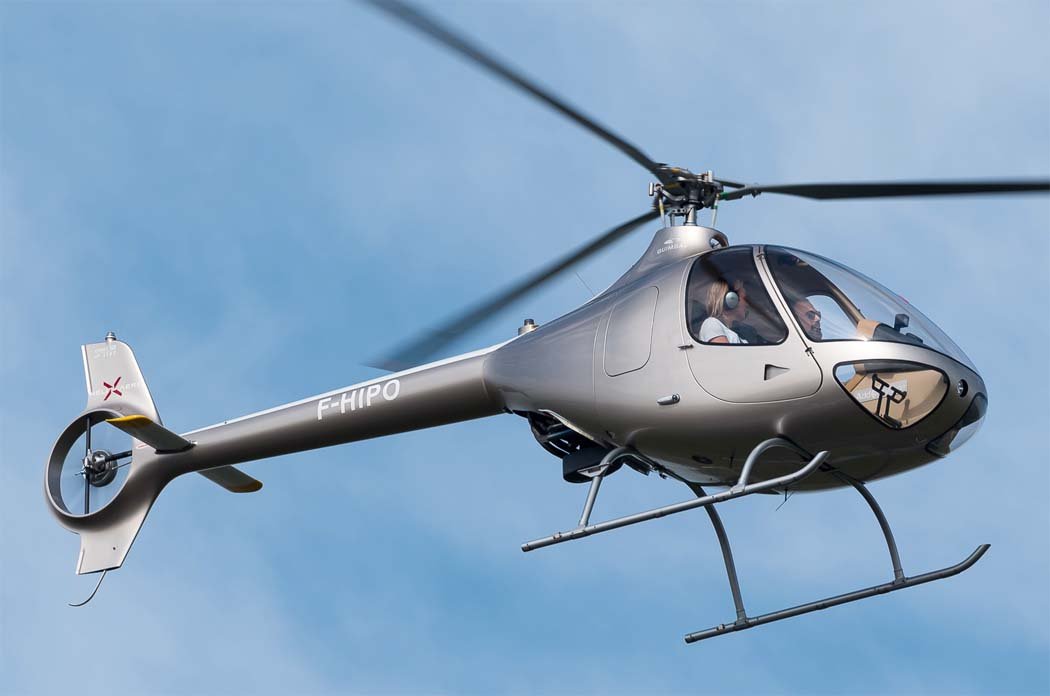 Cabri G2 |
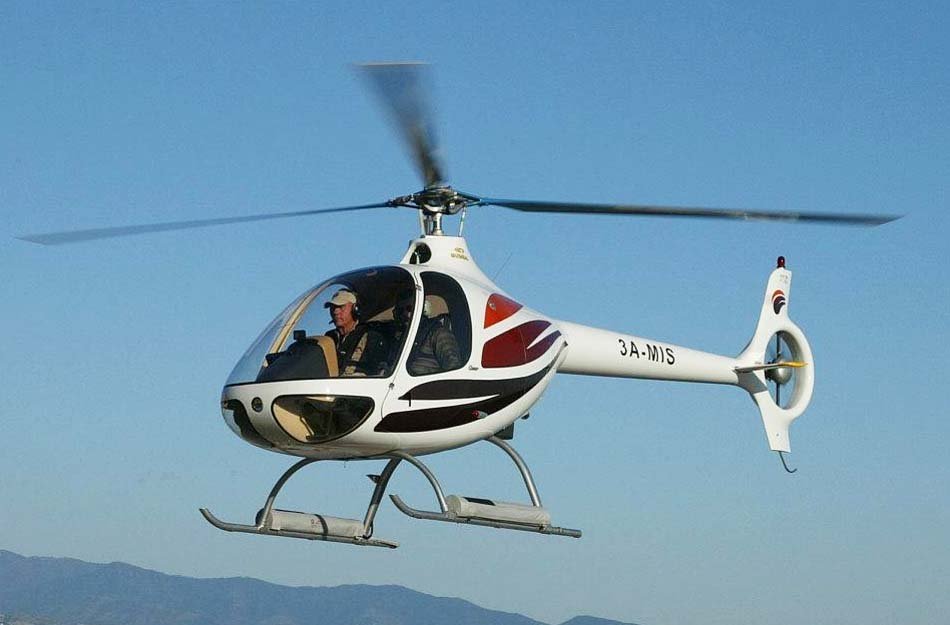 Cabri G2 |
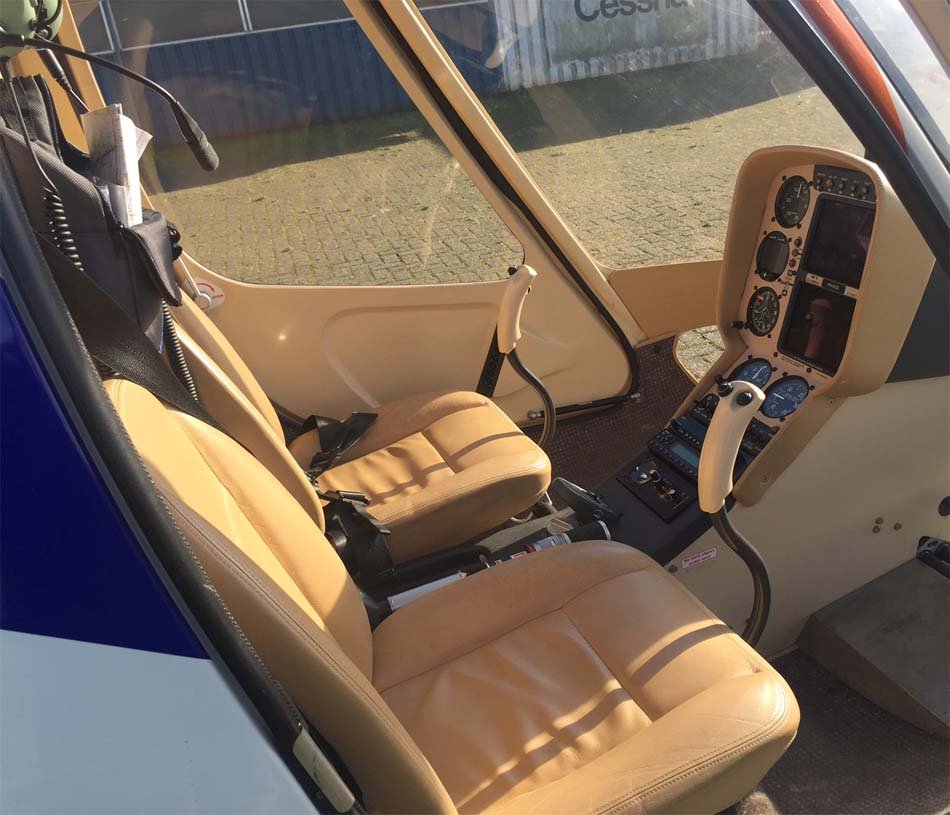 Cabri G2 |
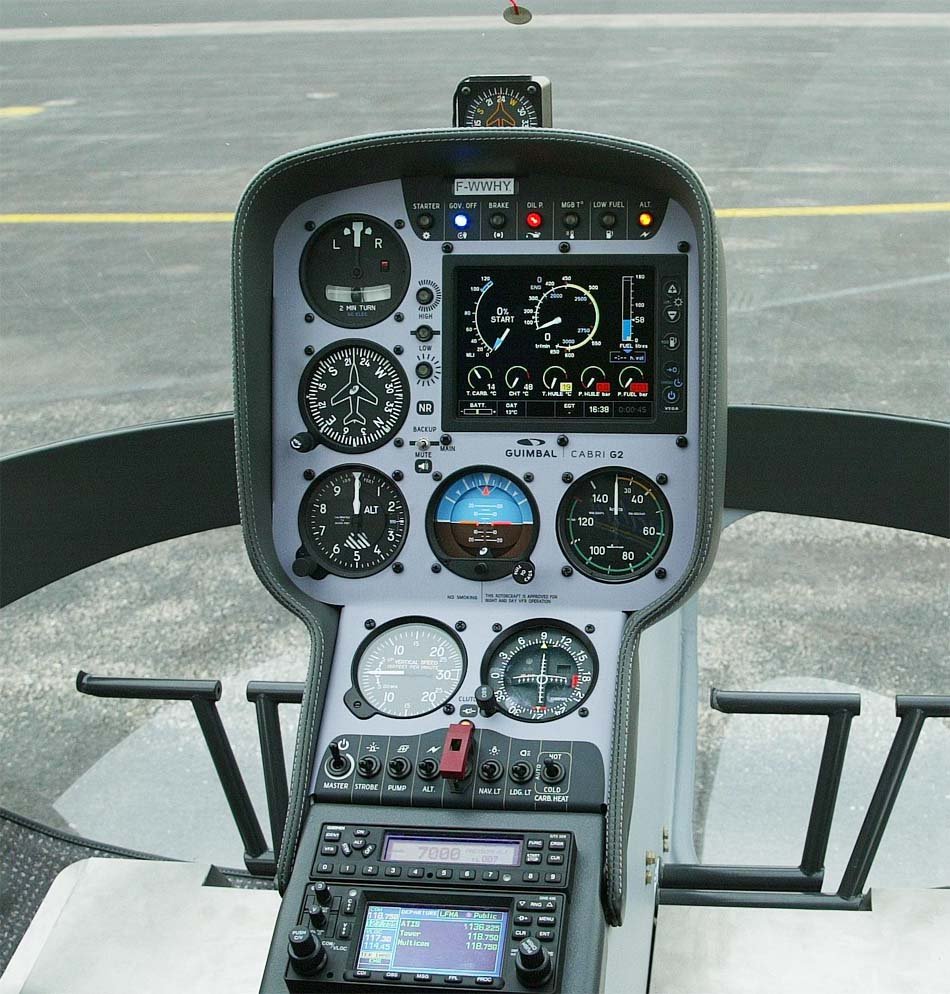 Cabri G2 |
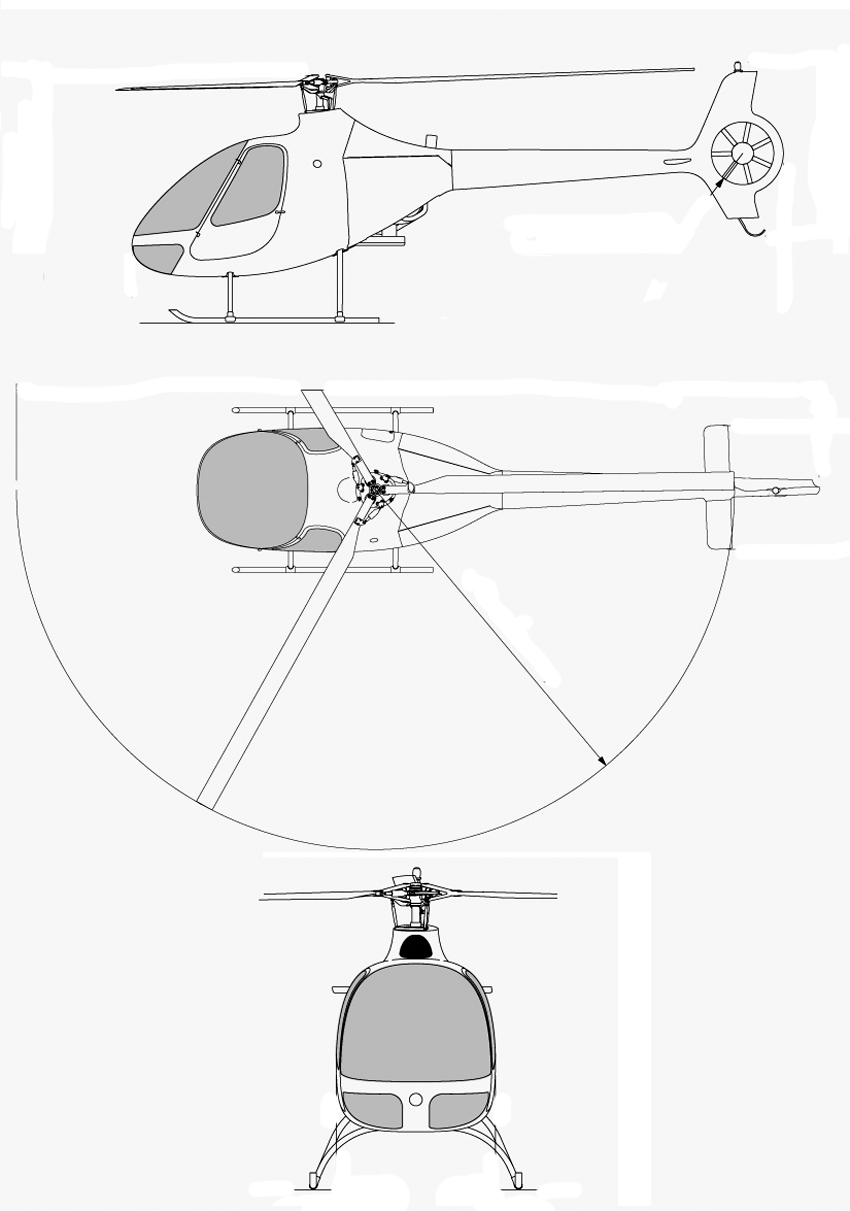 Cabri G2 |