
The Origin of the Acrobatic Competition
The Ca.603 owes its existence to a competition announced by the DGCA and Regia Aeronautica on August 30, 1938. The requirement was for a high-performance acrobatic aircraft, intended to train military pilots in advanced aerobatics. It was envisioned that such an aircraft should be capable of performing all aerobatic figures without limitations, primarily at altitudes up to 1000 meters.
A special commission made changes to the technical specifications at least twice (September 5, 1938, and October 11, 1939). Finally, on March 21, 1940, the requirements were definitively formulated, one of which stipulated the use of either Isotta Frascini “Beta” (6-cylinder, 280 hp) or CAN D.VIII (8-cylinder, 300 hp) engines. The winning company was promised a large order for the aircraft as the grand prize.
Prototypes and Transformation
Six companies participated in the competition, presenting the following fighter projects: Caproni-Vizolla CV.3, Caproni-Taliedo Ca.214, CANSA FC.11, IMAM Ro.71, Breda Ba.92, and Caproni-Predappio Ca.602. The first three were immediately eliminated, and orders for prototypes were placed with the remaining contenders. It’s worth noting that not all companies met the engine requirement, with some proposing Isotta Frascini “Gamma” (Ca.214) and Piaggio P.VIIZ (Ba.92) in their designs. The Ca.602 was considered one of the favorites.
As soon as the Ca.602 prototype arrived for testing at the Guidonia research center in July 1940, engineer Raffaele Confienti began its refinement. Following modernization, the wingspan was reduced by 1.60 m, the second pilot’s cockpit was removed, shortening the fuselage length to 6.37 m, and the tail section was completely redesigned.
The aircraft received the new designation Ca.603 and the military registration code MM.430. Military trials took place from November 22 to December 20, 1940, and concluded quite successfully. Pilots spoke highly of the Ca.603’s acrobatic capabilities, although replacing the propeller slightly disrupted the aircraft’s center of gravity, leading to some deterioration in flight stability. However, in all other respects, it was unmatched.
A Potential Unfulfilled
Perhaps the Ca.603 could have become the best acrobatic trainer, but the leadership of the Regia Aeronautica, heavily preoccupied with increasing combat aircraft production, failed to issue an order for the series production of the Ca.603. In an attempt to save the aircraft, it was offered to a Hungarian military mission in October 1942, but without any success.
As a result, the aircraft remained a single prototype. In May 1942, it was transferred to the 3rd Independent Air Group, stationed at Rome-Centocelle airfield. The Ca.603 was still on the Italian Air Force’s inventory until July 21, 1943, but after this date, the aircraft’s traces are lost.
Technical Specifications
| Modification | Ca.603 |
| Wingspan, m | 8.90 |
| Length, m | 6.3 7 |
| Height, m | 2.72 |
| Wing area, m2 | 24.60 |
| Empty weight | 580 |
| Maximum takeoff weight | 840 |
| Engine type | 1 Piston engine Alfa Romeo 115 |
| Power, hp | 1 x 185 |
| Maximum speed, km/h | 265 |
| Cruising speed, km/h | 220 |
| Service ceiling, m | 5800 |
| Crew, crew members | 1 |
Image and diagram gallery of the Caproni Ca.603
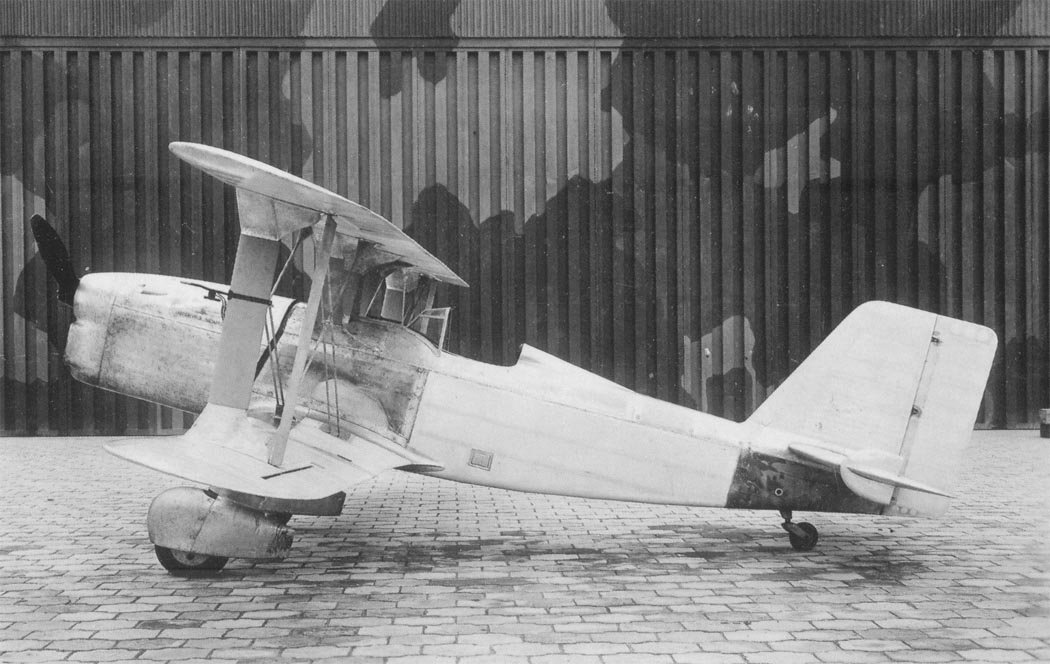 Ca.603 |
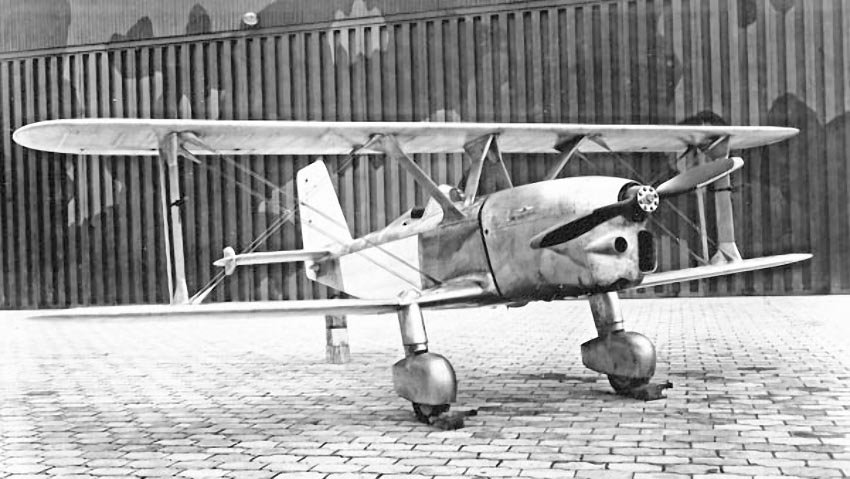 Ca.603 |
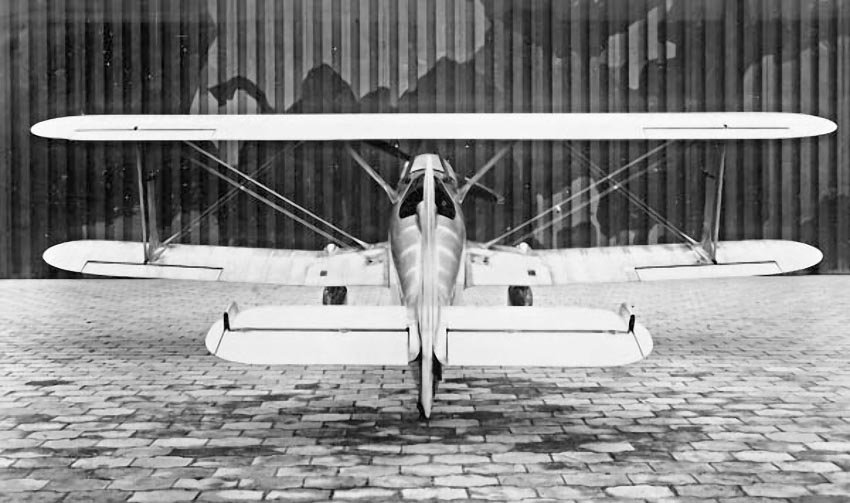 Ca.603 |
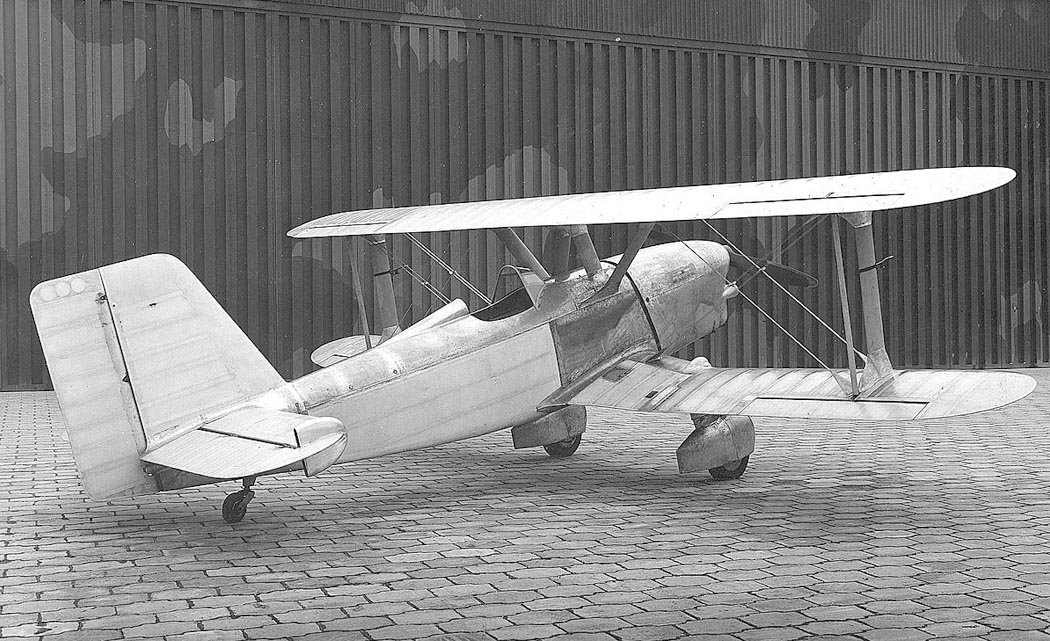 Ca.603 |
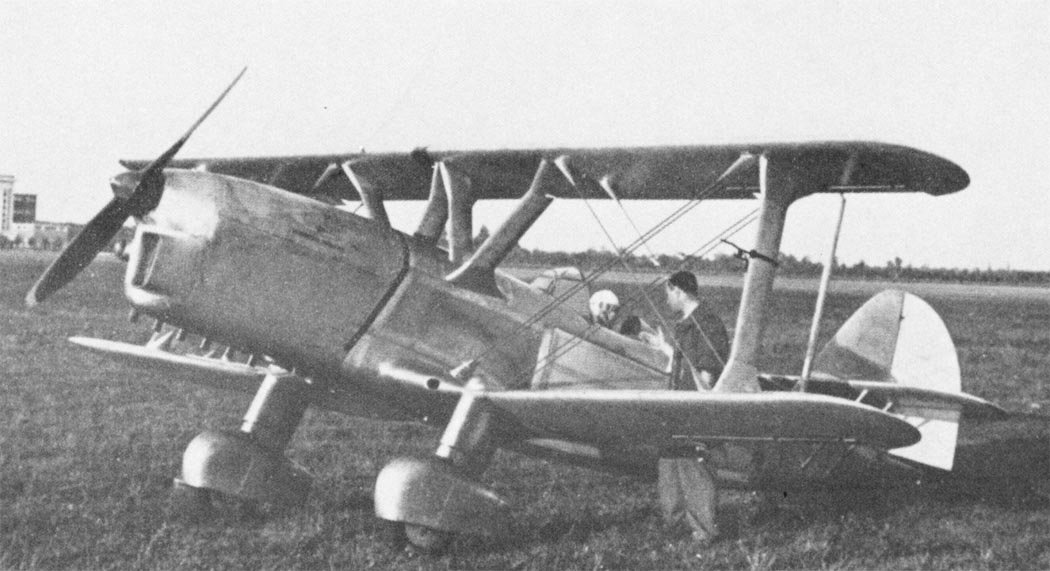 Ca.603 |
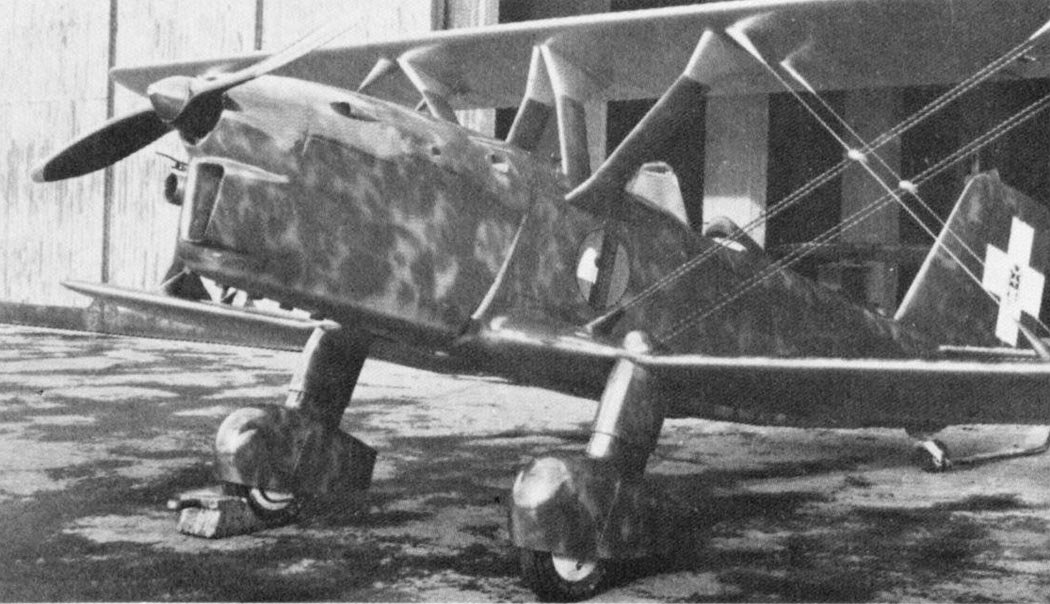 Ca.603 |
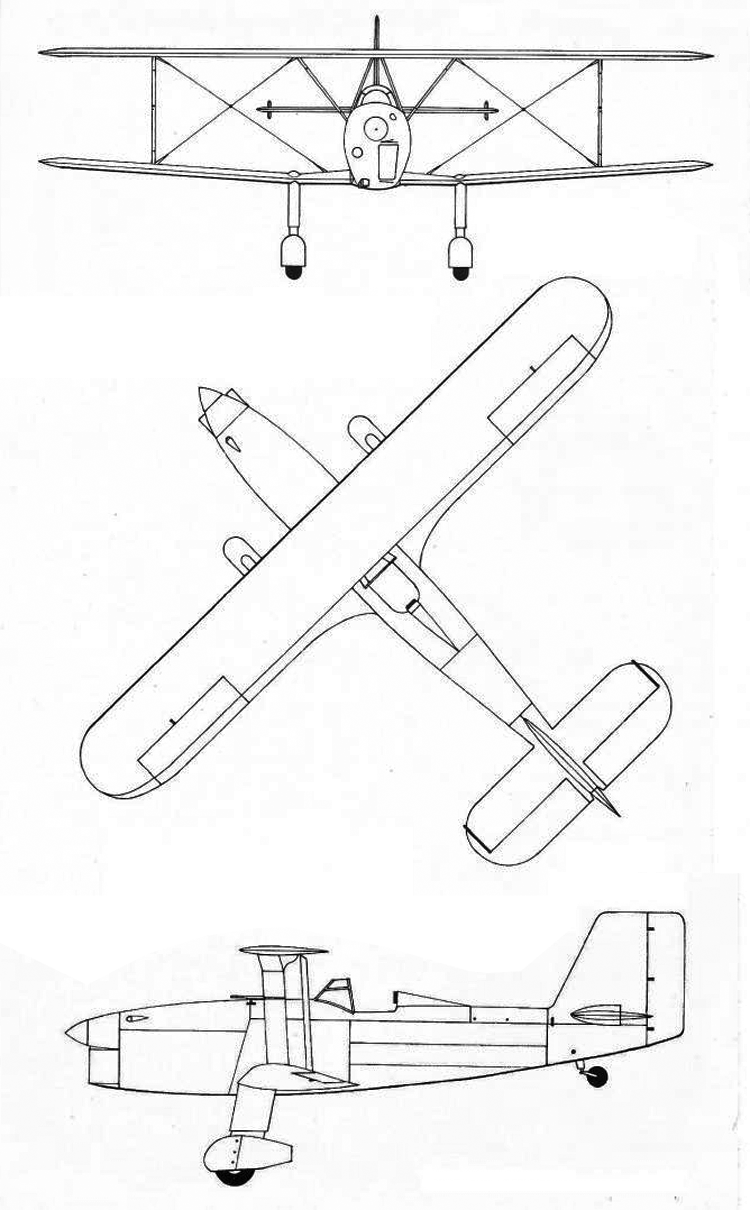 Ca.603 |
 Ca.603 |