
Despite numerous technical problems, primarily related to engine operation, the Caproni firm continued to modify its bomber. The hope was that new variants of the old machine would prove to be better.
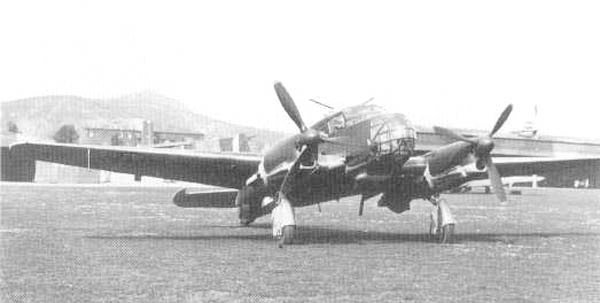
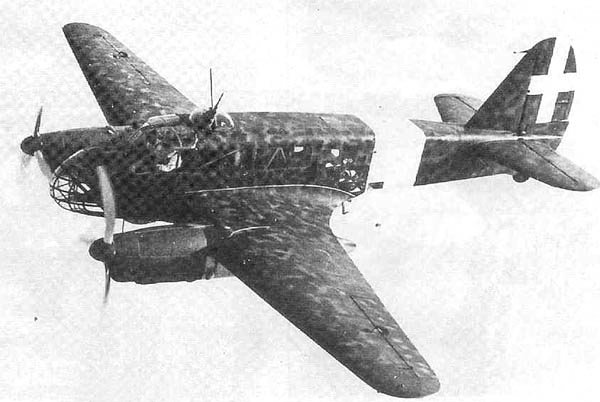
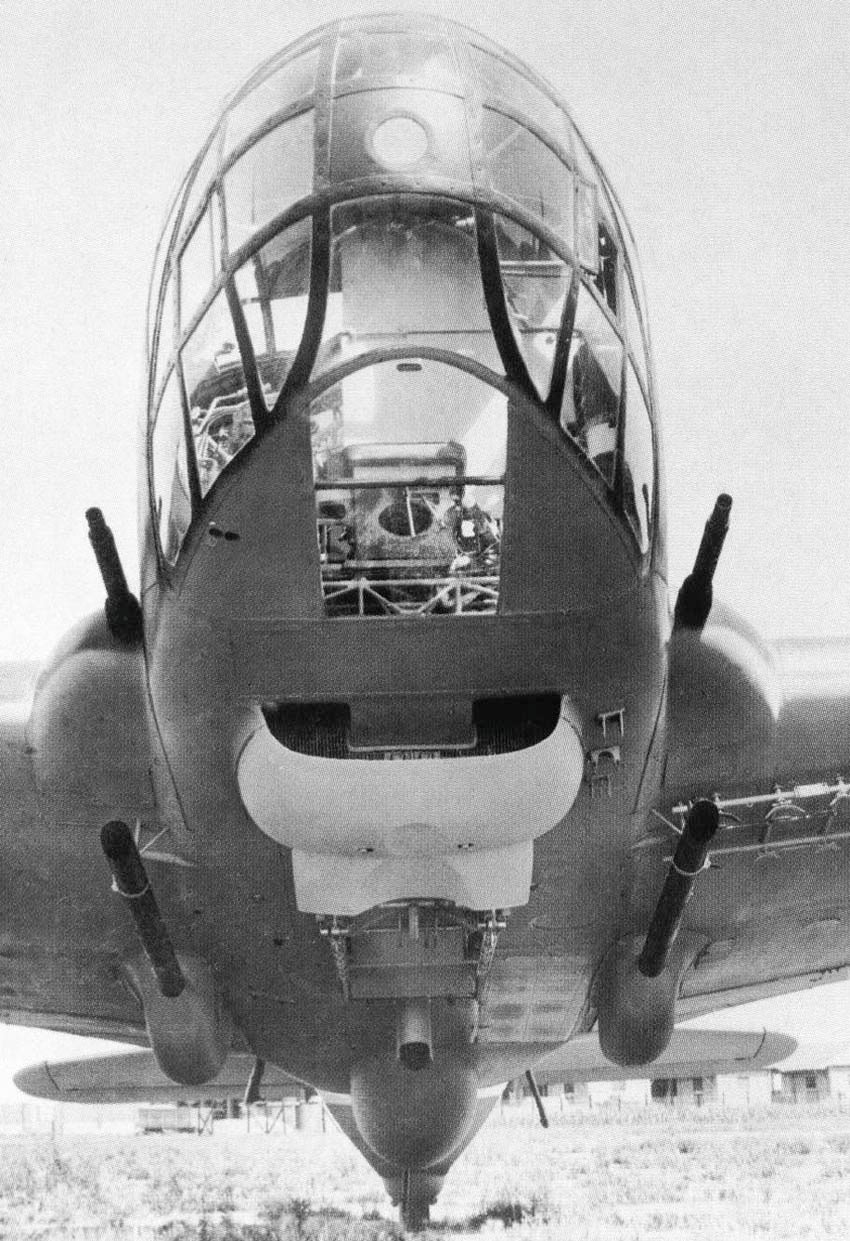
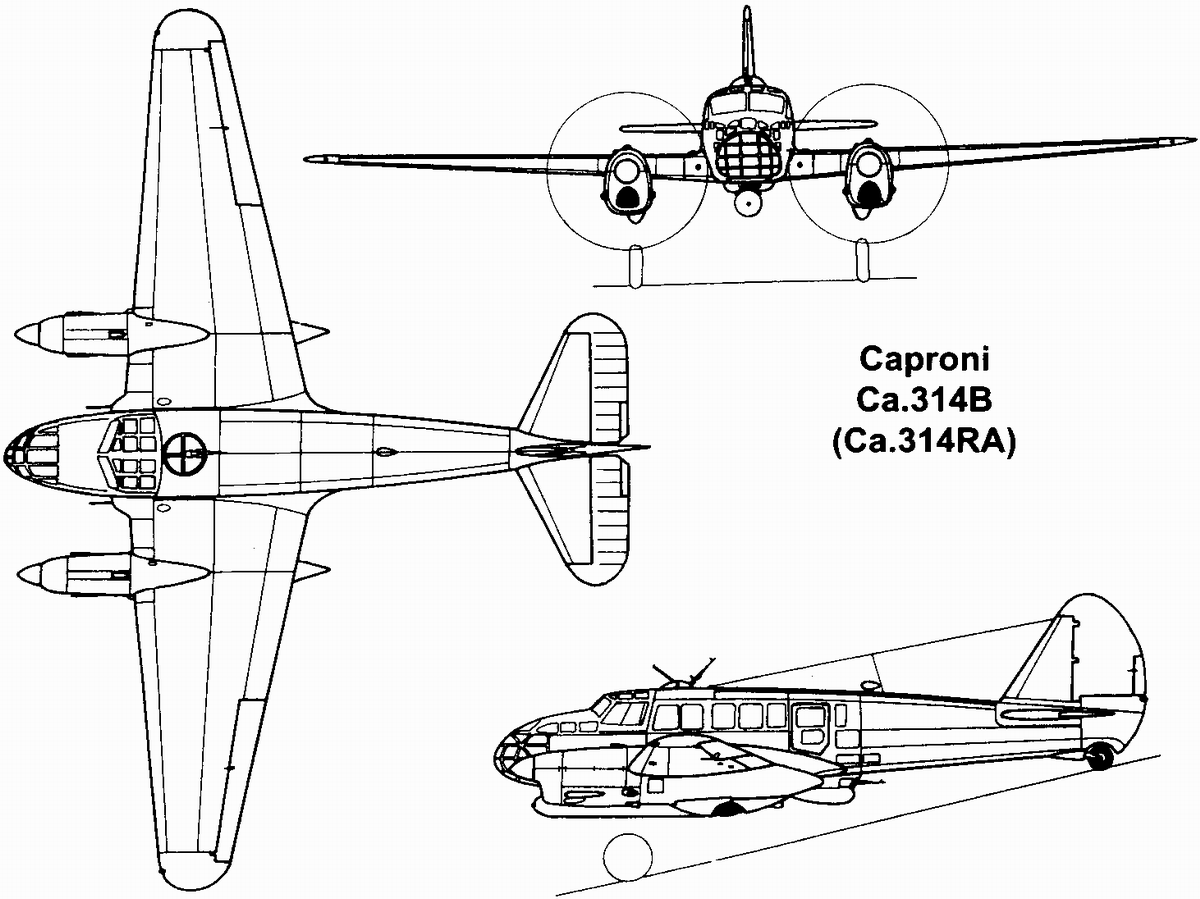
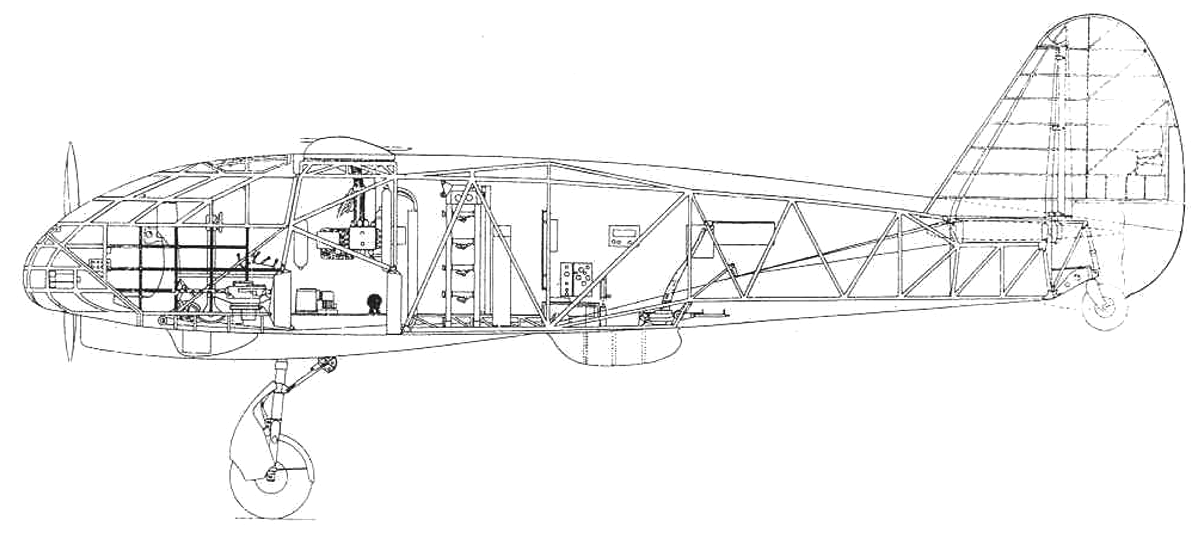
In 1940, three production Ca.313 R.P.B.2 aircraft served as prototypes for the Ca.314 variant. This model featured altered armament, which included two 12.7 mm machine guns in the wing root, a 7.7 mm Breda-SAFAT machine gun under the fuselage, and two 100 kg bombs or a 160 kg bomb load on external hardpoints. Externally, the aircraft differed from the Ca.313 with a reduced wingspan (though with an increased area) and a stepped nose section, similar to the Ca.311M. The “three hundred fourteenth” managed to eliminate almost all the shortcomings of its predecessor.
Development and Variants
Factory tests conducted did not reveal any significant advantage compared to earlier series (Ca.310 and Ca.311). Nevertheless, the Italian Air Force still placed an order for the production of these aircraft. The reasons included both a shortage of planes and the multi-variant approach offered by Caproni.
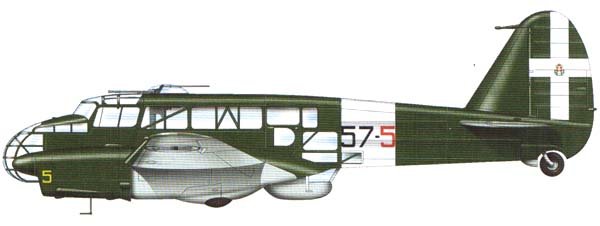
In late 1941, the Italian Ministry of Aviation ordered three hundred Ca.314s to equip two night fighter regiments, two assault regiments, and one torpedo bomber regiment. In May 1942, the 13th regiment, which had previously lost many FIAT BR.20 bombers, began re-equipping. Squadrons familiarized themselves with the Ca.313 while awaiting the “three hundred fourteenths,” with about 30 arriving during the summer.
From August, aircraft of the 13th “Stormo,” consisting of the 11th and 43rd groups, operated from the Manduria base. They were tasked with escorting convoys and hunting submarines.
The Ca.314A (Ca.314-SC) modification was an escort and maritime patrol aircraft, characterized by its armor protection and armament of 3×12.7mm + 1×7.69mm, capable of carrying up to 385 kg of bombs. The Ca.314B (Ca.314-RA) was a bomber-torpedo bomber, carrying a 900 kg torpedo or one 500 kg bomb, or two 250 kg bombs. The Ca.314C assault aircraft was additionally equipped with two 12.7 mm Breda-SAFAT machine guns under the wing root and could carry up to 1280 kg of bombs, with a total armament of 5×12.7mm.
A total of 73 Ca.314A aircraft and 80 Ca.314B aircraft were produced. Additionally, 134 Ca.314C units were built in Taliedo and 60 in Pont San Pietro; later, another 60 Ca.314C aircraft were built by the company in Castellammare di Stabia.
Operational Service and Challenges
Information regarding the combat use of the Ca.314 is rather scarce. These numerous multi-purpose bombers did not have much time for actual fighting. By the start of their serial production, the main theater of operations for Italy was North Africa. However, by late 1942, the situation there became so severe that thinking about evacuation was more urgent than testing new equipment in combat conditions.
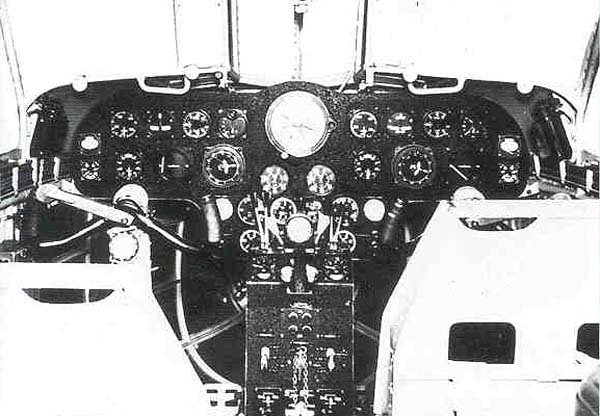
Naval aviators did not like the Ca.314. The performance characteristics of loaded aircraft (with fuel, bombs, or torpedoes) were deemed unsatisfactory. A technical commission, addressing this issue, proposed lightening the aircraft by dismantling lower gun positions and pilot cockpit armor. This method only managed to save 250 kg.
Almost all of the 407 latest “Caproni” aircraft were sent to frontline aviation units, where they were utilized with maximum effectiveness. The 30th Assault Group in North Africa and the 20th and 21st Army Support Regiments operated the Ca.314. Two auxiliary groups of “three hundred fourteenths”—the 64th and 76th—were located in the south of occupied France, in Irres, Luc, and Cur-Pierrefonds. The Italians employed the Ca.314 on all fronts except the Eastern Front.
Several “three hundred fourteenths” served in torpedo and bombing training units, as well as in NAI for training crews of heavy night fighters like the “Dornier” Do 217 J-2. A Ca.314 interceptor, equipped with a powerful searchlight in the nose, participated in night target search exercises. These exercises utilized ground radars and a network of guidance posts that, by autumn 1943, covered the entire northern Apennine Peninsula.
Post-Armistice Use and Legacy
On September 8, 1943, when Italy, free from the “Duce,” withdrew from the war, the country’s air force comprised 148 Ca.314s and 53 Ca.313s. Forty of these were in assault regiments. Many “Capronis” were destroyed during the armistice. However, about ten Ca.313s and Ca.314s from the 103rd Support Squadron, along with four of six survivors, remained in service. The war with the Soviet Union also did not bring planned successes, and the Italians themselves had little joy fighting, neither in hot Africa nor in cold Russia.
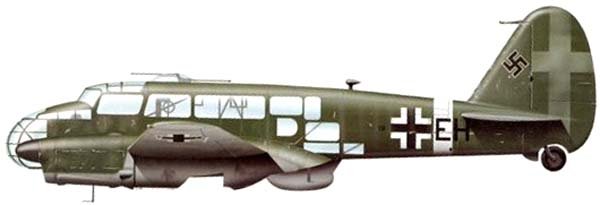
The activity of the Ca.314 was limited to flights over Italy, where the remaining aircraft awaited the armistice in mid-1943. Most of the bombers, however, remained in German hands in the north of the country. The Luftwaffe did not risk using them for their primary purpose, instead transferring the Ca.314s to training units. It was only in December 1943 that the Germans remembered that the Ca.314 could be used as an assault aircraft. At that point, their assault formations were so battered that practically any suitable equipment was pressed into service.
Until the arrival of new German attack aircraft, a temporary two-squadron group, NSGr.9, was formed from Italian aircraft. The first squadron comprised Ca.314s with ten crews from NSGr.3, while the second was equipped with Fiat CR.42 fighters adapted for assault strikes. Until spring 1944, the Germans were based at an airfield near Turin and flew Italian aircraft until the group was re-equipped with Ju-87D-3s in April. Apparently, the last Ca.314s again went to training and transport squadrons, where they remained until the very end of the war.
Technical Specifications
| Modification | Са.314A |
| Wingspan, m | 16.65 |
| Length, m | 11.80 |
| Height, m | 3.70 |
| Wing area, m2 | 39.20 |
| Empty weight | 4560 |
| Normal takeoff weight | 6620 |
| Engine type | 2 Piston engines Isotta-Fraschini Delta RC.35 |
| Power, hp | 2 x 730 |
| Maximum speed, km/h | 395 |
| Cruising speed, km/h | 325 |
| Practical range, km | 1690 |
| Practical ceiling, m | 6400 |
| Crew | 3 |
| Armament | three 12.7-mm machine guns and one 7.7-mm machine gun, up to 385 kg of bombs |
Image and diagram gallery of the Caproni Ca.314
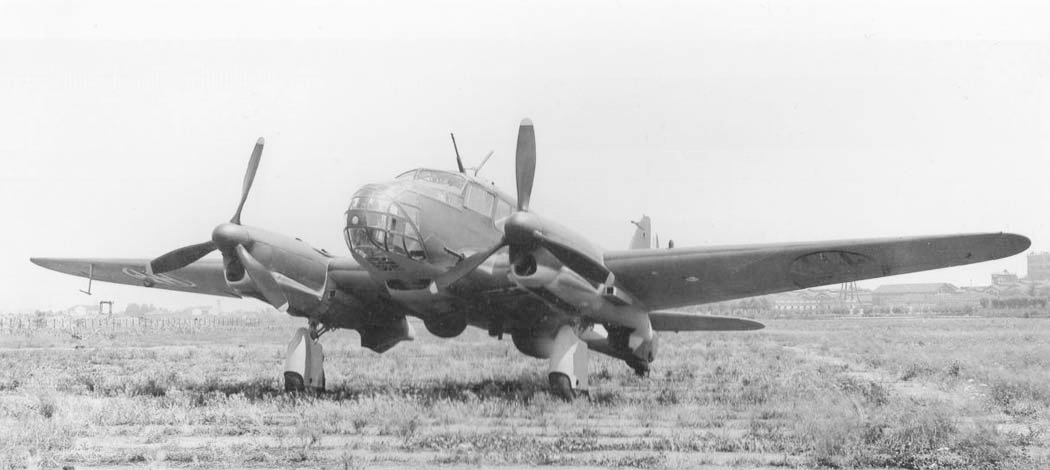 Ca.314 |
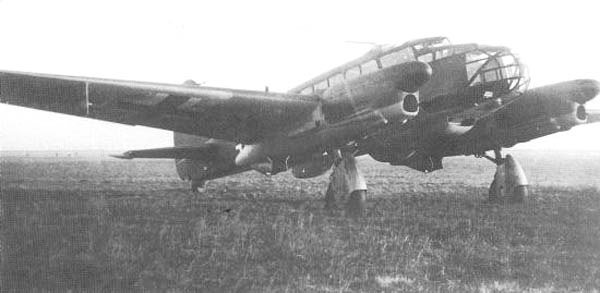 Ca.314 |
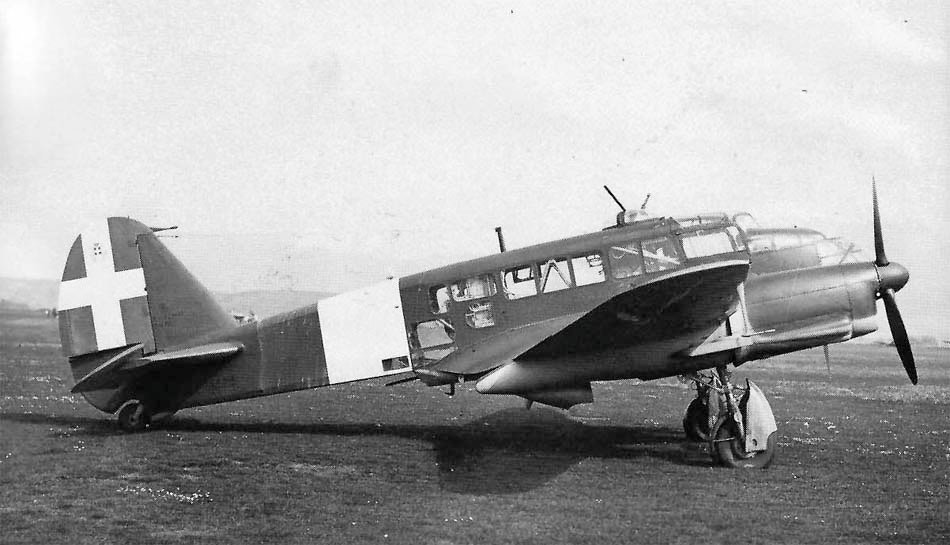 Ca.314 |
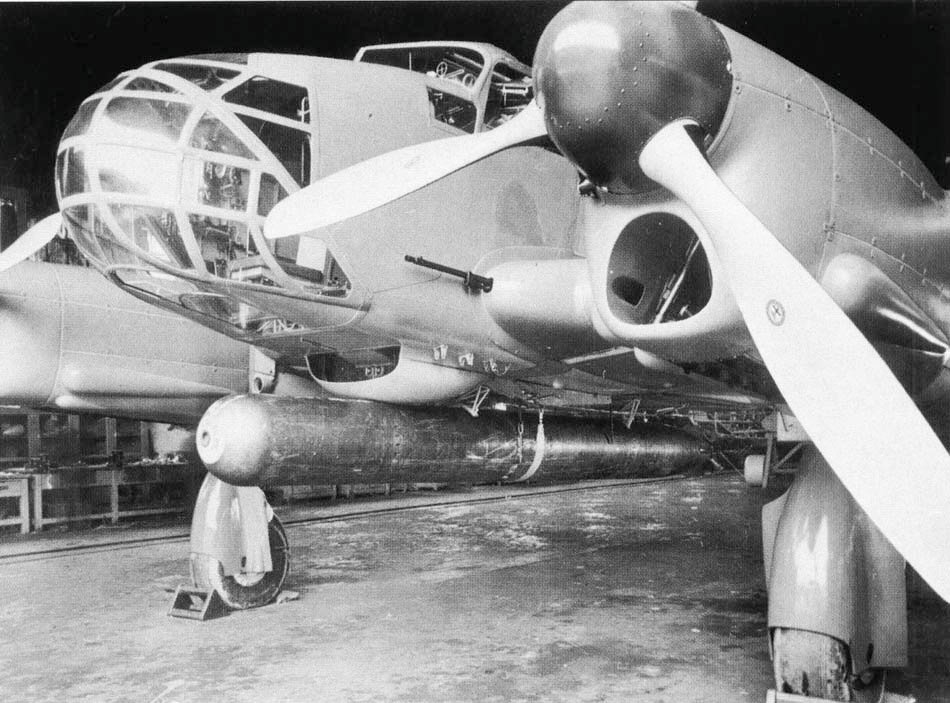 Ca.314 |
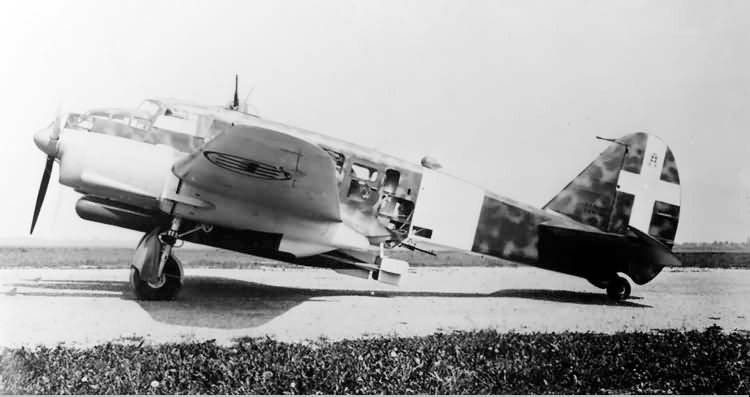 Ca.314 |
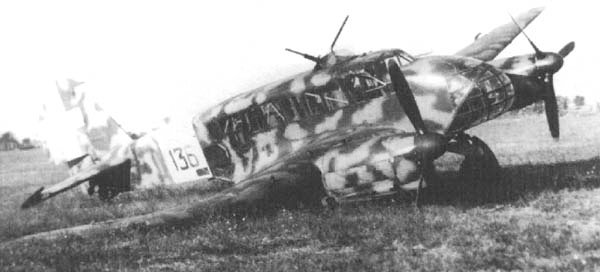 Ca.314 |
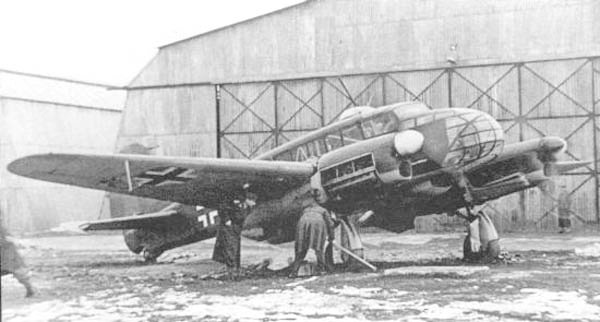 Ca.314 |
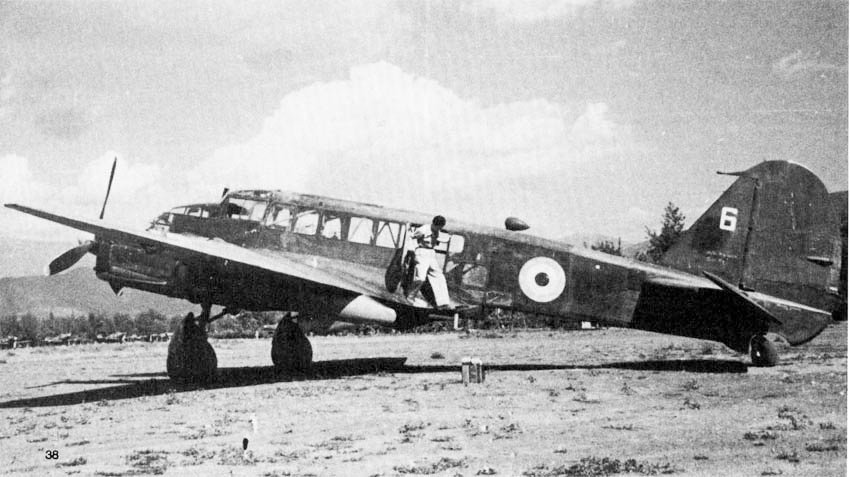 Ca.314 |
 Ca.314 |
 Ca.314 |
 Ca.314 |
 Ca.314 |
 Ca.314 |
 Ca.314 |
 Ca.314 |
 Ca.314 |