
In 1917, the Technical Department of the Ministry of Military Aviation published requirements for a light, high-speed bomber-reconnaissance aircraft. This aircraft was to be powered by a Fiat A.14 engine, capable of carrying a 400-kilogram bomb load, and able to reach a minimum speed of 200 km/h.
That same year, in response to these specifications, the light bomber Ca.53 was built, designed by Giovanni Caproni. It featured a two-seat triplane configuration of mixed construction, equipped with a 450 hp Tosi V-12 engine.
Design and Armament
Armament consisted of a forward 7.7mm machine gun mounted above the cockpit and another identical one on a turret in the lower fuselage. The bomb load was housed in an internal bomb bay.
Challenges and Project Abandonment
However, the Tosi V-12 engine chosen for the bomber proved to be somewhat heavier than the specified Fiat A.14. Consequently, the Ca.53 was unable to achieve the required flight characteristics.
The Caproni company lacked both the time and the production capacity needed to fully develop the project. Thus, the Ca.53 project was abandoned. The single prototype built was later transferred to the Caproni Museum, where it is preserved today.
Technical Specifications
| Modification | Ca.53 |
| Wingspan, m | 14.30 |
| Length, m | 9.23 |
| Height, m | 3.86 |
| Wing area, m2 | 65.00 |
| Empty weight | 1600 |
| Normal takeoff weight | 2400 |
| Engine type | 1 Piston engine Tosi V-12 |
| Power, hp | 1 x 450 |
| Maximum speed, km/h | 180 |
| Cruising speed, km/h | 165 |
| Crew | 2 crew |
| Armament | two 7.7-mm machine guns, bomb load – 400 kg |
Image and diagram gallery of the Ca.53
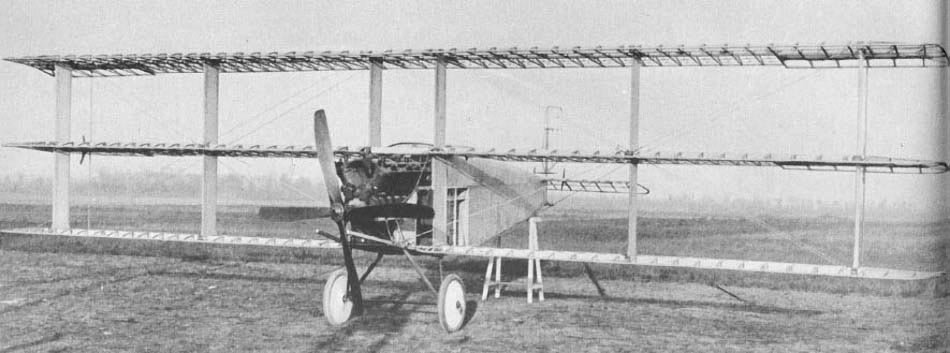 Ca.53 |
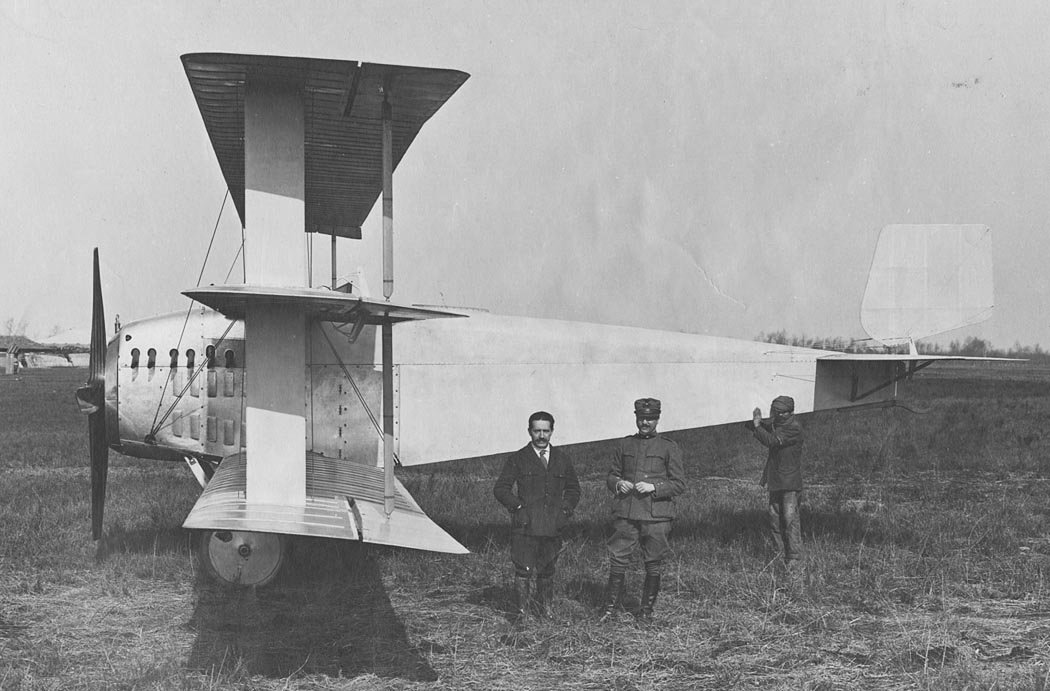 Ca.53 |
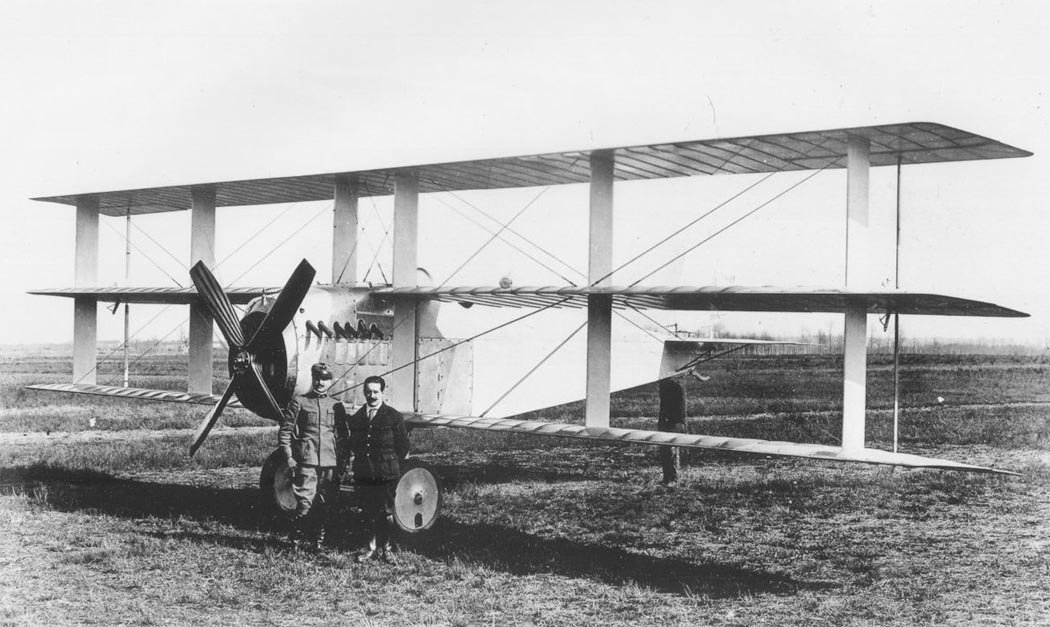 Ca.53 |
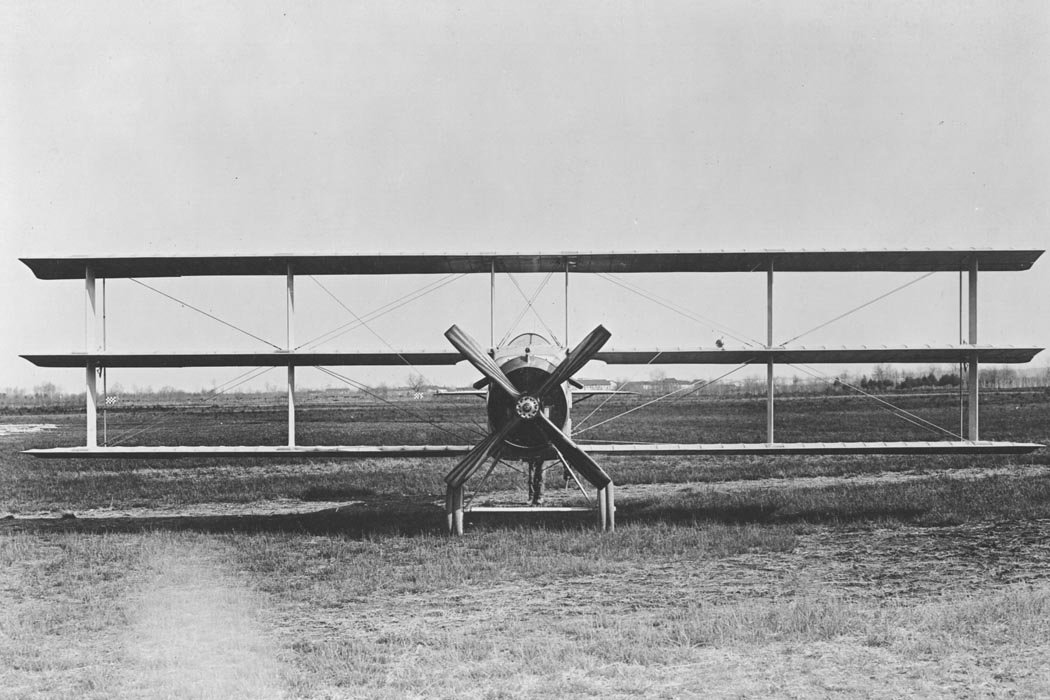 Ca.53 |
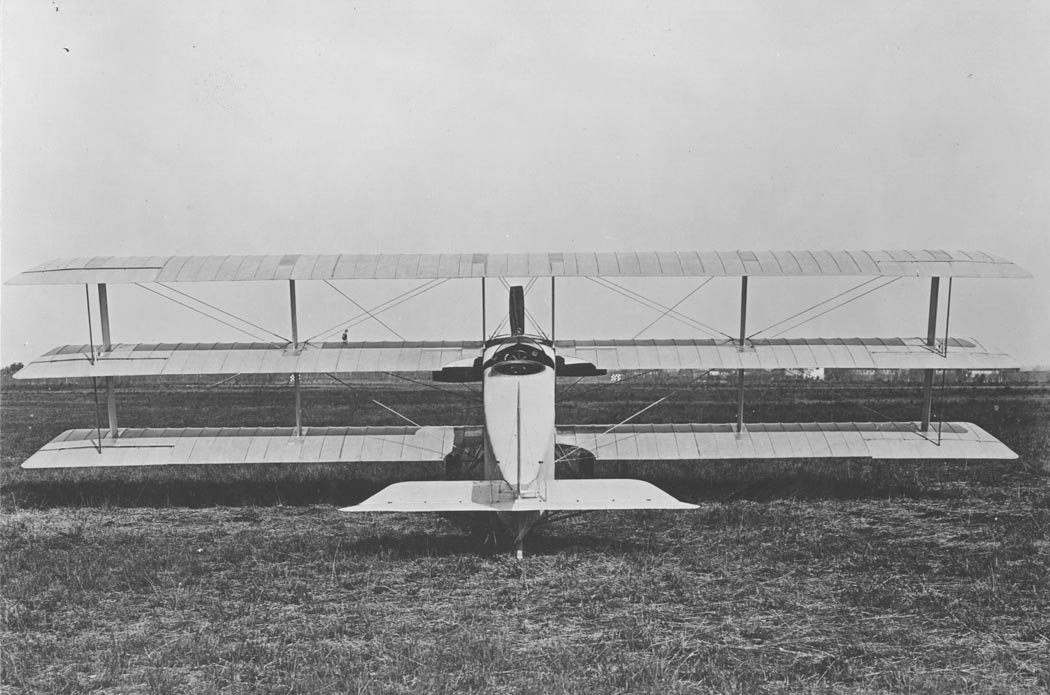 Ca.53 |
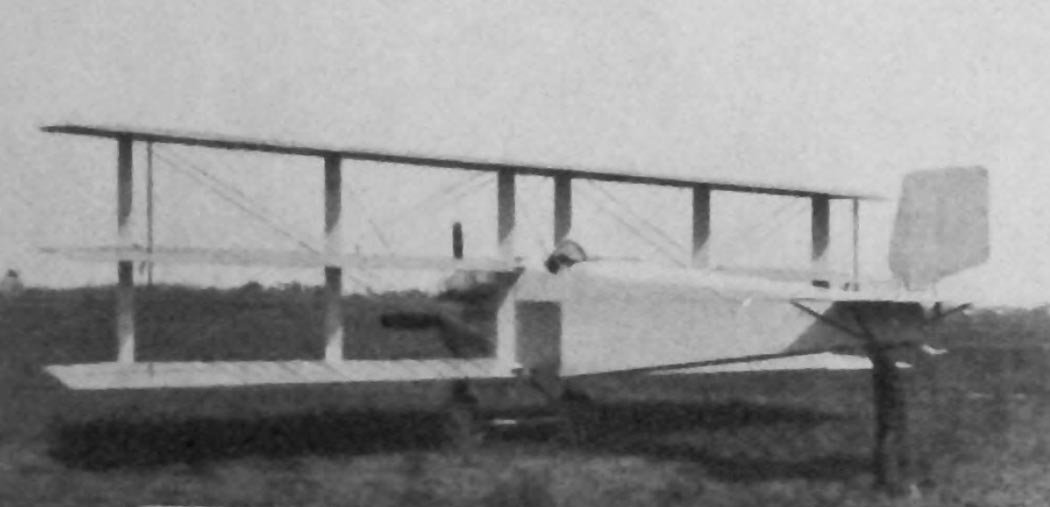 Ca.53 |