
Origins and Vision
British aviation engineers George Saynor and Robert Bell arrived in Canada from England in 1928 to work for Canadian Vickers. However, by 1930, they were laid off. Instead of returning to the United Kingdom, they chose to remain in Canada with the goal of developing a simple and reliable light aircraft, specifically for novice pilots.
Design and First Flight
By the end of 1930, the prototype of the machine, designated the Saynor-Bell Canadian Cub, was completed. The aircraft’s first flight (CF-APS) took place on December 4, 1930. It was a single-seat, high-wing monoplane of the “parasol” type, equipped with an air-cooled flat-twin ABC Scorpion II engine producing 34 hp (25 kW) with a two-bladed propeller.
Operational History and Demise
Throughout 1931, the Canadian Cub completed several successful flights, despite the engine’s power proving to be insufficient. Tragically, on October 11, the aircraft crashed due to an engine failure during a flight, though the pilot was unharmed. Ultimately, the decision was made not to rebuild the aircraft.
Technical Specifications
| Modification | Canadian Cub |
| Wingspan, m | 7.62 |
| Aircraft length, m | 5.49 |
| Aircraft height, m | 1.87 |
| Wing area, m2 | 9.13 |
| Empty weight | 232 |
| Maximum takeoff weight | 340 |
| Fuel, l | 34 |
| Engine type | 1 Piston engine ABC Scorpion II |
| Power, hp | 1 x 34 |
| Maximum speed, km/h | 160 |
| Cruising speed, km/h | 130 |
| Practical range, km | 510 |
| Rate of climb, m/min | 150 |
| Service ceiling, m | 3000 |
| Crew, crew | 1 |
Image and diagram gallery of the Saynor-Bell Canadian Cub
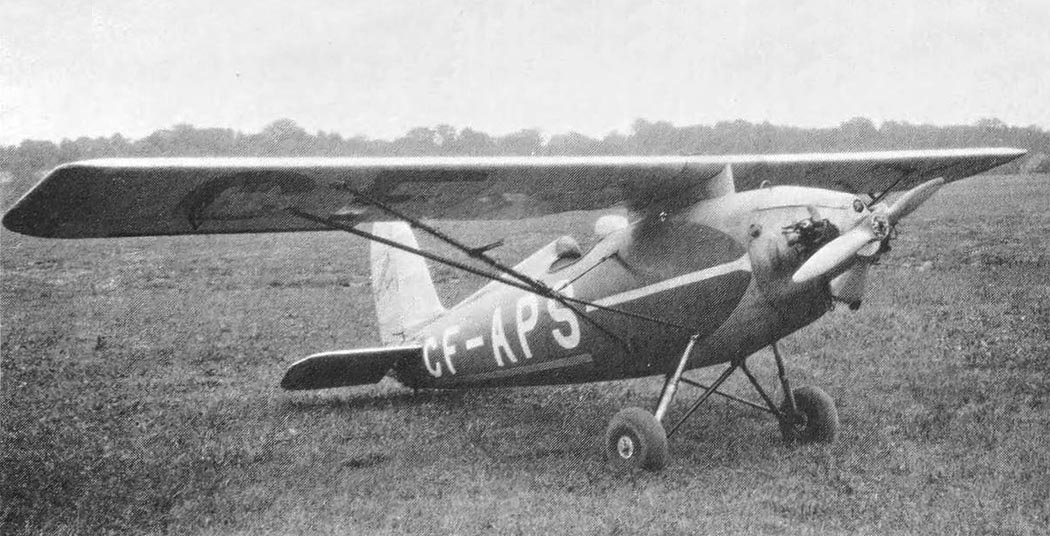 Canadian Cub |
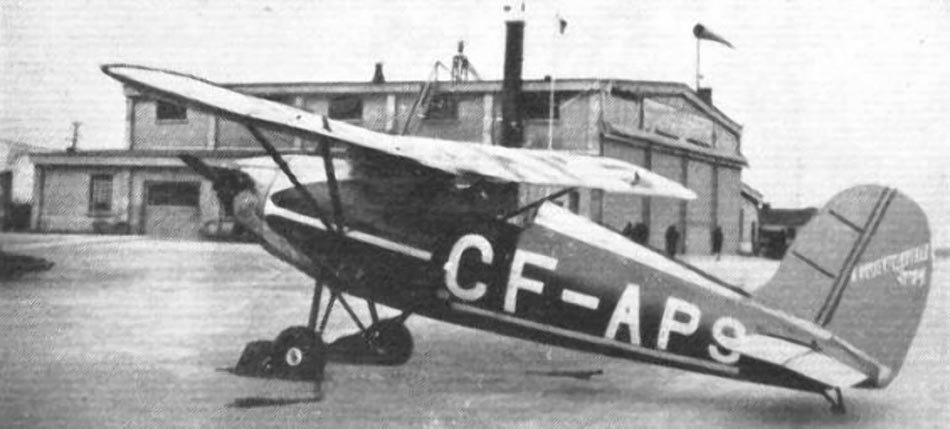 Canadian Cub |
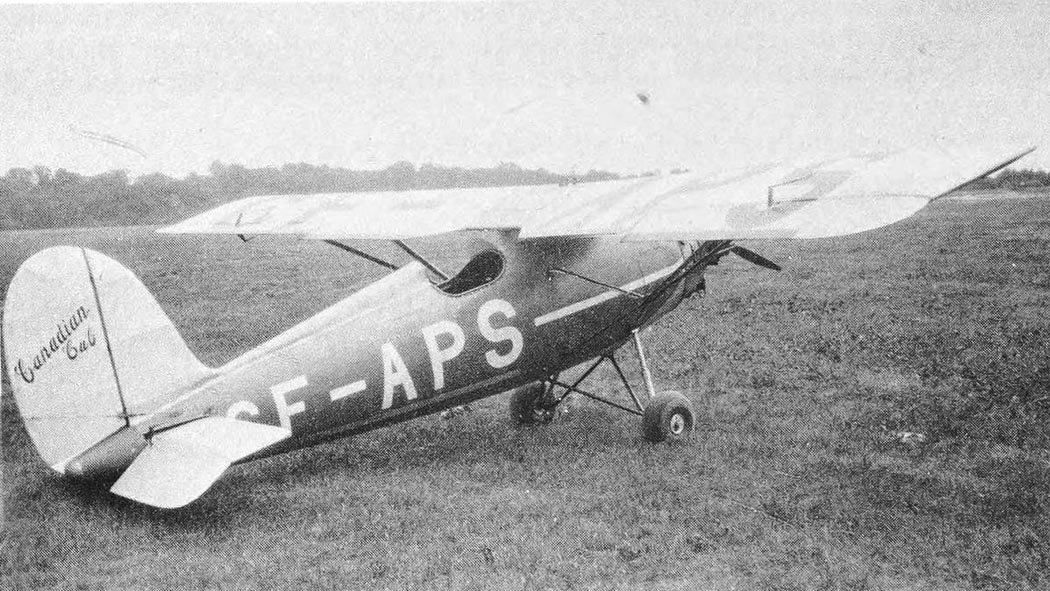 Canadian Cub |