
The CAMS 110 patrol flying boat was built in early 1934, although the project had been completed in the early 1930s. The sole example, equipped with two 860 hp Hispano-Suiza 12Ydrs engines, made its maiden flight in July 1934.
Initial Performance and Challenges
During testing, the flying boat displayed flight characteristics that surpassed virtually all metrics of previously built CAMS aircraft. However, by the mid-1930s, this was deemed insufficient by the military, and the project was ultimately closed.
The Fate of CAMS and Potez
The seaplane’s fate was also influenced by the fact that CAMS was no longer an independent company but merely a subsidiary within the Potez company, which was successfully promoting its own projects.
Technical Specifications
| Modification | CAMS 110 |
| Wingspan, m | 22.50 |
| Length, m | 16.30 |
| Height, m | 6.00 |
| Wing area, m2 | 115.05 |
| Empty weight | 5520 |
| Maximum takeoff weight | 9250 |
| Engine type | 2 Piston engine Hispano-Suiza 12 Ydrs |
| Power, hp | 2 x 860 |
| Maximum speed, km/h | 240 |
| Cruising speed, km/h | 210 |
| Practical range, km | 2700 |
| Service ceiling, m | 6500 |
| Crew | 6 |
Image and diagram gallery of the CAMS 110
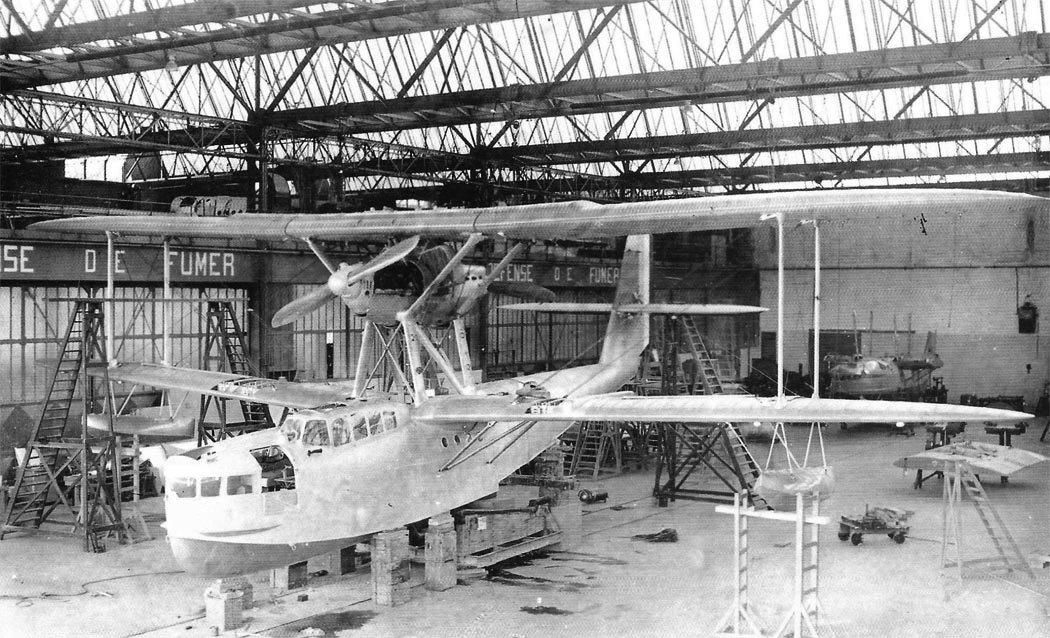 CAMS 110 |
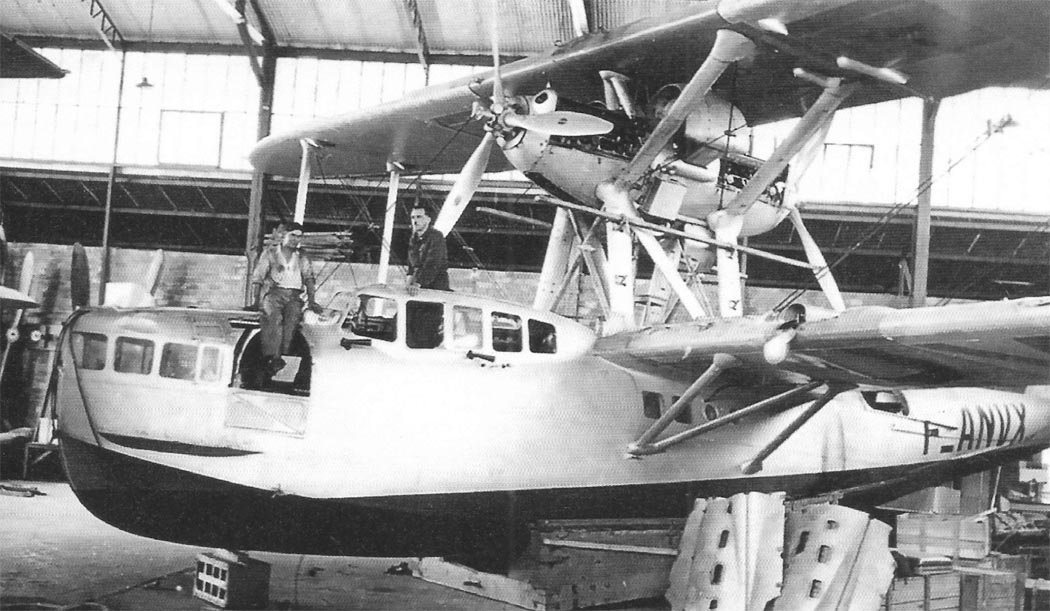 CAMS 110 |
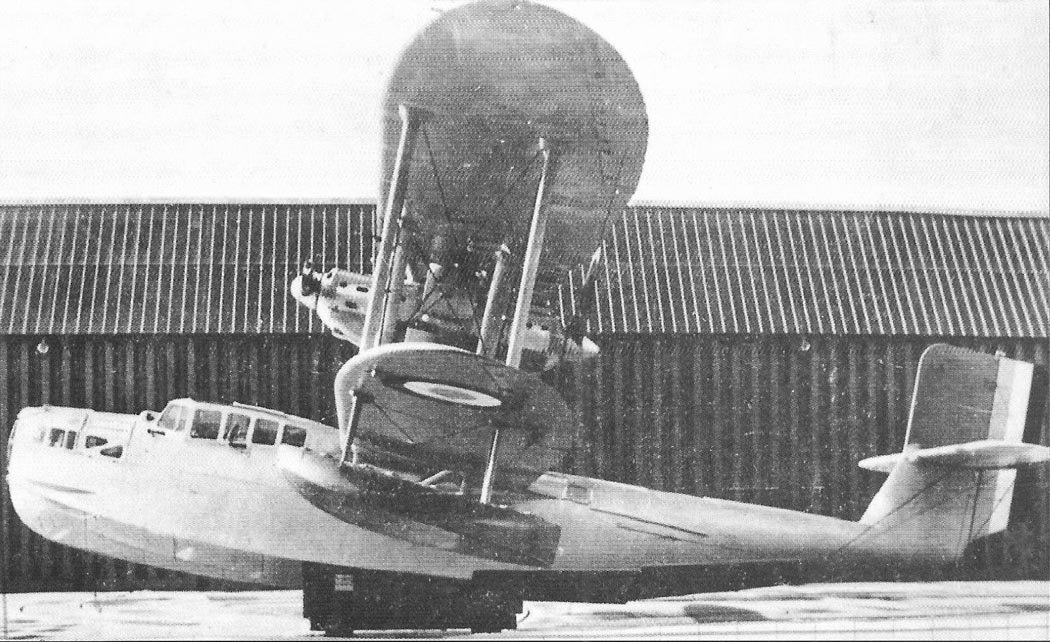 CAMS 110 |
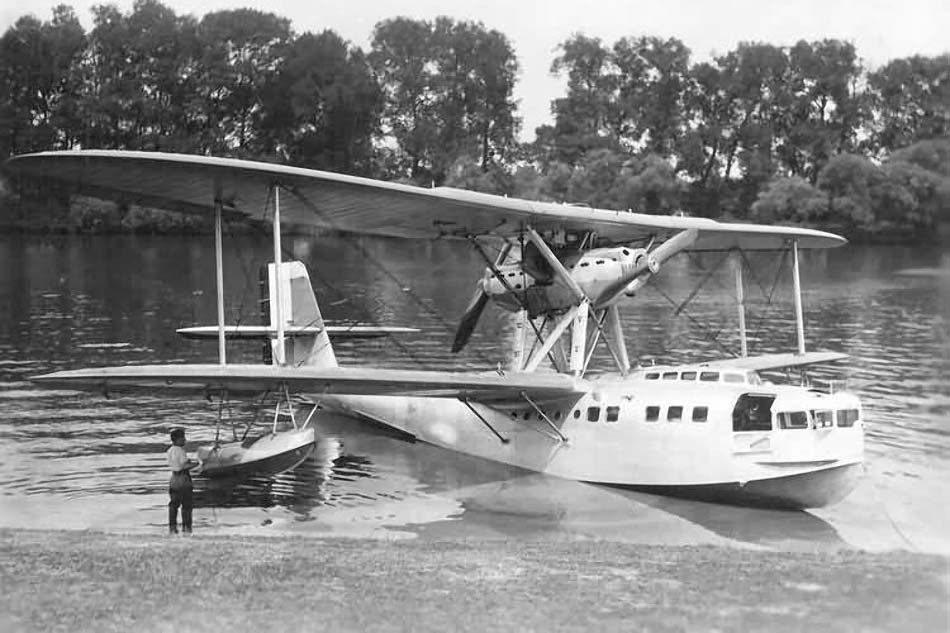 CAMS 110 |
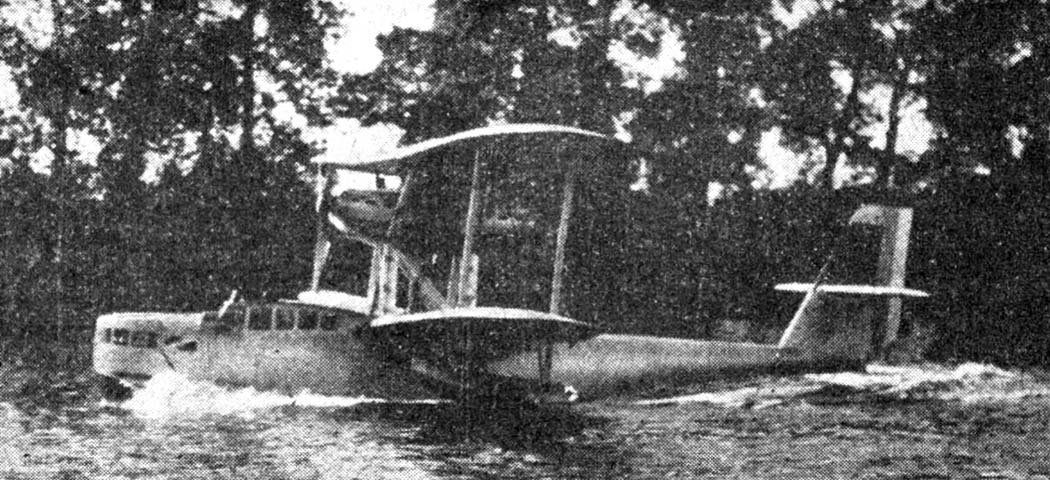 CAMS 110 |
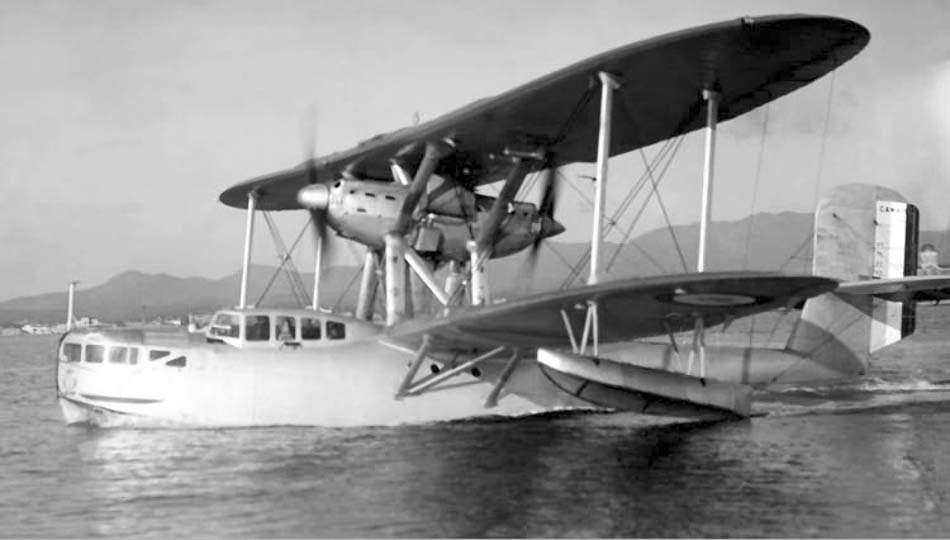 CAMS 110 |
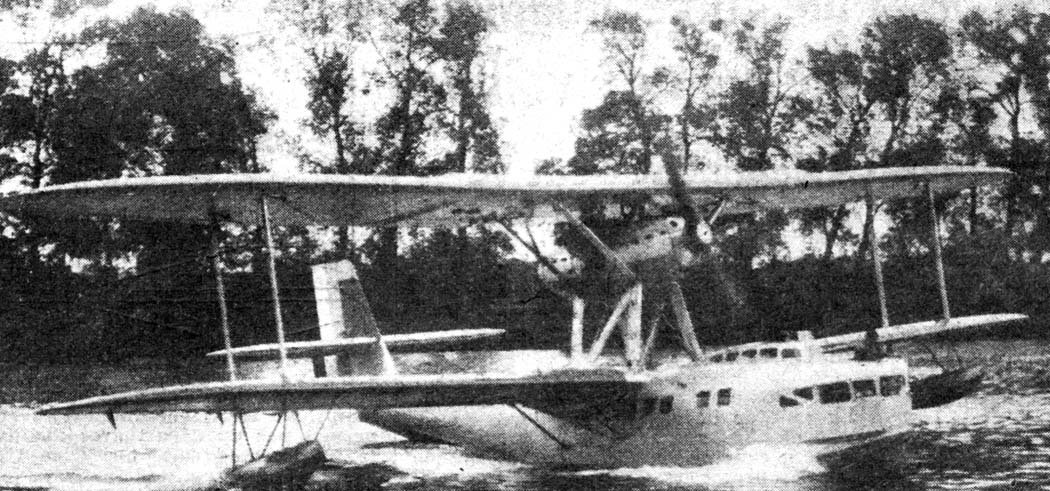 CAMS 110 |
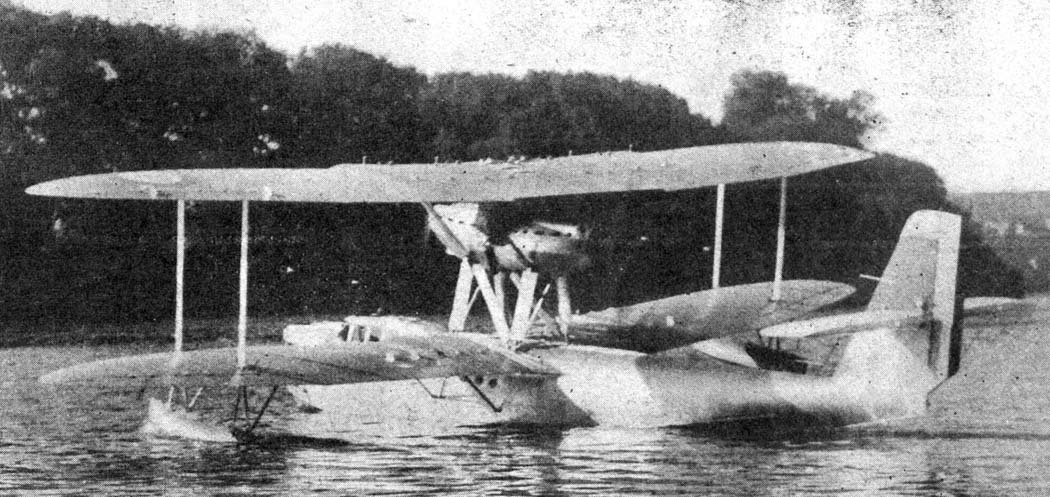 CAMS 110 |
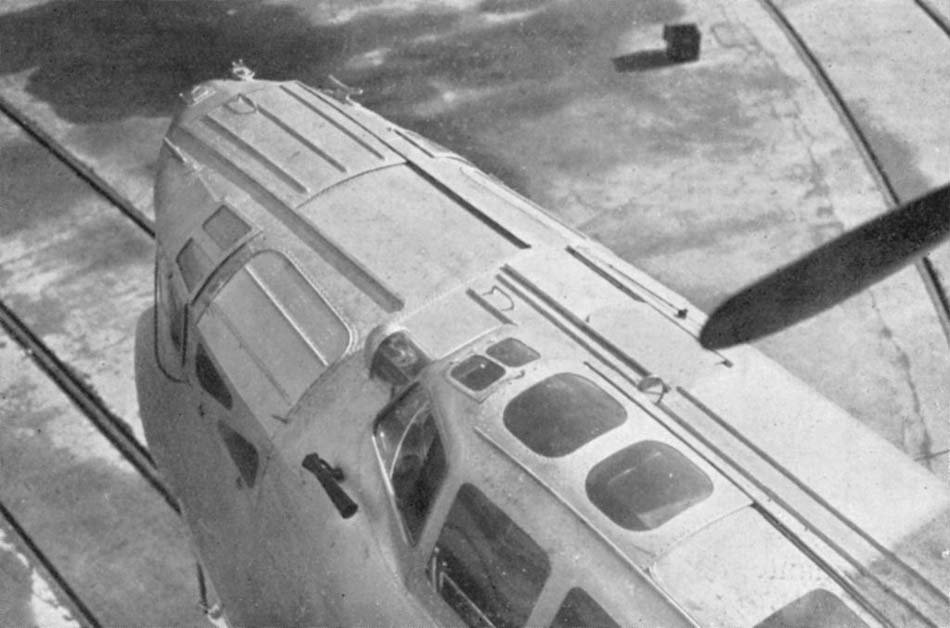 CAMS 110 |
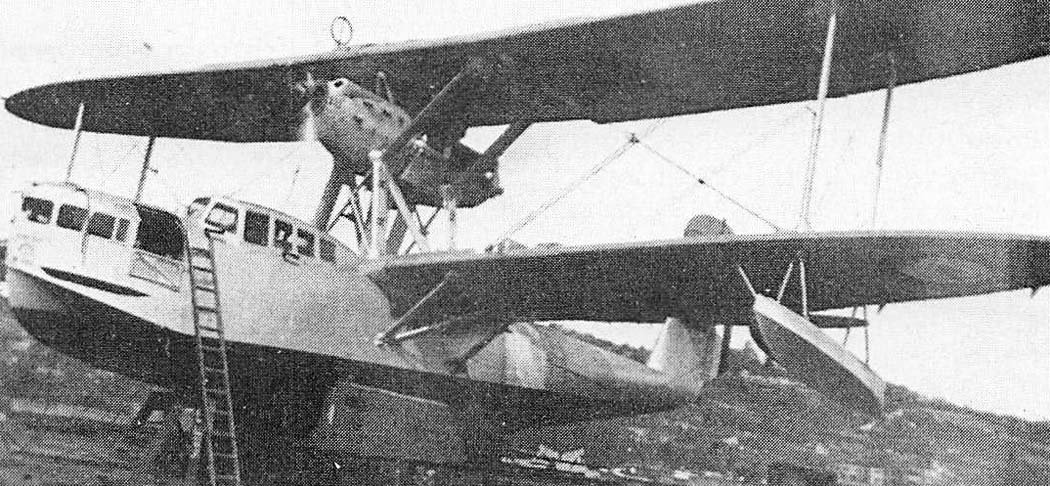 CAMS 110 |
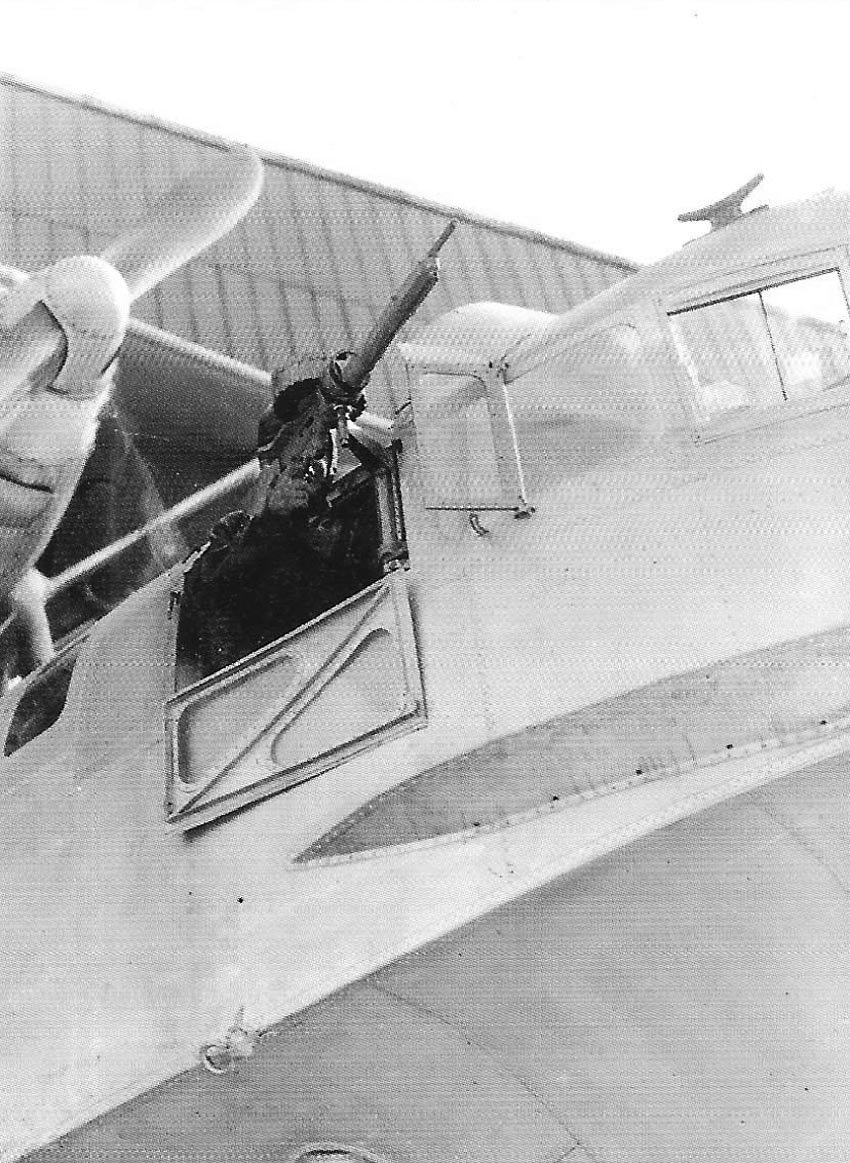 CAMS 110 |
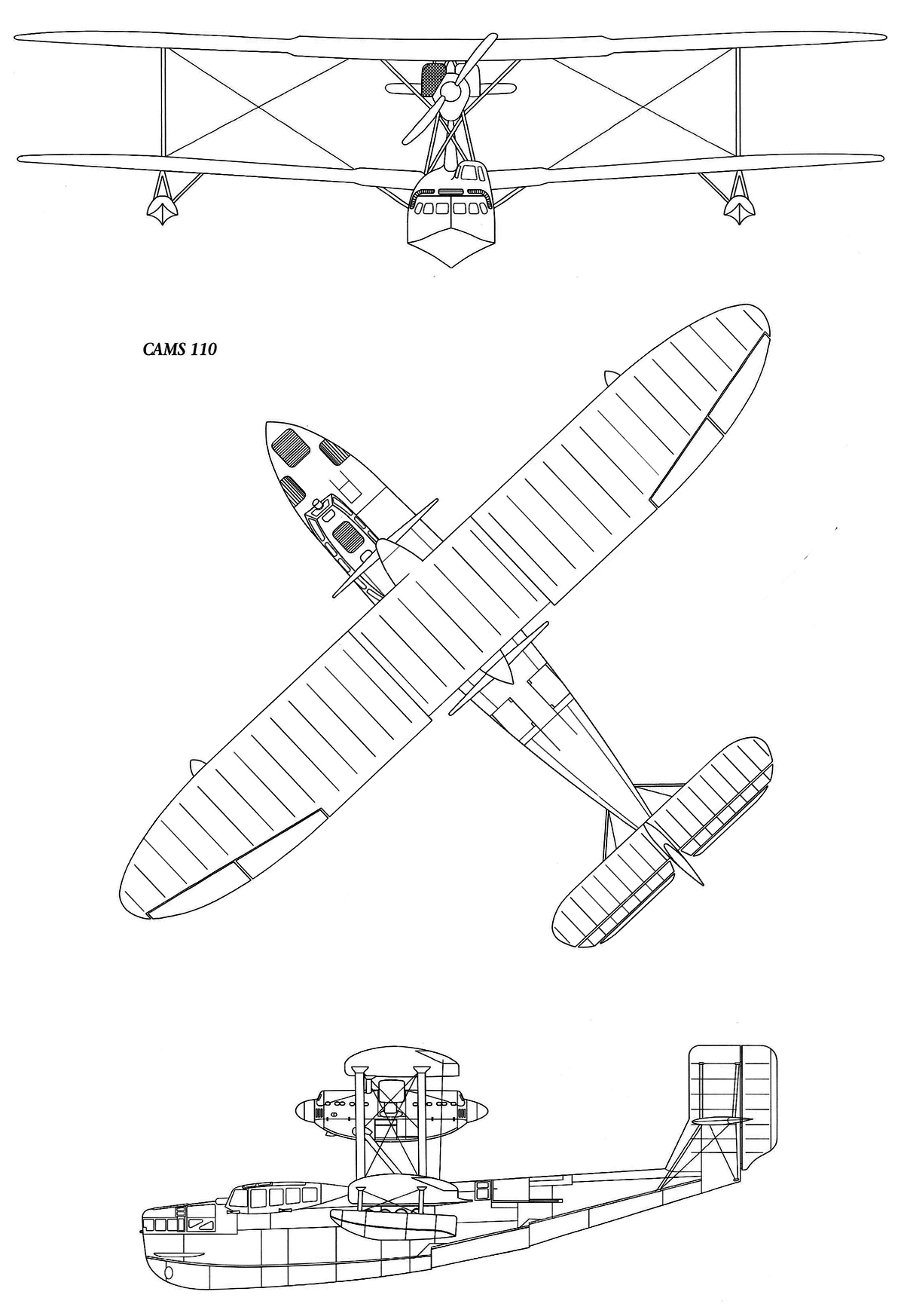 CAMS 110 |
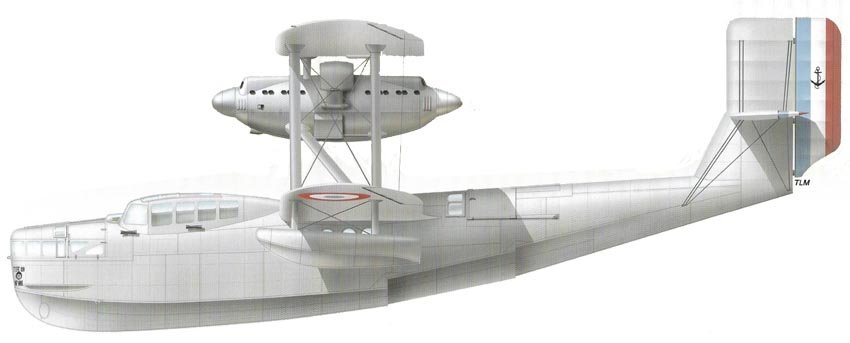 CAMS 110 |
How to cite this article:
APA: CAMS 110 (). CAMS 110. wp.archivoaereo.com. https://wp.archivoaereo.com/en/cams-110-3/
VANCOUVER: CAMS 110 [online]. wp.archivoaereo.com; [cited 2026-07-18]. Available at: https://wp.archivoaereo.com/en/cams-110-3/