
The C-87 Liberator Express was a transport version of the B-24D bomber. The first transport Liberator was created by converting a B-24D bomber, serial number 42-40355, which had been damaged in early 1942 during a desert landing in Arizona.
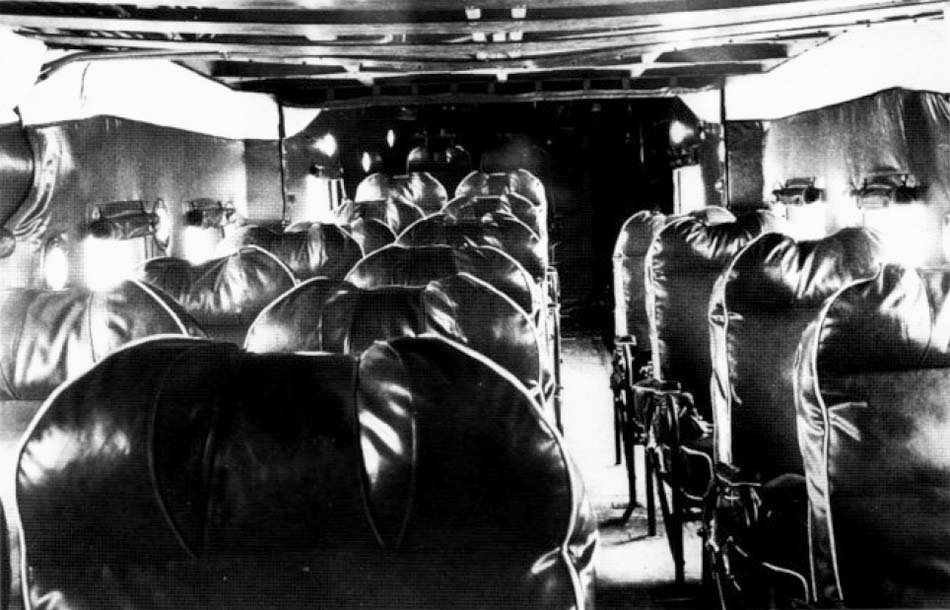
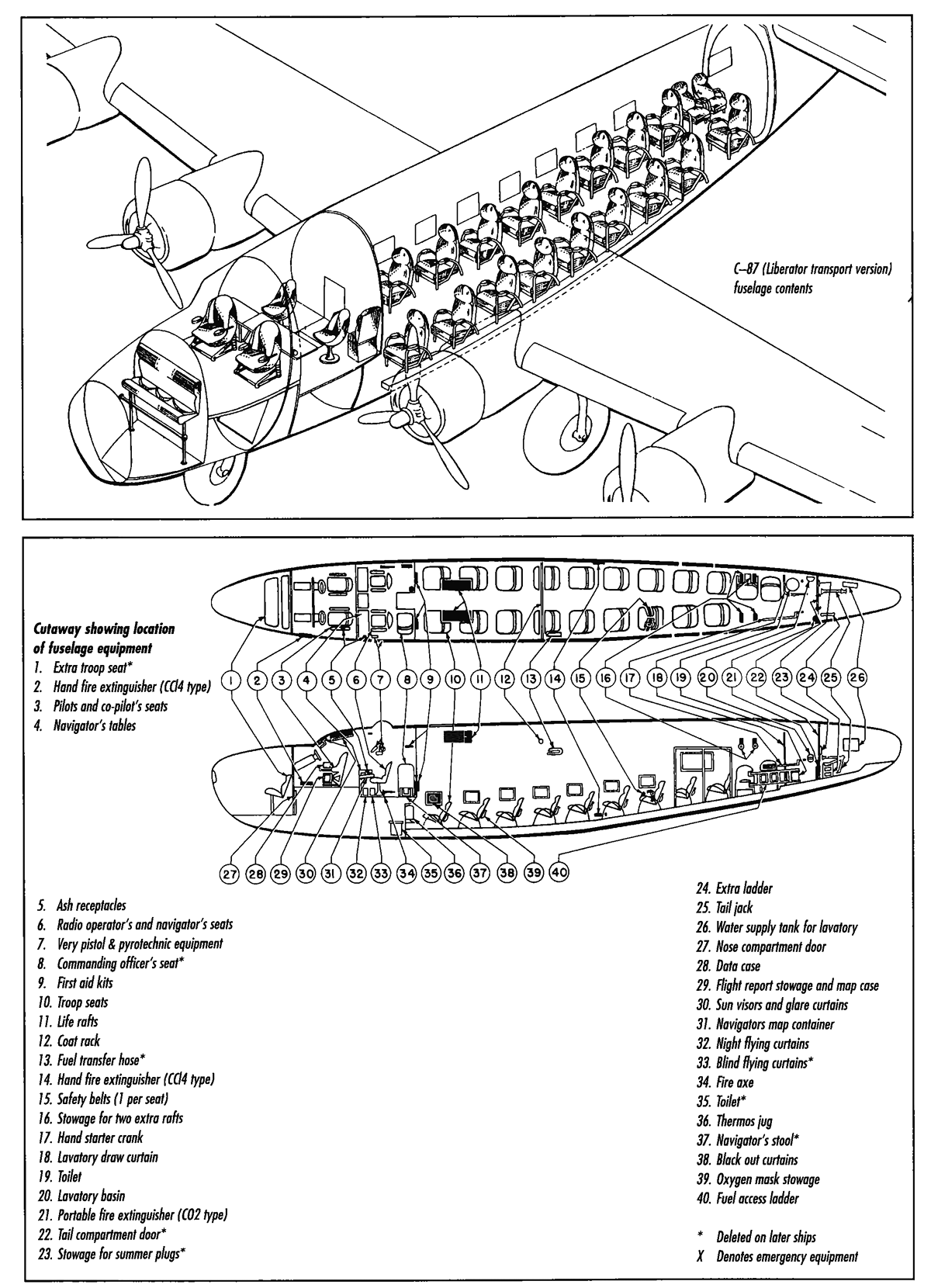
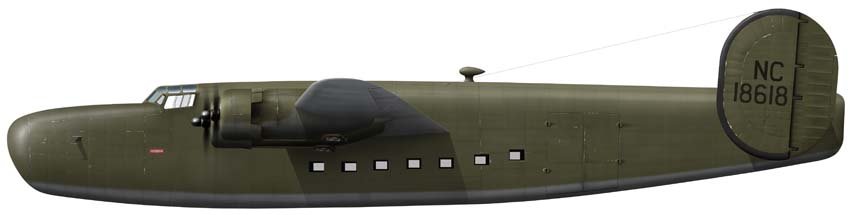
All defensive armament and bombing equipment were removed. The glazed bombardier’s nose section was replaced with a thin-sheet metal nose, hinged to open to the right. A floor was installed in the bomb bay and tail section, and rectangular windows were added along the fuselage sides, accommodating 25 passengers.
A large 6×6 foot door was fitted on the left side of the fuselage. The navigator’s compartment was moved to the aft part of the crew cabin. An astro-dome was mounted in place of the dorsal turret, and the tail turret was removed and replaced with a metal fairing. The crew typically consisted of four individuals: pilot, co-pilot, navigator, and radio operator.
Development and Production
The prototype flew to Bolling Field in Washington for evaluation trials. The Army was pleased with the aircraft and ordered it into production under the designation C-87 Liberator Express. All C-87s were assembled at the Consolidated factory in Fort Worth and delivered between September 2, 1942, and August 10, 1944.
The first 73 C-87s were converted from remaining B-24Ds at Fort Worth. A total of 287 C-87s were manufactured. While C-87s were not assigned individual series numbers, there were six different versions of the C-87, each differing slightly from one another.
World War II Service
Most C-87s were assigned to the Air Transport Command (ATC). Following the Japanese occupation of Burma in April 1942, the supply route for Allied forces in China through Burma was closed. The only way to continue supplying troops from India was via an air route over the Himalayas, which became known as “The Hump.”
On September 12, 1943, the Air Transport Command established a new technological route to China over the Himalayan mountains. This route began at Patterson Field, Ohio, and ended in China, covering 28,000 miles round trip and taking twelve days. C-87s from the ATC were of great importance on this route, where, on average, for every thousand tons of cargo delivered to China, the USAAF lost three aircraft crew members, costing the lives of over a thousand USAAF personnel.
Alongside the ATC, four commercial airlines used Liberators under contract: Consairways, American Airlines, United Air Lines, and T&WA. Consairways was organized as a separate branch of Consolidated Aircraft. Its initial purpose was to ferry aircraft crews back to the US from the Pacific, but it later also transported various cargo from the US to the Pacific Theater. Aircraft were also used in the Pacific by the USO (United Service Organizations).
In January 1943, ATC and American Airlines contracted the use of C-87s on North and South Atlantic routes. These aircraft carried military insignia, USAAF markings, and serial numbers but were operated by civilian crews. American Airlines later flew on “The Hump” route.
One of the most famous C-87 flights by American Airlines was the 31,000-mile journey aboard C-87 #41-11608 “Gulliver” “One World Ambassador” with Wendell Wilkie, Franklin D. Roosevelt’s envoy. The 51-day flight traversed through Cairo, Palestine, Baghdad, Tehran, Moscow, and China, returning to the US via the Pacific. American Airlines’ C-87s were eventually replaced by the more modern C-54 Skymaster (Douglas DC-4).
ATC contracted United Airlines for flights related to transporting servicemen on leave to and from Australia and New Zealand. During the war, Transcontinental & Western Airlines (T&WA) (later Trans World Airlines or TWA) used Liberators to support the USAAF Ferry Command. In late 1942, three C-87s were assigned to T&WA’s new Intercontinental Division for a US-Middle East air route.
Variants and Legacy
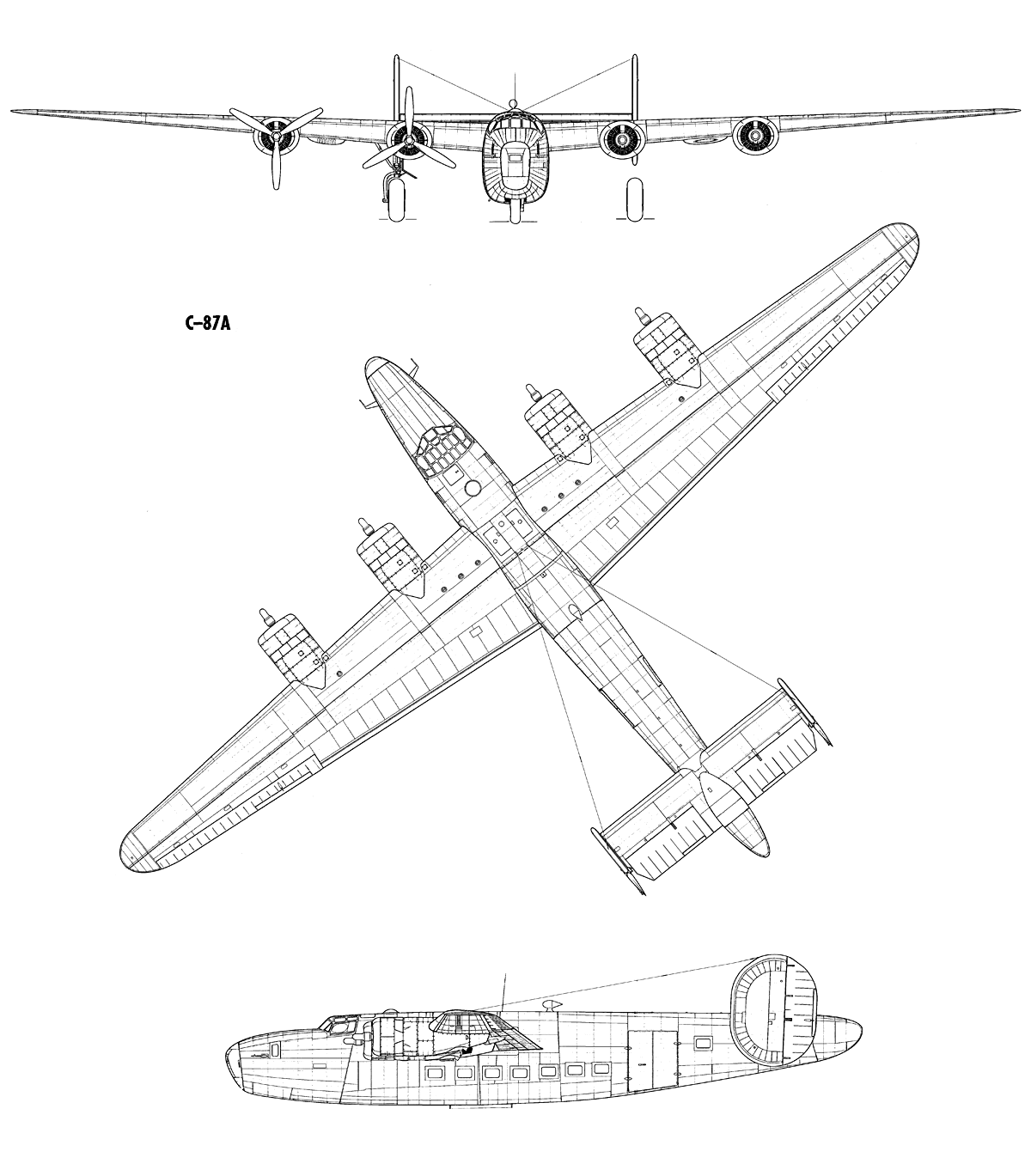
The C-87A was a VIP version of the C-87, offering significantly more passenger comfort and featuring only 16 seats, or five Pullman-style sleeping berths. The window arrangement differed due to the varied passenger layout. The first three C-87As were named Gulliver I, Gulliver II, and Gulliver III. A total of six aircraft were built: three for the USAAF and three for US Navy aviation. C-87A #41-24159 later became President Franklin Roosevelt’s first “Air Force One,” renamed “Guess Where II.”
Three C-87As were transferred to Navy aviation under the designation RY-1 (serial numbers 67797-67799). Five C-87s were transferred to the US Navy under the designation RY-2 (serial numbers 39013-39017). Additionally, five C-87s were converted into AT-22 flight engineer training aircraft, each with six student positions for flight engineers training on B-24 and B-32 bombers. These aircraft were re-designated TB-24D in 1944.
24 USAAF C-87s were transferred to RAF Transport Command under the Lend-Lease agreement as Liberator C.VII (RAF serial numbers EW611-EW634). Some USAAF serials are known for 15 of these machines. They were used by 232, 246, and 511 Sqdn. RAF from 1944 until the end of the war, with some remaining in RAF service until 1946. EW611 (USAAF #44-39219) later became G-AKAG.
The C-87 was not popular among crews, who complained about unsatisfactory performance from the fuel system and engines, as well as cockpit equipment. Fuel leaks from tanks and in-flight fires were not uncommon on the C-87. It also had some dangerous tendencies in icing conditions, which were inevitable during flights over the Himalayas. Consequently, C-87s were withdrawn from service and replaced by the more reliable Douglas C-54 Skymasters.
It could carry up to 25 people. For ranges of 1000 miles or less, the average cargo capacity was 4535 kg. On transoceanic routes, the cargo capacity was 2722 kg.
Technical Specifications
| Modification | C-87A |
| Wingspan, m | 33.53 |
| Length, m | 20.21 |
| Height, m | 5.45 |
| Wing area, m2 | 97.36 |
| Empty weight | 13900 |
| Normal takeoff weight | 25401 |
| Engine type | 4 Piston engines Pratt Whitney R-1830-43 Twin Wasp with supercharger |
| Power, hp | 4 x 1200 |
| Maximum speed, km/h | 483 |
| Cruising speed, km/h | 346 |
| Ferry range, km | 5311 |
| Practical range, km | 2253 |
| Service ceiling, m | 8534 |
| Crew | 4 |
| Payload | up to 25 passengers. For ranges of 1000 miles or less, the average cargo capacity is 4535 kg. On transoceanic routes, the cargo capacity is 2722 kg. |
Image and diagram gallery of the C-87 Liberator Express
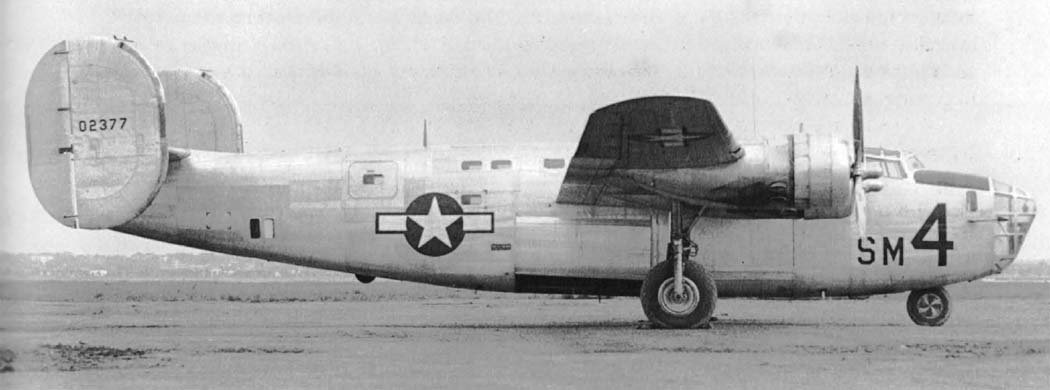 C-87 Liberator Express |
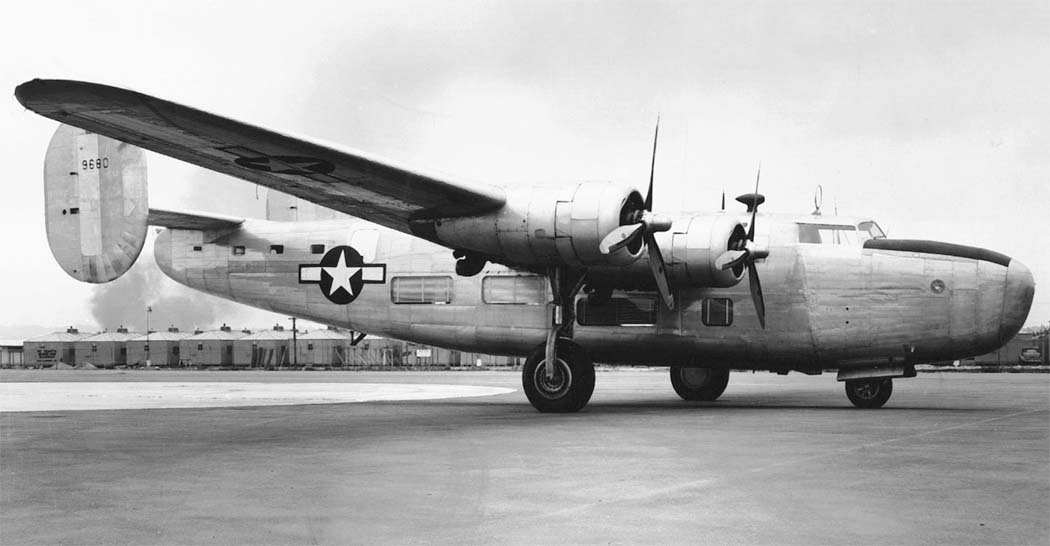 C-87 Liberator Express |
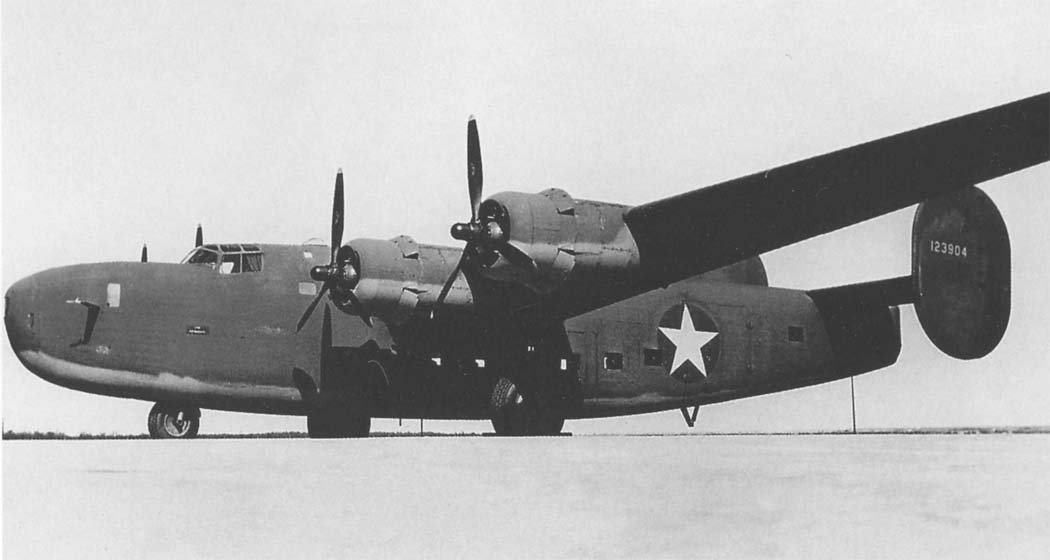 C-87 Liberator Express |
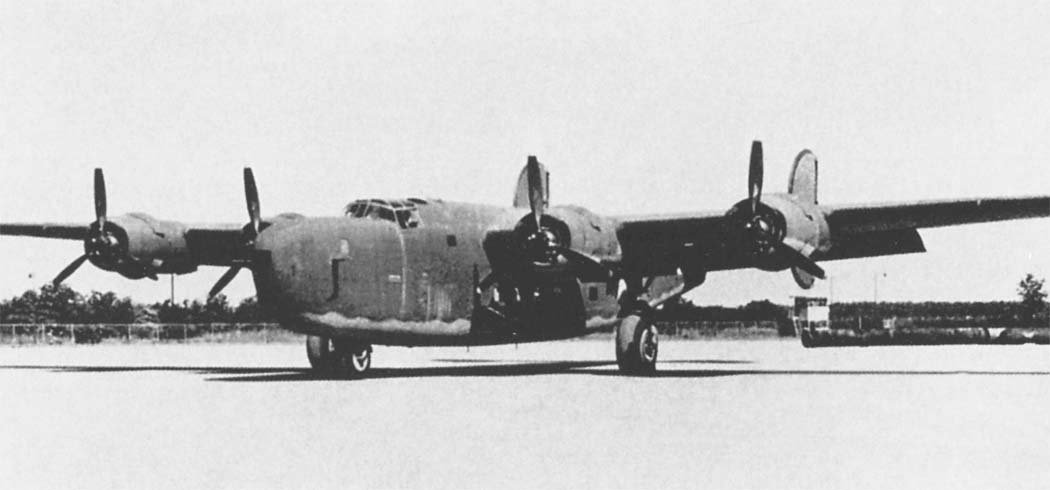 C-87 Liberator Express |
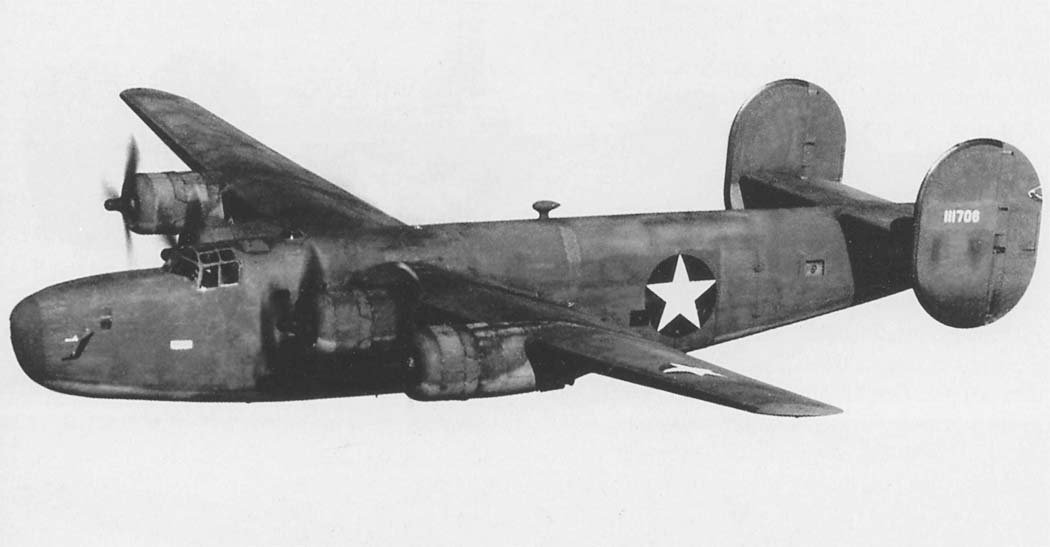 C-87 Liberator Express |
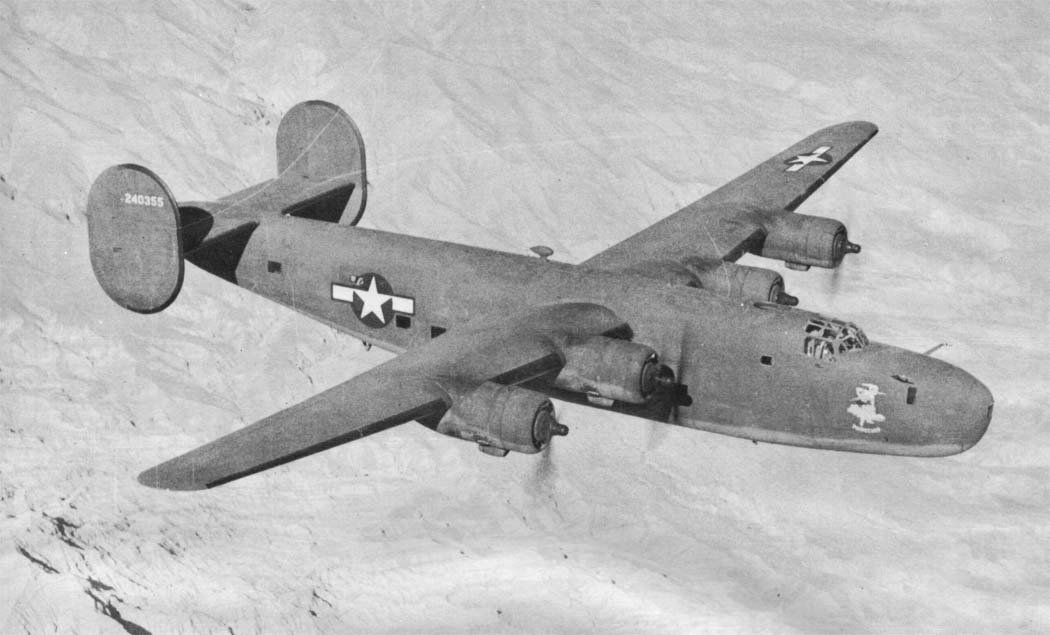 C-87 Liberator Express |
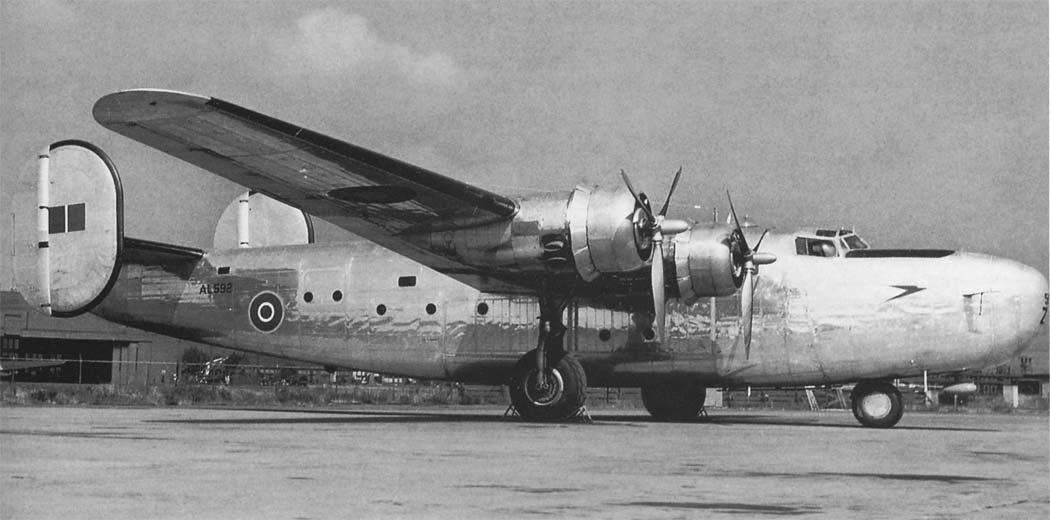 C-87 Liberator Express |
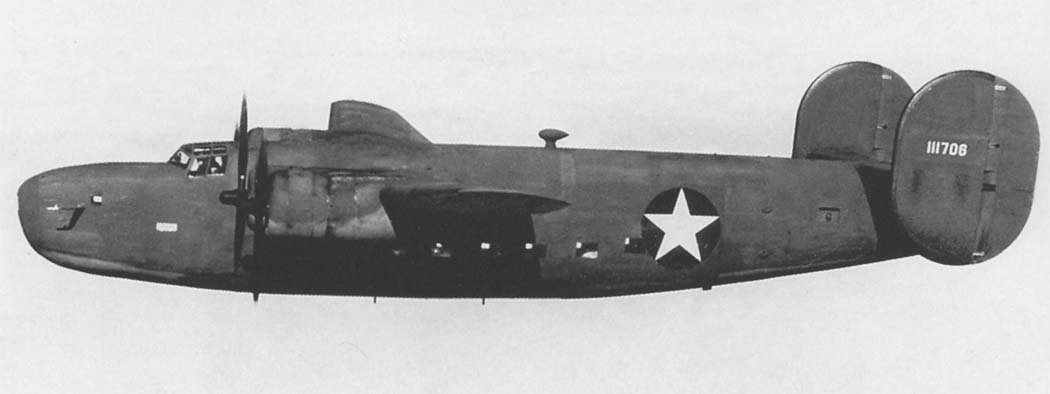 C-87 Liberator Express |
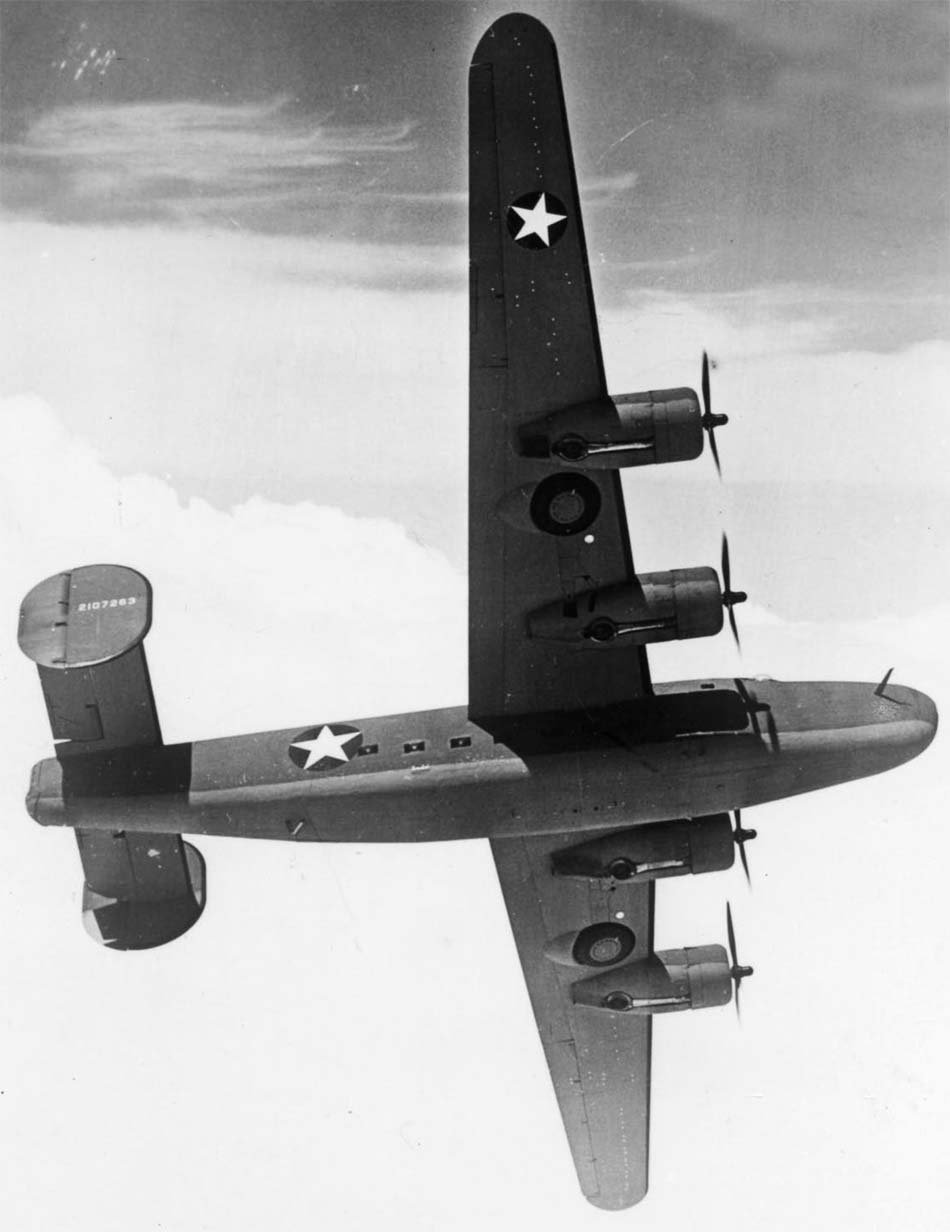 C-87 Liberator Express |
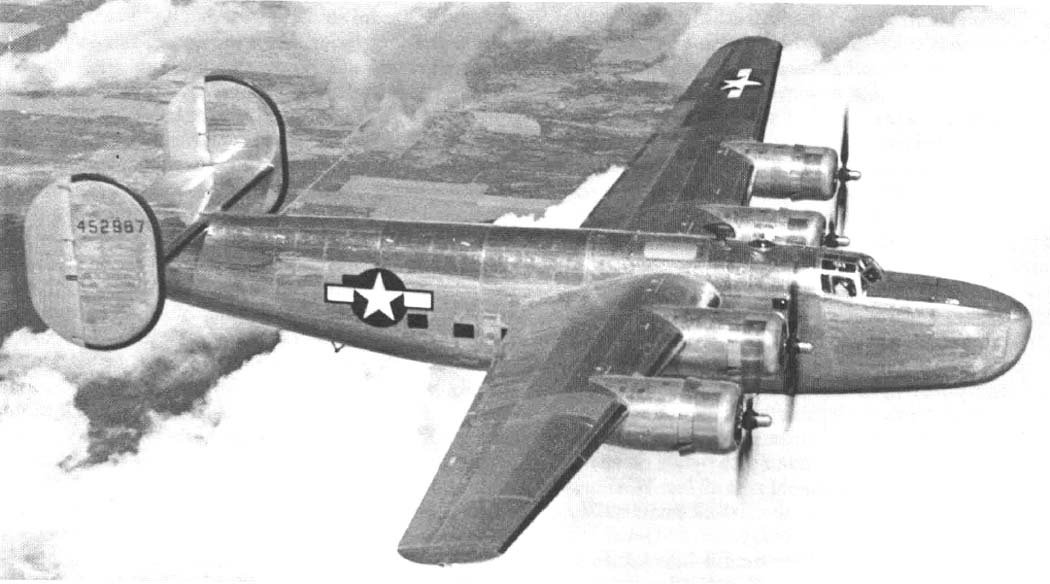 C-87 Liberator Express |
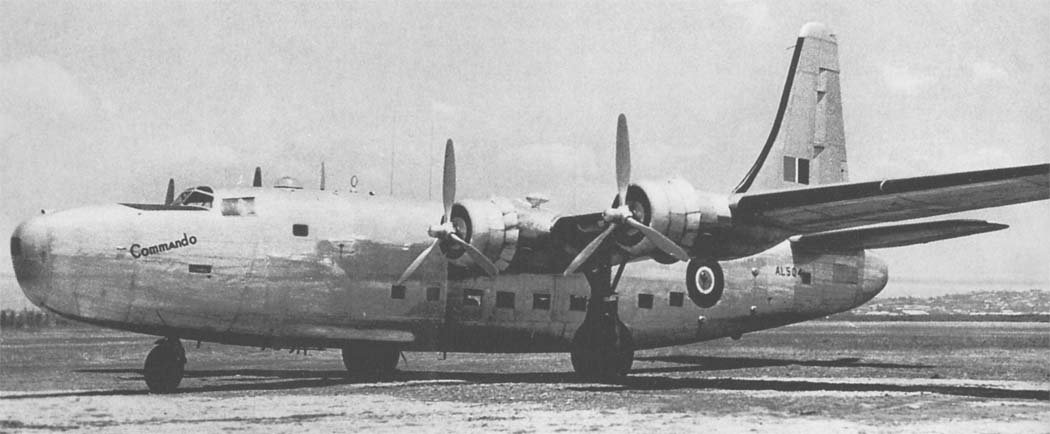 C-87 Liberator Express |
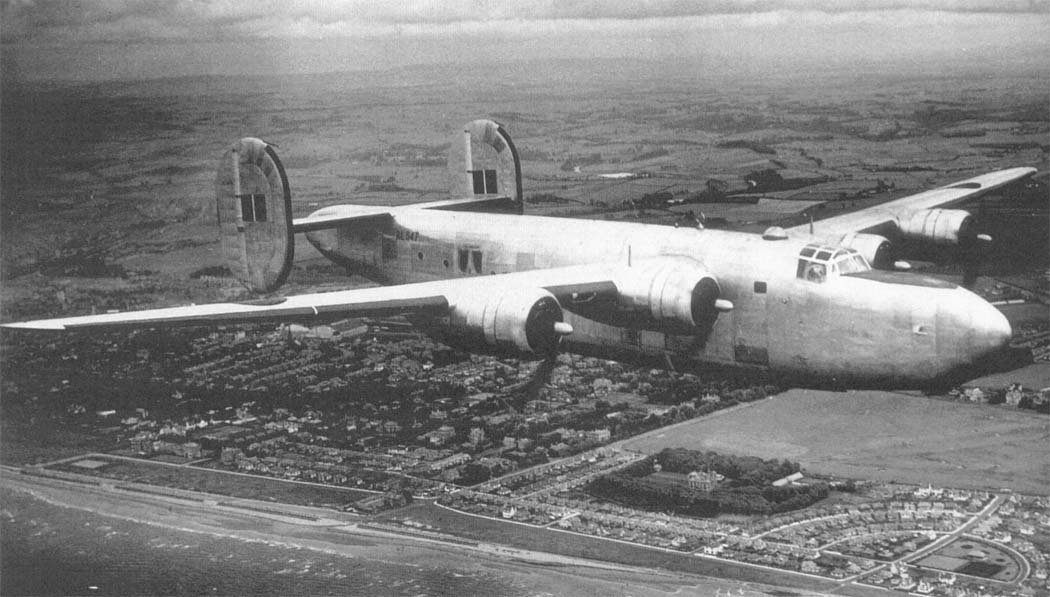 C-87 Liberator Express |
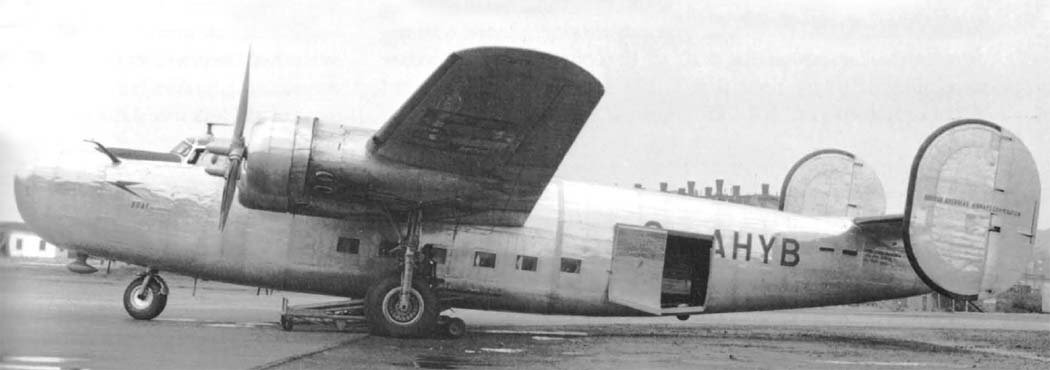 C-87 Liberator Express |
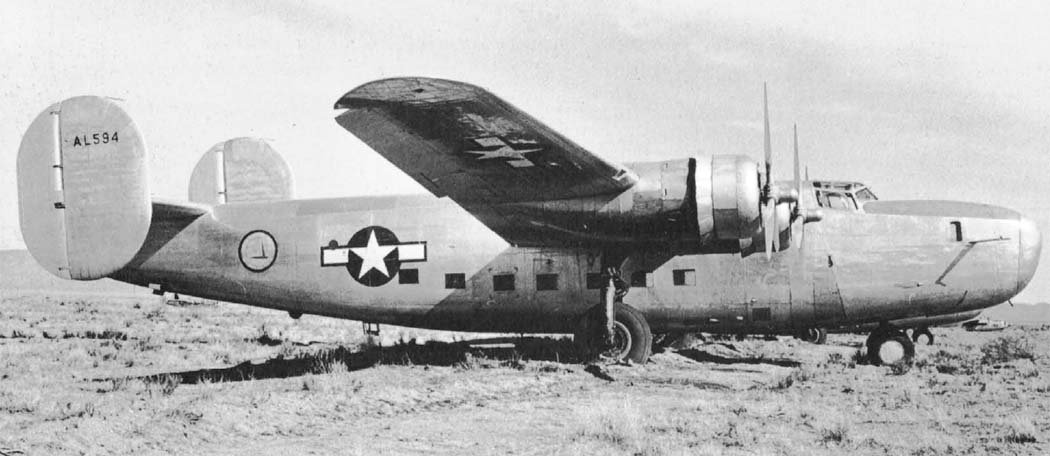 C-87 Liberator Express |
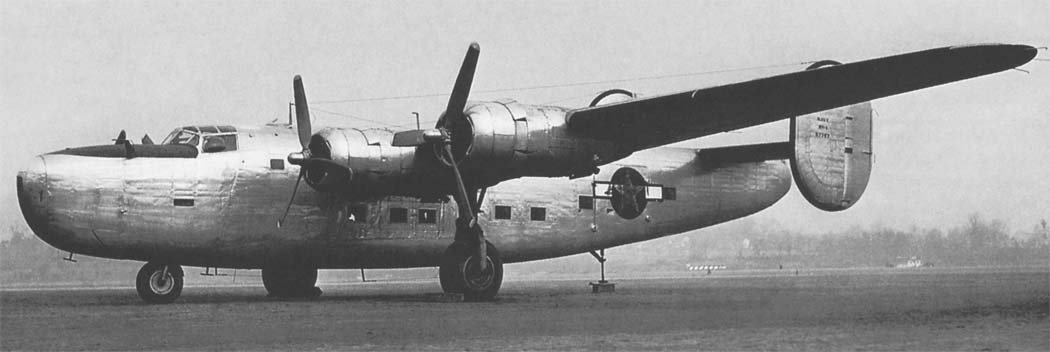 C-87 Liberator Express |
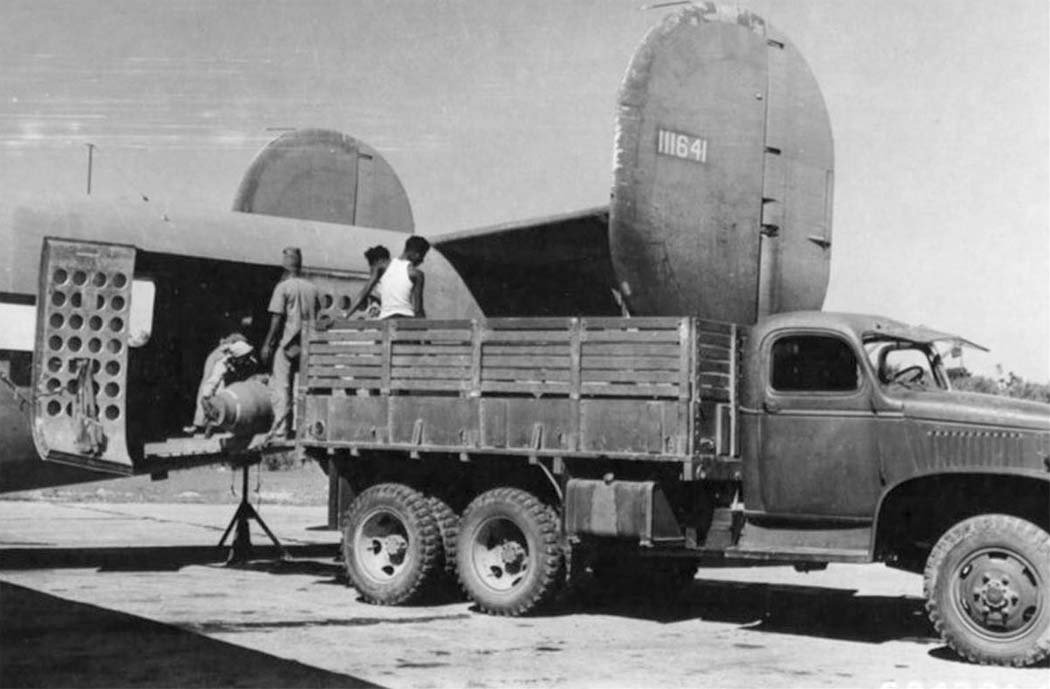 C-87 Liberator Express |
 C-87 Liberator Express |
 C-87 Liberator Express |
 C-87 Liberator Express |
 C-87 Liberator Express |