
The Ca.310, development of the successful Ca.309, began work shortly after the “Ghibli.” The “three hundred tenth” mirrored its predecessor’s design and dimensions, but featured a fuselage shorter by 0.8 meters. This modernized Caproni differed from the Ca.309 in its onboard equipment, landing gear type, and engines.
Equipped with retractable landing gear and a power plant of two Piaggio P.VII C.16 seven-cylinder radial engines, each producing 430 hp (or C.35 engines with superchargers), its maximum speed increased by almost 100 km/h compared to the “Ghibli.” The military variant of the Ca.310 carried three 7.7mm Breda-SAFAT machine guns: two in the wing roots and a third in an upper blister turret. As a light bomber, the Ca.310 could carry 400 kg of small-caliber bombs, with a crew of 3-4 people.
The prototype Ca.310 made its maiden flight on April 9, 1937. Named “Libeccio” (a southwesterly wind blowing from Libya), the aircraft was produced in a significant series. Few passenger and cargo Ca.310s, distinguished by the absence of lower nose glazing, were built. The bulk of production from the Caproni Aeronautica Bergamasca factory and the firm’s main plant in Taliedo near Milan consisted of military aircraft.
Combat Debut and Export Challenges
The “three hundred tenth” saw its baptism of fire in the Spanish Civil War, where the “Aviazione Legionaria” (Italian aviation corps supporting the Nationalists) operated 12 “Libeccio” reconnaissance aircraft. Subsequently, the Ca.310 began service in Libya. In February 1938, five unarmed machines participated in the III Saharan Air Races, with pilots I. de Wittembeschi, U. Maddalena, and G. Parodi securing the top three places.
This triumph stimulated foreign orders for Caproni, but the aircraft’s reliability proved to be subpar. Almost all Ca.310s were produced for export, sold to Czechoslovakia and Peru. Yugoslavia purchased 12 aircraft; these machines likely joined the air force of Croatia, a German ally, after the German invasion and breakup of Yugoslavia.
Hungary acquired 36 machines, but in 1938, 33 Ca.310s with various defects were returned to the manufacturer. These “Libeccio” aircraft, rejected by Hungary, remained in Italy. Norway intended to buy 24 Ca.310s, but after testing the first four, they refrained from further purchases as the Italian aircraft’s performance significantly lagged behind the firm’s promises, and assembly quality was unsatisfactory.
The Improved Ca.312 and Specialized Variants
The factory improved the Ca.310 model, equipping it with Piaggio P.XVI R.C.35 radial engines (650 hp each), three-blade propellers with spinners, and additional flaps on the landing gear struts. This upgraded aircraft received the designation Ca.312. In 1939, Norway again ordered Caproni light bombers, this time 12 “three hundred twelfth” models. However, deliveries were prevented by the war and German occupation; a small series was given to the Italian Air Force. One example was used for testing Balerio air brake systems.
A variant, the Ca.312IS, a two-float torpedo bomber with a nose similar to the Ca.311, remained a paper project. Remarkably, even Great Britain, possessing the Avro Anson bomber and other aircraft of the same class, placed a large order for the Ca.310 in January 1939, which was not cancelled even after the start of the war with Germany. The reasons for the British decision are explored further below.
Prototypes and Further Developments
Beyond the main “Libeccio” modifications, a floatplane Ca.310 “Idro” existed as a naval scout, featuring reduced nose glazing and no armament. In August 1940, when the Italian Navy needed a replacement for the Ro.43 catapult biplane, Caproni developers revisited seaplanes. This led to the Ca.316 reconnaissance-torpedo bomber, powered by Piaggio P.VII C.16 radial engines (450 hp each) with two-blade propellers.
The Ca.316 was armed with a 12.7mm machine gun in the root of the left wing, a 7.7mm machine gun in an upper turret, and could carry 400 kg of bombs or a torpedo. Several Ca.316 prototypes were built, but it did not enter series production, hindered by internal competition from the Ca.313 and Ca.314. An experimental Ca.310 bis, featuring a completely glazed, unstepped cockpit, became the prototype for the subsequent Ca.311 bomber, with 12 such aircraft sent to Yugoslavia.
Another variant of the Ca.310 was equipped with Piaggio P.XVI R.C.35 engines, rated at 470 hp.
Technical Specifications
| Modification | Ca.31 0 |
| Wingspan, m | 16.20 |
| Length, m | 12.20 |
| Height, m | 3.52 |
| Wing area, m2 | 38.70 |
| Empty weight | 3 053 |
| Normal takeoff weight | 4205 |
| Engine type | 2 Piston engines Piaggio P.VII C.16 |
| Power, hp | 2 x 460 |
| Maximum speed, km/h | 357 |
| Cruising speed, km/h | 306 |
| Practical range, km | 1025 |
| Service ceiling, m | 7400 |
| Crew | 3 |
| Armament | three 7.7-mm machine guns, bomb load – 400 kg |
Image and diagram gallery of the Ca.310 Libeccio
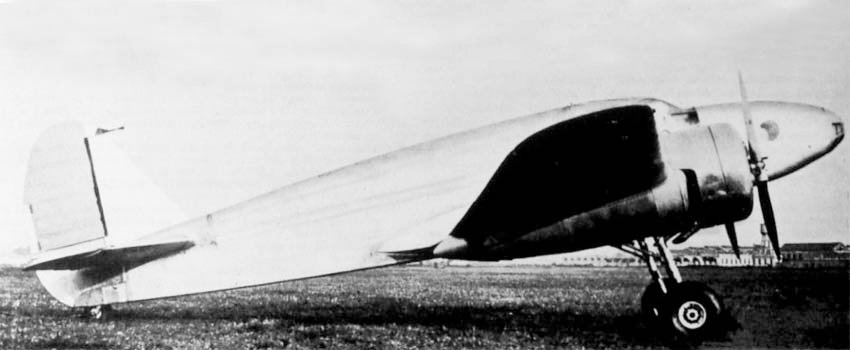 Ca.310 Libeccio |
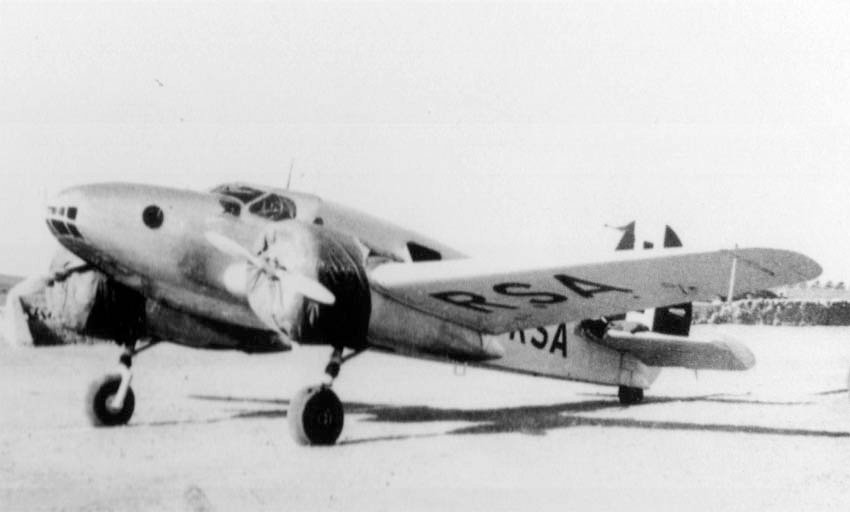 Ca.310 Libeccio |
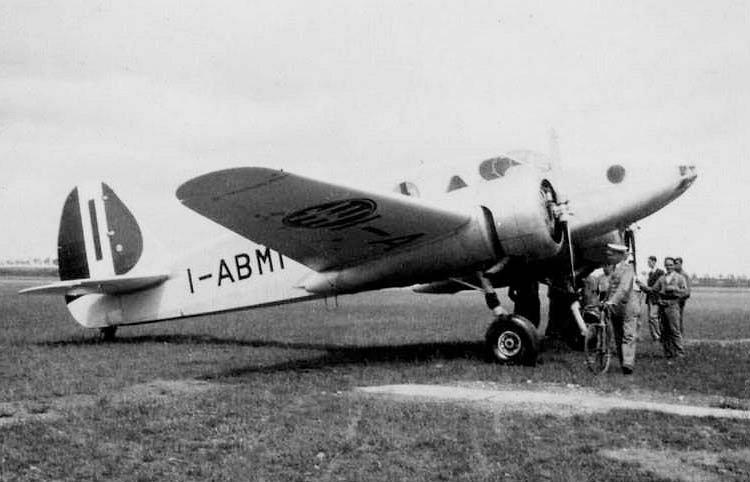 Ca.310 Libeccio |
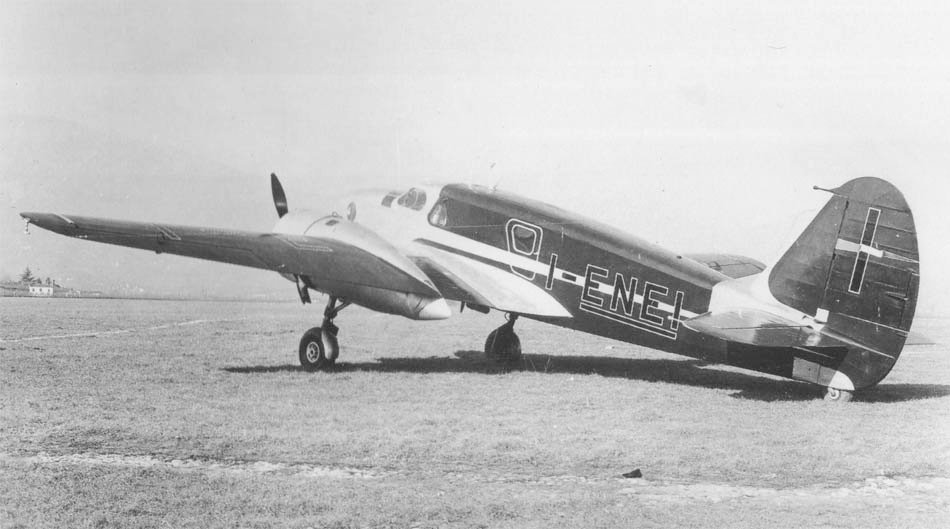 Ca.310 Libeccio |
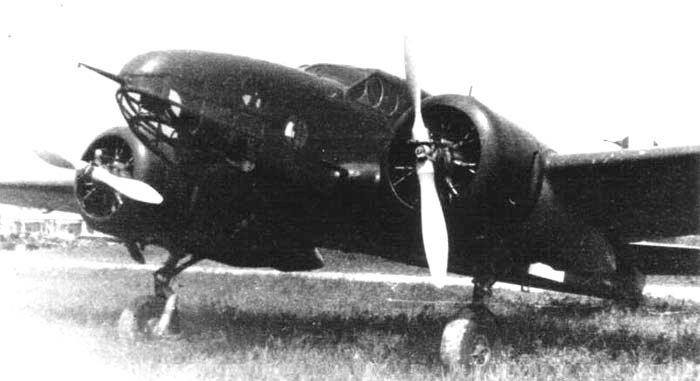 Ca.310 Libeccio |
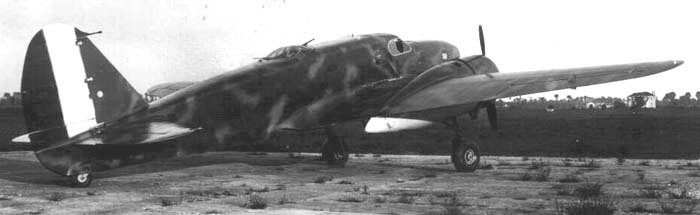 Ca.310 Libeccio |
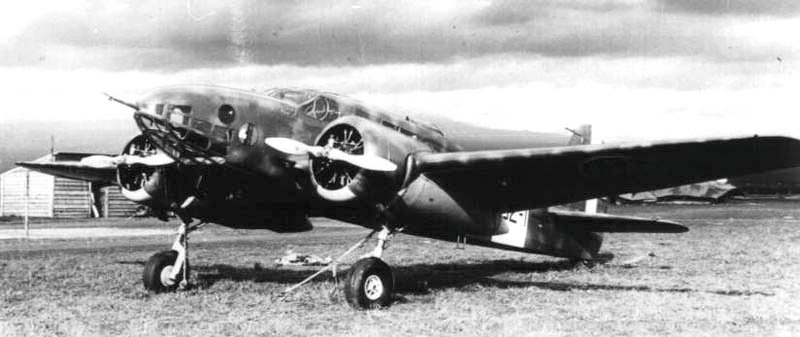 Ca.310 Libeccio |
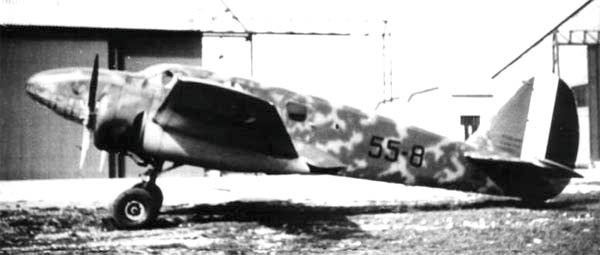 Ca.310 Libeccio |
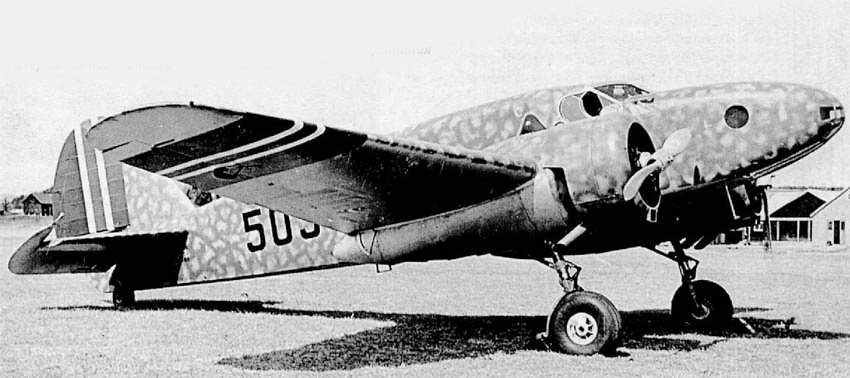 Ca.310 Libeccio |
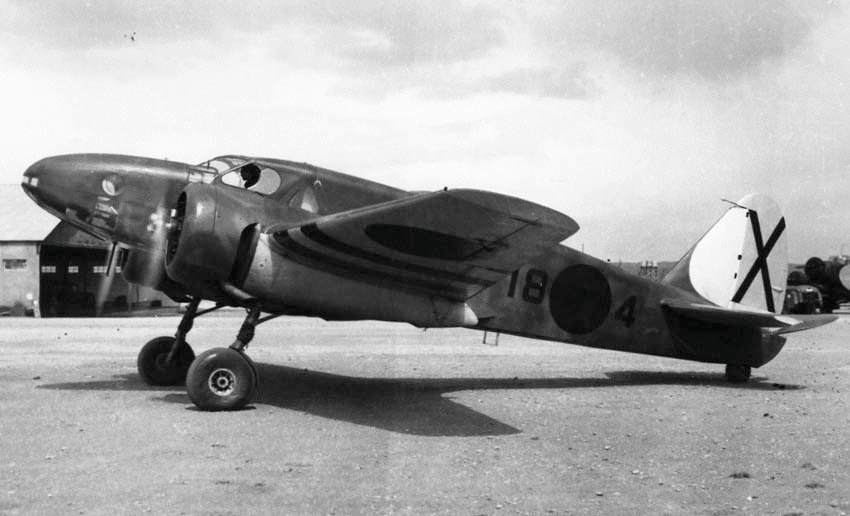 Ca.310 Libeccio |
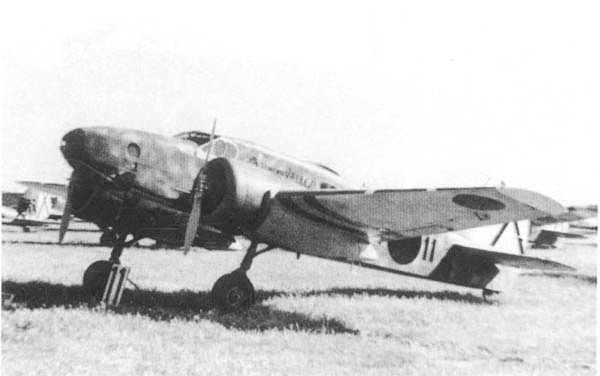 Ca.310 Libeccio |
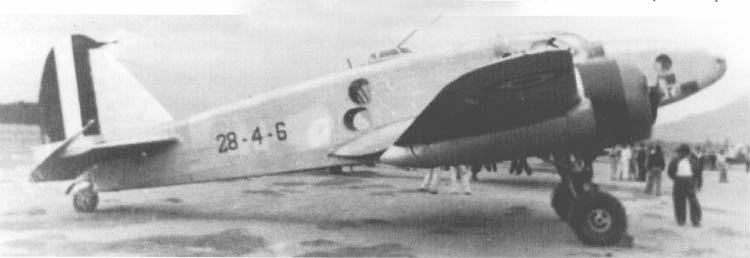 Ca.310 Libeccio |
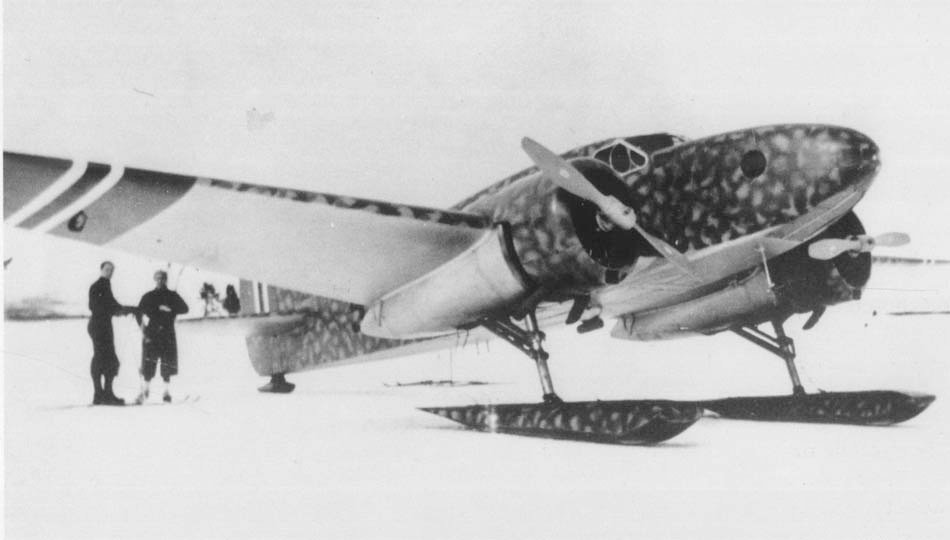 Ca.310 Libeccio |
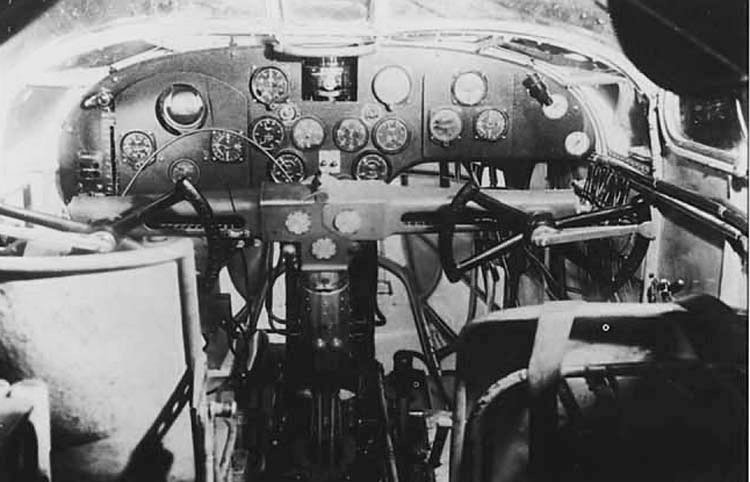 Ca.310 Libeccio |
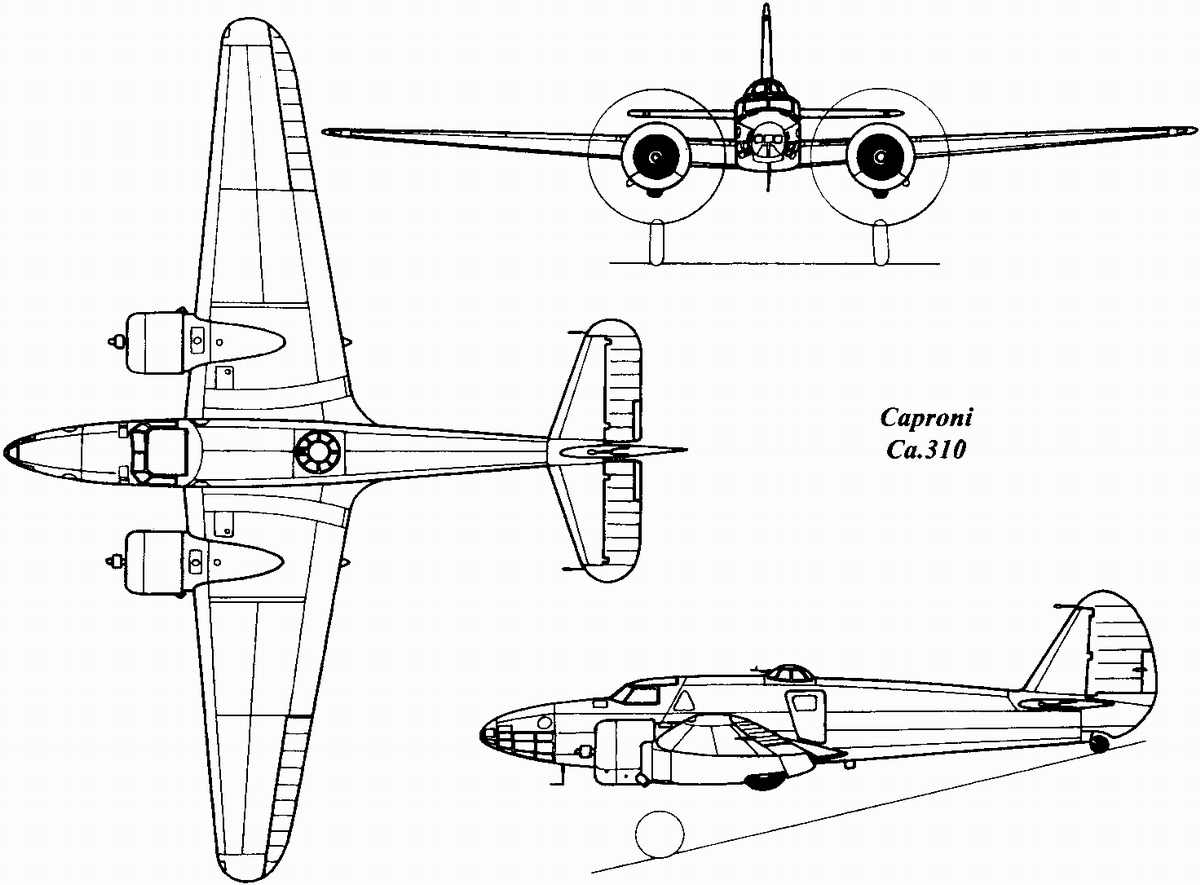 Ca.310 Libeccio |
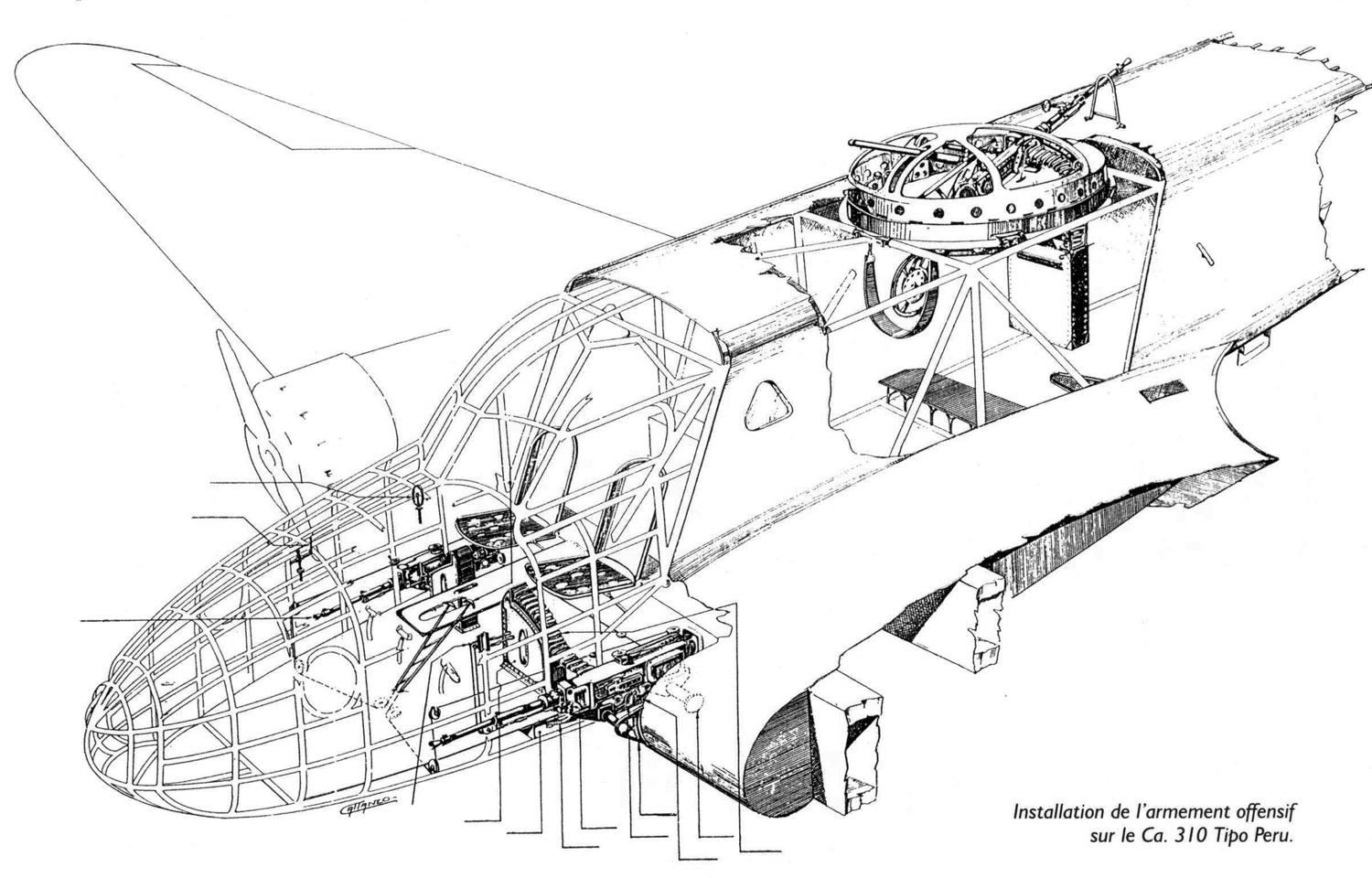 Ca.310 Libeccio |
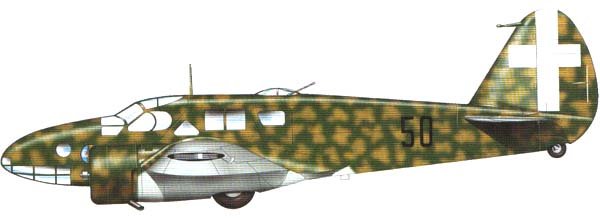 Ca.310 Libeccio |
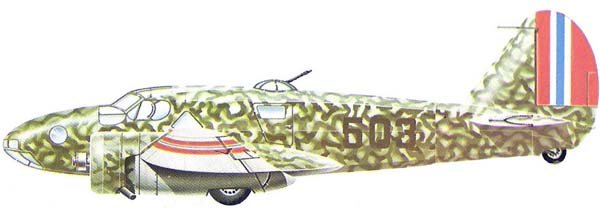 Ca.310 Libeccio |
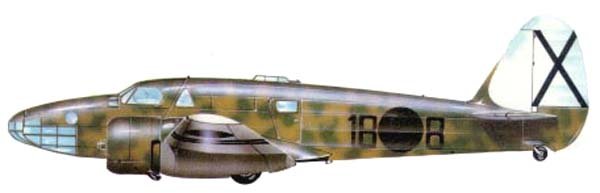 Ca.310 Libeccio |